Author: ss1_editorialteam

  • Yerköprü Waterfall: Mersin’s Natural Water Sanctuary

    Yerköprü Waterfall: Mersin’s Natural Water Sanctuary

    Deep within the sun-scorched valleys of the Taurus Mountains, where the rugged Anatolian interior meets the Mediterranean basin, lies a hidden canyon that feels entirely disconnected from the modern world. Rather than following the predictable tourist highways, adventurers who venture into the Mut district of Mersin are rewarded with a breathtaking, verdant oasis bursting violently out of dry, limestone cliffs.

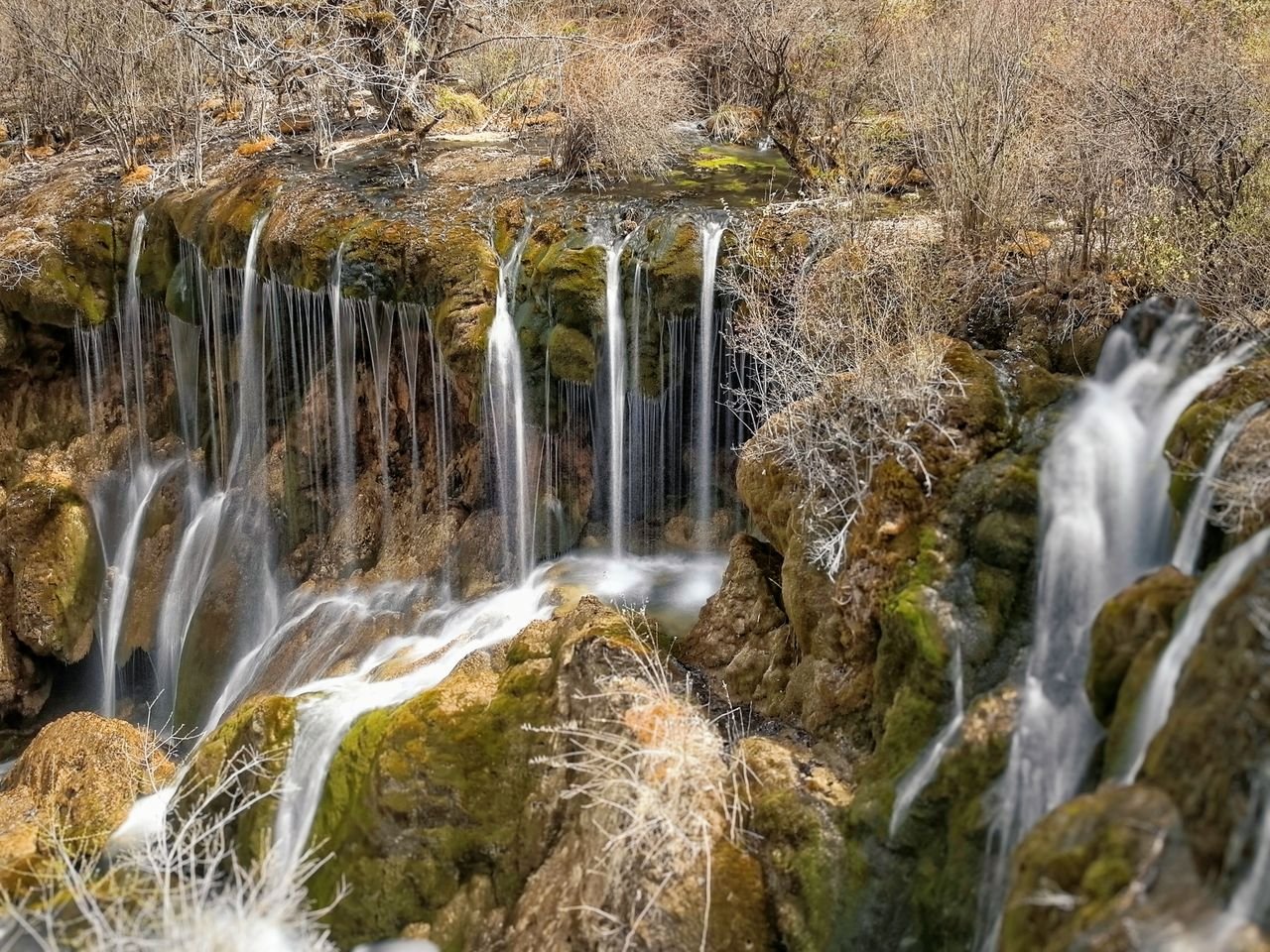
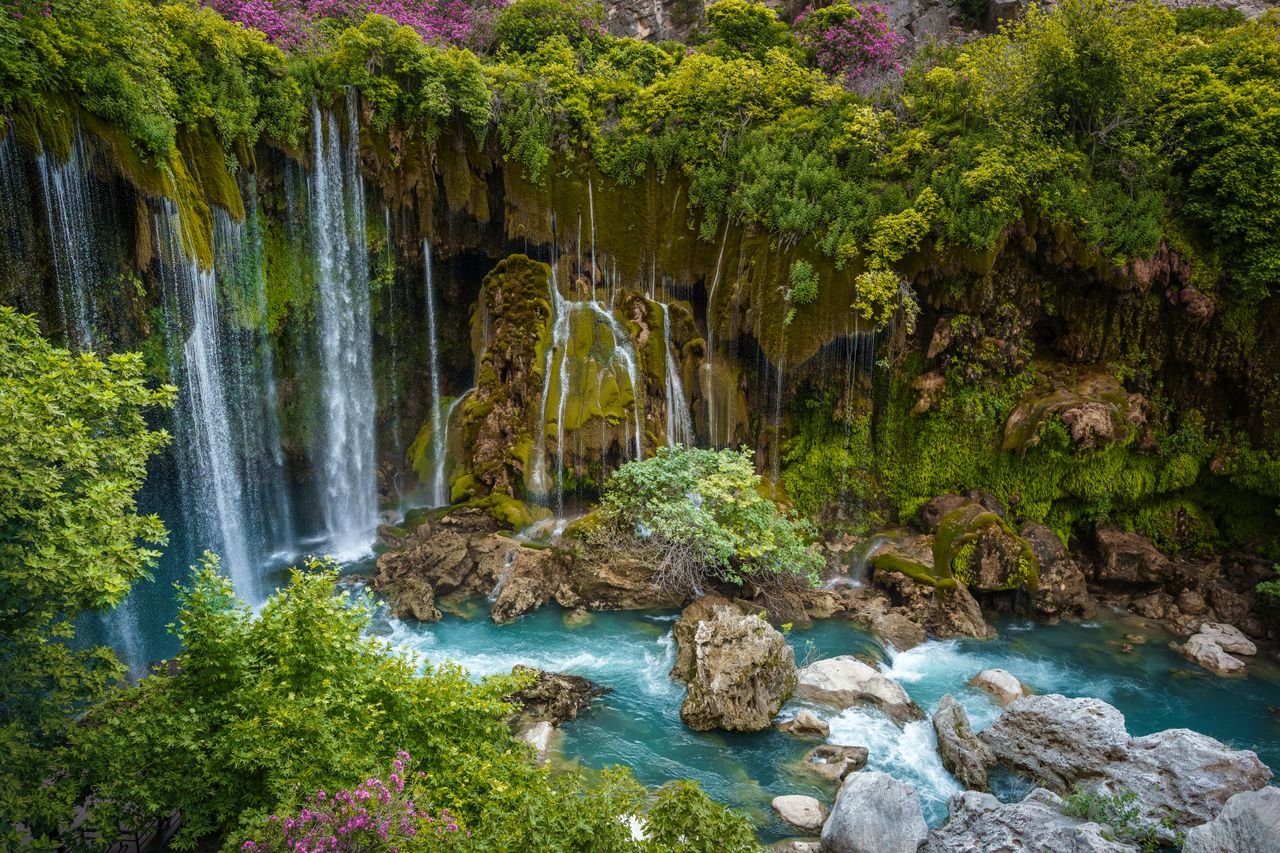
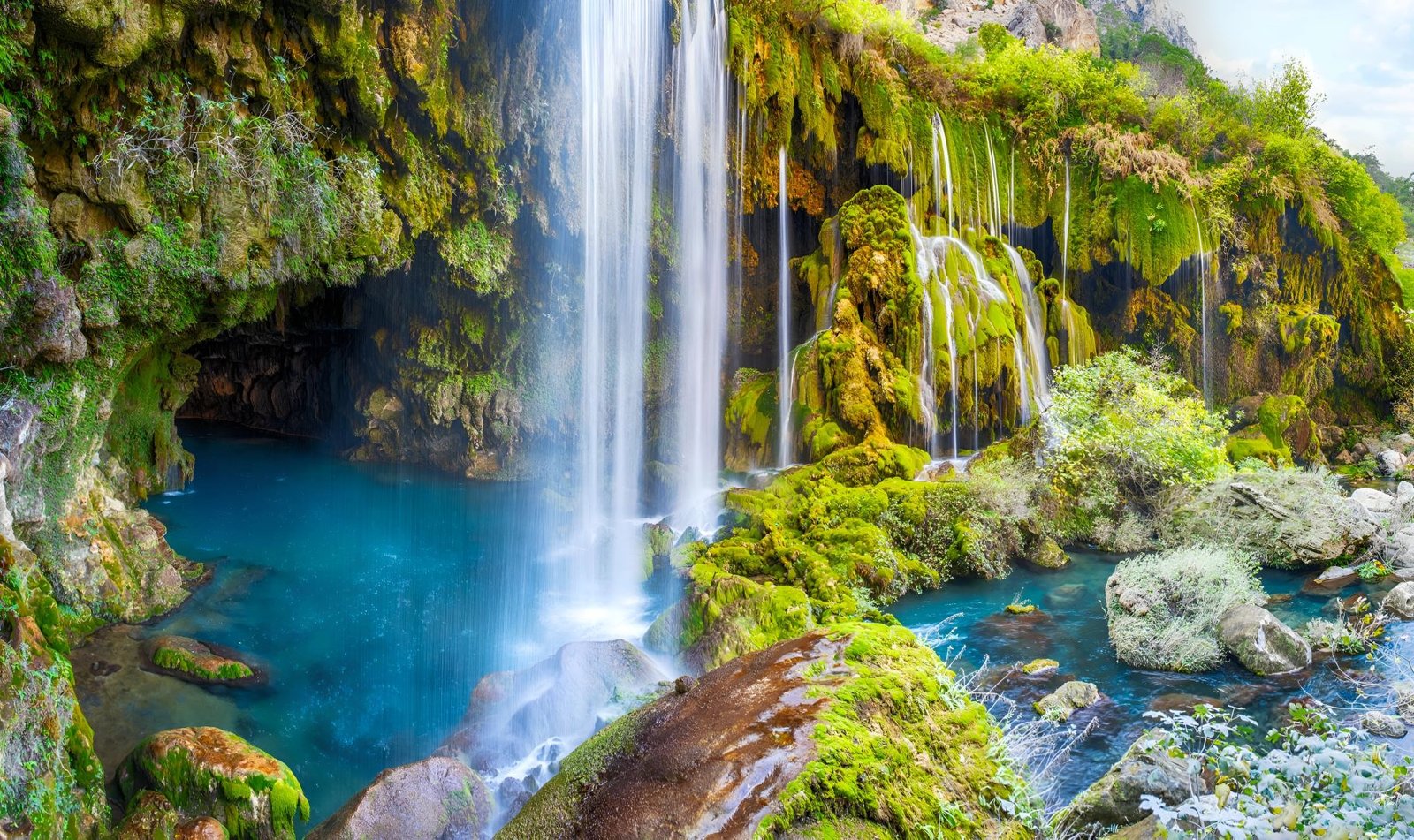
    Registered as a strictly protected natural monument, the magnificent Yerköprü Waterfall unfolds as a jaw-dropping turquoise sanctuary defined by towering vertical rock bridges, hidden stalactite caves, and a rugged, adventurous energy that celebrates the raw power of nature.

    Fiercely contrasted against the arid brown peaks of southern Turkey, this raw paradise has experienced an unprecedented infrastructure and preservation upgrade under recent 2026 environmental conservation frameworks. The local management has beautifully transformed the steep, challenging canyon trails into a network of highly secure wooden boardwalks and panoramic suspension bridges while fully retaining the wild, epic nature-first spirit of the valley.

    If you are ready to witness a river plunge directly out of an underground cave tunnel, navigate suspended canyon paths hung high above rushing rapids, and gaze into a neon-turquoise mineral pool, here is why this dramatic sanctuary belongs at the absolute top of your checklist.
    The geographic layout here operates like a masterclass in subterranean dynamics, showcasing how raw water can completely carve out a mountain from the inside out. Instead of flowing over predictable rock steps, the Göksu River basin acts as a fierce, high-pressure geological engine that has spent millennia punching massive pathways straight through the heart of the limestone plateau.

    Walking along the cliff-hugging boardwalk paths brings travelers eye-to-eye with an incredibly rich ecosystem. The canyon interior thrives as a microclimate packed with hanging ivy curtains, wild fig trees, and ancient moss formations, while the outer valley remains completely dry. Peer over the edge of the safety railings to spot the ultimate marvel: a massive, 30-meter-thick solid stone roof where the river vanishes entirely into darkness before erupting into the open air as a thundering, glacial-blue pool that feels completely untouched by modern civilization.

    What Makes It So Captivating
    This hidden wilderness playground continuously dominates social media feeds and captures the fascination of international tourists for several key reasons:

    • The Earth Bridge Viewpoint:
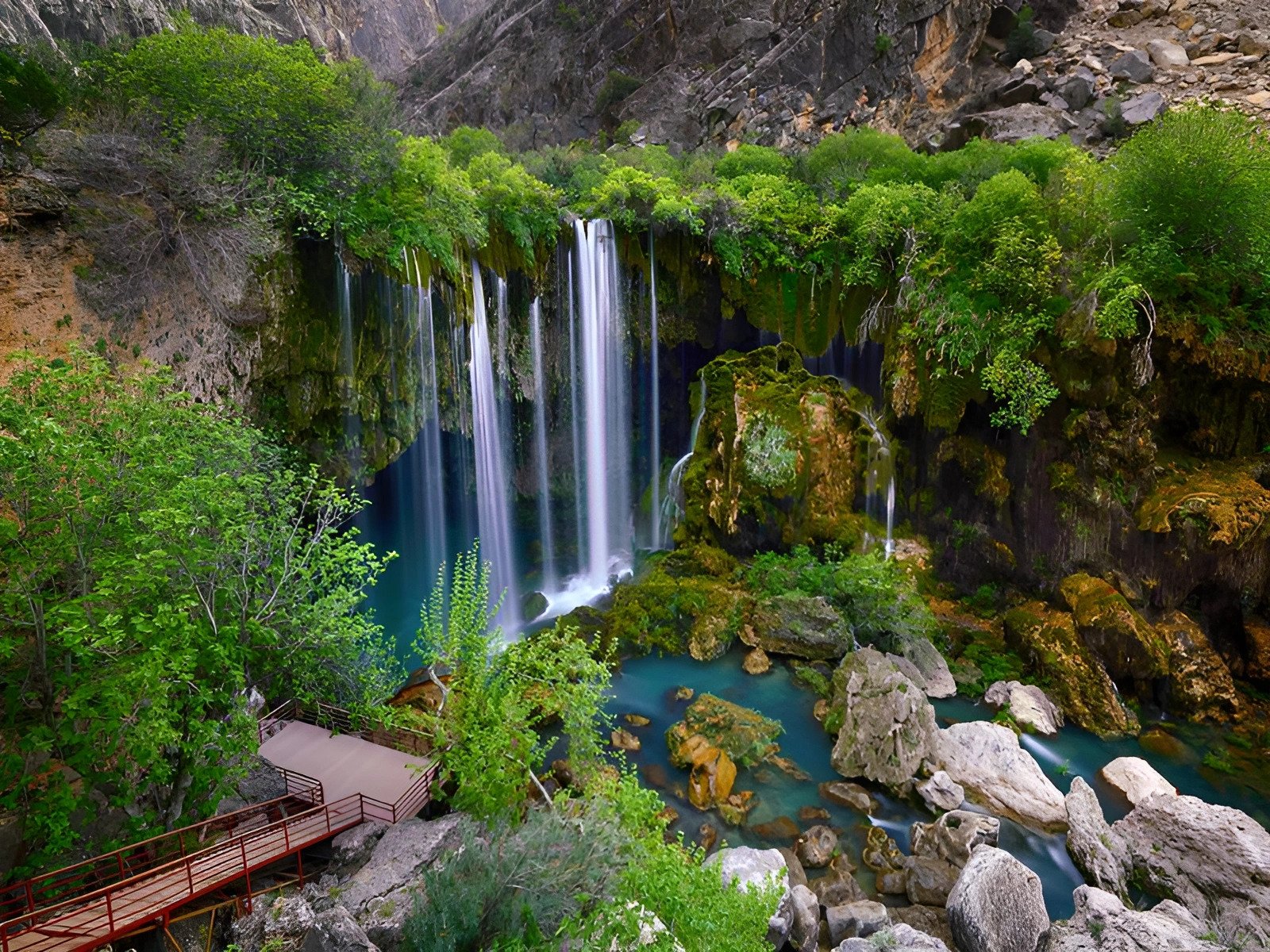
    The absolute hallmark of the park is the world-famous natural travertine bridge. The geological headland features a bizarre, breathtaking limestone rock formation where the river bursts out from an underground cavern before dropping 30 meters vertically into a crystalline pool, serving as the ultimate bucket-list photo spot.

    • The Cliffside Wooden Staircase:
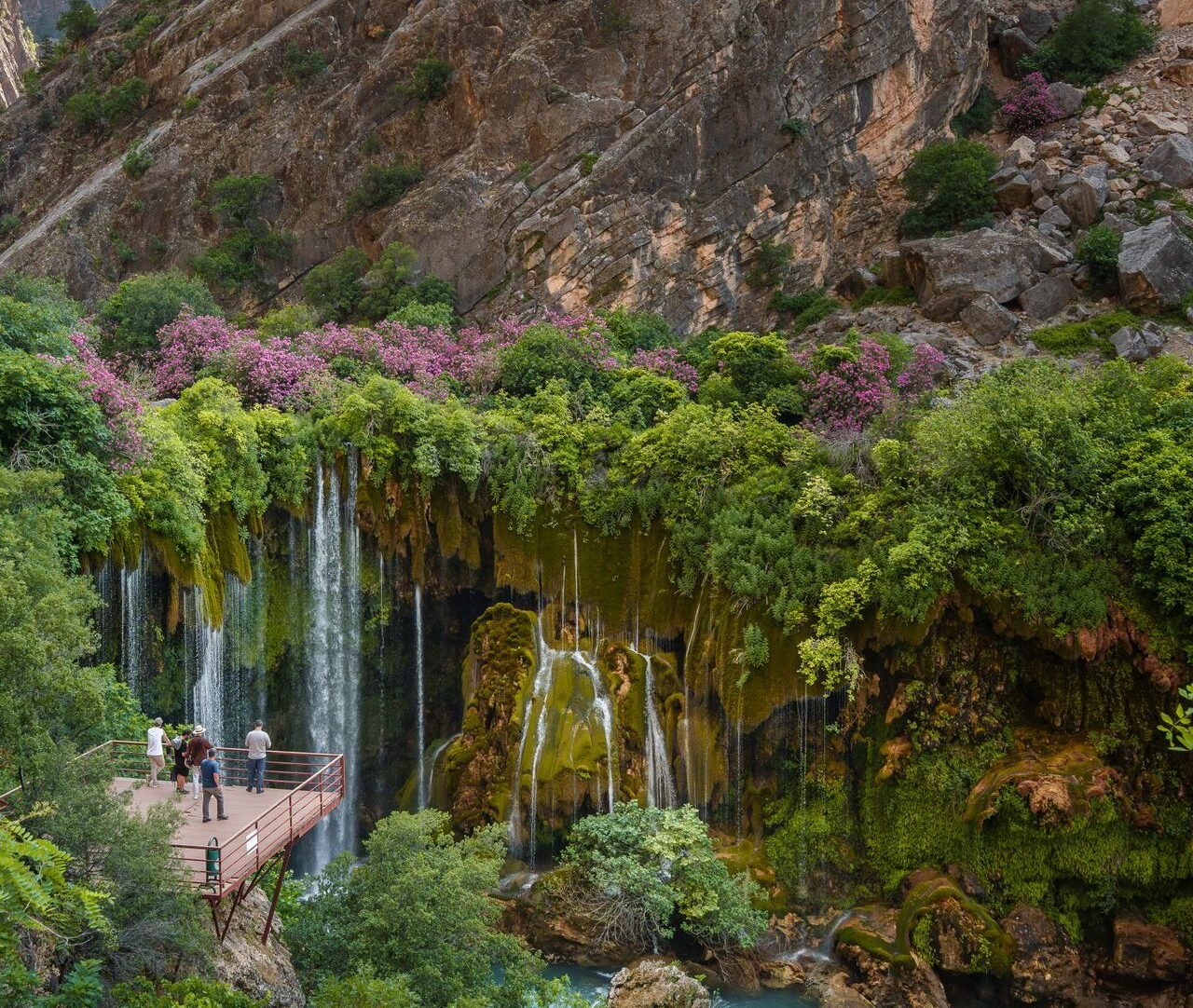
    Over on the steep valley slope sits the canyon access system, universally famous for its dramatic, jaw-dropping layout. The park painstakingly built a 500-meter winding wooden staircase and path network directly into the sheer vertical canyon walls, allowing travelers to safely walk down into a postcard-perfect viewing deck.

    • The Stalactite Cave Sanctuary:
    The hidden space directly behind and beneath the main waterfall curtain is a globally revered geological protected zone. Ancient, dripping rock formations rise right up along the cave walls, creating an elite ecosystem where travelers can reliably explore year-round alongside deep, 15-meter mineral lakes that span across hidden subterranean caverns.

    💡 Read Next: If you’re satisfied with the hidden, moss-draped canyon trails and rushing turquoise cascades of the Taurus Mountains, we highly recommend you to head north to Istanbul’s Asian side to wander seaside paths, meet friendly resident cats, and catch panoramic Bosphorus views in our ultimate guide to Fenerbahçe Park!

    Ways to Fill Your Itinerary
    In order to get the full experience at this place, your routes should effectively splits the sanctuary into two distinct day loops—the wild West Coast and the photogenic East Coast:

    • Wander Into the Panoramic Suspension Bridge:
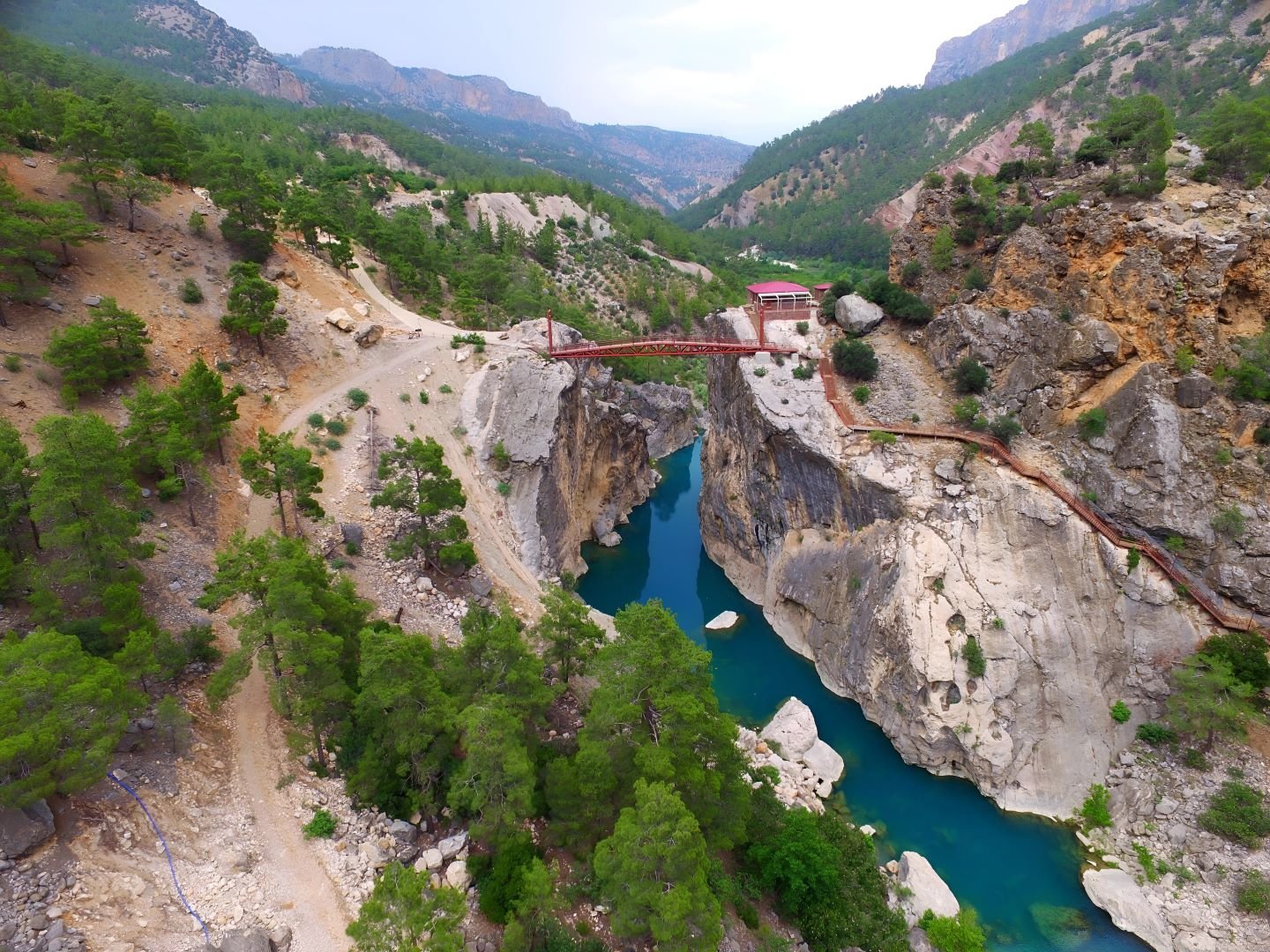
    Head to the upper west trails to discover this spectacular natural engineering marvel. The clear mountain breeze flows smoothly across a jagged limestone gorge, letting you look straight down to the rushing turquoise river while the valley winds smash violently against the outer barrier wall.

    • Cross the Bridge at the Deep Blue Pool:
    Walk just a few paces past the cave mouth to marvel at this geological wonder. The site is a massive, circular mineral basin that has caved in over millennia, creating a perfectly round enclosed bay fed by a grand, arched natural stone vault spanning the open water entryway.

    • Browse the Twin Observation Terraces:
    Journey to the rugged eastern edge to scale the rocky paths looking down at the lower canyon enclave. The view treats you to a staggering panoramic vista of jagged emerald flora rising out of the turquoise water sea, closely mimicking the scenery of a prehistoric jungle paradise.
    📌 Fast Facts for Your Itinerary

    📍 Gateway Location: Yerköprü Şelalesi Tabiat Parkı Visitor Gate, Evren Village Road, Mut District, Mersin, Turkey. If you are driving yourself or looking for regional shuttle buses from the Mediterranean coast, you can consult the Mut Municipality Transit Hub and Regional Map to plan your exact driving route through the Taurus Mountains.


    ⏰ Optimal Visiting Strategy: The sanctuary is breathtaking year-round; however, planning your overland loop for the spring and early summer window between April and June guarantees roaring water volumes and lush, vibrant green foliage before the peak summer heat sets in.

    🎫 Mandatory Conservation Levies: The nature park in 2026 utilizes a modern vehicle-based entry and parking tariff system rather than individual tickets. The strict regional tourism fee is currently 105 ₺ (approx. RM14) per standard car, which seamlessly includes admission for all passengers inside the vehicle.

    🥾 Pro-Tip: While trying to hike down in casual sandals is popular for backpackers hitting coastal beaches, Yerköprü’s inner canyon stairs are notoriously steep, demanding, and slick with waterfall mist. We recommened you to wear rigid trekking shoes with excellent grip for maximum safety and provide knee relief, pack plenty of drinking water, and opt for the local shuttle vehicle service (available at the inner station) to skip the long mountain road walk back to the parking lot!
  • The Cotton Castle: Why Pamukkale Belongs on Your Turkey Itinerary

    The Cotton Castle: Why Pamukkale Belongs on Your Turkey Itinerary

    Once you left the dusty Anatolian highways behind, you are then immediately greeted by the sun-drenched vineyards and rolling agricultural valleys of Denizli. Just past the standard tourist rest stops, a blindingly white geological miracle rises dramatically from the earth, looking less like a standard landscape and more like an glacial fortress dropped into the Turkish countryside.

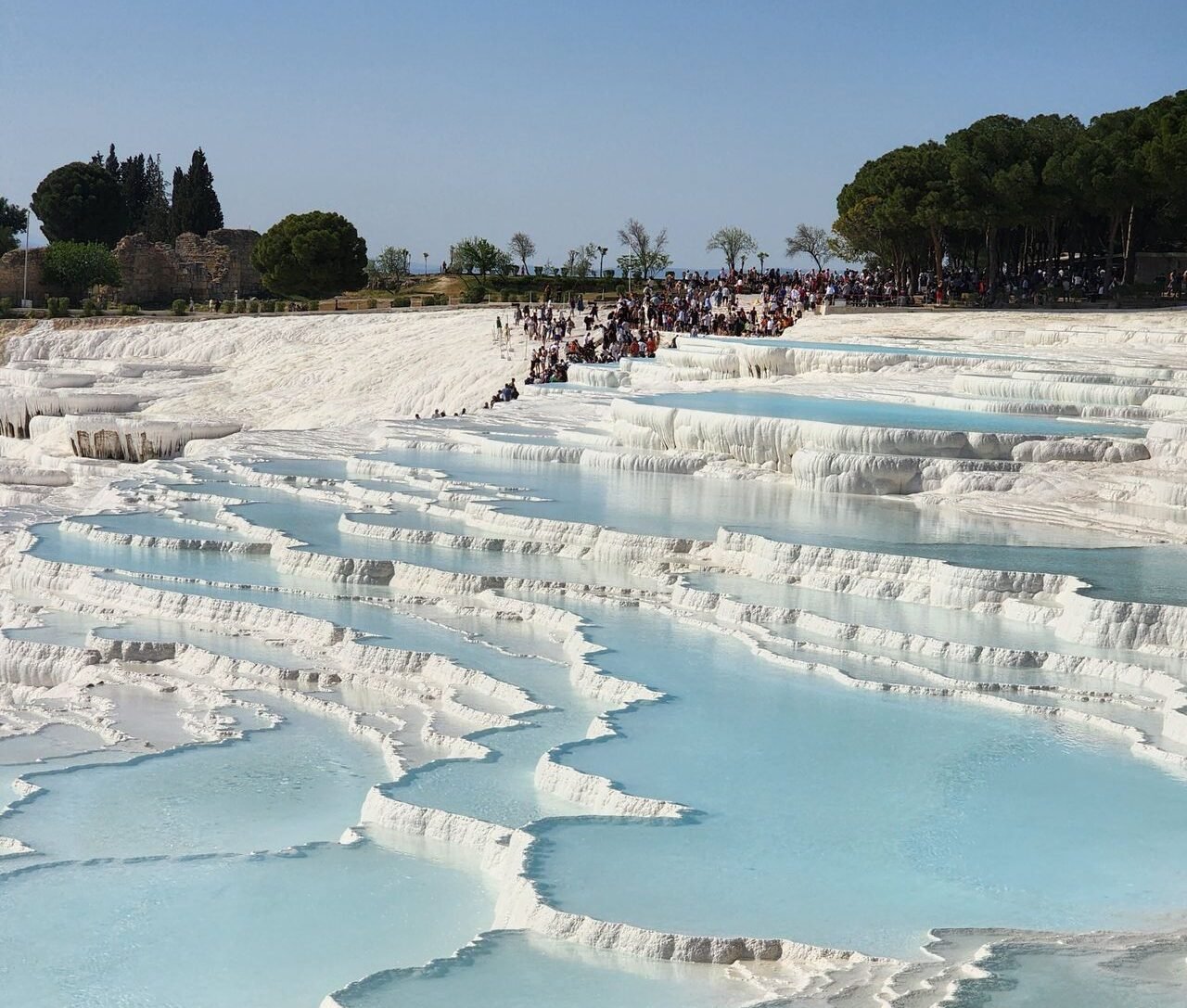
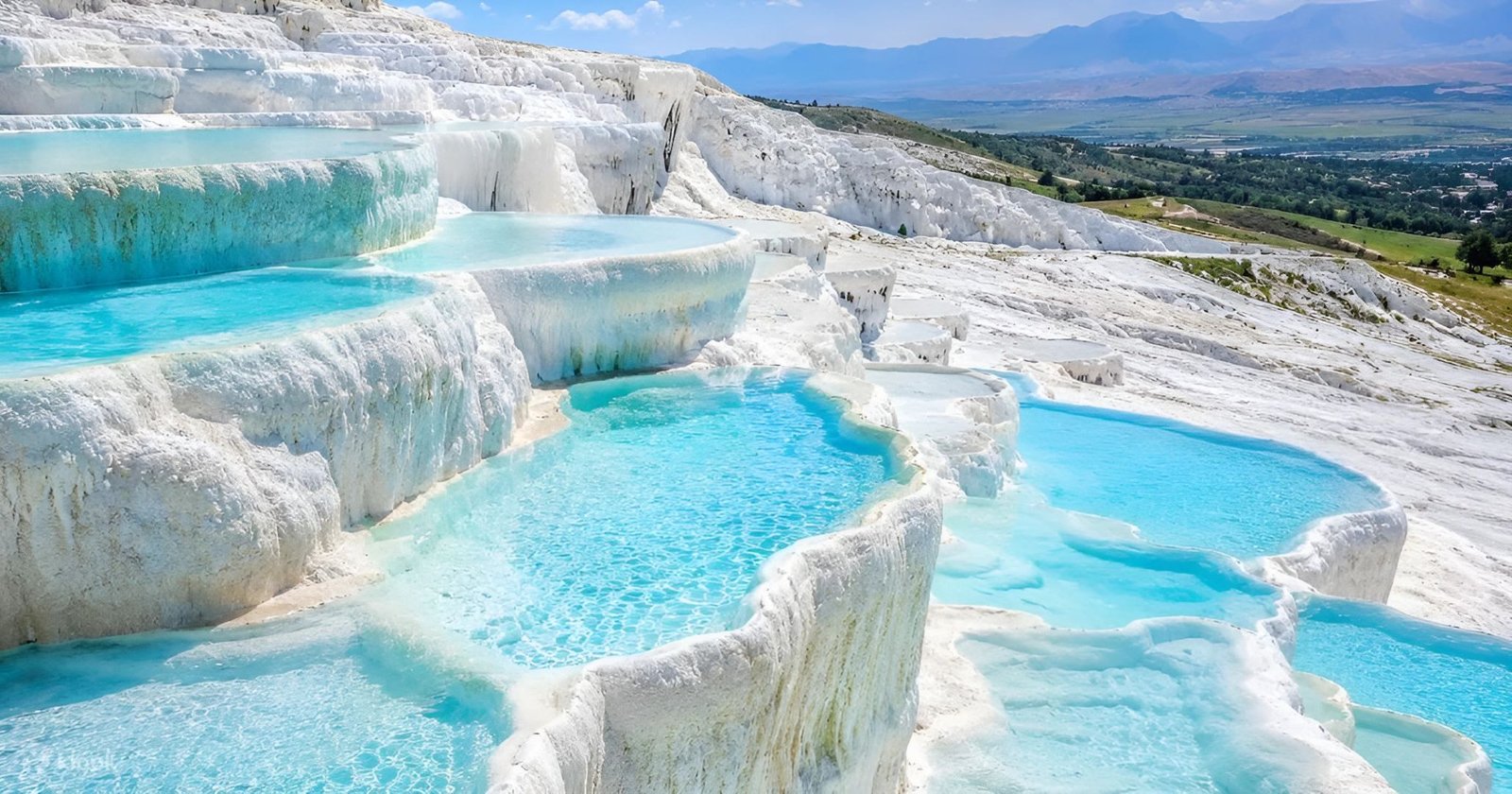
    Named as the crown jewel of Turkey’s inner Aegean region, the ‘Cotton Castle’ of Pamukkale unfolds as a jaw-dropping limestone and mineral sanctuary defined by towering vertical terraces, hidden turquoise pools, and a rugged, adventurous energy that proudly bridges nature and ancient history. To bypass long ticket lines at the gates, foreign visitors can purchase their combined admission vouchers in advance on the official Turkish Ministry of Culture and Tourism Muze Portal, ensuring seamless access to the entire landscape.

    Fiercely contrasted against the rocky brown peaks of the surrounding countryside, this raw paradise has experienced an unprecedented environmental conservation boom under recent Turkish tourism frameworks. It has beautifully transformed its narrow, winding visitor paths into carefully regulated barefoot walkways while retaining its wild, epic nature-first spirit.

    If you are ready to conquer the world’s most famous cascading cliff view, descend epic travertine terraces carved straight out of solid mineral crust, and swim alongside ancient Roman columns, here is why this dramatic sanctuary belongs at the absolute top of your checklist.

    Pamukkale treats landscapes like a high-drama masterclass in raw, geothermal power. Unlike the rugged stone formations of mainland Cappadocia, the geography here is a volcanic and mineral battlefield of massive, towering calcium carbonate sea cliffs that drop vertically into the deep, churning currents of the Menderes valley.

    As you set foot onto the thermal trails, you are welcomed face-to-face with breathtaking structural topography. The interior is an undulating maze of white, mineral-lined basins and deep water ravines, but the true magic unfolds along the edges. Squeeze your eyes on the sheer drops from the upper plateaus, and you will notice how the relentless springs have punched massive holes straight through coastal rock walls—creating natural bridges, emerald reflecting pools, and completely secluded crescents of powdery white crust that feel completely untouched by modern civilization.

    Why It Is Popular

    This craggy geological titan continuously dominates social media feeds and captures the fascination of international globetrotters for several key reasons:

    •The Legendary Cotton Castle Viewpoint:
    The absolute hallmark of the area is the world-famous white hillside. The coastal headland features a bizarre, breathtaking limestone rock formation that looks exactly like the gaping jaws and curved spine of a frozen waterfall, serving as the ultimate bucket-list photo spot.

    •The Cleopatra Antique Pool Staircase:
    Over on the upper plateau sits the ancient thermal bath, universally famous for its dramatic, jaw-dropping underwater layout. The community painstakingly preserved a pristine stone staircase directly into the sheer vertical pool wall, allowing travelers to safely walk down into a postcard-perfect cove guarded by towering diamond-shaped fallen Roman columns.

    •The Hierapolis Amphitheatre Sanctuary:
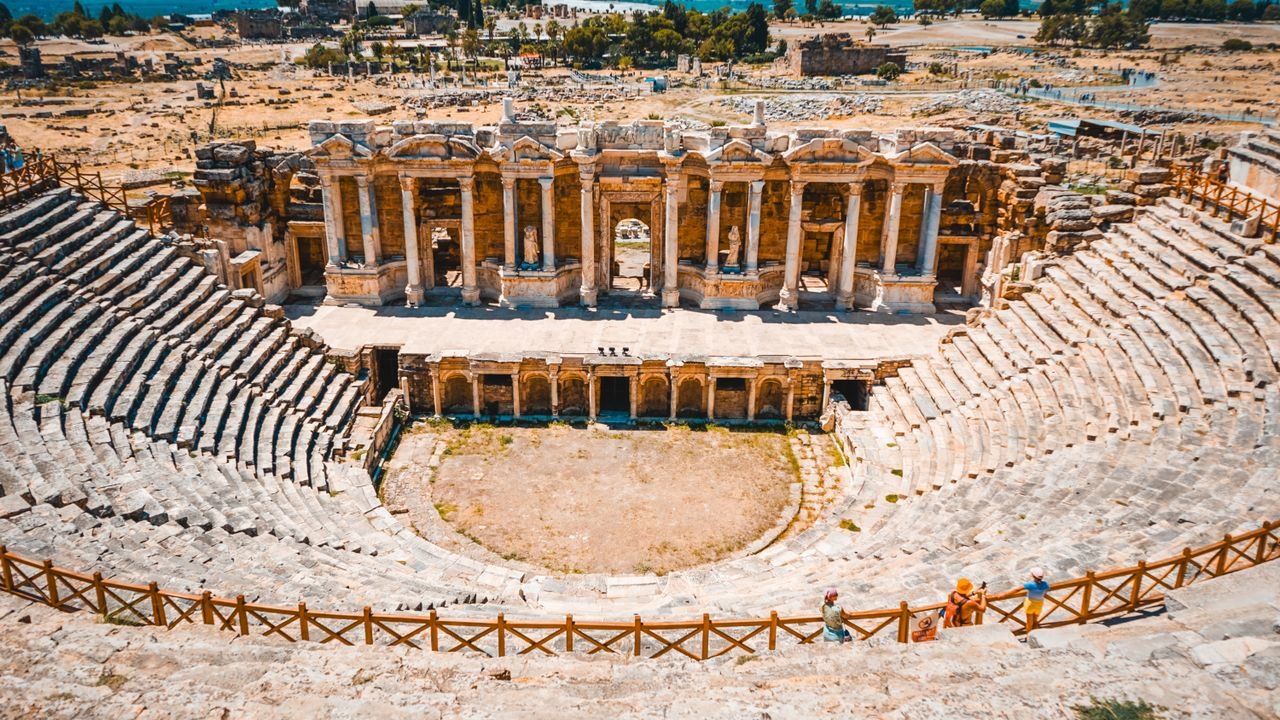
    The ridge surrounding the southern cliffs is a globally revered heritage protected zone. Nutritious, historic deep-stone architecture rises right up along the hills, creating an elite ecosystem where travelers can reliably explore year-round alongside giant Roman ruins that span up to hundreds of meters in width.

    💡 Read Next: Ready to trade the high-drama sea cliffs and turquoise ocean lagoons of Bali’s rugged sibling for a peaceful walk through a giant, futuristic floating glass mosque? Head west across the Java Sea to check out our ultimate architectural guide to Bandung’s stunning Masjid Raya Al-Jabbar!

    Attractions to Explore

    Structuring your overland routes effectively splits the sanctuary into two distinct day loops—the wild West Coast and the photogenic East Coast:

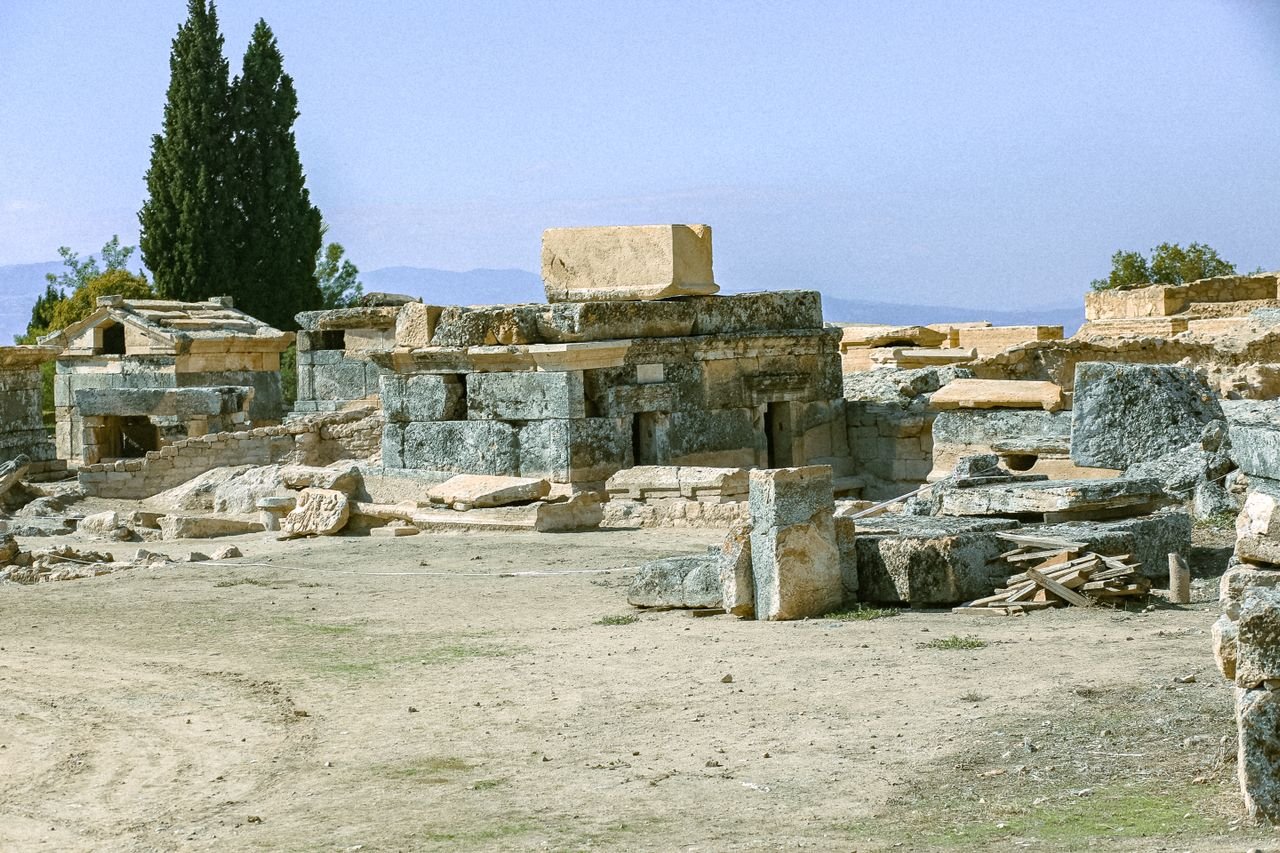
    •Wander Into the Northern Necropolis:
    Head to the west coast to discover this spectacular natural stone infinity pool. The clear spring waters flow smoothly into a jagged limestone lagoon, letting you look straight through to the colorful tomb floors while the valley winds smash violently against the outer barrier wall.

    •Cross the Bridge at the Martyrium:
    Walk just a few paces past the theater to marvel at this geological wonder. The site is a massive, octagonal volcanic crater that has caved in, creating a perfectly round enclosed bay fed by a grand, arched natural stone bridge spanning the open field entryway.

    •Browse the South Gate Viewpoint:
    Journey to the rugged eastern edge to scale the rocky paths looking down at the natural travertine enclave. The view treats you to a staggering panoramic vista of jagged emerald islets rising out of the turquoise pool sea, closely mimicking the scenery of Pamukkale’s lower lake park.


    To see the actual look of this famous spot, enjoy a detailed walking tour by Travel Walk Tours below.

    📌 Fast Facts for Your Itinerary

    📍 Location: Pamukkale Official South Gate Entrance, Pamukkale Open Air Museum, Denizli, Turkey.

    ⏰ Best Time to Visit: The sanctuary is breathtaking year-round; however, planning your overland loop for the shoulder season window between April and June guarantees smooth water transits and dry, secure walking paths free from the intense summer heat.

    🎫 Mandatory Fees: Stepping onto the thermal visitor route requires a strict regional tourism fee of €30 (approx. RM145) per adult collected at the arriving ticket booths. Individual parking and basic entry to the upper Cleopatra Antique Pool typically cost an additional admission token of around €10.

    🛵 Pro-Tip: While exploring in footwear is popular for backpackers on the main island, Pamukkale’s inner travertine paths are notoriously steep, narrow, blind, and winding. For maximum safety and skin protection on the mandatory barefoot zones, pack a dedicated shoe bag in your daypack and hire a professional private local driver for the steep hill transit—it is incredibly affordable, ensures you reach the upper ruins smoothly, and lets you rest between intense cliff climbs!

    To ensure your feet are prepared for the slippery calcium flats and to avoid surprise overcharges from predatory gate agents, read through the comprehensive Turkey Travel HQ Guide to Pamukkale Entrance Fees before you reach the entrance gates.

  • Glodok Chinatown: Jakarta’s Hidden Heritage Food & Cultural Hub

    Glodok Chinatown: Jakarta’s Hidden Heritage Food & Cultural Hub

    Trading the towering modern steel skyscrapers of central Jakarta for a walk down the narrow, spice-scented alleyways of the old city center unveils a completely different side of the Indonesian capital. Dating back to the Dutch colonial era of the 1740s, Glodok Chinatown is the oldest and largest Chinese enclave in Indonesia, serving as a high-energy maze of historic temples, hidden wet markets, and legendary culinary gems.

    Anchored beautifully right on the edge of the old Batavia district, this lively neighborhood has completely revitalized its heritage infrastructure. Fusing deep Peranakan culture with vibrant modern street-style community squares, it is a bustling, aromatic playground where old-school medicine shops sit right beside trendy, youth-led coffee bars.

    If you are ready to wander down secret food alleys, stand inside incense-filled shrines built centuries ago, and dive into Jakarta’s best street food, here is why Glodok deserves a premier spot on your itinerary.

    Glodok Chinatown is a thrilling, multi-sensory journey through time that stands out sharply against Jakarta’s glassy corporate blocks. The district was originally created by the Dutch East India Company following the historical unrest of 1740, confining the city’s Chinese population to this commercial pocket outside the old walled city.

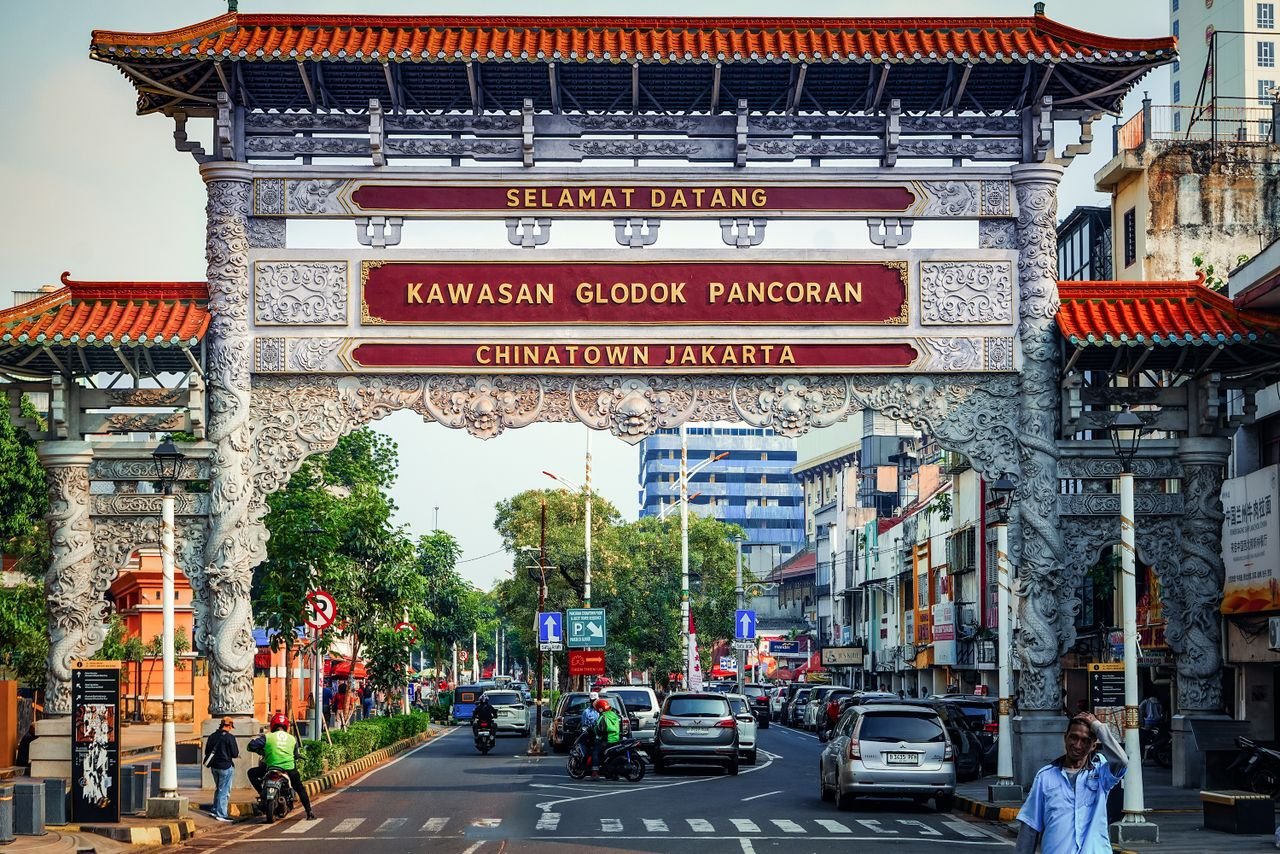
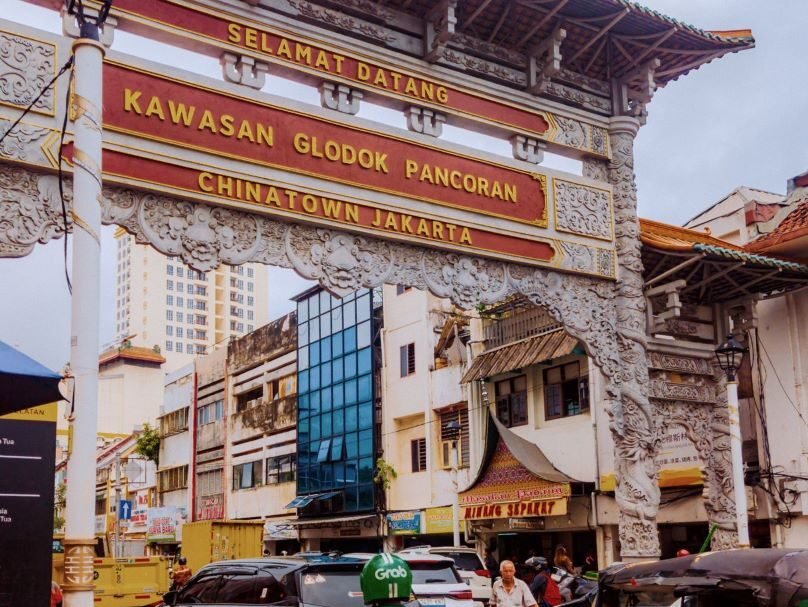
    Stepping into the neighborhood today rewards you with an incredibly fluid architectural and cultural tapestry. The main thoroughfare of Jalan Pancoran is a lively, open-air marketplace filled with red-tiled roofs and strings of lanterns. Ducking off the main road pushes you directly into tight, historic wet markets like Petak Sembilan, where vendors trade everything from fresh herbal teas and exotic produce to traditional calligraphy brushes, while the deep, comforting hum of chanting monks echoes from nearby Taoist and Buddhist sanctuaries.

    The Reasons Behind Its Hype

    source: indonesianomads.com

    This historic cultural enclave continuously captures the imagination of foodies, photographers, and history buffs for several key reasons:

    • The Ultimate Fusion Food Hub:
    Glodok is universally legendary for its culinary diversity. It serves as a living archive of Chinese-Indonesian (Peranakan) cuisine, where centuries-old family recipes are prepared side-by-side with local Betawi street snacks.

    • The Petak Enam Revival:
    Keeping the neighborhood highly attractive for younger travelers, the community recently launched Petak Enam di Kalilio—a gorgeous, open-air heritage courtyard built inside an old building. It blends classic Chinese architecture with modern indie food stalls, live acoustic music, and highly photogenic design corners.

    • The Upgraded Glodok MRT Station:
    Navigating to this historic northern zone has become incredibly fast and smooth. With the continuous multi-phase expansion of the Jakarta MRT system, travelers can easily hop on a train from central areas like Bundaran HI and step off right into the heart of the Chinatown precinct, completely bypassing Jakarta’s notorious street traffic. Feel free to review the official MRT Jakarta portal to look up live fares, train frequencies, and network maps to plan your journey.

    💡 Read Next: Ready to trade the sensory food alleys and vibrant red temples of Jakarta’s Chinatown for a majestic, translucent marvel floating on a massive lake? Head east across Java to explore our ultimate guide to Bandung’s futuristic Masjid Raya Al-Jabbar!

    What You Can Experience Here

    source: megapolitan.antaranews.com

    Structuring your morning or late afternoon walking tour across the district yields a stellar sequence of cultural and lifestyle stops:

    • Pay Respects at Jin De Yuan (Vihara Dharma Bhakti):
    Settle into the district’s oldest Taoist temple, built originally in 1650. It remains the spiritual heart of the community, featuring gorgeous sweeping roof ridges and elaborate wood carvings wrapped in columns of soothing incense.

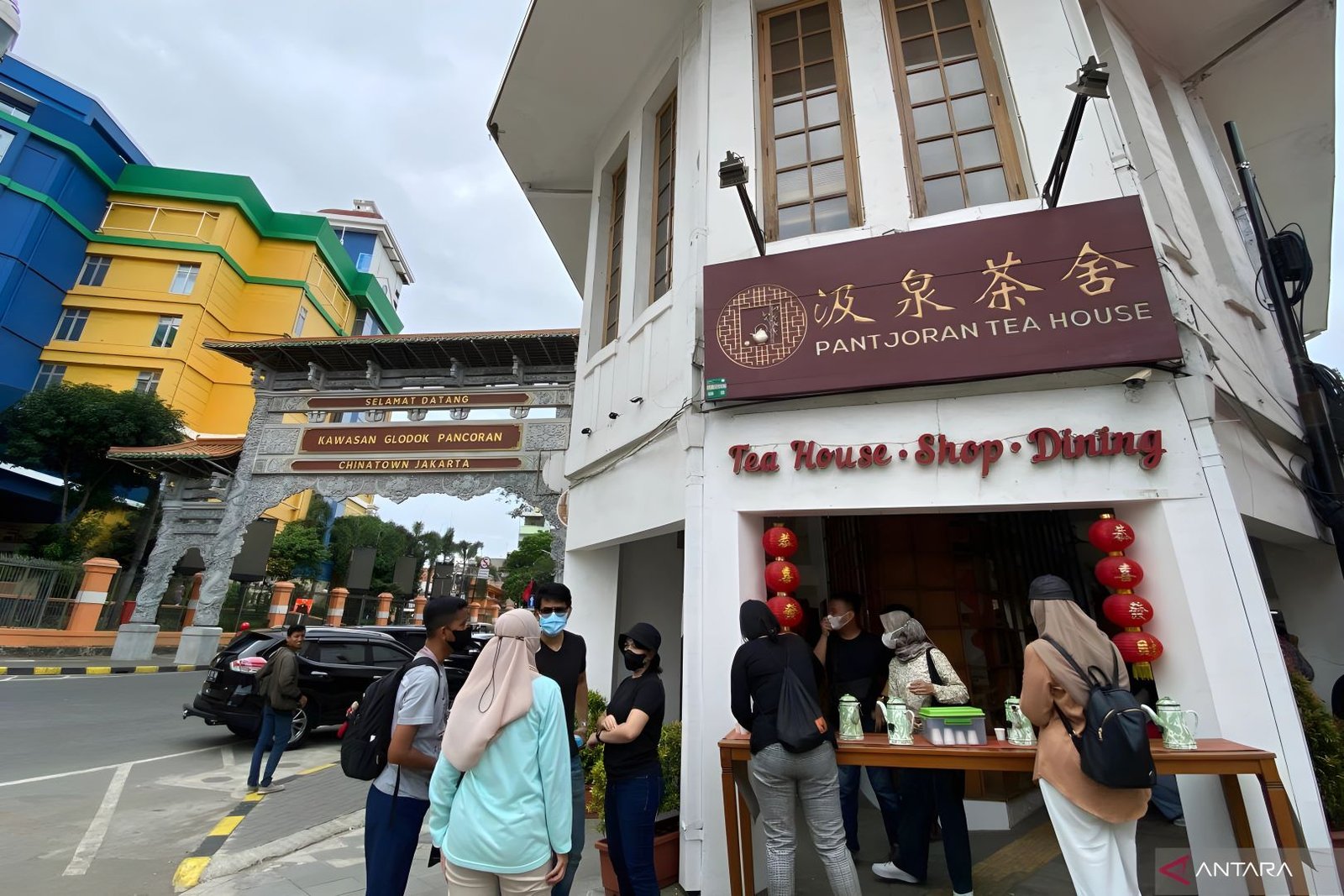
    • Sip History at Pantjoran Tea House:
    Stop right at the gateway corner to visit this beautifully restored historic building. True to a decades-old neighborhood tradition known as Patekoan, the tea house sets out free pots of hot herbal tea outside its doors daily for parched travelers and workers passing by. Click here to read the Glodok’s fascinating and deeply satisfying background story that will definitely enrich your visit.

    • Explore the Gang Gloria Food Trail:
    Squeeze into Gang Gloria, the absolute holy grail for Jakarta street food hunters. Here, you can sample legendary culinary items like Bakmie Amoy (savory tossed noodles), crisp Cakwe (fried dough twists), and the iconic, robust brew at Kopi Es Tak Kie—a legendary coffee shop serving locals since 1927.

    source: nibble.id

    📌 Fast Facts for Your Itinerary

    📍 Address: Jl. Pancoran, Glodok, Taman Sari, Kota Jakarta Barat, DKI Jakarta 11120, Indonesia

    ⏰ Operating Schedule: While the historic temples generally welcome visitors from 6:00 AM to 4:00 PM, the street food stalls along Jalan Pancoran and the modern lifestyle hubs like Petak Enam stay vibrant and active from 8:00 AM until 9:00 PM daily.

    🎫 Admission Fee: Walking through the Chinatown arches, exploring the markets, and entering the historic temple courtyards is 100% free for everyone.

    🥾 Pro-Tip: Glodok is best explored completely on foot, and the alleys can get highly chaotic with scooters and market carts. Plan your visit for early morning to beat the midday tropical heat, wear comfortable walking shoes with good grip, and ensure you keep plenty of small Indonesian Rupiah (IDR) cash notes on hand, as many traditional food vendors in Gang Gloria prefer cash over digital cards!

  • Inside the Rainbow Earth: Gansu’s Spectacular Colorful Danxia of Zhangye

    Inside the Rainbow Earth: Gansu’s Spectacular Colorful Danxia of Zhangye

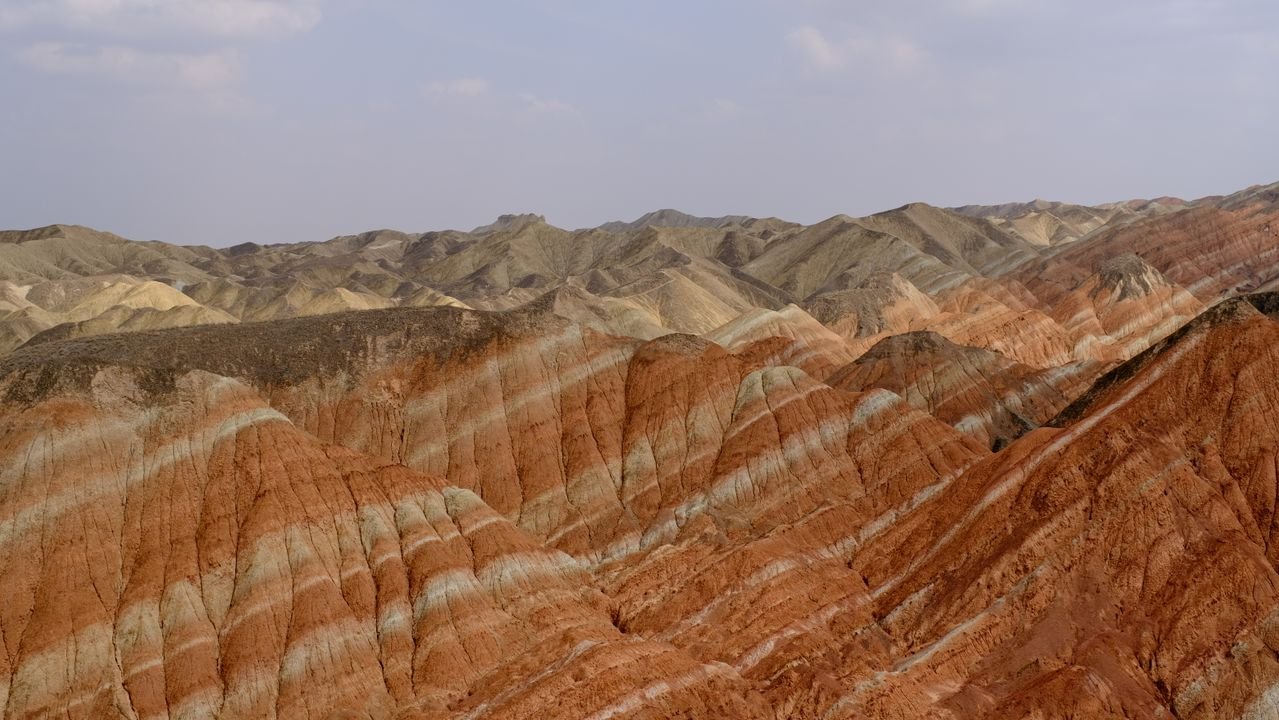
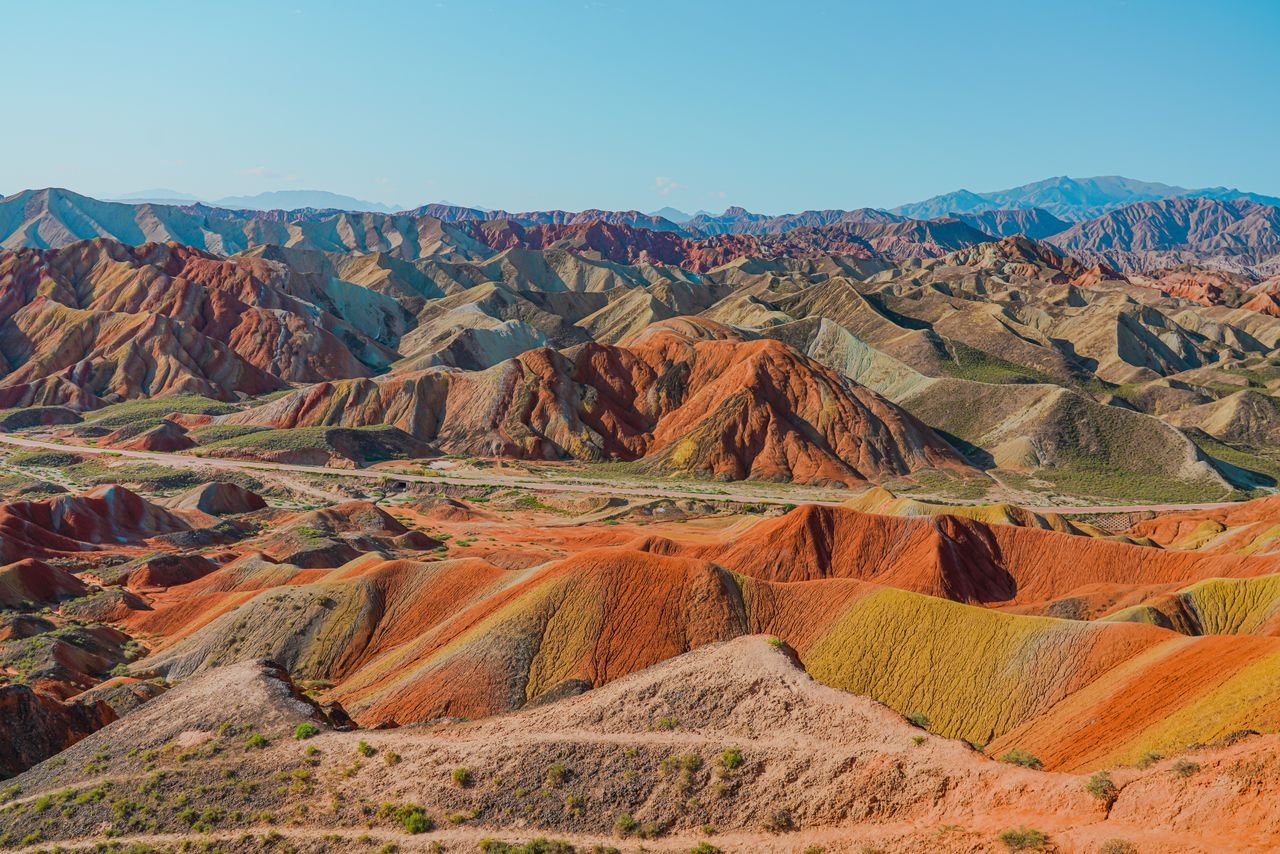
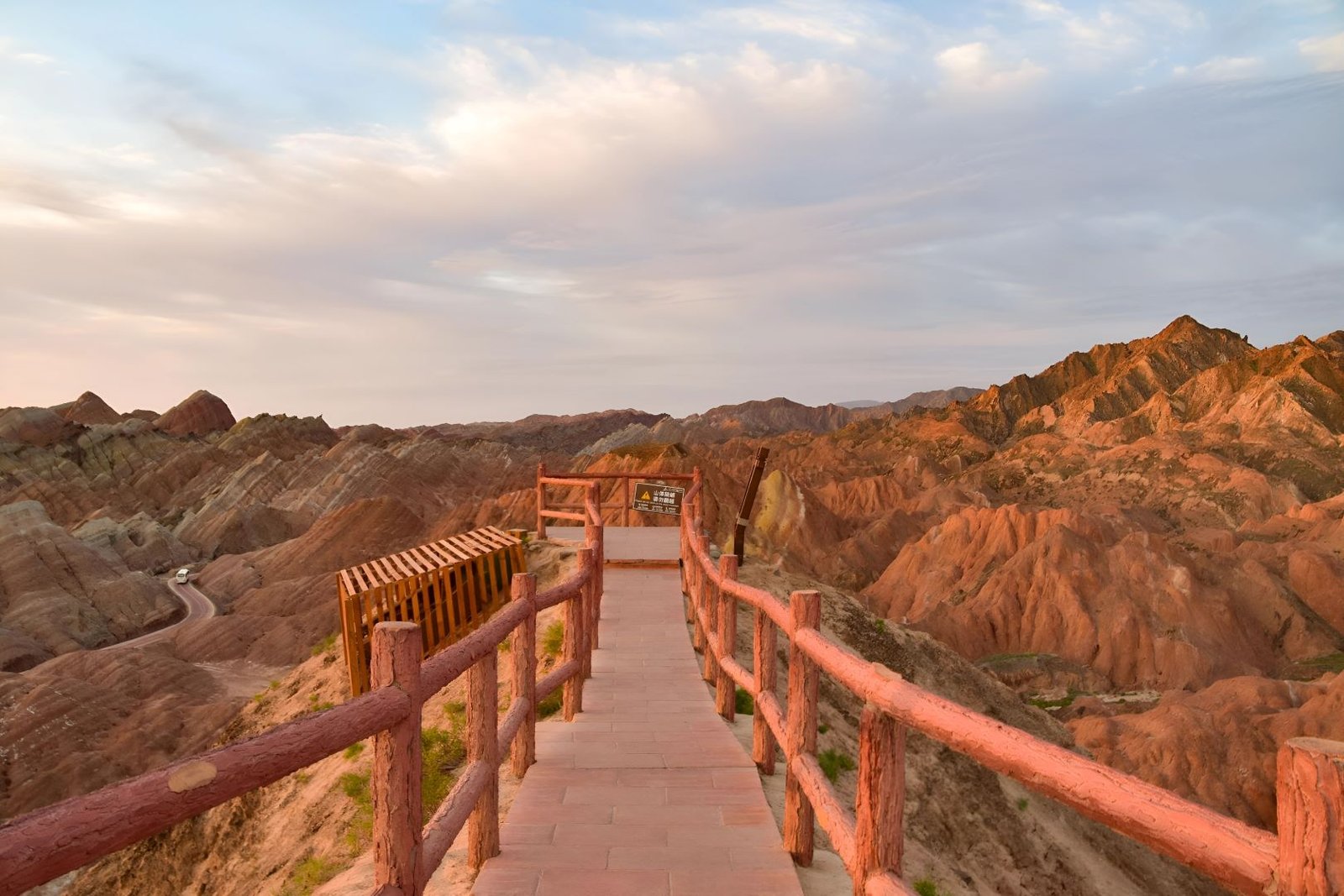
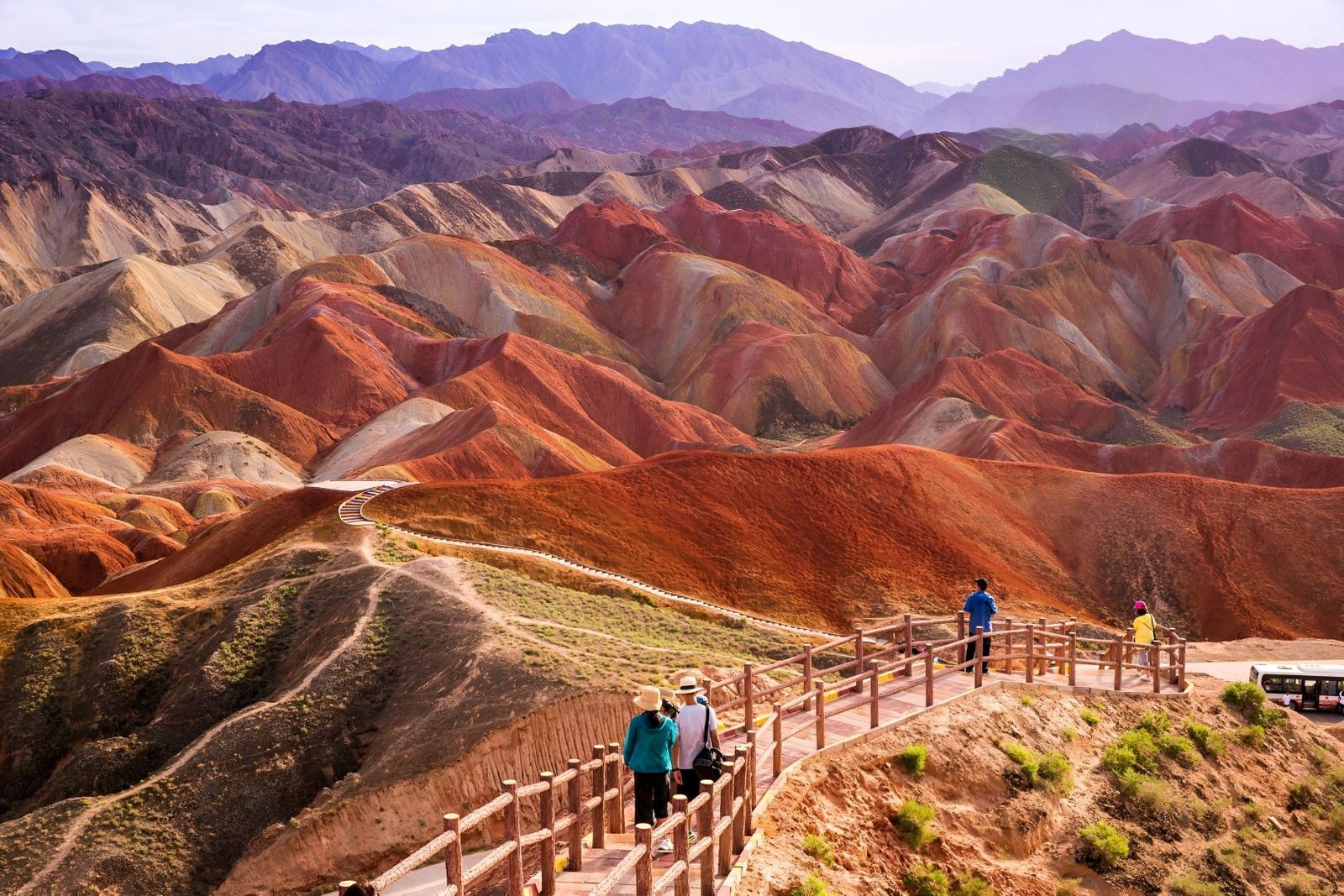
    Nestled along the historic Hexi Corridor lies a landscape sculpted from pure color. The Zhangye Danxia National Geopark is a mesmerizing wilderness of rolling sandstone hills and deep canyons wrapped in brilliant, ribbon-like stripes of red, orange, and yellow. Globally celebrated as the planet’s ultimate window into surreal geological beauty, this breathtaking natural masterpiece belongs at the absolute top of every adventure traveler’s China itinerary.

    Named after the nine historic Tibetan villages that sit scattered Formed over 24 million years of layered mineral deposits and intense sandstone compression, these striking ridges were slowly pushed upward by the same ancient tectonic shifts that created the Himalayan mountains.

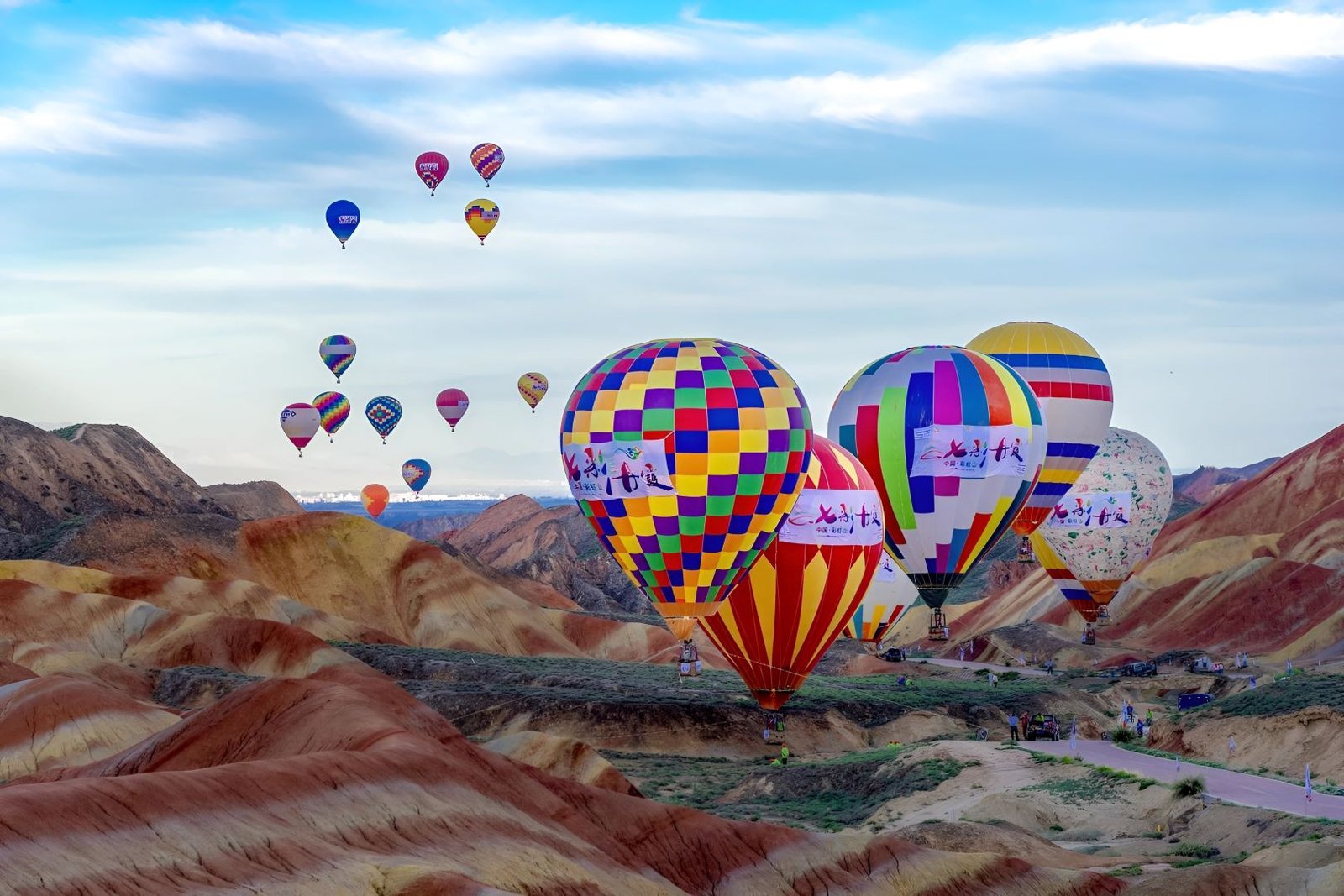
    If you are ready to stand on high wooden viewing decks suspended over multicolored slopes, watch hot air balloons drift over striped badlands, and witness the rock formations turn to deep, saturated hues after a rare desert rain shower, here is why this spectacular Silk Road destination belongs on your itinerary.

    The Zhangye Danxia National Geopark is a grand geological achievement that seamlessly blends vast desert expanses with highly unusual landforms. The entire park layout is organized around a system of strictly controlled panoramic viewpoints connected by eco-friendly shuttle buses that move passengers from one dramatic ridge to the next, ensuring that human footsteps never disturb the fragile, easily eroded sandstone crust.

    The park features deep, sun-baked clay valleys, sharp undulating crests, and layered rock towers that shift in color depending on the angle of the sun and the moisture in the air. To witness the colors at their absolute most vivid and avoid the intense, flattening midday sun, the scenic area operates on a strategic late-day timeline. The magic happens in the late afternoon hours, when a steady walk up the platform stairways aligns perfectly with a lowering sun that deepens the crimson and golden bands, unveiling dream-like lighting for long-range landscape photography.

    The Secret to Its Charm

    Several distinct features make this legendary playground of colorful sandstone an absolute magnet for creative minds and off-the-beaten-path explorers alike:

    • The Hero Sunset Viewpoint:
    Dominating the late-day itinerary is Platform Four (Seven-Color Flying Light), widely considered the premier sunset viewing point. From this high-altitude balcony, you get a sweeping, 360-degree look at the most famous and highly saturated ribbon structures as they catch the final rays of the day.

    • The Great Colorful Screen:
    Spreading along the core shuttle route is a massive, vertical wall of striped rock that resembles a giant, hand-painted silk fan. The alternating bands of cream, red, and ochre clay look completely flat from a distance but reveal deep, wind-carved folds up close.

    • The Hot Air Balloon Launches:
    Soaring high above the multicolored canyons during the summer months is a fleet of vibrant hot air balloons. Taking to the desert sky rewards you with an unparalleled, birds-eye perspective of the undulating rainbow ridges carving through the Gansu landscape.

    💡 Read Next: Ready to trade the fire-colored sandstone peaks and mist-shrouded cliffs of Guangdong’s wilderness for the ultimate ancient defense trail? Head north to scale the rugged watchtowers, steep mountain ridges, and stone fortifications of the legendary Great Wall of China!

    Local Attractions to Experience

    To fully take in the kaleidoscope of hills without rushing, expect a 3- to 4-hour journey that transitions seamlessly through a sequence of dedicated viewing platforms:

    • The Colorful Meeting Platform:
    Spend your initial hour climbing the spacious wooden decks of Platform One, which serves as the largest viewing zone in the park and introduces you to the sheer scale of the Danxia formations.

    • The Monks Worshipping Buddha Ridge:
    Stop at the secondary viewing stations to spot uniquely eroded geological silhouettes, where the jagged rock columns naturally resemble ancient spiritual figures standing in silent meditation along the crests.

    • The Seven-Color Screen Trail:
    Conclude your loop by walking the boardwalks of the final platform zones, capturing the brilliant alternating color bands at dusk before the last park shuttle returns to the main gates.

    📌 Fast Facts for Your Itinerary

    📍 Address: Nijiaying Town, Linze County, Zhangye City, Gansu Province, China. Independent travelers who are planning their way through the Hexi Corridor can consult The China Travel Planner High-Speed Rail Guide to coordinate train ticketing configurations from regional hubs like Lanzhou or Xi’an straight into Zhangye West Station, before catching local transit connectors.

    ⏰ Operating Hours: 6:30 AM – 6:00 PM (Peak Season) / 7:30 AM – 5:00 PM (Off-Peak Season). The gates adjust dynamically to ensure visitors can stay through sunset.

    🎫 Admission Ticket Prices: The adjusted total ticket package costs RMB 108 (approx. RM65), which strictly combines the RMB 70 park entrance fee and the mandatory RMB 38 internal sightseeing bus fare.

    🔒 Mandatory Real-Name Booking & Passport Rules: Tickets must be reserved online in advance via your passport. International visitors register their passport data to secure a time slot and scan their physical passports directly at the entry turnstiles.

    ⚠️ Strict Protection Notice: The Danxia landform is composed of incredibly soft sandstone and mudstone that takes thousands of years to form but can be destroyed by a single human footprint. Stepping off the designated wooden boardwalks or crossing the protective fencing onto the colored earth is strictly illegal, monitored by guards, and carries severe legal penalties. Drones are also heavily restricted without a special commercial permit. Check out the guide to

    ☀️ Extreme Temperature Climate: The park sits in an arid, high-exposure desert region with absolute zero shade on the viewing platforms. Bringing a wide-brimmed hat, strong sun protection, and a full bottle of water is non-negotiable, as temperatures can fluctuate wildly between the hot afternoon sun and the chilly desert dusk.

  • Jiuzhaigou Valley: Sichuan’s Multicolored Water Realm

    Jiuzhaigou Valley: Sichuan’s Multicolored Water Realm

    While southwestern China is rich in mountain landscapes, nothing mirrors the ethereal beauty of Jiuzhaigou Valley. Here, where the thunderous roar of multi-tiered travertine waterfalls echoes through ancient pine forests, you are looking directly into China’s most magical aquatic paradise—a “fairy tale” landscape of multi-colored waters and jagged, snow-capped limestone peaks.

    Named after the nine historic Tibetan villages that sit scattered along its length, this high-altitude nature reserve was formed over millennia by glacial activity and heavy mineral deposits that turn the waters into liquid crystals.

    If you are ready to walk along wooden boardwalks suspended over glowing lakes, marvel at a waterfall that stretches hundreds of meters wide across a forest cliff, and explore traditional Tibetan shrines draped in colorful prayer flags, here is why this breathtaking UNESCO World Heritage site is an essential bucket-list anchor for your Sichuan itinerary.

    Jiuzhaigou Valley is a brilliant ecological sanctuary that functions across three main connected valleys: Shuzheng, Rize, and Zechawa. The entire park layout is cleverly managed via an eco-friendly hop-on, hop-off sightseeing bus system that transports visitors seamlessly up the mountain forks, allowing travelers to hike down the scenic trails at their own pace.

    The park features lush green pine forests, clear mountain streams filled with wild fish, and dramatic viewing platforms that extend straight out over vertical drops. To maximize visibility and avoid the heavy morning crowds at the most popular overlooks, the park operates on a flexible, weather-dependent daytime timeline.

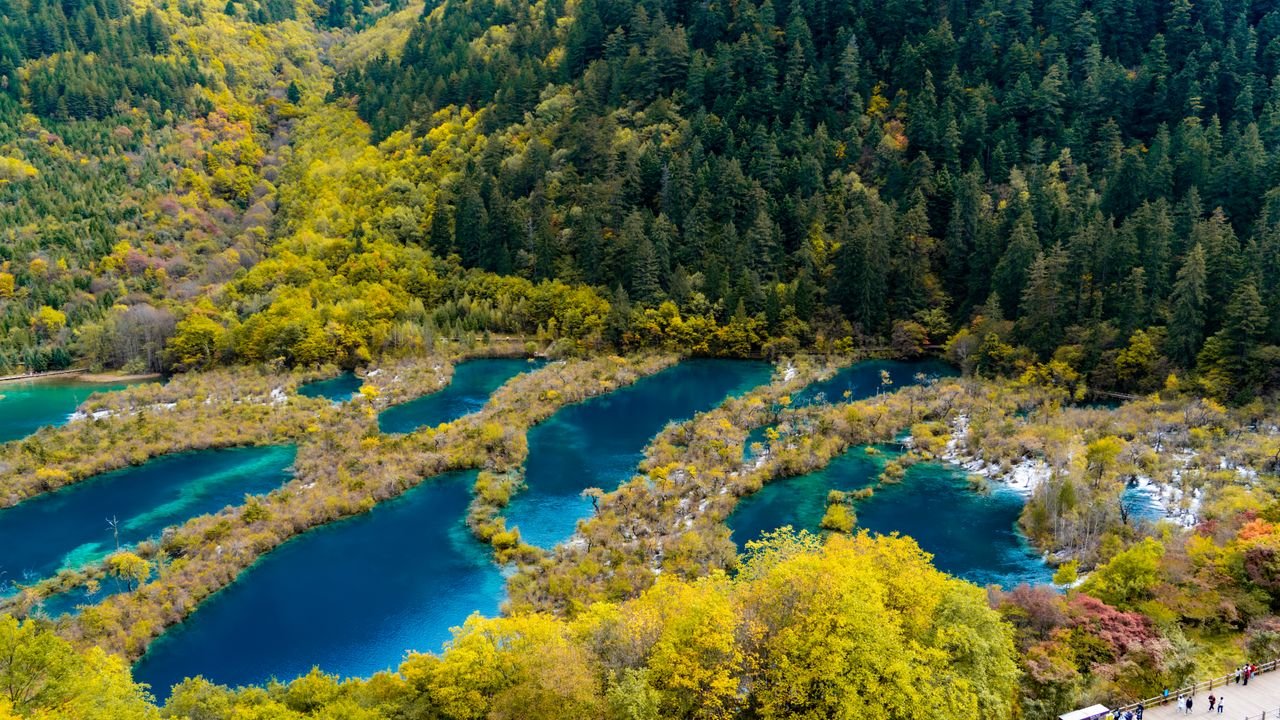
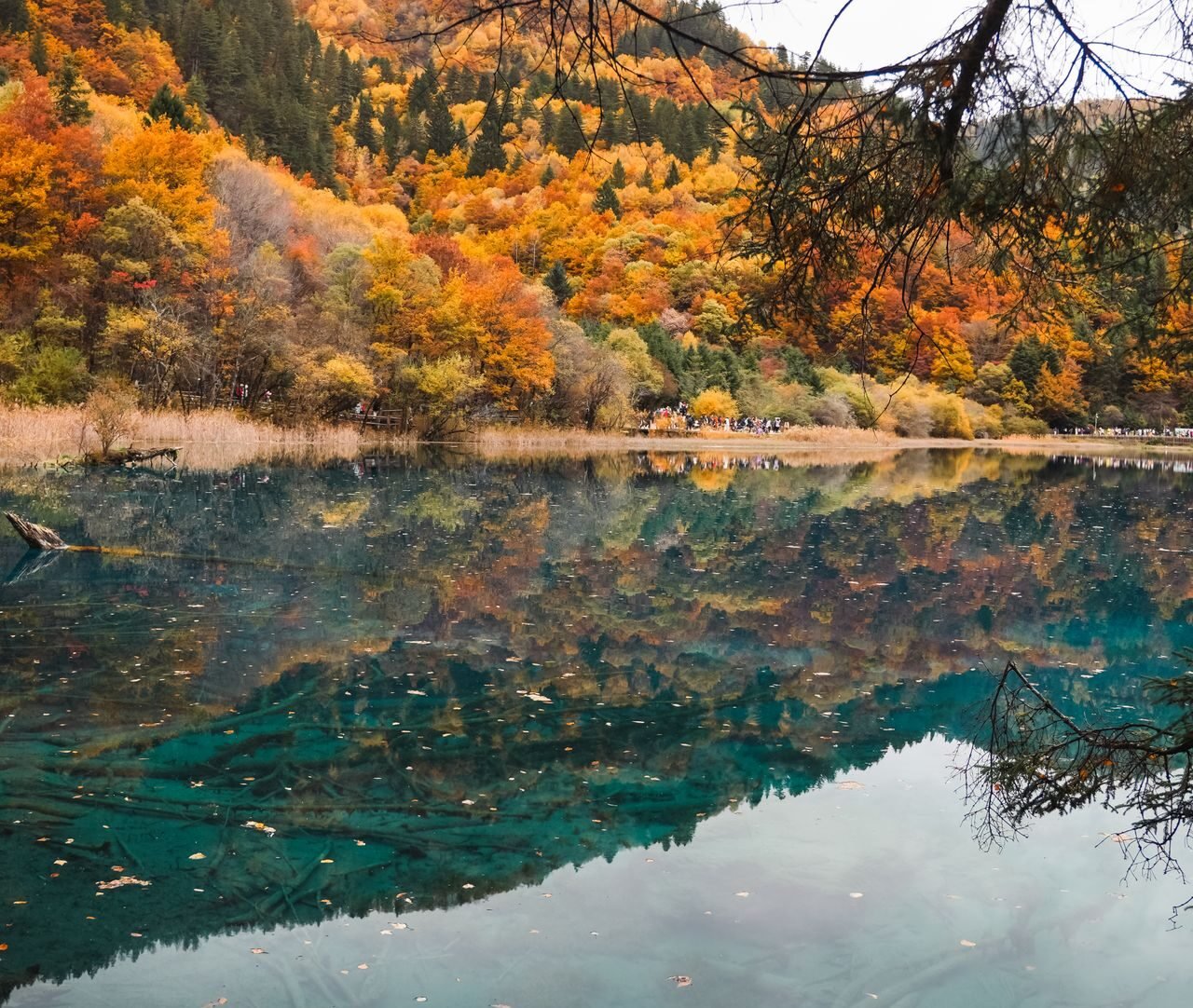
    The valley features sweeping, virgin pine forests, ancient calcium-carbonate deposits that create natural stepped dams, and perfectly still waters that reflect the changing autumn foliage like giant mirrors. To witness the lakes at their absolute calmest when the mirror reflections are flawless, the park operates on a strict morning-to-evening schedule.

    Catch the park right at opening to enjoy a crisp, high-altitude walk along the lower boardwalks, capturing the pristine, glassy lake colors before the midday mountain breezes ripple the surface.

    Reasons Behind Its Appeal

    This historic wilderness of colors stands out for a few standout reasons:

    • The Multicolored Five Flower Lake:
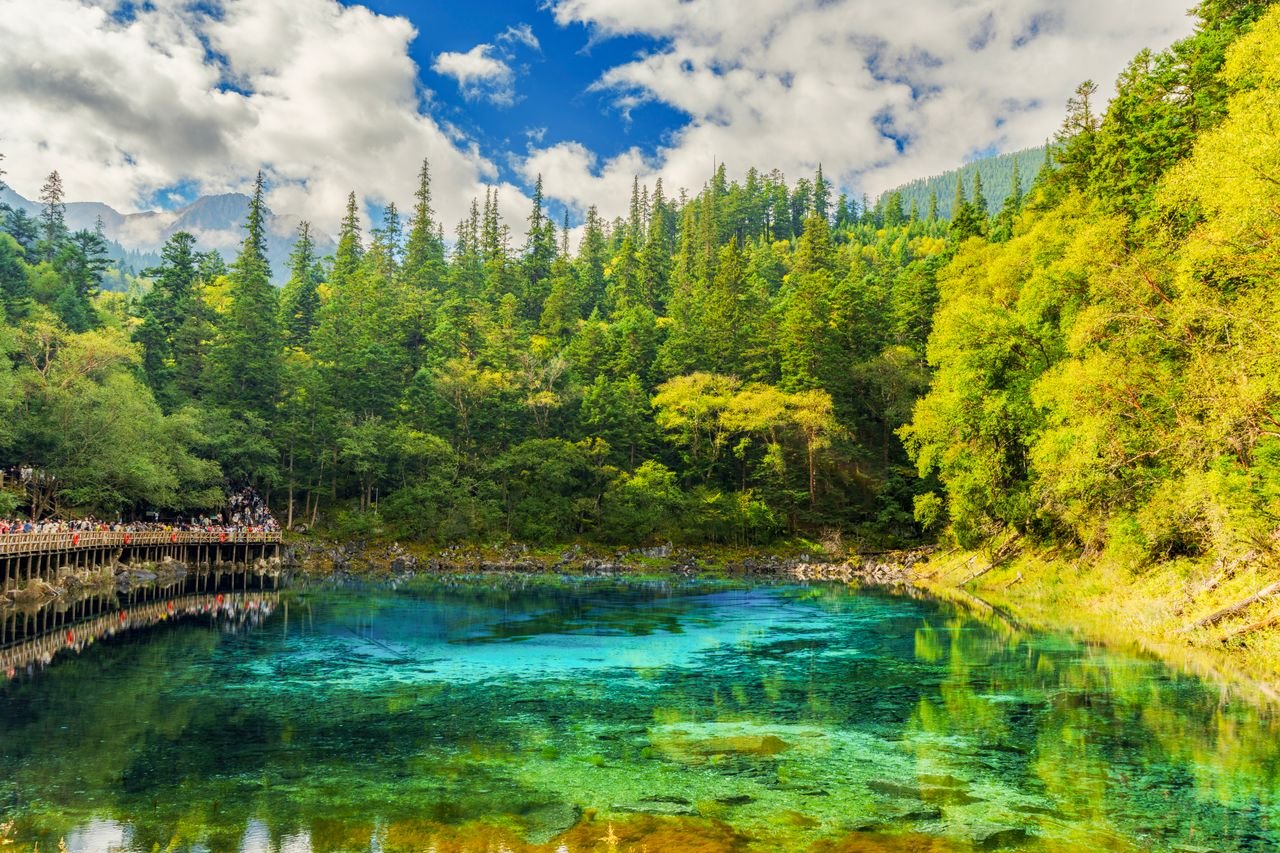
    Dominating the upper Rize Valley is the spectacular Wuhua Hai. The bottom of this shallow lake is crisscrossed by ancient fallen tree trunks that remain perfectly preserved through the crystal-clear, mineral-rich water, creating a stunning palette of turquoise, yellow, and sapphire green.

    • The Monumental Nuorilang Waterfall:
    Standing proudly as the structural centerpiece where the valleys meet is China’s widest calcified waterfall. Spanning over 270 meters across, the roaring waters cascade dramatically down a sheer cliff covered in lush green moss and wild shrubs.

    • The Massive Long Lake:
    Perched at the highest point of the Zechawa Valley is Chang Hai, a deep, crescent-shaped alpine lake framed by dramatic snow-capped peaks. Lacking any surface outlets, this enormous body of water relies entirely on snowmelt and underground springs to maintain its deep blue hue.

    💡 Read Next: Ready to trade the multi-tiered waterfalls and impossibly clear, colorful alpine lakes of Sichuan’s dreamscape for a dramatic landscape of fire-colored peaks? Head south to Guangdong to hike through the towering red sandstone cliffs, deep ravines, and mist-shrouded valleys of the breathtaking Danxia Mountains!

    Things to Experience Here

    A standard journey through the Y-shaped valley takes a full day and allows you to seamlessly explore a sequence of dedicated scenic zones:

    • The Rize Valley Fork:
    Spend your morning touring the park’s most famous water features, walking the quiet wooden trails between Pearl Shoal Waterfall, Five Flower Lake, and the glassy expanse of Mirror Lake.

    • The Shuzheng Valley Spine:
    Walk down through the lower main valley to view a spectacular chain of nineteen stepped travertine lakes, passing historic wooden water mills and the traditional Tibetan village of Shuzheng.

    • The Zechawa Valley Heights:
    Take the long shuttle bus route up the western fork to marvel at the sheer scale of Long Lake and stroll down to the seasonal, color-shifting Five-Color Pool.


    Fel free to preview the cascading waterfalls and crystal-clear alpine lakes with this immersive Jiuzhaigou travel guide by YouTube creator Adventures of Lauren & Jason.

    📌 Fast Facts for Your Itinerary

    📍 Address: Zhangzha Town, Jiuzhaigou County, Aba Tibetan and Qiang Autonomous Prefecture, Sichuan, China

    ⏰ Operating Hours: 7:30 AM – 5:00 PM Daily. The internal eco-shuttle buses run continuously throughout the day but stop service shortly after the main gates close.

    🎫 Admission Ticket Prices: During the peak travel season (April to mid-November), a standard adult entry ticket costs RMB 190, plus a mandatory RMB 90 fee for the internal sightseeing bus ticket. Prices are reduced significantly during the winter off-peak months.

    🔒 Strict Daily Capacity & Booking Rules: To protect the fragile water chemistry, the park enforces a strict cap on daily visitors and does not sell physical tickets at the gate. International travelers must reserve their entry slots online in advance using their passport numbers, and you must carry your physical passport to be scanned directly at the digital turnstiles for entry.

    🏔️ Be Cautious at All Times: Jiuzhaigou’s main attractions sit at elevations ranging from 2,000 meters to over 3,100 meters (10,100 feet) above sea level. Pace your hikes along the boardwalks and stay hydrated to prevent altitude sickness.

    Extra Rules Regarding Preservation of this Tourism Spot: The lake ecosystems are incredibly fragile; stepping off the designated wooden boardwalks, littering, or touching the water is strictly illegal and heavily penalized. Ensure you wear layered clothing, as high-altitude mountain weather changes rapidly.

  • Zhangjiajie National Forest Park: Hunan’s Floating Avatar Peaks

    Zhangjiajie National Forest Park: Hunan’s Floating Avatar Peaks

    Tucked away in the highlands of central China lies a landscape that defies gravity. Zhangjiajie National Forest Park is a mesmerizing labyrinth of thousands of vertical sandstone pillars that serves as the ultimate window into an otherworldly paradise. As China’s first recognized national forest park and the real-world inspiration behind the floating mountains in the movie Avatar, this breathtaking natural masterpiece belongs at the absolute top of every adventurer’s bucket list.

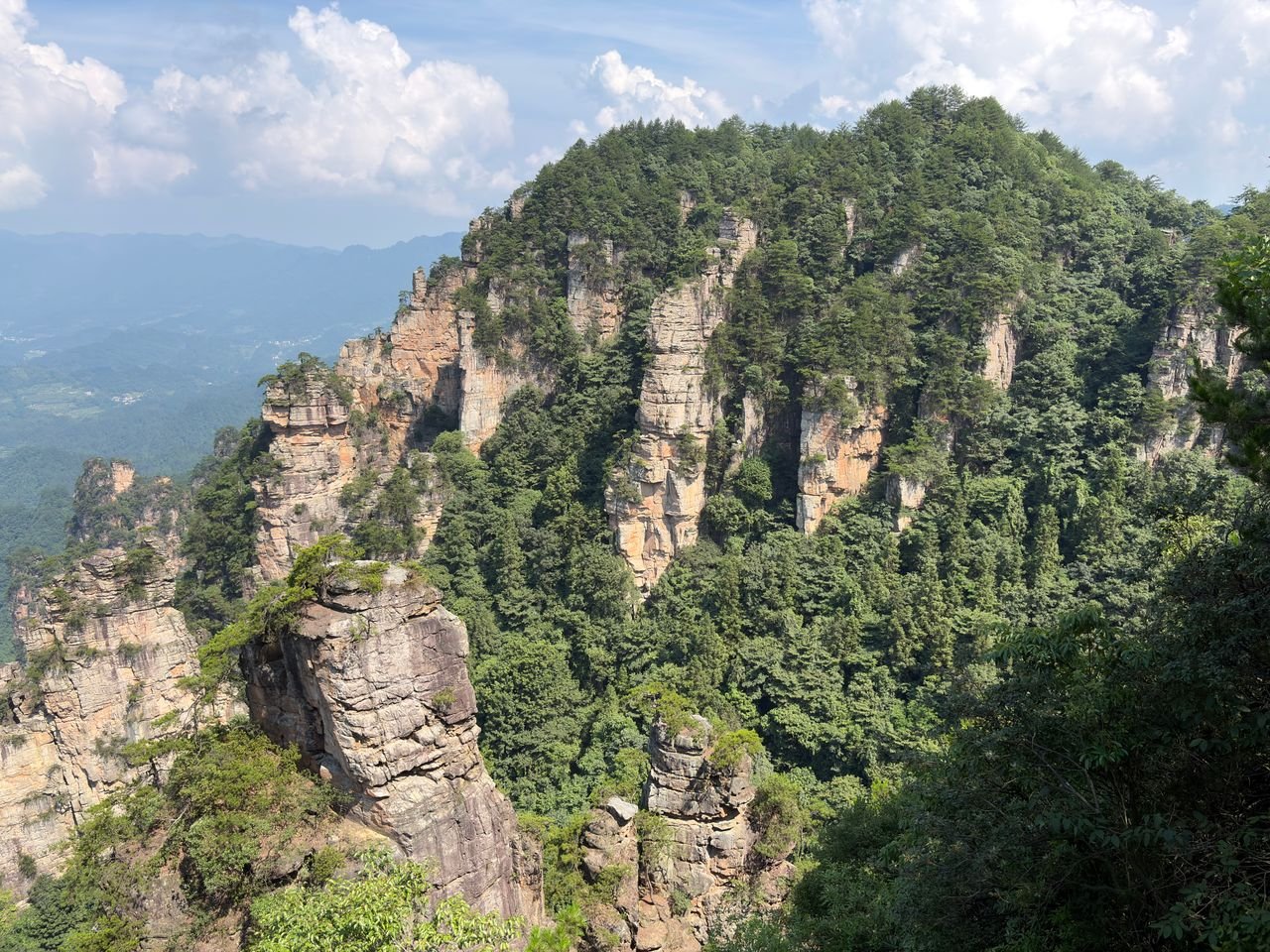
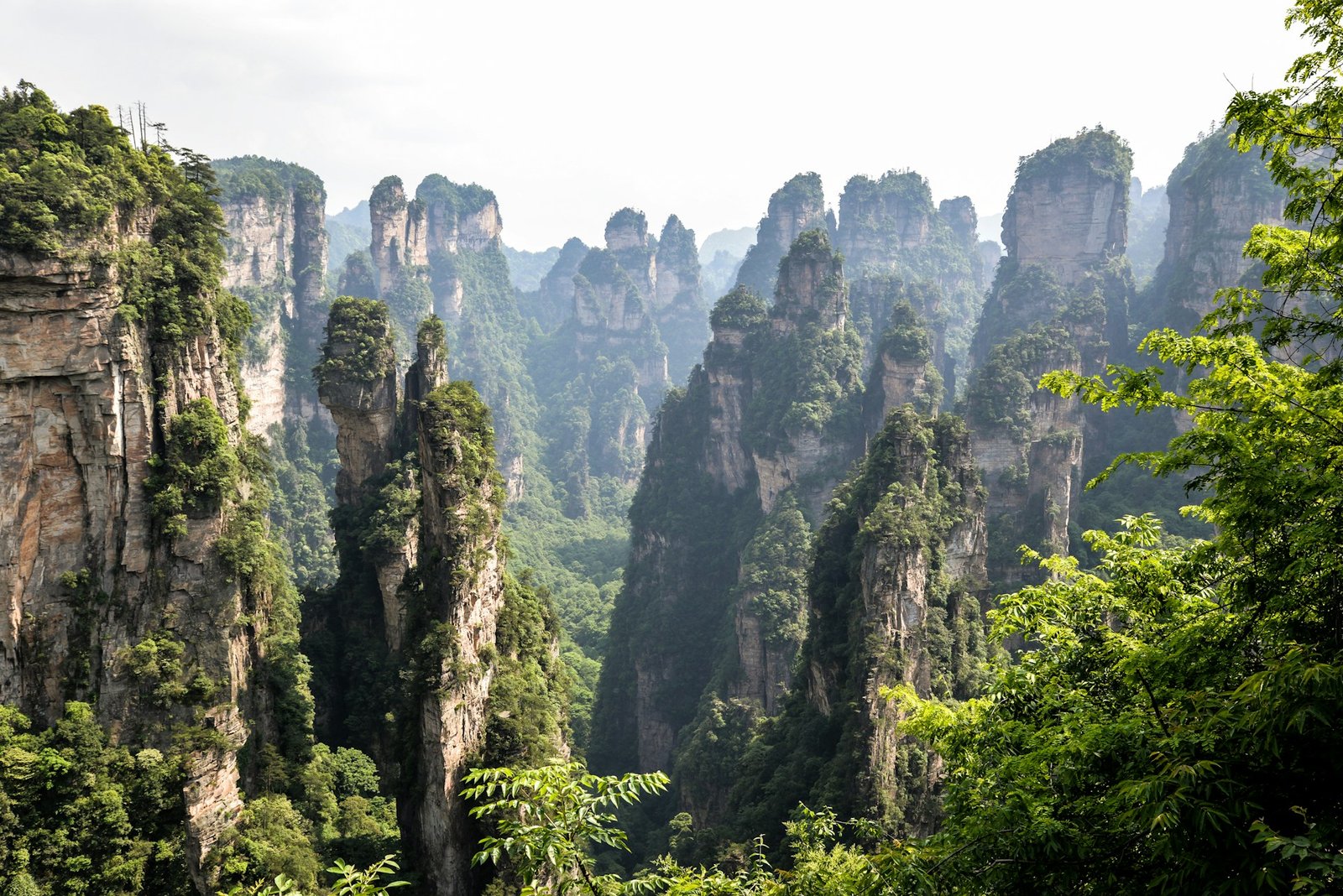
    Originally formed over millions of years of water erosion and weathering, this surreal geological wonder features over three thousand quartz-sandstone pillars rising hundreds of meters straight out of the valley floor.

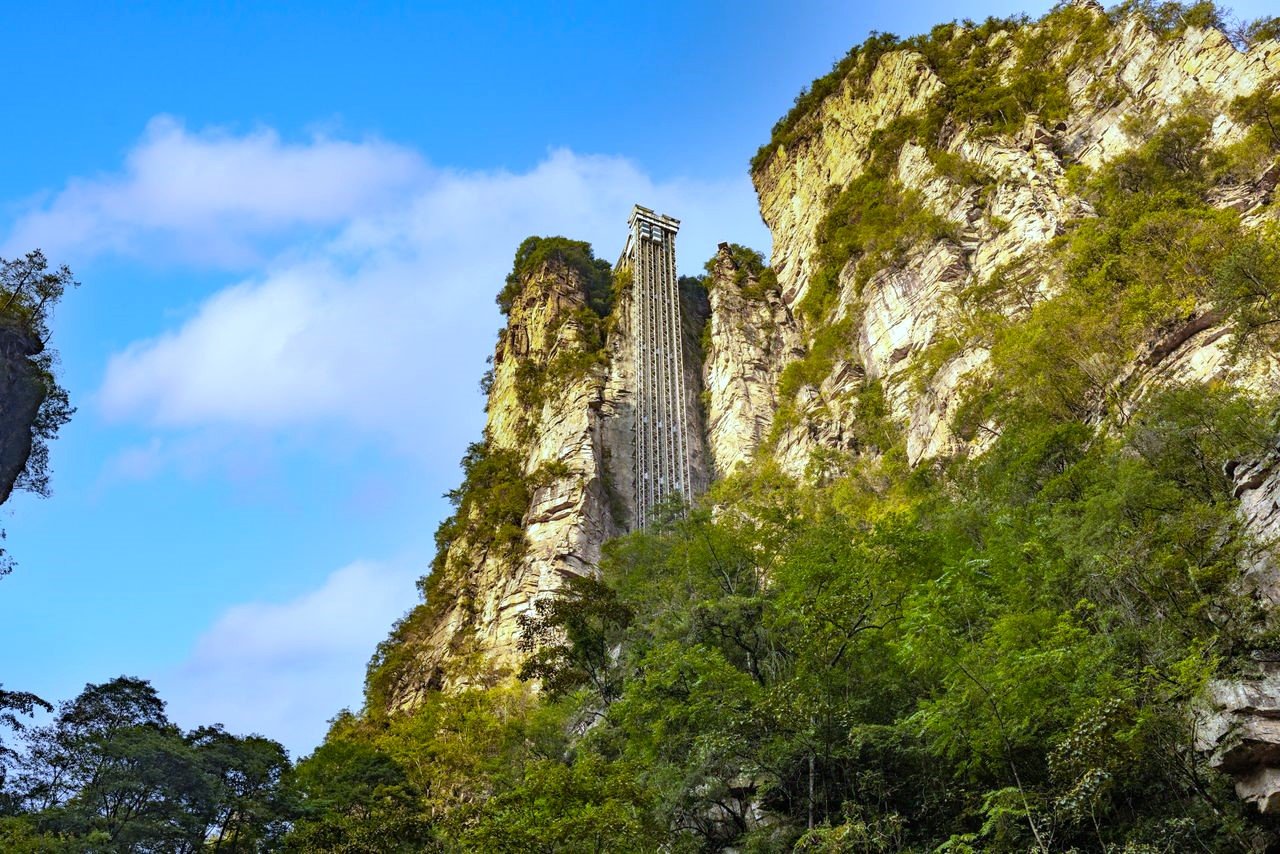
    If you are ready to stand on a glass bridge suspended over a massive canyon, ride the world’s tallest outdoor elevator up a sheer cliff face, and peer down into bottomless misty chasms from natural stone arches, here is why this breathtaking UNESCO Global Geopark belongs at the very top of your Hunan itinerary.

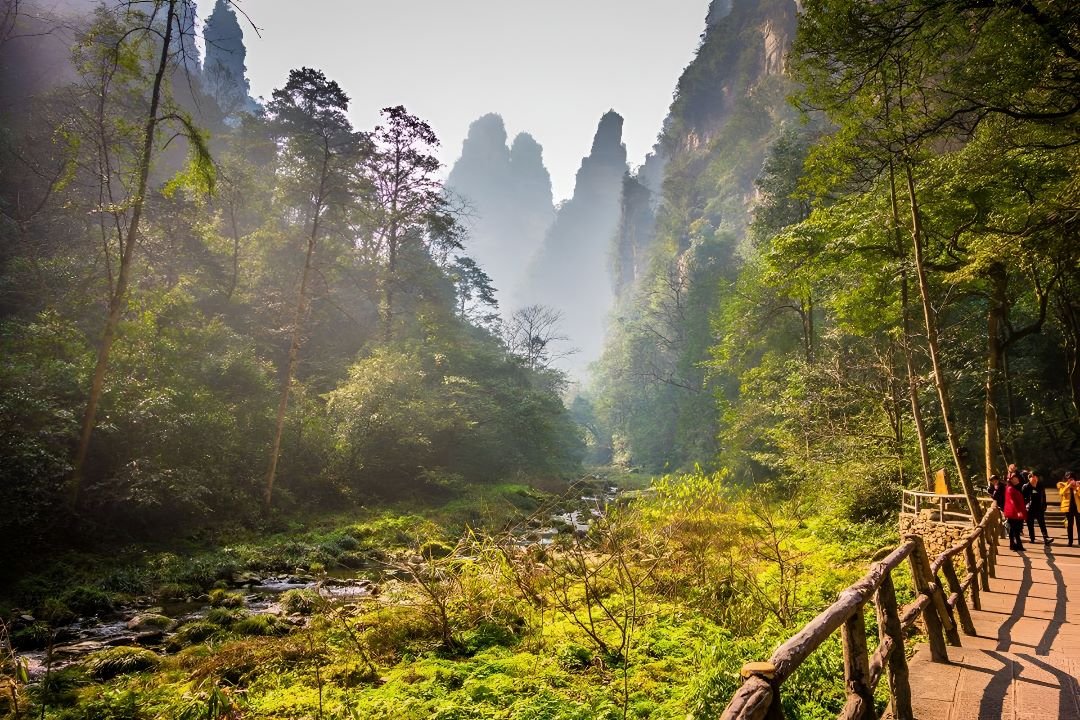
    Zhangjiajie National Forest Park is a massive wilderness achievement that functions across two distinct perspectives: walking along the deep, shaded valley floor looking up at the colossal spires, or taking high-altitude cable cars to the mountain peaks to look down over a sea of stone towers. The entire park layout is connected by an extensive network of eco-friendly shuttle buses, mountain stairways, and cliffside boardwalks that navigate the rugged terrain.

    The park features lush green pine forests, clear mountain streams filled with wild fish, and dramatic viewing platforms that extend straight out over vertical drops. To maximize visibility and avoid the heavy morning crowds at the most popular overlooks, the park operates on a flexible, weather-dependent daytime timeline.

    Reasons Behind Its Appeal

    Hikers, landscape photographers, and adventure travelers all flock to this legendary playground of vertical stone for a few undeniable reasons:

    • The Colossal Bailong Elevator:
    Dominating the side of a massive quartzite cliff is the spectacular “Hundred Dragons Elevator.” Built out of steel and thick glass, this record-breaking outdoor elevator whisks passengers up a sheer 326-meter cliff face in less than two minutes, offering a thrilling, panoramic view as you blast past the stone walls

    • The Avatar Hallelujah Mountain:
    Perched high in the Yuanjiajie mountain zone is the Southern Sky Pillar, a dramatic 1,080-meter vertical spire that narrows at its base. Officially renamed to honor the film Avatar, this isolated column appears to float mid-air when the morning valley mist rolls in.

    • The Yellow Stone Village Array:
    Winding across the western sector of the park is a massive, flat-topped mountain mesa surrounded by jagged cliffs. A popular local travel saying states that “if you don’t visit Huangshizhai, you haven’t truly been to Zhangjiajie,” due to its sweeping, 360-degree views of the stone pillar forest.

    💡 Read Next: Ready to trade the dizzying sandstone pillars and misty, avatar-like canyons of China’s most dramatic peaks for complete waterfront tranquility? Head to Jiangsu to wander peaceful canal paths, historic stone bridges, and classical weeping-willow gardens in our ultimate guide to Suzhou, the ‘Venice of the East’!

    What You Can Do Here

    source: bucketlistly.blog

    A complete trek through the sprawling wilderness takes roughly two full days, guiding you step-by-step through its primary scenic zones:

    • The Yuanjiajie Cliffside Zone:
    Spend your morning exploring the high-altitude walkways to cross the “First Bridge Under Heaven”—a spectacular natural stone arch connecting two craggy peaks—and view the primary Avatar scenery blocks.

    • The Golden Whip Brook Trail:
    Drop down to the valley floor for a peaceful, flat 7-kilometer walk along a crystal-clear stream, where you can look straight up at the monumental spires and watch wild macaque monkeys play in the trees.

    • The Tianzi Mountain Peak:
    Take the long cable car ride up to this northern scenic sector, known for its incredibly narrow, needle-like stone pillars that look exactly like giant paintbrushes piercing the mountain sky.


    If you want a realistic look at what the trails, glass bridges, and viewpoints look like in real time, take a look at this Zhangjiajie video guide by Roseanne Ducut on YouTube.

    📌 Fast Facts for Your Itinerary

    📍 Address: Wulingyuan District, Zhangjiajie, Hunan, China

    ⏰ Operating Hours: 7:00 AM – 6:00 PM Daily. Shuttle buses within the park stop running shortly after the main gates close.

    🎫 Admission Ticket Prices: A standard general park entry ticket costs RMB 224 to RMB 227 depending on the season. Crucial Multi-Day Entry Benefit: Every standard park ticket is automatically valid for 4 consecutive days of entry, allowing you to explore different sectors at a relaxed pace. Separate fees apply for the individual cable cars, the Bailong Elevator, and the mini-train.

    🔒 Mandatory Real-Name Booking & Passport Rules: To control daily trail capacities, the park uses a strict real-name reservation system split into specific entry time slots. International travelers must purchase their tickets online in advance using their passport details, and you must carry your physical passport to scan directly at the digital turnstiles for entry.

    ⚠️ Watch Out for Wild Monkeys: The macaque monkeys along Golden Whip Brook are completely wild and highly aggressive when searching for food. Never open plastic bags, display loose food, or attempt to feed or pet the monkeys, as they will aggressively grab bags and can scratch or bite. Additionally, prepare for thousands of stone stairs if you choose to hike between the valley and the peaks; high-traction trail shoes are a non-negotiable requirement.

  • Explore the Imperial Meridian: Beijing’s Spectacular Forbidden City

    Explore the Imperial Meridian: Beijing’s Spectacular Forbidden City

    Located at the absolute center of Beijing lies the world’s largest palace complex. The Forbidden City is a mesmerizing labyrinth of crimson walls and golden roofs that serves as the ultimate window into China’s imperial soul. Once a secretive sanctuary completely closed off to the public, this beautifully preserved masterpiece remains the crown jewel of the Middle Kingdom’s grand architectural vision.

    Spreading across a massive, rectangular complex enclosed by a deep moat, the Forbidden City (The Palace Museum) is an extraordinary architectural masterpiece that served as the exclusive, secretive seat of supreme power for 24 emperors during the Ming and Qing dynasties.

    Constructed between 1406 and 1420 by the Yongle Emperor, this colossal palace complex is the largest collection of preserved ancient wooden structures in the world, meticulously designed according to the cosmic principles of Chinese numerology and imperial feng shui.

    If you are ready to stand in front of massive golden throne rooms, cross white marble bridges shaped like crescent moons, and explore secret courtyard chambers once filled with royal intrigue, here is why this legendary UNESCO World Heritage site is the essential anchor of your Beijing itinerary.

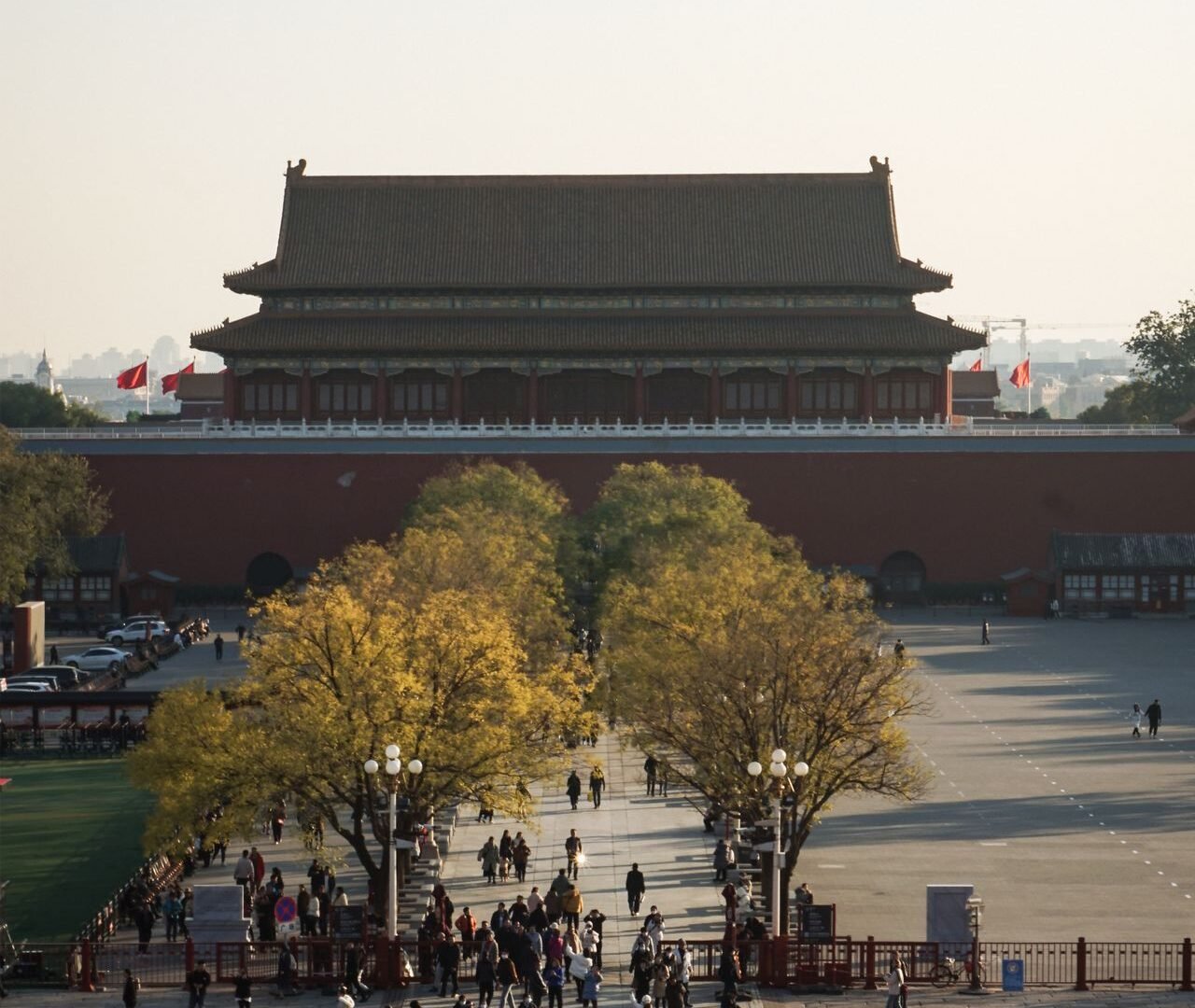
    The Forbidden City is a monumental urban design achievement that functions on a strict, symmetrical north-south central axis that splits the entire city of Beijing down the middle. The palace layout is clearly divided into two distinct zones: the vast, sweeping Outer Court where the emperor held grand state ceremonies and exercised absolute political power, and the intimate, maze-like Inner Court where the royal family lived, played, and plotted behind closed doors.

    The complex features thousands of brilliant red wooden pavilions, soaring roofs covered entirely in glittering yellow glazed tiles, and sprawling stone courtyards that could hold tens of thousands of imperial guards. To absorb the vast historical weight and structural majesty of the grounds before the midday crowds pack the central axis, the museum operates on a precise morning-to-afternoon timeline.

    Cross the Golden Stream Bridges early in the morning to enjoy a quiet, breathtaking walk across the main courtyards, watching the first light hit the gilded bronze cauldrons and intricate dragon carvings.

    Why Is It Popular

    Several distinct features make this legendary imperial fortress an absolute magnet for creative minds and history enthusiasts alike:

    • The Three Great Halls of the Outer Court:
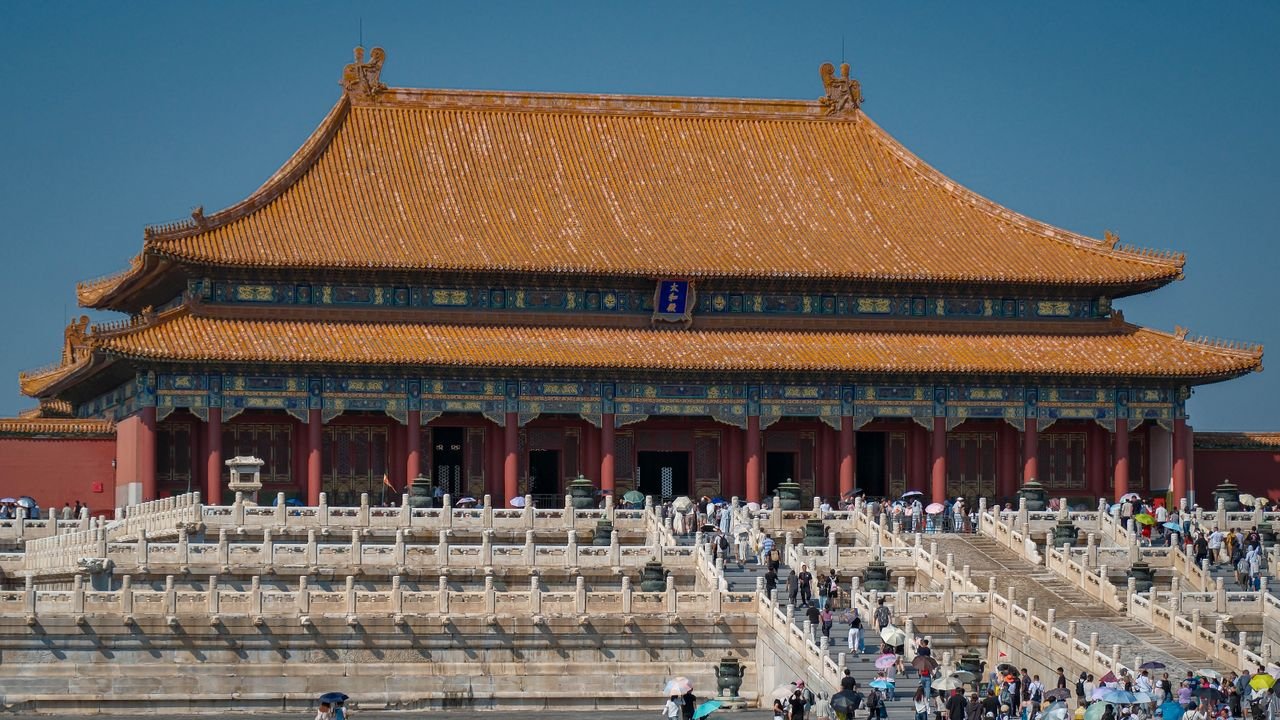
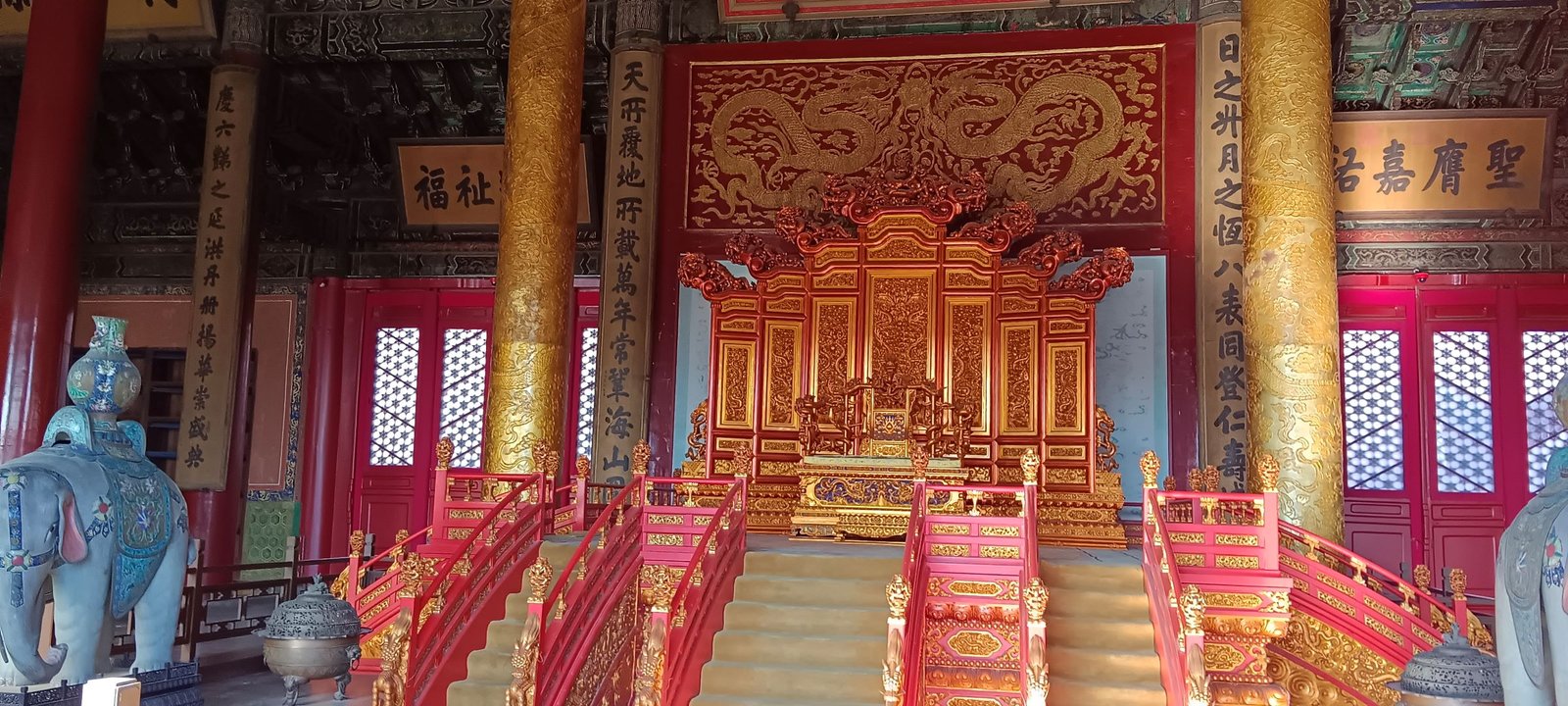
    Stationed in the main ceremonial axis are the Hall of Supreme Harmony (Taihedian), the Hall of Central Harmony, and the Hall of Preserved Harmony. Standing on a triple-tiered marble terrace, the spectacular Hall of Supreme Harmony is the grandest wooden structure in the country, housing the intricately carved golden Dragon Throne.

    • The Treasure Gallery Array:
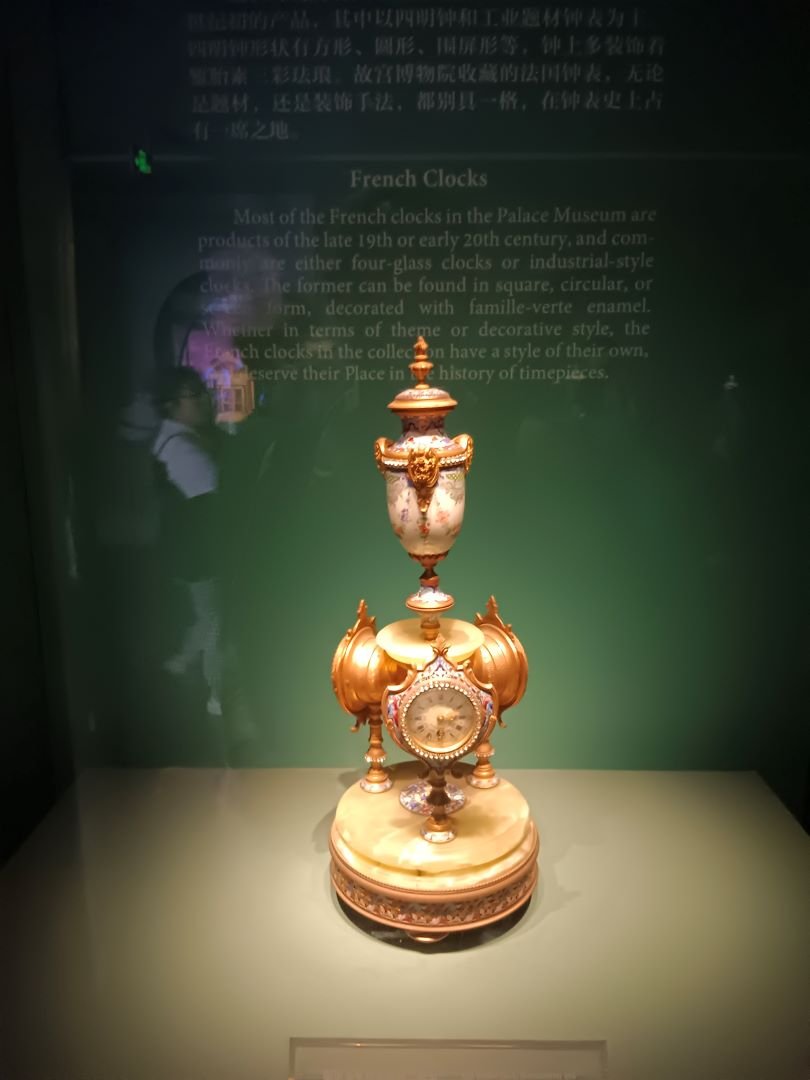
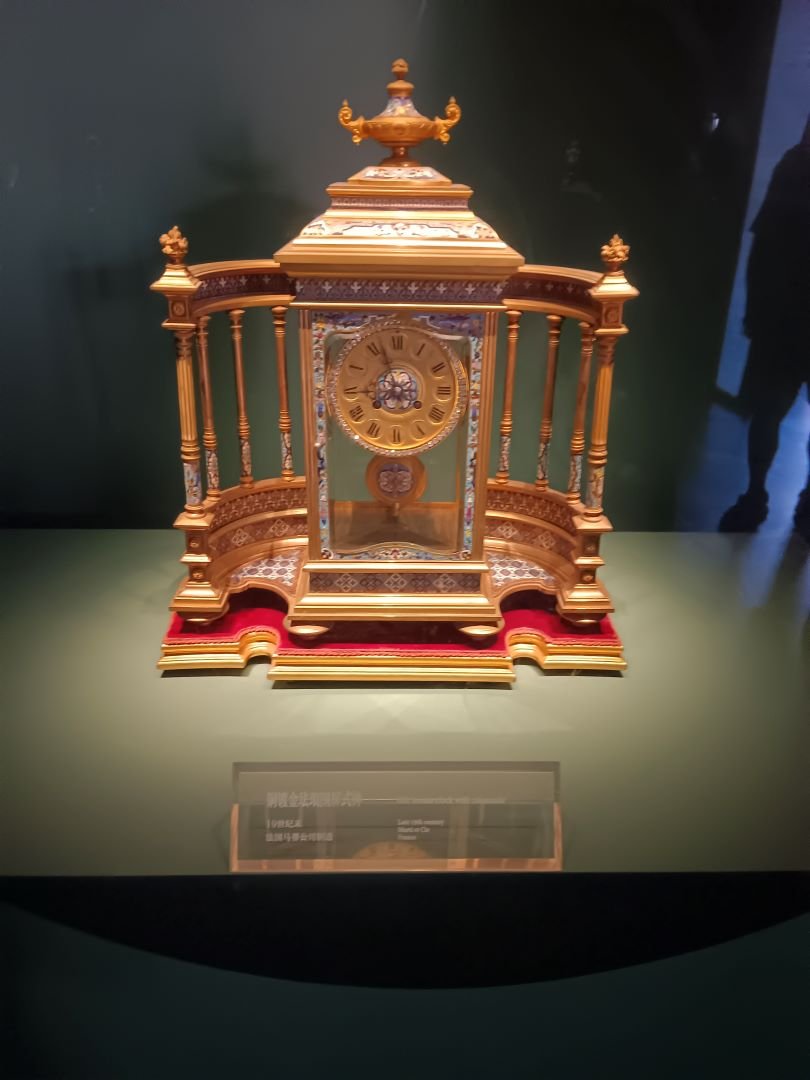
    Tucked away in the eastern wing of the Inner Court is a specialized exhibition zone housed inside the Palace of Tranquil Longevity. These highly secure rooms showcase the absolute pinnacle of royal luxury, featuring jewel-encrusted crowns, massive jade carvings, and intricate gold clocks gifted by European monarchs.

    • The Imperial Garden Sanctuary:
    Nestled at the far northern end of the central axis is a peaceful, walled garden filled with ancient cypress trees, strangely shaped rockeries, and elegant pavilions where the imperial family relaxed away from the rigid formalities of the court.

    💡 Read Next: Ready to step away from the grand, crimson walls of the emperors and explore the peaceful lakeside temples where they spent their hot summers? Head northwest out of the city center to discover the beautiful pavilions in our ultimate guide to the Summer Palace!

    Local Attractions to Experience

    To fully take in the massive palace city without rushing, expect a 3- to 4-hour journey that transitions seamlessly through a sequence of dedicated historical eras:

    • The Central Imperial Axis:
    Walk straight through the core ceremonial spine to marvel at the grand architecture and stand before the monumental throne halls that define popular depictions of ancient China.

    • The Jingshan Park Overlook:
    Exit through the northern Gate of Divine Prowess and cross the street to climb the hill at Jingshan Park, which rewards your short trek with the most spectacular, breathtaking bird’s-eye panoramic view over the endless golden rooftops of the Forbidden City.

    • The Western Palaces Sector:
    Veer off the central path to wander through the intimate, maze-like residential courtyards where the empresses and concubines lived, featuring beautiful, shaded halls and quiet gardens.


    Check out this immersive 4K walking tour in the Forbidden City by CHINA CITY WALK on Youtube to get a full view on how this tourism spot actual is in real time. Watch it below!

    📌 Fast Facts for Your Itinerary

    📍 Address: 4 Jingshan Front Street, Dongcheng District, Beijing, China

    ⏰ Operating Hours: 8:30 AM – 5:00 PM (April to October) / 8:30 AM – 4:30 PM (November to March). The museum is strictly closed on Mondays.

    🎫 Admission Ticket Prices: Main park entry tickets are priced at RMB 60 during peak months and RMB 40 during the winter season. Separate small entry fees of RMB 10 each are required to access the high-value Treasure Gallery and the Clock Gallery.

    🔒 Strict Real-Name Booking & Passport Rules: Crucial Ticketing Guardrail: The Forbidden City enforces a strict, mandatory online ticketing system and has capped daily visitors significantly. Tickets become available online exactly 7 days in advance at 8:00 PM Beijing time and regularly sell out completely within minutes. There is no physical ticket booth at the gate. International travelers must register using their exact passport numbers online, and you must bring your physical passport to be scanned directly at the entry turnstiles for admission.

    ⚠️ How to Explore the Grounds Comfortably: The complex stretches nearly a kilometer from south to north and involves walking completely on hard, ancient stone bricks with zero public transport inside. Wearing high-comfort, cushioned walking shoes and carrying a refillable water bottle are completely non-negotiable requirements for exploring the grounds safely.

  • Walking the Dragon’s Back: A Guide to the Great Wall of China

    Walking the Dragon’s Back: A Guide to the Great Wall of China

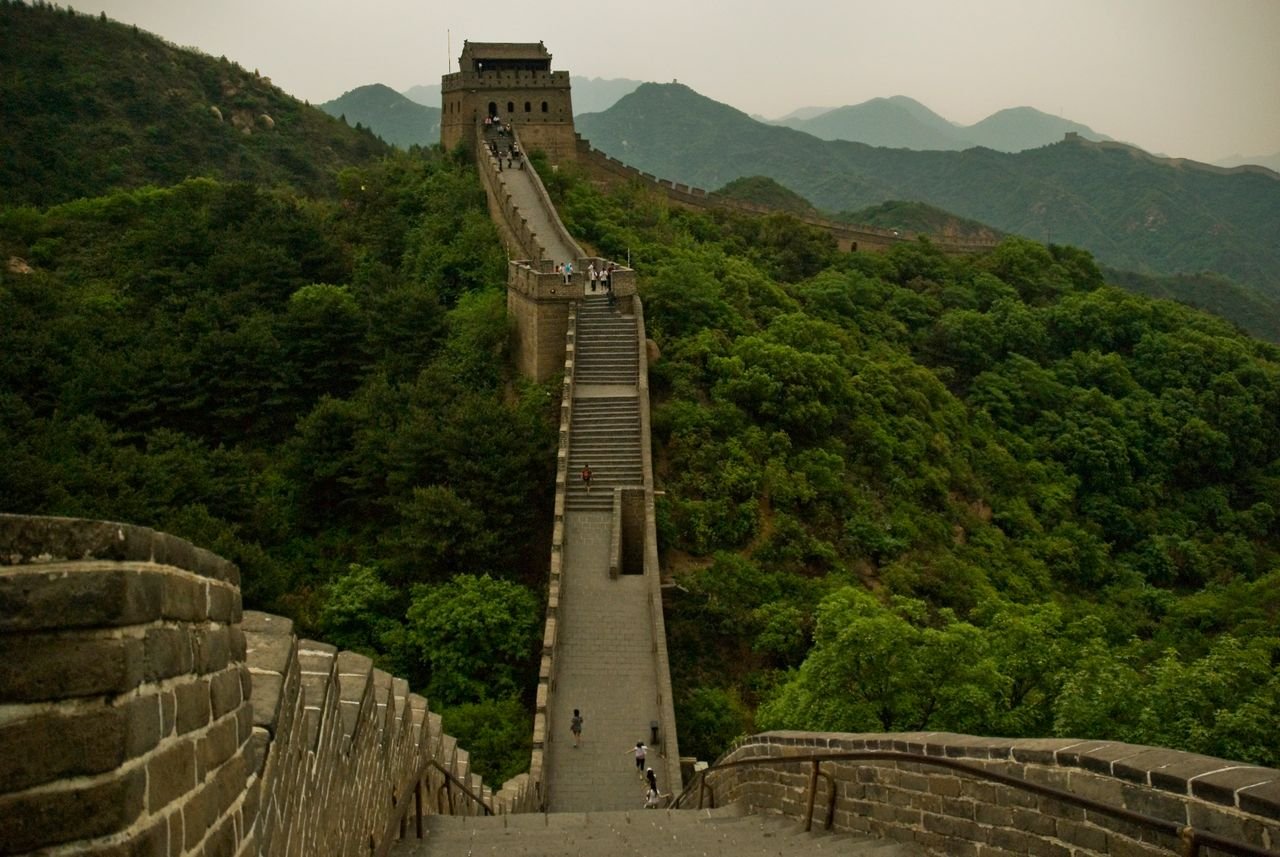
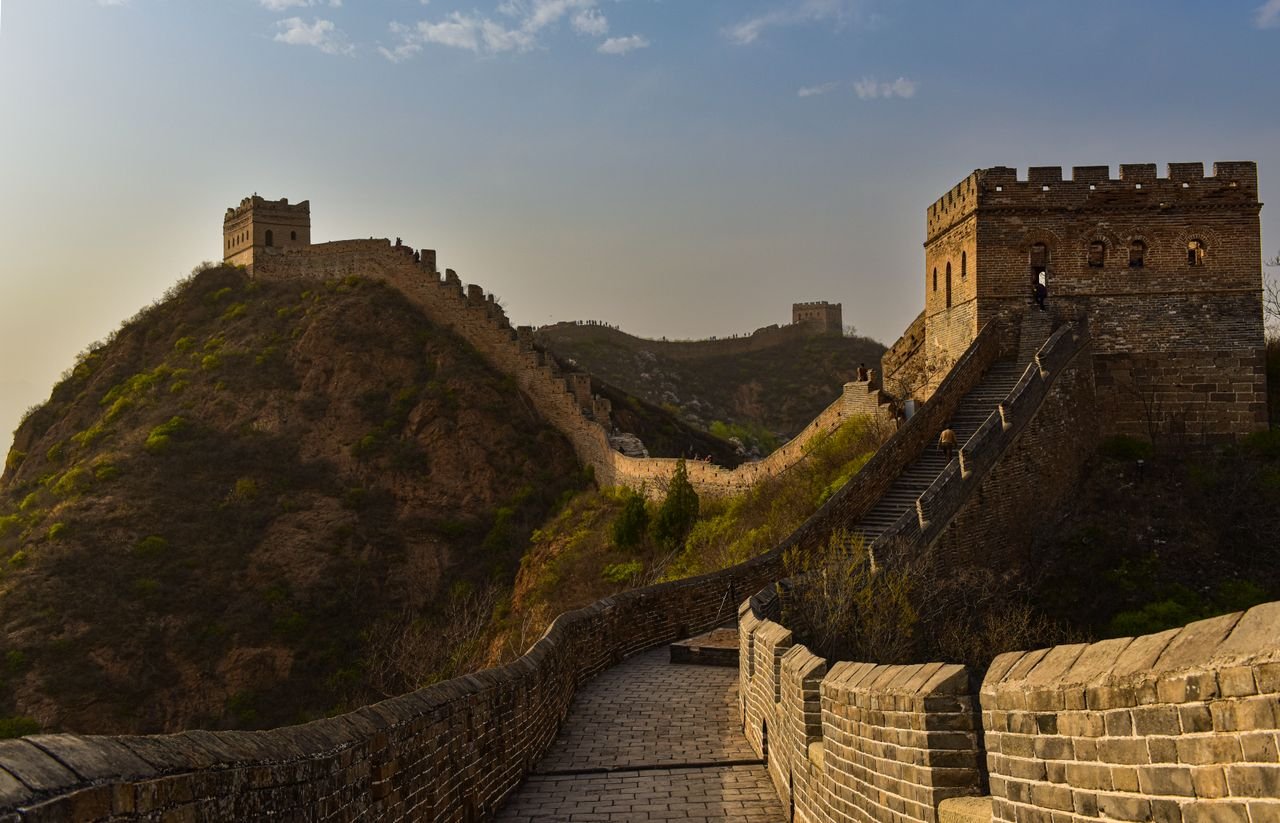
    Leaving the towering skyscrapers and busy ring roads of Beijing far behind, travelers venturing north are immediately confronted by the jagged peaks of the Huairou mountain range. Just past the rural orchards and misty valleys, a colossal stone fortification comes into view, snaking unpredictably across the razor-sharp mountain crests like a giant defensive dragon.

    Rising majestically as the ultimate historical shield of the nation, the Great Wall of China stands as a jaw-dropping brick and granite sanctuary defined by towering vertical watchtowers, hidden parapets, and a rugged, adventurous energy that preserves centuries of military strategy and dynastic pride.

    Completely distinct from standard, flat heritage walkways, this mountain frontier has entered an advanced era of eco-conscious crowd control and drone-assisted preservation under recent 2026 cultural relic protection frameworks. The national management team has masterfully streamlined visitor capacities and introduced real-time digital entry systems, keeping the paths highly secure while fully safeguarding the wild, epic nature-first spirit of the surrounding peaks.

    If you are eager to conquer the world’s most famous ridge-top staircases, scramble through ancient stone battlements overgrown with mountain flora, and look down at vertical drop-offs that plunge into deep green valleys, this monumental fortress belongs at the absolute peak of your bucket list.

    The architectural layout here operates like a high-drama masterclass in structural engineering, showcasing how human hands could seamlessly blend heavy defense systems into an unforgiving mountain terrain. Instead of a uniform, level walkway, the stone path serves as a dynamic, undulating battlefield where massive granite blocks and kiln-fired bricks climb near-vertical slopes to dominate the highest vantage points.

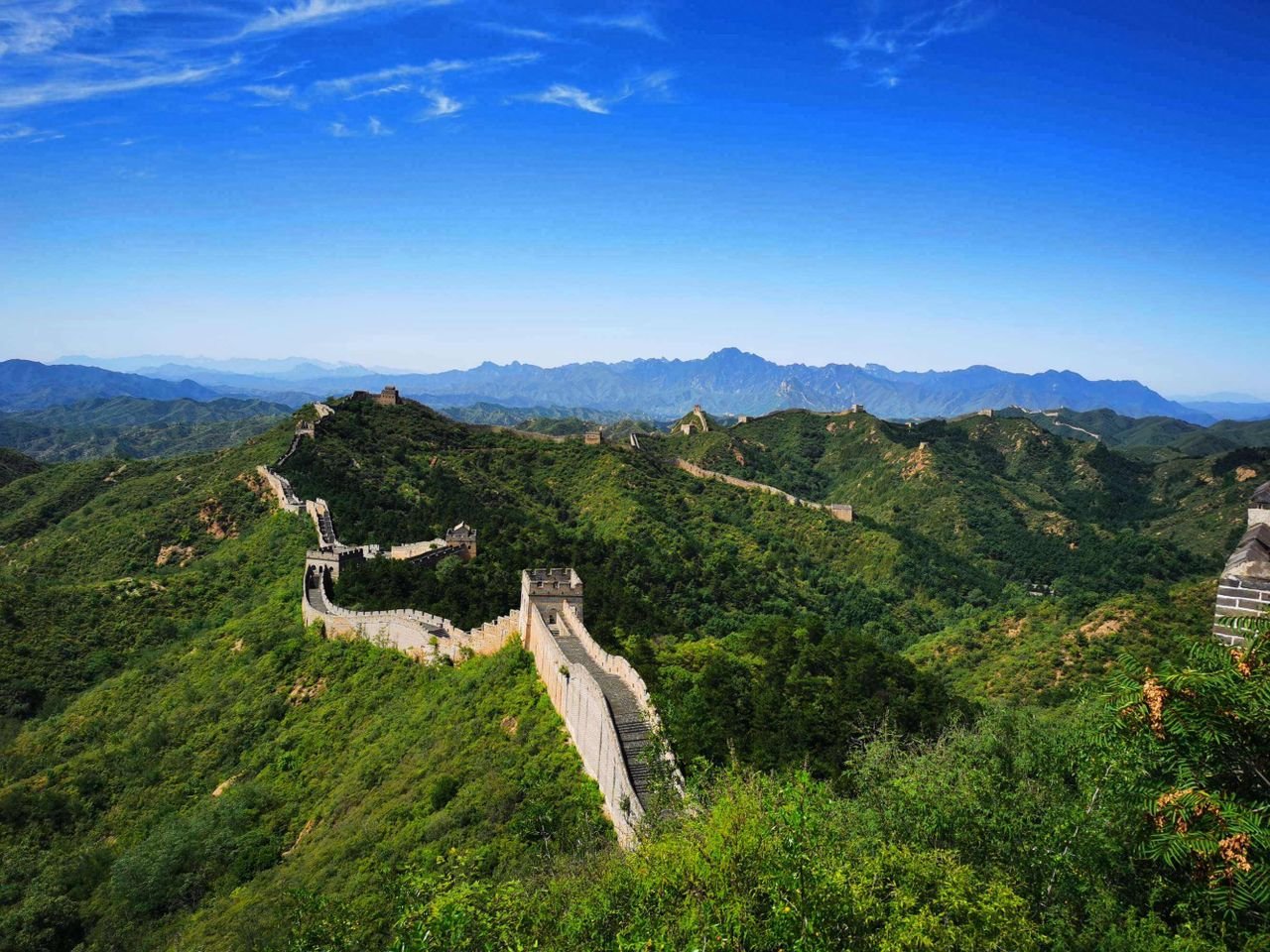
    When walking along the ridge lines, adventurers are face-to-face with an incredibly diverse geographical microclimate. The environment transitions from dense groves of walnut and chestnut trees at the base into wind-swept stone ramparts that slice directly through the clouds. Peering through the narrow arrow slits of the stone watchtowers reveals the ultimate marvel: a continuous chain of defensive outposts that vanish over the distant horizon, framing a prehistoric mountain playground that feels entirely disconnected from modern urban life.

    The Secret to Its Charm

    This monumental mountain barrier continuously dominates global travel feeds and captures the curiosity of international explorers for several distinct reasons:

    • The Mutianyu Watchtower Viewpoint:
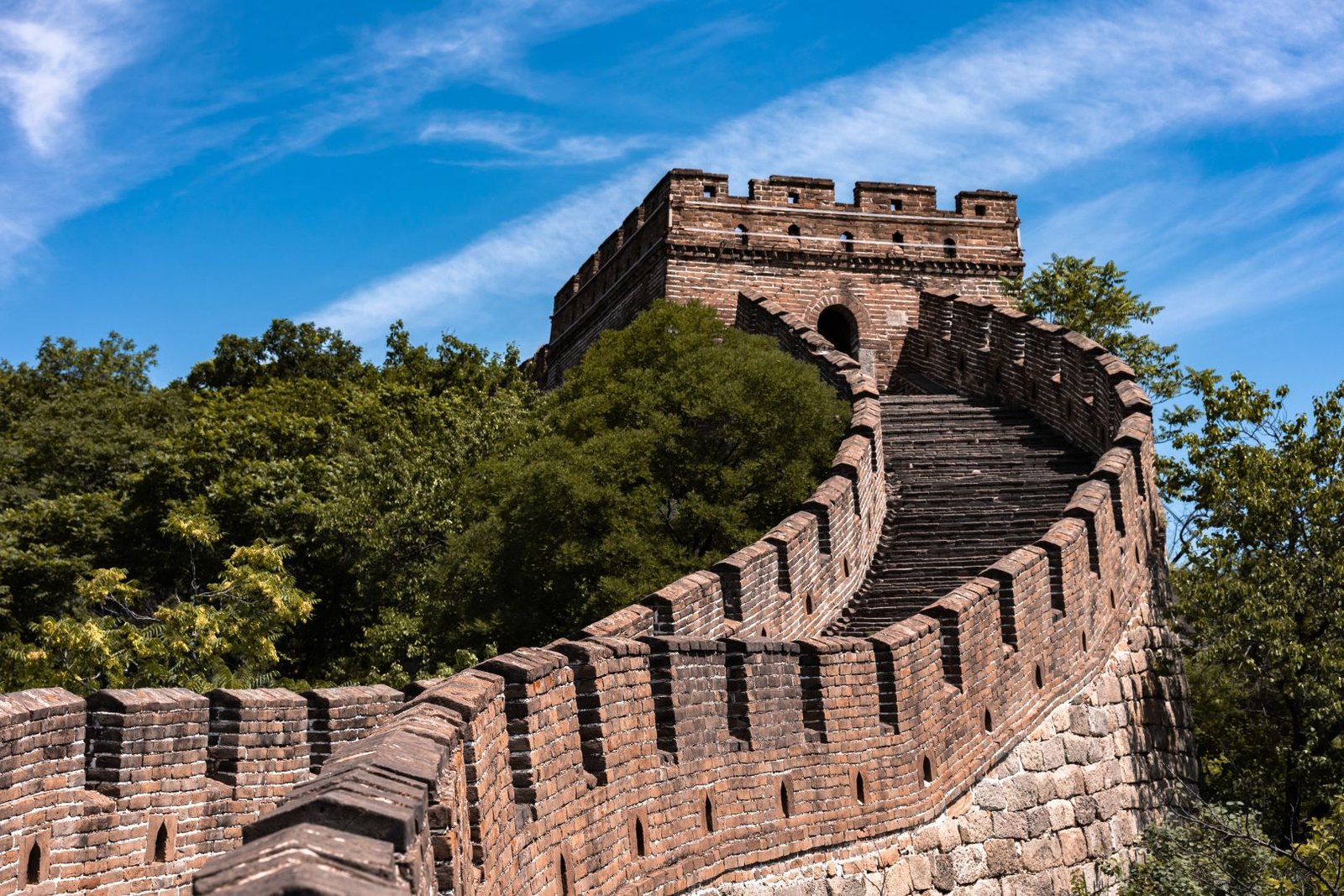
    The signature hallmark of the accessible northern line is the famous Tower 20. The structural headland features a bizarre, breathtaking stone staircase that climbs at a staggering angle, rewarding ambitious hikers with a panoramic vista of twenty consecutive towers dotting the ridge lines.

    • The Wild Jiankou Ridge Gateway:
    Famed universally for its completely raw, un-restored state, this adjacent zone features crumbling masonry swallowed by wild vegetation, offering advanced trekkers a heart-pounding glimpse into the wall’s true, weathered history. It is highly encouraged to check the China Highlights Jiankou Hiking and Travel Advice to map out the safest access points and trail conditions.

    • The Modern Toboggan Descent Sanctuary:
    Tucked right into the lower eastern slopes sits a thrilling, high-speed transit lane. A winding metal track snakes down from the upper battlements to the valley floor, allowing travelers a safe, adrenaline-pumping ride through the forest after an intense day of climbing.

    💡 Read Next: Ready to trade the rugged stone watchtowers and ancient fortification walls for a surreal landscape of fire-colored peaks? Head south to Guangdong to hike through the dramatic red sandstone cliffs, natural rock arches, and mist-shrouded valleys of the breathtaking Danxia Mountains!

    Local Attractions to Experience

    Mapping out your mountain route effectively splits your day into two beautifully contrasting exploration loops:

    • Investigate the Restored Eastern Terrace:
    Walk toward the lower-numbered towers to experience an immaculate example of Ming Dynasty military design. The wide brick trail guides you through spacious grand watchtowers and wide battle platforms, while the mountain winds hit the thick stone crenellations.

    • Challenge the Steep Western Ascent:
    Trek upward toward the highest peaks to encounter a physically demanding test of endurance. This section features the notorious “Heavenly Stairs,” where the stone steps narrow dramatically and climb almost vertically, forcing travelers to use both hands to scale the ancient path.

    • Appraise the Valley Cable Car Loop:
    Conclude your loop by boarding the modern enclosed cabins that float effortlessly over the forest canopy. The transit treats you to a staggering panoramic vista of the stone fortifications cutting through the green mountain wilderness, perfectly framing the massive scale of the monument.


    To see the sheer size of the ridges and watchtowers, check out this incredible Great Wall tour by Rhea Shanika on YouTube!

    📌 Fast Facts for Your Itinerary

    📍 Gateway Location: Mutianyu Great Wall Service Centre, Mutianyu Village, Huairou District, Beijing, China

    ⏰ Optimal Visiting Strategy: The wall presents an awe-inspiring experience throughout the seasons; however, securing a time slot for the early morning window between 07:30 AM and 09:30 AM during the autumn months ensures crisp mountain air, vibrant red foliage, and an entry well ahead of the city tour buses.

    🎫 Mandatory Conservation Levies: Entering the protected historic zone in 2026 utilizes a unified real-time passport booking system. The strict national entrance fee is currently ¥40 (approx. RM24) per adult traveler, though adding a round-trip cable car or toboggan ticket requires an additional transport token of roughly ¥140. make sure to book through the official Mutianyu Great Wall Ticketing & Booking System, which ensures guaranteed access to the park gates

    🛵 Pro-Tip: Because the stone paths are built out of varied, centuries-old blocks that can be incredibly slippery when polished by millions of shoes, walking the wall is notoriously tough on the knees. For maximum safety and stability, wear high-traction trail running shoes, pack a pair of trekking poles to balance your weight on the steep descents, and carry a small daypack with your own water—there are no vendor stalls permitted on the wall itself to ensure the historic site remains completely pristine!

  • Old Town of Lijiang: Yunnan’s Ancient Stone Maze

    Old Town of Lijiang: Yunnan’s Ancient Stone Maze

    Nestled beneath the watchful eye of snow-capped Himalayan peaks lies a timeless cultural sanctuary. The Old Town of Lijiang is a mesmerizing network of cobblestone lanes, arched bridges, and ancient timber buildings that serves as the ultimate window into Naxi culture. Once a critical lifeline for merchants on the historic Old Tea Horse Road, this beautifully preserved trading hub remains the crown jewel of the Yunnan highlands.

    Built during the late Song Dynasty over eight hundred years ago, this high-altitude mountain town is globally unique because it lacks the imposing defensive walls found in almost all other ancient Chinese cities.

    If you are ready to climb to panoramic viewpoints overlooking thousands of interlocking tiled roofs, listen to the haunting melodies of ancient court music, and wander beside centuries-old canals, here is why this breathtaking UNESCO World Heritage site is an essential anchor for your Yunnan itinerary.

    source: windhorsetour.com

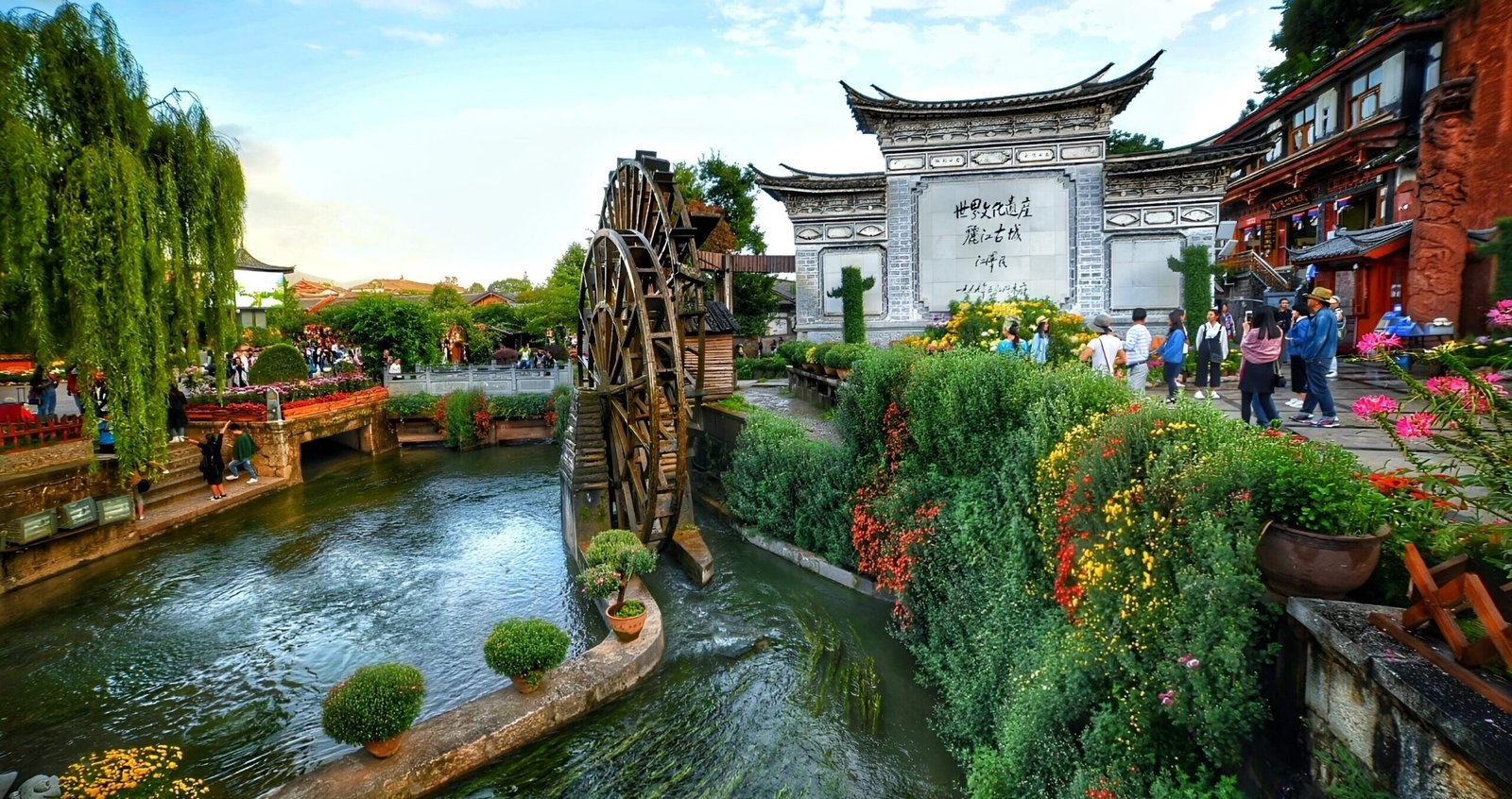
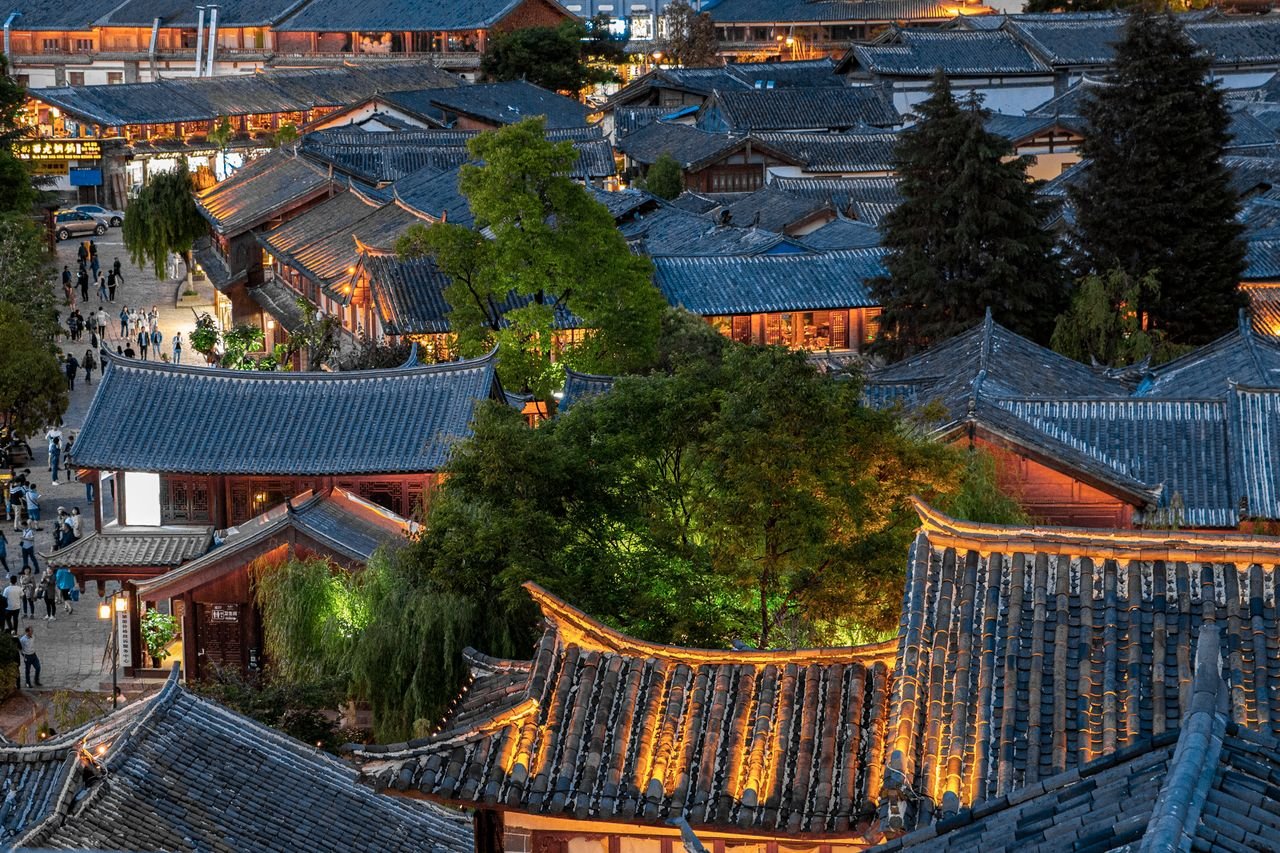
    Lijiang Old Town is a brilliant urban design achievement that functions without a rigid grid pattern, adapting instead to the natural flow of the mountains and rivers. The entire town layout centers around the bustling Market Square (Sifang Street), where a web of narrow streams splits into a network of canals that rush past every single doorstep, providing a natural water system that has sustained the community for centuries.

    Entering from the north immediately exposes the brilliant spatial design and symmetrical balance that defines the entire complex.The town features winding pathways paved with local red breccia stone, grand wooden courtyard homes, and vibrant marketplaces connected by over three hundred historic stone and wooden bridges. To truly capture the magical, timeless atmosphere of the ancient settlement before the crowds arrive, the town operates on an early-morning to late-night rhythm.

    An early morning stroll along the misty canals reveals a quiet world where only locals are out scrubbing the stones—a stark contrast to the night, when the entire town transforms into a glowing sea of red lanterns and lively music.

    The Secret to Its Charm

    Photographers, culture enthusiasts, and mountain travelers all flock to this legendary high-altitude post for a few undeniable reasons:

    • The Colossal Mu Palace:
    Tucked against the base of Lion Hill is the spectacular residential compound of the Mu clan, the hereditary Naxi chieftains who ruled Lijiang for generations. This sprawling mini-forbidden city features grand audience halls, manicured imperial gardens, and steep stone stairways that offer a majestic look into royal minority life.

    • The Iconic Twin Waterwheels:
    Dominating the main northern entry square is a pair of massive, interlocking wooden waterwheels that spin continuously to the rush of the river. Standing alongside a large granite block carved with calligraphy by former leaders, this spot serves as the definitive landmark photo stop for the town.

    • The Panoramic Lion Hill Viewpoint:
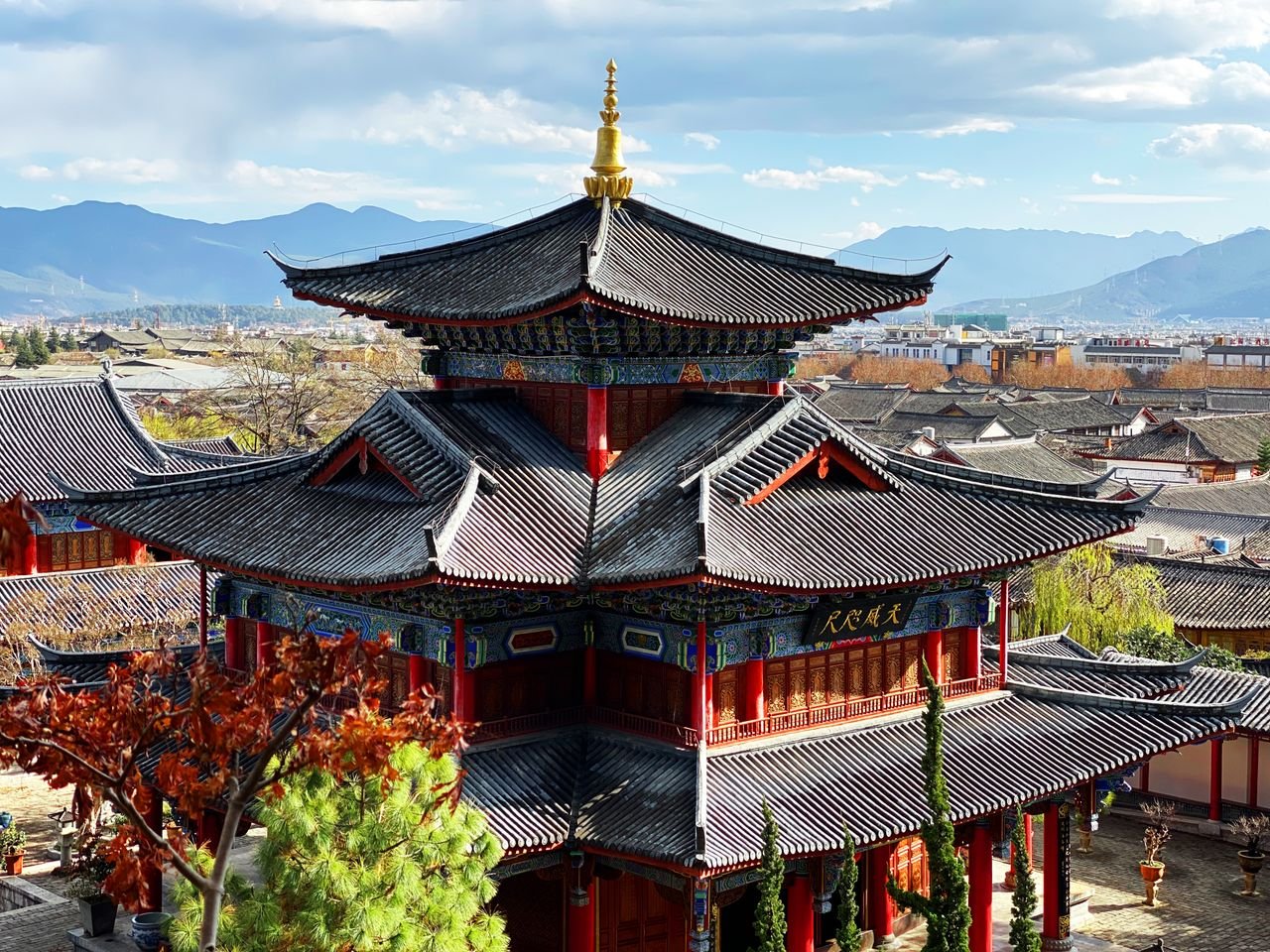
    Soaring high above the interlocking rooftops is the Wangu Pavilion, a pure wooden tower perched at the crest of the hill. Climbing the wooden stairs rewards you with sweeping, 360-degree panoramic views of the entire ancient tiled town on one side and the dramatic, snow-capped horizon of Jade Dragon Snow Mountain on the other.

    💡 Read Next: Ready to trade the cobblestone alleyways and mountain views of Yunnan’s ancient town for China’s most adorable wildlife encounter? Head back to Sichuan to walk through lush bamboo forests and watch playful cubs at the Chengdu Research Base of Giant Panda Breeding!

    Local Attractions to Experience

    source: klook.com

    Dedicate a full day to winding through the ancient stone maze, giving yourself plenty of time to explore its distinct zones at your own pace:

    • The Sifang Street Market:
    Spend your midday browsing the historic core square where vendors sell traditional Naxi silver, handmade copper pots, and local yak-milk cheese, mimicking the historic trade days of the Tea Horse Caravan.

    • The Dongba Cultural Gallery:
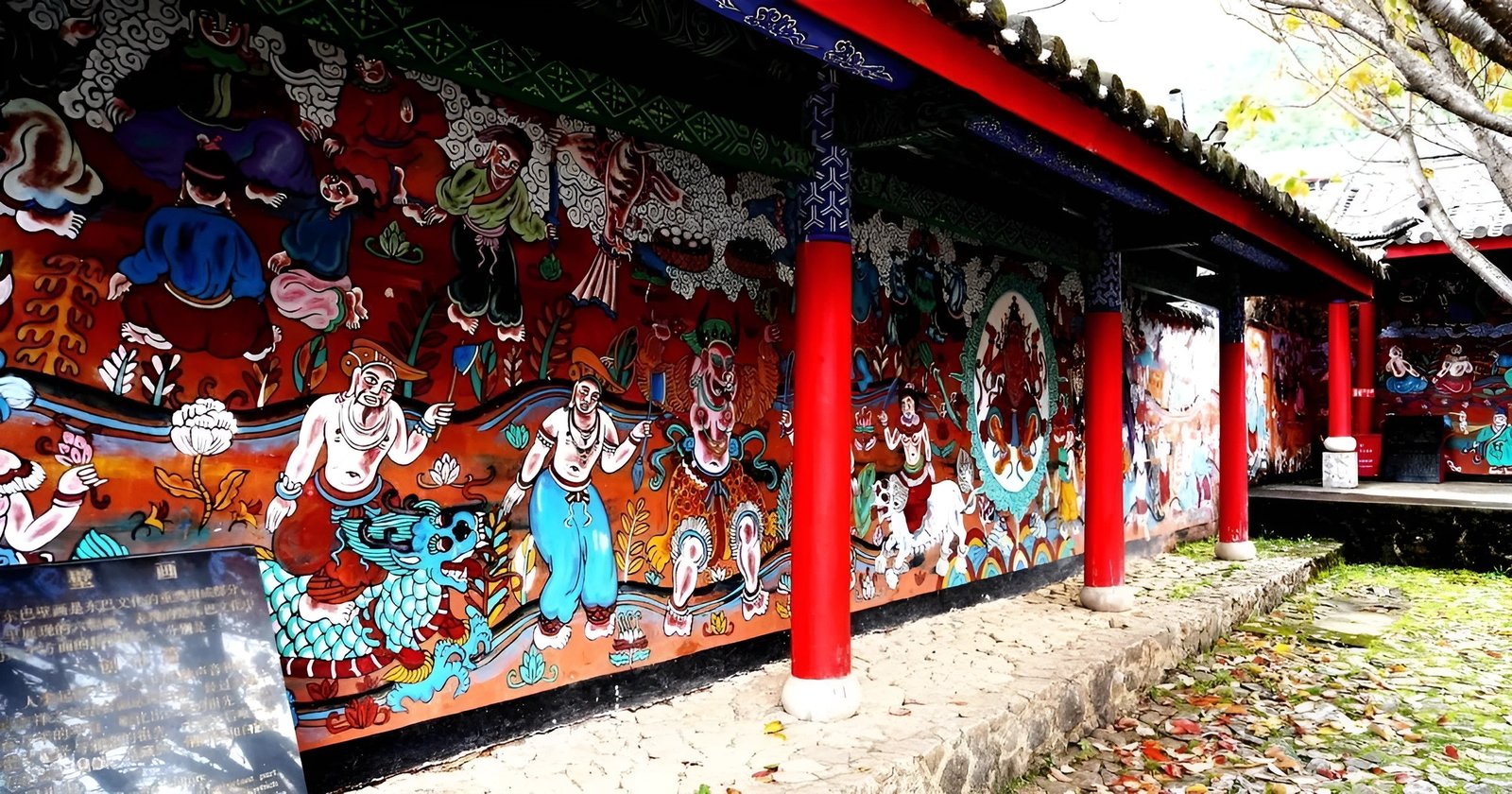
    Settle deep into the quiet northern courtyards to discover the ancient Dongba script, the only living hieroglyphic writing system left in the world, where you can watch local masters paint pictographs on handmade tree-bark paper.

    • The Black Dragon Pool Park:
    Walk a short distance along the northern stream out of the old town to find a stunning crystal-clear lake, where the reflection of the majestic Jade Dragon Snow Mountain over the traditional white marble bridge creates China’s most iconic postcard landscape.


    To fully immerse yourself in the sights and sounds, take a look at this Lijiang Old Town vlog by Roots Abroad over on YouTube. Watch the video here!

    📌 Fast Facts for Your Itinerary

    📍 Address: Dayan Old Town, Gucheng District, Lijiang, Yunnan, China

    ⏰ Operating Hours: Open 24 hours daily. The individual interior attractions like the Mu Palace and Wangu Pavilion generally open from 8:30 AM – 5:30 PM.

    🎫 Admission Ticket Prices: Entering the historic streets of the old town is completely free. However, a mandatory Ancient Town Maintenance Fee of RMB 50 is sometimes required to access specific protected interior heritage zones like the Mu Palace.

    🔒 Extra Precaution If You’re Visiting: Lijiang sits at an elevation of roughly 2,400 meters (7,900 feet) above sea level. Drink plenty of water and pace yourself while climbing the steep steps of Lion Hill to prevent altitude fatigue. The historic cobblestone paths are highly uneven, slick when wet, and polished smooth from centuries of footsteps. It is absolutely essential to wear sturdy, high-traction walking shoes to safely navigate the maze.

  • Chengdu’s Spectacular Haven of Giant Pandas

    Chengdu’s Spectacular Haven of Giant Pandas

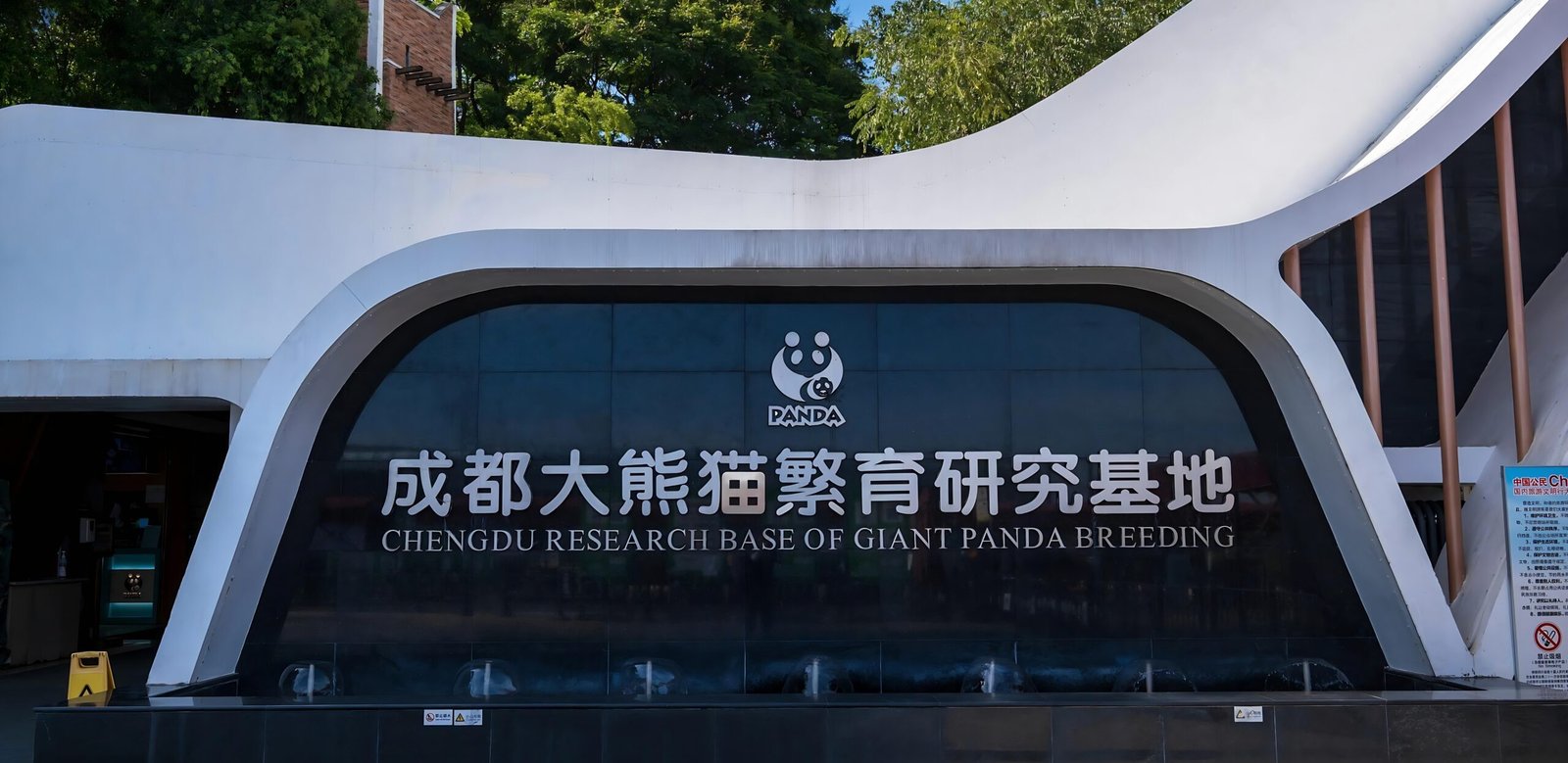
    Forget the bustling neon lights and fiery hotpot joints of downtown Chengdu—just a few miles away lies a world governed by a completely different rhythm. Here, the only rush hour is the morning stampede for fresh bamboo, and the loudest noise is the satisfying crunch of a breakfast feast. Nestled on the emerald slopes of Futou Hill, the Chengdu Research Base of Giant Panda Breeding offers travelers an intimate front-row seat to the daily lives of China’s most celebrated icons in a sprawling, mist-shrouded sanctuary.

    Opened in 1987 with just six rescued wild pandas, this world-renowned scientific facility has successfully grown its captive population into the hundreds. If you are ready to stand inches away from fluffy cubs tumbling in nursery yards, watch red pandas scale tree branches in open-air habitats, and learn about global wildlife preservation, here is why this fascinating attraction is an essential stop on your itinerary.


    source: ourchinastory.com

    The Panda Breeding Base is a massive green reserve designed to blend seamlessly with the natural landscape of Sichuan. The entire park layout is split across sweeping hillsides, covered in thousands of dense bamboo stalks, calm ponds, and shaded walking paths that make you forget you are just outside a major metropolis.

    Behind the grand gates reveals a park focused entirely on animal welfare and natural aesthetics. The grounds feature modern, climate-controlled indoor glass villas, spacious outdoor playgrounds, and educational discovery centers connected by winding wooden boardwalks. To ensure visitors catch the animals at their absolute peak energy levels, the park functions on an early-morning timeline.

    Arriving just as the gates swing open means stepping into a quiet world wrapped in morning fog. A crisp, early walk through the mist leads straight to the pandas as they eagerly tackle their breakfast, giving you a front-row seat to their most active hours before the afternoon heat settles in and sends them into deep, air-conditioned naps.

    Why It Is Popular

    source: time.com

    This majestic storehouse of biodiversity captures the imagination of backpackers, wildlife photographers, and nature lovers for several key reasons:

    • The Giant Panda Nurseries:
    Housing the youngest members of the base, the Sunshine and Moonlight Nursery Houses are top highlights. Through glass viewing windows, you can look down at newborn pink cubs and active toddlers playing under the watchful eyes of expert caretakers.

    • The Red Panda Semi-Free-Range Habitat:
    Spreading across the hillside is a specialized habitat zone where dozens of bright orange red pandas roam freely. These agile creatures frequently wander directly across the overhead wooden paths, giving you a thrilling, close-up look at their playful antics.

    • The Ultra-Modern Bamboo Tower:
    Dominating the skyline of the newer park expansion is a stunning, shoot-shaped observation tower. Climbing to the top rewards you with panoramic views over the sprawling bamboo forests and distant city skylines.

    💡 Read Next: Ready to trade the misty bamboo pathways for a dramatic journey into ancient engineering marvels? Head southwest into the mountains of Yunnan to wander cobblestone alleyways, traditional wooden houses, and winding canals beneath the snow-capped Jade Dragon Snow Mountain in our ultimate guide to the Old Town of Lijiang!

    Activities You Can Experience

    source: blooloop.com

    A predictable transit through the breeding base takes roughly 3 to 4 hours and allows you to seamlessly explore a sequence of dedicated zones:

    • The Sub-Adult Enclosures:
    Walk through the core valley to see older pandas lounging on wooden platforms, showing off their incredible coordination as they balance on logs and devour kilograms of bamboo shoots.

    • The Giant Panda Museum:
    Settle deep into the interactive exhibition wings to explore the evolutionary history of the species, featuring detailed scientific displays, multimedia mapping, and educational games.

    • The Panda Station Rest Stop:
    Recharge at the newly opened refreshment hubs inside the forest area, where you can grab local snacks, sip hot drinks, and browse shelves of exclusive panda-themed plush toys and tea sets.


    Feel free to watch Walking Expedition’s 53-minutes Chengdu Giant Panda Base walking tour on YouTube to get a realistic feel for the park’s layout, the nursery areas, and how to navigate the crowds.

    📌 Fast Facts for Your Itinerary

    📍 Address: 1375 Panda Avenue, Chenghua District, Chengdu, Sichuan, China

    ⏰ Operating Hours: 7:30 AM – 5:00 PM Daily. Ticket sales and entry end strictly at 5:00 PM.

    🎫 Admission Ticket Prices: General admission entry fees are structured at RMB 55 (approx. RM33) for Adults. Children under a certain height and older travelers over 60 can enter for free by presenting valid verification at the gates.

    🔒 Strict Crowd & Booking Rules: To protect the animals and maintain park capacity, tickets must be booked online in advance using your passport. International visitors scan their physical passports directly at the entry turnstiles for a seamless check-in.

    🍽️ Where To Dine: While the base itself primarily serves snacks, excellent dining options sit a short drive away in downtown Chengdu. To enjoy the authentic, fiery flavors of Sichuan completely worry-free, head to Muslim Hot Pot (Renhou Street) for a phenomenal, authentic halal mala hotpot experience. Alternatively, check out Yuexiangcun Beef Restaurant or Huangchengba Beef near Luomashi for incredible halal shredded beef, spicy noodles, and classic local stir-fries.