
Leaving the towering skyscrapers and busy ring roads of Beijing far behind, travelers venturing north are immediately confronted by the jagged peaks of the Huairou mountain range. Just past the rural orchards and misty valleys, a colossal stone fortification comes into view, snaking unpredictably across the razor-sharp mountain crests like a giant defensive dragon.
Rising majestically as the ultimate historical shield of the nation, the Great Wall of China stands as a jaw-dropping brick and granite sanctuary defined by towering vertical watchtowers, hidden parapets, and a rugged, adventurous energy that preserves centuries of military strategy and dynastic pride.
Completely distinct from standard, flat heritage walkways, this mountain frontier has entered an advanced era of eco-conscious crowd control and drone-assisted preservation under recent 2026 cultural relic protection frameworks. The national management team has masterfully streamlined visitor capacities and introduced real-time digital entry systems, keeping the paths highly secure while fully safeguarding the wild, epic nature-first spirit of the surrounding peaks.
If you are eager to conquer the world’s most famous ridge-top staircases, scramble through ancient stone battlements overgrown with mountain flora, and look down at vertical drop-offs that plunge into deep green valleys, this monumental fortress belongs at the absolute peak of your bucket list.
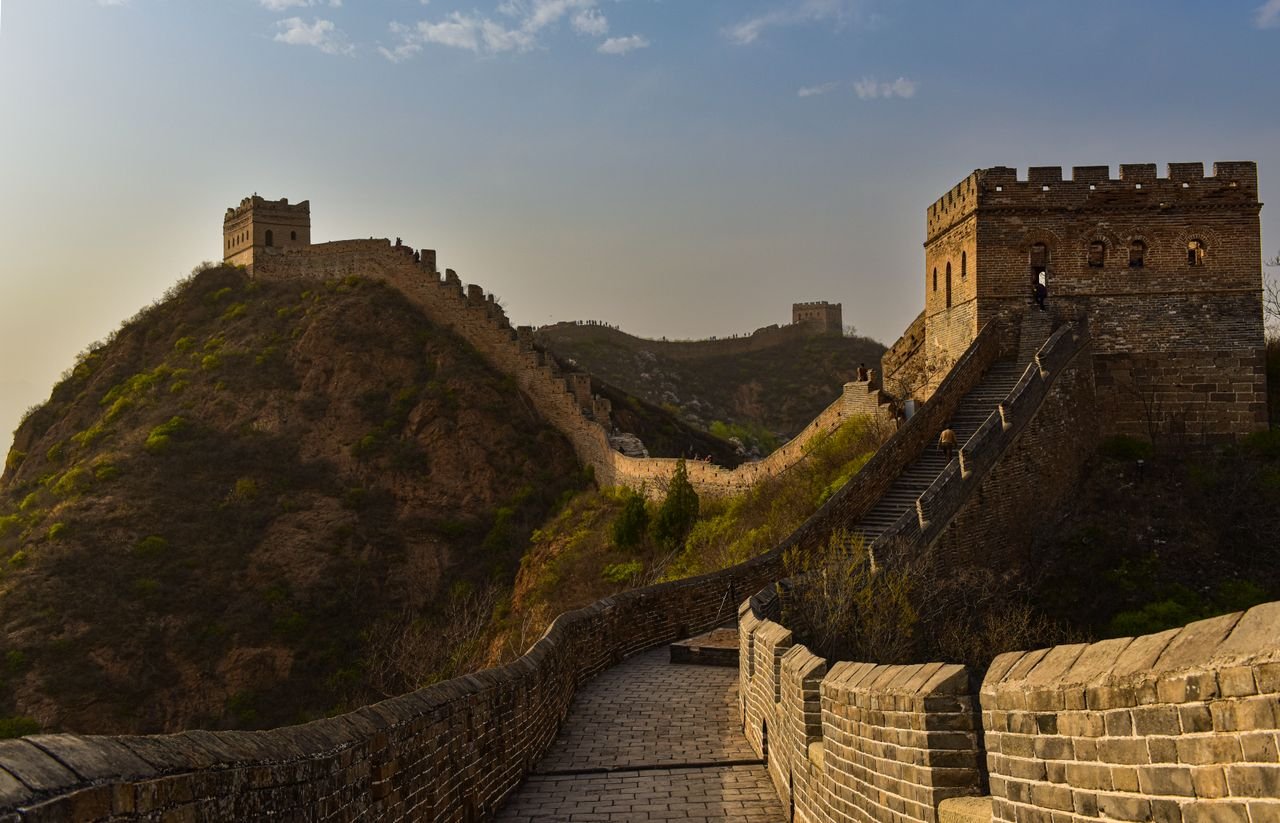
The architectural layout here operates like a high-drama masterclass in structural engineering, showcasing how human hands could seamlessly blend heavy defense systems into an unforgiving mountain terrain. Instead of a uniform, level walkway, the stone path serves as a dynamic, undulating battlefield where massive granite blocks and kiln-fired bricks climb near-vertical slopes to dominate the highest vantage points.
When walking along the ridge lines, adventurers are face-to-face with an incredibly diverse geographical microclimate. The environment transitions from dense groves of walnut and chestnut trees at the base into wind-swept stone ramparts that slice directly through the clouds. Peering through the narrow arrow slits of the stone watchtowers reveals the ultimate marvel: a continuous chain of defensive outposts that vanish over the distant horizon, framing a prehistoric mountain playground that feels entirely disconnected from modern urban life.
The Secret to Its Charm
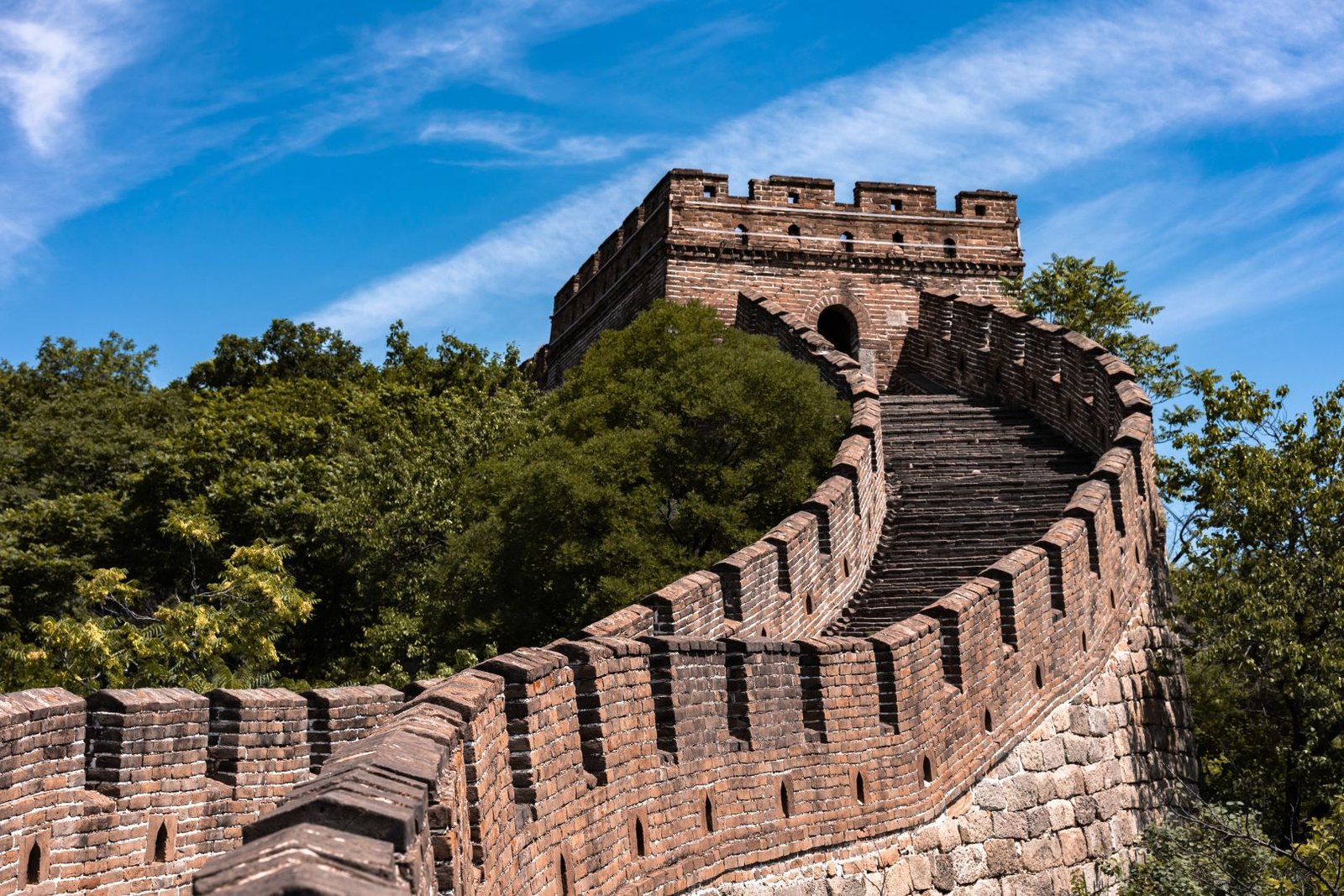
This monumental mountain barrier continuously dominates global travel feeds and captures the curiosity of international explorers for several distinct reasons:
• The Mutianyu Watchtower Viewpoint:
The signature hallmark of the accessible northern line is the famous Tower 20. The structural headland features a bizarre, breathtaking stone staircase that climbs at a staggering angle, rewarding ambitious hikers with a panoramic vista of twenty consecutive towers dotting the ridge lines.
• The Wild Jiankou Ridge Gateway:
Famed universally for its completely raw, un-restored state, this adjacent zone features crumbling masonry swallowed by wild vegetation, offering advanced trekkers a heart-pounding glimpse into the wall’s true, weathered history. It is highly encouraged to check the China Highlights Jiankou Hiking and Travel Advice to map out the safest access points and trail conditions.
• The Modern Toboggan Descent Sanctuary:
Tucked right into the lower eastern slopes sits a thrilling, high-speed transit lane. A winding metal track snakes down from the upper battlements to the valley floor, allowing travelers a safe, adrenaline-pumping ride through the forest after an intense day of climbing.
💡 Read Next: Ready to trade the rugged stone watchtowers and ancient fortification walls for a surreal landscape of fire-colored peaks? Head south to Guangdong to hike through the dramatic red sandstone cliffs, natural rock arches, and mist-shrouded valleys of the breathtaking Danxia Mountains!
Local Attractions to Experience

Mapping out your mountain route effectively splits your day into two beautifully contrasting exploration loops:
• Investigate the Restored Eastern Terrace:
Walk toward the lower-numbered towers to experience an immaculate example of Ming Dynasty military design. The wide brick trail guides you through spacious grand watchtowers and wide battle platforms, while the mountain winds hit the thick stone crenellations.
• Challenge the Steep Western Ascent:
Trek upward toward the highest peaks to encounter a physically demanding test of endurance. This section features the notorious “Heavenly Stairs,” where the stone steps narrow dramatically and climb almost vertically, forcing travelers to use both hands to scale the ancient path.
• Appraise the Valley Cable Car Loop:
Conclude your loop by boarding the modern enclosed cabins that float effortlessly over the forest canopy. The transit treats you to a staggering panoramic vista of the stone fortifications cutting through the green mountain wilderness, perfectly framing the massive scale of the monument.
To see the sheer size of the ridges and watchtowers, check out this incredible Great Wall tour by Rhea Shanika on YouTube!
📌 Fast Facts for Your Itinerary
📍 Gateway Location: Mutianyu Great Wall Service Centre, Mutianyu Village, Huairou District, Beijing, China
⏰ Optimal Visiting Strategy: The wall presents an awe-inspiring experience throughout the seasons; however, securing a time slot for the early morning window between 07:30 AM and 09:30 AM during the autumn months ensures crisp mountain air, vibrant red foliage, and an entry well ahead of the city tour buses.
🎫 Mandatory Conservation Levies: Entering the protected historic zone in 2026 utilizes a unified real-time passport booking system. The strict national entrance fee is currently ¥40 (approx. RM24) per adult traveler, though adding a round-trip cable car or toboggan ticket requires an additional transport token of roughly ¥140. make sure to book through the official Mutianyu Great Wall Ticketing & Booking System, which ensures guaranteed access to the park gates
🛵 Pro-Tip: Because the stone paths are built out of varied, centuries-old blocks that can be incredibly slippery when polished by millions of shoes, walking the wall is notoriously tough on the knees. For maximum safety and stability, wear high-traction trail running shoes, pack a pair of trekking poles to balance your weight on the steep descents, and carry a small daypack with your own water—there are no vendor stalls permitted on the wall itself to ensure the historic site remains completely pristine!







Leave a Reply