
Located at the absolute center of Beijing lies the world’s largest palace complex. The Forbidden City is a mesmerizing labyrinth of crimson walls and golden roofs that serves as the ultimate window into China’s imperial soul. Once a secretive sanctuary completely closed off to the public, this beautifully preserved masterpiece remains the crown jewel of the Middle Kingdom’s grand architectural vision.
Spreading across a massive, rectangular complex enclosed by a deep moat, the Forbidden City (The Palace Museum) is an extraordinary architectural masterpiece that served as the exclusive, secretive seat of supreme power for 24 emperors during the Ming and Qing dynasties.
Constructed between 1406 and 1420 by the Yongle Emperor, this colossal palace complex is the largest collection of preserved ancient wooden structures in the world, meticulously designed according to the cosmic principles of Chinese numerology and imperial feng shui.
If you are ready to stand in front of massive golden throne rooms, cross white marble bridges shaped like crescent moons, and explore secret courtyard chambers once filled with royal intrigue, here is why this legendary UNESCO World Heritage site is the essential anchor of your Beijing itinerary.
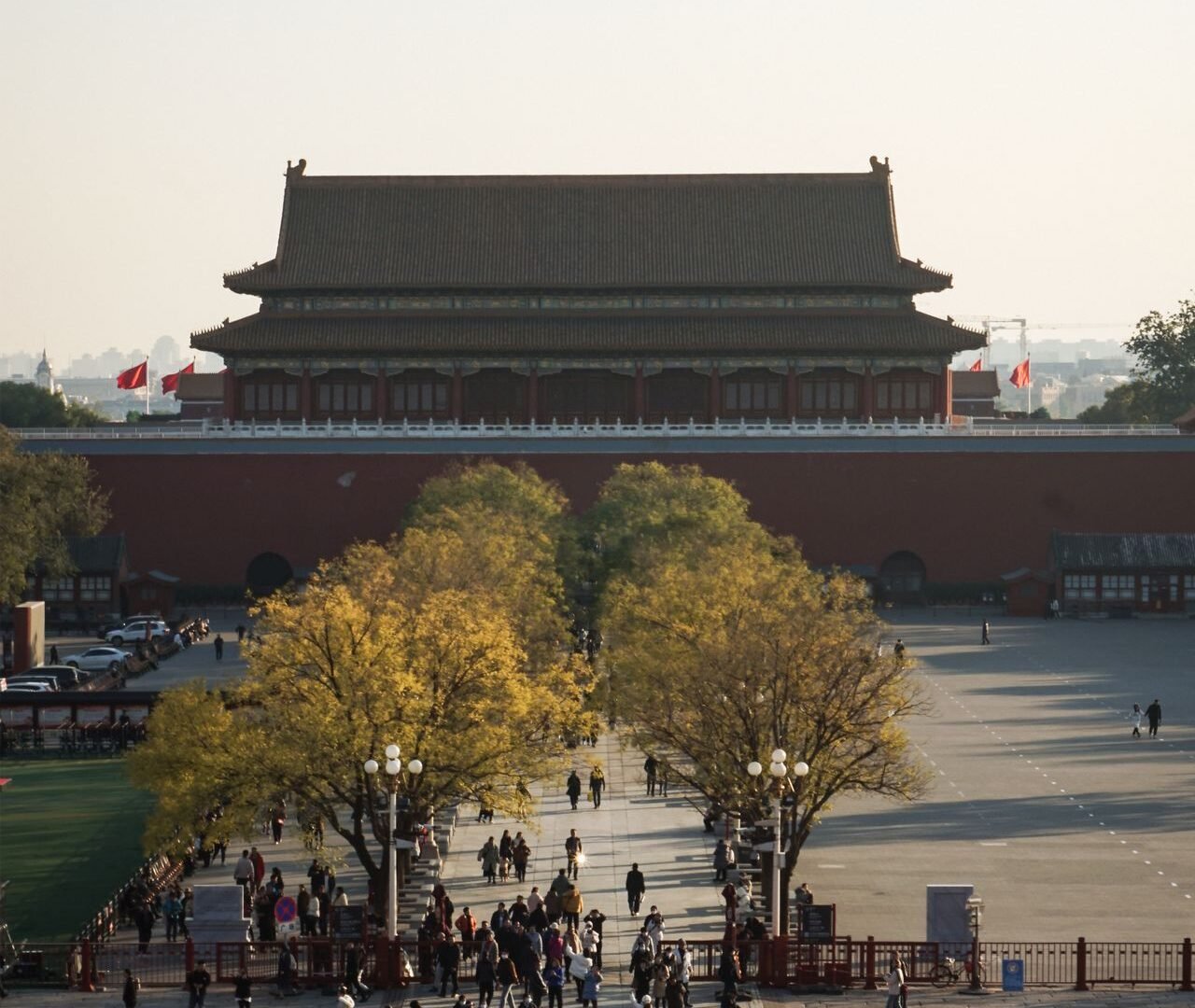
The Forbidden City is a monumental urban design achievement that functions on a strict, symmetrical north-south central axis that splits the entire city of Beijing down the middle. The palace layout is clearly divided into two distinct zones: the vast, sweeping Outer Court where the emperor held grand state ceremonies and exercised absolute political power, and the intimate, maze-like Inner Court where the royal family lived, played, and plotted behind closed doors.
The complex features thousands of brilliant red wooden pavilions, soaring roofs covered entirely in glittering yellow glazed tiles, and sprawling stone courtyards that could hold tens of thousands of imperial guards. To absorb the vast historical weight and structural majesty of the grounds before the midday crowds pack the central axis, the museum operates on a precise morning-to-afternoon timeline.
Cross the Golden Stream Bridges early in the morning to enjoy a quiet, breathtaking walk across the main courtyards, watching the first light hit the gilded bronze cauldrons and intricate dragon carvings.
Why Is It Popular
Several distinct features make this legendary imperial fortress an absolute magnet for creative minds and history enthusiasts alike:
• The Three Great Halls of the Outer Court:
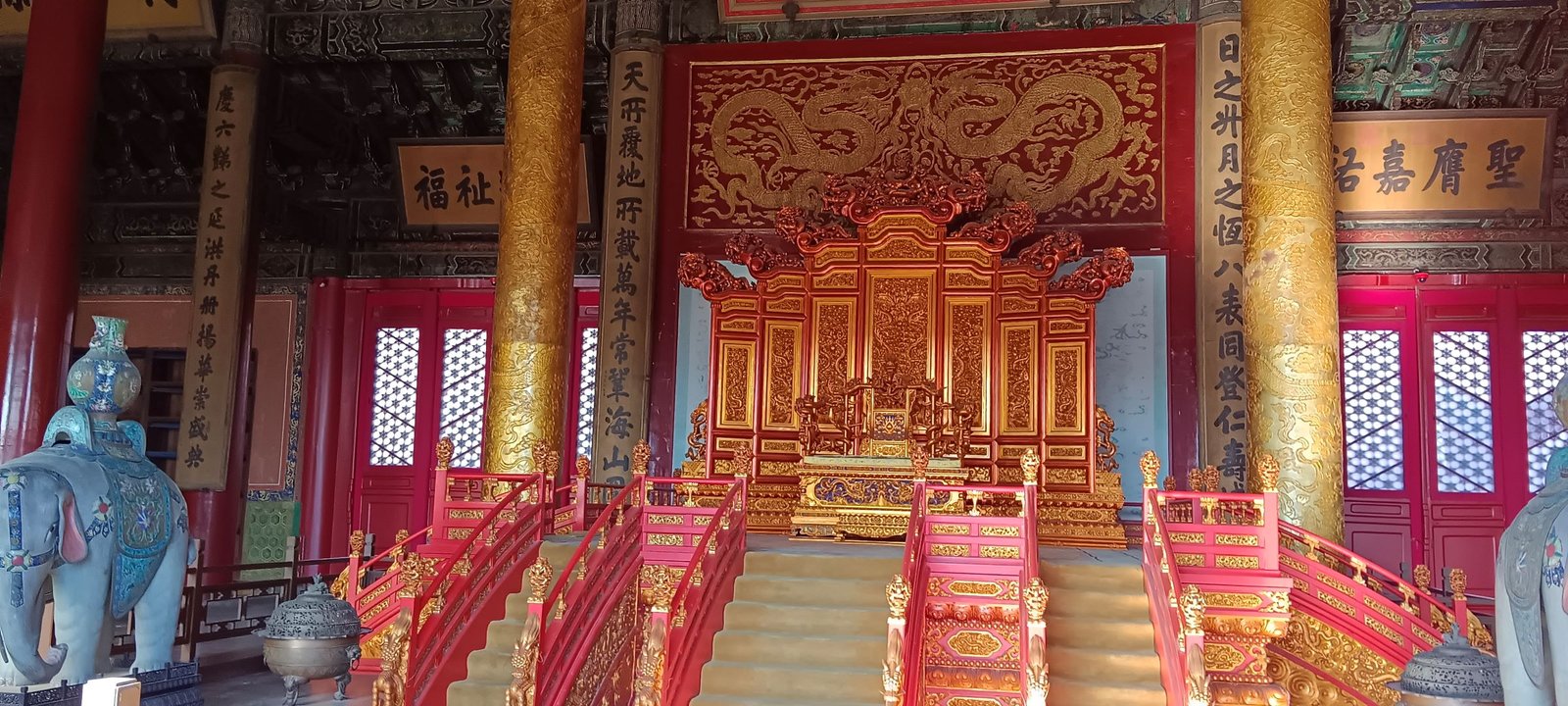
Stationed in the main ceremonial axis are the Hall of Supreme Harmony (Taihedian), the Hall of Central Harmony, and the Hall of Preserved Harmony. Standing on a triple-tiered marble terrace, the spectacular Hall of Supreme Harmony is the grandest wooden structure in the country, housing the intricately carved golden Dragon Throne.
• The Treasure Gallery Array:
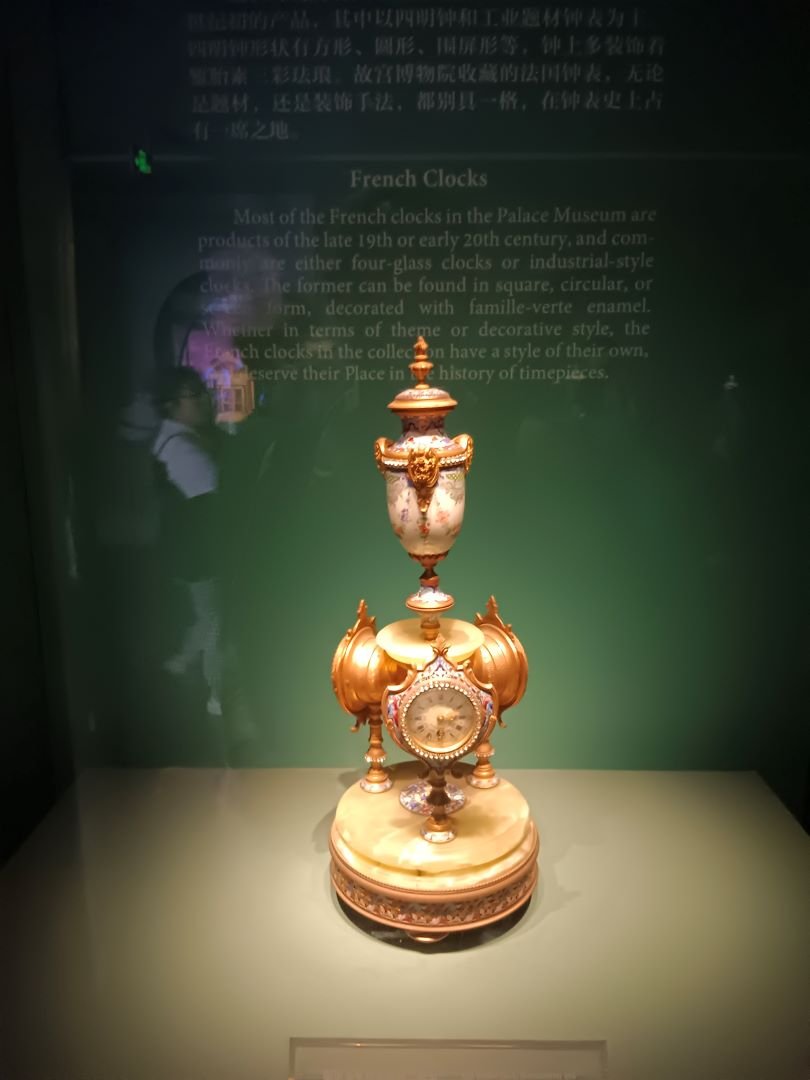
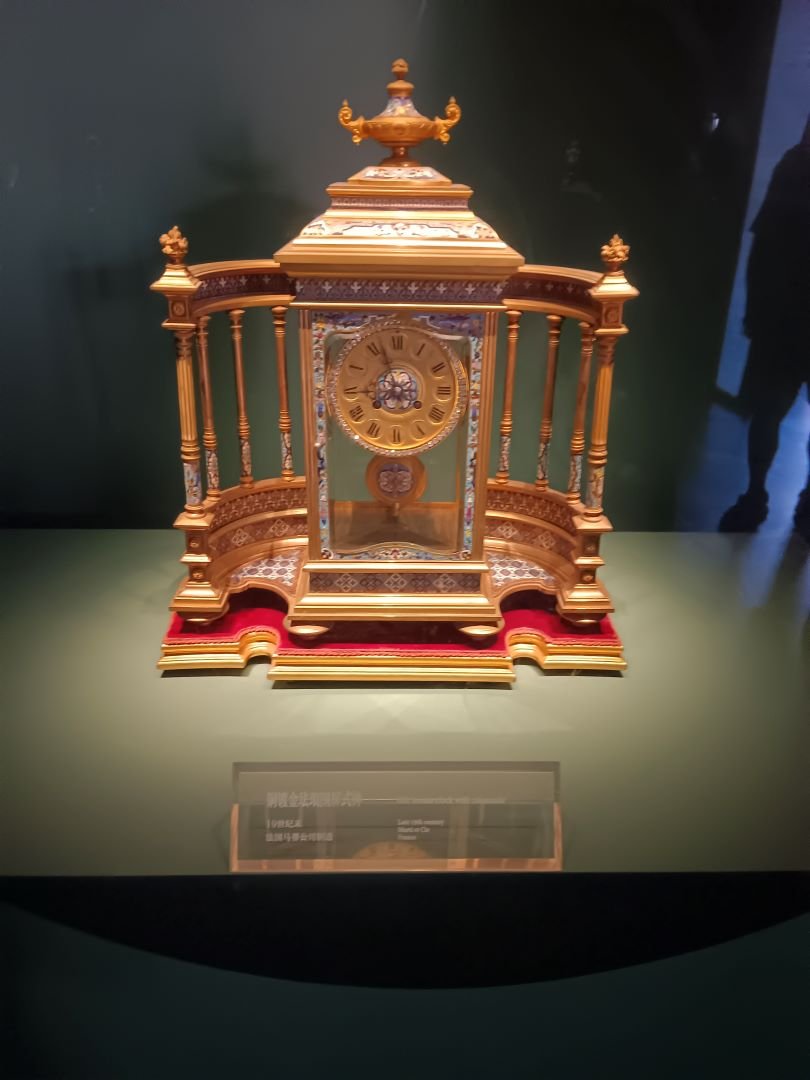
Tucked away in the eastern wing of the Inner Court is a specialized exhibition zone housed inside the Palace of Tranquil Longevity. These highly secure rooms showcase the absolute pinnacle of royal luxury, featuring jewel-encrusted crowns, massive jade carvings, and intricate gold clocks gifted by European monarchs.
• The Imperial Garden Sanctuary:
Nestled at the far northern end of the central axis is a peaceful, walled garden filled with ancient cypress trees, strangely shaped rockeries, and elegant pavilions where the imperial family relaxed away from the rigid formalities of the court.
💡 Read Next: Ready to step away from the grand, crimson walls of the emperors and explore the peaceful lakeside temples where they spent their hot summers? Head northwest out of the city center to discover the beautiful pavilions in our ultimate guide to the Summer Palace!
Local Attractions to Experience
To fully take in the massive palace city without rushing, expect a 3- to 4-hour journey that transitions seamlessly through a sequence of dedicated historical eras:
• The Central Imperial Axis:
Walk straight through the core ceremonial spine to marvel at the grand architecture and stand before the monumental throne halls that define popular depictions of ancient China.
• The Jingshan Park Overlook:
Exit through the northern Gate of Divine Prowess and cross the street to climb the hill at Jingshan Park, which rewards your short trek with the most spectacular, breathtaking bird’s-eye panoramic view over the endless golden rooftops of the Forbidden City.
• The Western Palaces Sector:
Veer off the central path to wander through the intimate, maze-like residential courtyards where the empresses and concubines lived, featuring beautiful, shaded halls and quiet gardens.
Check out this immersive 4K walking tour in the Forbidden City by CHINA CITY WALK on Youtube to get a full view on how this tourism spot actual is in real time. Watch it below!
📌 Fast Facts for Your Itinerary
📍 Address: 4 Jingshan Front Street, Dongcheng District, Beijing, China
⏰ Operating Hours: 8:30 AM – 5:00 PM (April to October) / 8:30 AM – 4:30 PM (November to March). The museum is strictly closed on Mondays.
🎫 Admission Ticket Prices: Main park entry tickets are priced at RMB 60 during peak months and RMB 40 during the winter season. Separate small entry fees of RMB 10 each are required to access the high-value Treasure Gallery and the Clock Gallery.
🔒 Strict Real-Name Booking & Passport Rules: Crucial Ticketing Guardrail: The Forbidden City enforces a strict, mandatory online ticketing system and has capped daily visitors significantly. Tickets become available online exactly 7 days in advance at 8:00 PM Beijing time and regularly sell out completely within minutes. There is no physical ticket booth at the gate. International travelers must register using their exact passport numbers online, and you must bring your physical passport to be scanned directly at the entry turnstiles for admission.
⚠️ How to Explore the Grounds Comfortably: The complex stretches nearly a kilometer from south to north and involves walking completely on hard, ancient stone bricks with zero public transport inside. Wearing high-comfort, cushioned walking shoes and carrying a refillable water bottle are completely non-negotiable requirements for exploring the grounds safely.







Leave a Reply