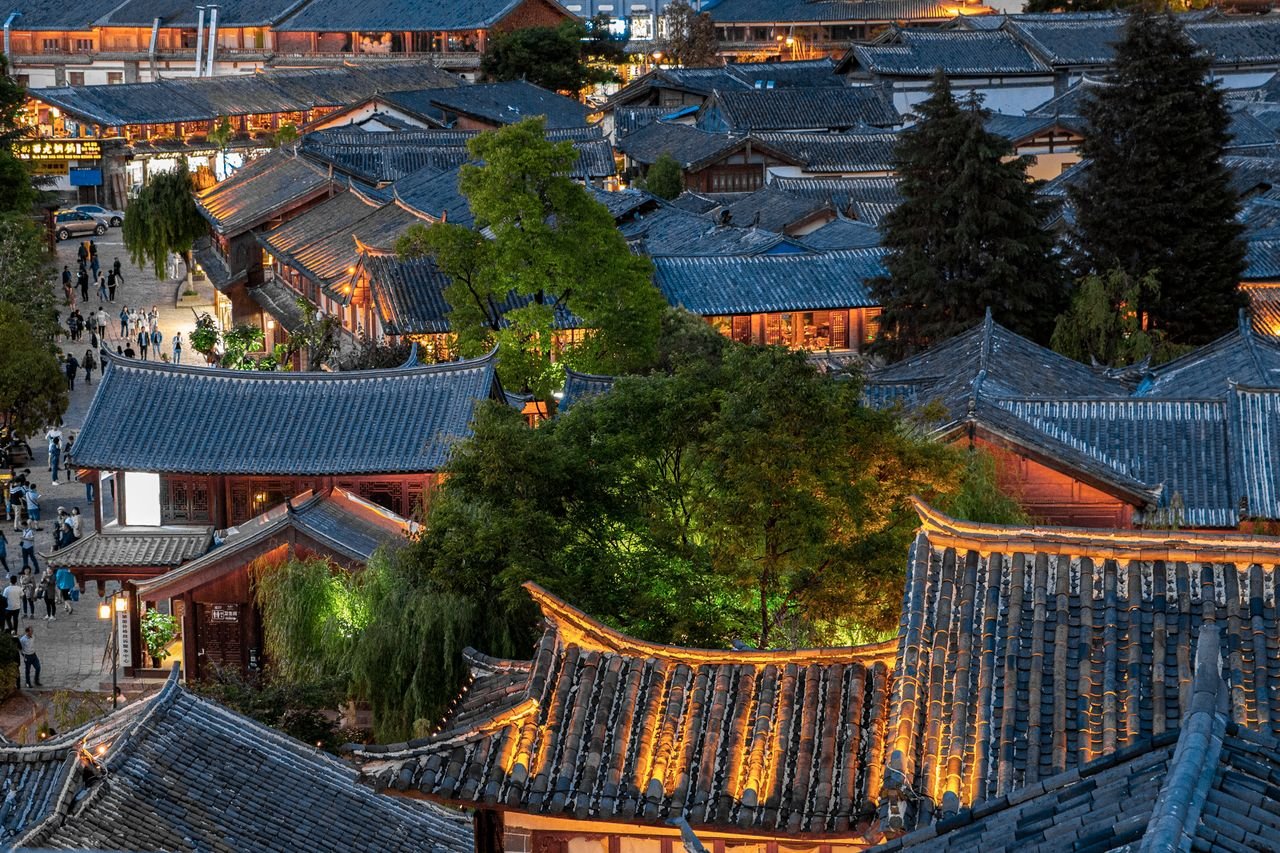
Escaping the high-energy rush of downtown Beijing and watching the afternoon sun paint the traditional rooftops with a warm, amber glow are classic China travel moments, but the ultimate retreat into the elegant, lakeside lifestyle of the Qing dynasty sits just a short subway ride away northwest of the city center. Spreading across nearly three square kilometers of rolling hills and calm water, the Summer Palace (Yíhéyuán) is a breathtaking imperial masterpiece that holds the most beautifully preserved royal garden landscapes in the country.
Originally built in 1750 as a luxurious seasonal sanctuary for the royal court to escape the oppressive summer heat of the Forbidden City, this expansive parkland offers a vivid, walk-through experience into ancient landscape design and imperial politics.
If you are ready to stroll beneath thousands of colorful hand-painted ceiling beams, take a dragon boat cruise across a massive man-made lake, and climb winding stone steps to sweeping hillside pavilions, here is why this spectacular UNESCO World Heritage site deserves a spot at the top of your Beijing itinerary.
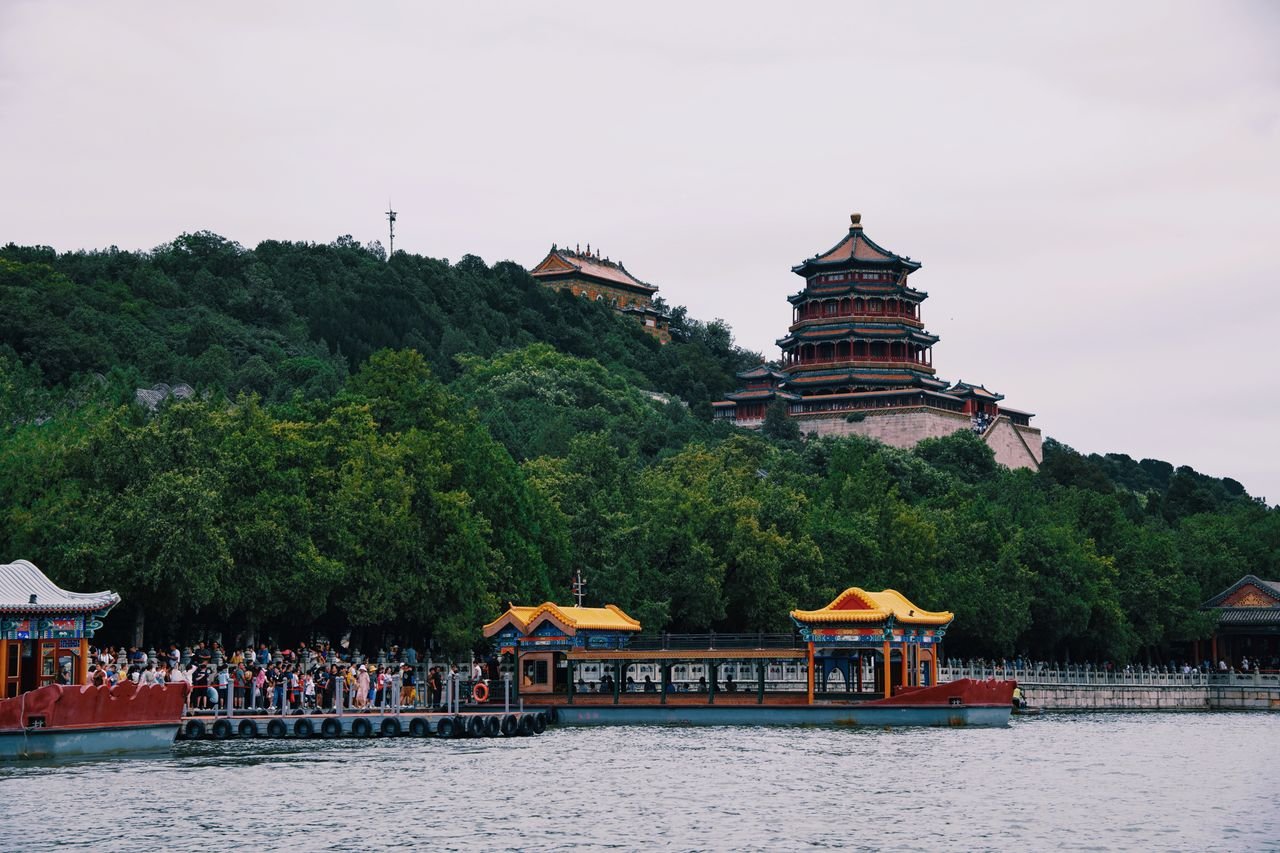
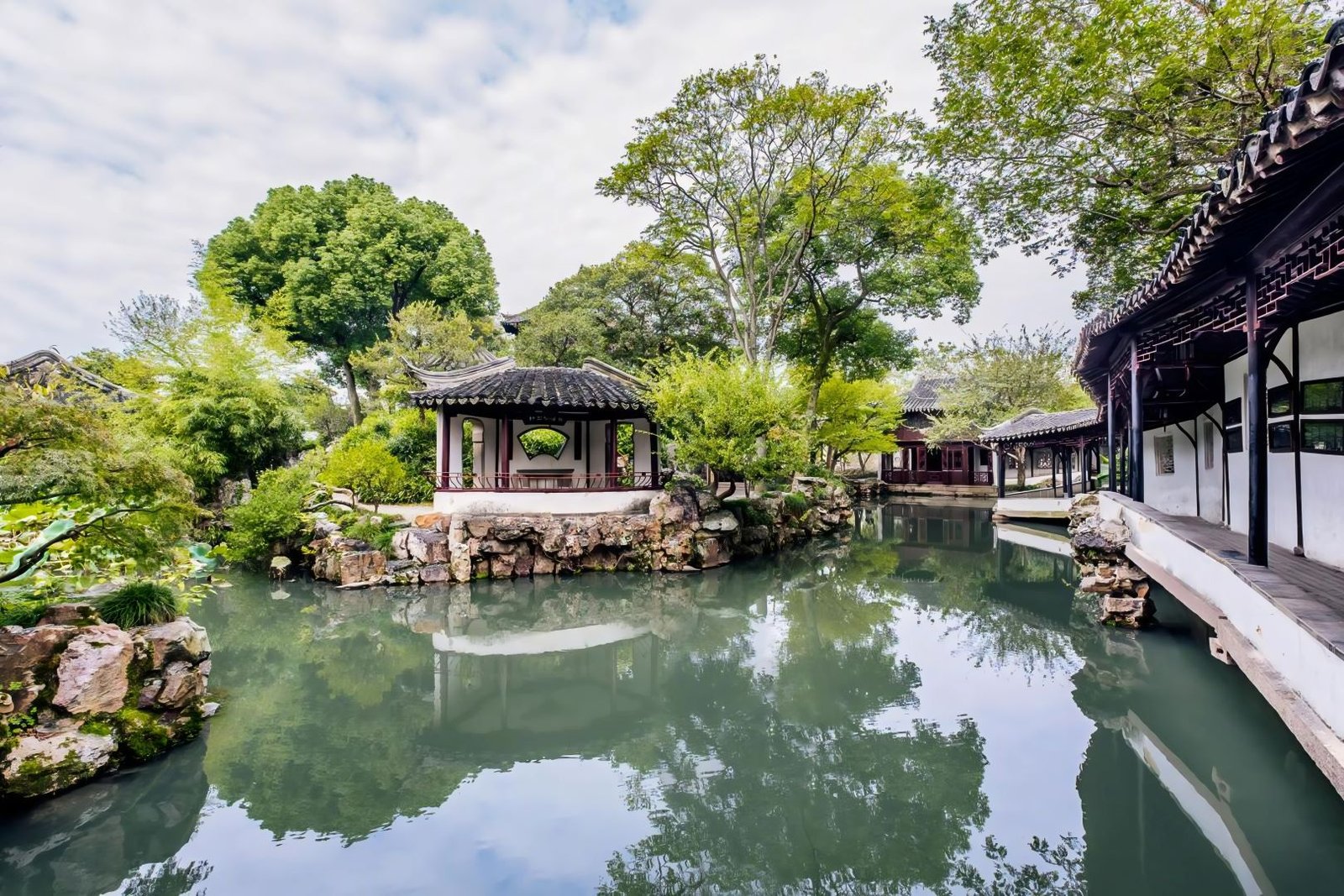
The Summer Palace is a grand architectural achievement that perfectly balances the rules of classical Chinese feng shui with natural terrain. The entire park layout is cleverly designed around two major landmarks: the towering, wooded slopes of Longevity Hill and the wide, open waters of Kunming Lake, mimicking the classical southern Chinese gardens of Hangzhou.
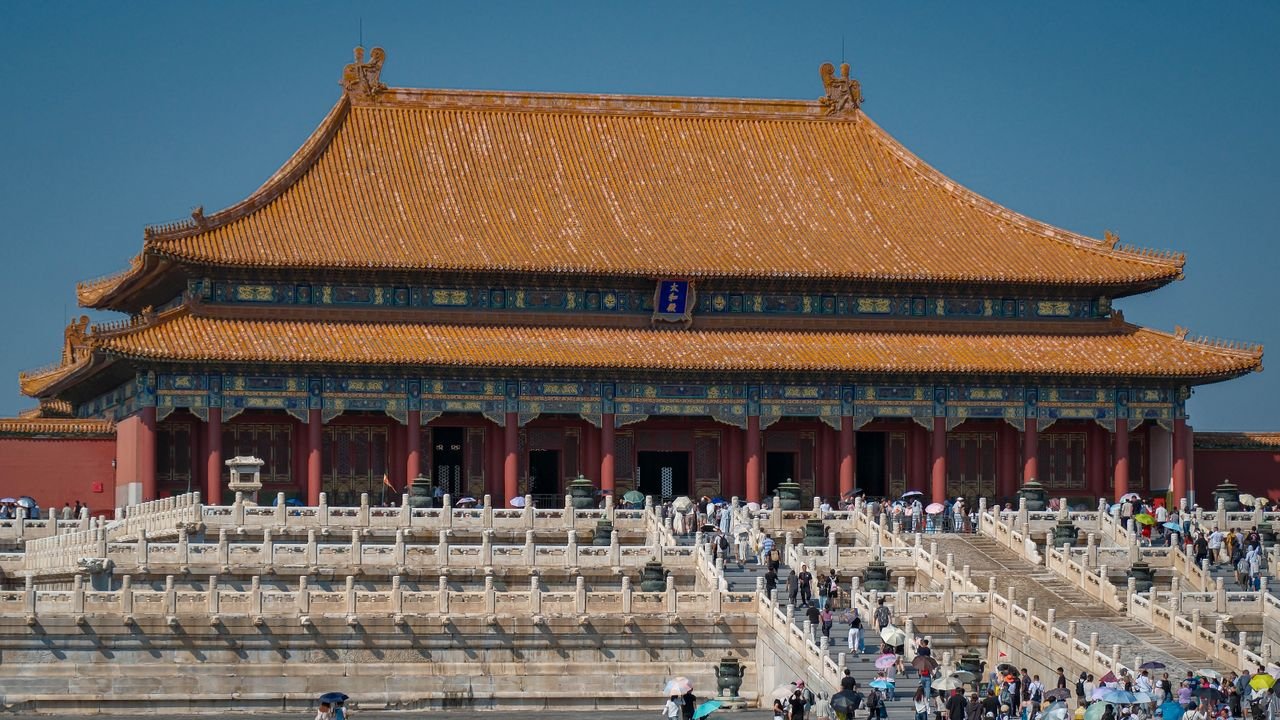
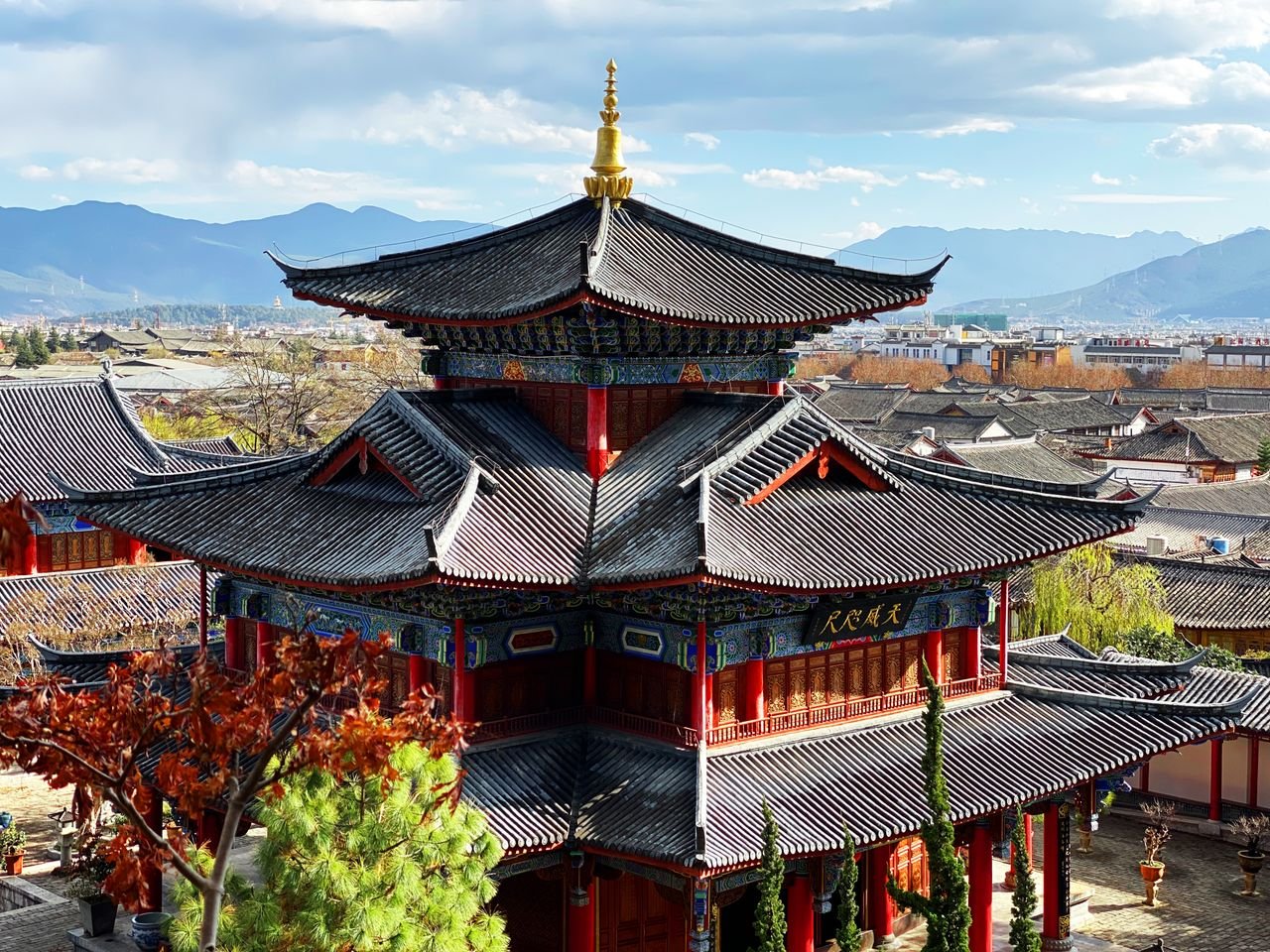
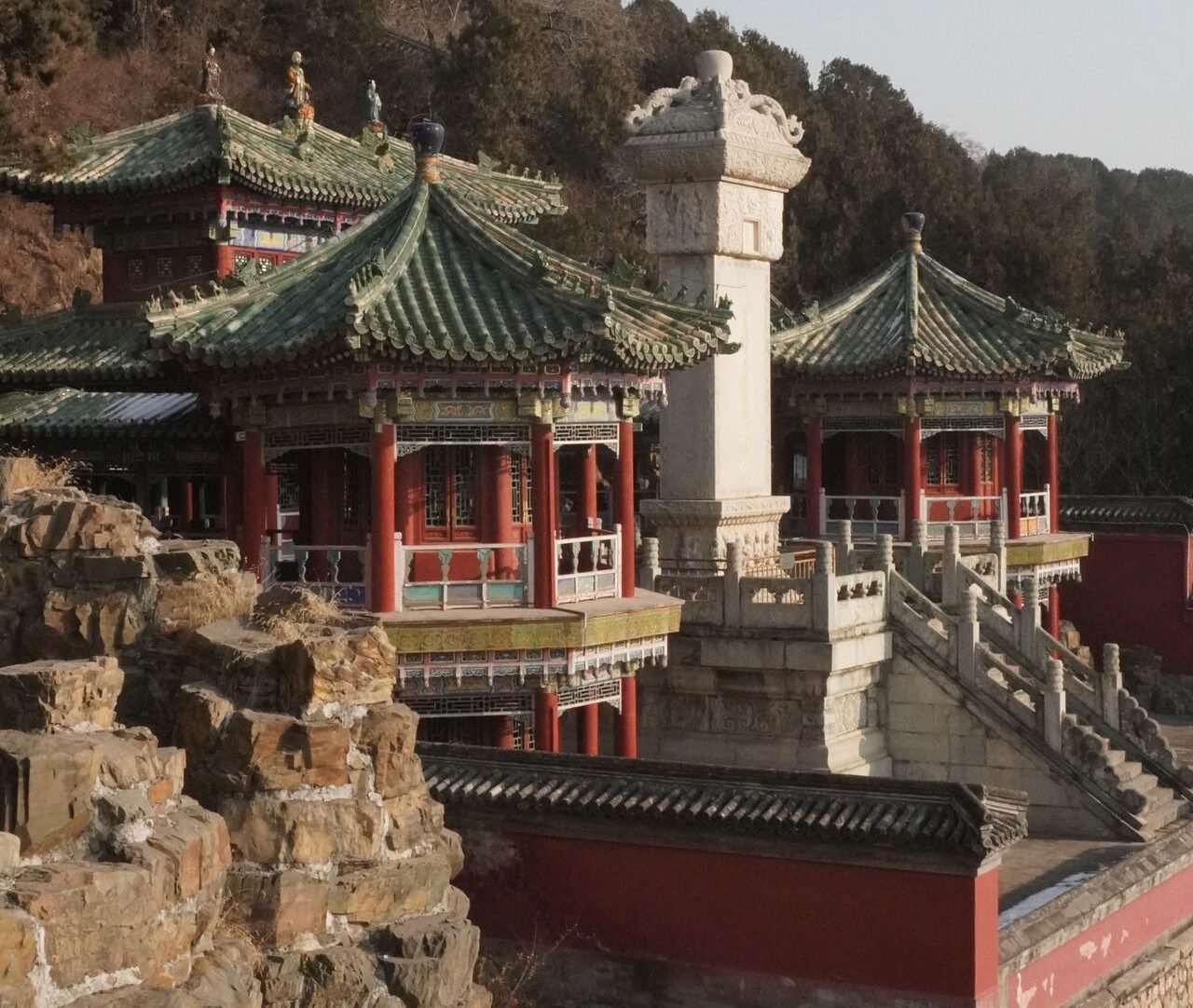
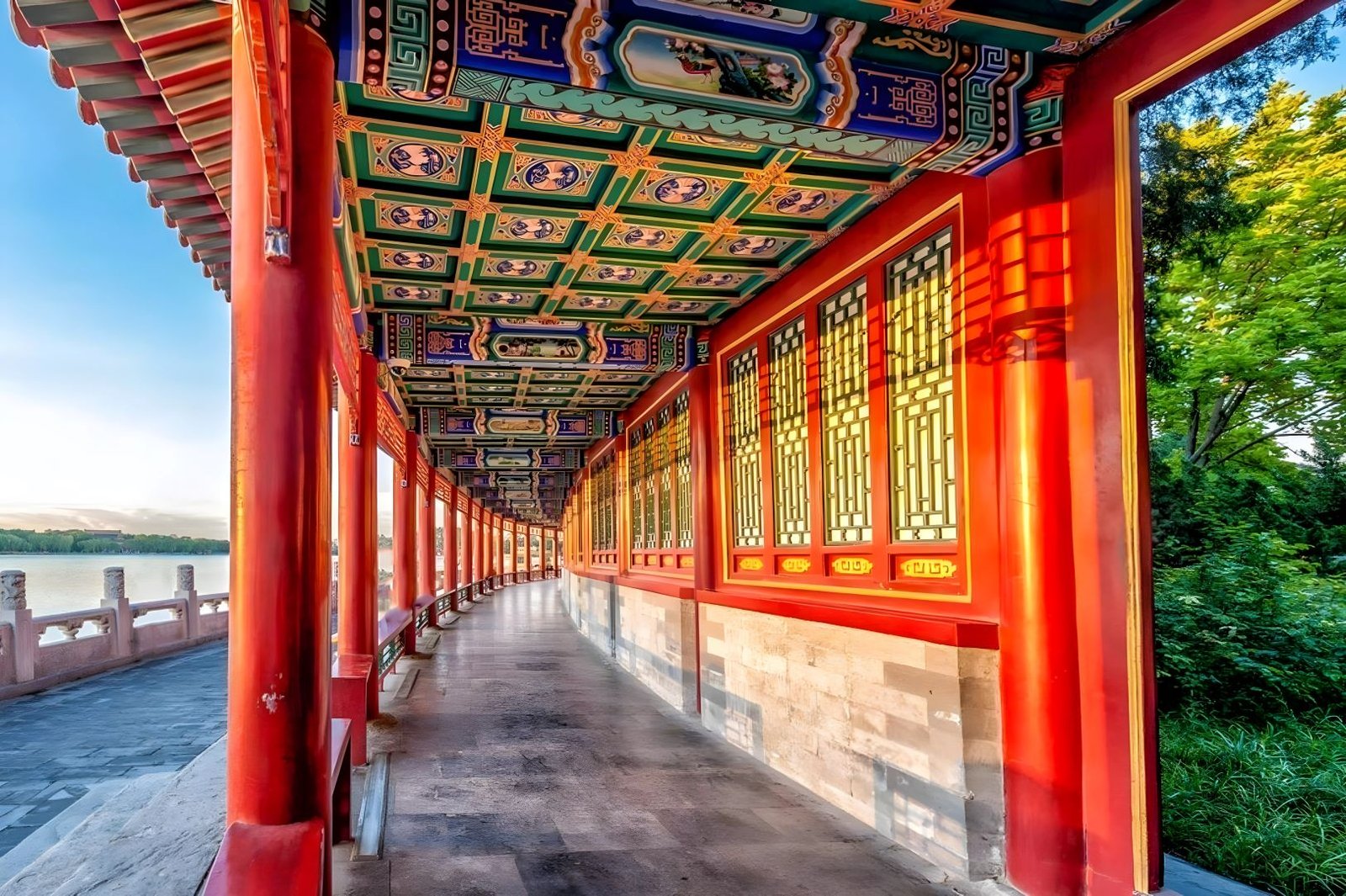
Walking through the main East Palace Gate leads you away from the noisy city and into a world of quiet courtyard residences, grand audiences halls, and stone bridges. The architecture features vibrant, glazed yellow and green roof tiles, intricate red wooden pillars, and peaceful stone pathways that wind along the edge of the water. To truly experience the vast scale and peaceful atmosphere of the grounds, many travelers opt to explore by water.
Visitors step aboard traditional wooden ferry boats at the docks, enjoying a smooth, breezy ride across the lake to view the sprawling temples and pavilions from the exact vantage point that China’s emperors enjoyed centuries ago.
The Secret to Its Charm
This legendary playground of the imperial elite captivates backpackers, photography buffs, and historians for a few standout reasons:
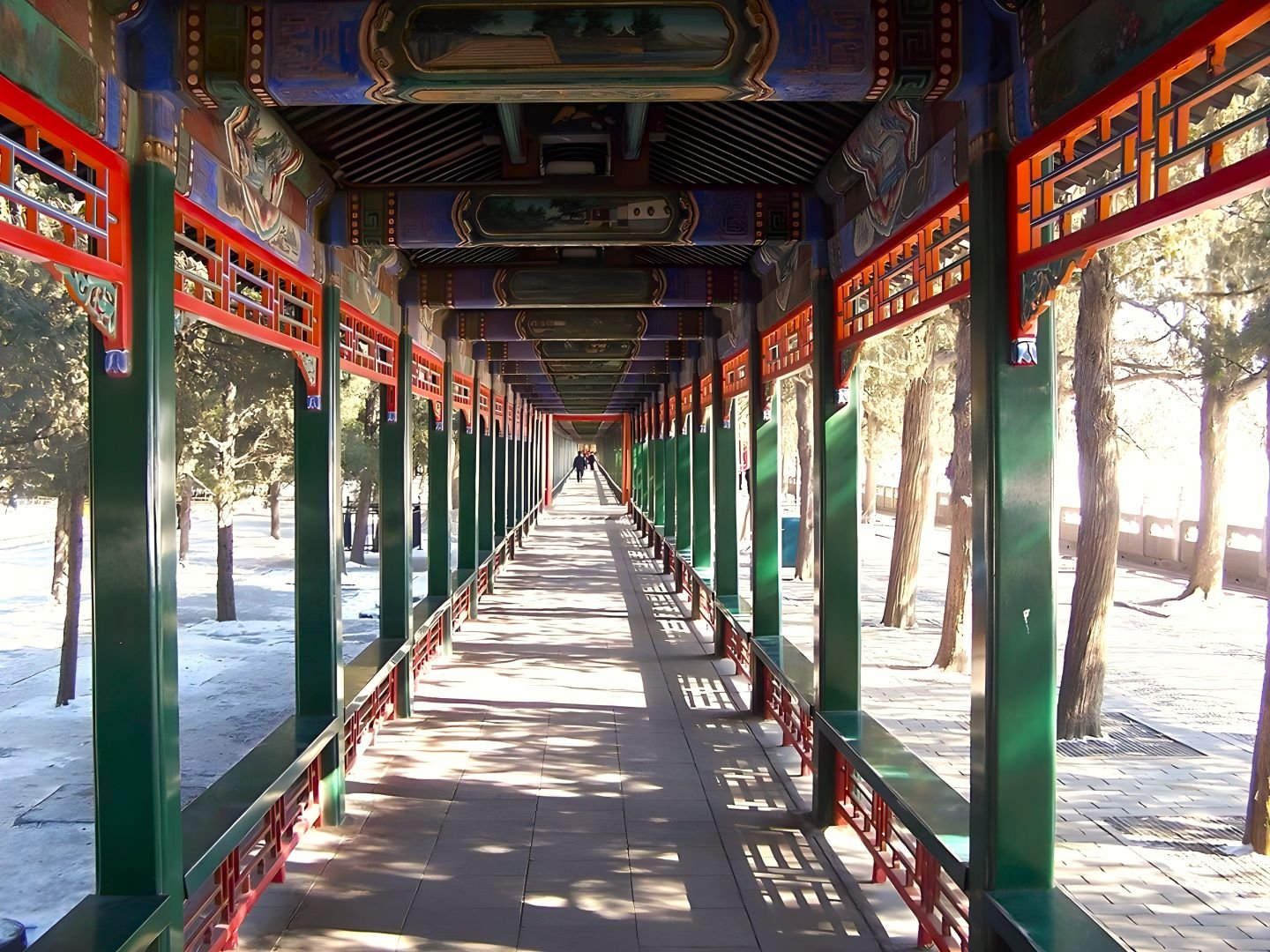
• The Massive Painted Long Corridor:
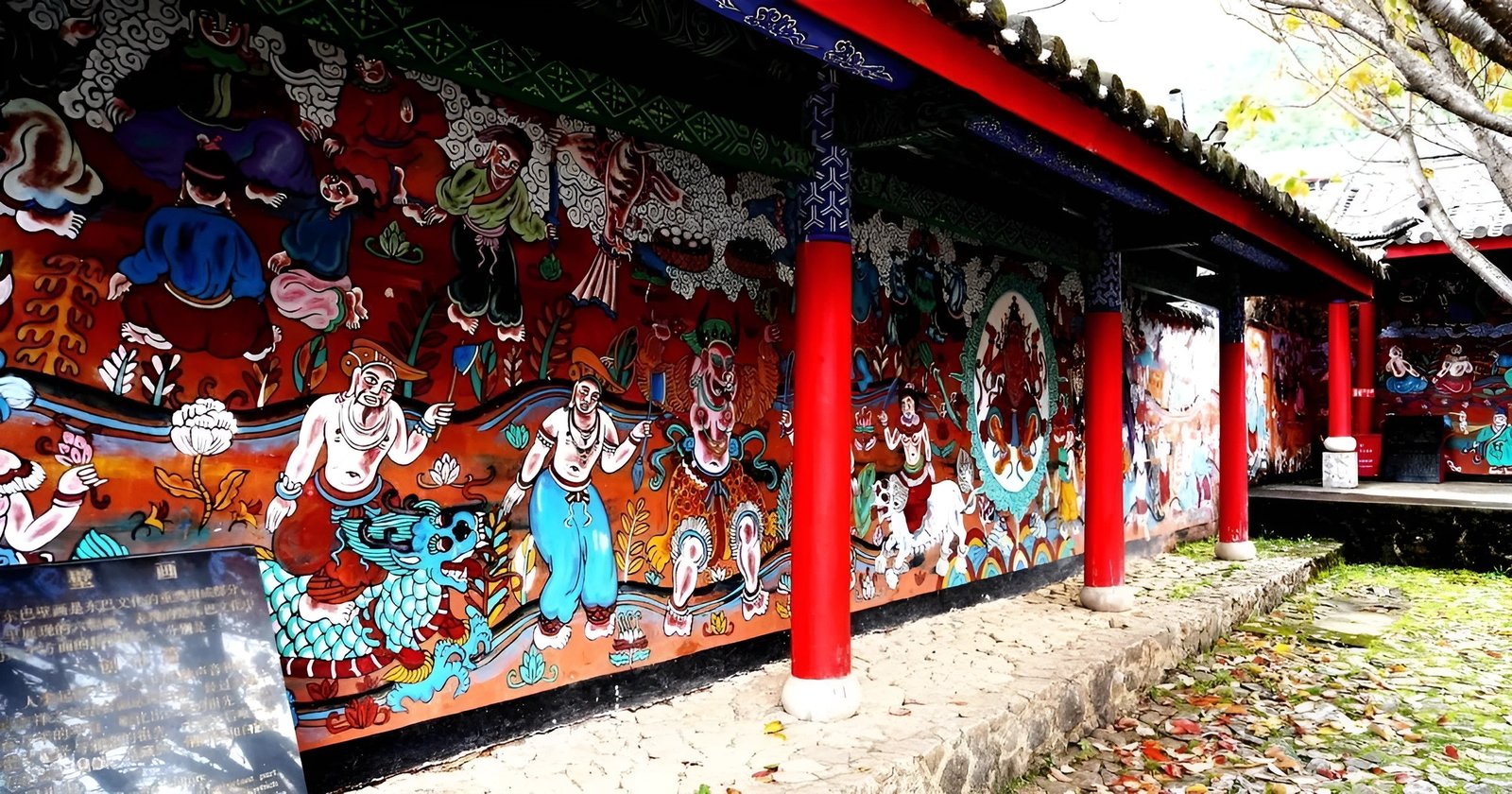
Stretching over 700 meters along the northern edge of the lake is the Changlang, a record-breaking covered walkway. This open-air wooden gallery is completely decorated with over 14,000 distinct, colorful paintings depicting famous historical battles, classical Chinese myths, and peaceful nature scenes. To understand the thematic classifications of these paintings—ranging from scenes out of Journey to the West to classical landscapes—explore the China Highlights Summer Palace Long Corridor Art Guide.
• The Unsinkable Marble Boat:
Parked permanently at the edge of the lake sits the famous Qingyan Faction, a two-story pavilion built out of solid stone slabs and intricately carved wood painted to look like marble. Funded with money originally meant for modernizing the imperial navy, this elaborate structure stands as a striking symbol of the late Qing court’s luxury.
• The Seventeen-Arch Bridge:
Connecting the eastern lake bank to Nanhu Island is a stunning stone bridge that resembles a rainbow arching over the water. The handrails are decorated with over 500 uniquely carved stone lions, making it a favorite spot for photographers catching the sunset.
💡 Read Next: Ready to trade the tranquil lakes, weeping willows, and open spaces of the royal summer retreat for the ultimate epicentre of imperial power? Head right into the heart of Beijing to step inside the massive red walls, sprawling courtyards, and golden-roofed halls of the legendary Forbidden City!
Local Attractions to Experience
An efficient route through the expansive grounds takes roughly 3 to 4 hours, ensuring you check off every major historical zone along the way:
• The Front Hill Temple Complex:
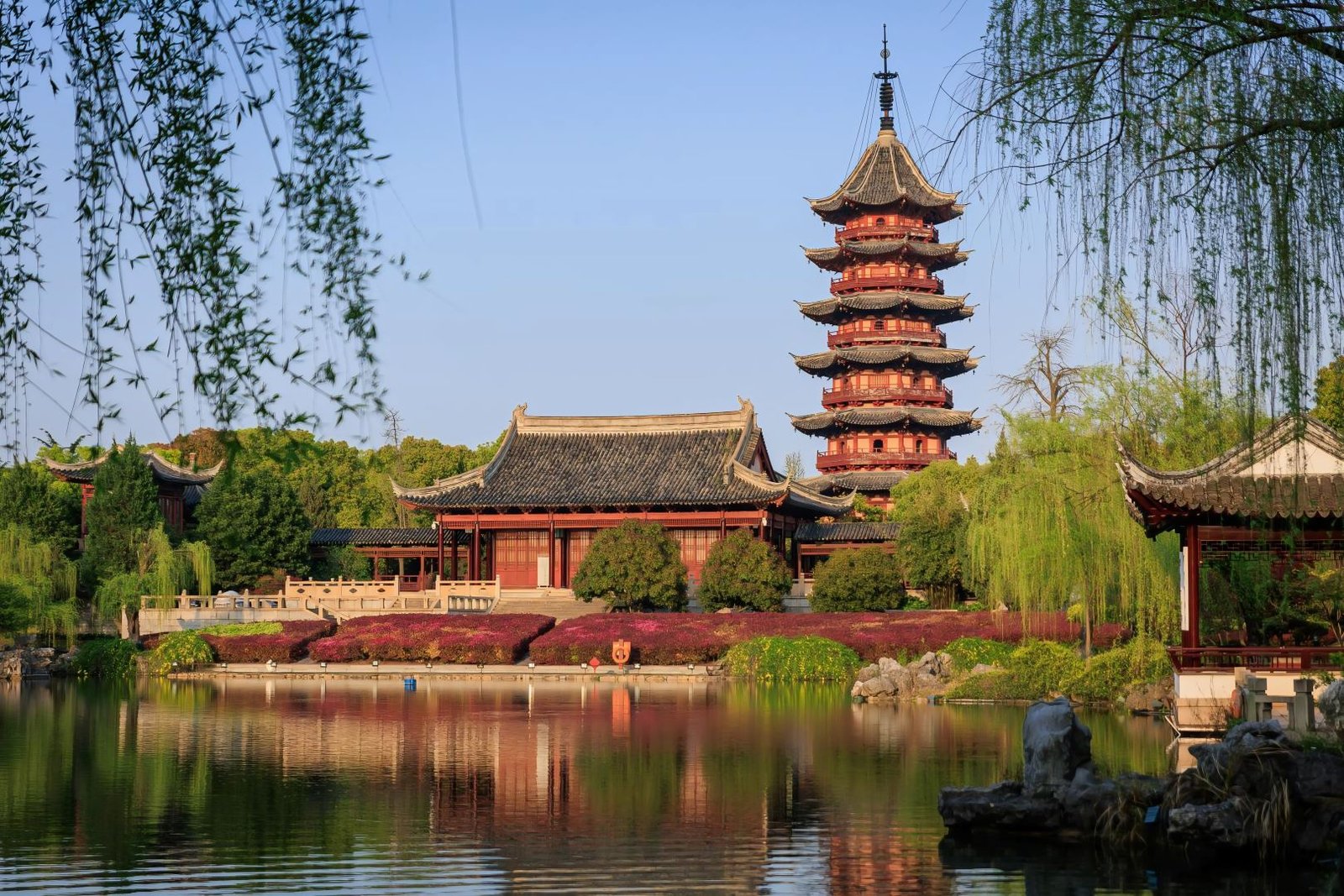
Climb the grand stone steps of Longevity Hill to tour the Tower of Buddhist Incense, a massive three-story octagonal building that rewards your uphill walk with panoramic views of the entire lake and the Beijing skyline.
• The Court Exhibition Rooms:
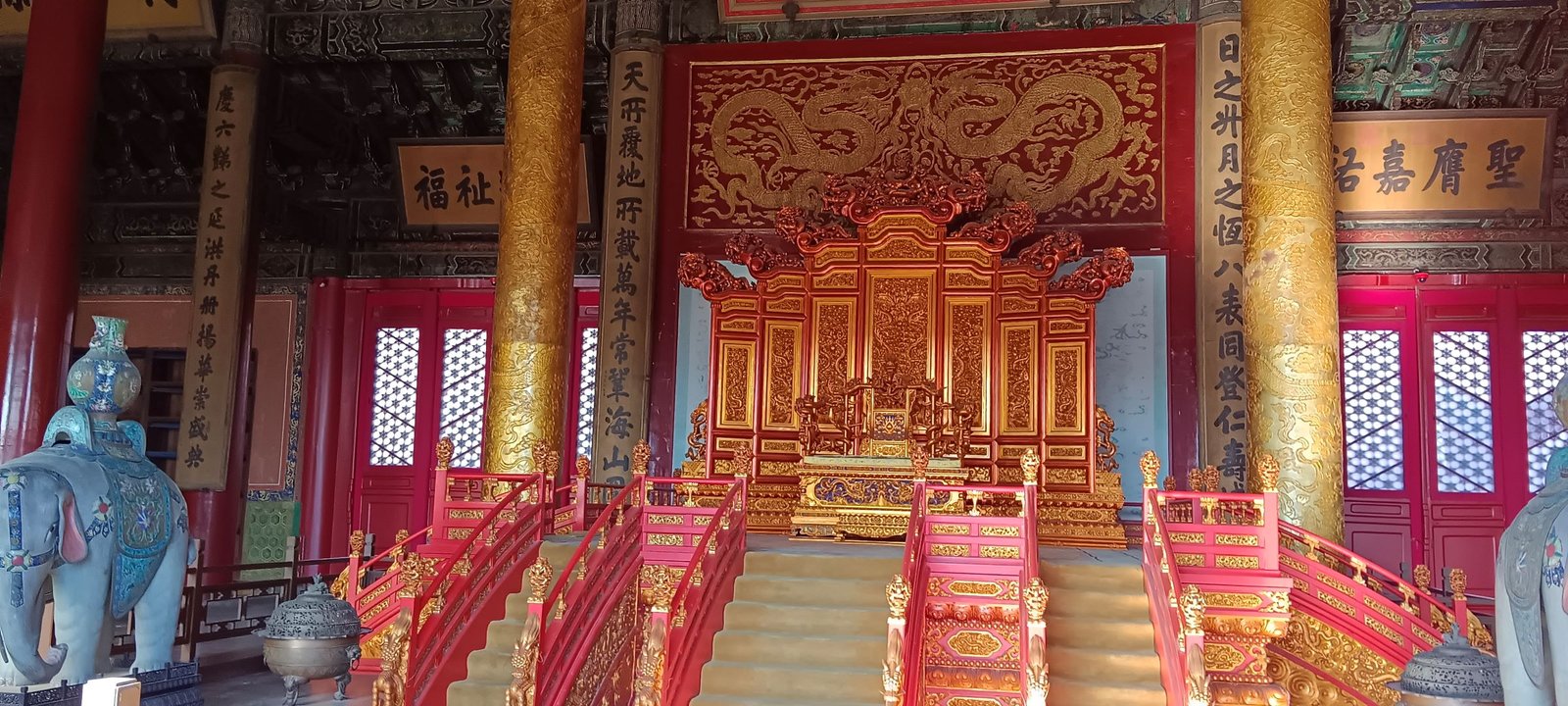
Explore the Hall of Benevolence and Longevity near the main gate, where the Empress Dowager Cixi and Emperor Guangxu handled official government business, now showcasing original bronze mythical beasts and royal furniture.
• The Suzhou Street Canal Market:
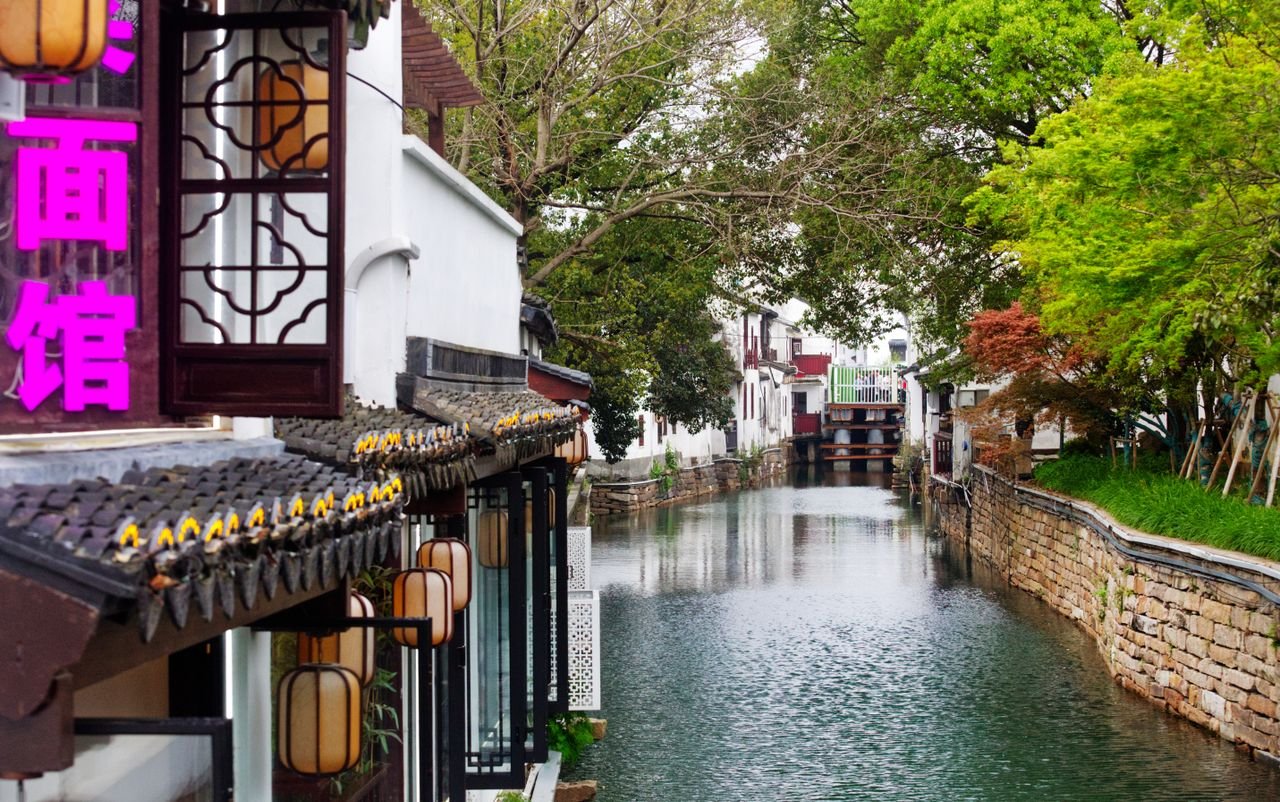
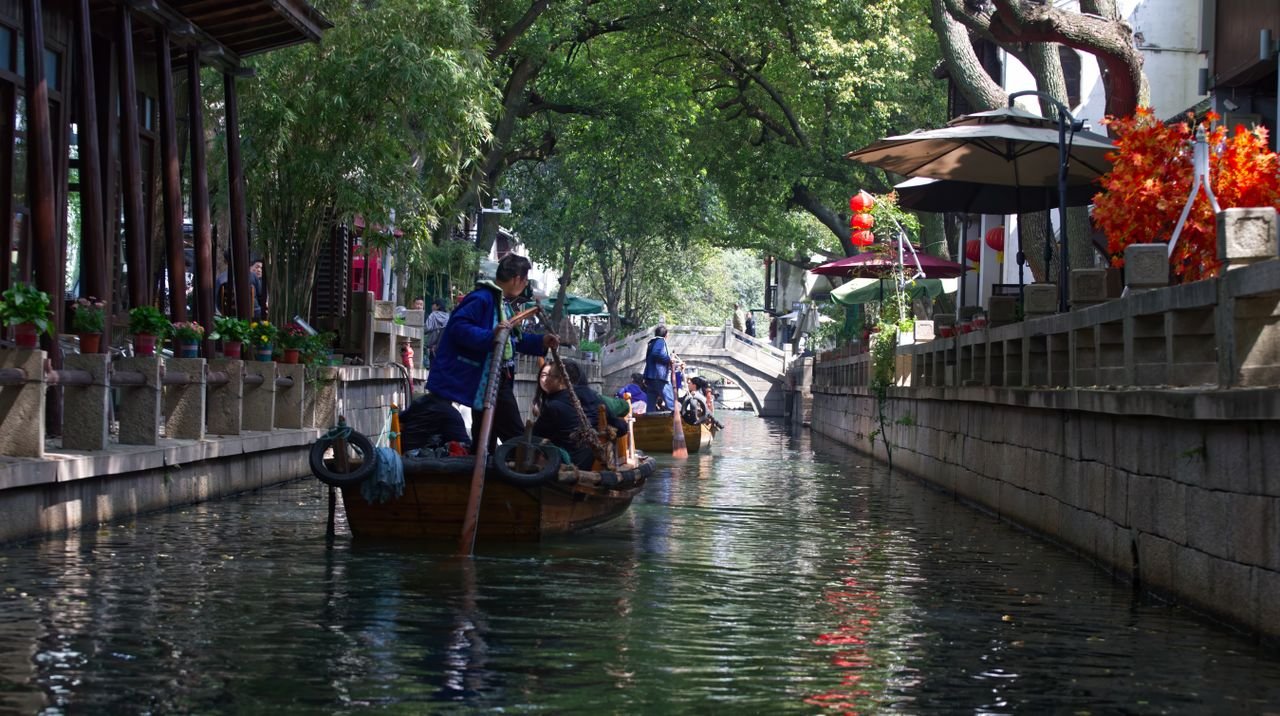
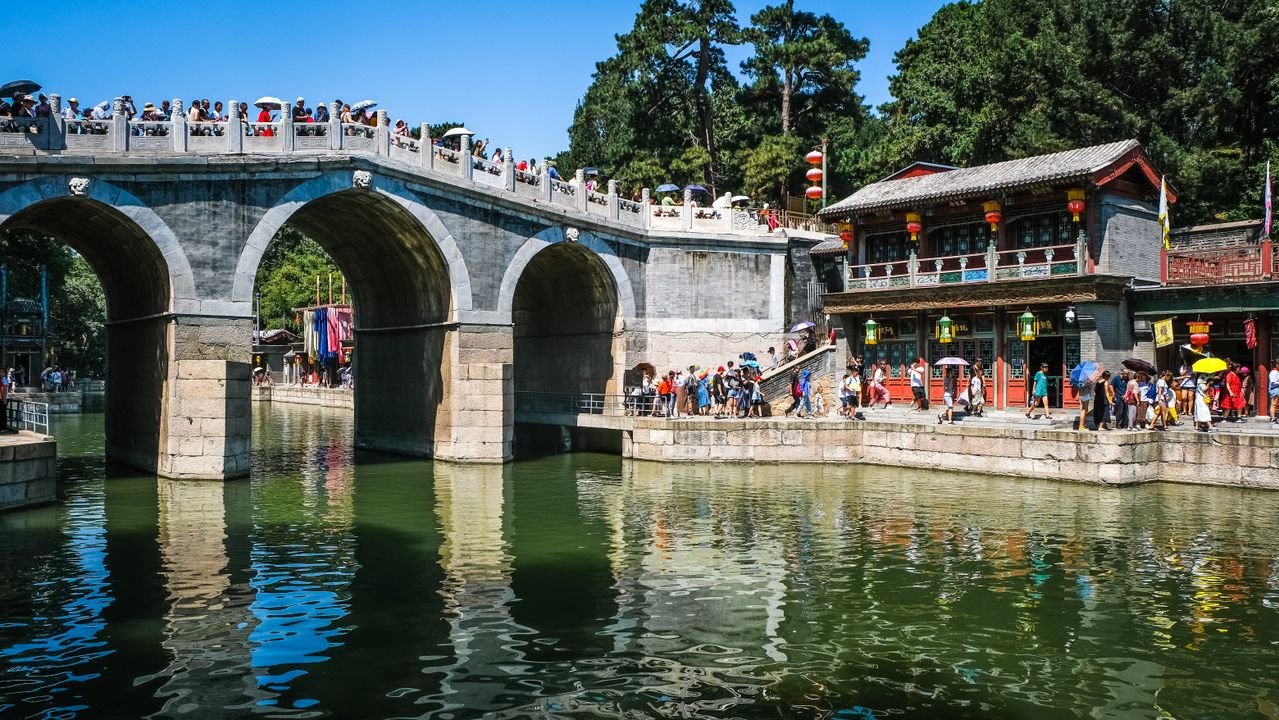
Walk down to the northern riverbank to find a replica shopping street built to mimic the historic canals of Suzhou, where eunuchs and maidservants used to dress up as merchants so the emperors could pretend to shop like ordinary citizens.
📌 Fast Facts for Your Itinerary
📍 Address: 19 Xinjiangongmen Road, Haidian District, Beijing, China
⏰ Operating Hours: 6:00 AM – 8:00 PM (Peak Season, April to October) / 6:30 AM – 7:00 PM (Off-Peak Season, November to March). The inner temple gates close earlier in the afternoon.
🎫 Admission Ticket Prices: Park entry is priced at RMB 30 (approx. RM18) during peak months and RMB 20 during winter. Combination tickets that include access to Longevity Hill, Suzhou Street, and the interior galleries cost RMB 60.
🔒 Strict Booking & Entry Rules: To manage daily crowds, the park uses a mandatory online real-name ticketing system. International visitors must purchase tickets in advance online using their passports, which are then scanned directly at the turnstiles for entry. Comfortable walking shoes are highly recommended as the park grounds require extensive walking.