
Nestled beneath the watchful eye of snow-capped Himalayan peaks lies a timeless cultural sanctuary. The Old Town of Lijiang is a mesmerizing network of cobblestone lanes, arched bridges, and ancient timber buildings that serves as the ultimate window into Naxi culture. Once a critical lifeline for merchants on the historic Old Tea Horse Road, this beautifully preserved trading hub remains the crown jewel of the Yunnan highlands.
Built during the late Song Dynasty over eight hundred years ago, this high-altitude mountain town is globally unique because it lacks the imposing defensive walls found in almost all other ancient Chinese cities.
If you are ready to climb to panoramic viewpoints overlooking thousands of interlocking tiled roofs, listen to the haunting melodies of ancient court music, and wander beside centuries-old canals, here is why this breathtaking UNESCO World Heritage site is an essential anchor for your Yunnan itinerary.
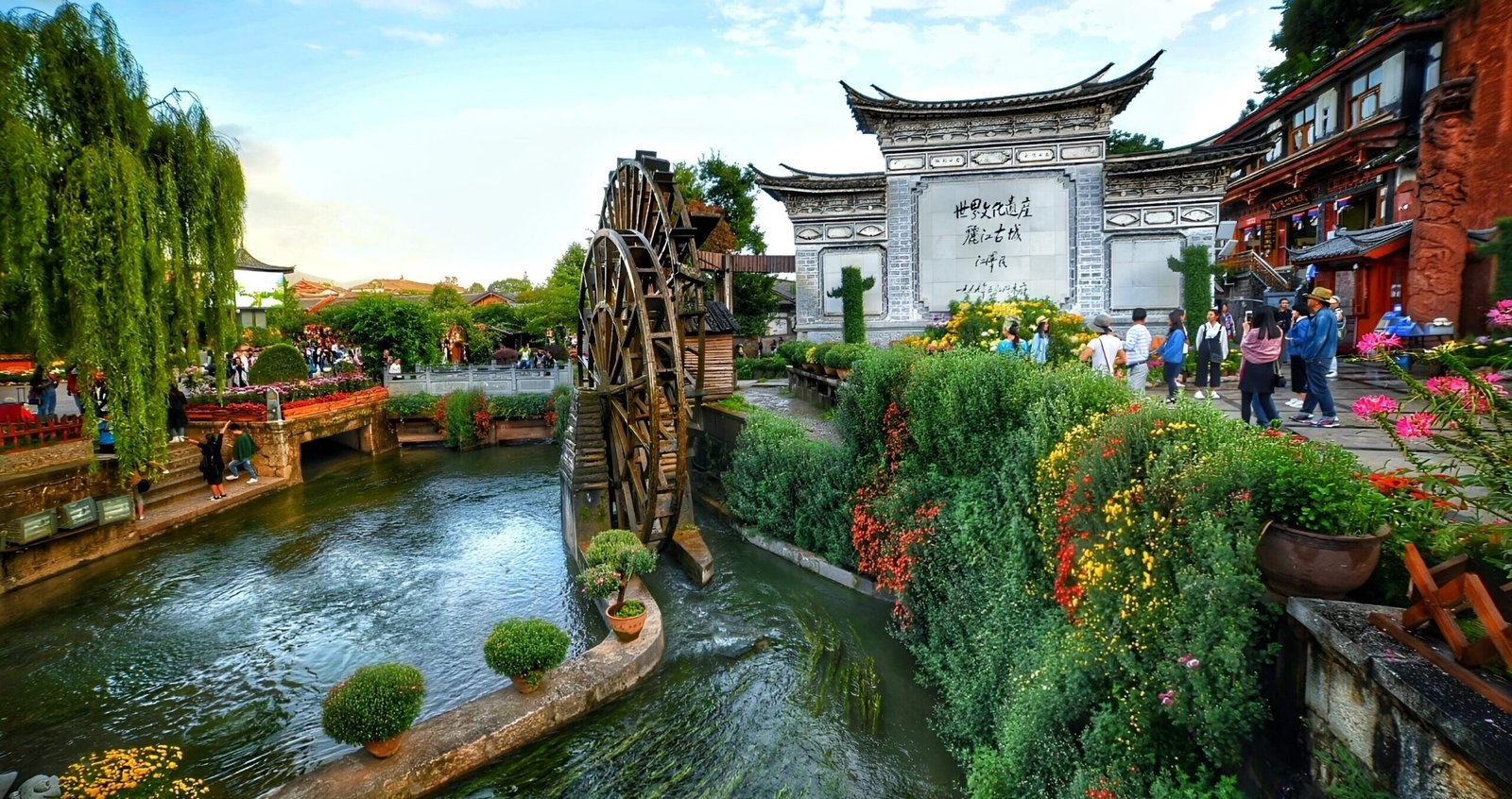
Lijiang Old Town is a brilliant urban design achievement that functions without a rigid grid pattern, adapting instead to the natural flow of the mountains and rivers. The entire town layout centers around the bustling Market Square (Sifang Street), where a web of narrow streams splits into a network of canals that rush past every single doorstep, providing a natural water system that has sustained the community for centuries.
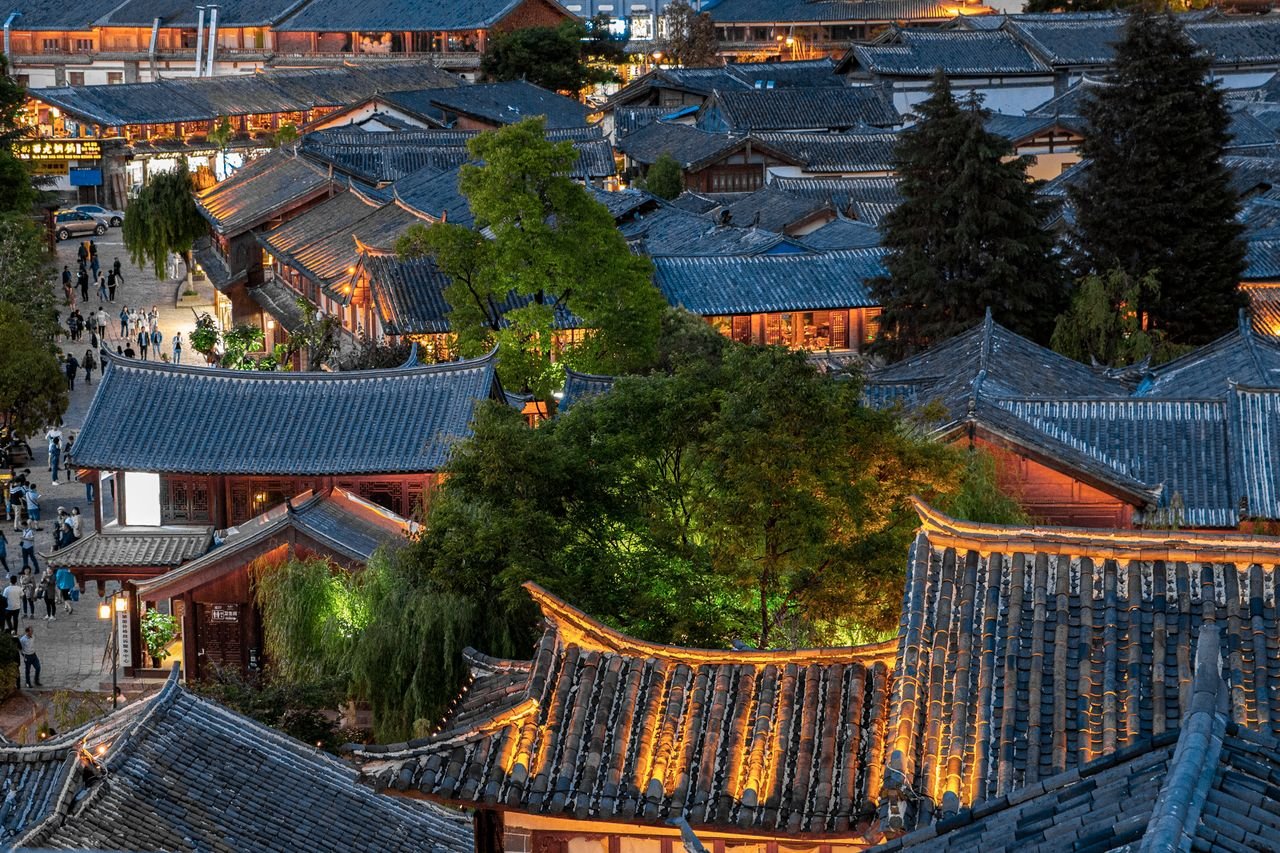
Entering from the north immediately exposes the brilliant spatial design and symmetrical balance that defines the entire complex.The town features winding pathways paved with local red breccia stone, grand wooden courtyard homes, and vibrant marketplaces connected by over three hundred historic stone and wooden bridges. To truly capture the magical, timeless atmosphere of the ancient settlement before the crowds arrive, the town operates on an early-morning to late-night rhythm.
An early morning stroll along the misty canals reveals a quiet world where only locals are out scrubbing the stones—a stark contrast to the night, when the entire town transforms into a glowing sea of red lanterns and lively music.
The Secret to Its Charm
Photographers, culture enthusiasts, and mountain travelers all flock to this legendary high-altitude post for a few undeniable reasons:
• The Colossal Mu Palace:
Tucked against the base of Lion Hill is the spectacular residential compound of the Mu clan, the hereditary Naxi chieftains who ruled Lijiang for generations. This sprawling mini-forbidden city features grand audience halls, manicured imperial gardens, and steep stone stairways that offer a majestic look into royal minority life.
• The Iconic Twin Waterwheels:
Dominating the main northern entry square is a pair of massive, interlocking wooden waterwheels that spin continuously to the rush of the river. Standing alongside a large granite block carved with calligraphy by former leaders, this spot serves as the definitive landmark photo stop for the town.
• The Panoramic Lion Hill Viewpoint:
Soaring high above the interlocking rooftops is the Wangu Pavilion, a pure wooden tower perched at the crest of the hill. Climbing the wooden stairs rewards you with sweeping, 360-degree panoramic views of the entire ancient tiled town on one side and the dramatic, snow-capped horizon of Jade Dragon Snow Mountain on the other.
💡 Read Next: Ready to trade the cobblestone alleyways and mountain views of Yunnan’s ancient town for China’s most adorable wildlife encounter? Head back to Sichuan to walk through lush bamboo forests and watch playful cubs at the Chengdu Research Base of Giant Panda Breeding!
Local Attractions to Experience
Dedicate a full day to winding through the ancient stone maze, giving yourself plenty of time to explore its distinct zones at your own pace:
• The Sifang Street Market:
Spend your midday browsing the historic core square where vendors sell traditional Naxi silver, handmade copper pots, and local yak-milk cheese, mimicking the historic trade days of the Tea Horse Caravan.
• The Dongba Cultural Gallery:
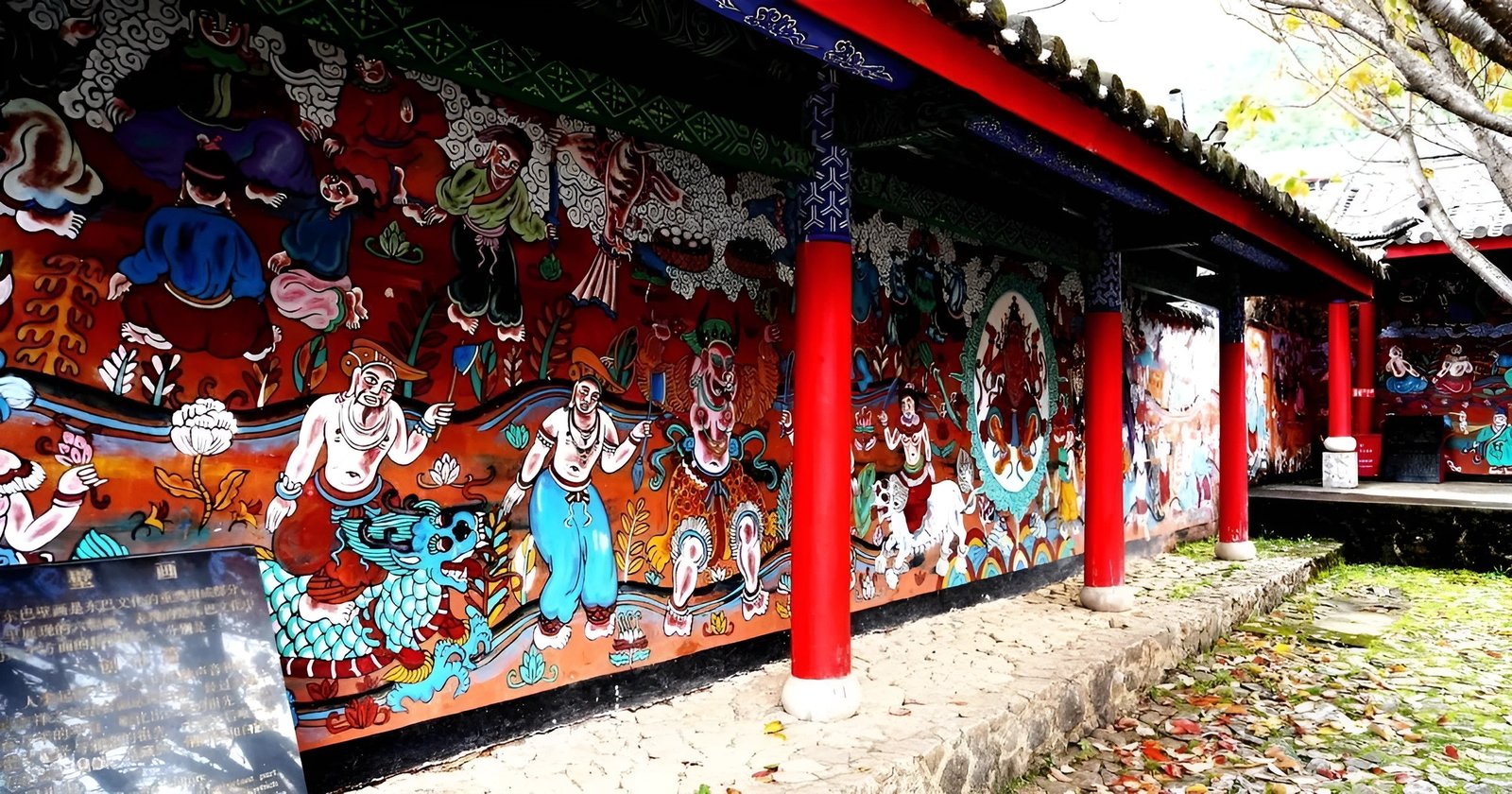
Settle deep into the quiet northern courtyards to discover the ancient Dongba script, the only living hieroglyphic writing system left in the world, where you can watch local masters paint pictographs on handmade tree-bark paper.
• The Black Dragon Pool Park:
Walk a short distance along the northern stream out of the old town to find a stunning crystal-clear lake, where the reflection of the majestic Jade Dragon Snow Mountain over the traditional white marble bridge creates China’s most iconic postcard landscape.
To fully immerse yourself in the sights and sounds, take a look at this Lijiang Old Town vlog by Roots Abroad over on YouTube. Watch the video here!
📌 Fast Facts for Your Itinerary
📍 Address: Dayan Old Town, Gucheng District, Lijiang, Yunnan, China
⏰ Operating Hours: Open 24 hours daily. The individual interior attractions like the Mu Palace and Wangu Pavilion generally open from 8:30 AM – 5:30 PM.
🎫 Admission Ticket Prices: Entering the historic streets of the old town is completely free. However, a mandatory Ancient Town Maintenance Fee of RMB 50 is sometimes required to access specific protected interior heritage zones like the Mu Palace.
🔒 Extra Precaution If You’re Visiting: Lijiang sits at an elevation of roughly 2,400 meters (7,900 feet) above sea level. Drink plenty of water and pace yourself while climbing the steep steps of Lion Hill to prevent altitude fatigue. The historic cobblestone paths are highly uneven, slick when wet, and polished smooth from centuries of footsteps. It is absolutely essential to wear sturdy, high-traction walking shoes to safely navigate the maze.






Leave a Reply