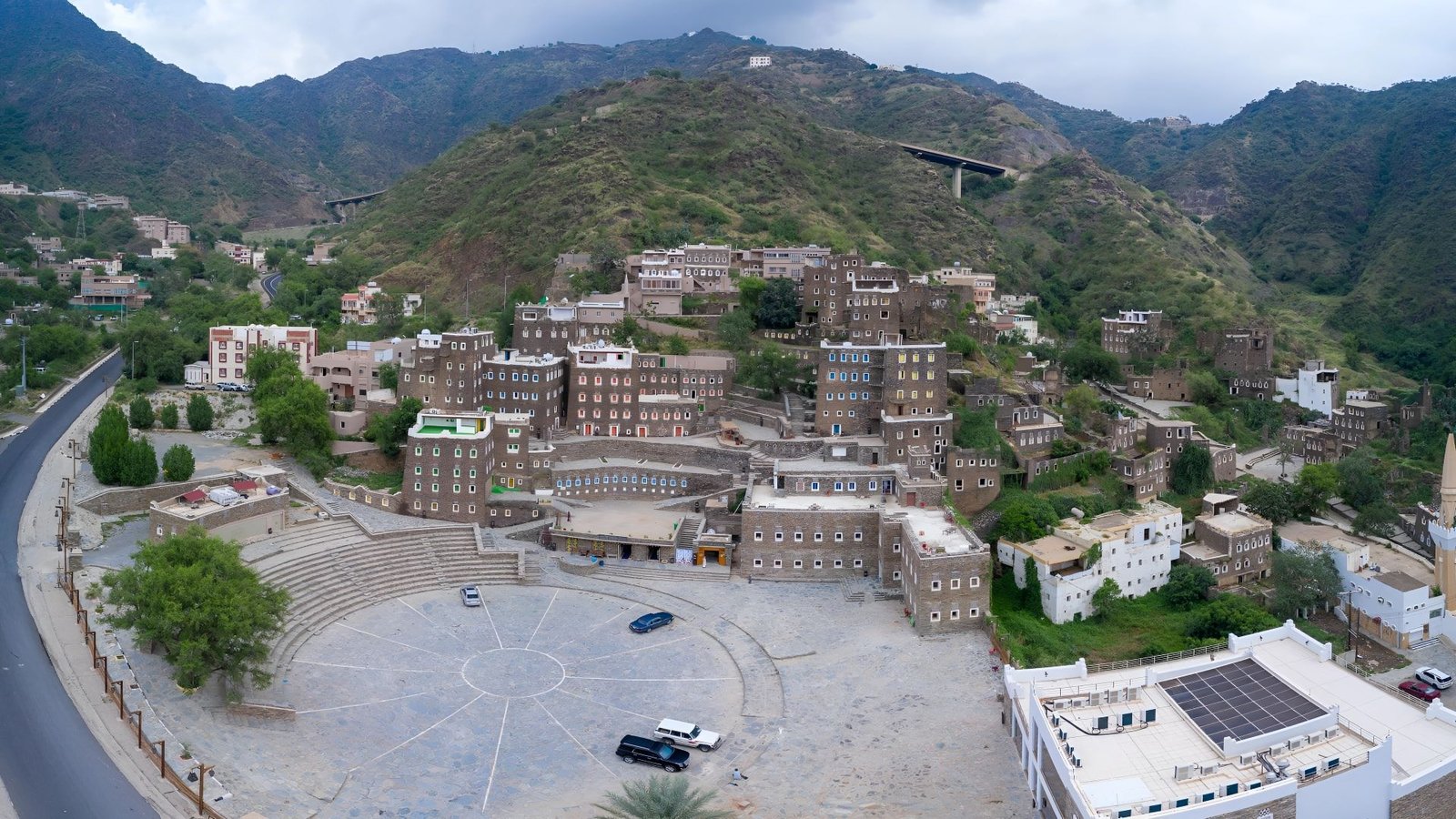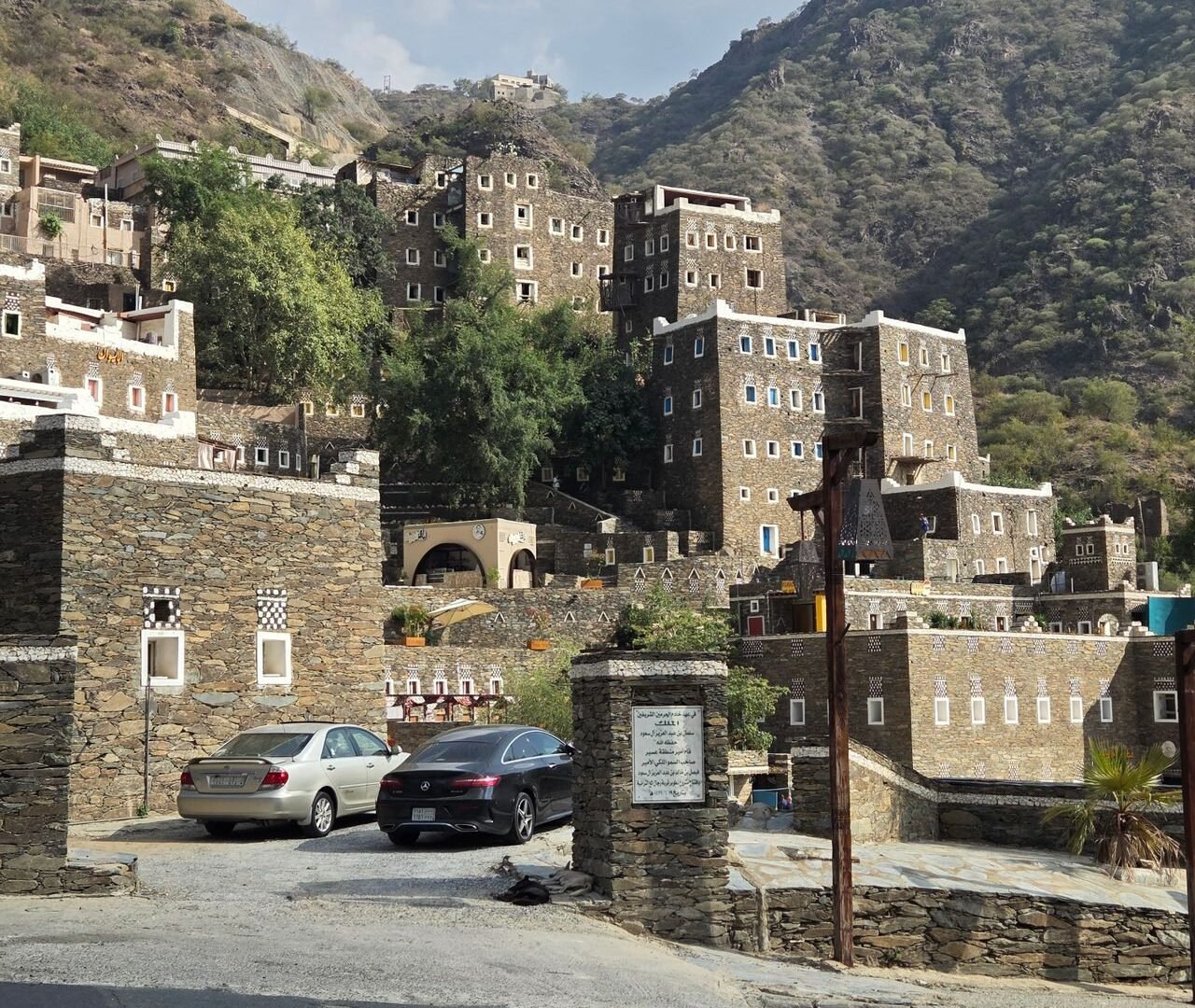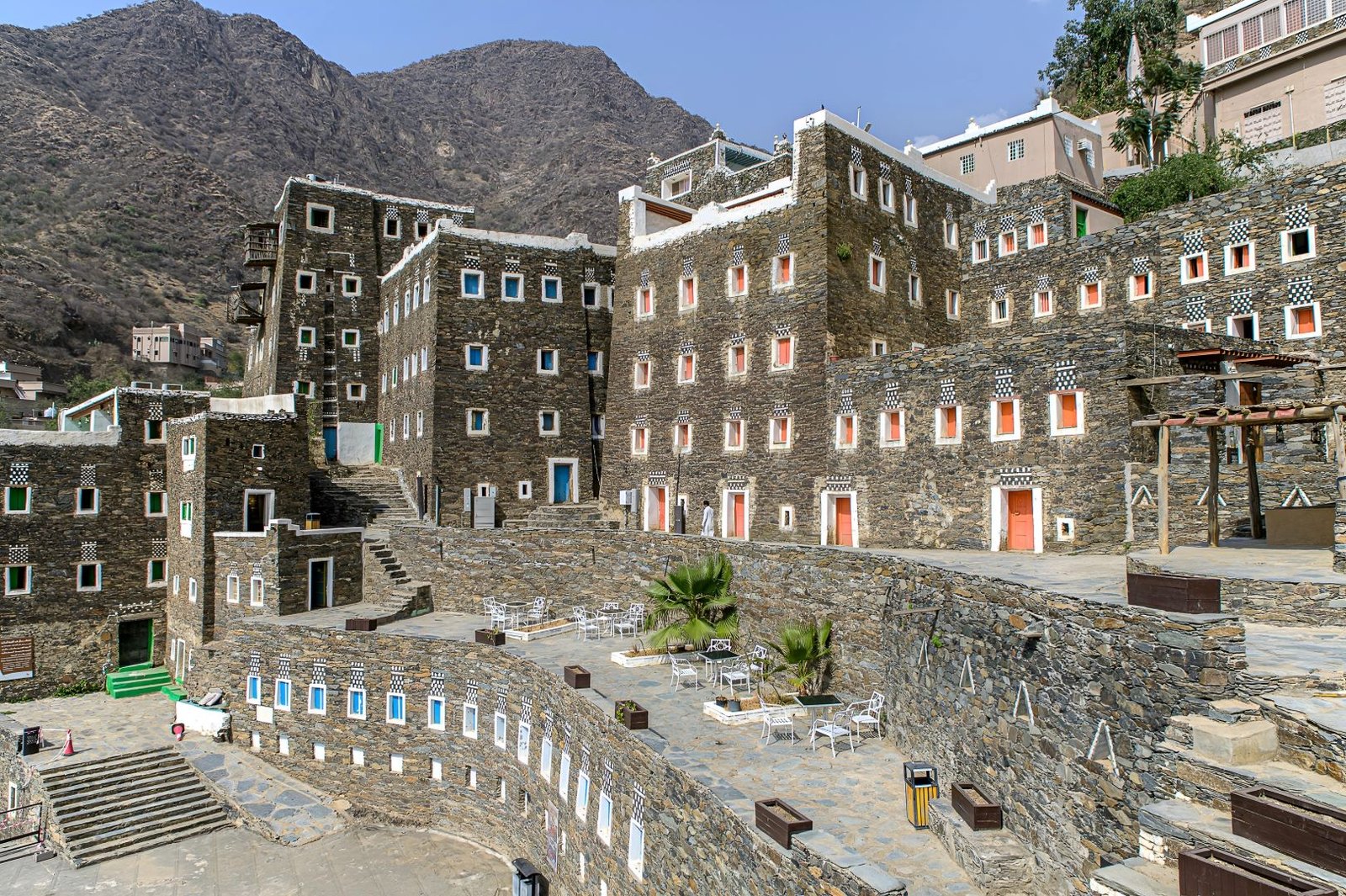
Gleaming gold calligraphy etched onto a massive replica of the Kaaba door catches your eye as you transition away from the spiritual core of the holy city. Positioned just outside the sacred sanctuary lines on the bustling Prince Mohammed bin Salman Road, the Abu Bakr Al-Amoudi Museum serves as a fascinating cultural oasis, offering pilgrims and history enthusiasts a hands-on look into the daily customs, military tools, and domestic lifestyles of past Hejazi generations.
Constructed originally in 1993 by a prominent local businessman, this privately owned fortress spans over 2,000 square meters and has been meticulously built using historic methods like packing desert clay, mud bricks, and palm fronds.
Browsing through an expansive collection of more than 15,000 authentic artifacts, touching replica household tools, and exploring historical records detailing the structural growth of the region make this off-beat landmark a highly rewarding cultural addition to a traditional pilgrimage itinerary. For an authoritative inventory breakdown of the generational items preserved within—ranging from historic carpentry tools to ancient currency collections—browse the Saudi Press Agency Al-Amoudi Museum Heritage Report, which highlights the cultural significance of the collection to the Hejaz region.
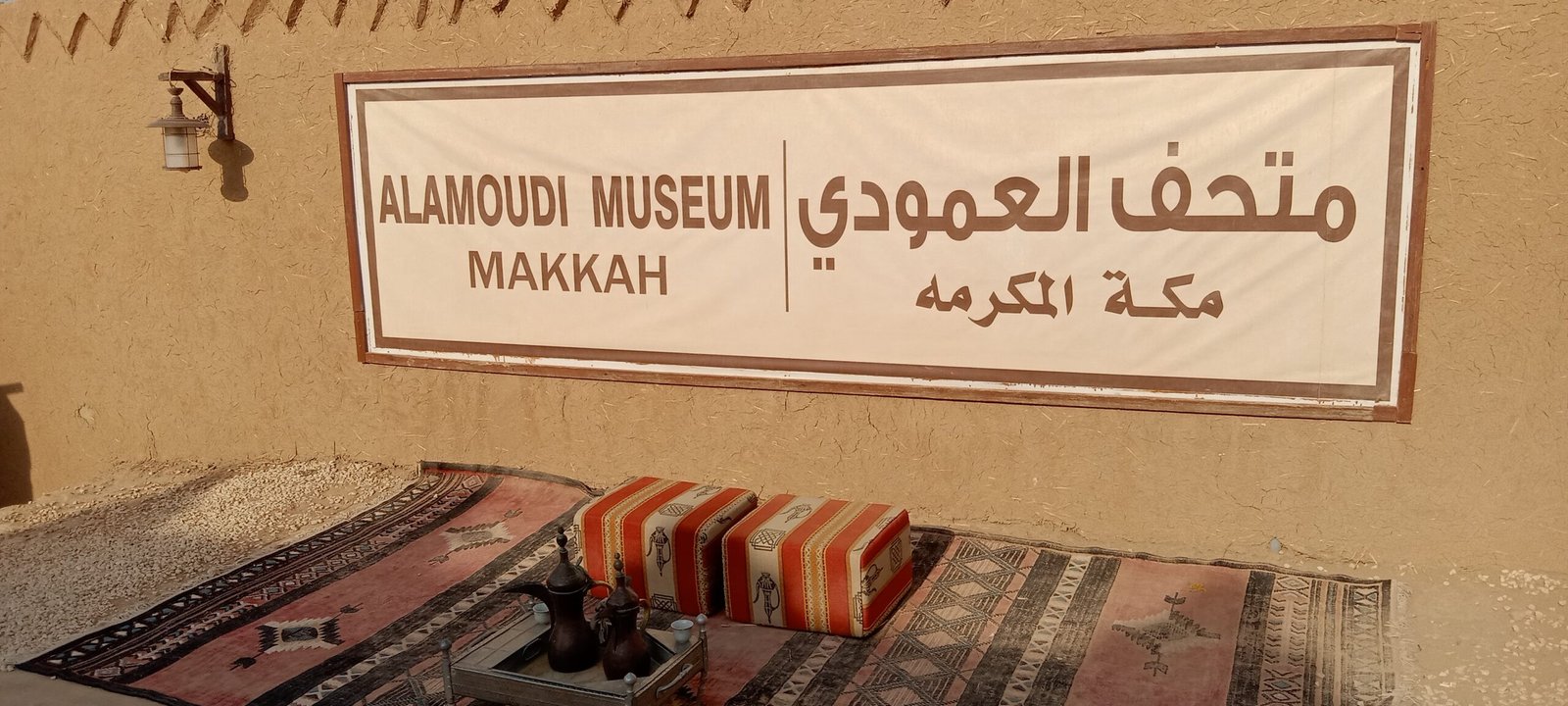
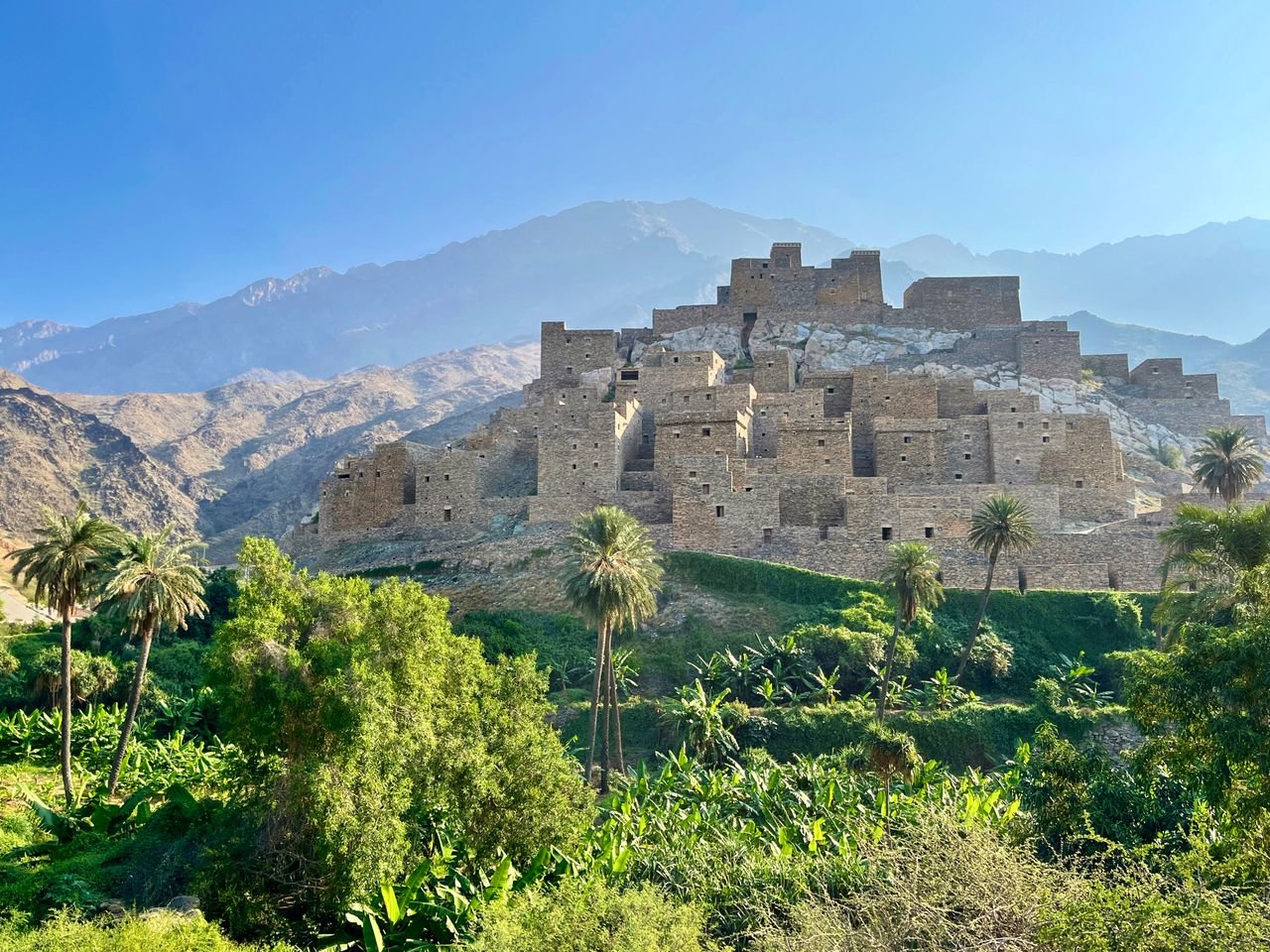
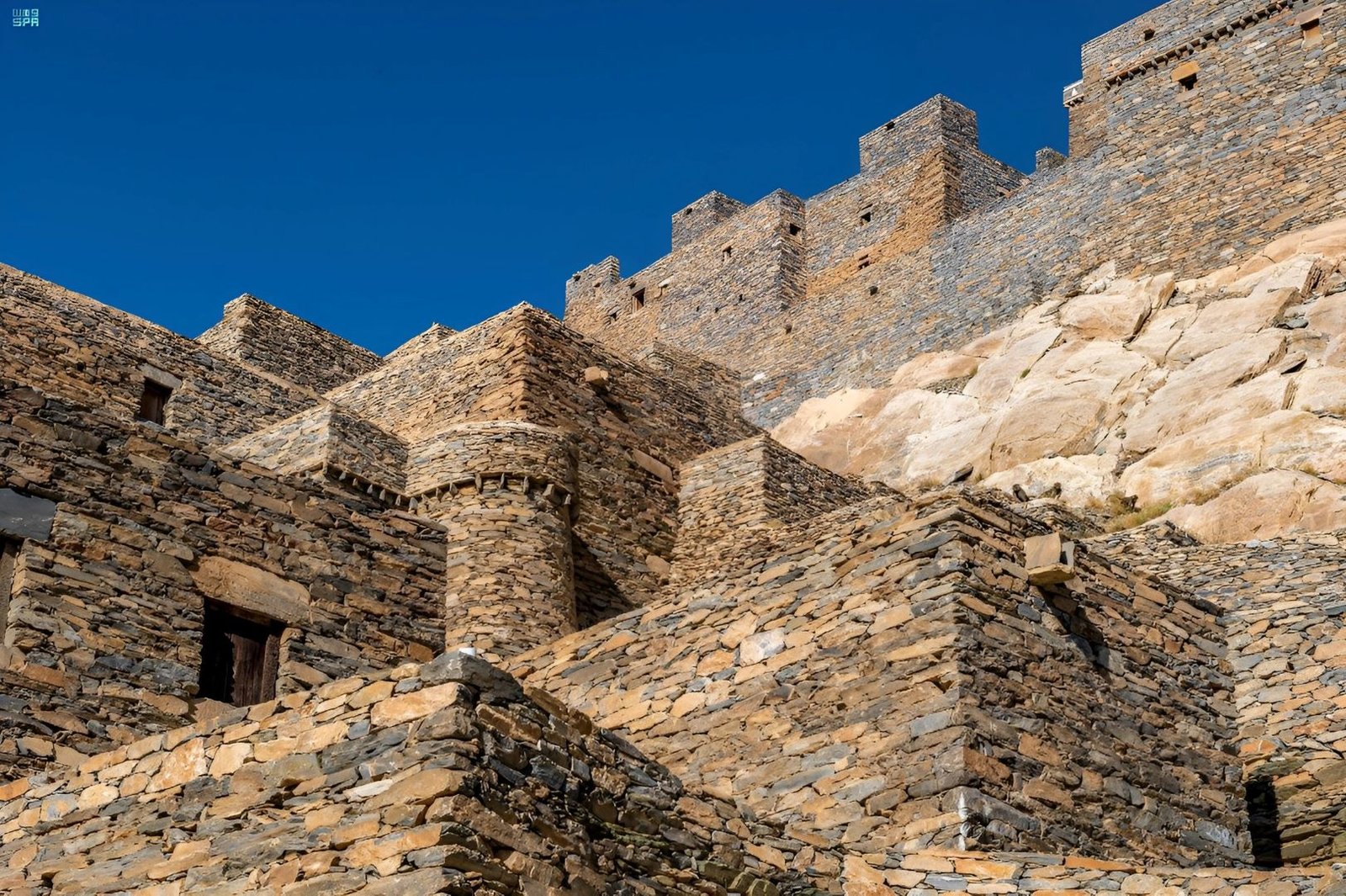
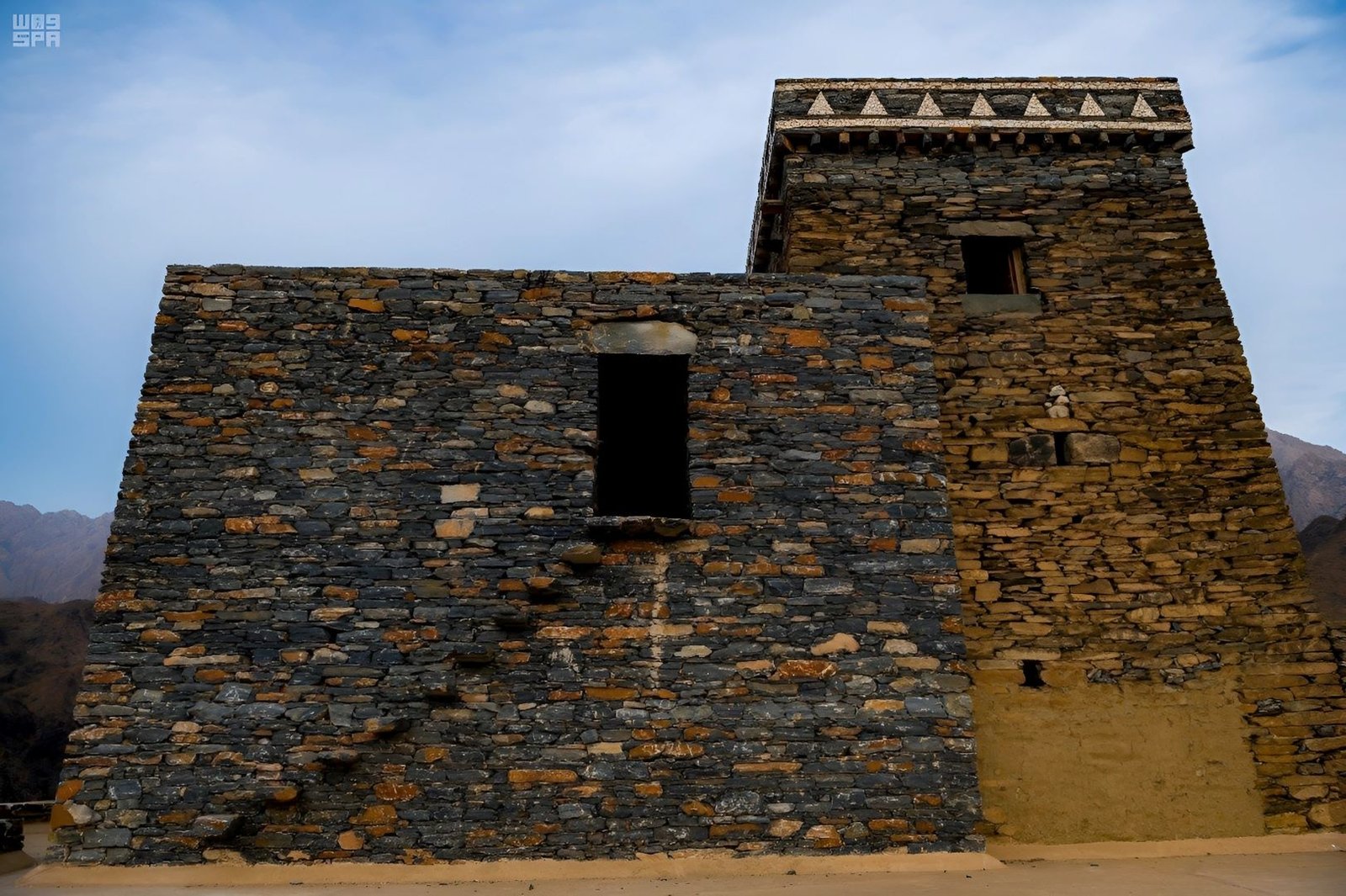
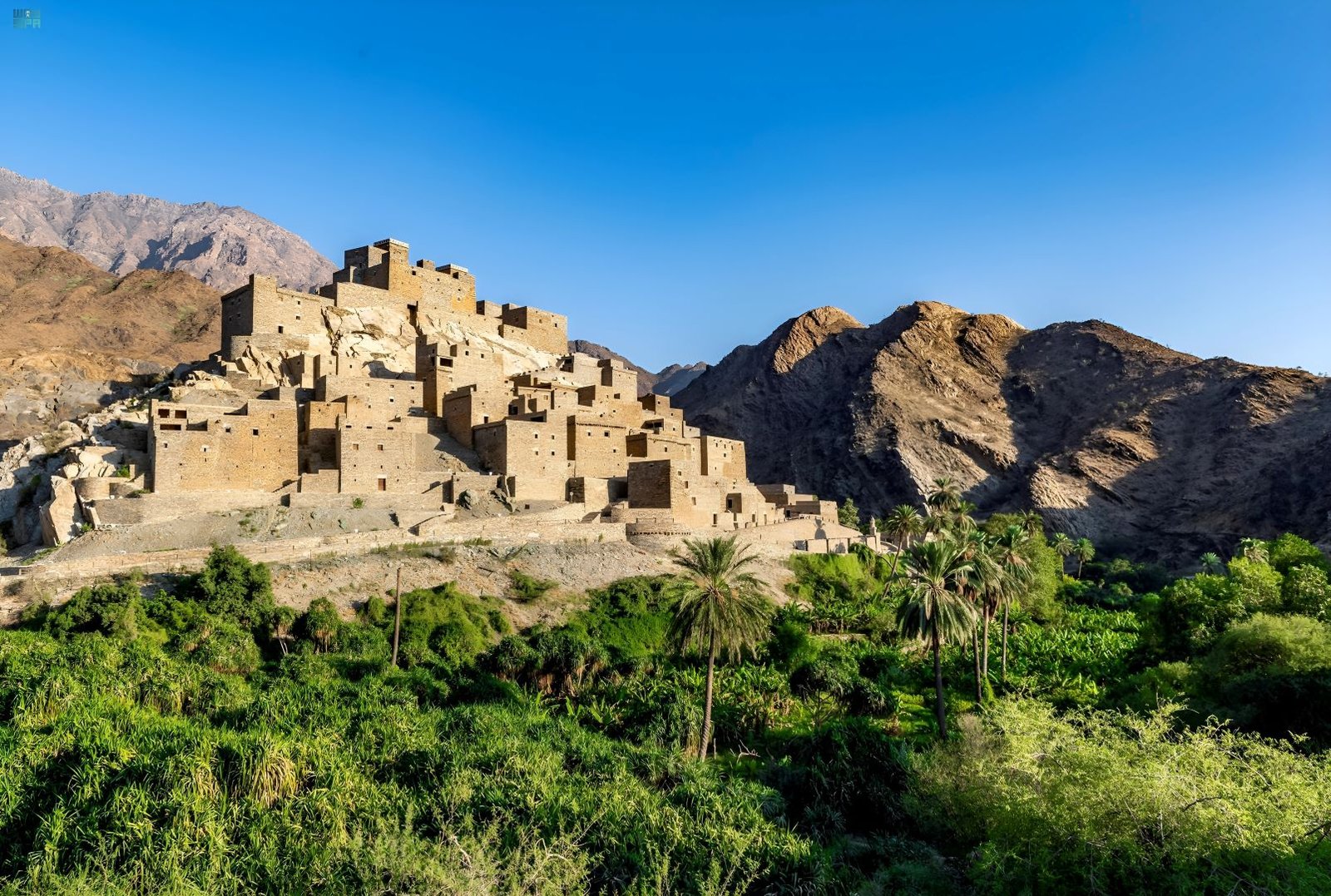
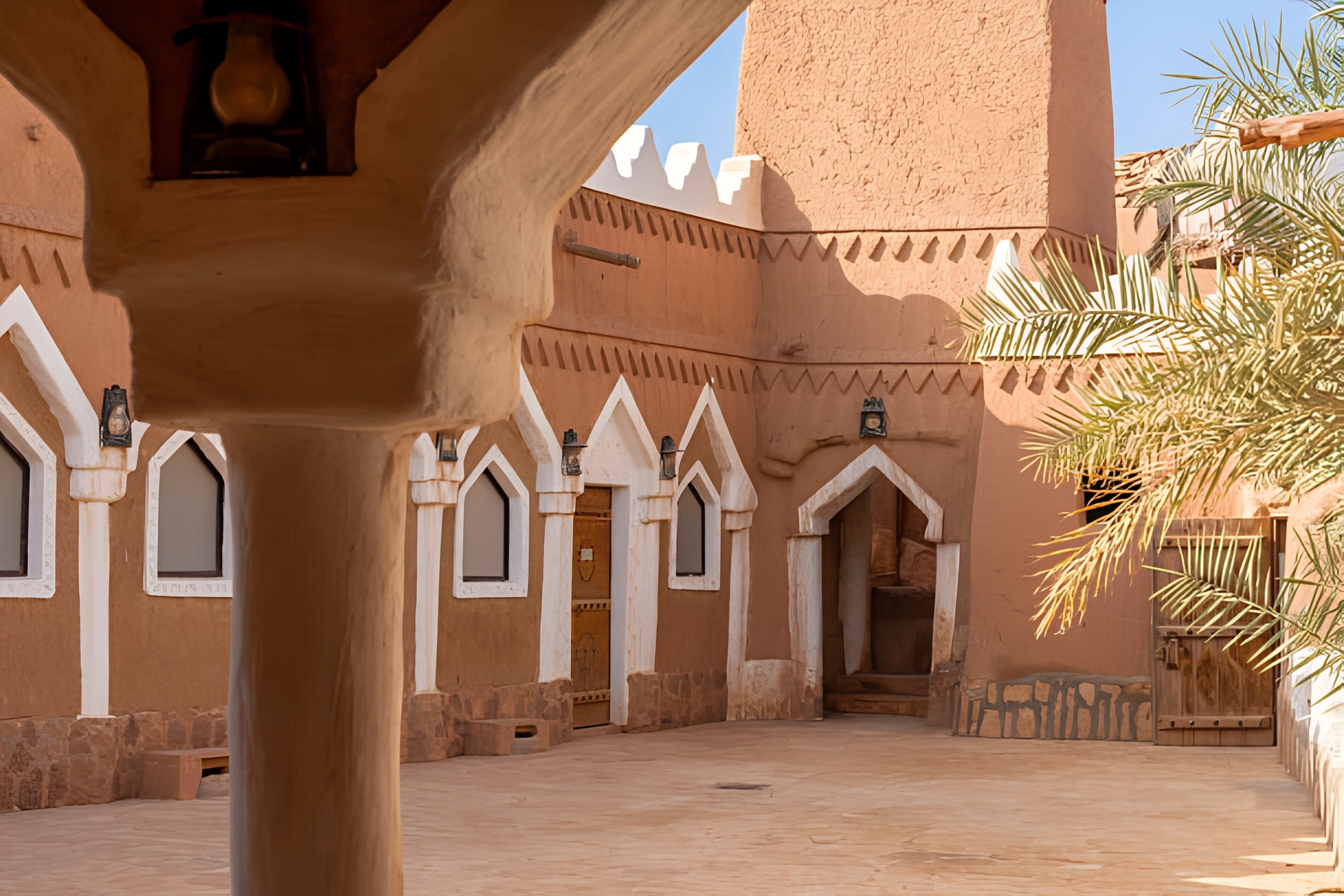
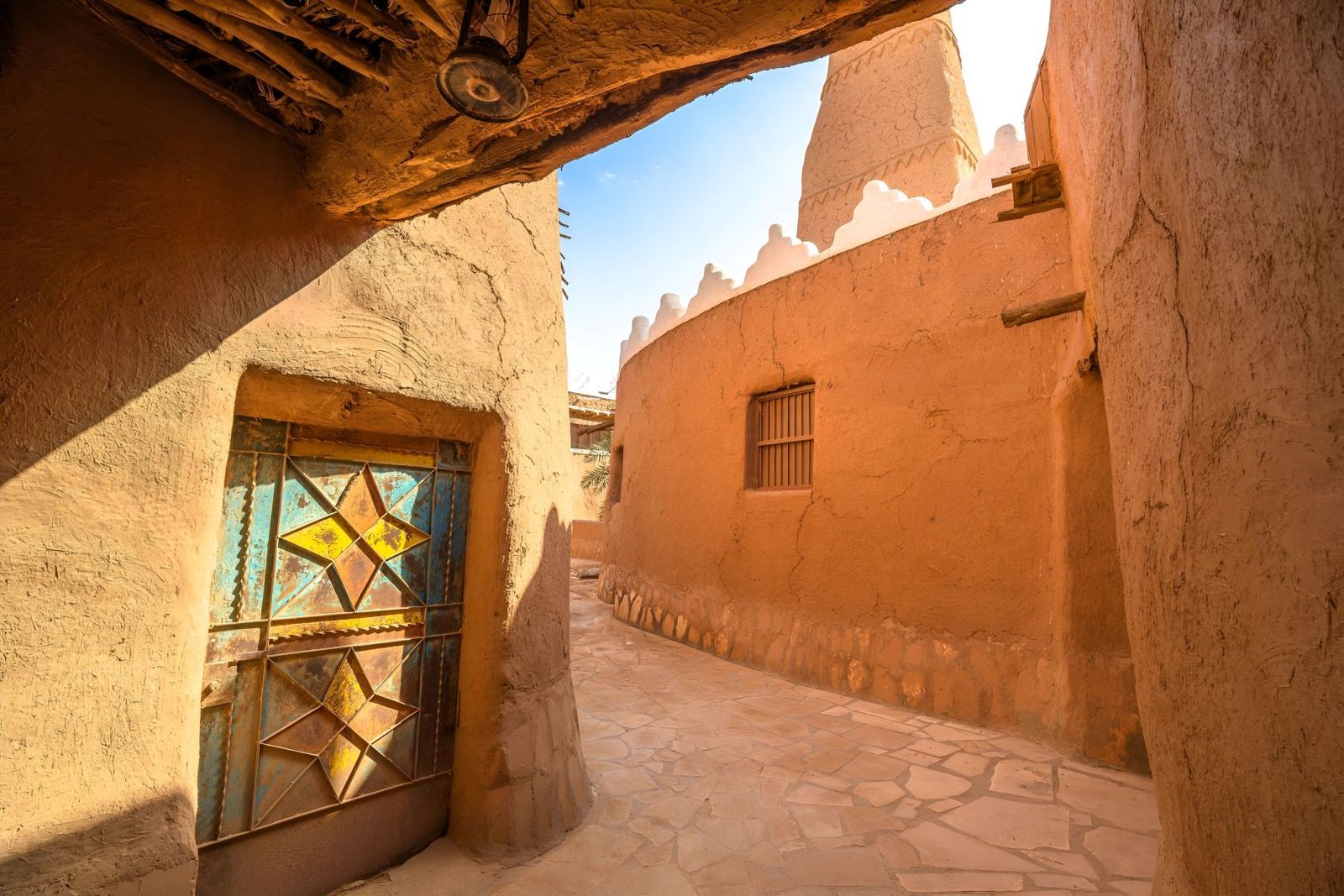
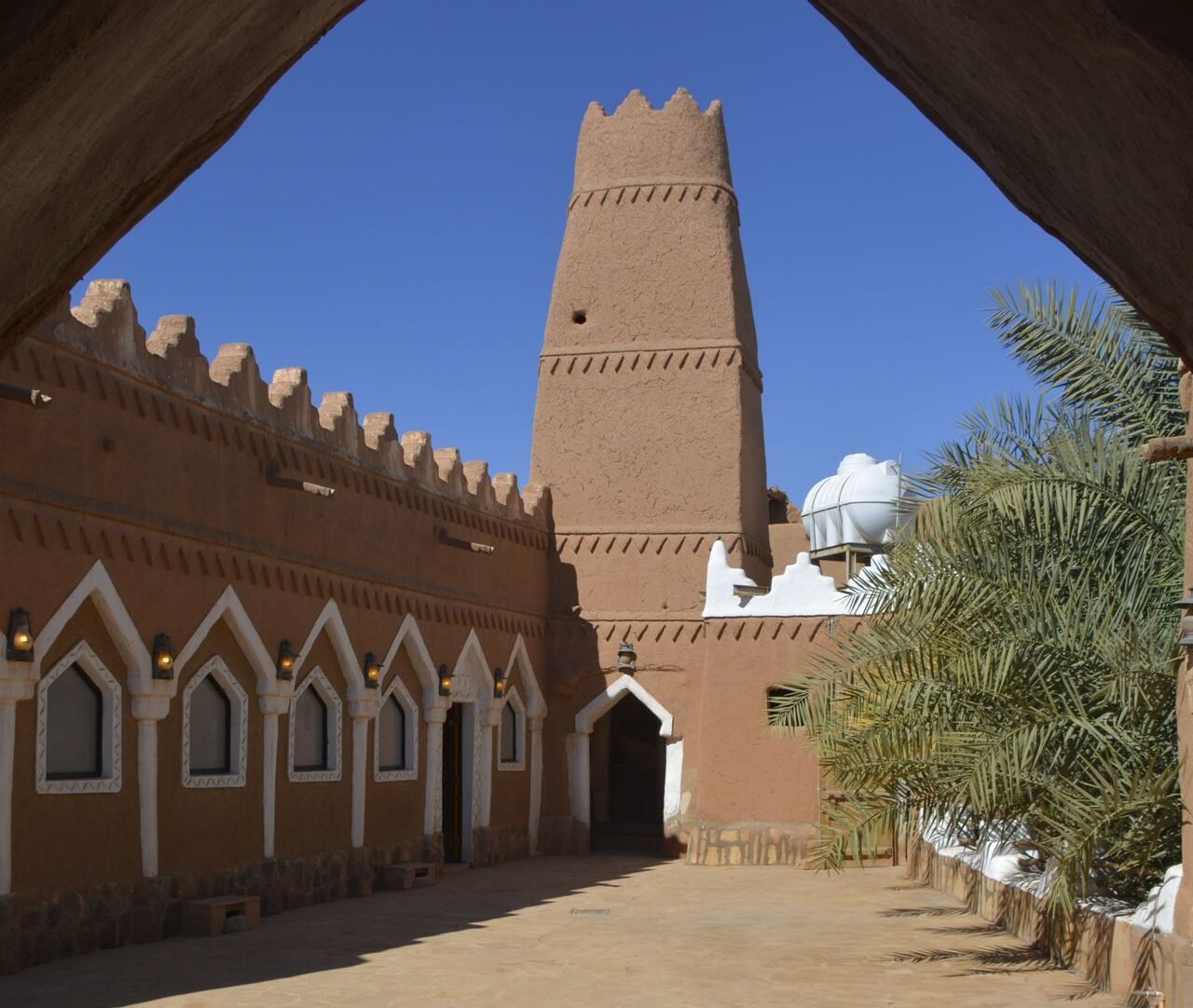
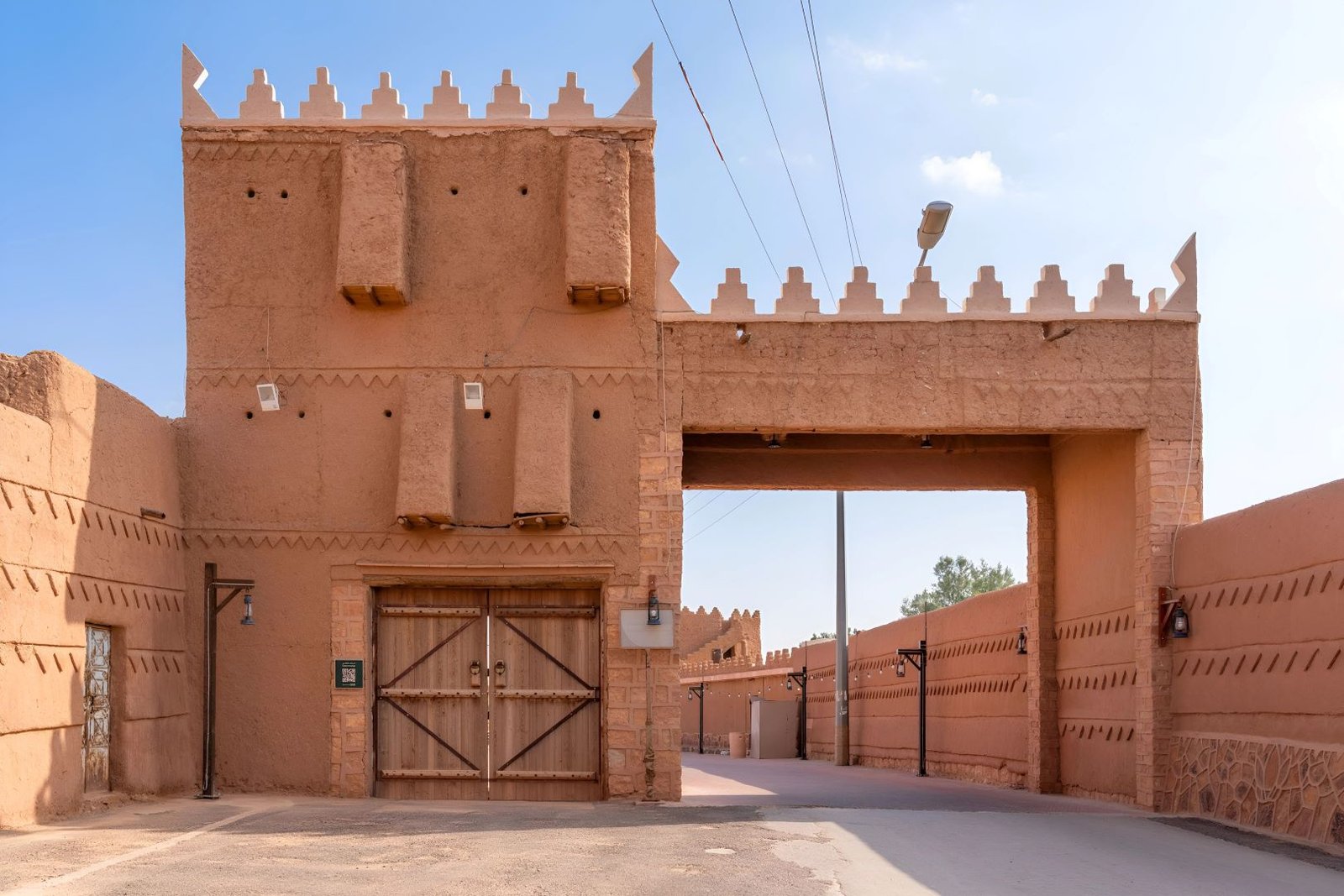
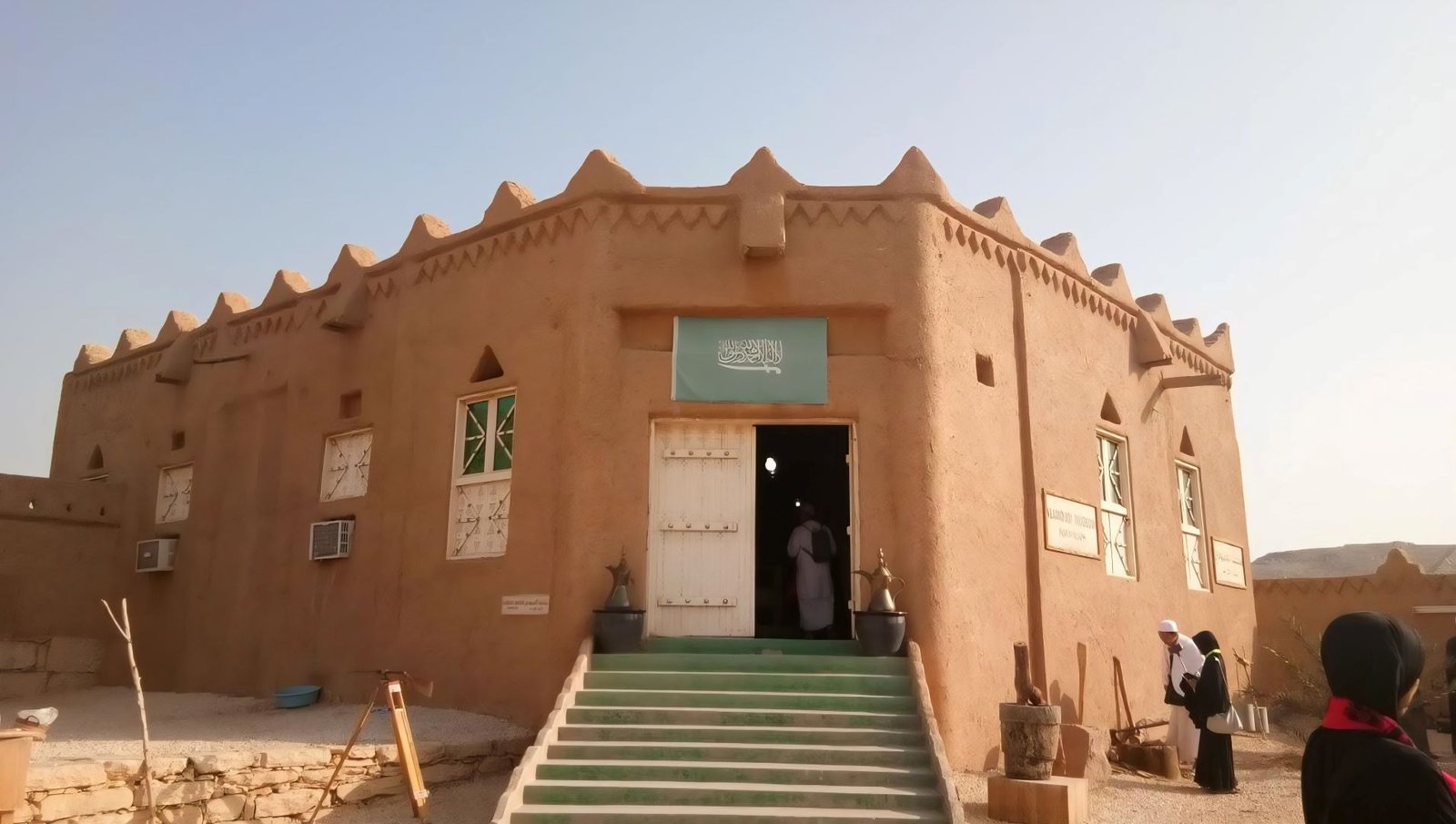
Architects designed the museum’s outer perimeter to look exactly like an old Arabian desert castle, complete with imposing brown bastions and textured mud walls that naturally insulate the interior from the harsh sun. The inner spaces open up into an expansive, multi-zoned warehouse format arranged chronologically to trace regional history from the pre-Islamic era straight through to early 20th-century Saudi life.
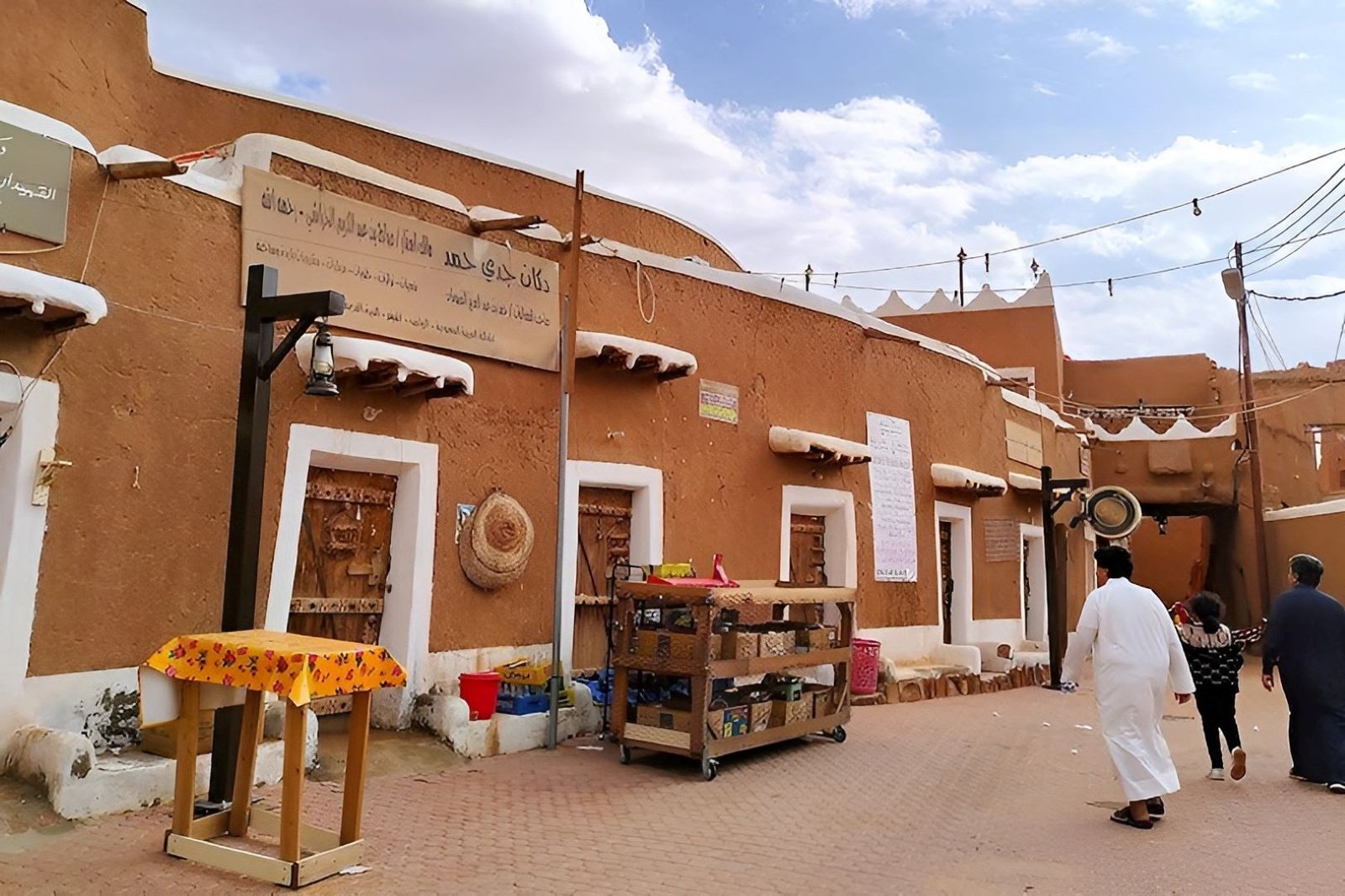
Shops, old well systems, and traditional Bedouin tents are recreated inside the galleries, allowing visitors to feel like they have stepped completely out of the modern grid and into an active ancient marketplace.
Tour groups frequently plan their arrival for the cooler morning or late afternoon hours, taking advantage of the spacious open layouts and ample bus parking to break up the drive between the coast and the mountain valleys.
What Makes It Popular
Backpackers, photography enthusiasts, and families flock to this unique heritage vault for a few standout reasons:
• The Solid Gold Kaaba Door Replica:
Dominating the central exhibition hall is a spectacular, full-sized recreation of the holiest gate in Islam, crafted entirely with brilliant gold finishing and paired alongside an intricate replica of the sacred Kaaba key.
• The Interactive Costume Pavilion:
Providing an exceptionally rare hands-on experience, the museum allows visitors to pull authentic Bedouin robes, royal cloaks, and ancient warrior armor directly off the racks to dress up for custom cultural photo sessions.
• The Military and Craft Galleries:
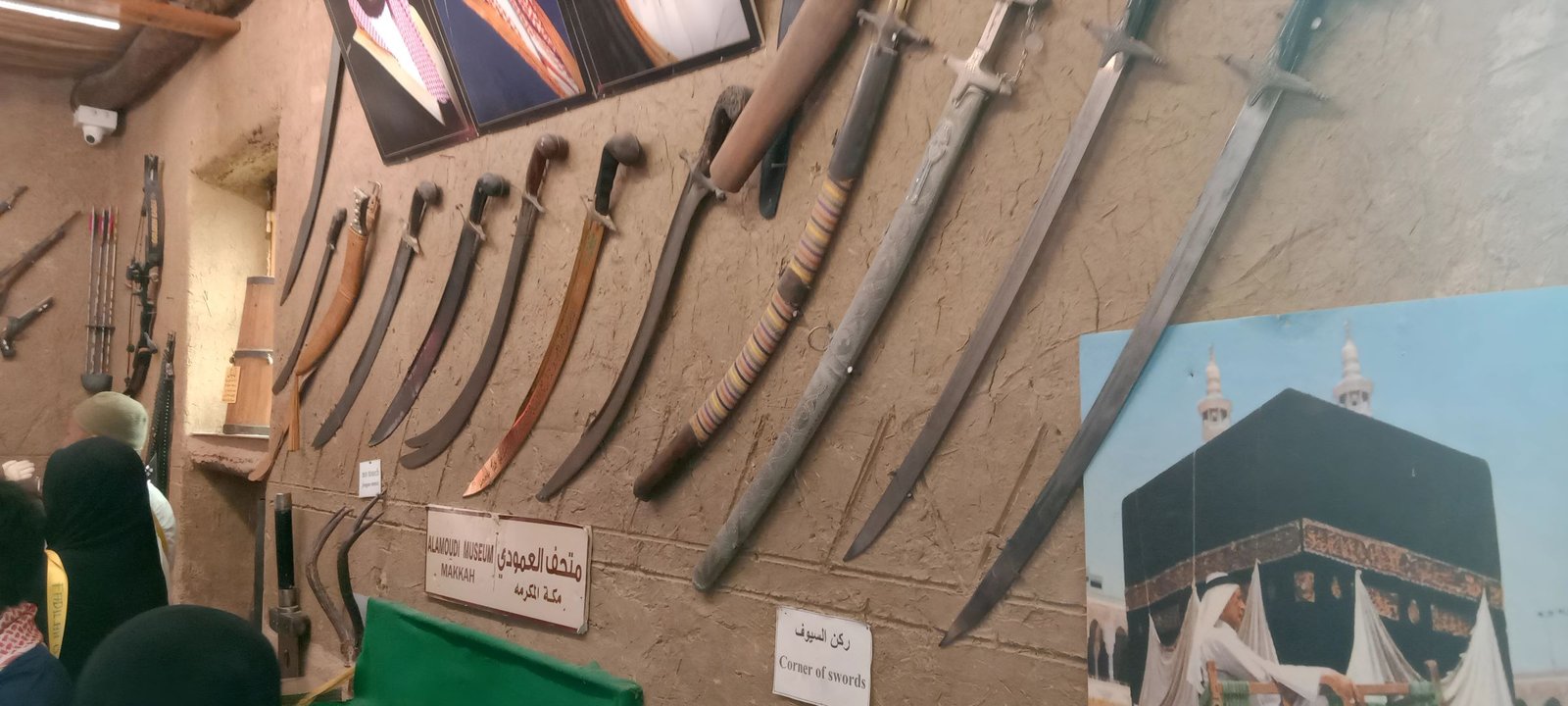
Winding through the side wings is a dense treasure chest of antique curved swords, matchlock rifles, historic coinage, and dedicated craft workshops demonstrating traditional pottery, blacksmithing, and carpentry.
💡 Read Next: Ready to trade the fascinating private collections, vintage artifacts, and mud-walled heritage of Jeddah’s outskirts for the ultimate spiritual epicenter of the world? Head back inland to witness the awe-inspiring sights, towering modern skyscrapers, and sacred, crowded courtyards surrounding Islam’s holiest sanctuary in our ultimate guide to Mecca!
Things to Experience
A standard route through the sprawling fortress takes about 1.5 to 2 hours, letting you smoothly explore a sequence of dedicated heritage zones:
• The Lifestyle and Trade Quarters:
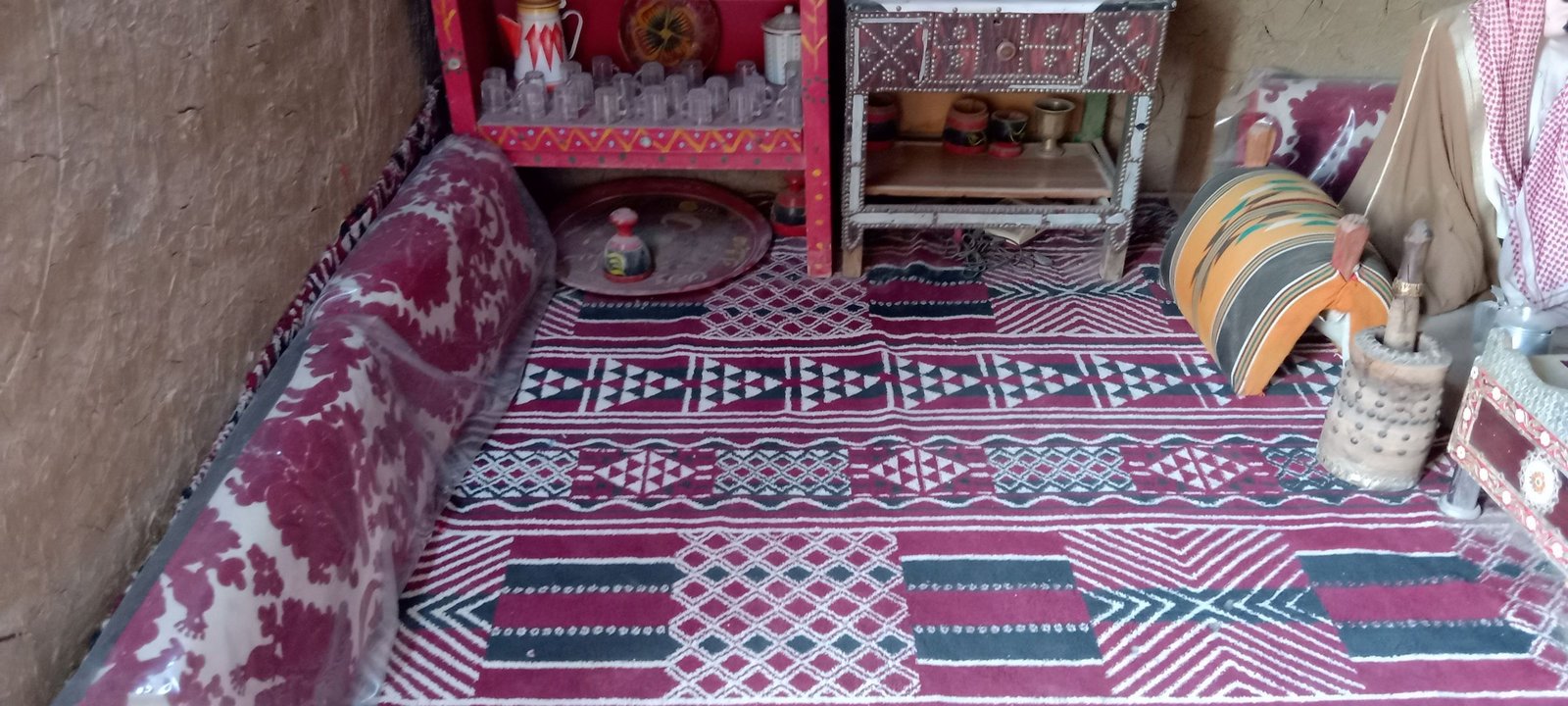
Spend your initial hour wandering through meticulously arranged traditional living rooms, viewing ancient copper cooking pots, woven jewelry, and vintage wooden bridal beds.
• The Grand Mosque Historical Archive:
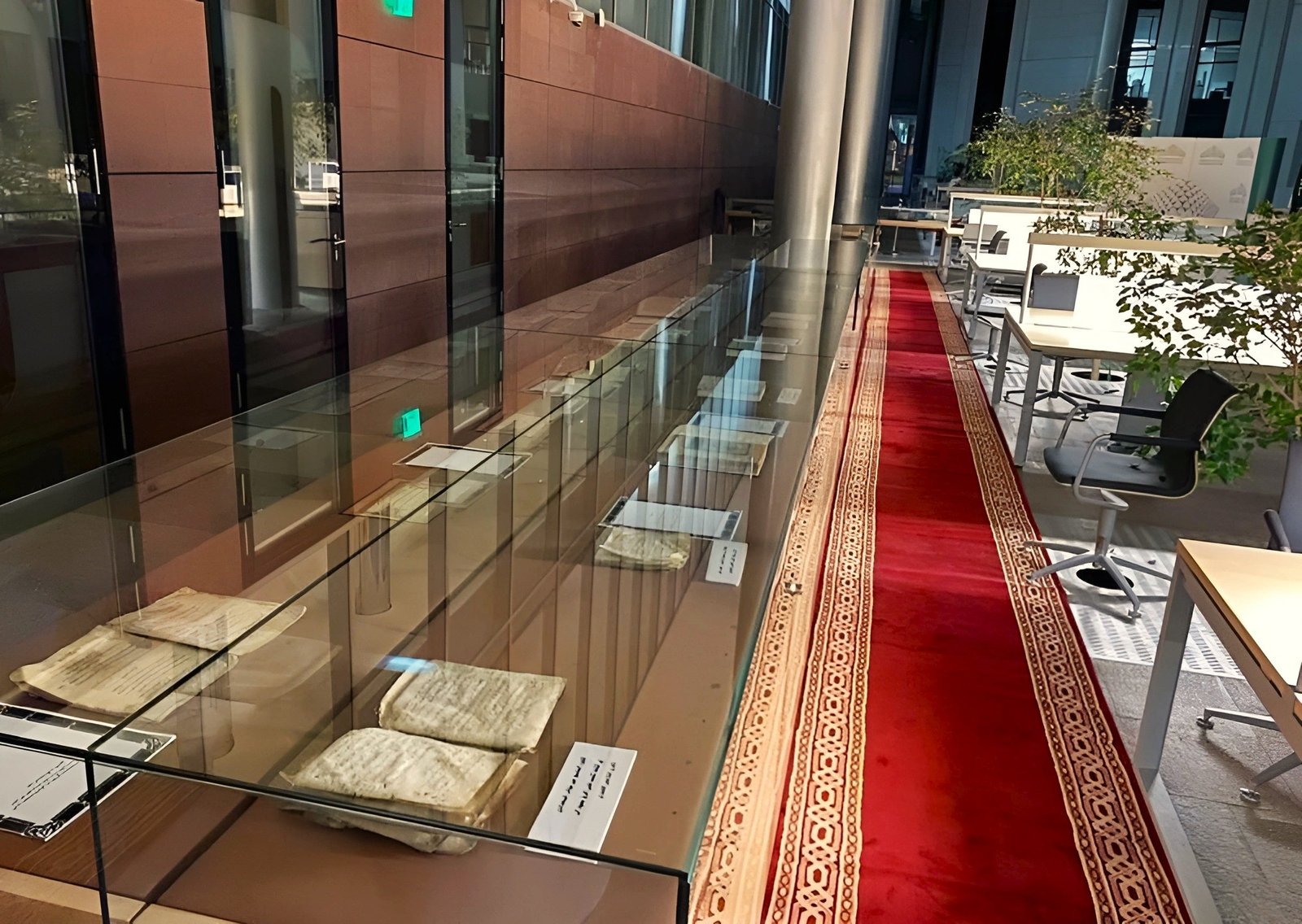
Settle into a specialized pavilion filled with century-old photographs and rare administrative documents that track the grand engineering expansions of the Holy Sanctuary over the decades.
• The Souvenir and Date Market:
Conclude your loop at the large internal bazaar counters, where you can sample regional dates, purchase traditional Saudi aromatic oils, and browse handcrafted copper trinkets.
📌 Fast Facts for Your Itinerary
📍 Address: Makkah–Jeddah Highway (Prince Mohammed bin Salman Road), Al Hamra & Umm Al Jud District, Makkah 24337, Saudi Arabia.
⏰ Operating Hours: 8:00 AM – 9:00 PM Daily.
🎫 Admission Ticket Prices: Entry fees are incredibly budget-friendly, structured at a nominal SAR 3 per person (approx. RM 3.50) for all general visitors, offering massive educational value for a token cost.
🚗 Location Navigation Guardrail: Transport Notice: The museum sits roughly 20 to 25 kilometers west of the Grand Mosque, positioned right past the structural arches that mark the official boundary of the Haram sanctuary area. Because it is located in the Al-Shumaysi district along the main highway to Jeddah, hailing a ride-share app or booking a private driver is the most reliable transit method, as public city buses do not stop directly at the highway gate.
🗣️ Language Support Guardrail: While the museum is highly interactive and touch-friendly, international travelers should note that the on-site guides speak primarily Arabic and Urdu. Information placards on the antique cases can be brief, so downloading a live visual translation app on your phone beforehand is highly recommended for scanning the historic weapon descriptions and text archives independently.