
Author: ss1_editorialteam

  • Frozen Fairy Tale: Harbin’s Spectacular Ice and Snow World

    Frozen Fairy Tale: Harbin’s Spectacular Ice and Snow World

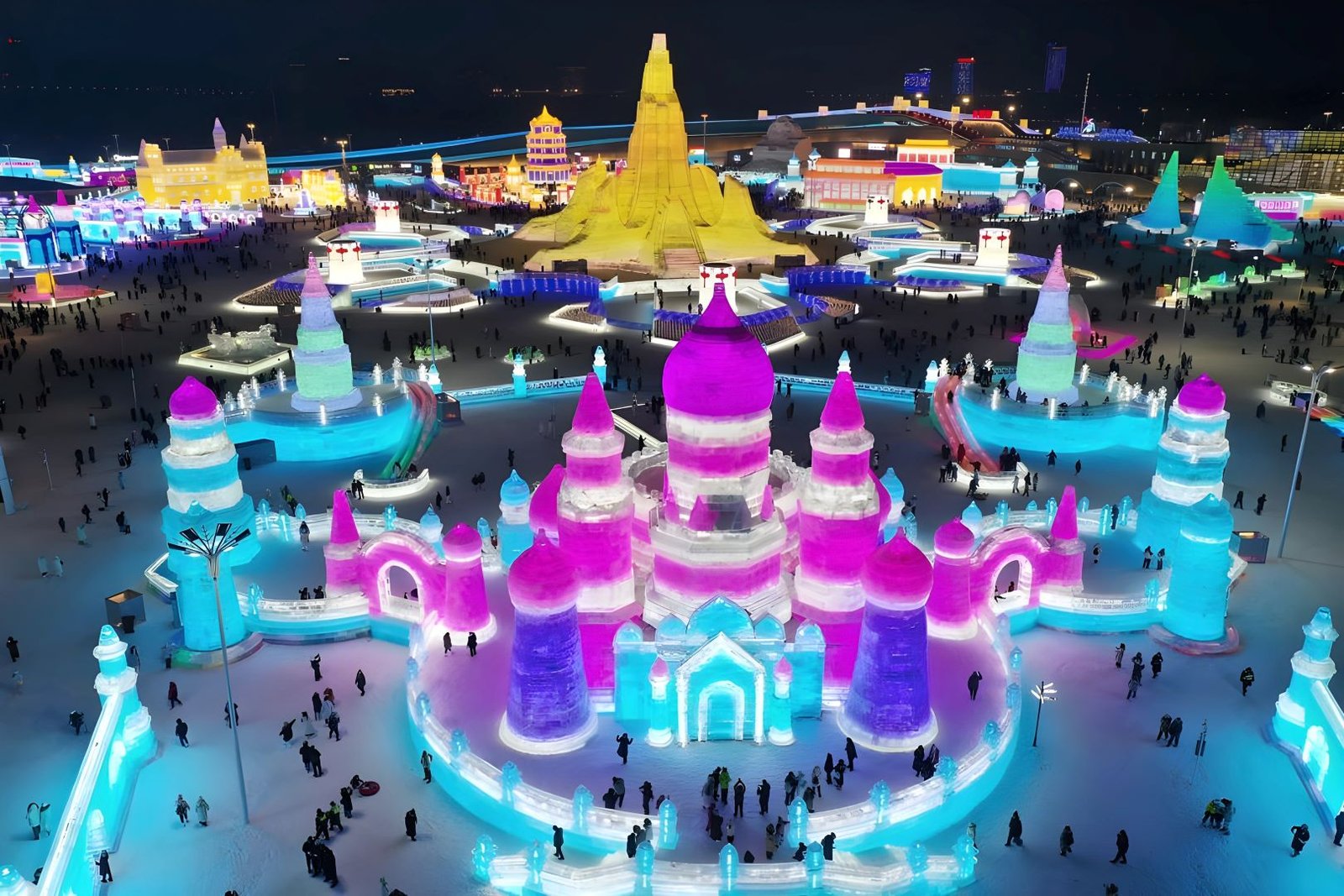
    Watching your breath turn to instant frost against the crisp winter air and listening to the crunch of thick snow underfoot are classic northeastern China travel experiences, but the ultimate window into the majestic, sub-zero artistry of Heilongjiang sits just across the Songhua River from the city center. Spreading across a massive, glittering parkland, the Harbin Ice and Snow World (Bīngxuě Dàshìjiè) is an extraordinary seasonal wonder that stands as the largest ice and snow festival on the planet.

    Originally launched in 1999 to welcome the millennium, this sprawling winter wonderland is built entirely from scratch every December using hundreds of thousands of cubic meters of ice harvested directly from the frozen river. If you are ready to slide down a record-breaking 500-meter ice slide, marvel at life-sized frozen castles illuminated in brilliant neon colors, and walk through colossal snow sculptures, here is why this breathtaking seasonal attraction is the definitive highlight of your winter itinerary.
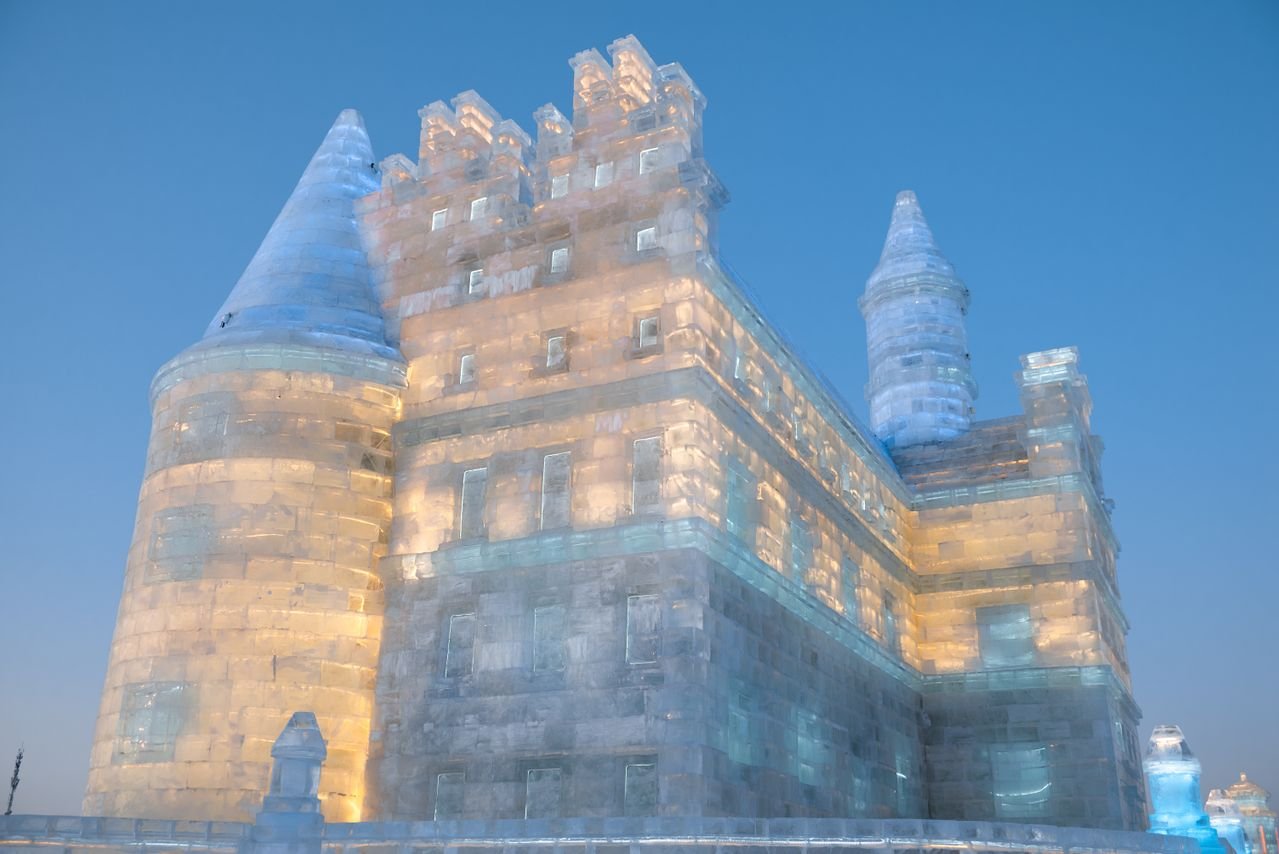
    The Ice and Snow World is a grand structural achievement that functions as a fully functional metropolis built completely out of frozen water. The entire park layout is organized like a royal capital city, featuring towering palaces, sweeping bridges, grand columns, and intricate pagodas that look spectacular under the pale winter sun and transform into an otherworldly light show at dusk.

    Stepping through the main turnstiles reveals a space designed with absolute visual drama in mind. The park features wide, snow-paved avenues, massive ice stairs, and indoor warm-up hubs connected by pathways of packed snow. To experience the magical transition of the ice artwork and make the most of your time in the sub-zero climate, the park operates on a precise afternoon-to-evening timeline.

    Visitors arrive just after lunch, enjoying the crisp, white details of the sculptures in the daylight before standing back to watch the entire park burst into a vibrant, multi-colored neon glow as the sun sets around 4:00 PM.

    The Source of Its Allure
    source: tukuppt.com

    This legendary winter fortress captures the imagination of thrill-seekers, extreme photographers, and winter travelers for several key reasons:

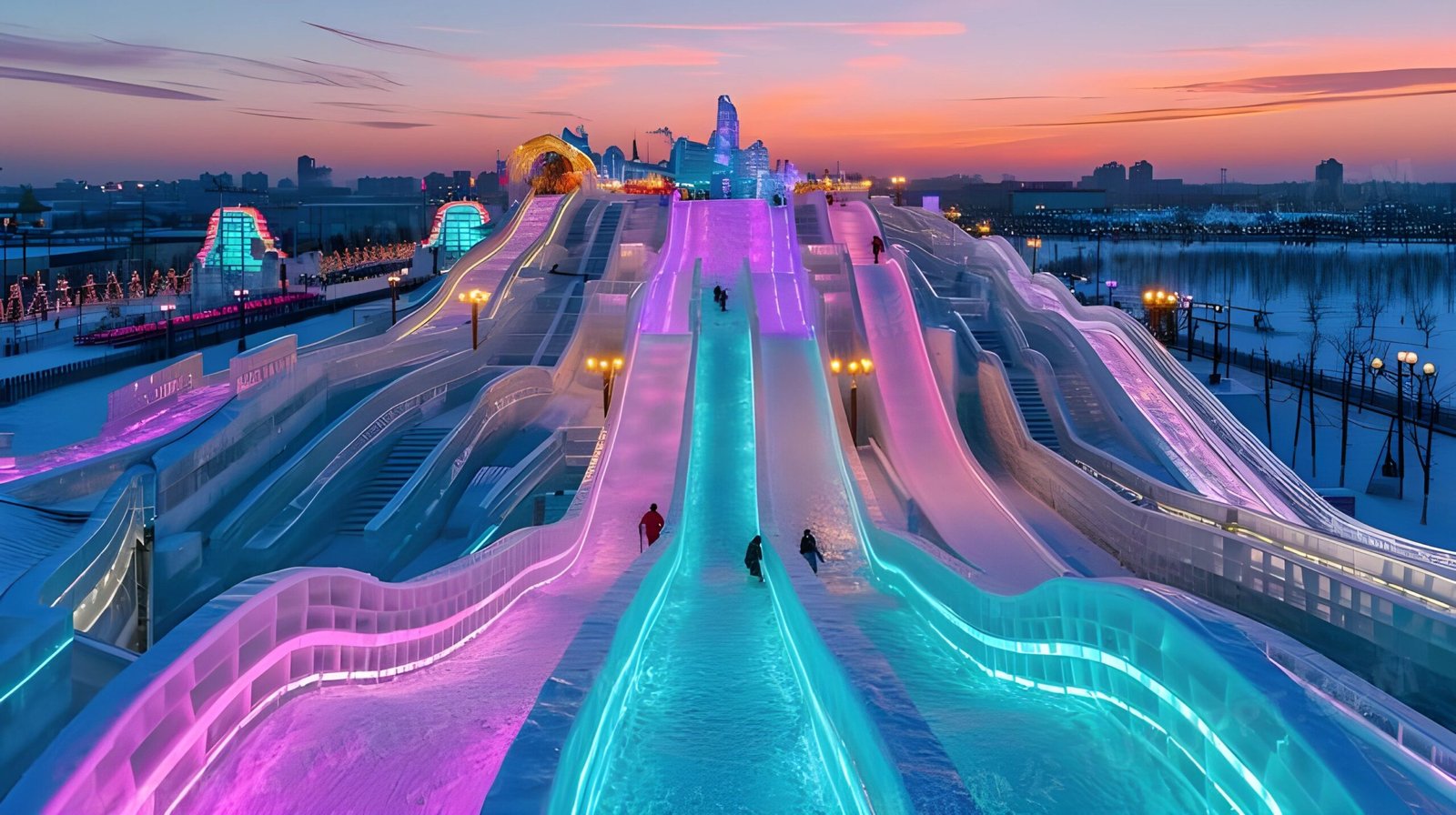
    • The Record-Breaking Super Ice Slide:
    Dominating the thrill zone of the park is the colossal multi-lane ice slide. Riders sit on specialized sleds and zoom down a winding, frictionless ice track that stretches hundreds of meters, offering an adrenaline-pumping rush through the heart of the festival.

    • The Colossal Central Ice Palace:
    Standing as the structural centerpiece of the park is a massive, multi-tiered castle built with precision-cut ice blocks. You can actually climb up the icy staircases and look out over the glowing, fairytale landscape below.

    • The Harbin Ice Snow Ferris Wheel:
    High above the frozen park is a massive observation wheel decorated with custom snowflake lights. Taking a ride in one of the heated cabins rewards you with sweeping, panoramic views of the entire illuminated ice city and the frozen Songhua River.

    💡 Read Next: Ready to trade the sub-zero temperatures, colossal frozen fortresses, and neon-lit towers of China’s iconic ‘Ice City’ for the ultimate royal summer escape? Head south to Beijing to stroll along the world’s longest covered wooden corridor, cruise past weeping willows on Kunming Lake, and explore the sprawling imperial pavilions of the historic Summer Palace!

    Activities You Can Experience
    source: jprmt.cn

    A standard journey through the freezing festival grounds takes roughly 3 to 4 hours and allows you to seamlessly explore a sequence of dedicated zones:

    • The International Ice Sculpture Gallery:
    Stroll through a specialized exhibition area showcasing masterfully carved, highly intricate works of art created by elite sculptors from all over the world.

    • The Snow Sculpture Expo Zone:
    Walk among massive, monumental art displays made completely out of packed white snow, featuring incredibly detailed faces, mythical creatures, and sweeping landscapes carved by hand.

    • The Snowflake Warming Hubs:
    Take regular breaks inside the modern, heated indoor pavilions scattered across the park, where you can grab a hot drink, thaw out your camera batteries, and enjoy a quick rest out of the wind.


    Curious to see how Harbin looks like? Check out FoodTravelSG8‘s video on the latest Harbin Ice and Snow Festival held this year on Youtube!

    📌 Fast Facts for Your Itinerary

    📍 Address: Sun Island Scenic Area, Songbei District, Harbin, Heilongjiang, China

    ⏰ Operating Hours: 11:00 AM – 10:00 PM Daily (Typically open from late December to late February, depending on local weather conditions). Lights turn on around 4:00 PM.

    🎫 Admission Ticket Prices: Standard general admission entry fees are structured around RMB 328 to RMB 388 (approx. RM200 to RM240) depending on peak dates. It is highly recommended to book the “all-inclusive” festival ticket to secure access to the major slides and the Ferris wheel.

    🔒 Booking Rules & Temperature Caution: Tickets must be reserved online in advance using your passport details. International visitors scan their physical passports directly at the entry gates for entry. Temperatures regularly drop below -25°C (-13°F). You must wear heavy thermal layers, windproof down jackets, insulated boots, thick gloves, and heat packs for your mobile phones to prevent them from dying instantly in the cold.

    🍽️ Halal Food Options & Recommendations: To warm up completely after hours out on the ice, Harbin boasts an incredible selection of historic authentic halal dining options. Head to the historic Laoqi Muslim Restaurant (Tongjiang Street) for legendary, hearty northeastern Chinese halal dishes like Guobaorou (crispy sweet and sour beef) and steaming lamb stews. For a classic, comforting winter meal, check out the famous Beijiang Muslim Restaurant or the traditional Shunfeng Muslim Hot Pot downtown to enjoy a boiling, traditional charcoal copper hotpot filled with premium sliced mutton and fresh local vegetables.
  • Water-Alley Maze: Jiangsu’s Spectacular “Venice of the East” in Suzhou

    Water-Alley Maze: Jiangsu’s Spectacular “Venice of the East” in Suzhou

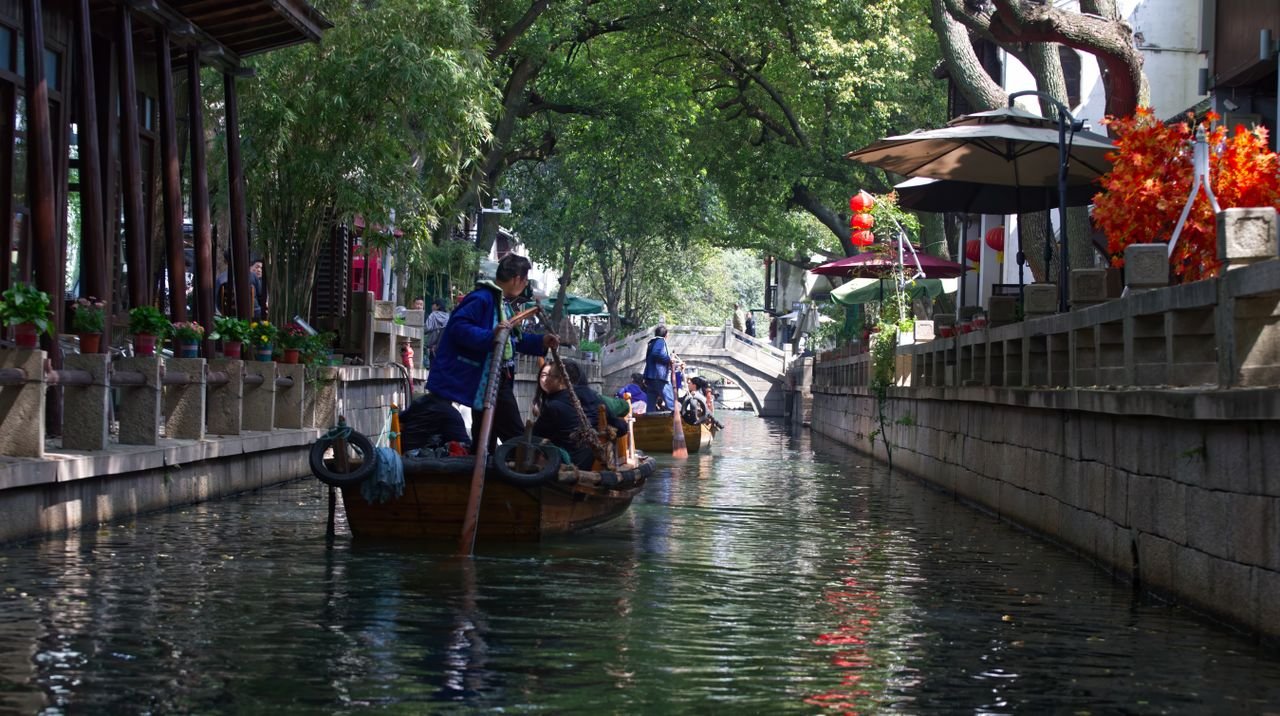
    Watching traditional wooden sampans glide down narrow stone canals and listening to the soft, rhythmic strumming of Pingtan string music are classic eastern China travel experiences, but the ultimate window into the refined lifestyle of the Yangtze Delta sits just a short bullet-train ride away from Shanghai. Spreading across a historic network of ancient waterways, arched bridges, and whitewashed houses, the historic city of Suzhou is an extraordinary cultural masterpiece that has earned its global reputation as the “Venice of the East.”

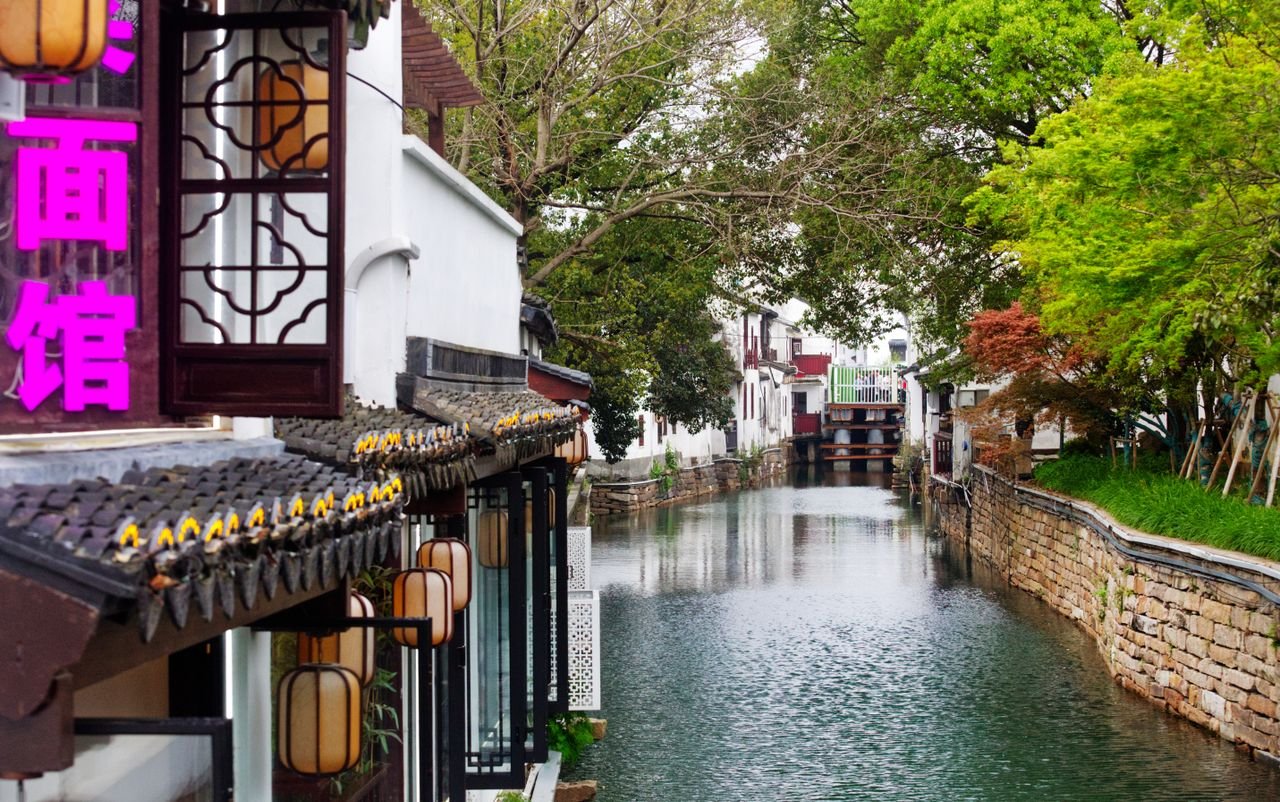
    Originally founded in 514 BC, this ancient water city grew into a sprawling commercial hub where wealthy scholars, silk merchants, and imperial officials built hundreds of hidden residential sanctuaries. If you are ready to slip behind the high white walls of classical UNESCO-listed gardens, drift beneath centuries-old stone bridges on a hand-paddled boat, and stroll down historic canal streets lit by red lanterns, here is why this breathtaking destination is an essential anchor for your Jiangsu itinerary.

    Suzhou is a brilliant urban design achievement that functions around a double-chessboard layout, where a network of roads runs completely parallel to a network of rivers. The entire old town layout is woven together by thousands of miles of narrow waterways that serve as the literal front yards for traditional homes, allowing residents to step straight out of their kitchens and onto the canal steps.

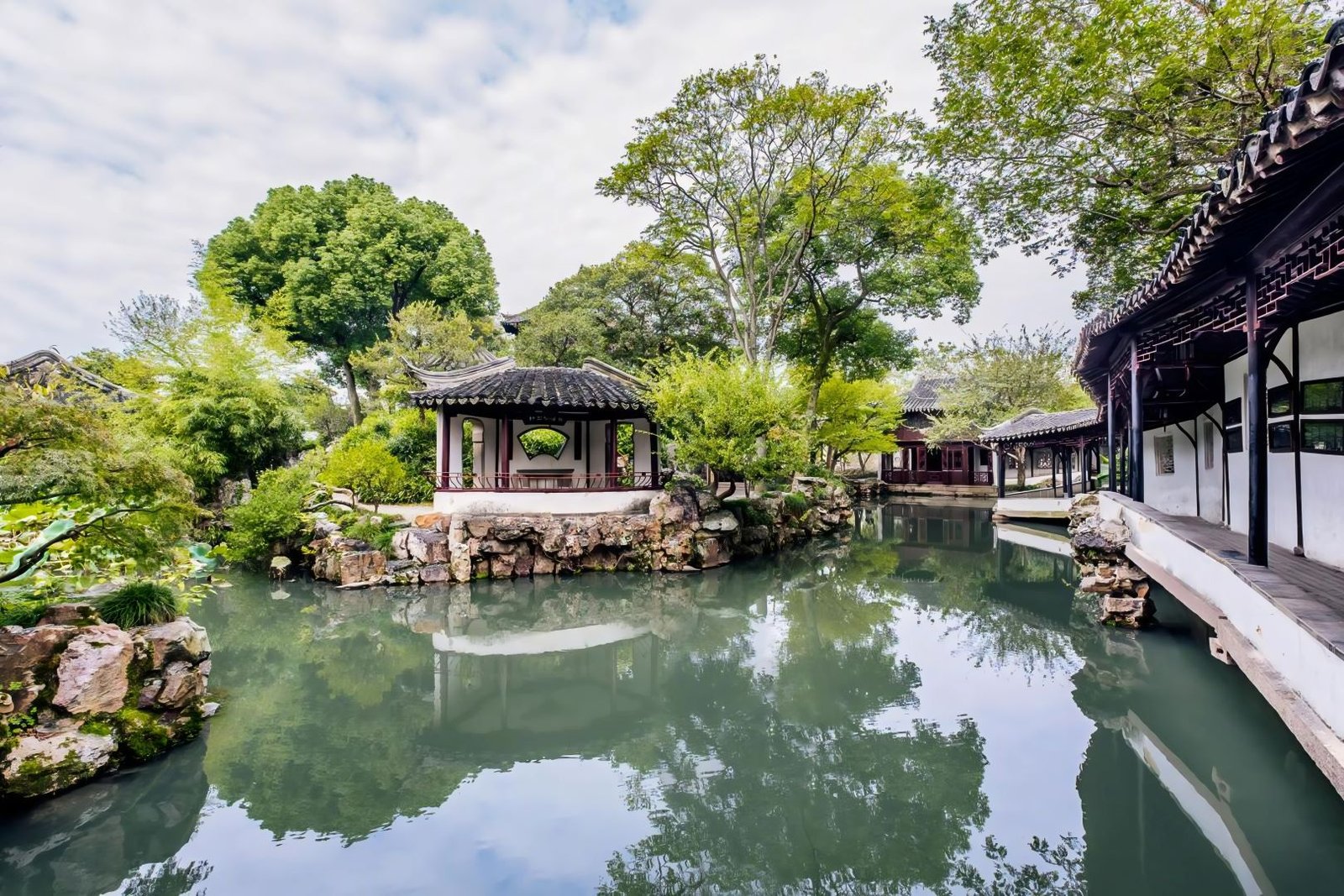
    Stepping through the historic city gates reveals a space designed with absolute poetic harmony in mind. The city features winding flagstone lanes, meticulously arranged rockeries, clear reflecting ponds, and elegant viewing pavilions connected by covered zigzag walkways. To truly experience the dual nature of this ancient water hub, the city operates on a distinct day-to-night rhythm.

    Visitors spend the quiet morning hours exploring the contemplative, static beauty of the classical scholar gardens, before taking to the bustling canal banks after dark to see the ancient water alleys burst into a lively scene of neon lights and glowing paper lanterns.

    The Source of Its Allure

    source: gs.ctrip.com

    This legendary delta trading post captures the imagination of landscape architects, photographers, and slow-travel enthusiasts for several key reasons:

    • The Classical Gardens Matrix:
    Dominating the cultural landscape are the world-renowned scholar gardens, led by the massive Humble Administrator’s Garden (Zhuozhengyuan) and the intricate Lingering Garden (Liuyuan). These enclosed spaces use architectural tricks like “borrowed scenery” to make small courtyards feel like endless natural landscapes.

    • The Ancient Panmen Water Gate:
    Standing at the southwestern edge of the old city canal is the world’s only surviving land-and-water city gate. This massive 2,500-year-old fortress features dual passes that allow both infantry troops and military boats to be checked before entering the city.

    • The Leaning Tiger Hill Pagoda:
    Perched on a historic hillside north of the center is the Yunyan Pagoda, a stunning seven-story octagonal brick tower. Built during the Song Dynasty, the massive structure has tilted noticeably over the centuries due to shifting soil, earning it fame as China’s own Leaning Tower.

    💡 Read Next: Ready to trade the peaceful, weeping-willow canal paths and traditional stone bridges of China’s ‘Venice of the East’ for the ultimate symbol of imperial power? Head north to Beijing to step inside the massive red walls, sprawling courtyards, and golden-roofed palaces of the legendary Forbidden City!

    Activities You Can Experience

    A standard journey through the historic water alleys takes a full day and allows you to seamlessly explore a sequence of dedicated zones:

    • The Pingjiang Road Historic Block:
    Spend your midday strolling along a beautifully preserved 800-year-old stone canal street lined with traditional tea houses, silk boutiques, and street food stalls selling sweet osmanthus cakes.

    • The Shantang Street Canal Walk:
    Head northwest to explore a vibrant, bustling riverside market area that looks exactly like a traditional Chinese ink painting, especially when the waterside lanterns turn on at dusk.

    • The Master of the Nets Garden:
    Visit this smaller, masterfully designed night garden to catch intimate, live performances of classical Kunqu opera staged inside the open-air pavilions under the moonlight.


    To get a perfect layout of the city’s historic districts before you go, check out this Suzhou travel tour by Jemma’s Home over on YouTube.

    📌 Fast Facts for Your Itinerary

    📍 Address: Gusu District (Old Town Area), Suzhou, Jiangsu, China

    ⏰ Operating Hours: The historic streets and canals are open 24 hours daily. The major classical gardens and historic sites like Tiger Hill generally open from 7:30 AM – 5:30 PM

    🎫 Admission Ticket Prices: Wandering the historic canal streets like Pingjiang Road is completely free. Individual garden tickets vary by season; entry to the Humble Administrator’s Garden ranges from RMB 70 to RMB 90 depending on peak months.

    🔒 Real-Name Booking & Garden Regulations: To protect the fragile historic structures, all major classical gardens enforce strict daily visitor caps. International travelers must book their entry slots online in advance using their passport numbers, which are then scanned directly at the turnstiles for entry.

    ⚠️ How To Navigate Your Way: While Suzhou is highly modern, the old town canal districts are a strict pedestrian maze of stone bridges and narrow paths where cars cannot enter. Prepare for intensive walking over arched stone stairs, and ensure you download a digital navigation map that works offline, as it is incredibly easy to lose your bearings in the winding, identical water-alley loops.

  • Olympos Beach: Where Ancient Ruins Meet the Sea

    Olympos Beach: Where Ancient Ruins Meet the Sea

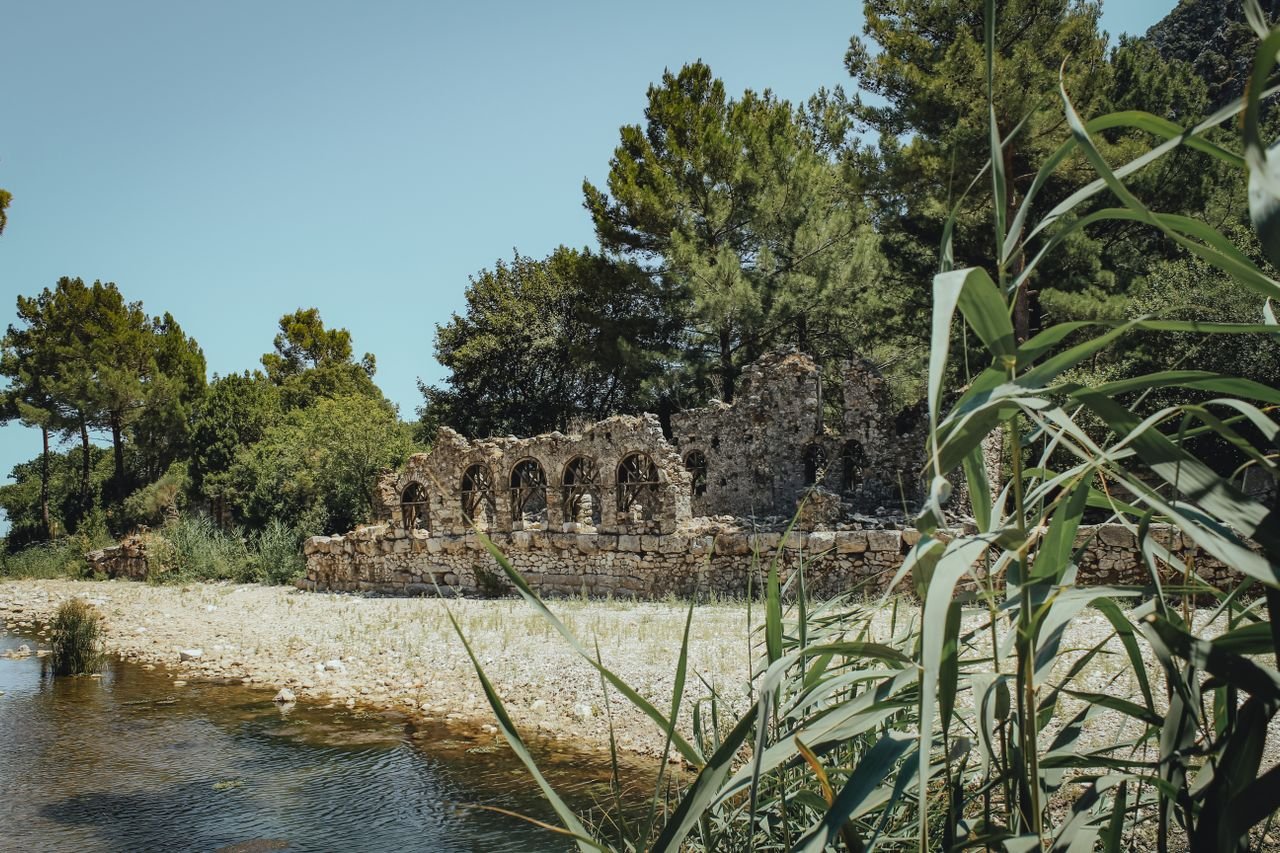
    The high-rise luxury resorts of central Antalya are just the tip of the iceberg there, as once you decided to step away and leave them behind, tracking south opens the door to a secluded world of dense pine forests and dramatic mountain passes. Just past the rural highway turnoffs, the rugged cliffs of the Beydağları Coastal National Park drop sharply into the sea, hiding a historic shoreline that feels completely cut off from mass tourism. 

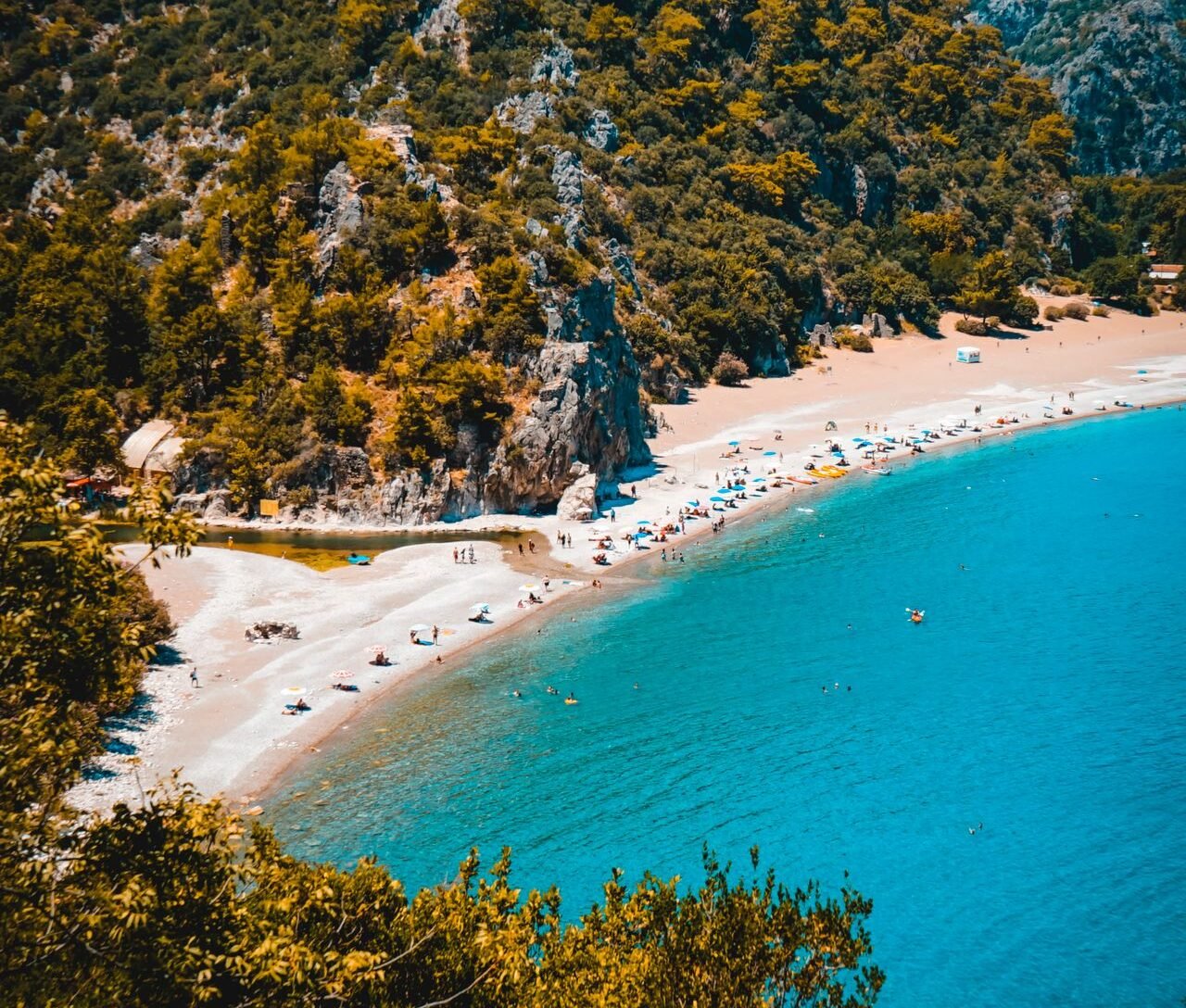
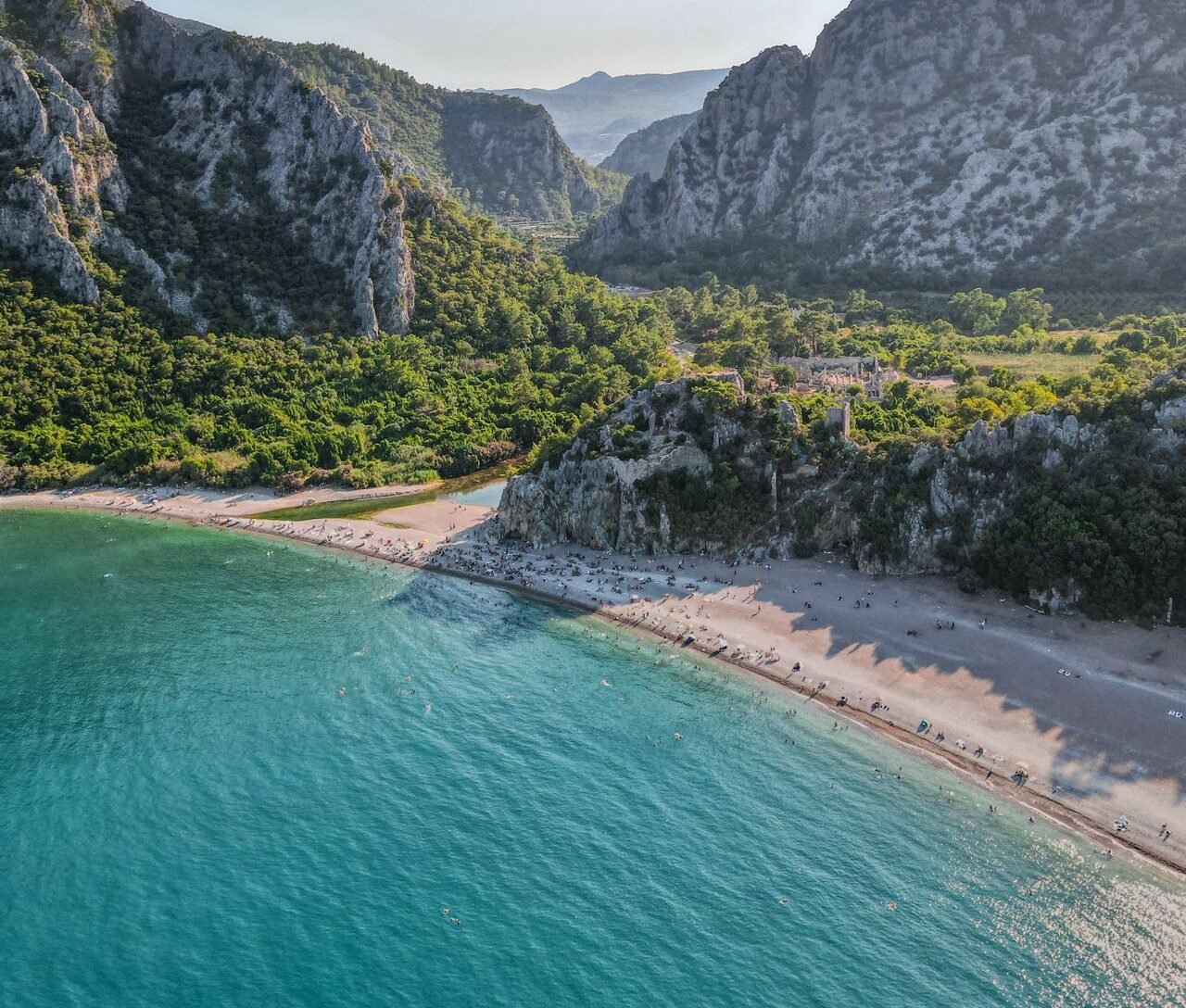
    Rising majestically where an ancient Lycian river valley meets the Mediterranean tide, Olympos Beach reveals itself as a jaw-dropping pebble and sand sanctuary defined by towering vertical sea cliffs, hidden overgrown ruins, and a wild, adventurous energy that perfectly balances untamed nature with classical history.

    Completely distinct from the manicured, umbrella-lined shores of neighboring beach towns, this protected wilderness area has maintained a strict ecological balance under recent 2026 conservation frameworks. Environmental teams have kept the beach entirely free of permanent concrete structures, protecting critical marine habitats while ensuring the access paths remain rugged and authentic. 

    If you are eager to swim in crystalline waters right beneath ancient castle ruins, wander through jungle trails littered with Roman sarcophagi, and watch sea turtles nest under a blanket of stars, this dramatic coastal haven demands a spot at the very top of your travel list.

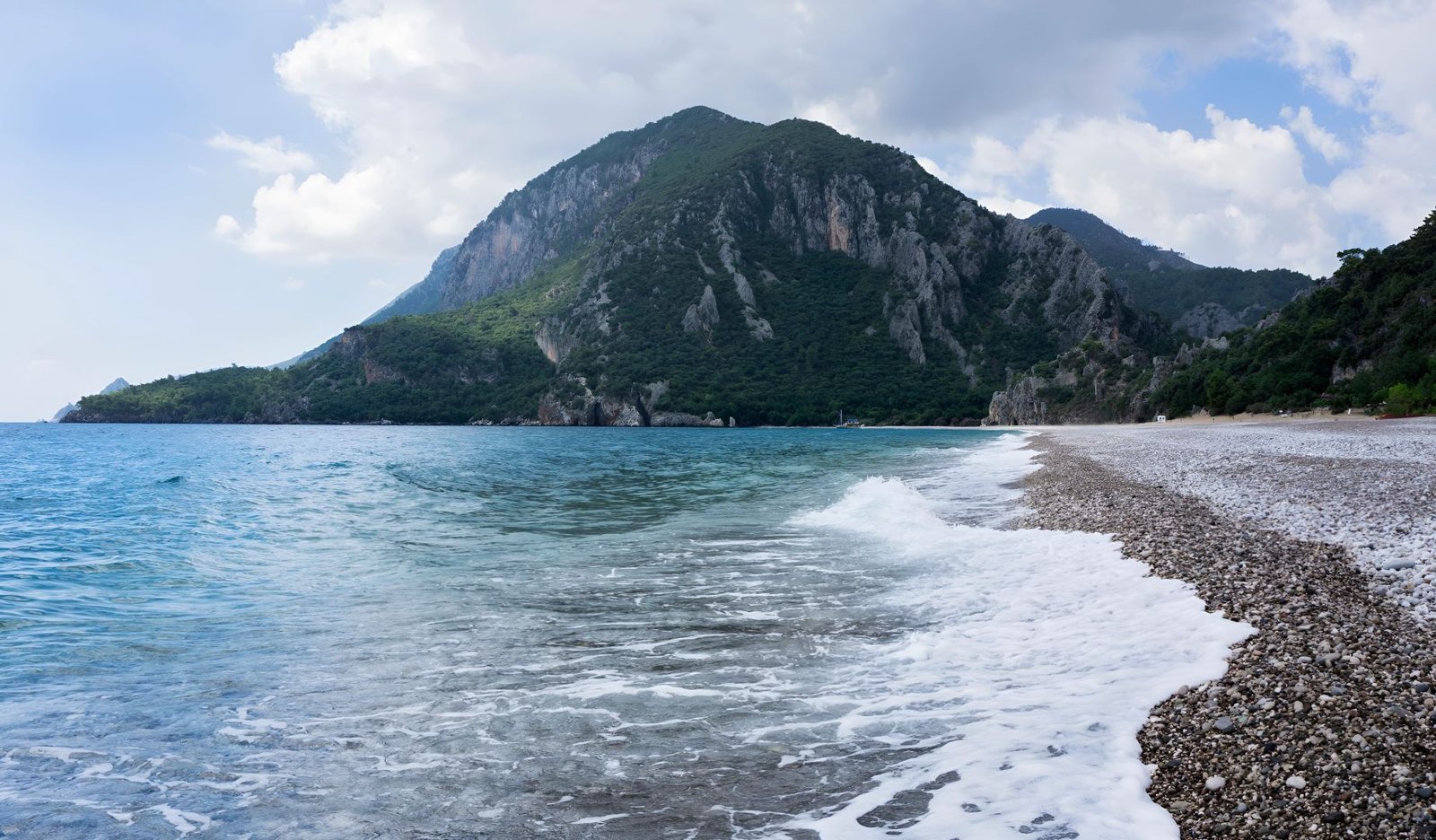
    The geographical layout here operates like a masterclass in coastal topography, showcasing a dramatic collision between mountain freshwater systems and deep maritime currents. Instead of a flat sandy expanse, the beach forms a sweeping crescent enclosed by massive, pine-clad limestone cliffs that plunge directly into the deep turquoise waters of the Mediterranean.

    Walking along the coastal margin exposes travelers to a uniquely diverse ecosystem. The landscape transitions seamlessly from a cool, reed-lined freshwater stream where wild ducks gather, into a wide, sun-drenched beach composition of fine sand and smooth river pebbles. Glancing upward toward the flanking rock faces reveals the ultimate marvel, which are the ancient stone fortifications and hidden tomb openings clinging precariously to the vertical crags, fashioning a primeval maritime playground that feels completely disconnected from modern commercial development.
    What Makes It So Popular

    This jagged, historical shoreline steadily captures the imagination of backpackers and outdoor enthusiasts for a few key reasons:

    • The Legendary Akçay Stream Mouth Viewpoint:
    The absolute focal point of the beach is the scenic freshwater outlet. This unique natural convergence features an icy mountain stream cutting through the pebbles to merge with the warm sea, providing an elite swimming spot where you can experience two water temperatures simultaneously.

    • The Cliff-Hanging Lycian Acropolis Gateway:
    Perched high on the south cliff face sit the crumbling remains of an ancient watchtower. The historic headland offers a rugged stone viewpoint overlooking the entire bay, rewarding ambitious scramblers with an unparalleled panoramic view of the coastline.

    • The Caretta Caretta Nesting Sanctuary:
    The wide sandy expanses bordering the neighboring Çıralı district function as a globally respected marine conservation zone. Rich, undisturbed shoreline habitats provide the perfect seasonal nesting environment for endangered loggerhead sea turtles, offering travelers a rare chance to witness absolute ecological purity in action. Because these nesting grounds are heavily protected by international law, tourists are strictly required to review the WWF Turkey Sea Turtle Conservation Protocols to understand mandatory beach rules, such as the total ban on artificial lights, vehicle traffic, and night-time beach camping during the critical hatching windows.

    💡 Read Next: Ready to trade the sun-drenched shores, ancient Lycian ruins, and rustic treehouses of Antalya’s Mediterranean coast for the ultimate architectural icon of the ancient world? Head back to the heart of Istanbul to step beneath a soaring dome that has witnessed the rise and fall of empires in our ultimate guide to the Hagia Sophia Mosque!

    Top Experiences to Unearth

    Structuring your overland navigation through the valley effectively splits your excursion into two contrasting exploration loops:

    • Investigate the Deep Forest Ruins Track:
    Trek inland along the shaded riverbed paths to discover a spectacular archaeological wonderland. The jungle floor is thick with the remains of Roman bathhouses, grand colonnaded streets, and forgotten amphitheaters, all wrapped tightly in wild ivy and overgrown fig trees.
    • Navigate the Coastal Çıralı Boundary:
    Stroll northward along the uninterrupted pebble arc to encounter a completely different beach vibe. This wide, open stretch features low-key eco-tours and small garden pensions, allowing you to walk right up to the base of the flaming Chimaera gas vents hidden in the hills above.

    • Appraise the South Bay Snorkeling Grounds:
    Conclude your loop by wading into the deep waters directly beneath the ancient sea wall ruins. The marine environment treats you to a staggering visual field of submerged stone blocks and darting Mediterranean fish, closely mimicking an underwater exploration of a sunken classical city.

    📌 Fast Facts for Your Itinerary

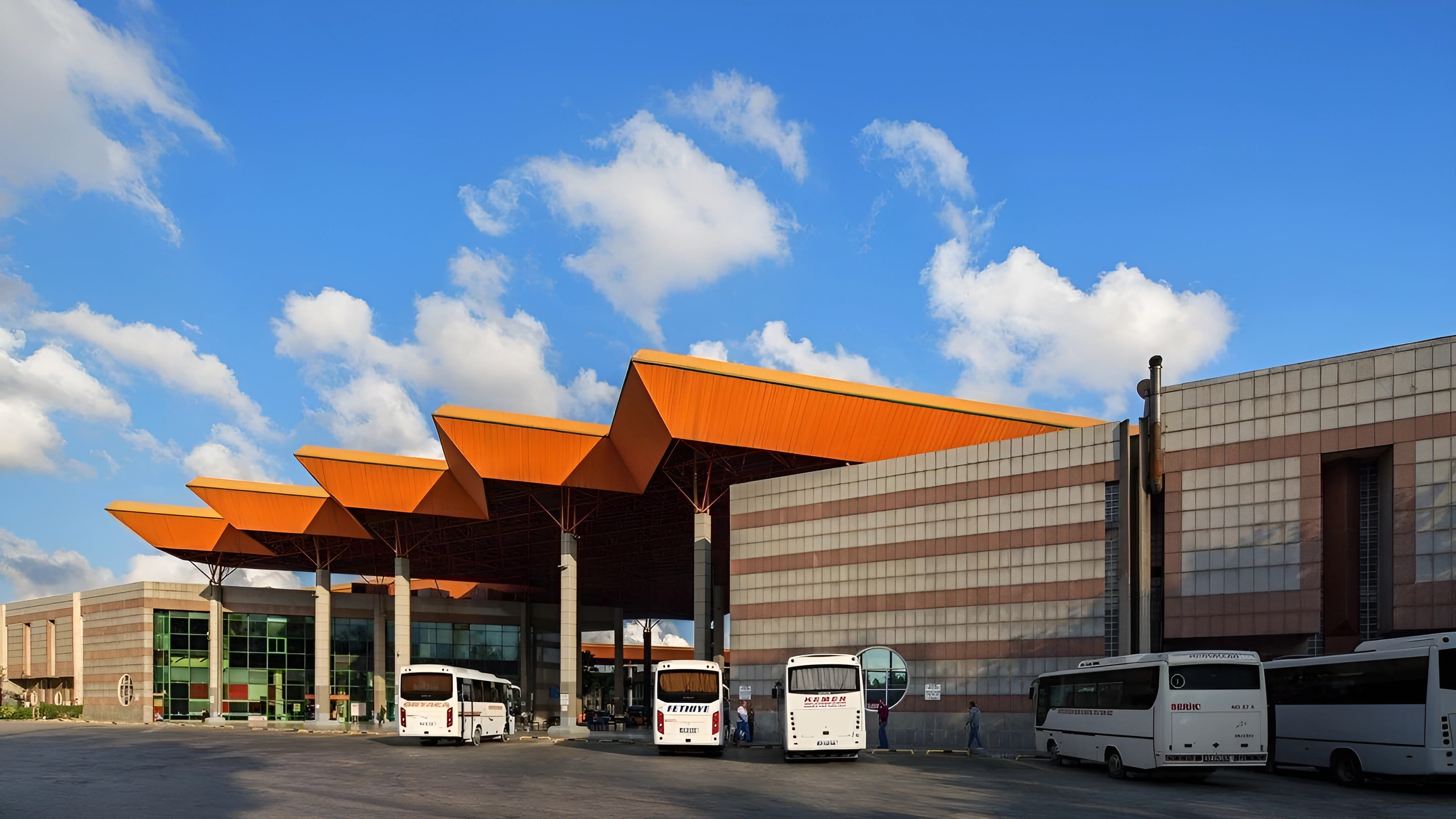
    📍 Location: Olympos Beach Entrance, Olimpos Örenyeri, Yazır Village, Kumluca District, Antalya, Turkey. If you are navigating by local minibus (dolmuş) from the Antalya main terminal or driving a rental car down the steep hairpins, consult the Antalya Tourism National Parks Directory to view detailed terrain maps and transportation timetables for the Beydağları region.

    ⏰ Optimal Visiting Strategy: The bay offers an incredible escape throughout the summer season; however, planning your arrival for the golden hour between 04:30 PM and 07:00 PM ensures softer lighting for photography, cooler trekking temperatures through the ruins, and a dramatic drop in daytime crowds.

    🎫 Mandatory Conservation Levies: Because accessing the beach requires walking directly through the protected archaeological site, travelers must purchase an open-air museum ticket at the valley gate. Under the updated 2026 ministry guidelines, entry costs €10 (approx. RM47) per adult, though opting for a multi-pass card is highly economical if you intend to visit the shore multiple times during your stay.

    👟 Pro-Tip: Since the path to the water winds through a rough, unpaved ancient city bed full of loose stones and tree roots, reaching the beach in flimsy footwear can be notoriously difficult. For maximum safety and comfort, wear sturdy water shoes that can handle both the forest hike and the hot beach pebbles, pack a dedicated trash bag to help keep the national park pristine, and remember that there are no shops directly on the sand—grab your cold drinks from the bohemian treehouse cafes in the upper village before heading down the valley!


    Want a closer look at the beach conditions? Check out this excellent, walking tour video by HazelFrame over on YouTube.

  • The Grand Bazaar: World’s Oldest Shopping Mall

    The Grand Bazaar: World’s Oldest Shopping Mall

    Ditching the breezy waterfront piers of Eminönü, travelers are immediately thrust into a dizzying maze of historic alleys as they climb the hills of the historic peninsula. Behind the academic gates of Istanbul University, a massive, domed fortress of commerce rises abruptly from the urban landscape, operating less like a standard marketplace and more like an independent, roofed medieval city.

    Floating majestically as the ultimate beating heart of trading culture, the Grand Bazaar (Kapalıçarşı) reveals itself as a jaw-dropping limestone and brick sanctuary defined by towering vertical stone arches, hidden vaulted corridors, and a rugged, adventurous energy that has powered global trade networks for over five centuries.

    Fiercely contrasted against modern western shopping malls, this raw paradise has experienced a substantial structural and safety modernization under recent 2026 heritage conservation frameworks. The municipality has beautifully updated the historic flooring, integrated clearer directional signage, and reinforced the overhead masonry while fully retaining the wild, epic commerce-first spirit that has defined the corridors since the Ottoman golden age.

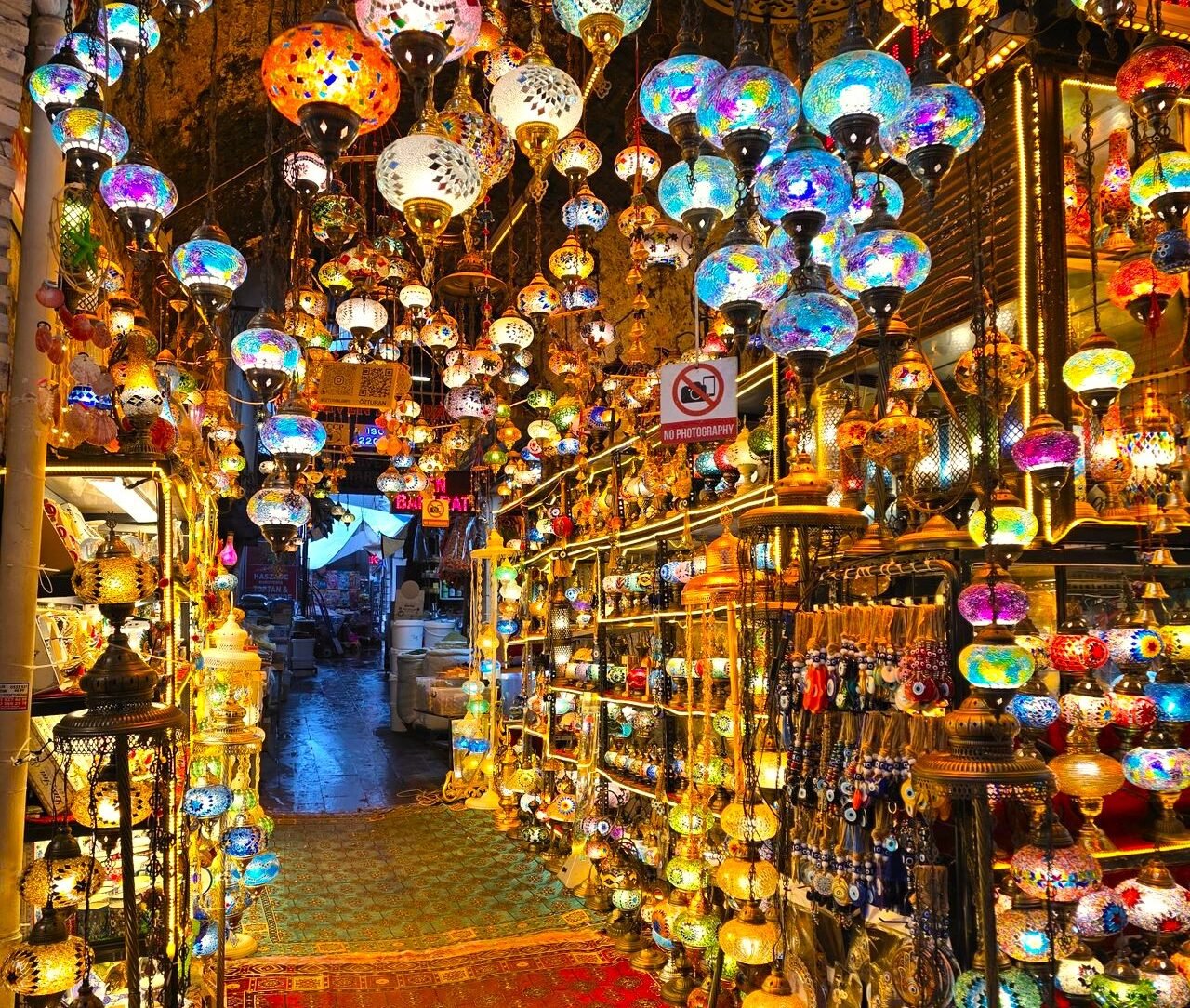
    If you are ready to conquer the world’s oldest covered trading floor, navigate immense stone chambers filled with millions of glittering trinkets, and exchange sharp barbs with generational master merchants over steaming glasses of apple tea, this legendary trade sanctuary deserves a premier spot on your itinerary.

    The Grand Bazaar, unlike the flat, linear layouts of modern department stores, the geography here is an organic and sprawling battlefield of overlapping vaulted roofs and massive stone retaining walls that anchor the market firmly into the sloping hills of Fatih.

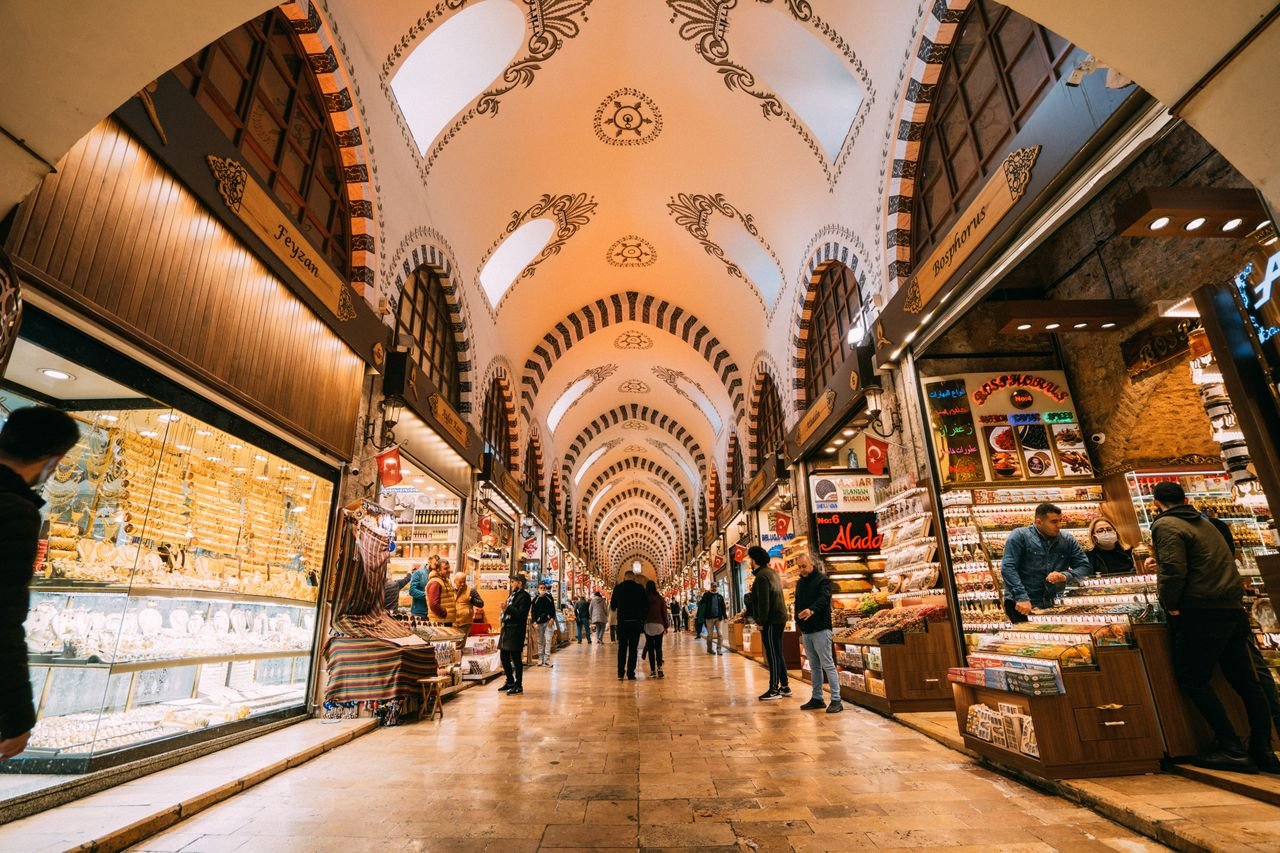
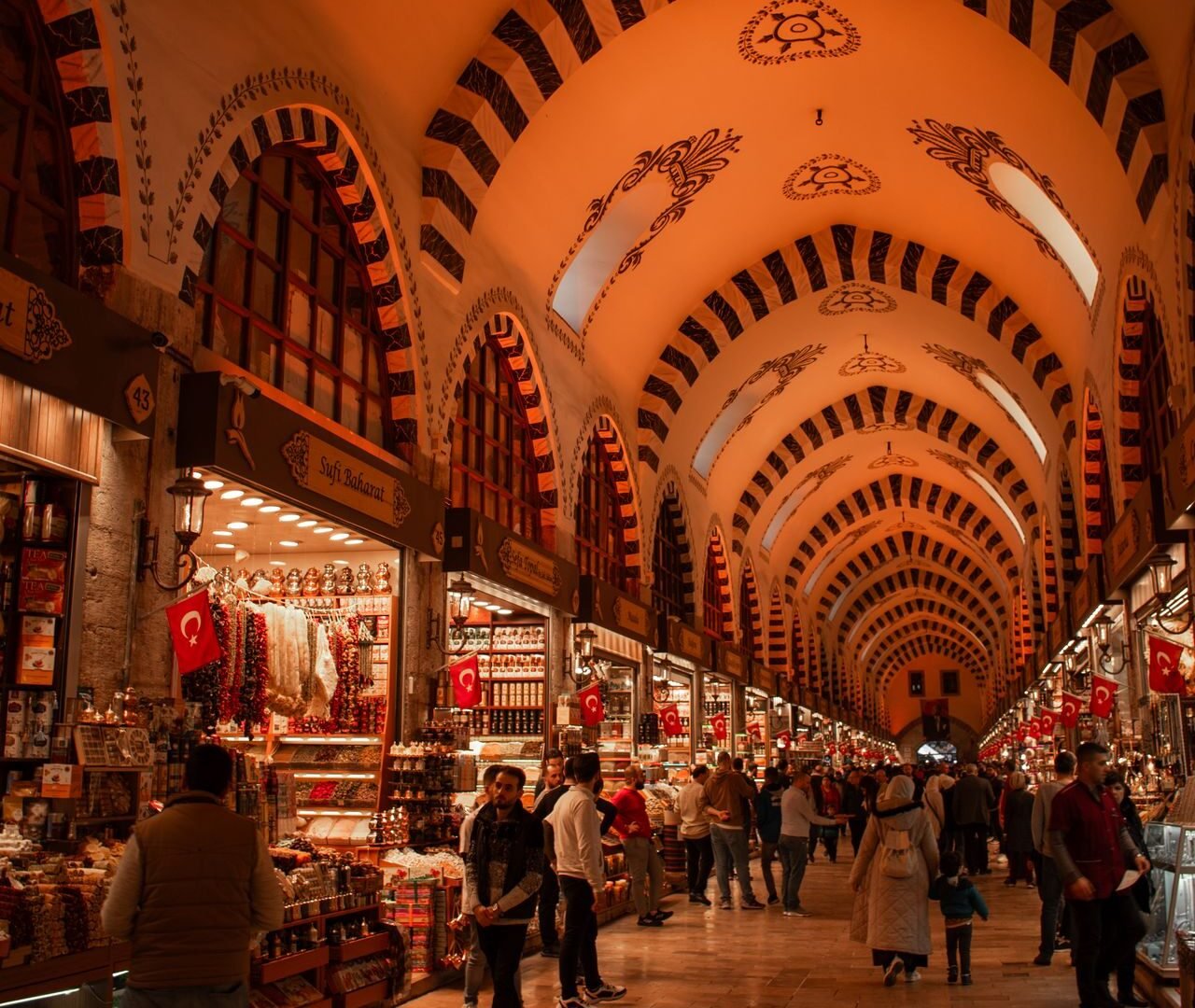
    Weaving beneath the painted ceilings puts travelers face-to-face with a remarkably complex architectural layout. The interior functions as a giant stone hive composed of over 60 covered lanes and thousands of independent stalls, structured around two highly secure central trade cores known as bedestens.

    Look past the glowing display windows to observe the ultimate marvel: rows of sweeping Byzantine-style brick arches that support massive central domes, creating high-clearance light wells that channel shafts of morning sun onto the polished stone walkways below.

    What Makes It So Popular

    This hidden geographical wonder steadily captures the imagination of overland travelers and scuba enthusiasts for several standalone pillars:

    • The Legendary Kalpakçılar Spine Viewpoint:
    The absolute hallmark of the complex is the market’s widest avenue. This bustling main avenue features a jaw-dropping corridor lined wall-to-wall with brilliant gold shops and glowing jewelry displays, serving as the ultimate spine of the market from which all other alleys branch out.

    • The Historic Beyazıt Gate Gateway:
    Marked prominently by the intricate imperial sign of Sultan Abdülhamit II, this grand stone portal features an iconic stone inscription reassuring travelers that “God loves the merchants,” offering a picture-perfect entrance into the thundering maze.

    • Cevahir Bedesten Treasure Sanctuary:
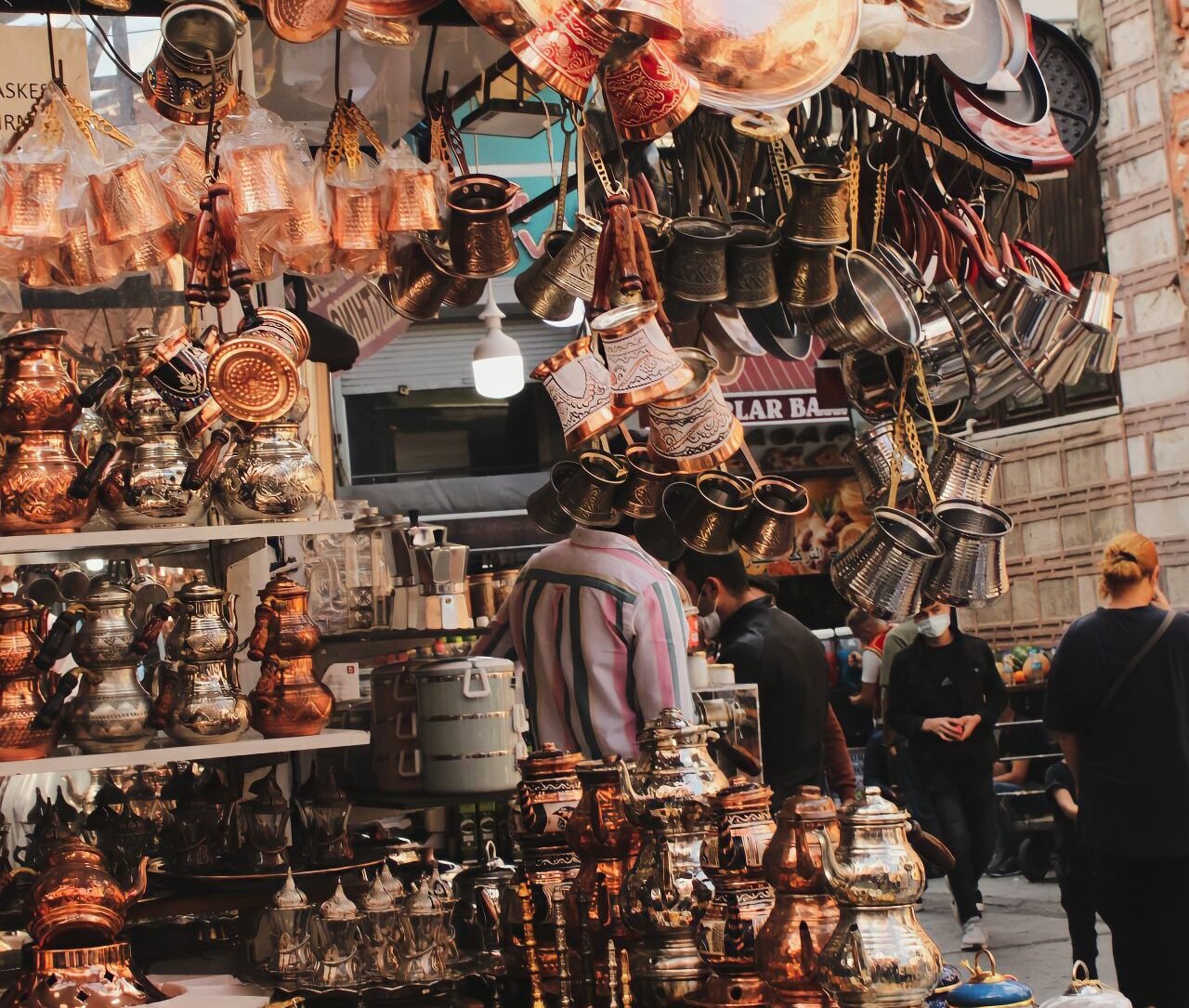
    Tucked deep within the geometric center of the complex sits the oldest structural vault in the market. Rich, historical collections of antique weapons, Ottoman coins, and intricate silver jewelry rise right up along the heavy stone pillars, providing an elite environment where travelers can reliably browse generational heirlooms.

    💡 Read Next: Ready to trade the chaotic, labyrinthine alleyways and glittering gold shops of Istanbul’s historic indoor market for the absolute peace of a Mediterranean paradise? Head south to Antalya to sunbathe alongside ancient Lycian ruins, explore hidden sea caves, and watch the legendary flames of Chimaera flicker in the dark in our ultimate guide to Olympos Beach!

    Top Experiences to Unearth

    Planning your navigation route effectively splits the covered maze into distinct, specialized trade quadrants:

    • Explore the Vibrant Sandal Bedesten Hub:
    Wander toward the northern chambers to discover a spectacular textile engineering marvel. The grand vaulted roof spans over lanes packed tight with rich Turkish rugs, hand-woven silks, and heavy embroidered garments, while local trade talk bounces off the thick stone pillars

    • Venture past the Halıcılar Carpet Lanes:
    Trek down the steep, sloping passages to encounter an incredible concentration of artisanal floor art. This zone features stack upon stack of colorful, geometric kilims and masterfully knotted wool tapestries, creating a vibrant visual texture that coats the stone walls from floor to ceiling.

    • Scrutinize the Nuruosmaniye Exit Track:
    Complete your overland loop by navigating toward the monumental eastern gate complex. The view treats you to a pleasant panoramic vista of towering white stone archways framing the courtyard of the adjoining baroque mosque, cleanly transitioning you from the frantic energy of the stalls back out into the open city square.


    If you want to experience the chaotic energy and vibrant colors of the market before you go, watch this fantastic Grand Bazaar walking tour by MJ Walking Tours and MJ City Ambience on YouTube.

    📌 Fast Facts for Your Itinerary

    📍 Location: Grand Bazaar Main Entrance, Kalpakçılar Cd. No:22, Beyazıt Mah., 34126 Fatih/İstanbul, Türkiye. Access the Metro Istanbul Network Maps and Live Fares if you are commuting from other quarters via the city’s rail network

    ⏰ Optimal Visiting Strategy: The market pulses with energy six days a week; however, plotting your arrival for the early morning window between 09:00 AM and 10:30 AM on a weekday guarantees the quietest paths, allows you to observe the traditional morning opening rituals, and helps you secure the best initial deals before the afternoon crowds arrive.

    🎫 Required Sustainability Tariffs: Stepping inside any of the 22 monumental gates remains entirely free of charge under standard 2026 municipality operations. Budgetary expenses inside the bazaar are strictly down to personal shopping, and standard transactions seamlessly accept Turkish Lira, major foreign currencies, and international credit cards.

    📱 Pro-Tip: Because the historic market lanes feature an undulating, sloping floor layout that changes elevation constantly, navigating the bazaar can be notoriously exhausting and disorienting. For maximum safety and navigation confidence, remember that walking uphill will always guide you back toward the primary exits of Beyazıt and Nuruosmaniye, download a digital offline map ahead of time, and politely accept the hot tea offered by shopkeepers—it is a traditional gesture of hospitality, carries absolutely no obligation to buy, and lets you rest your legs between intense rounds of bargaining!

    Additionally, check out the specialized layout maps featured on the Turkey Travel HQ Guide to the Grand Bazaar for exact locations of the primary historical gates, the two central bedestens, and the most popular artisan quadrants.

  • Gökpınar Gölü: Anatolia’s Hidden Paradise

    Gökpınar Gölü: Anatolia’s Hidden Paradise

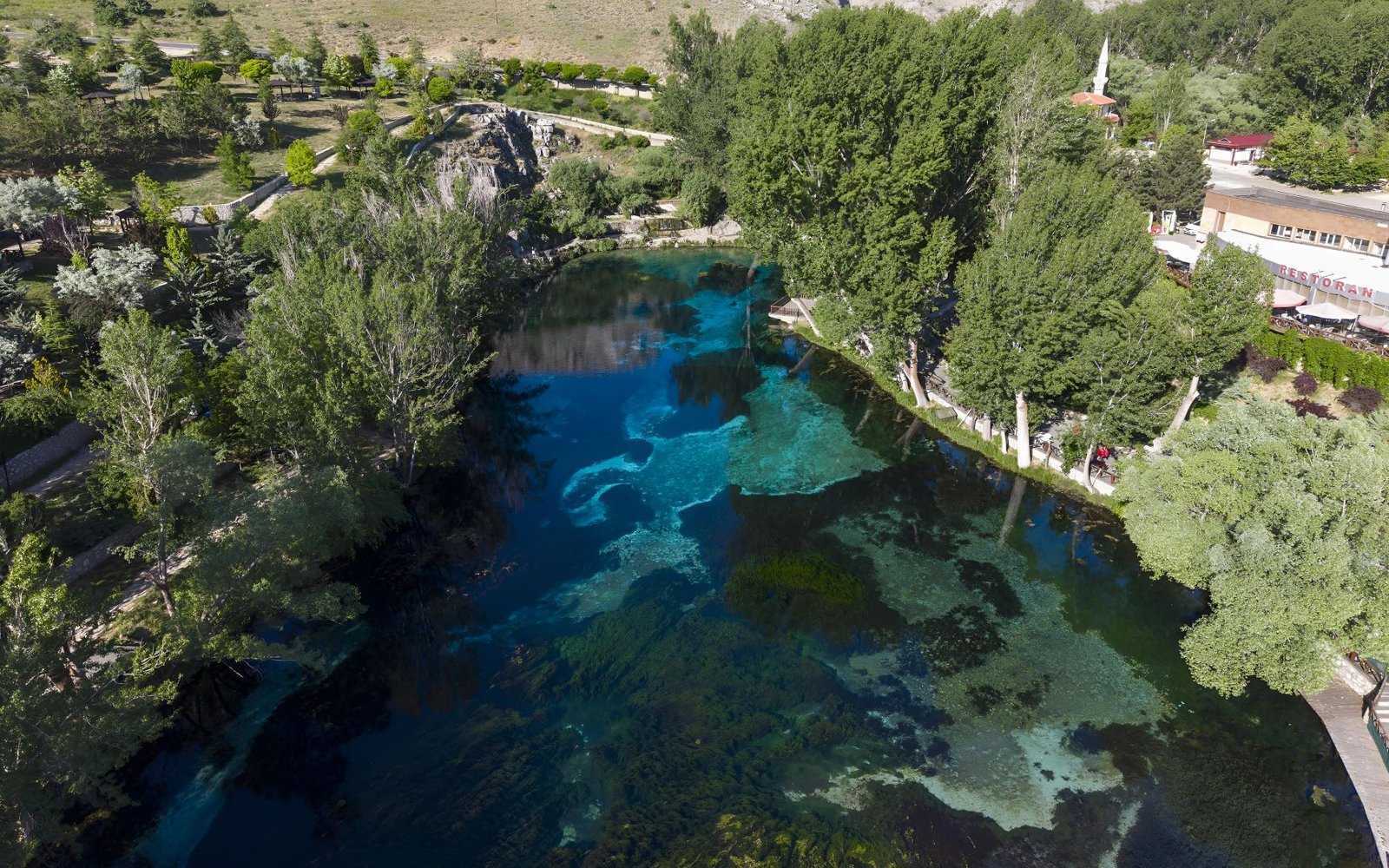
    Winding away from the sun-baked highways connecting Central Anatolia to the eastern provinces, a striking color transformation completely upends the dusty landscape of Gürün. Tucked into an isolated rocky valley where high limestone walls frame the horizon, a vivid sheet of water appears almost magically out of the dry terrain.

    Frequently described by geologists as the “evil eye amulet” of Turkey due to its impossible hues, Gökpınar Gölü (Sky Spring Lake) stands as a jaw-dropping crystal-clear sanctuary defined by deep subterranean springs, shifting turquoise horizons, and a serene, adventurous energy that invites deep exploration.

    Entirely distinct from the muddy alluvial rivers common to the province, this strictly monitored eco-preserve has entered a new era of highly calculated environmental protection under recent 2026 sustainable tourism frameworks. Administrative teams have carefully mapped out the perimeter trails, converting fragile banks into low-impact observation platforms while successfully maintaining the raw, pristine ecosystem beneath the surface.

    For travelers ready to peer down into a completely translucent liquid abyss, navigate high-altitude diving routes through sub-zero spring waters, and witness native trout darting past limestone crevices, this hidden gem represents the absolute pinnacle of Turkey’s natural landscape.

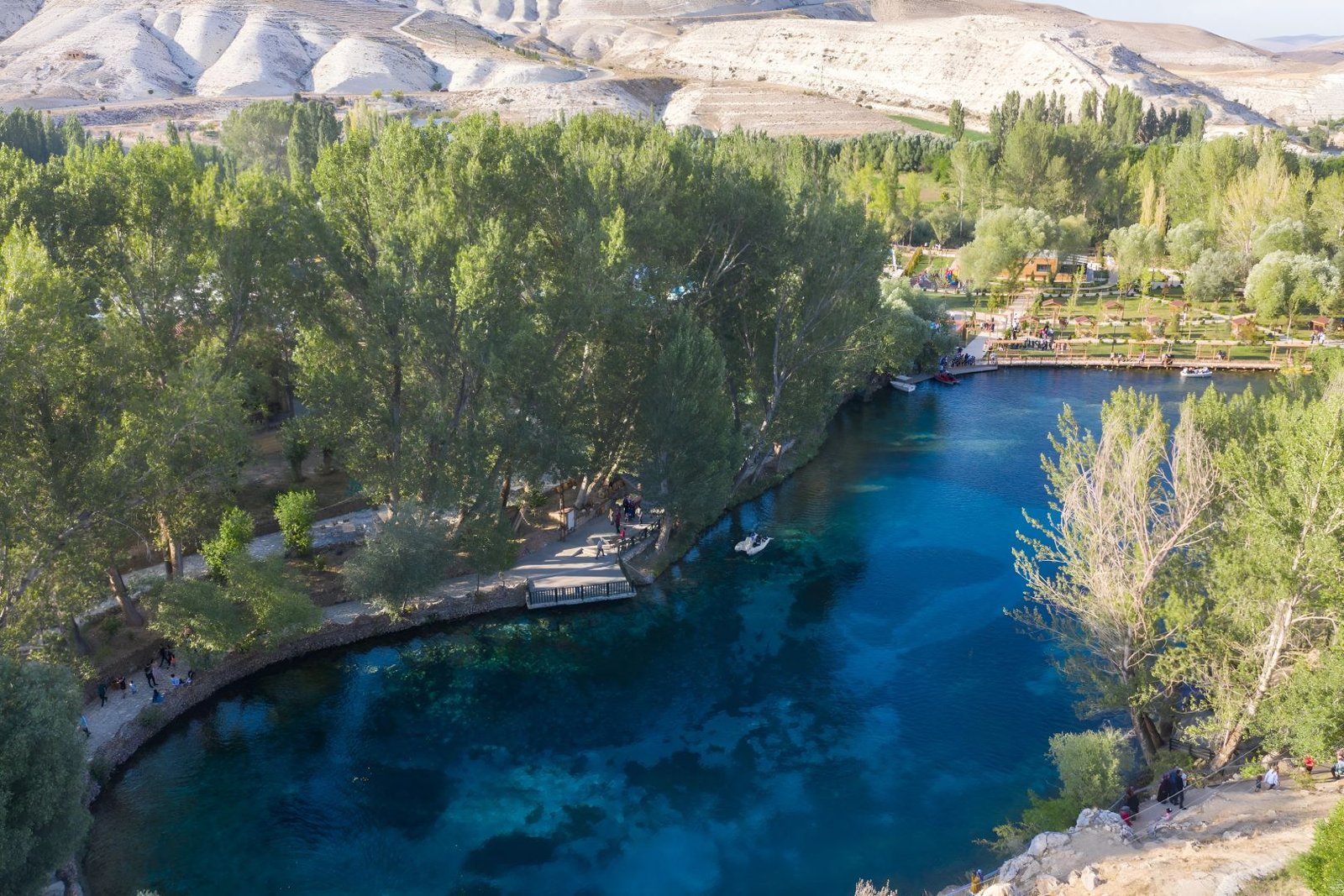
    Gökpınar Gölü presents itself flawlessly in raw, hydrogeological clarity. Far from operating as a stagnant catchment basin, the entire pool behaves like a living, breathing art installation fueled by massive underground aquifers pushing sweet, mineral-dense mountain water directly out of the valley floor.

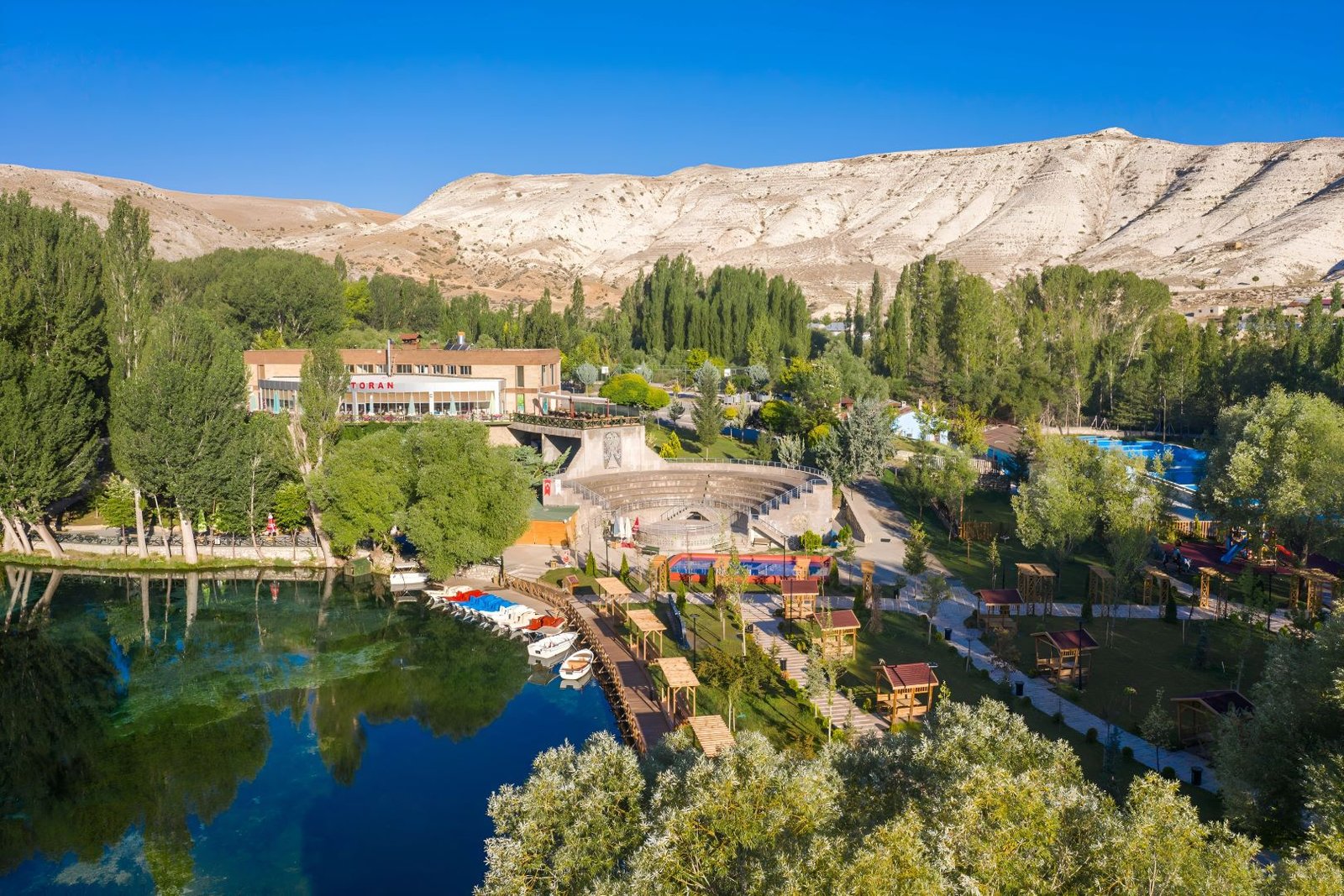
    Following the perimeter boardwalks exposes explorers to a hyper-clear visual field that challenges depth perception. The lake basin is divided into two distinct aquatic chambers—a smaller lagoon dedicated to delicate fish cultivation and a massive main pool that plunges over 15 meters deep while remaining perfectly transparent from surface to gravel bed.

    Look straight down through the glassy surface to notice how the intense, sun-lit mineral waters illuminate fields of waving green algae and deep, submerged rock chimneys, fashioning an underwater playground that looks totally decoupled from modern industrial life.

    What Makes It So Popular

    source: trthaber.com

    This hidden geographical wonder steadily captures the imagination of overland travelers and scuba enthusiasts for a few key reasons:

    •The Legendary Deep Abyss Viewpoint:
    The signature feature of the park is the thundering deep spring zone. The main pool features a unique, transparent limestone chasm where icy mountain water bubbles continuously from the earth, acting as an elite vantage point where visitors can see straight to the bottom without a single trace of distortion.

    •The Barefoot Wooden Boardwalk:
    Spanning the western rim of the preserve sits the low-profile pedestrian track, highly regarded for its intimate layout. Maintenance crews painstakingly constructed an eco-friendly walkway right against the limestone cliffs, letting travelers safely stroll along the water’s edge to watch local ducks glide across the thermal currents.

    •The Sub-Zero Scuba Sanctuary:
    The deep floor of the main pool is an internationally respected high-altitude diving zone. Freezing, mineral-rich currents rise year-round from the subterranean faults, creating a specialized ecosystem where certified divers can plung down into 11°C waters to experience world-class horizontal visibility that extends up to 40 meters. To review local registration protocols, and high-altitude safety guidelines, explore the official Go Türkiye Sivas Tourism Profile.

    💡 Read Next: Ready to trade the impossibly clear, vibrant turquoise waters of Sivas’ hidden natural mirror for a landscape that looks like a surreal frozen wonderland? Head southwest to Denizli to walk barefoot on blindingly white travertine terraces and soak in ancient thermal springs in our ultimate guide to Pamukkale, Turkey’s ‘Cotton Castle’!

    Top Experiences to Unearth

    Plotting your path through the protected park seamlessly divides your day into two distinct experiential tracks—the active water zone and the tranquil canyon wilderness:

    •Wander Into the Glass-Bottom Boat Docks:
    Head to the main launch to experience an unmatched floating perspective. The calm, turquoise water carries small wooden rowboats effortlessly over the deep spots, letting you peer down at the shifting colors while the mountain breeze sweeps across the outer valley walls.

    •Cross the Bridge at Şuğul Vadisi:
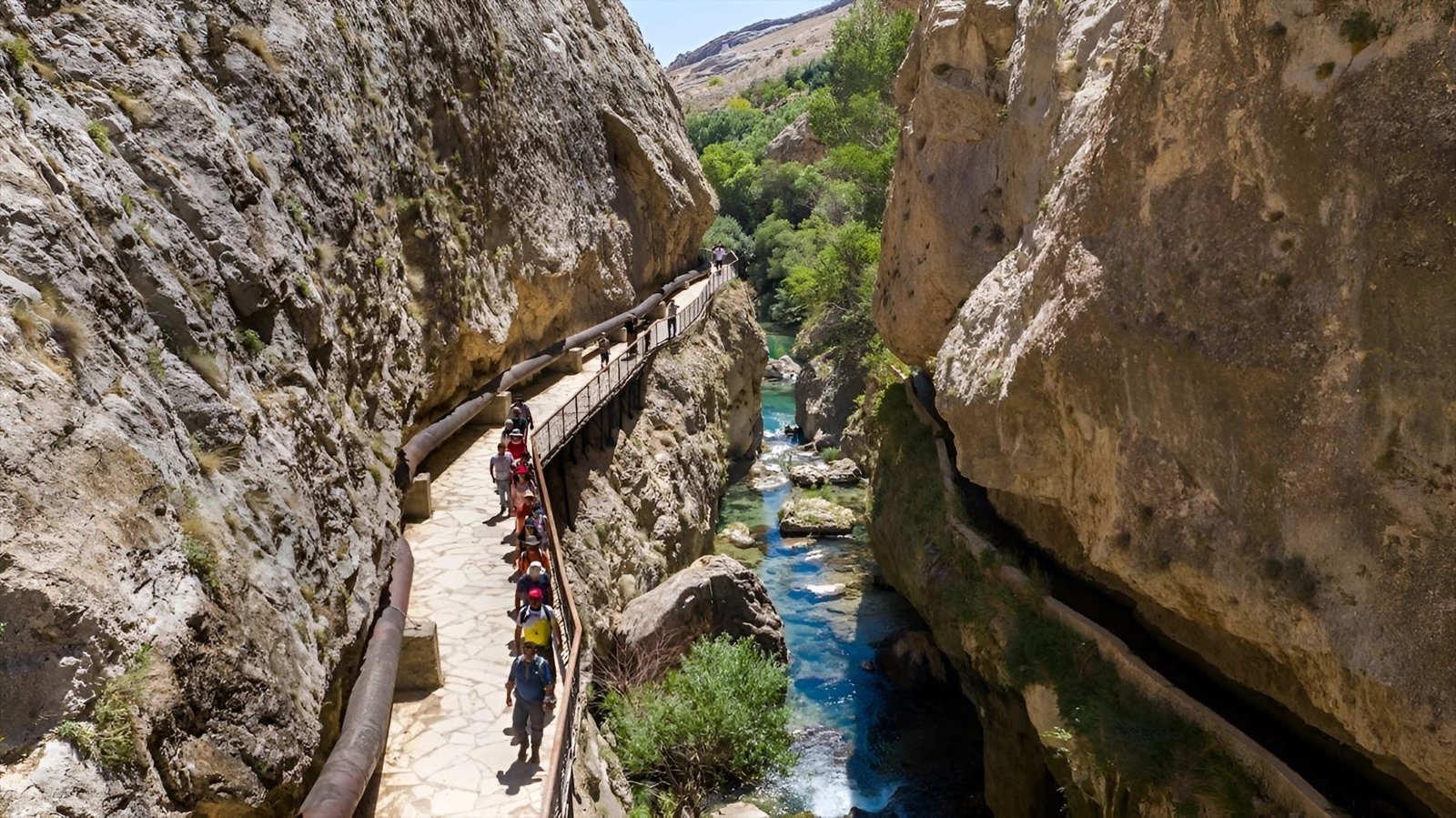
    Drive just a few kilometers down the road to discover an adjoining geological marvel. The site is a massive, sheer-sided limestone canyon that has been carved by an active river system, creating a narrow, enclosed gorge featuring a suspended walkway hung above rushing mountain streams.

    •The Lakeside Trout Enclaves:
    Cap off your journey along the park’s shaded green lawns by visiting the local dining pavilions. The view treats you to a pleasant panoramic vista of cold-water streams running past rustic picnic tables, serving up fresh, locally caught river trout cooked over open embers.

    source: trthaber.com

    📌 Fast Facts for Your Itinerary

    📍 Location: Gökpınar Gölü Tabiat Parkı Entrance, Yelken Village Road, Gürün District, Sivas, Turkey.

    ⏰ When You Should Visit: The spring colors are mesmerizing throughout the calendar; however, plotting your arrival for the early morning hours on a Tuesday or Wednesday during the summer window ensures completely still, mirror-like water reflections before weekend family picnics stir up the surface.

    🎫 Mandatory Conservation Levies: Accessing the general park facilities in 2026 operates on a standard environmental gate fee. Entry tickets cost 40 ₺ (approx. RM5) per adult traveler, while renting a private rowboat for a 30-minute excursion requires an additional hire token of roughly 150 ₺ collected directly at the pier.

    🛵 Pro-Tip: Because the lake water originates from deep underground mountain aquifers, the temperature remains a bone-chilling 11°C even during peak summer days. For maximum safety and enjoyment, skip any ideas of casual swimming without thermal gear, pack a windproof fleece jacket to handle the canyon drafts, and ensure your camera lenses are fitted with a circular polarizing filter to slice through surface glare and capture the glowing turquoise floor in all its glory!

  • Topkapı Palace Museum: A Journey Through Ottoman History

    Topkapı Palace Museum: A Journey Through Ottoman History

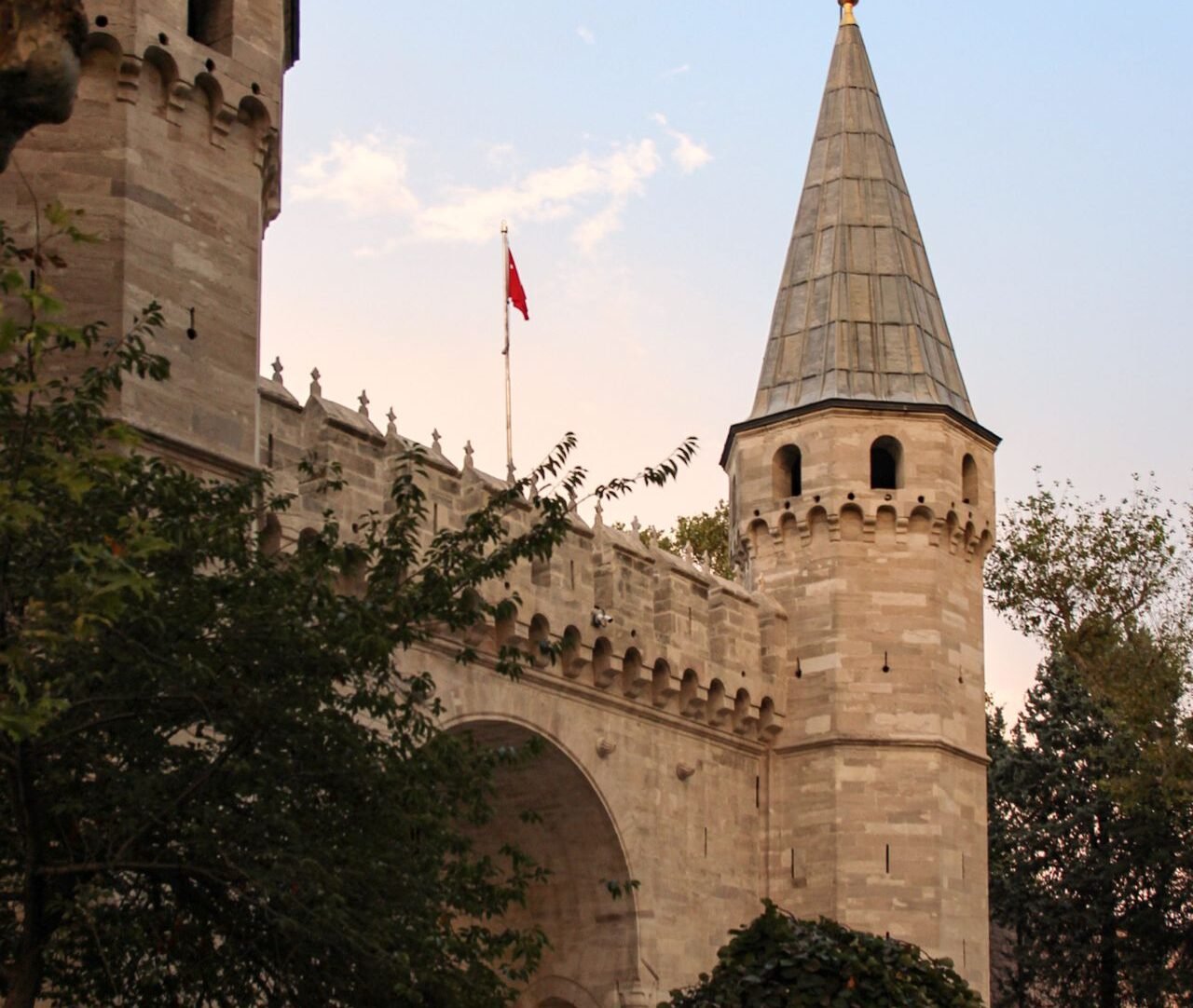
    When you approach the towering stone ramparts of the historic peninsula, the noisy city sounds of modern Istanbul quickly fade into silence. A massive, complex labyrinth of courtyards, treasury vaults, and terraced gardens spans across the ancient headland overlooking the Bosporus, revealing a destination that feels like a fortress city frozen in time.

    Rising proudly as the former administrative core of a vast empire, the Topkapı Palace Museum stands as a jaw-dropping limestone and marble sanctuary defined by towering vertical pavilions, hidden golden chambers, and a rugged, adventurous energy that keeps centuries of royal secrets alive.

    Completely distinct from the symmetrical stone palaces of Western Europe, this sprawling estate has undergone a massive digital and physical layout transformation under recent 2026 tourism management frameworks. The museum has beautifully streamlined its labyrinthine visitor pathways into a smooth, single-direction flow that safely unlocks the newly preserved royal quarters while fully retaining its raw, history-first character.

    If you want to gaze down at the swirling waters of the Golden Horn from an opulent sultan’s terrace, marvel at priceless diamonds hidden within ancient vaults, and explore the highly detailed tilework of the residential wings, this monumental sanctuary deserves a prime spot on your itinerary.

    Topkapı Palace utilizes architecture to broadcast an uncompromising message of absolute dynastic dominance. Rather than following a neat, geometric blueprint, the layout functions as an organic, growing fortress where ornate marble pavilions and sweeping dome lines run right up to the steep drops of the Istanbul coastline.

    Weaving through the manicured plazas and ancient shade trees brings travelers into close contact with a remarkably well-preserved artistic ecosystem. The complex consists of four escalating inner zones protected by massive defensive walls, where dark wood fixtures and grand porticos contrast against the bright coastal light.

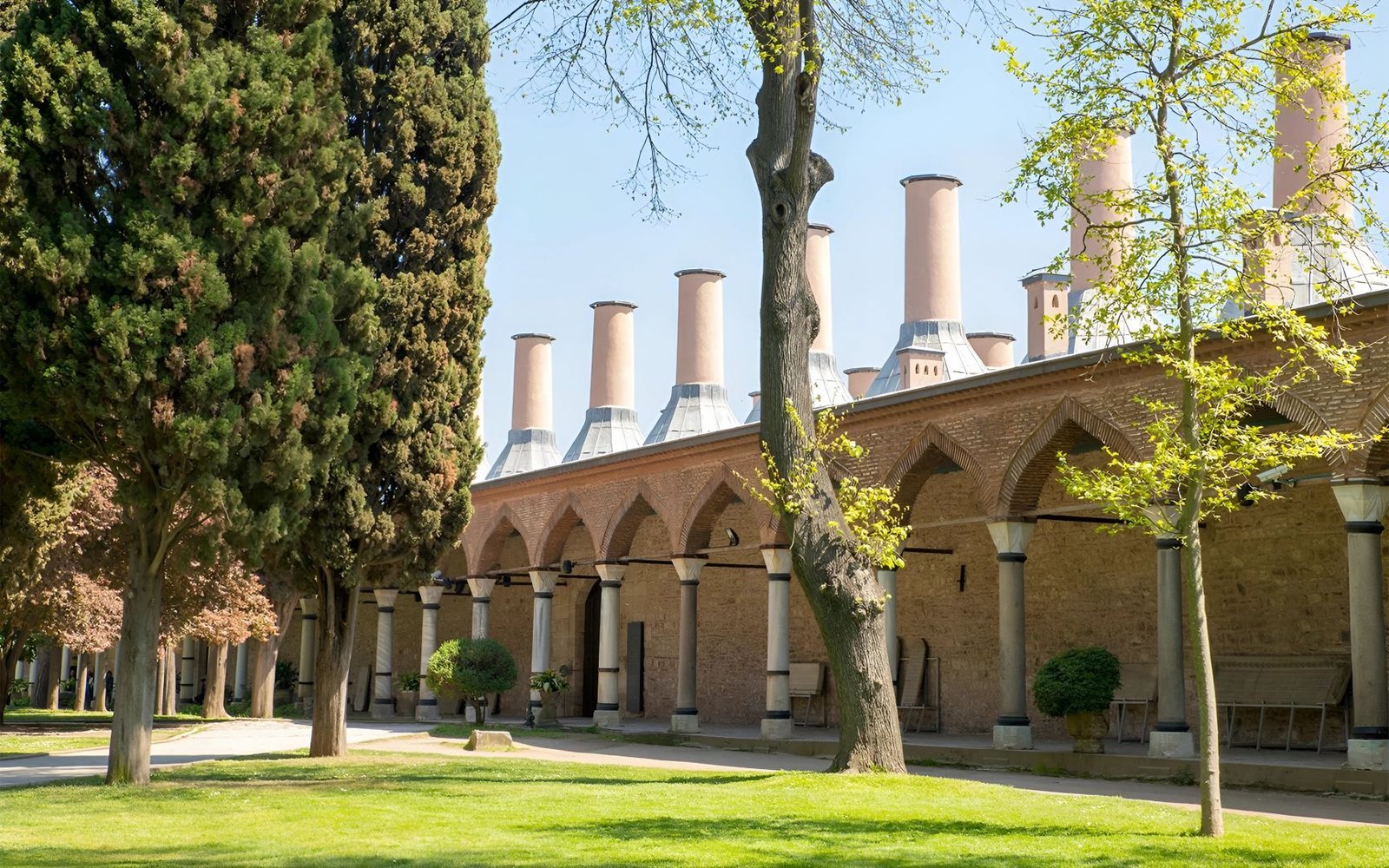
    From the edge of the polished stone lookouts, the true scale of the site becomes clear: clusters of dark grey domes and massive brick kitchen chimneys slope down toward the sea, framing panoramic views that remain essentially unchanged through the generations.

    What Makes It So Popular

    source: topkapimuseum.com

    This massive historical titan continuously dominates global travel feeds and captures the curiosity of international explorers for several distinct reasons:

    • The Legendary Baghdad Kiosk Viewpoint:
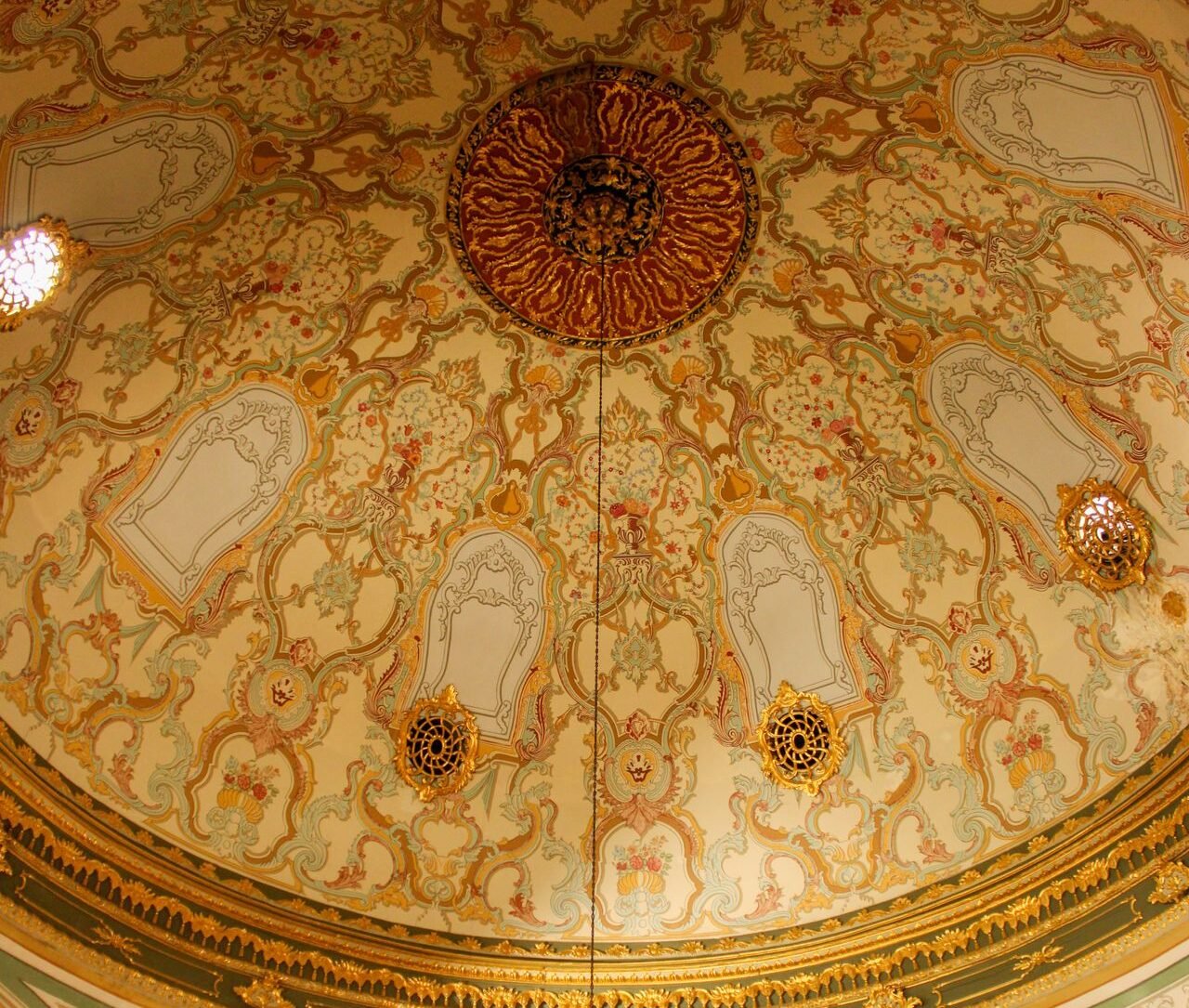
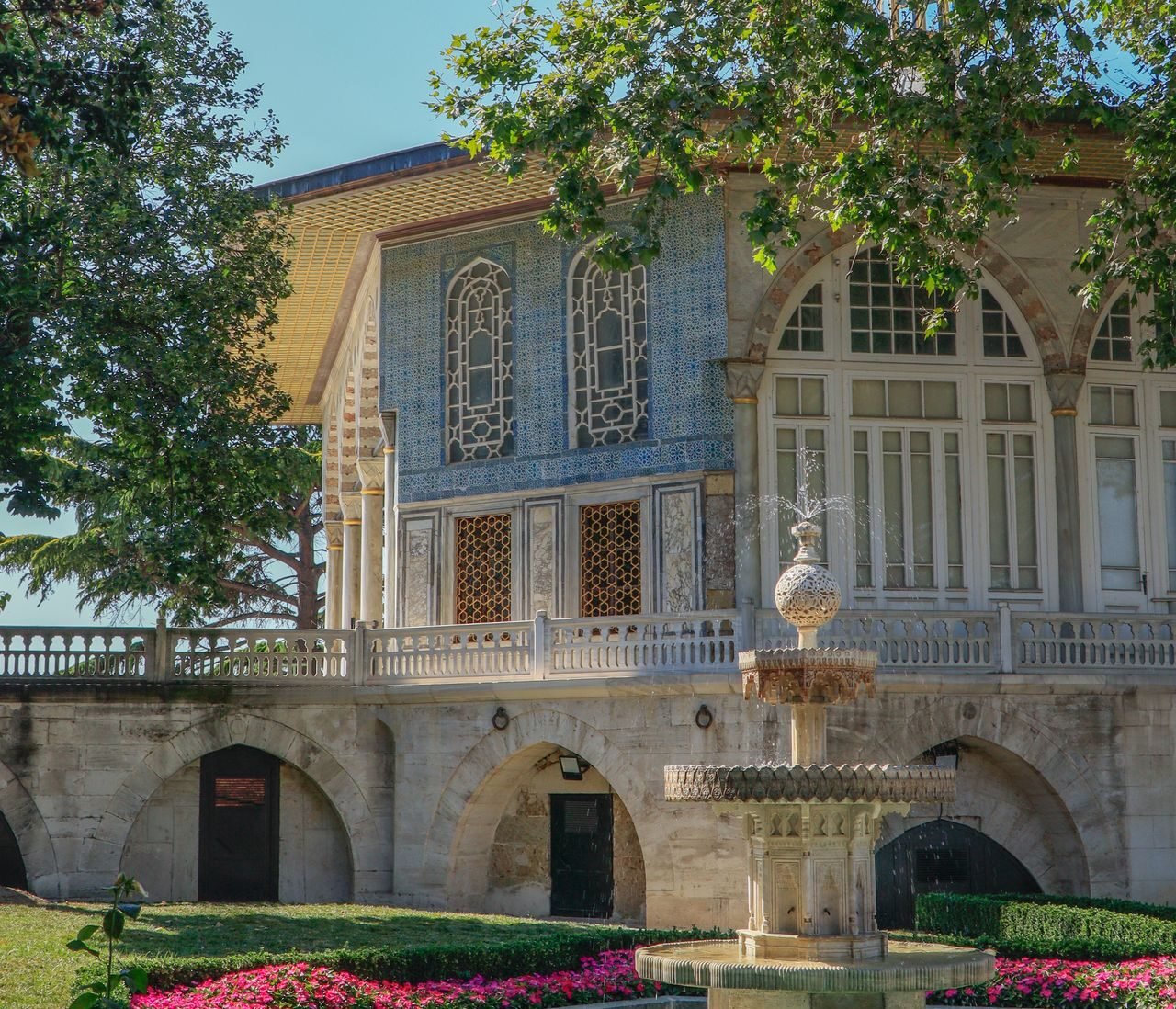
    The absolute signature of the complex is the magnificent fourth courtyard terrace. The architectural headland features a bizarre, breathtaking marble rock layout where an intricately tiled royal pavilion sits perched over the blue waters, creating a picture-perfect panorama of the city’s main waterways.

    • The Forbidden Harem Corridor:
    Tucked away on the western side of the complex lies the highly exclusive residential zone, universally famous for its dramatic, jaw-dropping layout. Builders painstakingly lined a network of winding stone passages with hundreds of vibrant, blue-green Iznik tiles, enabling modern travelers to safely explore the private domain of the sultan’s household. To understand the complex social rules of this royal residential block, you can consult the Turkey Travel HQ Guide to Topkapi Palace Harem before heading inside.

    • The Imperial Treasury Vault Sanctuary:
    Located in the historic rooms of the inner courtyard is a globally revered heritage protected zone. Glittering glass display cases showcase massive troves of precious gems and weaponry, giving visitors year-round access to legendary historical artifacts like the massive, 86-carat Spoonmaker’s Diamond.

    💡 Read Next: Ready to trade the opulent sultans’ chambers and glittering crown jewels of Istanbul’s grandest palace for a hidden oasis of rushing, turquoise waters? Head deep into the Turkish wilderness to walk suspended canyon trails and discover a spectacular, moss-draped curtain of cascading water in our ultimate guide to Yerköprü Waterfall!

    Top Experiences to Unearth

    Planning your navigation track through the estate effectively divides your day into two main segments—the civic outer spaces and the intimate inner sanctuaries:

    • Wander Into the Royal Kitchen Complexes:
    Explore the lower eastern edge of the grounds to marvel at an incredible culinary engineering achievement. A long row of twenty pointed stone chimneys catches the sea breeze, guiding you past massive hearths and ancient copper cauldrons while the coastal winds hit the exterior fortress walls.

    • Cross the Bridge at the Imperial Council Hall:
    Head just past the Gate of Salutation to discover a beautiful example of political architecture. The structure features a wide, shaded veranda and heavily barred windows where grand viziers once debated national laws under the covert gaze of the sultan.

    • Browse the Fourth Courtyard Gardens:
    Conclude your loop along the northern edge by climbing up the stone terraces that look over the parkland below. The viewpoint treats you to a staggering panoramic vista of deep green cypress trees framing the water, perfectly recreating the atmosphere of an elite imperial retreat.

    source: topkapi-tickets.com

    📌 Fast Facts for Your Itinerary

    📍 Gateway Location: Topkapı Palace Museum Front Gate, Babı Hümayun Street, Cankurtaran Quarter, Fatih, Istanbul, Turkey.

    ⏰ Best Time to Visit: The site offers a fantastic experience throughout the year; however, try to arrive right at the 09:00 AM opening window as it guarantees an easy passage through the front gates and lets you walk the narrow Harem rooms well ahead of the massive tour groups.

    🎫 Entrance Fees: Under the updated 2026 pricing schedule, international travelers purchase a comprehensive ticket that includes the Main Palace, the Harem, and the Hagia Irene church. The strict regional tourism fee is set at 2,750 ₺ (approx. RM360) per adult, with free admission granted to children under 6 who have passport verification. Because ticket lines at the ticket windows can easily exceed an hour during peak times, foreign visitors are highly encouraged to purchase their entry passes directly from the official Turkish Ministry of Culture and Tourism Muze Portal to ensure safe, authorized entry and skip the queue lines.


    🛵 Pro-Tip: Because the historic courtyards are built out of centuries-old, weathered cobblestones, the walkways throughout the palace are notoriously uneven, steep, and hard on the feet. For maximum safety and long-lasting comfort, make sure to wear sturdy walking shoes, bring a fully charged phone to download the official audio app via the gate QR codes, and toss a pair of personal headphones into your pack so you can listen hands-free while navigating the crowds!

  • Unveiling Wae Rebo: Flores’ Mystical Village in the Clouds

    Unveiling Wae Rebo: Flores’ Mystical Village in the Clouds

    Stepping off the luxury liveaboard dive boats in Labuan Bajo typically routes travelers to pristine coral reefs or sun-drenched savannahs. Conversely, the true cultural heart of Flores lies hidden high within a misty volcanic valley. Perched at an altitude of 1,200 meters in the rugged Manggarai highlands, Wae Rebo Village is a jaw-dropping, UNESCO-awarded eco-sanctuary that stands as one of Indonesia’s most secluded traditional treasures.

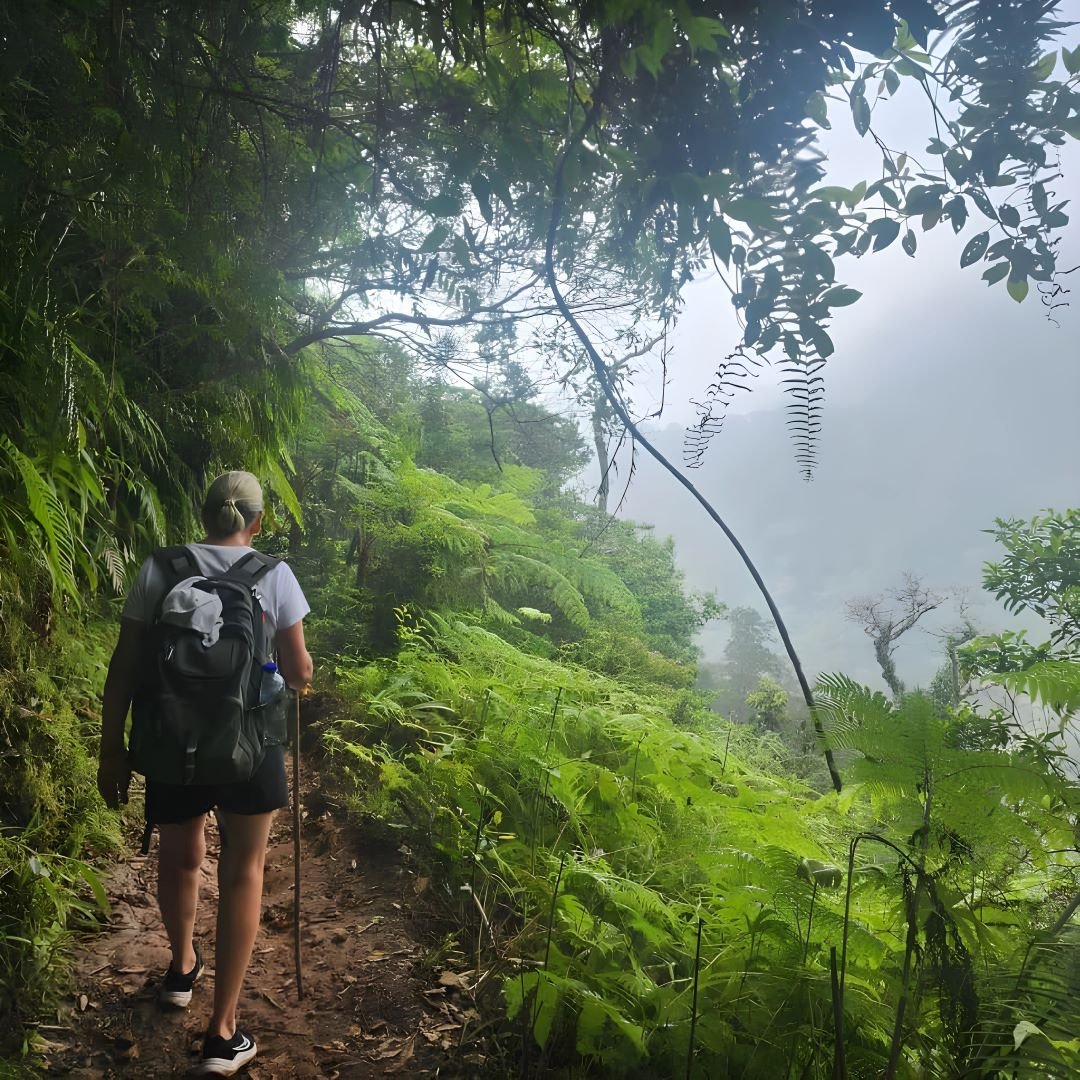
    Inhabited by the indigenous Manggarai tribe for over 18 generations, this remote village is famously dubbed the “Village Above the Clouds” due to the dramatic fog that pours over the surrounding mountain ridges each day. Because the village is completely inaccessible by conventional roads, visiting requires a multi-hour mountain trek through primary rainforest.

    If you are ready to ditch your mobile signal, sleep inside a towering thatched roundhouse, and immerse yourself in pure ancestral living, here is why this magical sanctuary should be your next stop.

    source: getyourguide.com

    Wae Rebo is set inside a dramatic, bowl-shaped mountain valley surrounded by dense tropical forests and the steep slopes of the Pocoroko mountains. Because the community is fiercely dedicated to environmental conservation, the entire precinct functions as a completely unpolluted, self-sustaining ecosystem rich in unique vegetation, singing mountain birds, and wild mountain orchids.

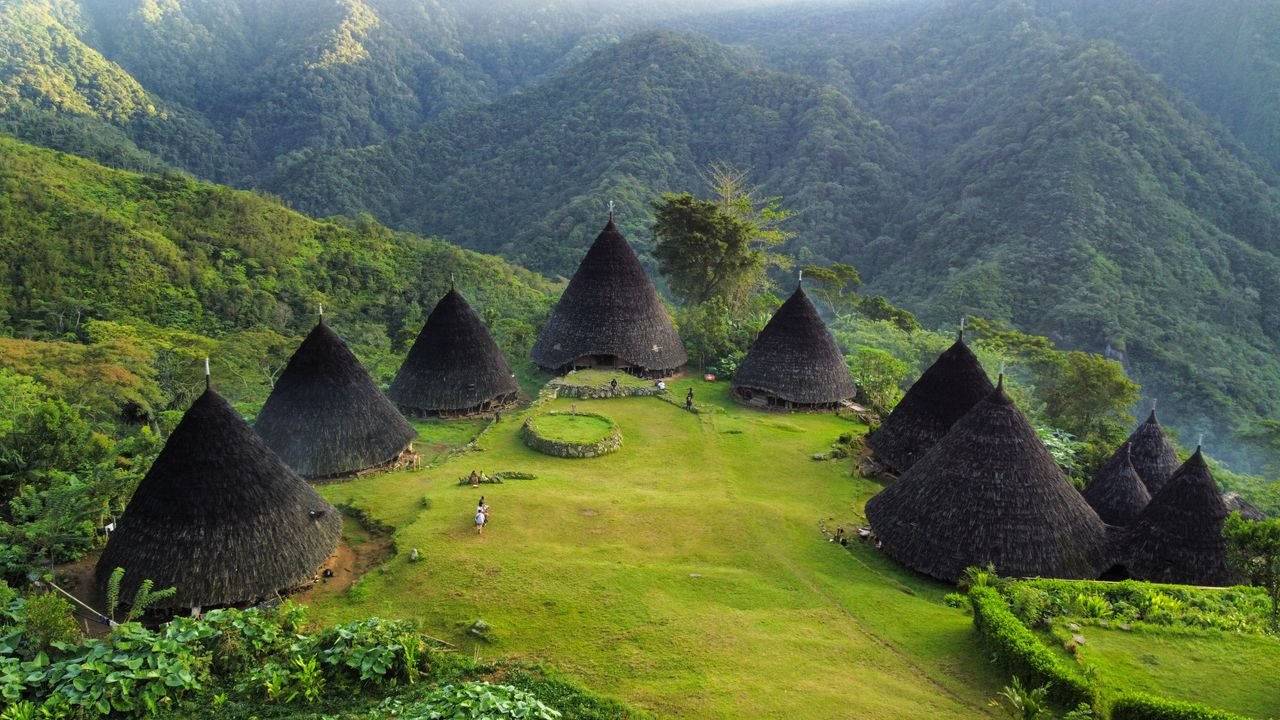
    The defining visual marvel of the village is its architecture. Wae Rebo features an unbroken circle of exactly seven conical, five-story houses known as Mbaru Niang. Hand-built entirely from local timber and thick bamboo without a single metal nail, these structures are wrapped in heavy layers of lontar palm thatch that stretch from the roof apex nearly all the way to the grassy floor. For a detailed breakdown of what each of the five levels represents—from the Lutur living quarters up to the sacred Hekang Kode peak—explore the Indonesia Travel Wae Rebo Architectural and Destination Guide. Additionally, the center of the village is anchored by a sacred stone altar (compang), which acts as the absolute spiritual core for the entire 1,200-person community.

    Why It Is Popular

    source: medium.com

    This hidden highland community stands as a global beacon for sustainable heritage preservation, drawing eco-travelers for several massive reasons:

    • The UNESCO Top Honor:
    Wae Rebo gained international fame after winning the prestigious Award of Excellence at the UNESCO Asia-Pacific Heritage Awards. This honor explicitly celebrated the community’s successful cooperation in rebuilding their ancient Mbaru Niang structures using entirely traditional methods.

    • The Sacred Wael Lu’u Welcome:
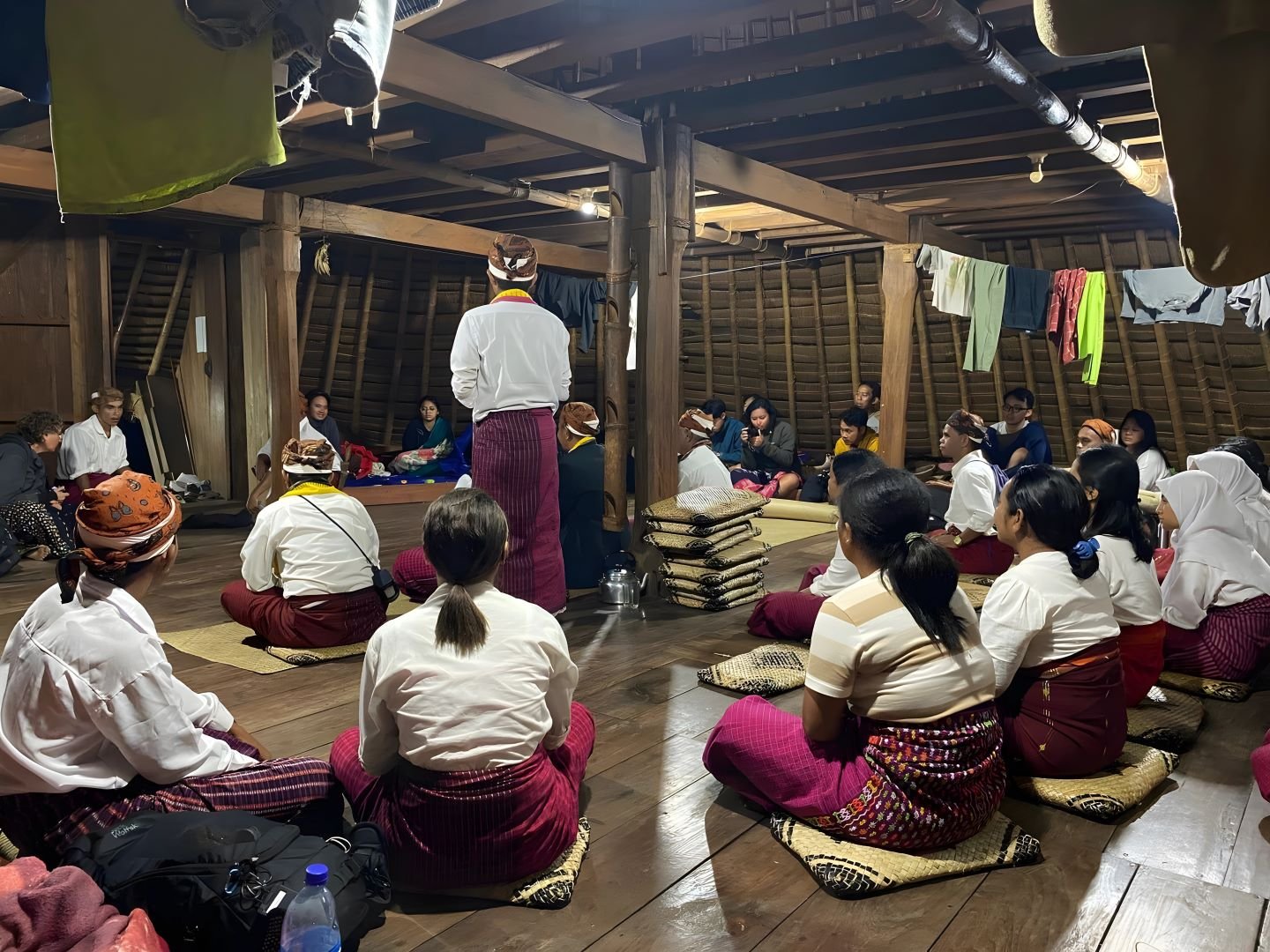
    You cannot simply wander into the village to take photographs. Every visitor is formally guided to the main chief’s house to undergo a mandatory ancestral permission ceremony (Wael Lu’u) where the village spirits are asked to bless and protect you during your stay.

    • World-Class Organic Arabica Coffee:
    The village is globally famous among coffee connoisseurs. The primary economy of the mountain farmers relies on harvesting premium Arabica and Robusta beans shade-grown right in the surrounding forests, which are dried by hand on mats in the center plaza. For those interested, you can learn more about how ecotourism directly helps fund the village welfare and agricultural preservation, look through the Komodo Guide Wae Rebo Cultural Landscape Assessment.

    💡 Read Next: Ready to trade the misty, cone-shaped thatch roofs of Flores’ isolated mountain village for the soaring domes and centuries of empire-shifting history? Head across the continents to Turkey to witness the breathtaking fusion of Christian mosaics and Islamic calligraphy in our ultimate guide to the Hagia Sophia Mosque in Istanbul!


    Local Things to Experience Here

    source: getyourguide.com

    Committing to a two-day, one-night overland trip deep into the Manggarai district rewards you with an incredibly raw and authentic travel experience:

    • Experience Overnight Mbaru Niang Living:
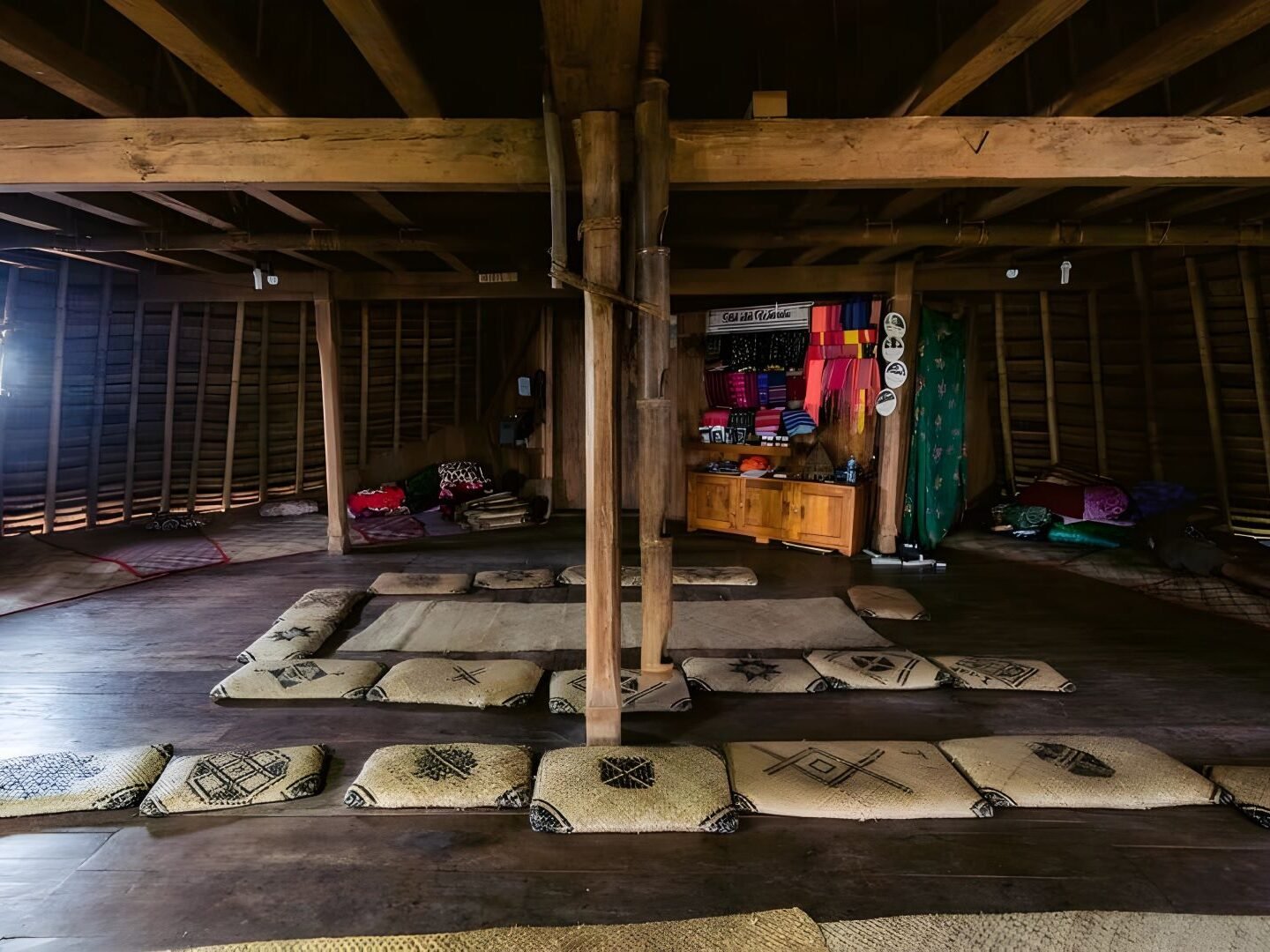
    The village allocates two of its seven massive roundhouses exclusively to host international guests. You will sleep comfortably on traditional shared floor mattresses, feast on simple, freshly prepared local stews, and fall asleep under a completely unpolluted night sky thick with stars.

    • Sample Fresh Highland Coffee:
    Settle onto the wooden benches to enjoy a hot cup of authentic Wae Rebo coffee brewed straight from the morning’s roast, typically paired with sweet fried bananas prepared by the local families.

    • Photograph the Morning Cloud Pour:
    Rise at 5:30 AM to stand on the central lawns. Watch the sunlight break over the ridge lines, illuminating the smoke rising from the conical roofs as the dense morning fog slowly rolls across the shelf of grass.

    Check out this fantastic guide by YouTube creator HanzEleven for a look at the actual trekking path leading to Wae Rebo Village and their experience staying there!

    📌 Fast Facts for Your Itinerary

    📍 Trailhead Location: Denge Village, Satar Mese Barat, Manggarai Regency, Flores, East Nusa Tenggara, Indonesia

    ⏰ No Signal Coverage: To preserve the isolation of the sanctuary, there is zero mobile phone or cellular signal in the valley. Central electricity via generators is strictly managed and only turned on from 6:00 PM to 10:00 PM daily, so ensure your power banks are fully topped up before hiking!

    🎫 Entry & Overnight Fees: The total mandatory community tariff is structured as follows: IDR 200,000 (approx. RM55) for Day Visitors (includes the welcome ceremony and local coffee) and IDR 325,000 to IDR 500,000 (approx. RM90 to RM140) for the complete Overnight Package inclusive of communal lodging, bedding, dinner, and breakfast.

    🥾 The Transit & Trek Breakdown: Getting here requires a 4-to-5 hour private car drive from Labuan Bajo to Denge Village. From Denge, you can pay a tiny fee for a quick 10-minute Ojek (motorcycle taxi) ride to bypass the initial steep concrete road, saving your legs for the main 5-kilometer uphill forest hike which takes roughly 1.5 to 3 hours depending on your fitness level. Sturdy hiking boots with deep traction are absolutely mandatory, as the rocky forest tracks get incredibly muddy and slick!

  • Minangkabau Heartland: West Sumatra’s Spectacular Kingdom of Spired Roofs

    Minangkabau Heartland: West Sumatra’s Spectacular Kingdom of Spired Roofs

    Feasting on ocean-fresh seafood along the Padang beach esplanade and watching the waves roll in from the Indian Ocean are incredible coastal experiences, but the true majestic soul of West Sumatra lies high up in the mountains. Anchored beautifully across the highland plains, the Minangkabau Heartland is a breathtaking region defined by soaring buffalo-horn architecture, legendary spicy culinary arts, and the world’s largest thriving matrilineal society.

    Stretching from the bustling transit hub of Padang up into the historic mountain towns of Bukittinggi and Batusangkar, this cultural powerhouse has beautifully preserved its ancient customary laws (Adat). It is an incredibly rich, misty playground where grand timber palaces sit proudly against active volcanic peaks. You can check out the comprehensive region profiles on the Official Indonesia Tourism West Sumatra Guide.

    If you are ready to stand inside a matriarchal longhouse, trace the origins of the world’s most famous beef rendang, and witness mind-bending martial arts, here is why this Sumatran sanctuary deserves a premier spot on your itinerary.

    source: airial.travel

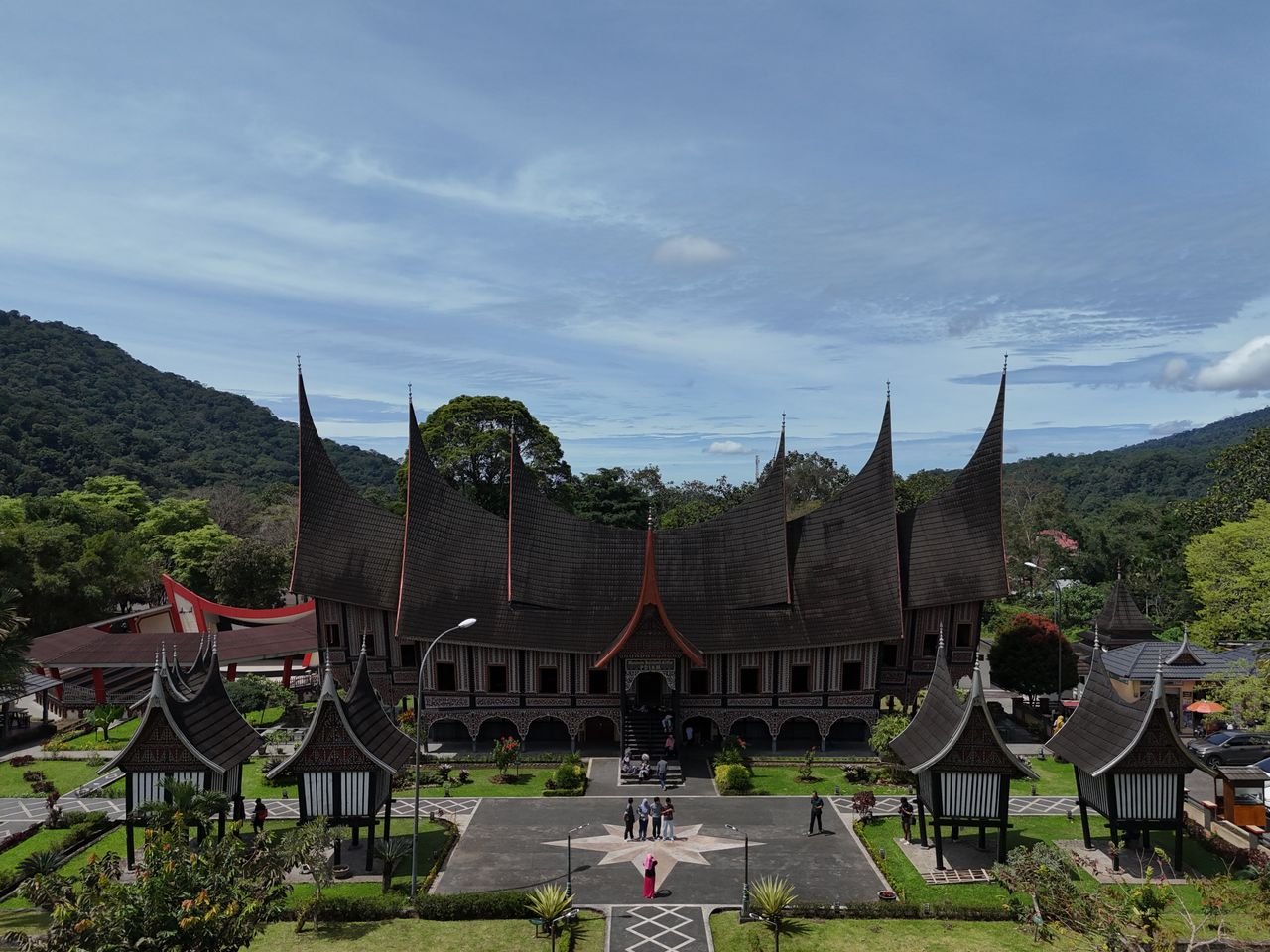
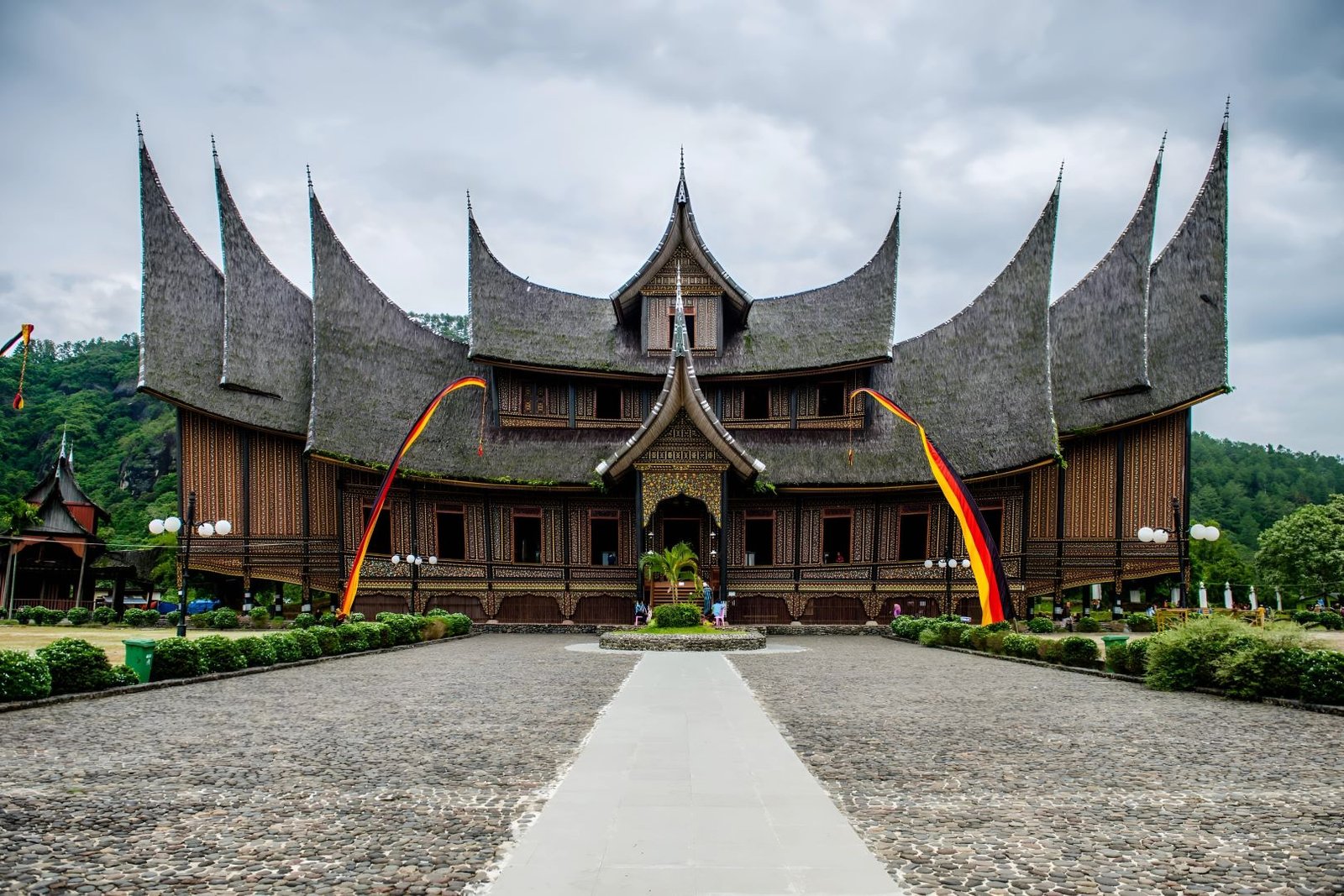
    The Minangkabau culture treats architecture as a fluid canvas of tribal history and deep respect for nature. The defining visual marvel of the region is the Rumah Gadang (Big House), a traditional clan residence built completely out of weather-resistant hardwoods without using a single iron nail, designed to flex safely during earthquakes.

    Stepping onto a palace compound allows you to appreciate its spectacular silhouette. The roofs sweep dramatically upward into sharp, curved peaks modeled directly after the horns of a water buffalo (gonjong), commemorating a legendary historical victory where a clever local buffalo outsmarted an invading kingdom’s giant beast.

    The outer timber panels are covered in extensive geometric wood carvings painted in royal gold, crimson, and black, with each floral pattern symbolizing a specific moral lesson from the community’s ancestral laws.

    The Secret Behind Its Appeal

    source: 1001resepnusantara.com

    This highland cultural pocket continuously captures the fascination of anthropologists, foodies, and eco-travelers for several massive reasons:

    • The Matriarchal Kingdom:
    The Minangkabau proudly stand as the largest matrilineal society on Earth. Property, family names, and ancestral land pass directly from mothers to daughters. You can read a thorough anthropological breakdown of this dynamic on the Britannica Minangkabau History and Matrilineal Culture Page. While men manage political and religious spheres, the women hold absolute veto power over tribal assets, ensuring an incredibly balanced, communal framework.

    • The True Home of Rendang:
    Padang is the undisputed culinary capital of Indonesia. It is the birthplace of Nasi Padang and Beef Rendang—slow-simmered for hours in rich coconut milk and local spices until it achieves a deep, dark caramel texture. The unique Hidang service style relies on waiters stack-serving dozens of dynamic plates right onto your table, charging you only for what you eat.

    • The Sianok Geo-Park Extension:
    The region has seen a massive surge in modern eco-tourism. The dramatic canyon landscapes of Sianok Gorge have been thoroughly integrated into the West Sumatra Geo-Park trail framework, giving travelers premium access to world-class hiking, mountain biking, and volcanic sightseeing loops. Plan your hiking or volcanic sightseeing routes through the official Indonesia Travel West Sumatra Hub.

    💡 Read Next: Ready to trade the high-altitude spired roofs and spicy rendang kitchens of West Sumatra for the aromatic lanes and red lanterns of Java’s oldest cultural enclave? Head south to explore our ultimate guide to Jakarta’s historic Glodok Chinatown!

    Local Highlights and Attractions

    Structuring your overland route from the coast into the mountains yields a spectacular sequence of cultural and natural stops:

    • Marvel at Istano Basa Pagaruyung:
    Head to Batusangkar to explore this colossal, three-story replica of the grand royal palace. Settle inside its grand galleries to admire royal thrones, hand-woven songket silk drapes, and an incredible collection of historic weapons.

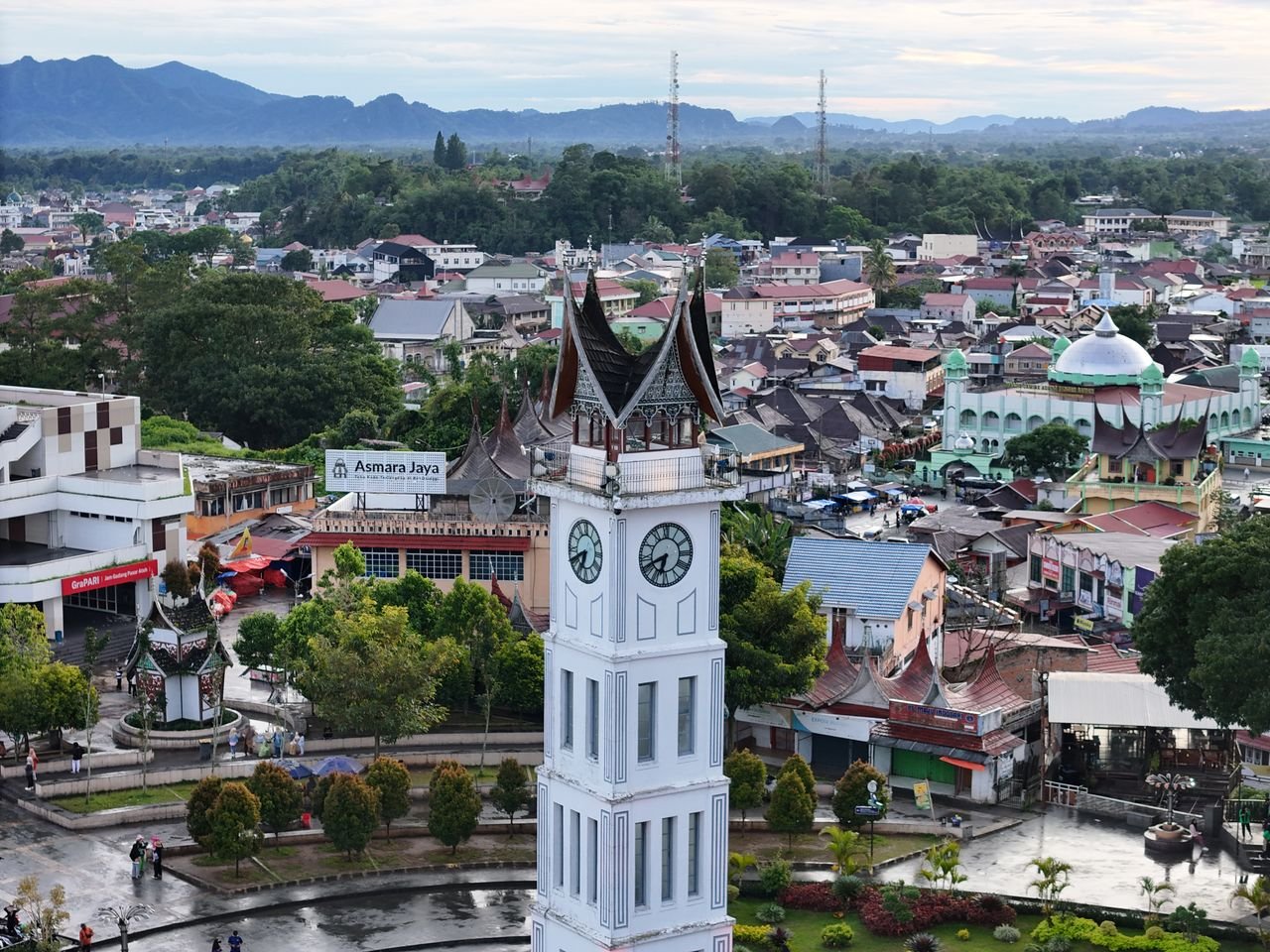
    • Explore Bukittinggi’s Clock Tower (Jam Gadang):
    Stop right in the center of the mountain capital to view its iconic 1926 clock tower, topped with a gorgeous Minangkabau roof. The surrounding plaza is a lively community hub lined with local markets selling authentic embroidery.

    • Catch the Thrilling Tari Piring:
    Arrange a cultural evening showcase to witness the spectacular Plate Dance. Dancers move with dizzying speed while balancing ceramic plates on their open palms, culminating in a dramatic finale where they leap barefoot directly onto piles of jagged, broken glass shards without taking a single scratch!

    📌 Fast Facts for Your Itinerary

    📍 Gateway Location: Minangkabau International Airport (PDG), Ketaping, Padang Pariaman Regency, West Sumatra

    ⏰ Best Time to Visit: The highlands are incredibly lush all year round; however, aiming for the dry months between May and September ensures clear mountain roads and optimal visibility for trekking through the gorges.

    🎫 Admission & Museum Tariffs: Exploring the towns and public plazas is completely free. Mandatory entry donations for major historical palaces like Pagaruyung are priced around IDR 15,000 to IDR 25,000 (approx. RM4 to RM7) for domestic visitors and international travelers alike.

    🥾 Pro-Tip: The mountain roads winding from Padang up to Bukittinggi are notoriously steep, narrow, and prone to heavy tropical rain fog. Skip the stress of public buses and hire a private local driver for your overland loop—it is incredibly affordable, ensures maximum safety, and lets you pull over instantly whenever you spot a beautiful spired roof cutting through the morning mist!

  • Masjid Raya Al-Jabbar: West Java’s Floating, Translucent Wonder

    Masjid Raya Al-Jabbar: West Java’s Floating, Translucent Wonder

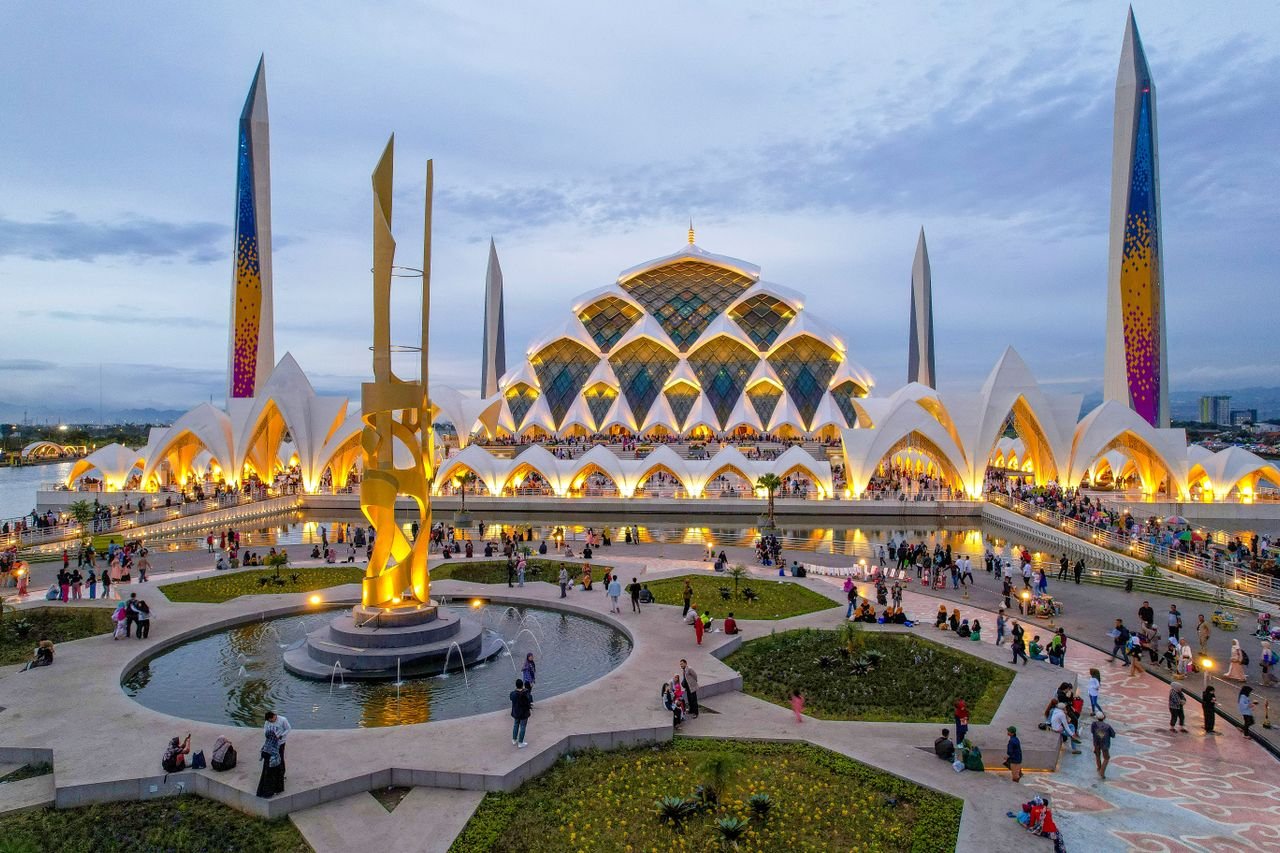
    Sipping hot local tea overlooking the rolling hills of Lembang and checking out vintage art-deco streets are absolute staples of a Bandung getaway, but the true majestic anchor of the region’s modern spirit commands the eastern plains. Rising grandly over a massive 25-hectare lake basin in Gedebage, the Masjid Raya Al-Jabbar is a jaw-dropping, futuristic floating marvel that has fast become the definitive contemporary icon of West Java.

    Designed by the brilliant architectural mind of Ridwan Kamil and officially launched to the public after years of precision engineering, this monumental sanctuary fits up to 60,000 worshippers across its vast grounds. Fusing complex mathematical patterns with local Sudanese weaving traditions, it completely ditches standard domes and columns for a structure that looks straight out of a science-fiction epic.

    If you are ready to stand inside a column-free glass fortress, wander along illuminated floating plazas, and dive into state-of-the-art heritage museums, here is why this floating jewel deserves a spot on your travel blueprint.

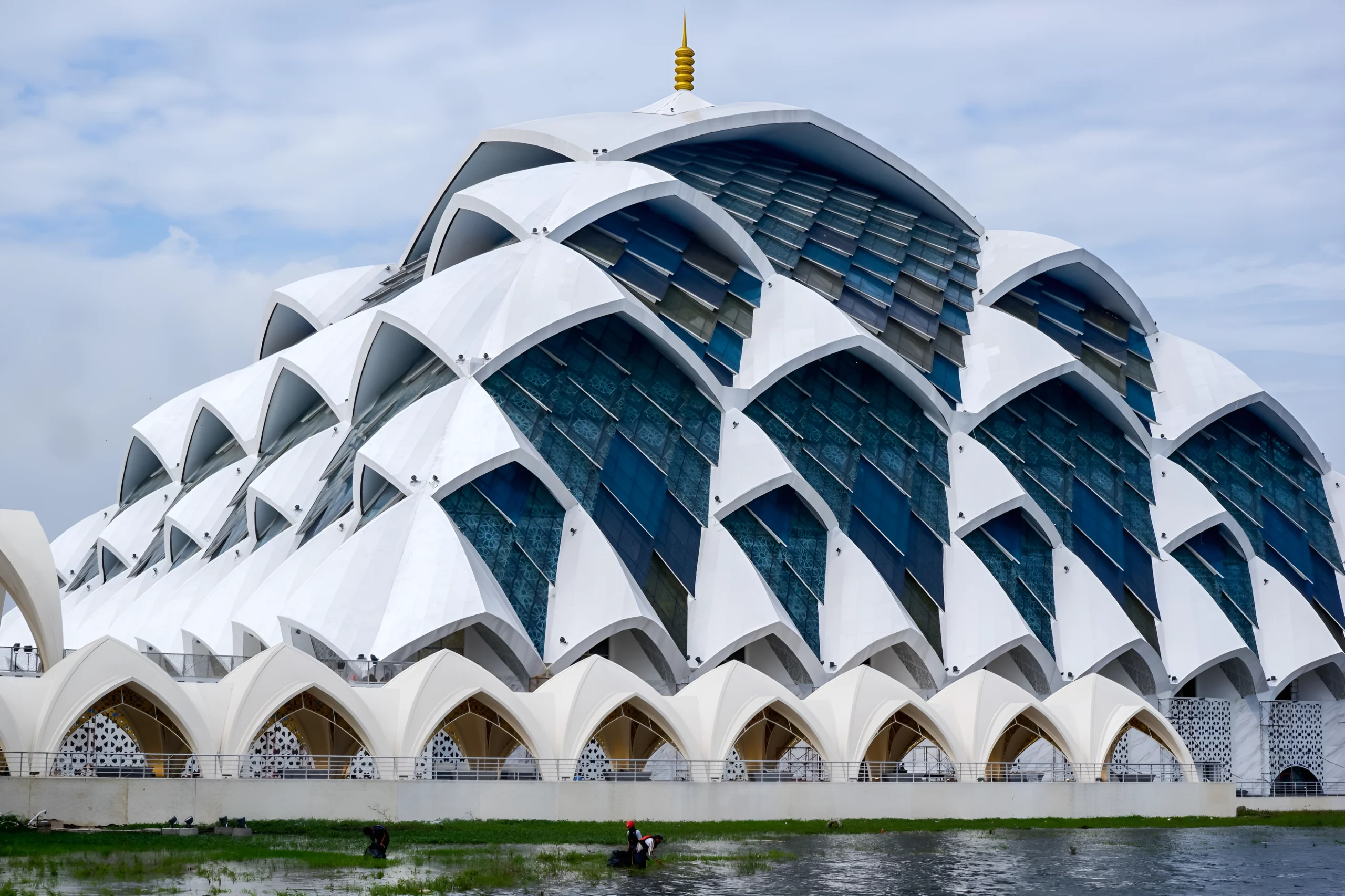
    Masjid Raya Al-Jabbar is an extraordinary exercise in fluid structural engineering that redefines classic sacred spaces. Instead of using traditional concrete domes or standalone minarets, the building is shaped like a colossal, multi-tiered pyramid wrapped in interlocking glass scales that mimic the geometric beauty of local Sundanese woven bamboo handicrafts (anyaman).

    Stepping onto the grand marble plaza reveals a highly polished nature-first design. The main structure appears to float completely on top of a massive artificial retention reservoir designed to manage regional flood control while creating a stunning visual mirror. Four corner minarets slice into the sky like geometric blades, while the interior completely eliminates central pillars, leaving a soaring, open-air prayer hall that relies entirely on natural daylight filtering through thousands of custom triangular glass panes.

    Why It Is Popular

    source: foto.bisnis.com

    This structural titan continuously captures the curiosity of international travelers, design buffs, and digital photographers for several key reasons:

    • The 99 Al-Jabbar Connection:
    The name of the mosque beautifully serves a dual purpose. It directly honors Al-Jabbar, one of the 99 Names of Allah meaning “The Almighty,” while subtly referencing algebraic mathematics—the exact computational geometry used to build the sweeping structural frame.

    • The Galeri Rasulullah Subsystem:
    Settle beneath the grand hall to explore a highly immersive, world-class Islamic and Digital Heritage Museum. This state-of-the-art gallery uses custom motion screens, holographic projections, and interactive soundscapes to chart the life of the Prophet Muhammad and the history of Islam in Nusantara.

    • The Integrated Transit Boom:
    Reaching the mosque from the national capital has become incredibly fast and smooth. Thanks to the comprehensive rollout of the Whoosh High-Speed Rail network, travelers can hop on the bullet train at Halim Station in Jakarta and pull into the nearby Tegalluar Station in just 45 minutes, transforming this into the ultimate modern day-trip run. To lock in your itinerary, you can purchase seats and check departure schedules on the official KCIC Whoosh Ticket Booking Portal, transforming this into the ultimate modern day-trip run.

    Local Attractions to Experience

    source: metrotvnews.com

    Structuring your morning or late afternoon visit across the complex yields an array of brilliant lifestyle and cultural stops:

    • Wander the Botanical Waterfronts:
    Take a relaxing stroll down the paved paths wrapping around the outer retention lake. The banks are beautifully landscaped with diverse floral gardens, public seating parks, and open plazas that offer the absolute premium angle for street-style photography.

    • Dive Into the High-Tech Museum Loop:
    Secure an advance slot to tour the lower-level galleries. The exhibits feel less like a traditional museum and more like a high-tech science pavilion, making it incredibly popular for young travelers mapping out local history.

    • Catch the Sunset Reflection:
    Ensure you hang around the plazas as dusk approaches. The entire translucent dome lights up from the inside, sending a striking gold, green, and white neon glow reflecting across the dark lake waters. Check out the trending Masjid Aljabbar Reels Hub on Instagram to see creative angles, real-time weather clips, and composition inspiration from other creators.

    source: detik.com

    📌 Fast Facts for Your Itinerary

    📍 Address: Jl. Cimencrang No.14, Cimenerang, Gedebage, Kota Bandung, Jawa Barat 40292, Indonesia

    ⏰ Operating Schedule: The main public outdoor plaza and lake paths are open 24 hours a day, 7 days a week. The indoor prayer sanctuary is welcoming visitors outside of specific service cleanups, while the specialized digital museum follows strict hourly online reservation windows.

    🎫 Entry Fee: Stepping onto the floating grounds and walking through the main architectural viewing areas is 100% free for everyone. (Small ticketing fees apply for the interactive digital history gallery loops).

    👔 Etiquette & Dress Codes: As a highly revered place of worship, all visitors must dress respectfully, ensuring shoulders and knees are fully covered. Footwear must be removed at the central check stations before walking onto the clean marble plaza tracks. Keep your camera gear respectful inside the prayer hall, saving the grand creative content runs for the vast outdoor waterfront plazas!

    💡 Read Next: Ready to trade the ultra-modern woven glass and high-tech floating plazas of West Java for a raw journey back to pure ancestral roots? Head across the water to Flores to explore the conical thatched roundhouses in our ultimate guide to Wae Rebo Village!

  • Discovering Marudi: Sarawak’s Gateway to River Heritage and Tribal Peace

    Discovering Marudi: Sarawak’s Gateway to River Heritage and Tribal Peace

    Trading the commercial urban grid of Miri for an overland journey into northern Sarawak’s interior opens up a beautiful, slower-paced world where life revolves strictly around the mighty currents of the Baram River. Proudly serving as the historical administrative capital of the Baram district, the town of Marudi is a charming riverside sanctuary packed with 19th-century colonial fortresses, rich Orang Ulu cultures, and legendary water sports.

    If you are looking to walk the wooden galleries of a White Rajah outpost, feast on fresh river prawns, and discover the origins of Sarawak’s most legendary river festival, here is why this authentic interior enclave belongs on your bucket list.

    Timeless Attractions Beyond the Riverbanks

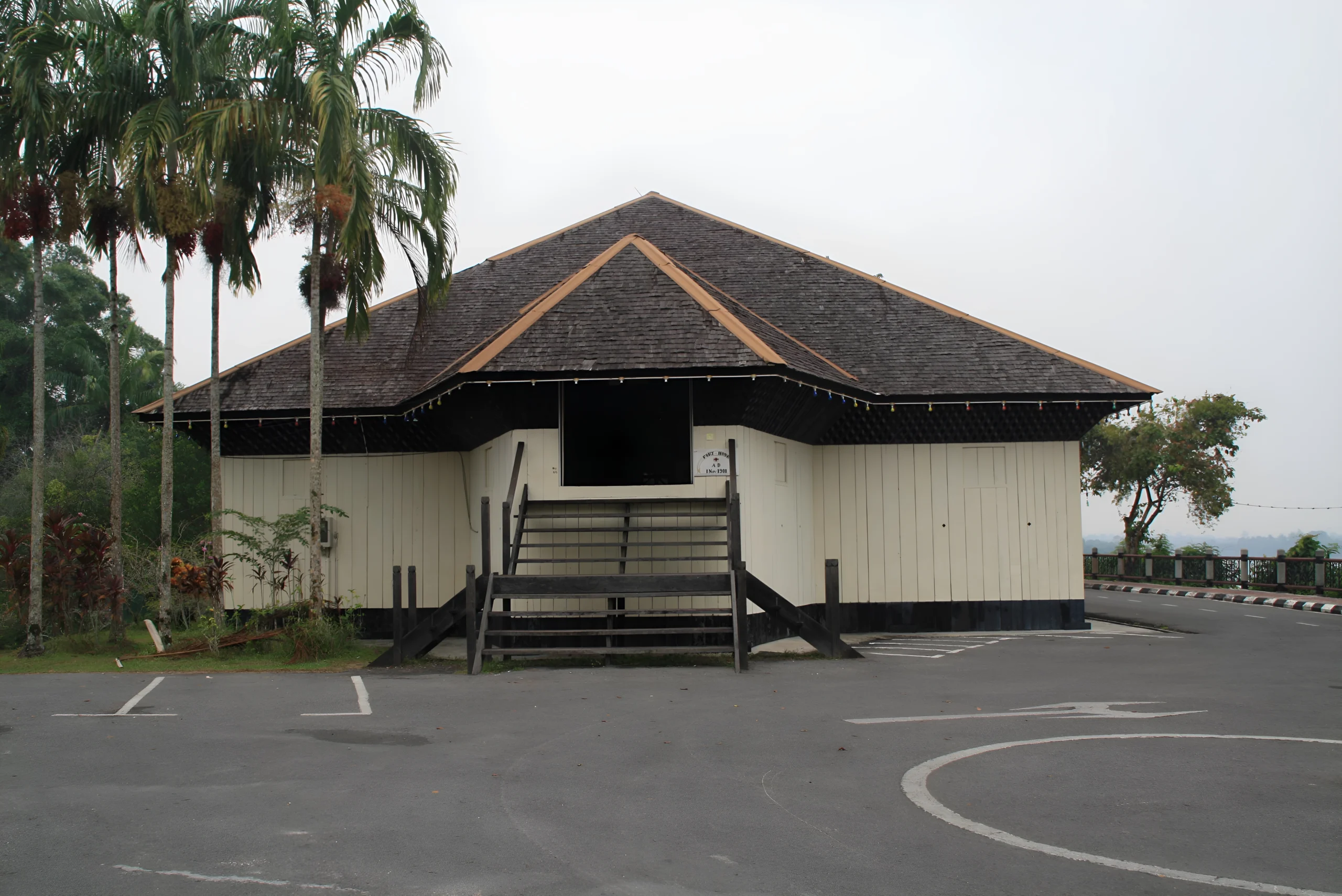
    The Fort Hose (source: museum.sarawak.gov.my)

    Marudi functions more like a peaceful cultural time capsule instead of a tourist trap. Back in the late 1800s, it served as the strategic foothold for Charles Brooke’s government before the administrative center was shifted closer to the coast.

    If you’re wondering how to spend your time here, this guide highlights the absolute best experiences.

    • Explore Fort Hose (The Baram Regional Museum):
    Perched majestically on a hill overlooking the water is this grand wooden fortress built in 1901. Meticulously restored after a devastating fire, the fort now houses an incredible museum tracing the history of the Brooke Dynasty, featuring rare tribal photos, intricately carved Orang Ulu shields, and ancient ritual masks.

    • Stroll the Marudi Waterfront & Old Town:
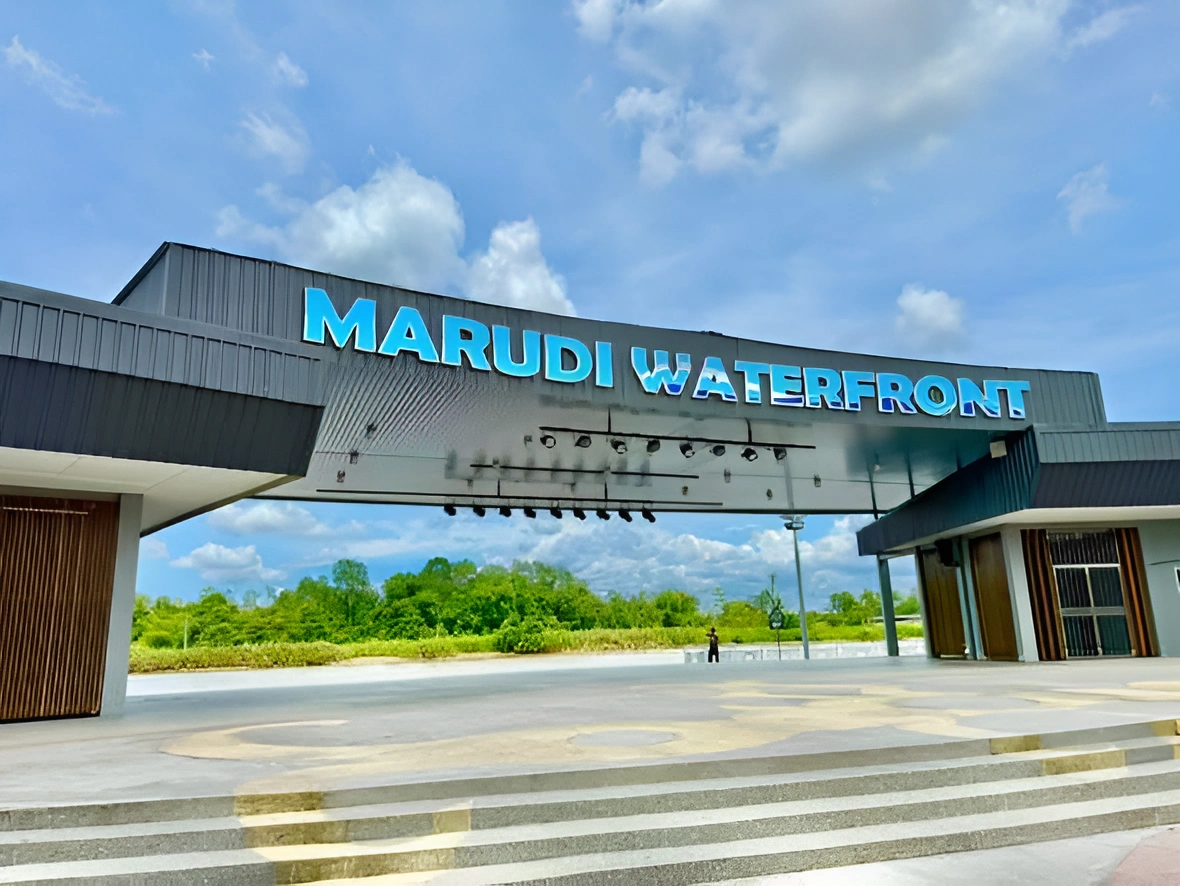
    Take a leisurely walking tour along the newly upgraded Marudi Waterfront esplanade. The parallel streets are lined with traditional, old-school wooden shoplots where local Chinese and indigenous traders sell hand-woven rattan mats, native beadwork, and local jungle produce.

    • Feast on Marudi’s Giant River Prawns:
    Foodies flock here for one major reason: Udang Galah (Giant Freshwater Prawns). Sourced fresh daily from the Baram riverbeds, local coffee shops and seafood diners steam or stir-fry these massive, sweet prawns to perfection, serving them up at incredibly competitive prices.

    The Magnificent Baram Regatta 2026 Showcase

    source: Regatta Sarawak Bumi Kenyalang on Facebook

    While the town is normally quiet, the river basin exploded into a high-energy arena this year as the legendary Baram Regatta 2026 officially took over the Marudi Waterfront from 23 to 26 July 2026.

    Here is a closer look at the festival’s unique timeline and why it holds such a sacred place in Sarawakian culture:

    📜 A 126-Year-Old Legacy of Peace

    This massive four-day festival isn’t just a basic boat racing competition or merely an exhilarating weekend of watersports; it is a cornerstone of Bornean history and arguably one of the most culturally significant festivals in the state, affectionately crowned the “Mother of All Regattas” in Sarawak. First organized in 1899 by Resident Charles Hose, the regatta was born as a historic peace agreement to end inter-tribal warfare and headhunting among the diverse communities of the Baram basin—including the Kayan, Kenyah, Iban, Kelabit, and Chinese.

    Fusing history with modern energy, this year’s theme was explicitly updated to “Peace, Unity, and Progress”, acting as a living manifestation of racial harmony where cultural differences are celebrated.

    ⚡ Roaring Engines and Synchronized Paddles

    Returning with unprecedented scale after a tough postponement last year due to heavy regional flooding, the Baram Regatta 2026 recorded its largest participation in history.

    • The Powerboat Battles:
    The first two days saw the river come alive with roaring engines as a record-breaking 162 teams from all over Sarawak and Brunei Darussalam competed in high-octane speed boat races, including a wildly popular new 50-horsepower category.

    • The Traditional Paddling Races:
    Over the weekend, the mechanical noise swapped for intense, rhythmic chanting as 11 traditional boat paddling categories fired up. Thousands of spectators lined the riverbanks to watch everything from the Open 10-paddler women’s category to the ultimate Premier Cup Sarawak, which saw elite teams like Benerang 4 from Mulu dominate the grueling Open 30-paddler men’s races. Feel free to review the full race breakdowns and championship standings via the Borneo Post Baram Regatta Coverage.

    Check out this fantastic video by YouTube creator McM Wajah Borneo for a look at the actual traditional paddling race held on the third day of Baram Regatta 2026!

    • The Carnival Vibe:
    Off the water, the closed-off streets hosted the Ratu Baram Regatta 2026 beauty pageant, late-night Unity Concerts, decorated float parades, and endless rows of native food and handicraft stalls. To browse community photos, fan videos, and future race announcements from local enthusiasts, check out the public Regatta Sarawak Bumi Kenyalang Facebook Community.

    The top three winners of the Ratu Baram Regatta 2026 (source: theborneopost.com)

    📌 Fast Facts for Your Itinerary

    📍 Location: Marudi District, Miri Division, Sarawak, East Malaysia

    🚗 Getting There via the New Infrastructure: Reaching this interior town has become vastly smoother. While travelers previously relied on slow, expensive car-ferry transits across the river, your 2026 overland journey is seamless thanks to the fully operational, modern Marudi Bridge, connecting the main road network straight into town. It is a straightforward 1.5-hour drive or e-hailing ride from Miri city center. For official municipal notices and regional updates, you can refer directly to the Pejabat Pentadbiran Bahagian Miri Portal.

    📅 Best Time to Visit: Marudi is great all year round for a quiet weekend escape; however, aligning your holiday with the mid-year festival dates ensures you catch the town at its absolute liveliest. Always double-check weather advisories, as the low-lying Baram basin can experience seasonal monsoon rain overflows late in the year.


    🗺️ Prefer an Arranged Day Trip? If you don’t want to navigate the overland drive from Miri independently, you can opt for an all-inclusive itinerary that handles the logistics for you. Explore structured day packages out to the town’s historic temples and local longhouses via the Borneo Travel Network Tour Directory.

    💡 Read Next: Ready to trade the roaring powerboats and historic riverfronts of northern Sarawak for an enchanting journey deep inside moss-covered limestone caves? Head down south across the state to explore Bau’s magical subterranean kingdom in our ultimate guide to Fairy Cave!