Author: ss1_editorialteam

  • Inside the Life-Sized Flor de la Mar Replica of Malacca

    Inside the Life-Sized Flor de la Mar Replica of Malacca

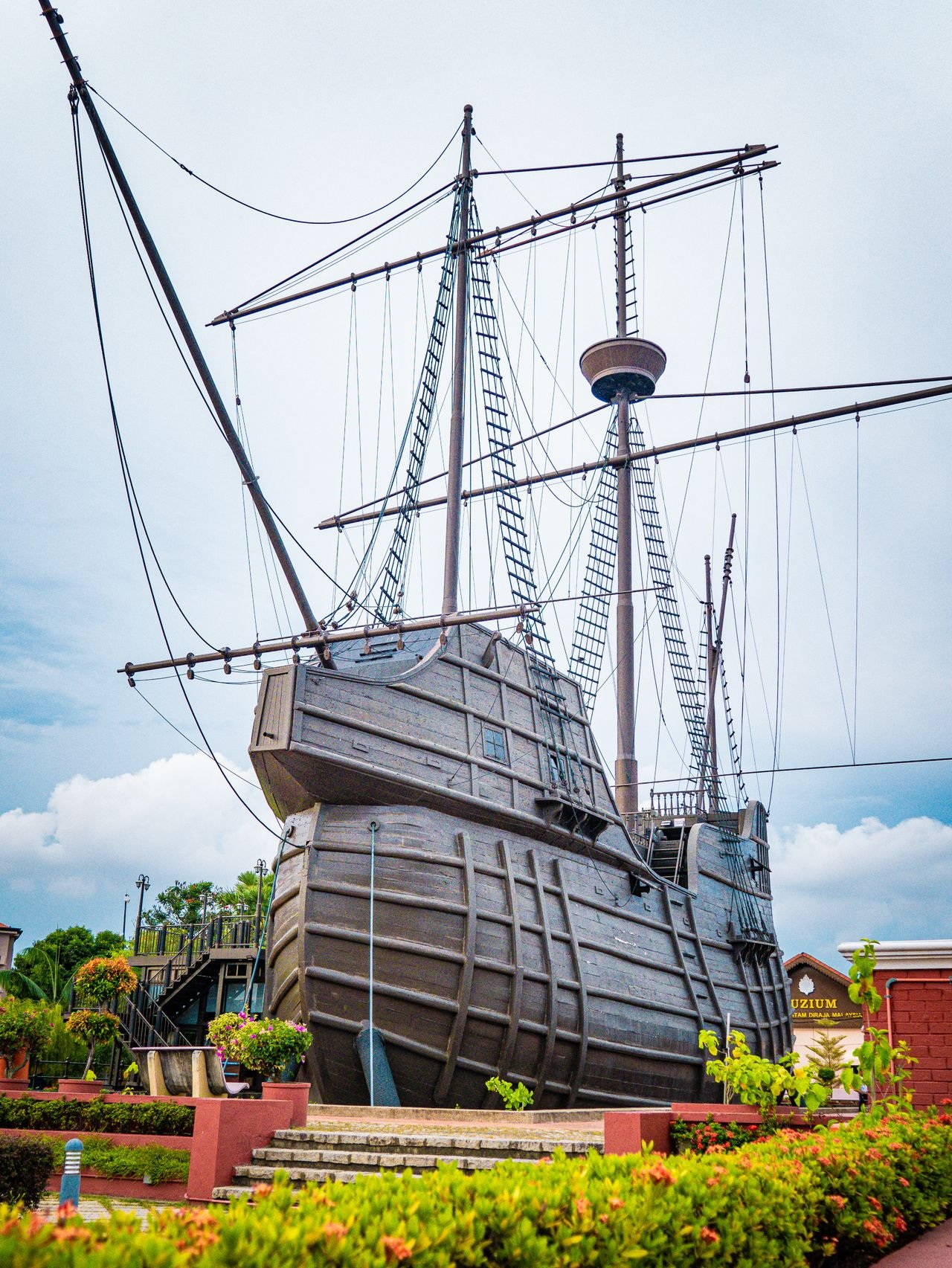
    Housed inside a magnificent, life-sized replica of an ancient Portuguese galleon, Muzium Samudra (the Malacca Maritime Museum) is a captivating exhibition that anchors the historic quayside area of Malacca City.

    As the only museum in the region entirely built within a massive, 34-meter-high replica of a 16th-century ship, it stands as a visual crown jewel along the river corridor.

    If you are ready to climb the wooden planks, explore the hidden cabins of legendary captains, and discover the secrets of an $80 billion lost treasure shipwreck, here is why this floating time capsule deserves a spot on your trip.
    Muzium Samudra is a stunning, structural masterpiece managed by the Melaka Museum Corporation (PERZIM) that breathes life into the golden era of the Malacca Sultanate. The eye-catching structure is a full-scale reconstruction of the Flor de la Mar (Flower of the Sea), a legendary Portuguese carrack that famously sank off the Malacca coast in November 1511 while attempting to carry plundered sultanate treasures back to Europe.

    Stepping onto the grounds reveals a multi-tiered history world. The main ship features two levels of indoor, air-conditioned cabins connected by rustic wooden ladders. Because the museum is deeply committed to preserving authentic heritage textures, visitors must remove their shoes at the door, stepping barefoot or in socks onto the smooth, polished timber decks just like sailors did centuries ago.

    What Makes It Worth The Trip
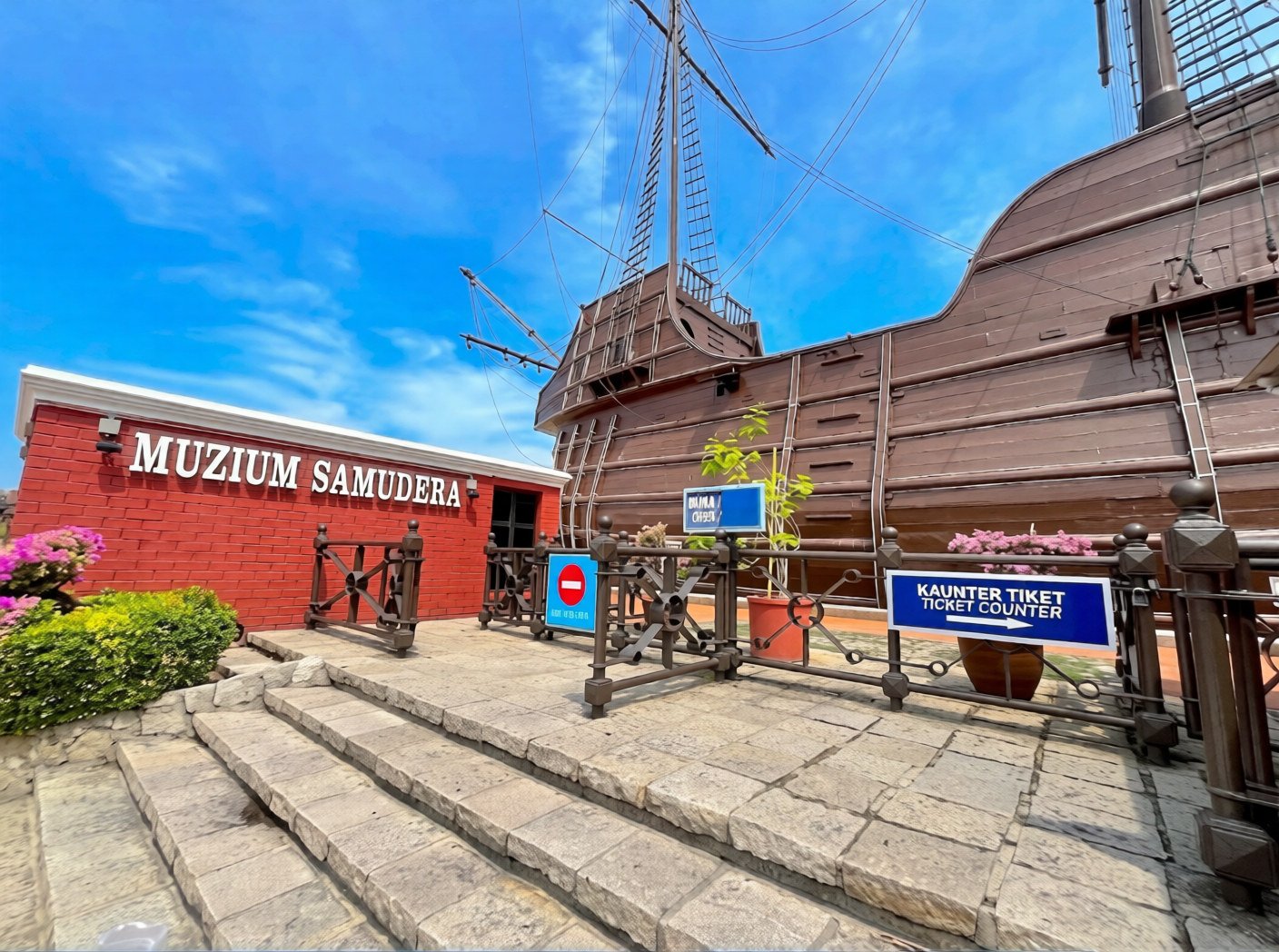
    The maritime museum remains one of the highest-rated and most photographed historical stops in Banda Hilir for three distinct reasons:

    • The Three-in-One Ticket Value:
    Your single admission pass doesn’t just grant entry to the giant ship; it automatically unlocks access to three separate museum zones—including Phase 1 (the main ship), Phase 2 (marine flora/fauna in the adjacent warehouse), and the Royal Malaysian Navy Museum.

    • The “Bila Larut Malam” Moonlight Series:
    Keeping the historic zone vibrant, the museum participates in the state’s popular monthly midnight opening events. On the first Saturday night of each month, visitors can explore five local museums for a flat promotional fee of just RM10 from 11:00 PM to 2:00 AM.

    • The Digital ‘Go-Cashless’ Era:
    Ticketing queues move incredibly fast thanks to the comprehensive integration of digital payment frameworks, making it effortless to tap your credit card or scan a mobile wallet at the entry terminals.

    What To See And Do

    A full exploration across the three museum sites takes about 1.5 to 2 hours and treats you to a diverse layout of exhibits:

    • The Captain’s Cabin and Dioramas:
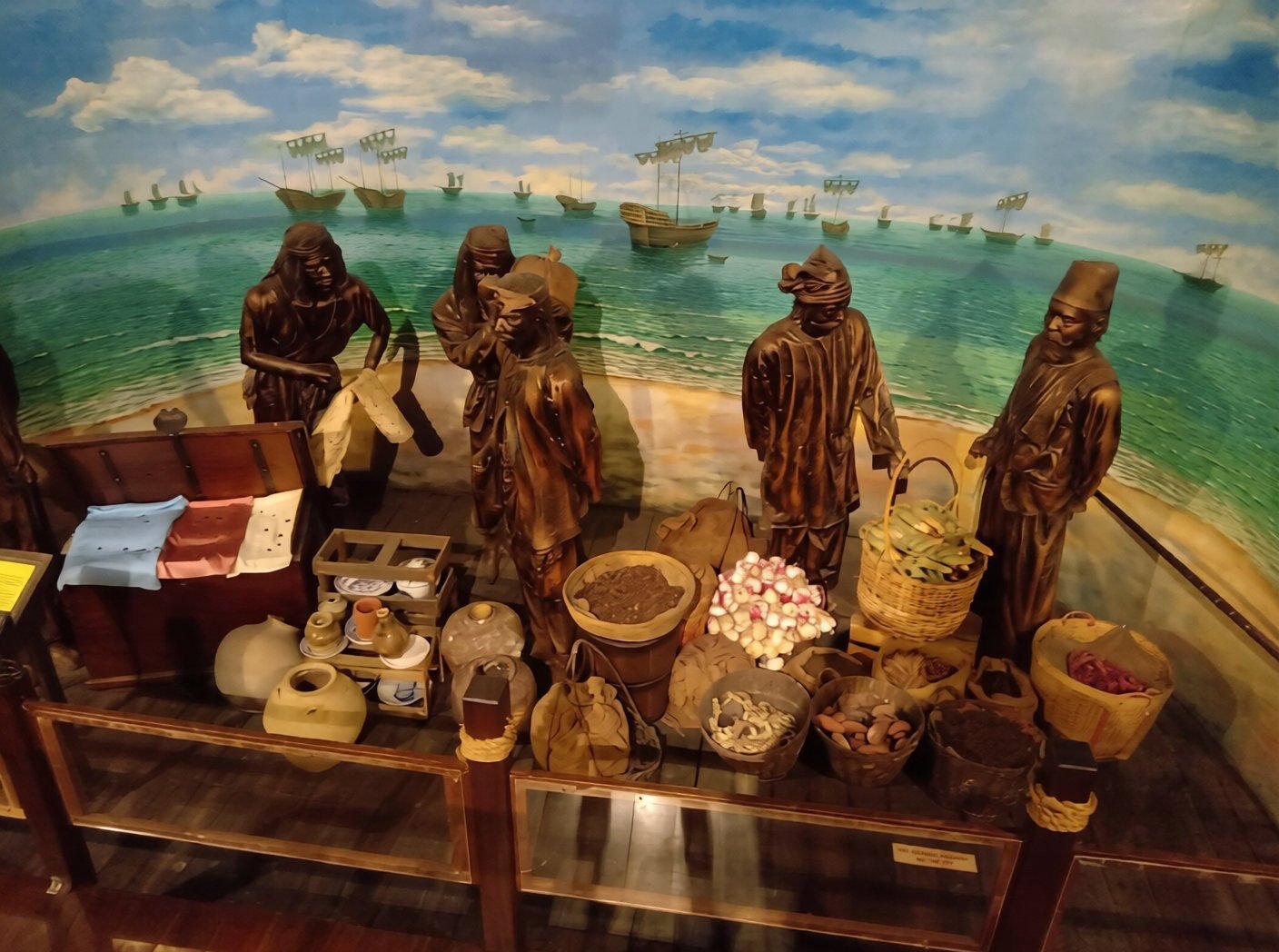
    Scale the ladders to the upper deck of the ship to peer inside a beautifully staged diorama of the captain’s personal living quarters, complete with navigation instruments, old sea chests, and antique sextants.
    • The Treasure Trade Rooms:
    Wander through the lower hulls to marvel at specialized collections of antique coins, ancient navigation maps, and heavy iron cannons tracking Malacca’s history through the Portuguese, Dutch, and British colonial rules.

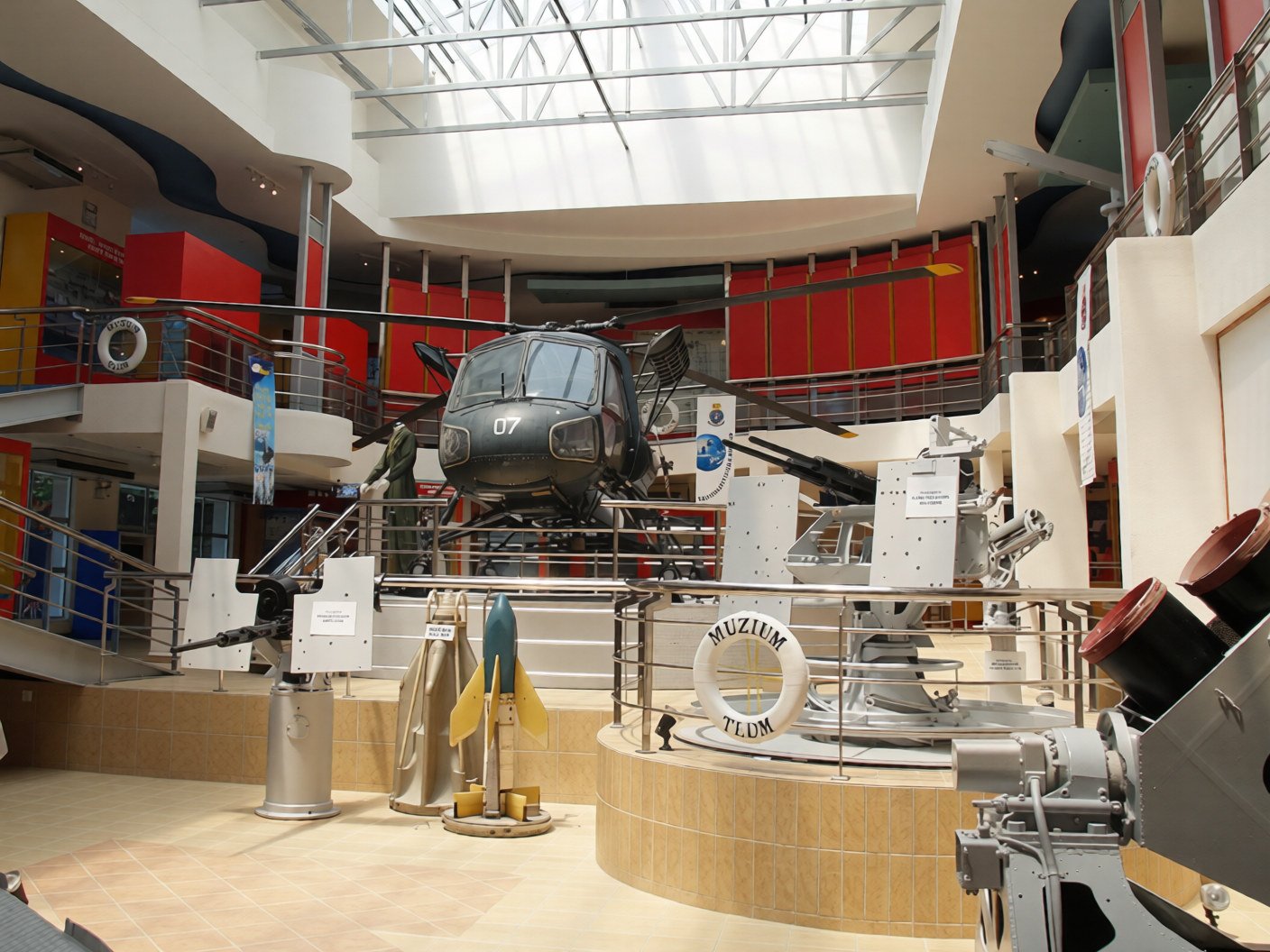
    • The Naval Subsystem (Muzium TLDM):
    Settle across the street into the modern naval wing to see tactical military uniforms, historical weaponry, and a genuine decommissioned patrol helicopter resting right in the center courtyard.

    📌 Fast Facts for Your Itinerary

    📍 Address: Jln Merdeka, Banda Hilir, 75000 Melaka, Malaysia

    ⏰ Operating Hours: Tuesday to Sunday, 9:00 AM – 5:30 PM (Ticketing counter closes firmly at 4:30 PM). Strictly closed to the public every Monday.

    🎫 Standard Ticket Prices: Entry is incredibly budget-friendly. Tickets are priced at RM10 for Malaysian Adults (MyKad) and RM5 for Malaysian Children. For international tourists, entry is RM20 for Adults and RM10 for Children.

    💡 Pro-Tip: Because the entire structure is built out of dark timber wood, the upper open decks can get quite warm during peak midday sun. Aim to coordinate your visit for early morning or late afternoon, and remember to pack a small tote bag if you prefer to carry your shoes along with you rather than leaving them on the public entry racks!

    🏖️ Ready to trade your sea-captain boots for powdery sand and turquoise waves? Now that you’ve discovered the legendary maritime secrets of Muzium Samudra, explore our ultimate guide to conquering Johor’s crowd-free island paradise: Pulau Besar!
  • Penang Botanical Gardens: George Town’s Hidden Oasis

    Penang Botanical Gardens: George Town’s Hidden Oasis

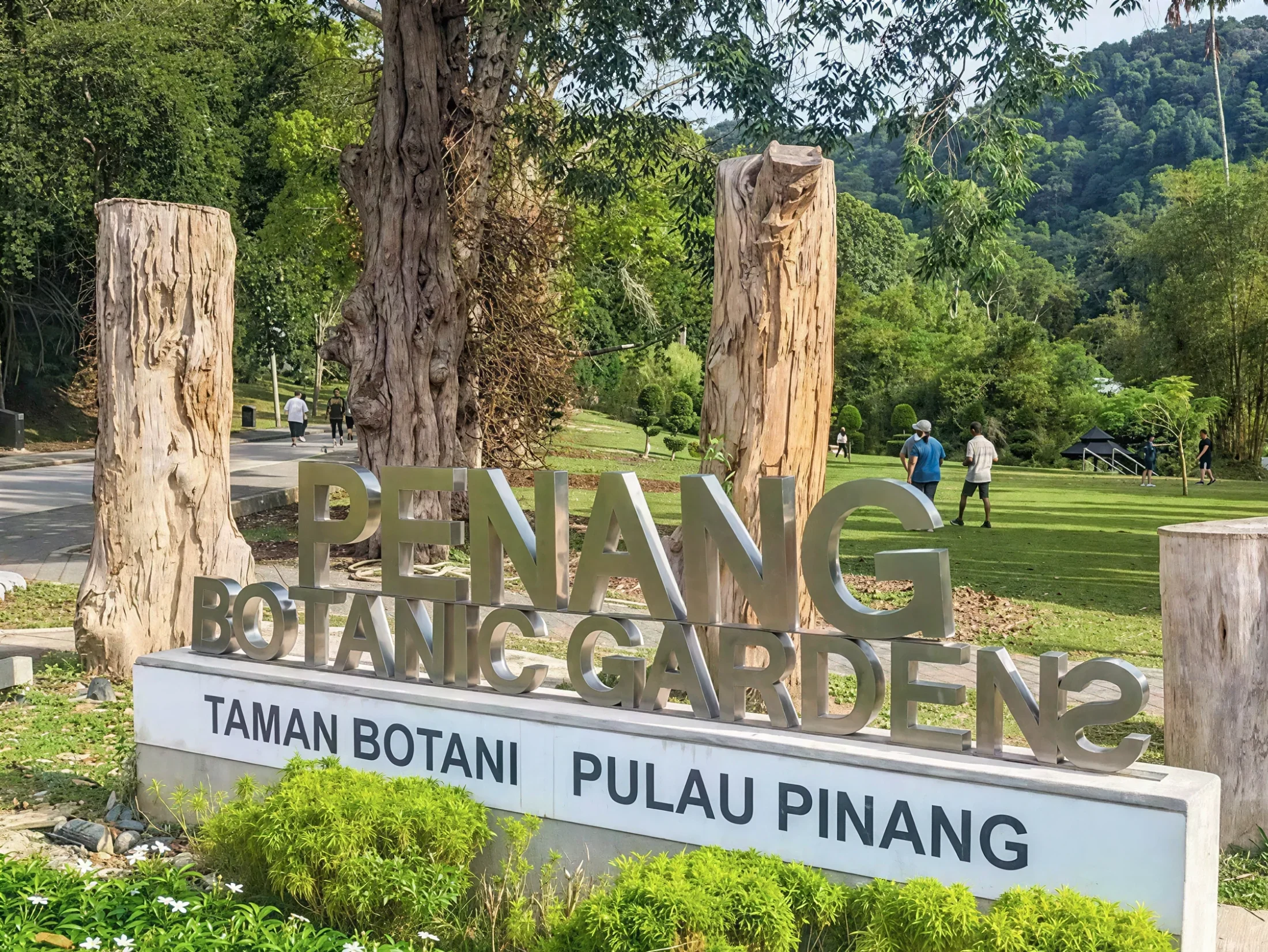
    Exploring the historical charm of George Town and feasting on world-famous street food along Gurney Drive are essential island experiences, but the true natural soul of Penang lies hidden inside a deep, emerald valley. Tucked away at the edge of a deep valley at the foot of Penang Hill lies the Penang Botanical Gardens—a massive, 74-hectare green paradise that has served as the island’s premier natural sanctuary for nearly 150 years.

    Part historic research reserve, part tropical paradise, this sprawling oasis is famously known to locals as the “Waterfall Gardens” due to a cascading river that surges right through its heart. If you are looking to escape the tropical heat, walk under giant pre-war tree canopies, and get up close with local wildlife, here is exactly why this lush haven belongs on your ultimate Penang itinerary.

    source: onpenang.com

    The Penang Botanical Gardens is a spectacular, living showcase of global and native flora, established by the British back in 1884 under the vision of master horticulturist Charles Curtis. You can find more trip planning tips on the official Tourism Malaysia Botanical Gardens Guide. Unlike manicured municipal parks, this historic site is carved directly out of a deep remnant of natural tropical rainforest, creating an incredible valley basin surrounded by jungle-clad hills

    As you stroll along the paved pathways, you are walking amidst a living museum. The grounds feature a spectacular mix of sprawling lawns, delicate plant conservatories, and ancient, towering trees—including the legendary Pinang Palms that gave the island its name and massive Cannonball Trees with bizarre, woody fruit hanging directly from their trunks. The entire valley feels wonderfully secluded and grand, acting as a massive green lung for the bustling island.

    The Reasons For Its Popularity

    The gardens have captured a special place in the hearts of global eco-travelers and local fitness enthusiasts for three major reasons:

    • The Famous Long-Tailed Macaques:
    The park is universally famous for its lively, resident primate populations. You will spot families of inquisitive Long-Tailed Macaques and beautiful, white-ringed Dusky Leaf Monkeys swinging effortlessly through the treetops.

    • The Historic Waterfall Access:
    While the actual reservoir waterfall is closed off for safety inside the water treatment zone, the park sits at the base of the canyon, meaning crystal-clear forest streams rush directly alongside the walking paths, offering a beautifully peaceful soundtrack.

    • The Gateway to Penang Hill:
    For active travelers, the gardens serve as the ultimate hiking base camp. The main entrance sits right at the starting trail for the infamous Jeep Track to Penang Hill summit, as well as the challenging Lily Pond hiking routes.

    💡 Read Next: Want to swap the dense jungle canopies for a cozy indoor plant sanctuary? Head down south and check out our ultimate guide to Johor Bahru’s stunning, soil-free greenhouse cafe: Naug Cafe Just Plants!

    Activities & Sights

    source: Ganesh Kolandaveloo (PenangToday Community) on Facebook

    Wandering deeper into the valley reveals an array of beautifully curated sub-gardens, greenhouse complexes, and scenic trails:

    • The Exotic Orchidarium:
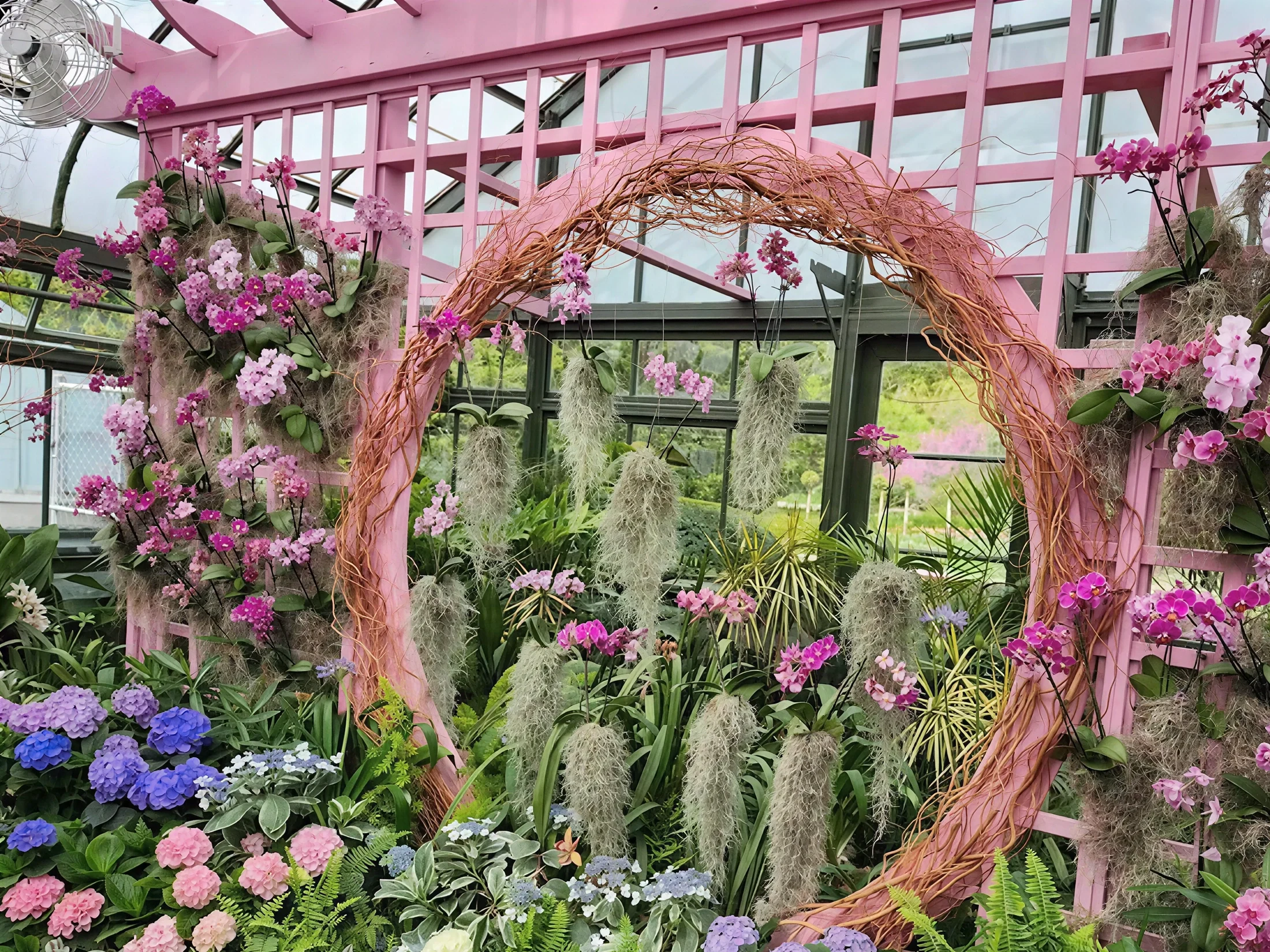
    Step inside the specialized glasshouses to marvel at a stunning collection of delicate, vibrant tropical orchids and rare wild bromeliads thriving in the high humidity.

    • The Sunken Garden & Lily Pond:
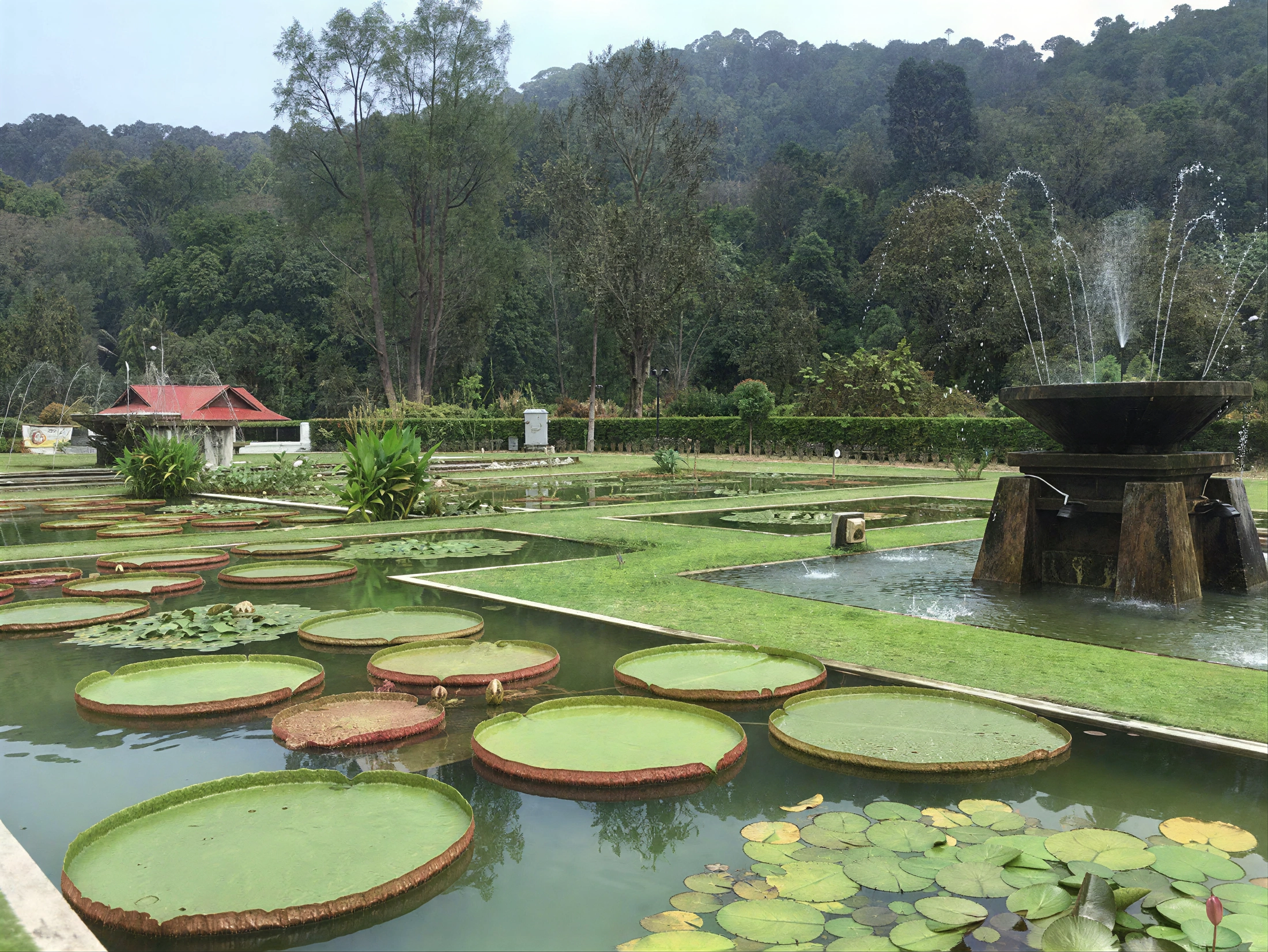
    Relax by the perfectly geometric, English-style sunken flowerbeds, or head over to the peaceful Lily Pond to see giant, floating Amazonian water lilies and calm water features.

    • The Fern House and Cactus House:
    Explore dedicated, climate-managed conservatories that house everything from massive, ancient prehistoric tree ferns to bizarre, spike-covered desert succulents.

    source: Susan Tan (PenangToday Community) on Facebook

    • A Stroll on the Canopy Walk:
    Wander onto the raised wooden boardwalks that elevate you into the forest mid-tier, giving you a safe, bird’s-eye view of the wildlife, butterflies, and rich birdlife hiding in the trees.

    📌 Fast Facts for Your Itinerary

    📍 Address: Jalan Kebun Bunga, 10350 George Town, Pulau Pinang

    ⏰ Operating Hours: 5:00 AM – 8:00 PM Daily (The specialized glasshouses and plant houses generally open from 9:00 AM – 5:00 PM)

    🎫 Admission Fee: Entry to the main public gardens, trails, and all conservatory houses is 100% free for both locals and international tourists.

    💡 Pro-Tip: The local monkeys are incredibly smart and highly opportunistic! To ensure a safe and peaceful stroll, strictly avoid carrying plastic bags, open water bottles, or food in your hands, as the macaques will confidently swoop in to swipe them from you.

  • Sipadan Water Village: Overwater Diving Paradise

    Sipadan Water Village: Overwater Diving Paradise

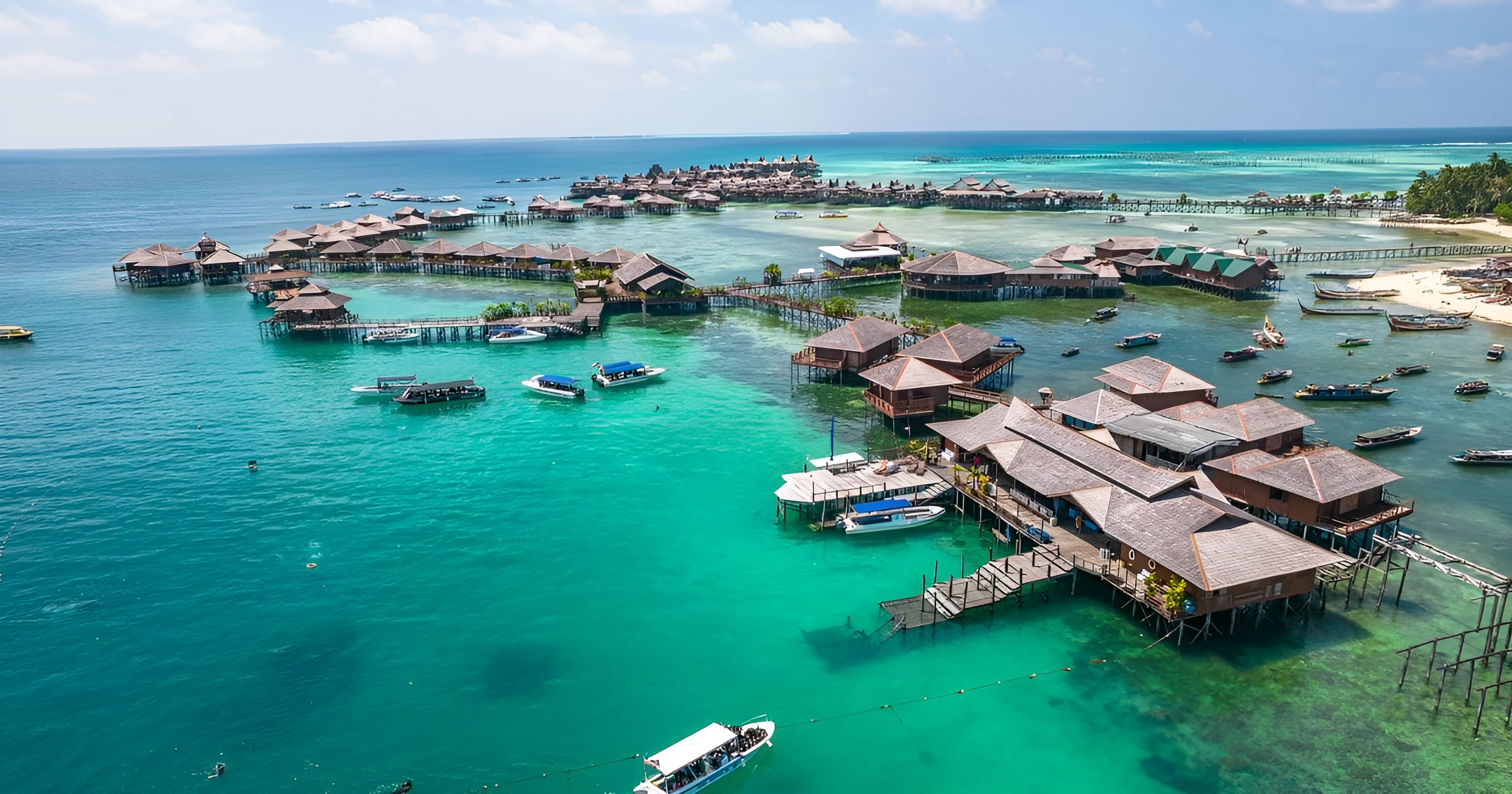
    Leaving the bustling mainland ports behind for a journey into the Celebes Sea brings you face-to-face with the true pinnacle of marine biodiversity. Anchored beautifully off the southern tip of Mabul Island, the Sipadan Water Village Resort is a striking, 4-star overwater sanctuary designed to give travelers the ultimate front-row seat to Borneo’s most legendary underwater worlds.

    Part traditional floating village, part premier Professional Association of Diving Instructors (PADI) dive resort, this spectacular complex is built entirely on stilts over a shallow coral reef. If you are ready to wake up in a private chalet above turquoise water, step directly off the docks into world-class snorkeling zones, and chase encounters with hundreds of sea turtles, here is why this iconic dive sanctuary needs to be in your travel radar .

    The True Essence of The Location

    source: swvmabulresort.com

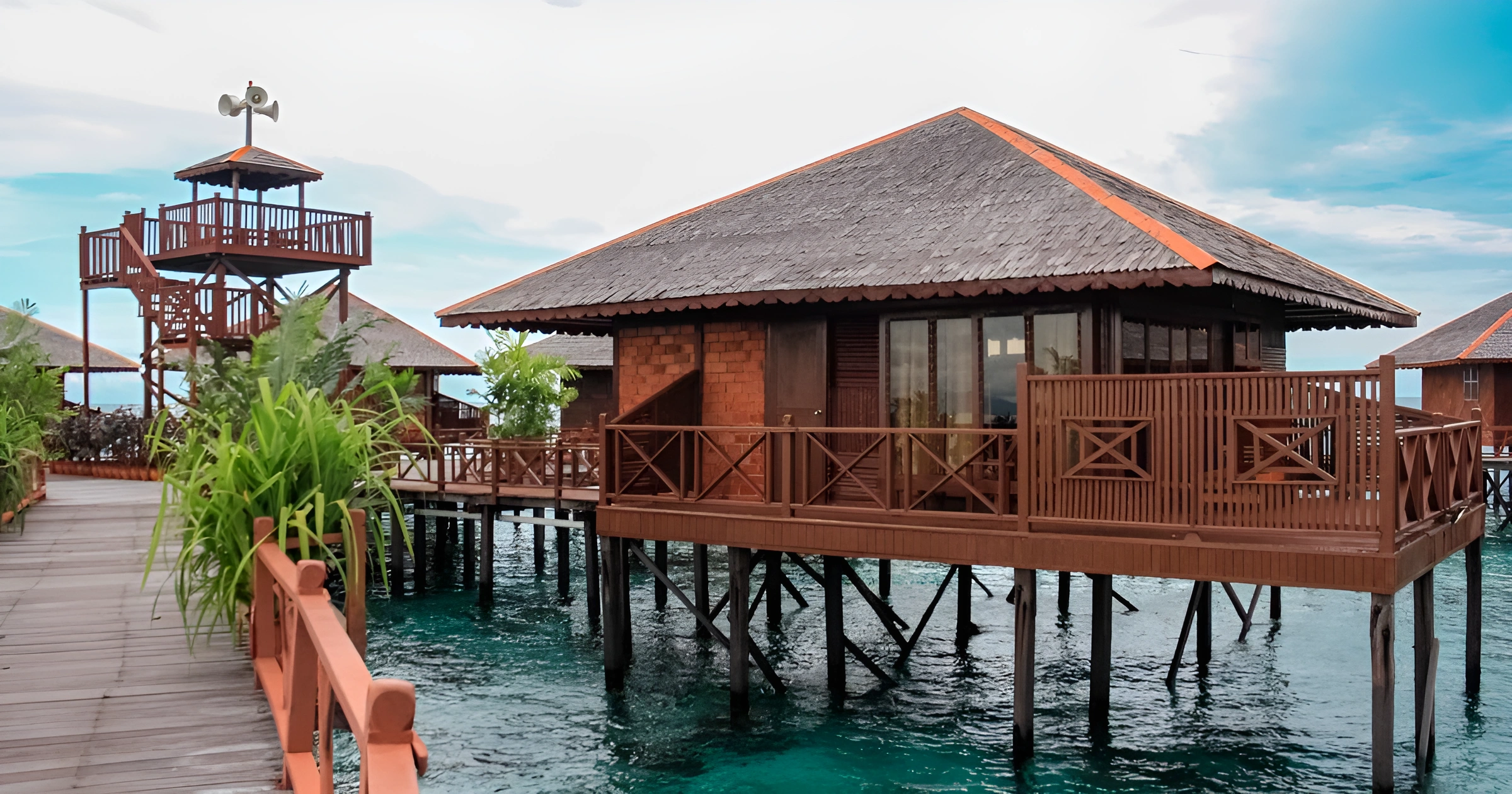
    Sipadan Water Village is a breathtaking architectural achievement that draws inspiration from the local Bajau Laut (Sea Gypsies) culture. Built entirely from durable local ironwood, the resort features a collection of beautifully designed overwater chalets interconnected by a sprawling network of elevated wooden boardwalks decorated with vibrant tropical flowers.

    The resort boasts 20 newly renovated overwater units ranging from spacious Standard Chalets to an expansive 1,300-square-foot Grand Deluxe Family Chalet complete with its own private outdoor balcony hot tub. The interiors feature a clean, rustic-chic aesthetic with polished timber floors, cozy sitting areas, and private sundecks that open directly up to panoramic views of the ocean. Because it embraces a natural, sea-breeze lifestyle, rooms are equipped with ceiling fans and large windows, though modern air-conditioning options are fully integrated into the premium cottage tiers.

    What Makes This Secluded Paradise Worth The Journey

    source: divevolkdiving.com

    This floating paradise remains the absolute benchmark for scuba divers and luxury eco-travelers arriving in Semporna for three distinct reasons:

    • The Ultimate Sipadan Proximity:
    The resort sits just a 15-to-20 minute speedboat ride away from Pulau Sipadan—Malaysia’s only oceanic volcanic island and a globally revered diving mecca famous for schooling barracudas, hammerhead sharks, and massive walls. You can explore the exact site profiles via the PADI Travel Sipadan Diving Guide.

    • Guaranteed Sipadan Permits:
    Due to strict government eco-conservation rules, Sabah Parks limits daily visitors to Sipadan Island. To understand how these strict conservation quotas protect the reef, you can check the permit guidelines on the Sabah Tourism Official Portal.
    However, Sipadan Water Village takes the stress out of planning by offering a guaranteed Sipadan dive permit automatically bundled into their standard 5-day / 4-night stay packages.

    • The Living Aquarium Vibe:
    The water beneath the boardwalks is so remarkably clear that you don’t even need to submerge to see wildlife. Giant green sea turtles, blue-ringed octopuses, and colorful passing reef fish are visible directly from your bedroom balcony or during your walk to breakfast.

    Unmissable Experiences

    source: divevolkdiving.com

    A full-board package at the resort provides a seamless blend of top-tier diving operations and relaxing island leisure:

    • Uncapped House Reef Diving:
    The resort features a fully equipped PADI dive center with custom fiberglass speedboats. Outside of scheduled morning boat runs to Kapalai or Mabul, divers enjoy unlimited house reef shore diving (from 6:00 AM to 6:00 PM) along the vibrant coral drop-offs of Paradise 1 and Paradise 2 right off the resort jetty.

    • Transparent Ocean Kayaking:
    For a peaceful afternoon break, rent one of the resort’s signature transparent sea kayaks to glide over the shallow coral gardens, capturing flawless top-down photos of the marine life beneath you.

    • Flavors of Borneo Buffet:
    All packages include daily freshly prepared Asian and Continental buffet meals served in the massive, open-air pavilion restaurant, alongside a cozy bar lounge where international divers gather to swap stories at sunset.

    • Mabul Cultural Walks:
    The wooden walkways connect seamlessly to the mainland of Mabul Island, allowing guests to take respectful afternoon walking tours to meet the local Bajau community and buy fresh, local handicrafts.

    source: swvresortmabul.com

    📌 Fast Facts for Your Itinerary

    📍 Location: Mabul Island, Semporna District, Sabah, East Malaysia

    ⏰ Important Conservation Closure: To allow the delicate marine ecosystem to rest, the entire Sipadan Island marine reserve is strictly closed to all visitors every November. Plan your luxury dive trip between March and October for optimum visibility!

    🤿 Diver Certification Rule: Sabah Parks regulations mandate that a minimum Advanced Open Water (AOW) certification or equivalent is strictly required to step onto the boats heading to dive Sipadan Island. Traditional Open Water divers are still welcome to dive the rich macro sites of Mabul and Kapalai.

    🚤 Getting There: Fly into the Tawau Airport (TWU), where the resort’s pre-arranged van service will meet you for a 75-minute drive to the Semporna Jetty. You can plot out the entire travel route using the Sipadan Water Village Resort Map Location. From there, a thrilling 45-minute speedboat ride delivers you straight to the resort docks.

    💡 Read Next: Ready to trade the deep blue waters of the Celebes Sea for an enchanting, prehistoric journey underground? Head back across the water to the Sarawak mainland to explore the moss-covered caverns in our guide to Fairy Cave!

  • Conquering the Clouds: Why the KL Tower is Kuala Lumpur’s Ultimate Viewpoint

    Conquering the Clouds: Why the KL Tower is Kuala Lumpur’s Ultimate Viewpoint

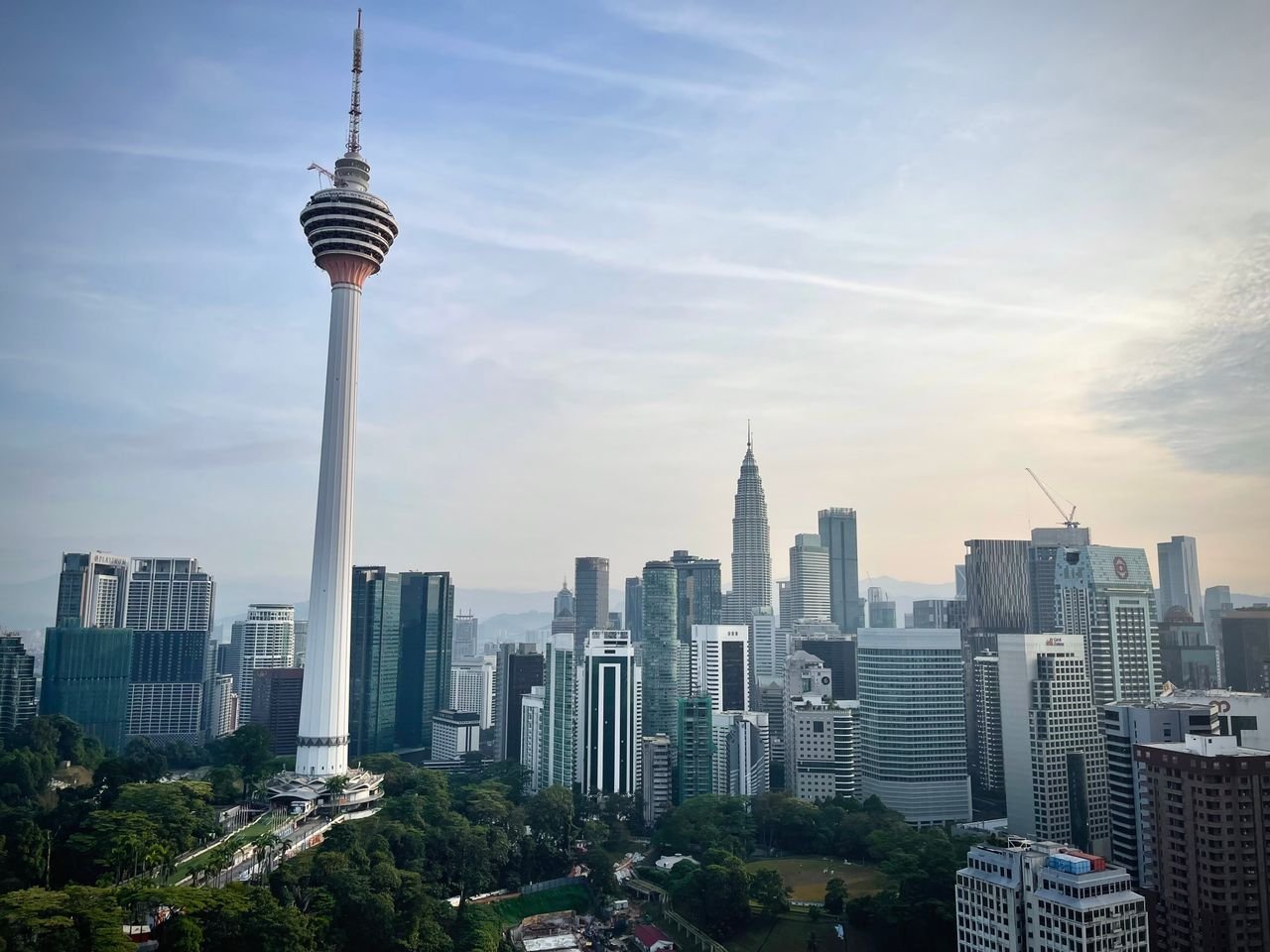
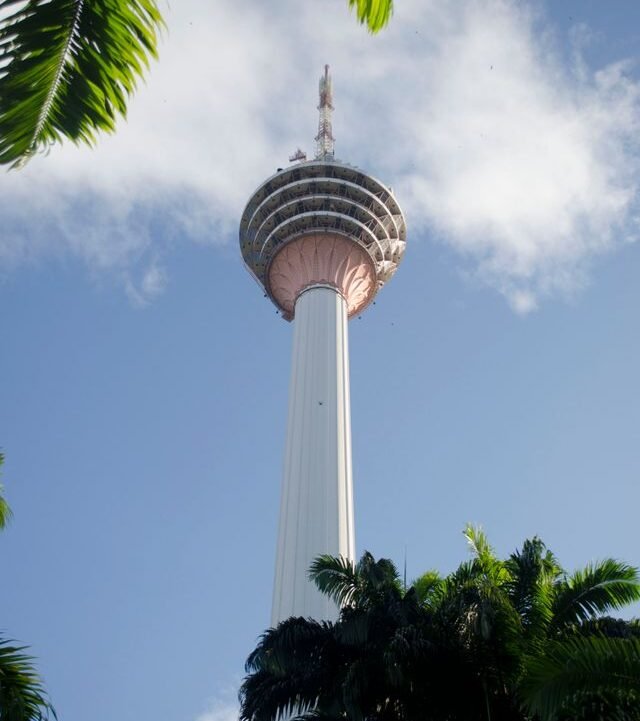
    In a matter of just 54 seconds, a high-speed elevator can sweep you away from the shaded, green canopy of Malaysia’s oldest protected eco-park and deposit you directly into a futuristic world of glass and steel. Perched right on top of a lush, forested hill in the center of the city is the Menara Kuala Lumpur, (colloquially known as the KL Tower)—a staggering 421-meter-tall telecommunications giant that serves as the highest public vantage point in the entire city.

    Part broadcasting hub, part high-altitude playground, the KL Tower is the world’s seventh-tallest telecommunication tower. Because it is built on a natural hill, standing at the top actually places you higher than the skybridge of the Twin Towers.

    If you are looking to conquer your fear of heights and capture incredible 360-degree views of the capital, here is why this iconic spire belongs on your bucket list.

    The KL Tower is a brilliant feat of modern engineering wrapped in classical Islamic architecture. Completed in 1995, the design pays homage to traditional Persian craftsmanship, which you can see instantly in the gorgeous, diamond-like glass muqarnas (honeycomb vaulting) decorating the main lobby ceiling.

    The tower is anchored inside the Bukit Nanas Forest Eco Park—one of Malaysia’s oldest protected rain forest reserves. This creates a stunning contrast: you walk through a lush, green canopy at the base, hop into a high-speed elevator that launches you to the top in just 54 seconds, and step out into a futuristic world of glass and steel.

    Why Is It Popular?

    The KL Tower has remained a top favorite for global travelers and adrenaline junkies for three massive reasons:

    • The Glass-Bottomed Sky Boxes:
    Extending directly out over the ledge of the tower at 300 meters high are two completely transparent glass cubes. Standing inside feels like floating completely unprotected in mid-air above the city streets

    • The “Best View” of Other Icons:
    Because you are floating right in the middle of the skyline, the KL Tower provides a perfectly unobstructed, face-to-face view of both the Petronas Twin Towers and the massive new Merdeka 118.

    • The Ultimate Adrenaline Hotspot:
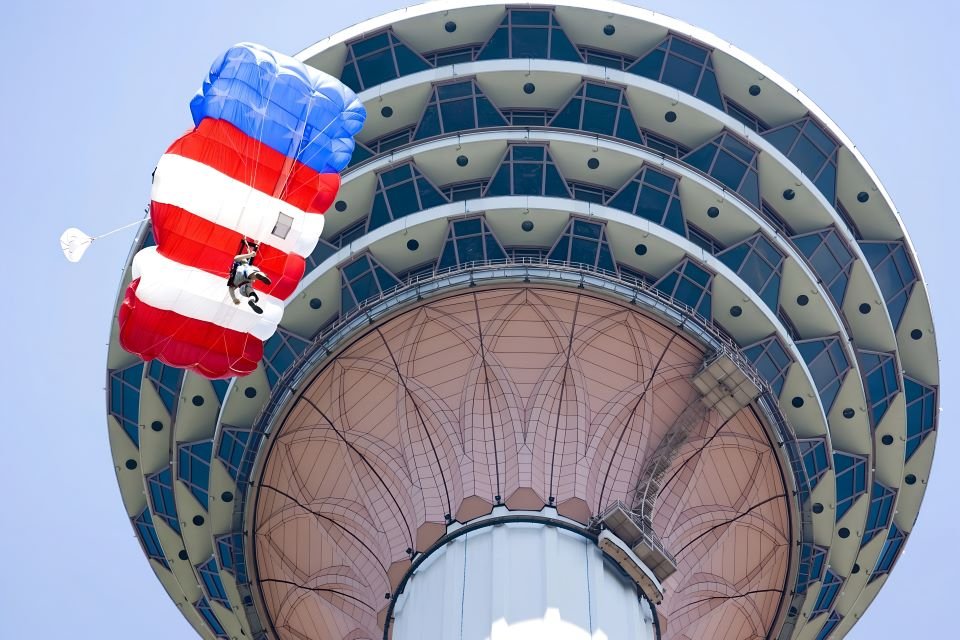
    The tower is internationally famous for extreme sports. It regularly hosts the KL Tower International BASE Jump event, where daredevils leap directly off the open-air deck into the city below, and the grueling KL Tower Run Challenge where athletes sprint up 1,608 vertical stairs.


    💡 Read Next: Looking to conquer the rest of Kuala Lumpur’s legendary skyline? Continue your sky-high adventure by checking out our guides to the magnificent Petronas Twin Towers and the jaw-dropping Merdeka 118 Precinct!

    What You Can Enjoy There

    source: kltower.com
    source: kltower.com

    Depending on how brave you feel, the tower offers distinct tiers of sightseeing and high-altitude thrills:

    • The Indoor Observation Deck (276m):
    If you prefer a climate-controlled experience, this indoor, air-conditioned deck features panoramic windows wrapping entirely around the tower pod. High-powered telescopes let you zoom into landmarks down below.

    • The Open-Air Sky Deck (300m):
    Step outside onto the breezy, outdoor viewing platform for a fully immersive view of the capital. This is also where you queue up to step into the thrilling Sky Box for your 1-to-2 minute photography slot.

    • The Tower Walk 100:
    If you want a serious heart-pumping challenge, you can strap into a safety harness and walk along a transparent, open-air ledge on the extreme outside rim of the tower pod.

    • ORBIT Revolving Dining:
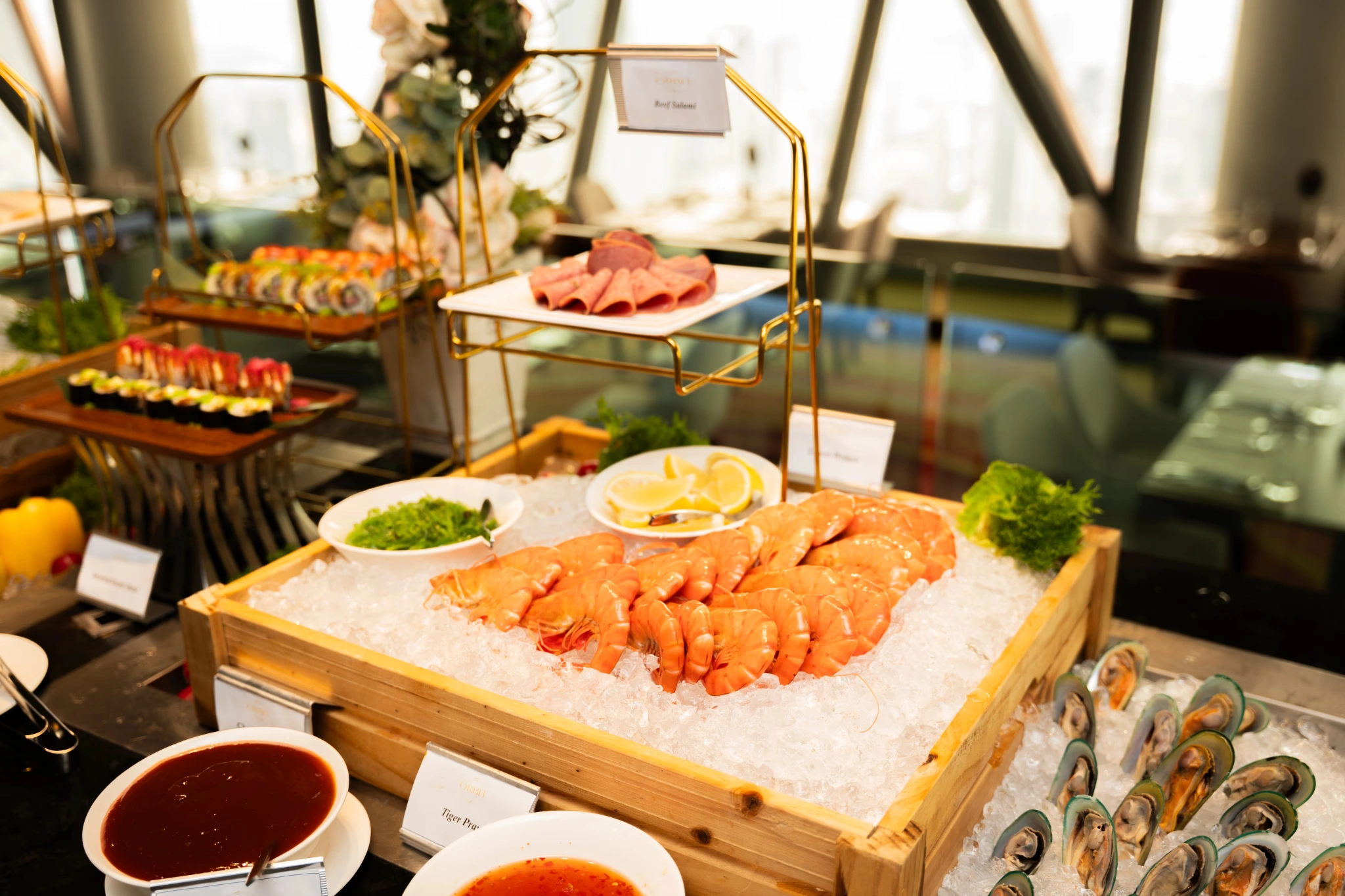
    Used to be under the name Atmosphere 360 and ARAS, this restaurant is now under a new management, thus explained the change of the name to its latest one, which is ORBIT Revolving Dining. Still the same romantic experience as before; a premium revolving restaurant inside the tower pod that slowly rotates 360 degrees while you dine on their newly introduced elegant buffet menu spread.

    • Sky Cafe (Upcoming):
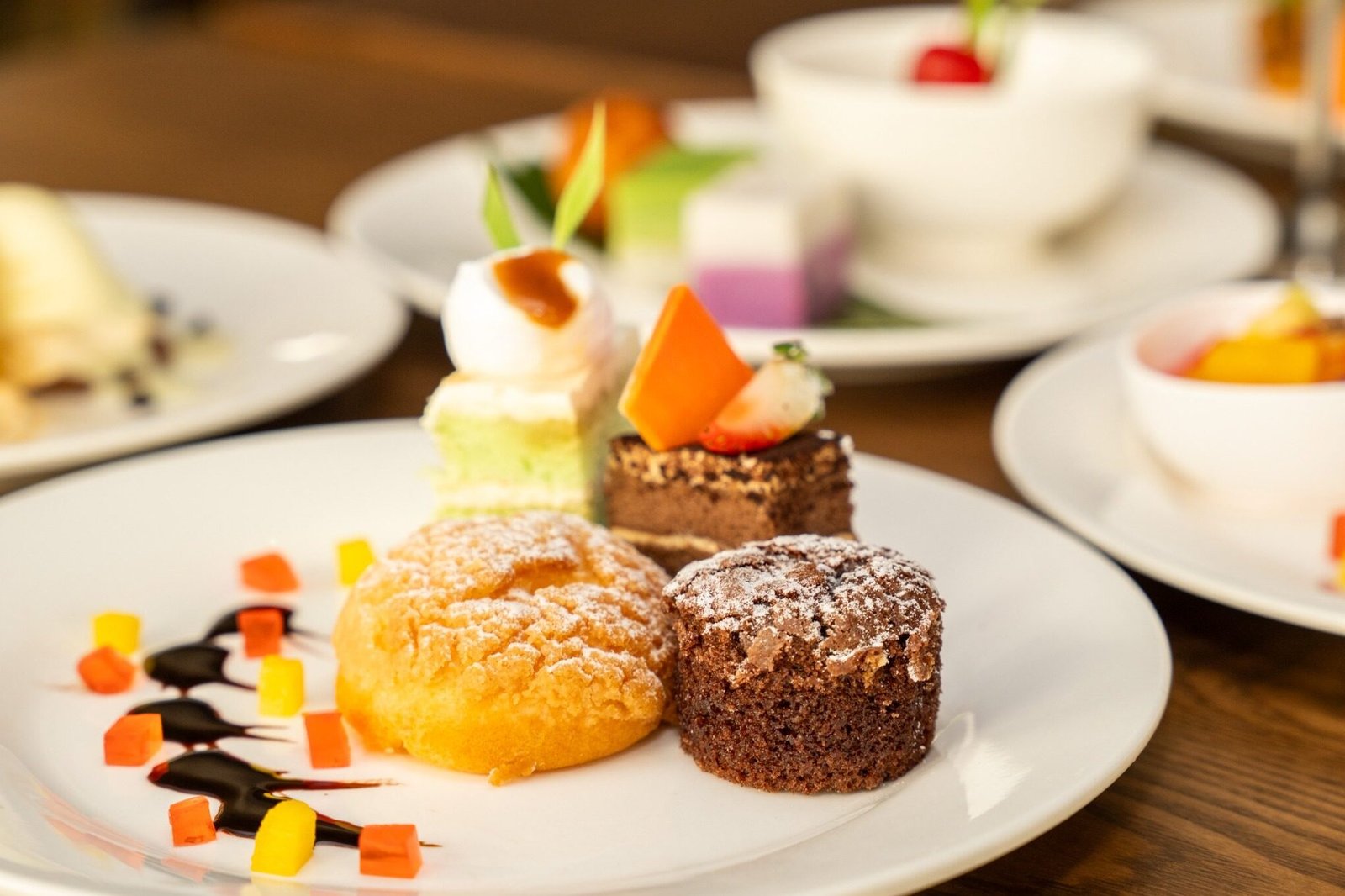
    Following its exclusive preview for media and creators from October 29 to November 1, 2026, this plant-filled haven is scheduled to officially open to the general public in November 2026. Nestled within the lush new Sky Garden, this open-air escape provides a serene retreat where visitors can unwind over signature afternoon tea sets while soaking in panoramic, glass-free views of the iconic city skyline.

    📌 Fast Facts for Your Itinerary

    📍 Address: 2 Jalan Punchak, Off, Jalan ribbon P. Ramlee, 50250 Kuala Lumpur

    ⏰ Operating Hours: 9:00 AM – 10:00 PM Daily

    🎫 Ticket Pricing: Basic indoor Observation Deck entry starts around RM30 for Malaysian adults. Accessing the open-air Sky Deck and the Sky Box combos generally ranges around RM50-RM70 for locals and approximately RM110-RM120 for international travelers.

    🚇 Getting There:
    Take the Monorail to the Bukit Nanas Station or the LRT to Dang Wangi Station. From the hill entrance gate, the tower provides a free shuttle van service running every 15 minutes to save you from walking up the steep hill!

    🏙️ Planning the ultimate city skyline tour? Click here to see how it compares to our ultimate guide on the magnificent Petronas Twin Towers!

  • Step Inside Naug Cafe: Johor Bahru’s Hidden Greenhouse Sanctuary

    Step Inside Naug Cafe: Johor Bahru’s Hidden Greenhouse Sanctuary

    If you think cafe-hopping along Johor Bahru’s historic Jalan Tan Hiok Nee is just about vintage aesthetics and traditional kaya toast, think again. Tucked away on the second floor of a beautifully curated botanical shop lies Naug Cafe & Desserts, a Japanese-inspired minimalist greenhouse that is rapidly becoming a favorite getaway for locals and travelers alike.

    Part thriving plant nursery, part intimate coffee nook, Naug is redefining what it means to slow down in the city. If you’re looking to escape the bustling crowd and indulge in some serious plant therapy, here is exactly why this whimsical hidden gem deserves a top spot on your JB bucket list.

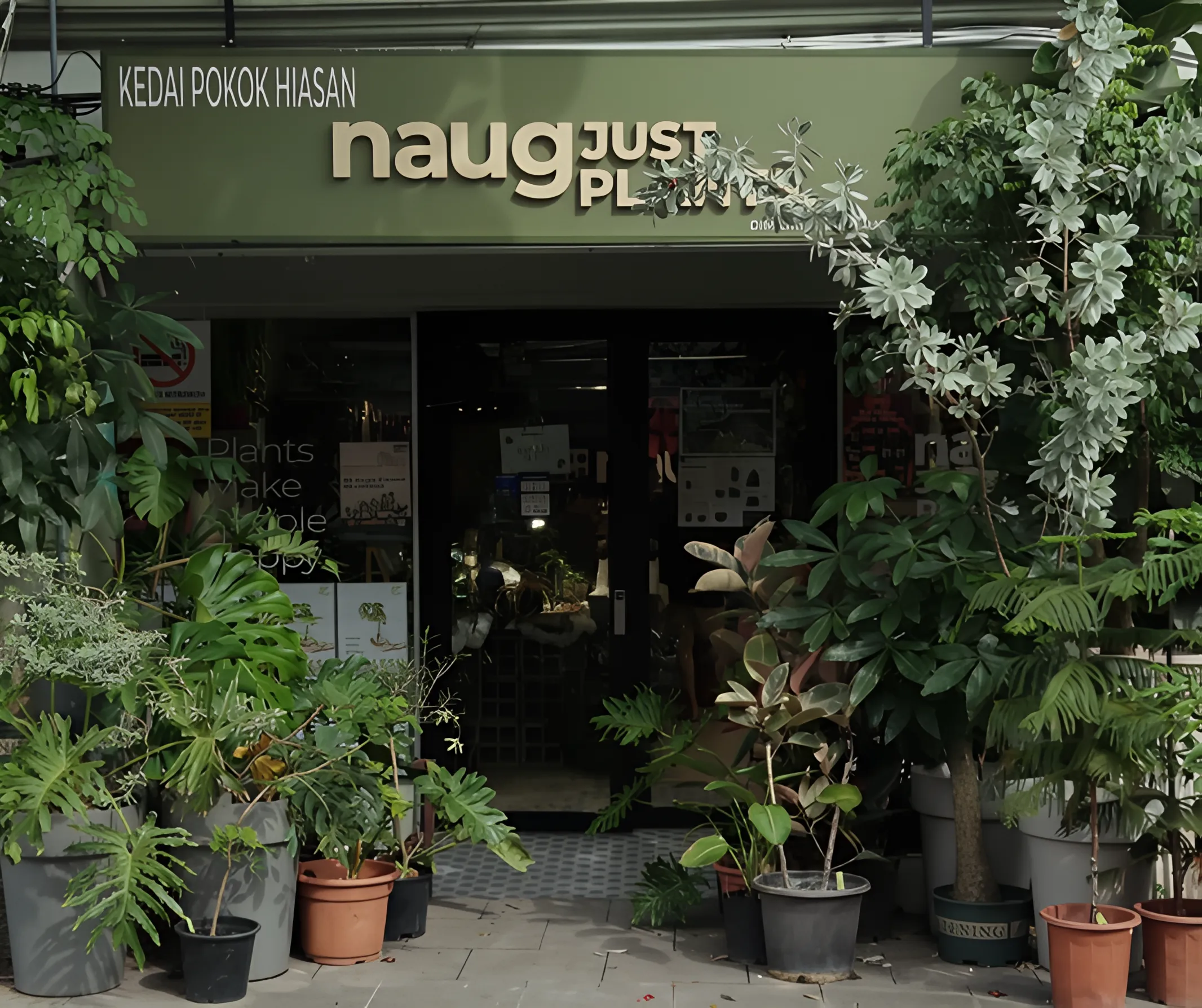
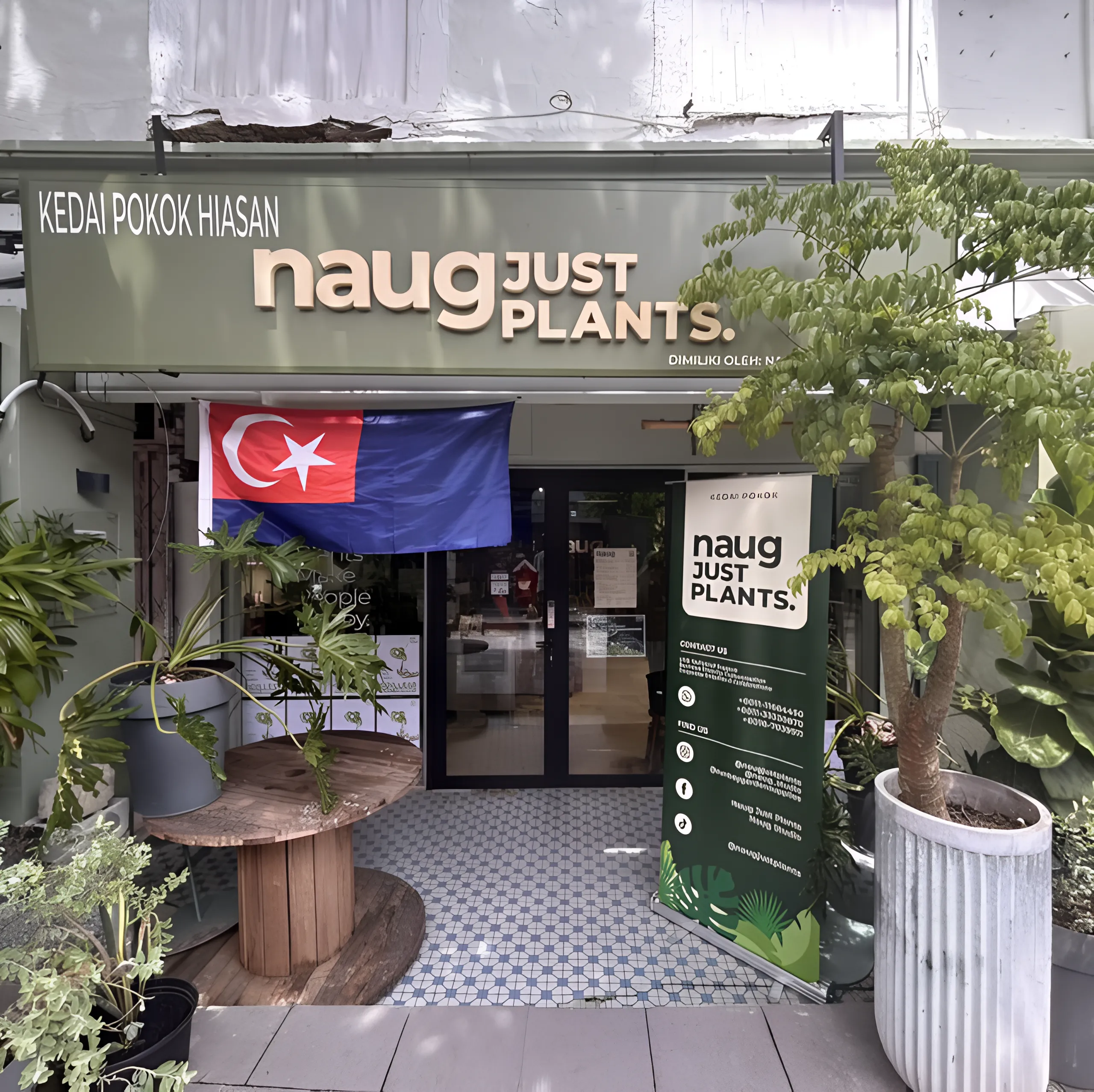
    Naug Cafe isn’t just a cafe with a few potted plants thrown in for decoration; it is a full-scale nature experience. When you cross the threshold of Naug Just Plants, you are instantly greeted by rows of hanging macramé planters, handcrafted terrariums, and thriving hydroponic houseplants.You can peek at their daily schedule or book an interactive slot via the official Naug Just Plants Instagram Hub.

    Following the greenery up to the second floor reveals the cafe, an architectural breath of fresh air that feels like a cross between a cozy backyard patio and an art exhibition. The space relies heavily on warm wood tones, pebbles underfoot, and a massive influx of soft, natural sunlight streaming through the windows. Paired with lo-fi bossa lounge and soft jazz music humming in the background, the entire environment feels intentionally slow-paced and calming—the ultimate urban sanctuary.

    Why Is It Popular?

    Naug has captured the hearts of modern travelers for three major reasons:

    • The Secret “Hidden” Vibe:
    Because the storefront looks primarily like a boutique plant nursery, passing tourists often miss the cozy cafe space waiting upstairs. Finding it feels like discovering a true local secret.

    • Interactive Terrarium Workshops:
    Beyond serving food, Naug is famous for its “Hands-on with Nature” daily DIY workshops. Visitors can actually craft their own soilless moss gardens, custom terrariums, or preserved moss frames right on-site.

    • The “Zero-Soil” Trick for Singaporeans:
    For weekend cross-border trippers, Naug specializes in soilless and hydroponic houseplants. Because the plants are soil-free, travelers can easily purchase and transport them legally back across border! According to the official NParks Singapore Plant Health Guidelines, travelers are allowed a hand-carry quota of up to three bare-rooted or soilless plants from West Malaysia without needing a special import permit.
    • Malaysia in a Cup:
    Coffee lovers rave about their creative signature brews. The absolute standout is the Pandan Gula Melaka Latte—a smooth espresso base perfectly balanced with smoky caramel notes and fragrant pandan. If you want something crisp, their spicy Espresso Ginger Ale is a incredibly refreshing alternative.

    • The Specialty Cloud Series:
    For non-coffee drinkers, their velvety “Cloud” foam drinks and creative custom dessert parfaits allow you to mix and match ice cream bases (like coconut or matcha) with rich pours and crunchy toppings like kunafa.

    source: @naugcafe on Instagram
    Source: [@naugcafe]

    • The Famous Waffles:
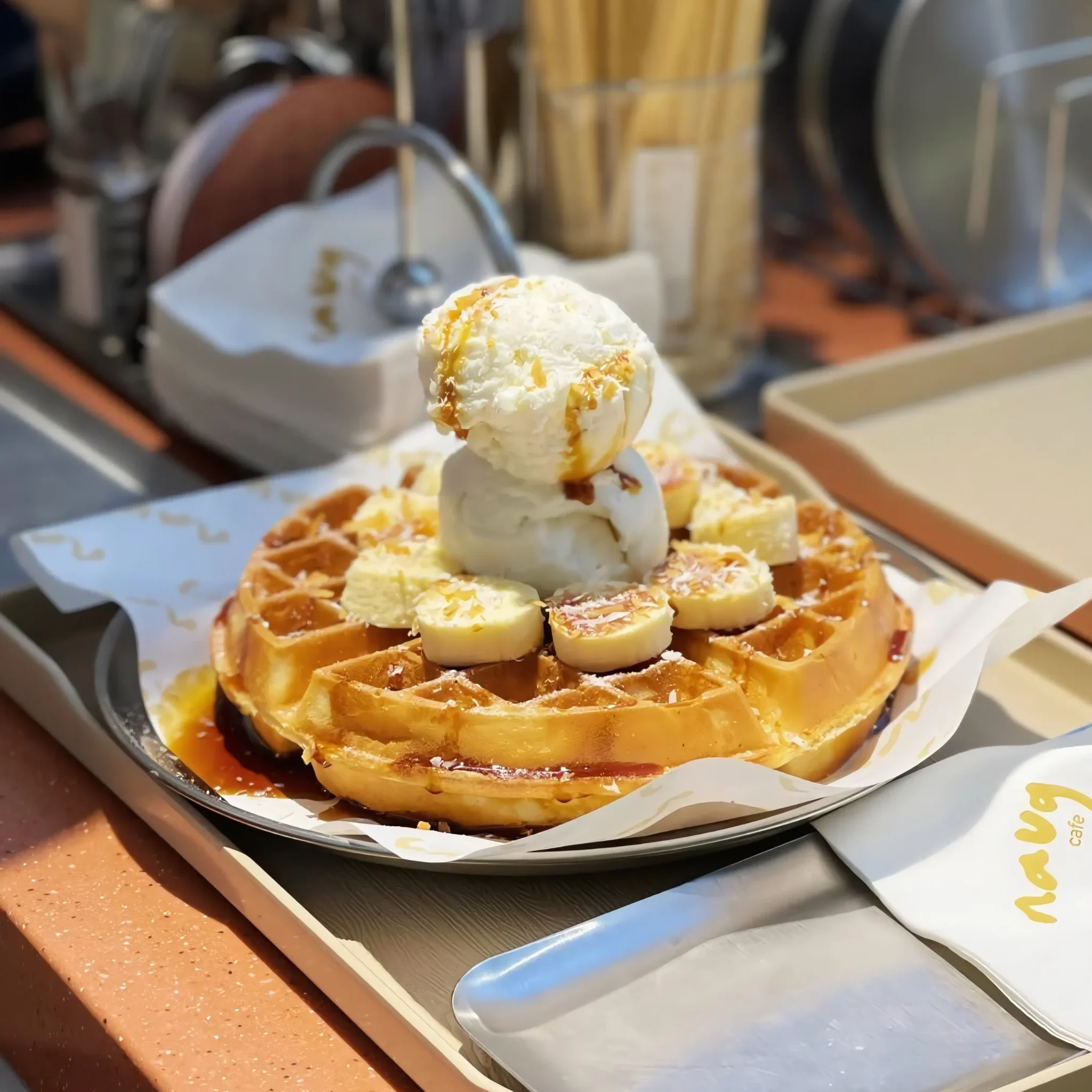
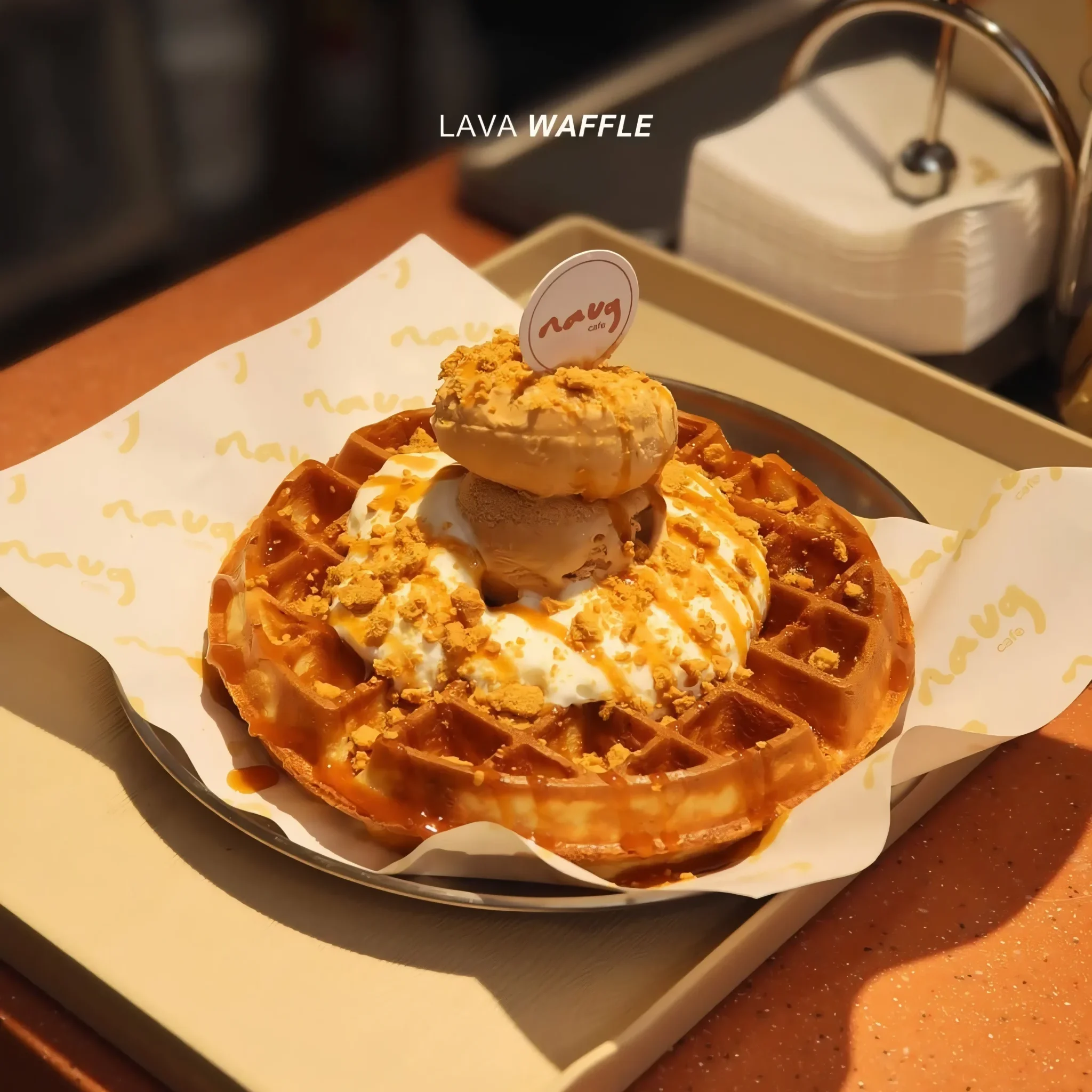
    You can’t leave Naug without trying their signature crispy waffles. According to their official Instagram (@naugcafe), you can dive into the local-favorite Tropical Waffle topped with refreshing coconut ice cream, or opt for the decadent, chocolate-rich ‘Soil Waffle’—cleverly designed to look like a tiny garden bed!
    📌 Fast Facts for Your Itinerary

    📍 Address: 50A, Jalan Tan Hiok Nee, Bandar Johor Bahru, 80300 Johor Bahru, Johor

    ⏰ Operating Hours: 9:00 AM – 6:00 PM Daily

    💡 Pro-Tip: Because Naug values a quiet, peaceful escape, seating is intimate and intentionally limited. If you want to secure a table bathed in that beautiful afternoon daylight without a wait, aim to get there early!

  • Architectural Magic: What to See and Do at the Petronas Twin Towers

    Architectural Magic: What to See and Do at the Petronas Twin Towers

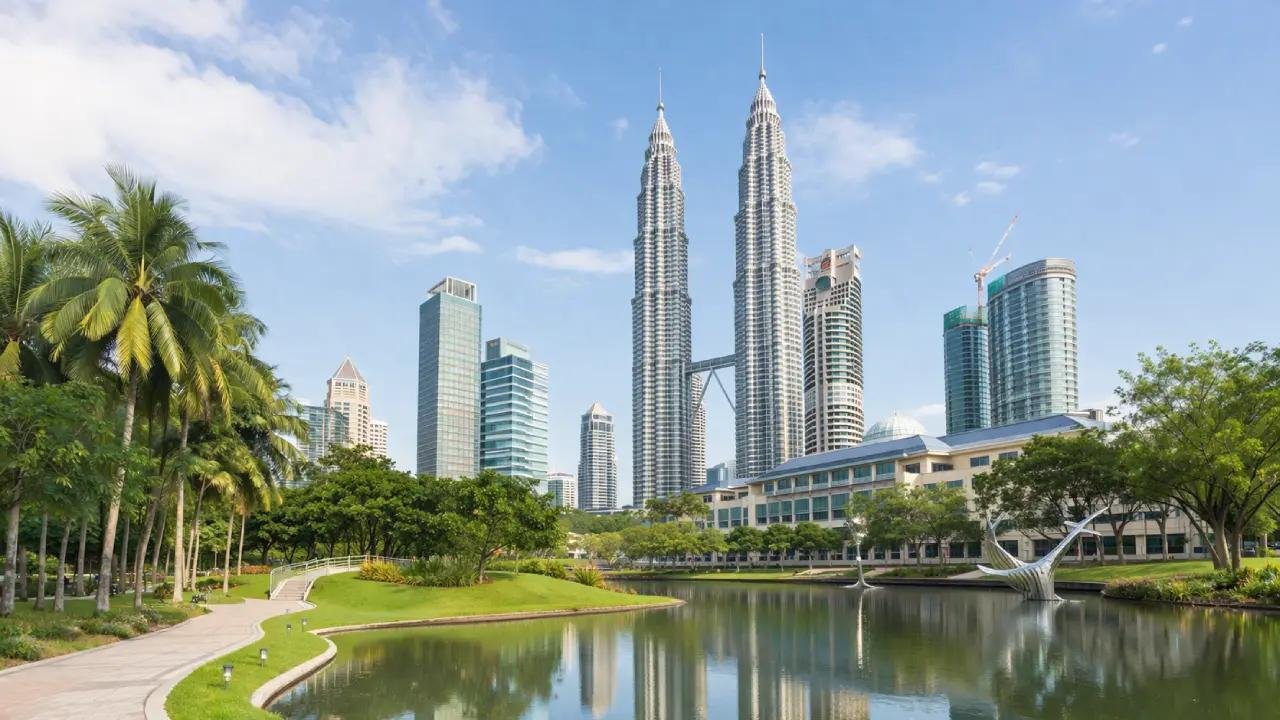
    Eating your way through Jalan Alor and scaling the vibrant steps of Batu Caves are absolute must-do experiences in Kuala Lumpur, but the true pulse of Malaysia’s modern capital lies thousands of feet higher in the skyline. Piercing the clouds right in the heart of the city centre are the Petronas Twin Towers—an absolute engineering masterpiece that stands as the ultimate symbol of modern Malaysia.

    Part global corporate headquarters, part high-altitude tourist wonder, these towers are far more than just office buildings. If you are looking to catch a breathtaking view of the city skyline and walk across the sky, here is exactly why this legendary landmark belongs at the absolute top of your Kuala Lumpur itinerary.

    What Kind of Landmark Is It?

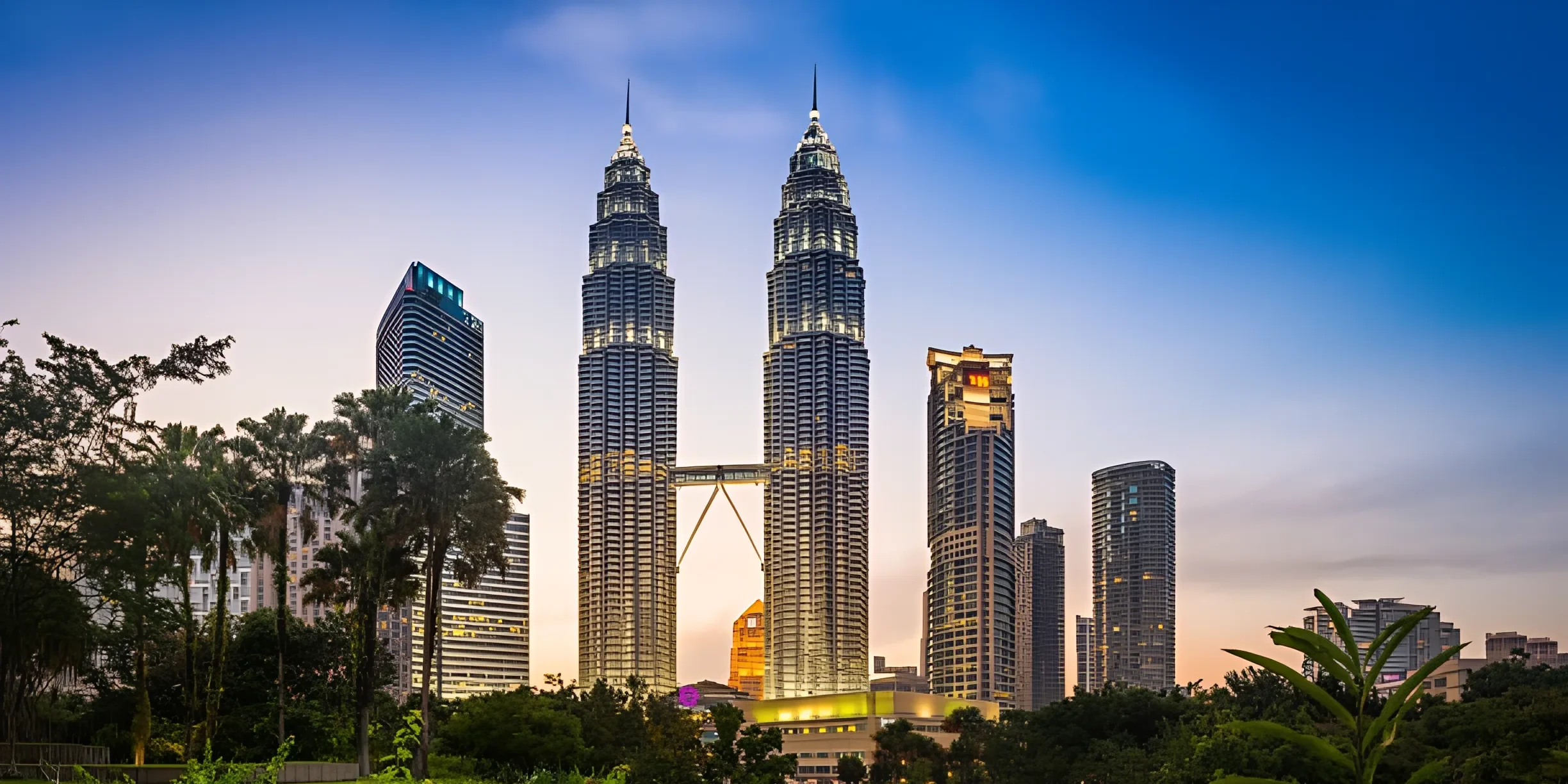
    The Petronas Twin Towers are not just regular glass-and-steel skyscrapers; they are a deep reflection of Malaysia’s cultural identity mixed with futuristic design. Designed by master architect César Pelli, the towers stretch 451.9 meters into the air across 88 storeys, proudly holding the title of the tallest twin towers on the planet. You can explore the full blueprint history on the official Petronas Towers Design and Structure Breakdown.

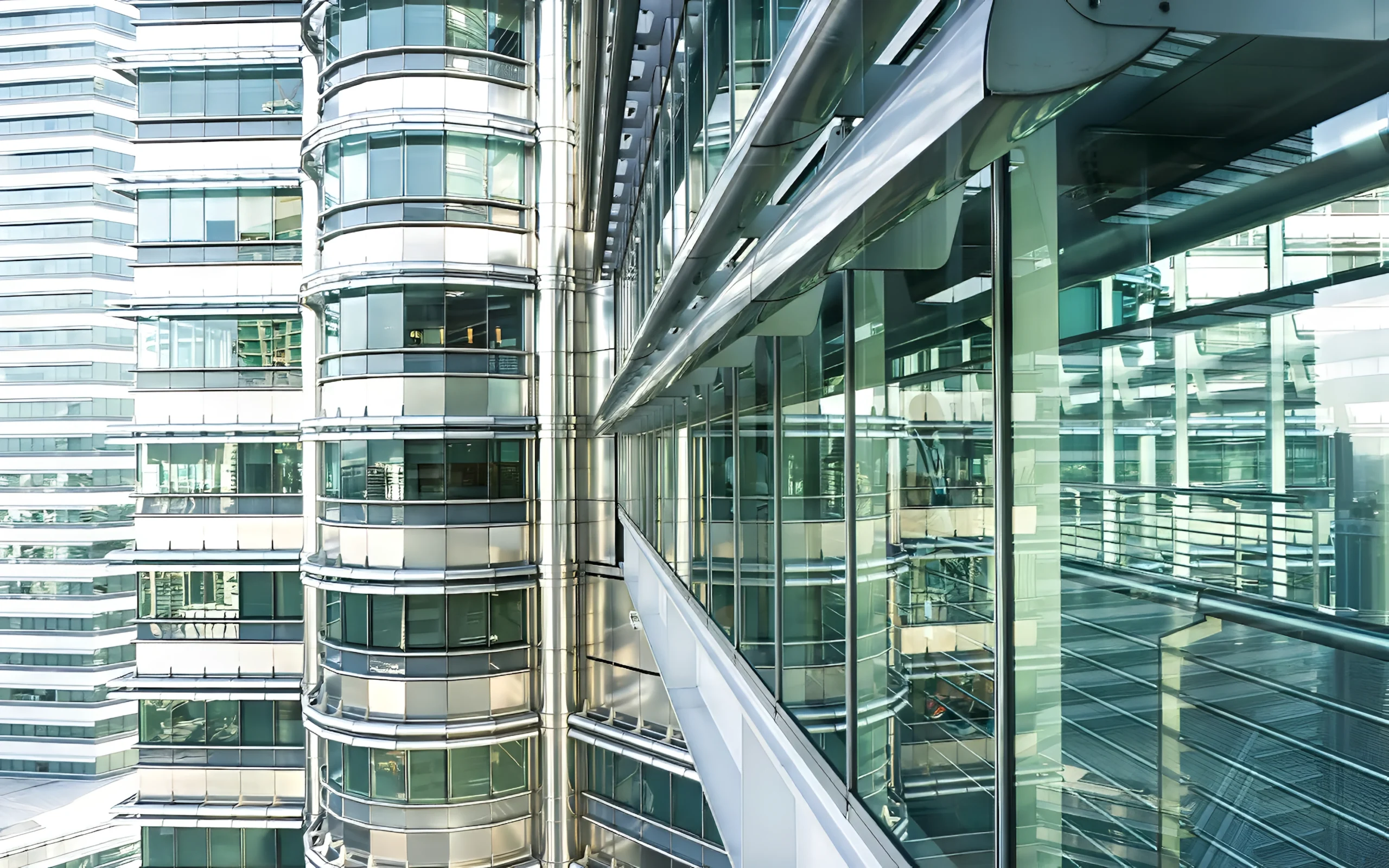
    The exterior of the structures is wrapped in a brilliant skin of stainless steel and laminated glass that gleams intensely under the tropical sun. Look closely at the floor plates, and you will notice they form an interlocking eight-pointed star based on traditional Islamic geometric principles, symbolizing unity, balance, and harmony. The entire complex feels massive yet incredibly elegant—especially when completely illuminated like giant silver crystals at night.

    Why Is It Popular?

    The Twin Towers capture the imagination of millions of globetrotters and photographers every year for these three major reasons:

    • The Double-Decker Skybridge:
    Suspended a staggering 170 meters above the ground, the towers are connected by the world’s highest two-story bridge. Walking across it feels like stepping directly into mid-air between two massive giants.

    • The Postcard-Perfect Night View:
    When the sun sets, the towers light up in a dramatic, brilliant white glow. Travel photographers flock to the surrounding courtyards to capture the iconic “looking up” perspective that dominates social media travel feeds.

    • The Ultimate All-in-One Hub:
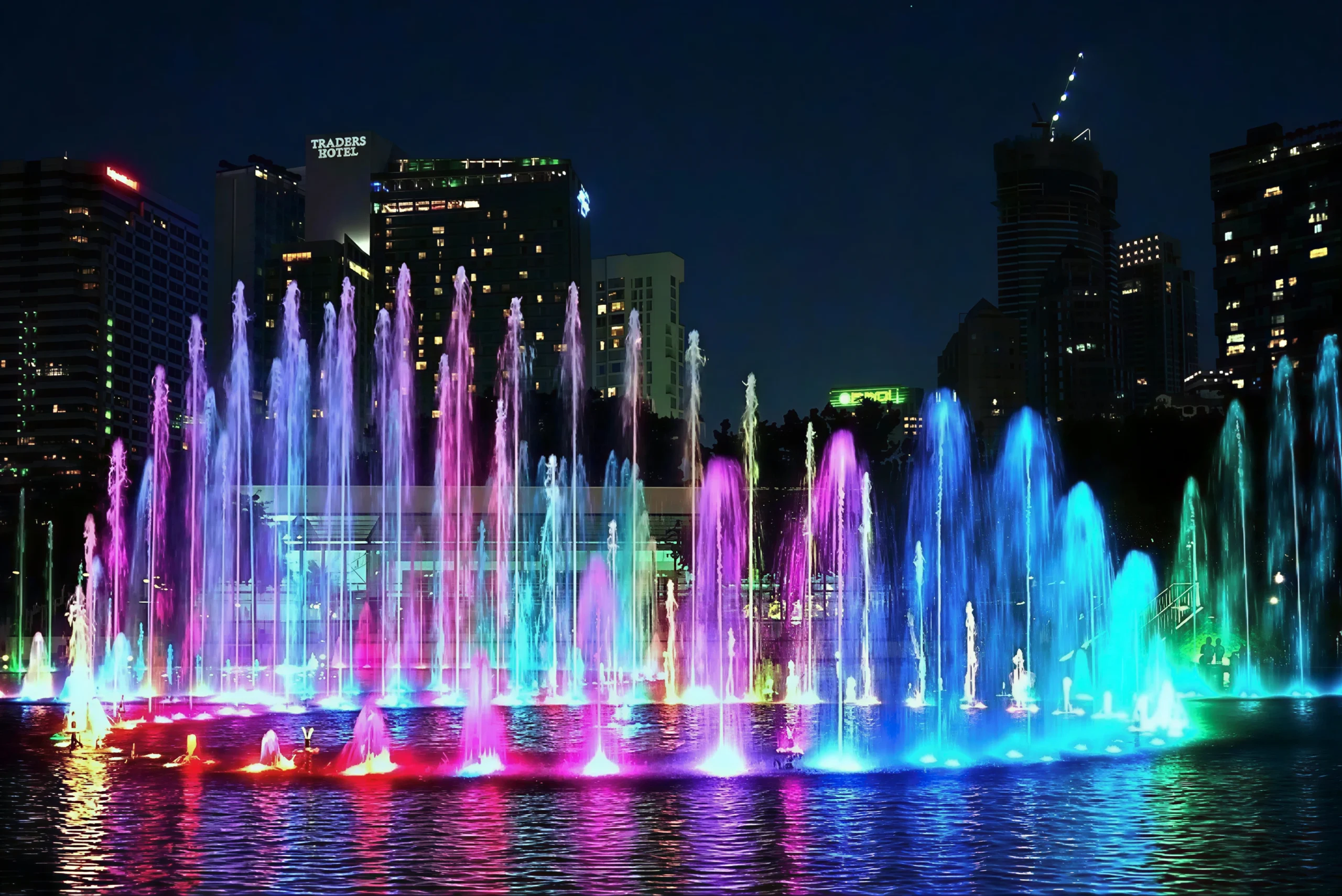
    At the base of the towers sits Suria KLCC, a luxury six-story shopping mall packed with world-class dining, an art gallery, and a futuristic science center, all unfolding directly onto a beautiful 50-acre public park featuring synchronized fountain light shows.

    What You Can Enjoy There

    An admission ticket into the towers rewards you with a seamless, futuristic journey through the clouds.

    • Walking the Skybridge:
    Your tour begins on the 41st floor. Here, you can stand on the famous Skybridge and peer down at the bustling city streets beneath your feet while feeling the structure subtly move with the wind.

    • The 86th Floor Observation Deck:
    Next, high-speed elevators shoot you up to the high-tech observatory on Level 86. From 370 meters high, you can use interactive screens to zoom into the city landmarks or peer through telescopes for a panoramic, 360-degree view of the entire Klang Valley.

    • The Lake Symphony Fountains:
    After your sky tour, step outside to the KLCC Park Esplanade. Every evening, you can relax by the water and watch the free Lake Symphony show—a mesmerizing dance of water fountains, vibrant lights, and music set against the backdrop of the glowing towers.

    📌 Fast Track for Your Itinerary

    📍 Address: Concourse Level, Lower Ground, Kuala Lumpur City Centre, 50088 Kuala Lumpur

    ⏰ Operating Hours: Tuesday to Sunday, 9:00 AM – 10:30 PM (Closed on Mondays)

    💡 Pro-Tip: Because visitor capacity is highly restricted per time slot, tickets sell out days in advance. Do not rely on walking up to the ticket counter; secure your timed-entry slot online ahead of time and make sure to arrive 15 minutes early so you don’t lose your spot!

  • Common Booking Red Flags in 2026

    Common Booking Red Flags in 2026

    Booking a holiday should be exciting, but travel cybercrime is more sophisticated than ever. With fraudsters utilizing advanced AI tools and exploiting security blind spots on mainstream platforms, travelers are losing thousands of dollars to high-tech scams.

    To keep your vacation smooth and secure, here is the breakdown of the top 10 most dangerous and common booking red flags you must watch out for today.

    1. In-App “Reservation Hijacking” Messages

    This dangerous scam happens when cybercriminals hack into official hotel or host accounts to message you directly inside legitimate apps. The core red flag is receiving an urgent message claiming your payment failed, threatening to cancel your booking within two hours unless you click their link to “re-verify” your credit card. This exact trick cost a traveler booking a boutique stay in Spain €1,500 after they clicked a malicious link sent right through the official app chatbox.

    Why it’s dangerous: Hackers bypass security by compromising the actual hotel’s internal account portal. The threat comes from legitimate, highly rated host profiles rather than new ones. You can read the technical breakdown of how these unfold in the comprehensive Gen Digital Reservation Hijack Report.

    2. Stolen Superhost Accounts

    Cybercriminals frequently steal or phish established, highly rated profiles to bypass platform security and instantly win your trust. You can spot this red flag when a gorgeous listing has hundreds of five-star reviews dating back years, but the recent host responses suddenly change in tone, or the booking calendar is suddenly wide open at a majorly discounted price. In one devastating case, a family rented a luxury beach villa in Australia from a five-star host, only to arrive and discover the real owner had been locked out of their hacked account for weeks.

    Why it’s dangerous: Account takeovers are at an all-time high. Cybercriminals hijack legitimate, highly rated host profiles rather than making new ones, using the host’s hard-earned trust to rob guests.

    3. Hyper-Specific AI-Generated Fake Reviews

    Scammers now use advanced AI to write highly detailed reviews that sound completely authentic at a first glance. The major red flag here is a pattern of reviews that use oddly repetitive sentence structures but include highly specific local landmarks to sound real, using phrasing like,

    “The walk to the town hall took exactly 4 minutes and the local bakery on the corner was divine.”

    This tactic was recently uncovered on an apartment listing in Japan that displayed dozens of glowing, deeply detailed reviews that turned out to be completely synthetic text paired with stolen stock images

    Why it’s dangerous: Scammers use large language models to generate thousands of unique, deeply contextualized fake reviews that easily trick traditional spam filters and mask terrible properties.

    4. Flawless AI-Generated Property Photos

    Fraudulent listings are increasingly using AI image generators to create breathtaking, hyper-luxurious interiors for properties that do not actually exist. The primary red flag is that while the images look modern and immaculate, a closer inspection reveals weird structural glitches, such as windows that do not align, stairs leading into solid walls, or perfectly repeating wood grain patterns.

    A traveler fell victim to this by booking a historic loft in France, only to arrive and find the address corresponded to an empty, rundown commercial warehouse.

    Why it’s dangerous: Scammers no longer rely on stolen stock photos that fail reverse-image searches. They use AI image generators to create beautiful, entirely fictional interiors for properties that do not exist.

    💡Read Next: Want to make sure you are booking the trendiest (and safest) stays this year? Explore our ultimate guide to the top 5 accommodation types dominating travel in 2026!

    5. Off-Platform Payment Requests for “Local Fees”

    When booking your next getaway, keep a sharp eye out for one major red flag: a host messaging you immediately after confirmation to demand extra payments. They might claim these are mandatory local government environmental fees, tourist taxes, or security deposits, but the catch is that they will insist you pay via cryptocurrency, wire transfer, or an external payment app outside the booking platform. Unfortunately, these high-pressure tactics are incredibly common and costly; in one devastating case, a couple was scammed out of an additional $600 for a completely imaginary “eco-tax” just before their honeymoon trip to Greece.

    Why it’s dangerous: Once you move off the official payment rail, the platform’s consumer protection is completely voided. If it’s a scam, you cannot claim a refund from the platform.

    6. The Last-Minute “Broken Pipe” Bait-and-Switch

    Another massive red flag to watch out for is the last-minute “emergency” switch. Just hours before your scheduled check-in, the host will message you claiming a sudden plumbing disaster or electrical failure has made the property completely uninhabitable. They will then “graciously” offer you an alternative property nearby, which is almost always a major downgrade. This classic bait-and-switch scam recently caught a tour group in Thailand completely off guard; after being told a sudden “maintenance emergency” ruined their plans, they were forced out of their beautiful beachfront villa and moved into a cramped, inland apartment.

    Why it’s dangerous: The alternative property is almost always a rundown, lower-tier unit located miles away from your desired area. You are forced to accept it because you have nowhere else to go.

    7. The “Burying the Mismatch” Phishing Scam

    Perhaps the most terrifying tactic out there is the hyper-targeted phishing scam, which relies on stolen data to trick you. You might receive an email or text detailing a flight or hotel booking that perfectly matches your real name and exact travel dates, making it look 100% authentic. The message will urgently demand an immediate credit card “re-verification” fee to prevent your booking from being canceled. Because the details are so precise, it is incredibly easy to fall for; for instance, a tourist traveling to Canada recently received a scam email displaying their exact flight number and name, leading them to assume it was official and hand over sensitive financial information.

    Why it’s dangerous: Using recent mass data leaks from airlines or booking sites, fraudsters compile your real passport data and flight histories to target you. Because the details match your real life perfectly, travelers drop their guard. Remember, legitimate airlines and booking platforms will never threaten immediate cancellation over a surprise “re-verification” fee via email—always log directly into the official platform to check your account status.

    8. Malicious Travel Search Domain Ads

    You also need to be incredibly careful when using search engines, as scammers are now paying to place cloned websites right at the top of your results. The top link on Google for a popular travel site might look completely legitimate at first glance, but the actual URL will have a microscopic misspelling—like skyskanner.net or booking-verification-portal.com. These copycat sites look identical to the real platforms, making them highly effective traps. For example, travelers looking for tropical flight deals in Malaysia recently fell victim to this exact trick, accidentally inputting their credit card information into a cloned flight aggregator site that perfectly mimicked a trusted brand.

    Why it’s dangerous: Cyber-attackers buy targeted ad space to push cloned flight aggregators and booking sites to the top of search engines during peak seasons, stealing credit card data instantly.

    9. Close-Up Only Photos / Missing Layouts

    Another warning sign is a listing that hides the true layout of the property through strategic photography. If you notice the listing features dozens of photos, but they are all tightly cropped close-ups of a coffee mug, a plant on a windowsill, or a neatly folded towel, be highly suspicious. When a host completely omits wide shots of the actual rooms, they are usually trying to hide how tiny or run-down the space actually is. A student tourist recently learned this the hard way after booking what was advertised as a “spacious studio” in Italy; upon arrival, it turned out to be a cramped, windowless room barely large enough to fit a single mattress.

    Why it’s dangerous: Hosts deliberately use close-up photography to mask extreme structural damage, heavy mold, tiny room dimensions, or a lack of basic furniture.

    10. Exorbitant Cleaning Fees Attached to Short Stays

    You should also be wary of listings that bait you with impossibly low nightly rates, only to sting you with exorbitant hidden fees at checkout. A sleek apartment might advertise an incredibly tempting rate of just $40 a night, but the final payment page will quietly append a massive, one-time $250 “sanitization and turnover fee”—even if you are only booking a one-night stay. This sneaky pricing trick recently blindsided a business traveler in South Korea, who realized their quick overnight stay ended up costing triple the advertised price due to these hidden cleaning line items.

    Why it’s dangerous: This is a predatory pricing tactic designed to manipulate search filters on major platforms, making the property appear incredibly cheap until you are already deep in the checkout flow.

    The Ultimate Travel Safety Checklist

    Protecting yourself from these sophisticated travel scams doesn’t have to be complicated, but it does require diligence. To keep your hard-earned money safe and ensure your dream vacation doesn’t turn into a travel nightmare, follow these simple rules before your every single booking;

    1. Never click external links: If a hotel asks you to update your card details, close the email, open the official app independently, and check your dashboard.

    2. Verify with reverse image search: Run photos through a search engine to verify they aren’t stolen from real estate sites or AI engines.

    3. Keep payments on-platform: If a host asks for a direct bank transfer, crypto, or external payment apps, cancel the reservation immediately. Once you move off the official payment rail, the platform’s consumer protection is completely voided. In fact, the FTC Travel Scam Alert explicitly warns that only scammers will insist on these non-reversible payment methods.

    The Final Itinerary: Protecting Your Peace of Mind

    As travel technology gets smarter, so do the fraudsters. But armed with this top 10 list, you now know exactly how to spot a bad deal before it ruins your hard-earned holiday.

    The golden rule of travel booking remains simple: always stay within the walled garden of your official booking platform. The moment a host or an email pushes you to take your payment, communication, or verification off-platform, pull the plug on the reservation immediately. A few minutes of extra vigilance during checkout is all it takes to guarantee your peace of mind.

    Have you or someone you know ever run into one of these modern travel red flags? Which scam on this list surprised you the most? Drop a comment below and share your story to help keep our travel community safe!

  • The Giant in town: Why Merdeka 118 is Re-Writing the World’s Record Books

    The Giant in town: Why Merdeka 118 is Re-Writing the World’s Record Books

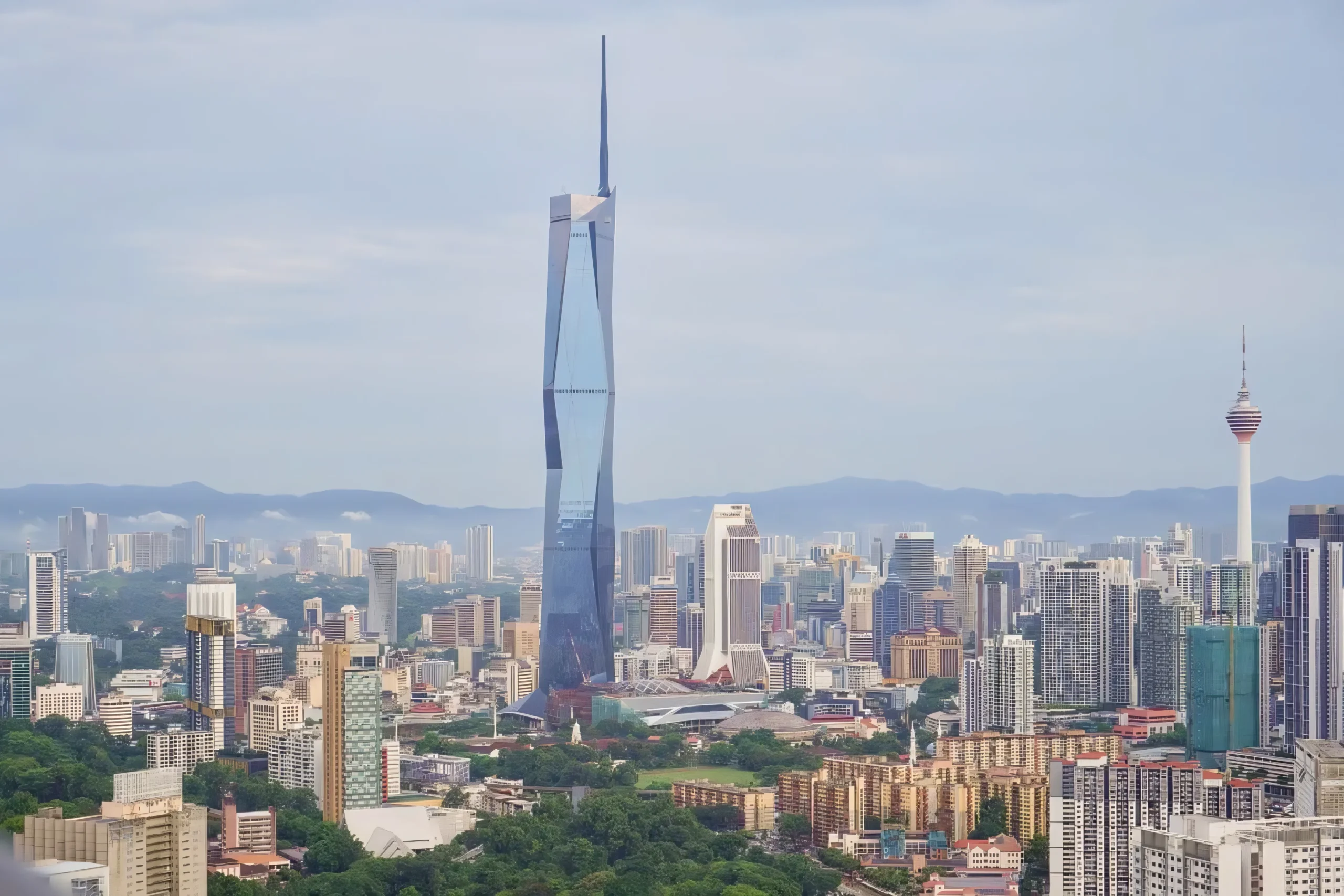
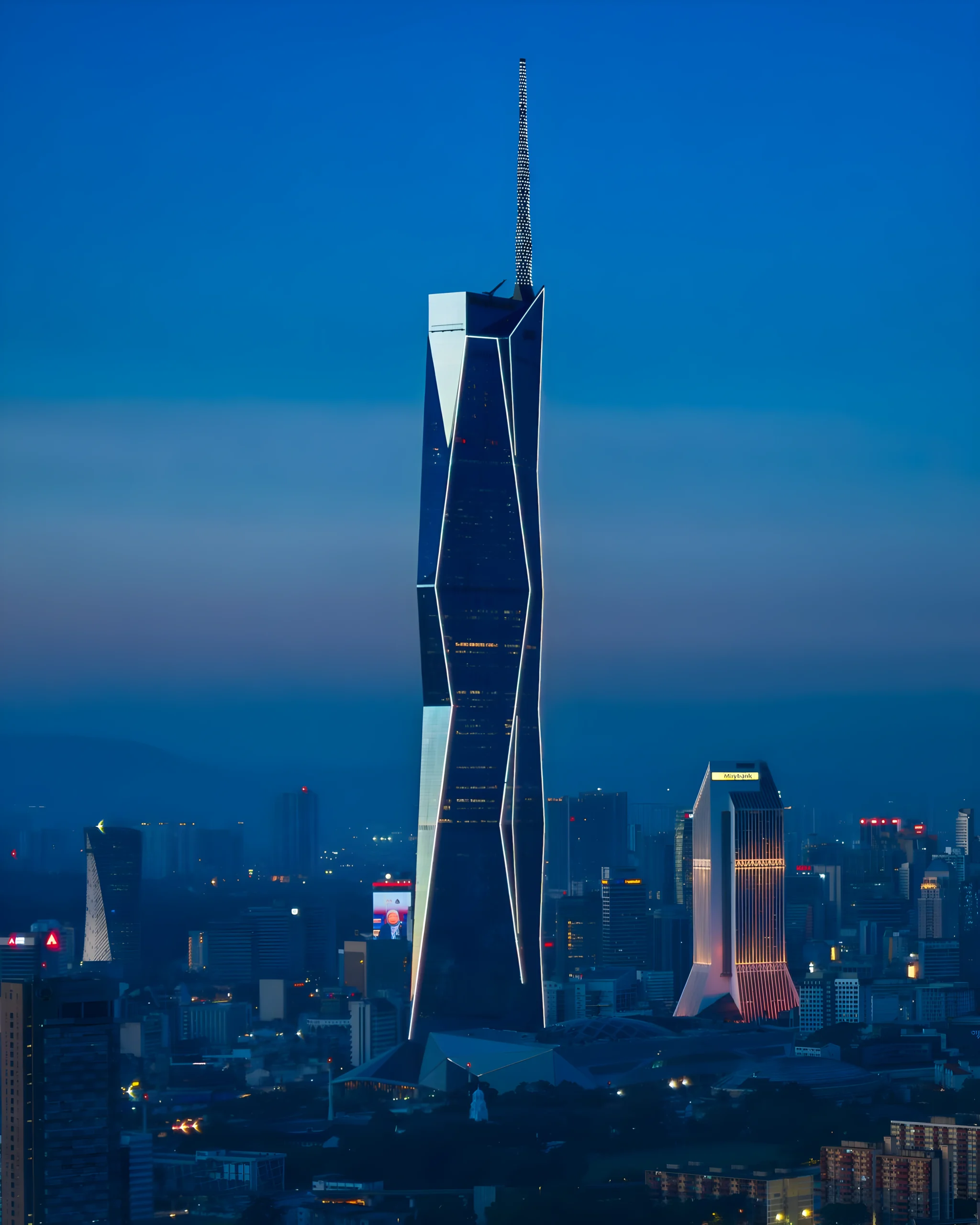
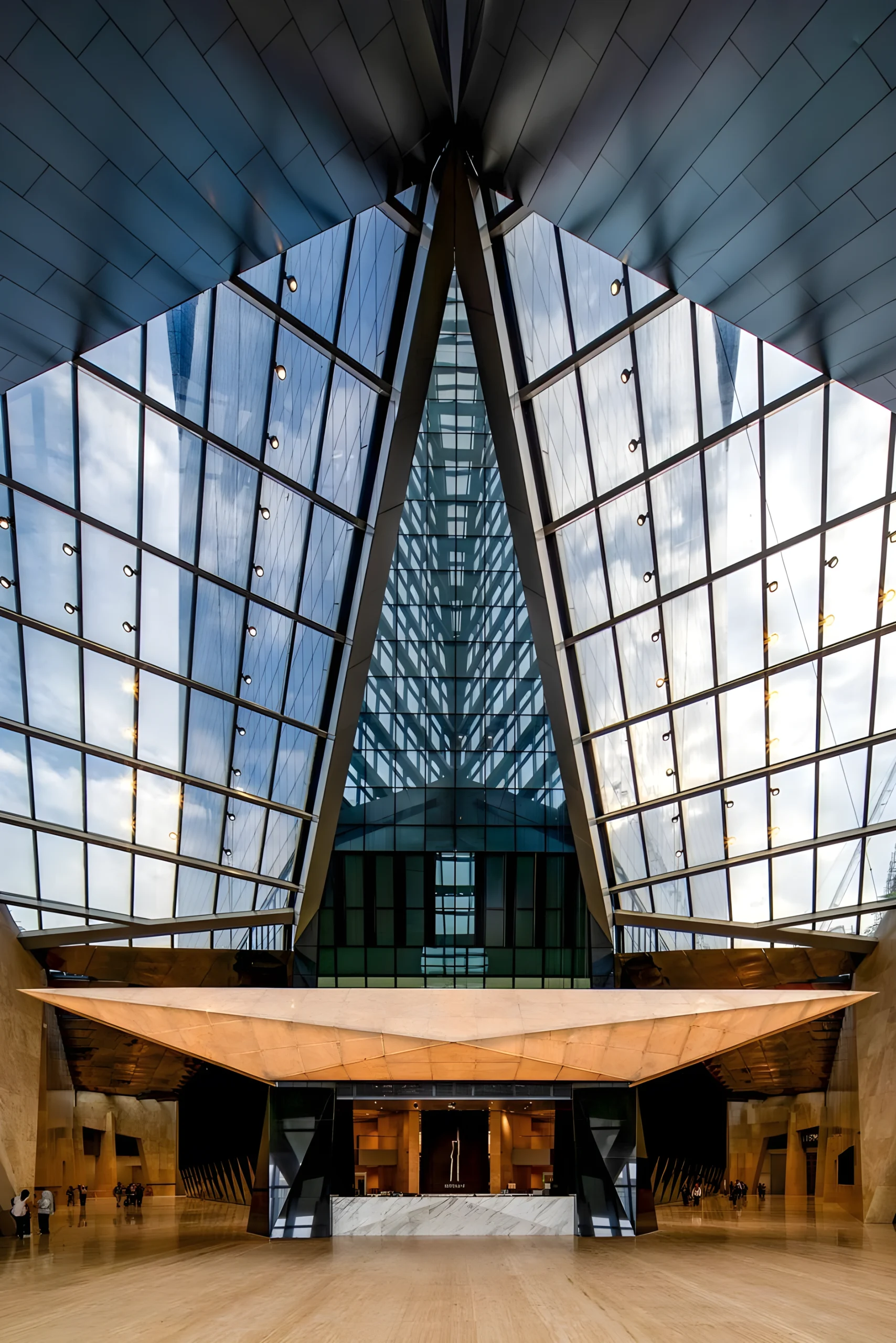
    While the Petronas Twin Towers have long defined Kuala Lumpur’s classic postcard view, a colossal new diamond-faceted giant has officially arrived to rewrite the world’s record books. Soaring into the heavens right in the historic heart of the city is the Merdeka 118 Precinct—a jaw-dropping architectural marvel that has officially rewritten the record books.

    Standing at a dizzying 678.9 metres tall across 118 storeys, this crystalline megatall skyscraper proudly holds the title of the second-tallest building in the world, surpassed only by Dubai’s Burj Khalifa. Far more than a corporate complex, it is a magnificent mix of high-altitude luxury, heritage conservation, and cutting-edge design.

    Here is why this massive precinct needs to be next on your travel list.

    The Merdeka 118 Precinct is an extraordinary fusion of futuristic engineering and deeply personal Malaysian history. Designed by the renowned architecture firm Fender Katsalidis, the tower features a faceted, diamond-like glass façade inspired by traditional Malaysian songket textile motifs, reflecting “diversity in unity”.

    Look closely at the building’s asymmetric shape and soaring spire: it is modeled exactly after the iconic, historic silhouette of Malaysia’s first Prime Minister raising his hand to shout “Merdeka!” (Independence!) at the adjacent Stadium Merdeka in 1957. The precinct forms a brilliant bridge between the country’s past and a soaring future, anchoring a massive 40-acre public space right next to the nation’s most sacred heritage sites.

    Why Is It Popular?

    Merdeka 118 has fast become the most talked-about development in Southeast Asia for several massive reasons:

    • The World-Class Altitude:
    The mega-structure dominates the city’s skyline from every angle, earning the prestigious title of the Best Tall Building Worldwide back in December 2021.

    • The High-End Sky Living:
    The upper tiers of the tower are home to the ultra-luxury Park Hyatt Kuala Lumpur, offering diners and hotel guests elite, panoramic dining rooms floating high above the clouds.

    • A Reinvigorated Heritage Zone:
    The developer, PNB Merdeka Ventures, painstakingly restored the open-air Stadium Merdeka right at the base, creating a brilliant venue where community sports, lively markets, and outdoor concerts sit alongside futuristic towers.

    What You Can Enjoy There

    The precinct is rolling out a stellar array of lifestyle, cultural, and adrenaline-pumping experiences in phases:

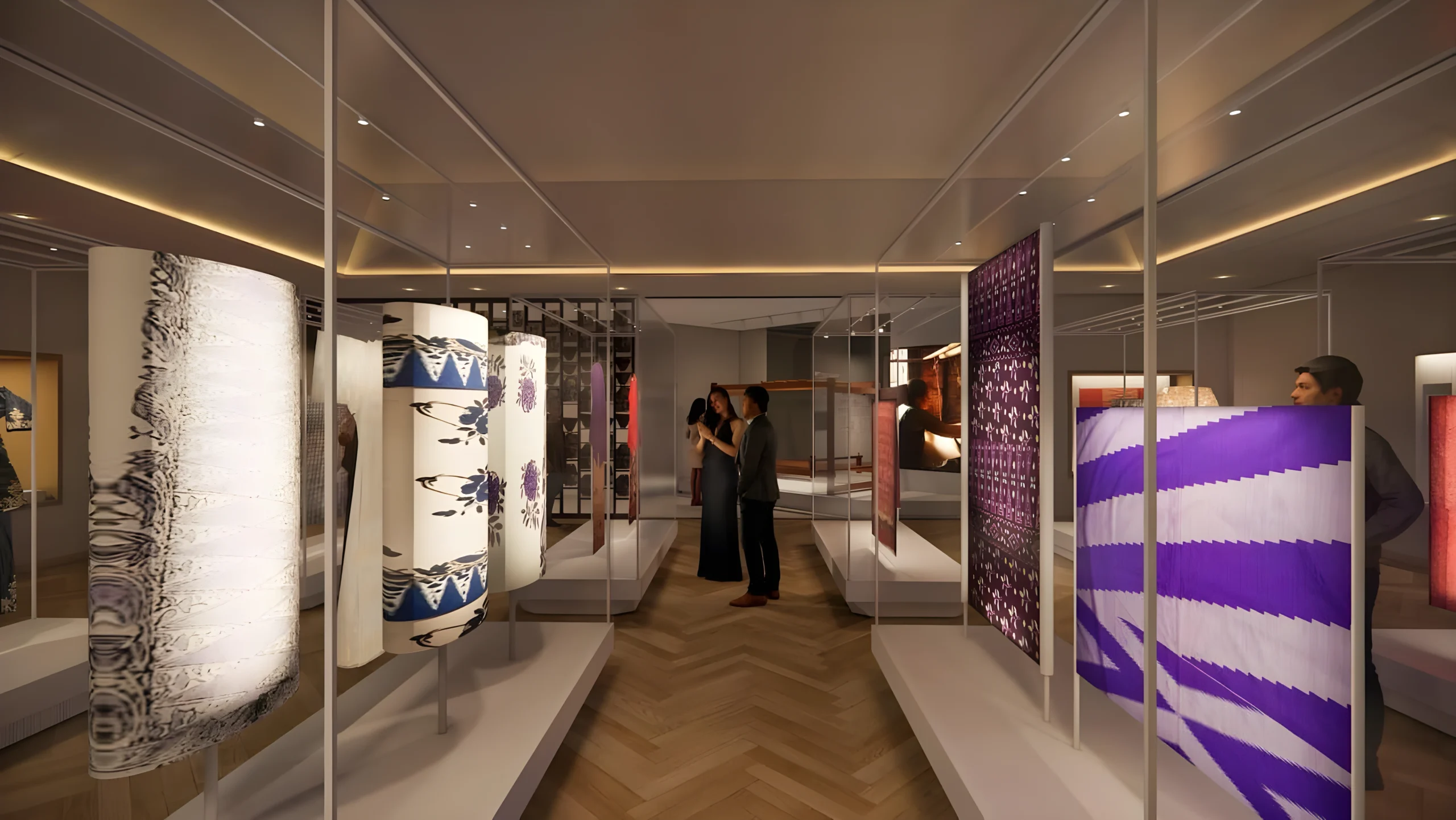
    • The Merdeka Textile Museum:
    Opened to the public, this beautifully curated space allows you to explore the stunning world of traditional Malay garments and intricate threadwork. Tickets are priced at RM20 for Malaysian adults and RM50 for international visitors.

    • The View at 118 (Coming Soon):
    Poised to open its doors as the highest observation deck in Southeast Asia, this sky deck will let you peer down on the KL Tower and Petronas Towers. Thrill-seekers can also look forward to an outdoor “Edge Walk” perimeter harness challenge and a heart-pounding Spire Climb!

    • 118 Mall (Final Stages):
    A massive seven-story shopping sanctuary crowned by an 88-meter sky-lit dome known as “The Atmosphere”. The retail hub features local artisan districts, indoor water light displays, and major culinary spaces and scheduled to open in November 2026

    📌 Fast Track for Your Itinerary

    📍 Address: Menara Merdeka 118, Jalan Hang Jebat, 50118 Wilayah Persekutuan Kuala Lumpur

    ⏰ Operating Hours: The public grounds and precinct spaces are open daily, while specific indoor attractions follow standard ticketing schedules.

    💡 Pro-Tip: While the main tower is currently welcoming hotel guests and corporate tenants, the surrounding public plazas and the textile museum are fantastic to visit right now. Keep a close eye on the official Merdeka 118 platform to lock in observation deck ticket slots the second they drop!

  • The Ultimate Guide to Bangunan Sultan Abdul Samad: KL’s Reimagined Heritage Jewel

    The Ultimate Guide to Bangunan Sultan Abdul Samad: KL’s Reimagined Heritage Jewel

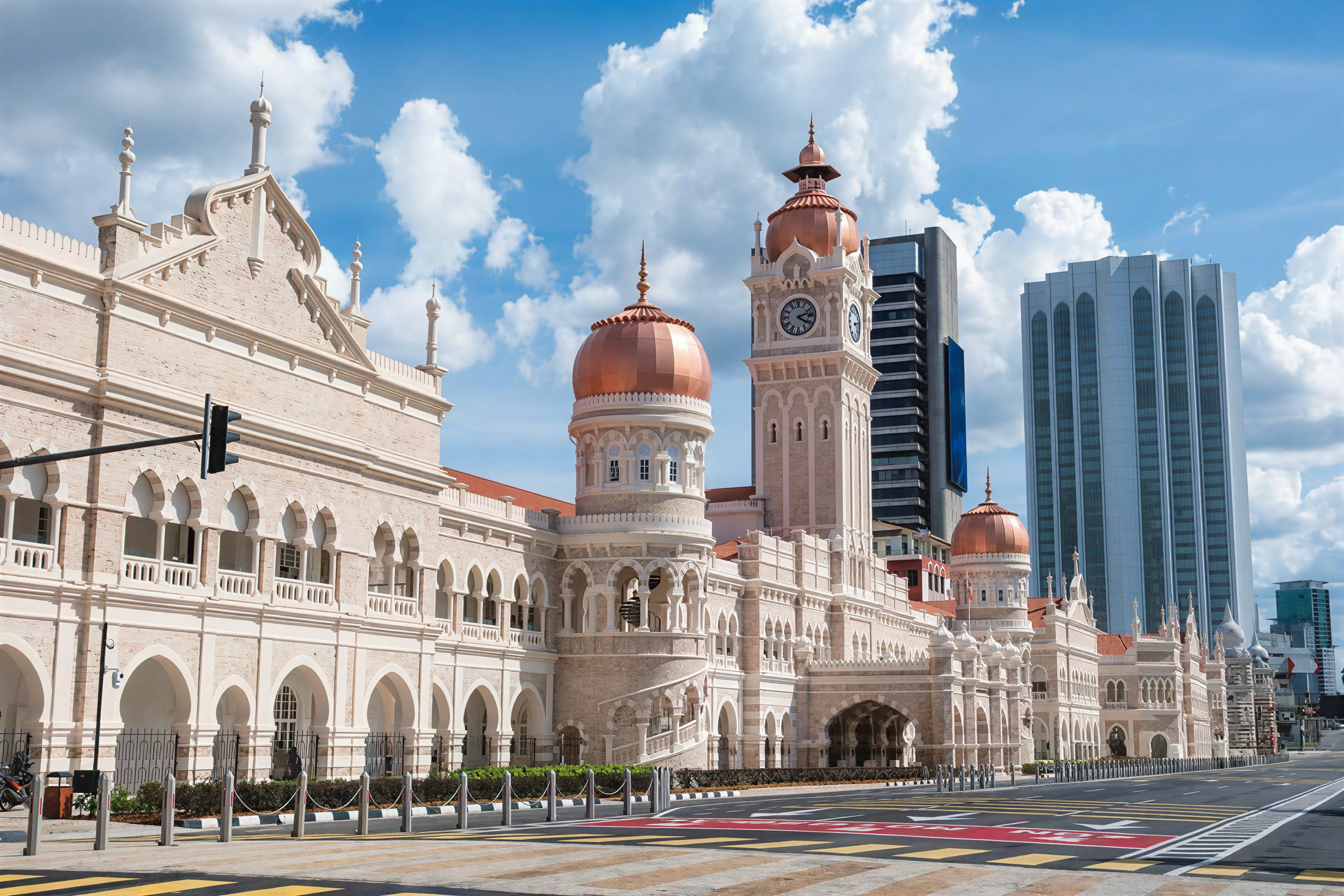
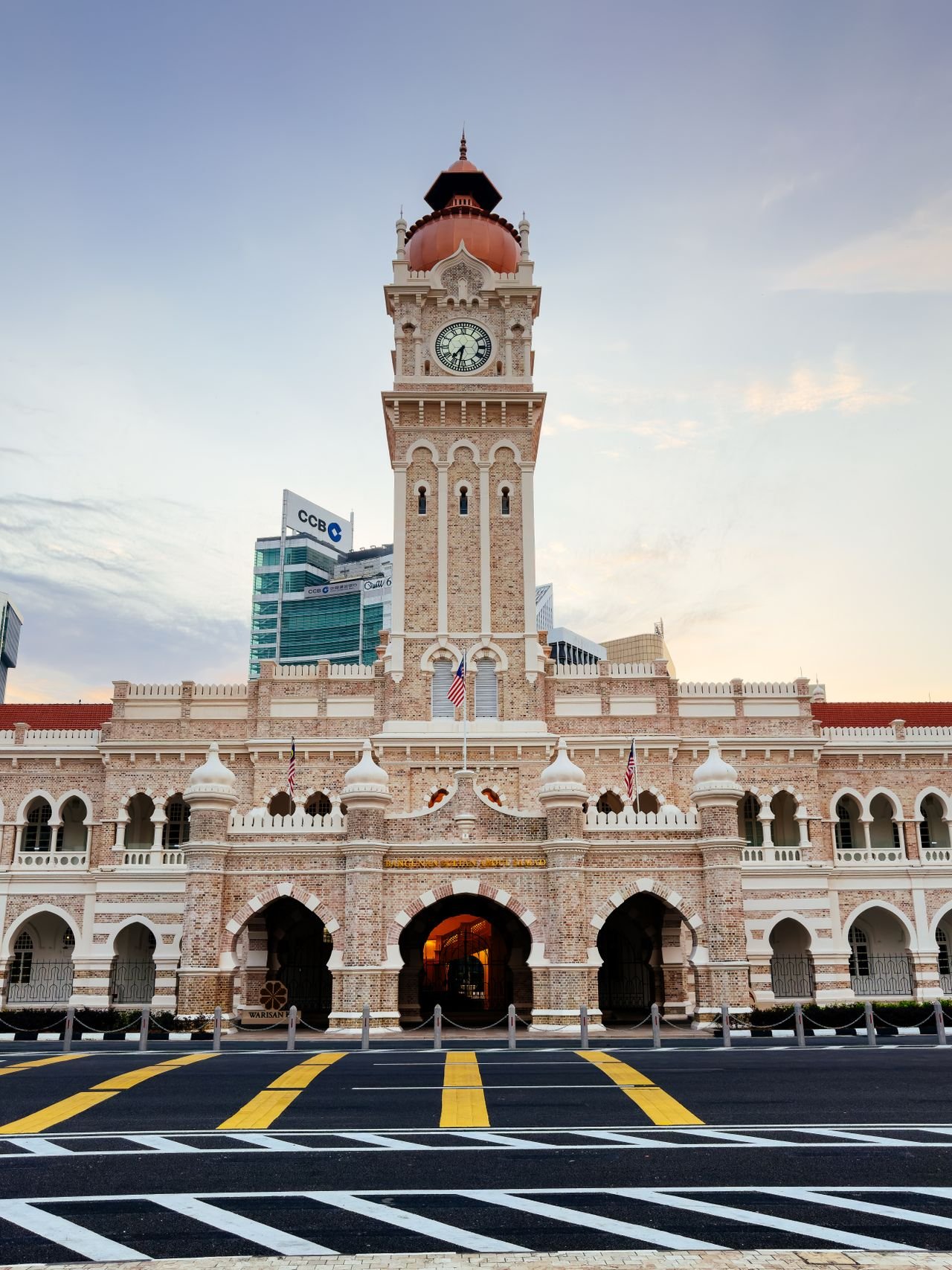
    Long before modern skyscrapers reshaped the skyline, a grand brick marvel defined the cultural identity and soaring ambition of early Kuala Lumpur. Facing the grand lawns along Jalan Raja stands the Bangunan Sultan Abdul Samad, a late-19th-century architectural masterpiece that remains one of Malaysia’s most legendary historical symbols.

    To see what this historic treasure looks like following its recent public restoration, enjoy a detailed guided walkthrough highlighting the stunning architecture, newly accessible halls, and heritage galleries inside Kami Creative’s Sultan Abdul Samad Building’s Inside Walking Tour below.

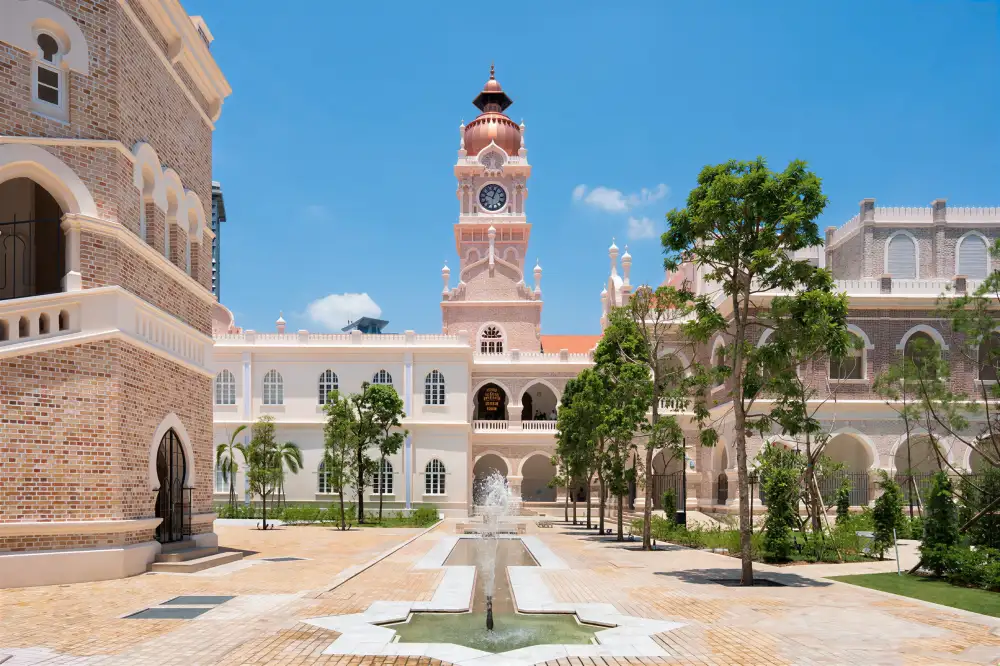
    While this magnificent structure traditionally served as a colonial secretariat and the nation’s superior courts, it has undergone a massive transformation. Reopening to the public following an extensive conservation initiative under the Warisan KL program, the building has shifted from a restricted administrative block into a lively, immersive cultural destination

    If you want to walk through the actual halls where modern Malaysian history was born, here is why this heritage sanctuary deserves a top spot on your itinerary.

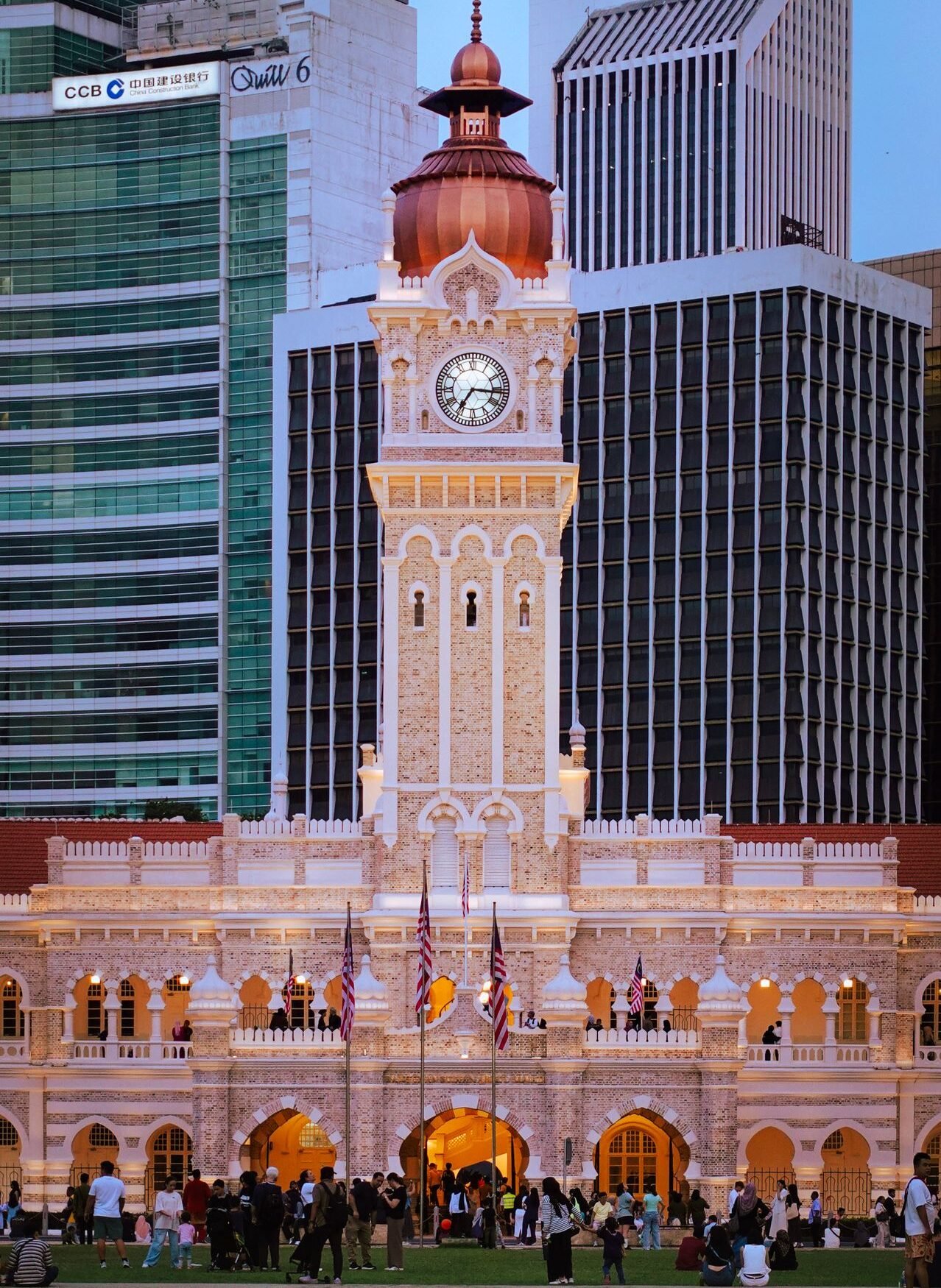
    The Bangunan Sultan Abdul Samad is a breathtaking fusion of Western engineering and classic Eastern aesthetics. Originally designed by British architects A.C. Norman and A.B. Hubback, the building was completed in 1897 to house the British colonial government offices.

    The complex is celebrated for its spectacular Indo-Saracenic (or Moorish Revival) architecture, characterized by striking fiery copper domes, sweeping horseshoe arches, and red brickwork. Anchoring the massive 138-meter-long façade is its iconic 41-meter-tall clock tower, which echoes the design of London’s Big Ben and holds a grand one-ton bell that has chimed through centuries of history.

    Why Is It Popular?

    This historic landmark has captured a fresh wave of global interest for three major reasons:

    • The Grand Public Reopening:
    For generations, travelers could only photograph the spectacular brick arches from the outside. Its dynamic transformation allows the public to cross the threshold, scale its grand staircases, and explore its pristine courtyards.

    • The Epicenter of Independence:
    It stands as a living witness to Malaysia’s birth. On midnight of August 31, 1957, the Union Jack was lowered right here on its lawns, and the Malayan flag was raised for the very first time to declare a free nation.

    • A Vibrant New Lifestyle Hub:
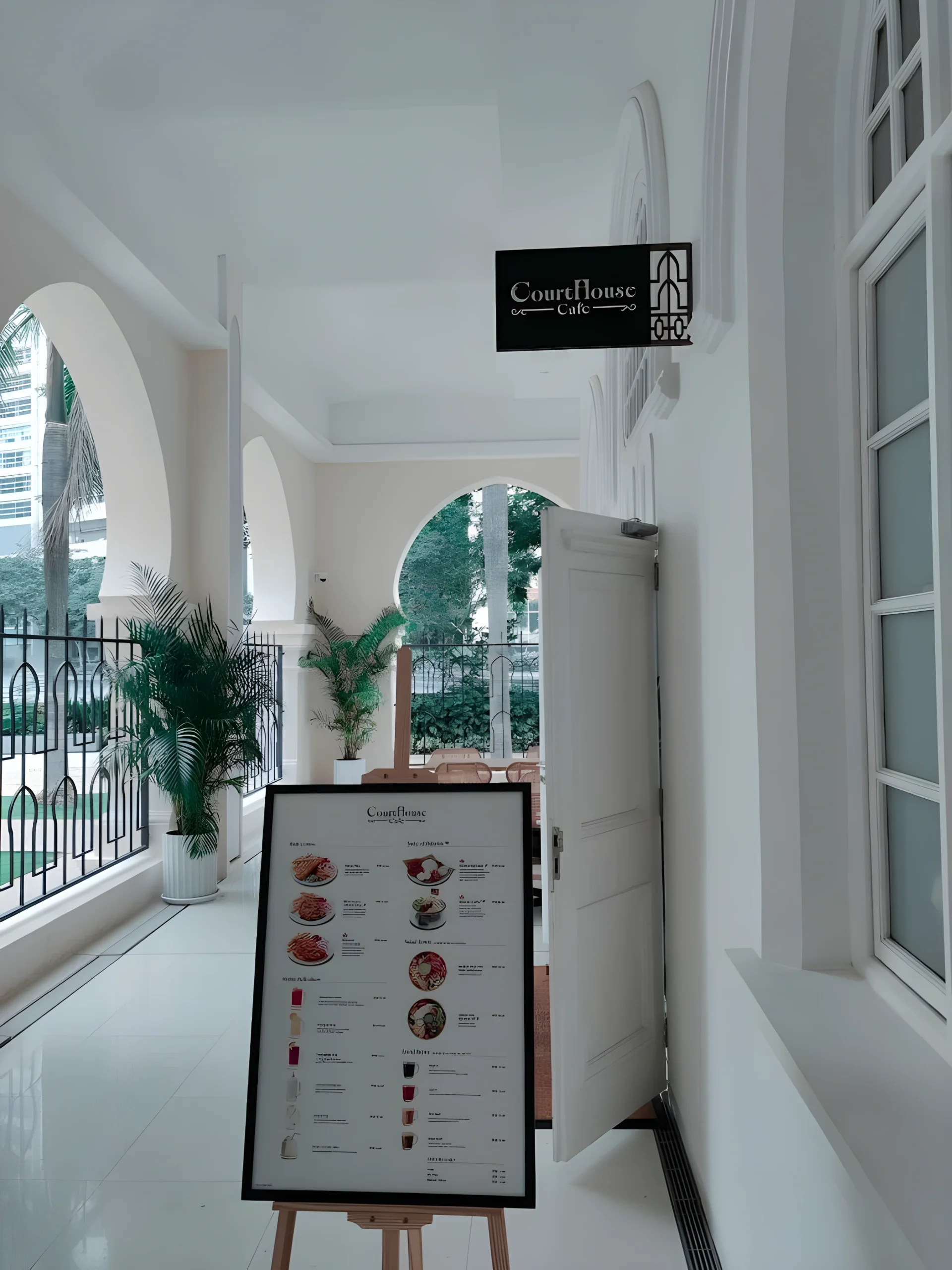
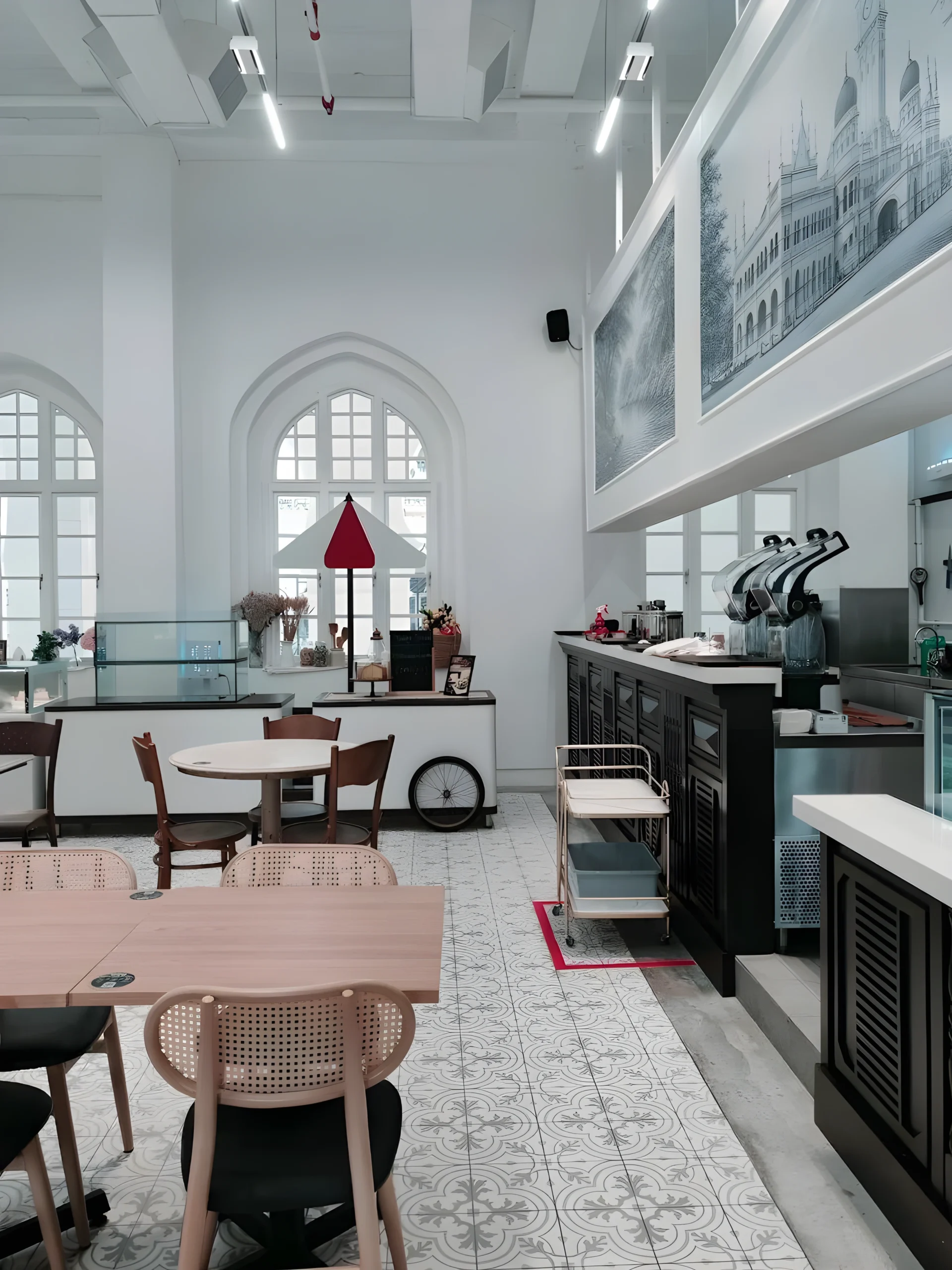
    The restoration has breathed new energy into the classical spaces. The complex now hosts the sprawling Kuala Lumpur City Gallery, dynamic local artisan spaces, a gift store, and beloved Malaysian culinary options like Bungkus Kaw Kaw and KLCG.

    Things You Can Do There

    Stepping into the newly opened wings reveals a treasure trove of interactive galleries and visual experiences:

    • Immersive Historical Galleries:
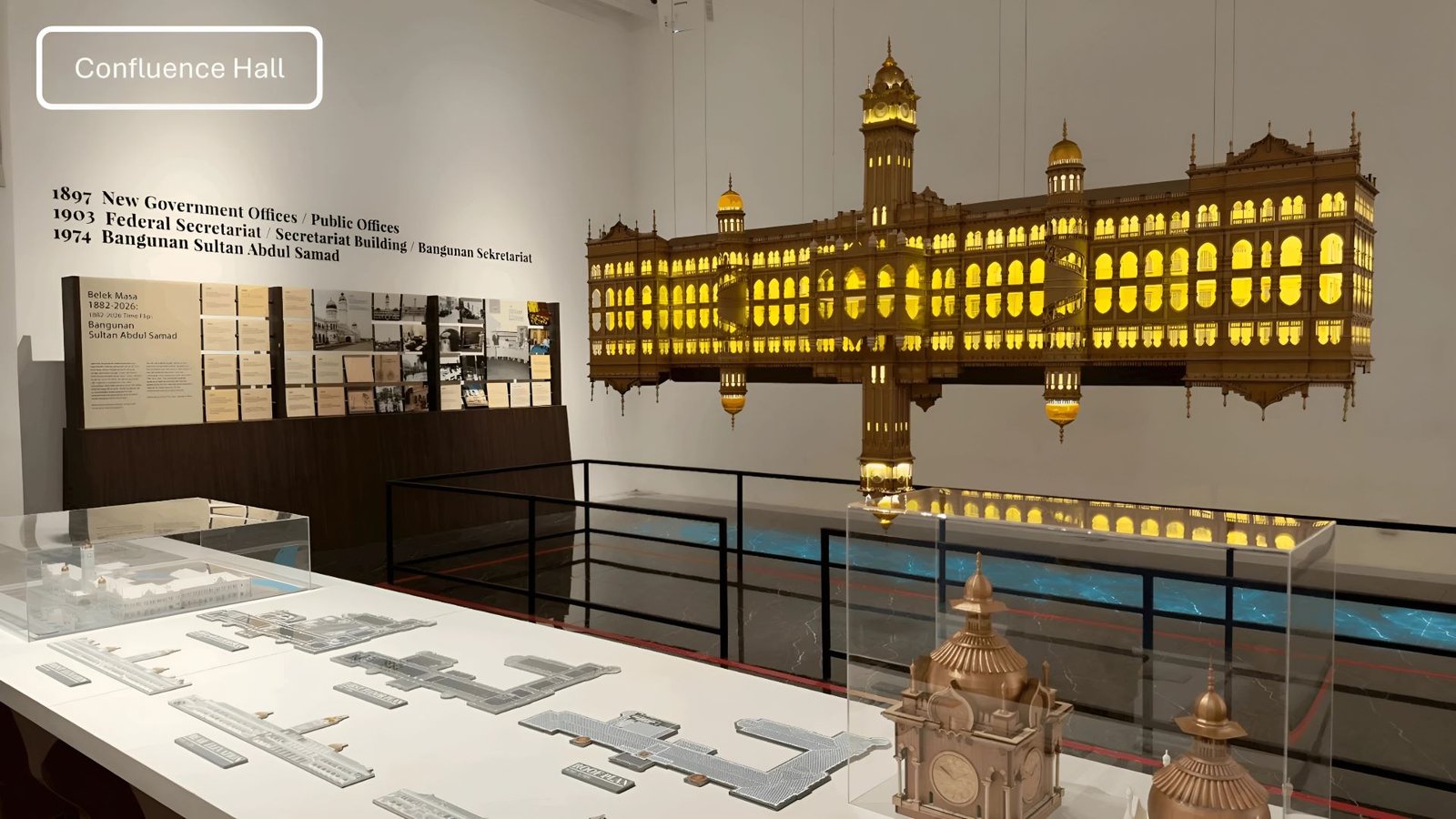
    Visitors can wander through dedicated exhibition wings like the Confluence Hall, Visionary Hall, and Hikayat Chamber. Don’t miss the interactive rainforest biodiversity room featuring Bak Hutan, a fun animatronic orangutan guiding you through Malaysia’s natural ecosystem.

    • The Royal Selangor Gallery:
    Explore the intricate artistry of Malaysia’s legendary pewter smithing, featuring deep history, tactile materials, and custom artisan displays.

    • The Illumination Spectacle:
    While exploring by day reveals rich architectural textures, returning after dusk is an absolute must. The entire brick complex lights up in a dramatic, warm gold glow, creating a striking reflection against the nearby River of Life waterfront.

    📌 Fast Track for Your Itinerary

    📍 Address: Jln Raja, Kuala Lumpur City Centre, 50050 Kuala Lumpur, Federal Territory of Kuala Lumpur

    ⏰ Operating Hours: 8:00 AM – 10:00 PM Daily (Individual gallery hours inside run from 9:00 AM – 6:00 PM)

    🎫 Admission Fee: Entry to the main historic complex, courtyards, and the Royal Selangor Gallery is completely free for everyone. Access to the Kuala Lumpur City Gallery halls is free for Malaysian citizens.


    🚇 Getting There:
    The absolute easiest route is via the LRT transit network. Hop off at the Masjid Jamek LRT Station, and it is a scenic 5-minute stroll along the historic riverbanks straight to the main arches.

  • 2026 Accommodation Showdown: A Comparison

    2026 Accommodation Showdown: A Comparison

    Finding the perfect place to drop your bags used to be a simple choice: a predictable hotel room or a quirky vacation rental. But as of 2026, the global travel landscape looks completely different. With the rise of hybrid remote work, digital nomad hubs, and a massive shift toward wellness, choosing an accommodation isn’t just about getting a bed anymore—it’s about choosing an experience.


    But how do modern stays actually stack up when it matters most? In this ultimate accommodation showdown, we are breaking down the TOP 5 accommodation types dominating travel today, diving into exactly what they are, why they are trending, and why they might be the perfect choice for your next trip.

    Without further ado, let’s dive in!

    1.  Branded Lifestyle & Boutique Hotels

    Branded Lifestyle hotels and Boutique hotels are mid-to-high-range hotels operated by global brands or independent owners respectively. They ditch corporate, cookie-cutter rooms in favor of hyper-local art, lively social spaces, and curated aesthetics.

    One of the example of branded lifestyle hotels that you may have heard about— or stayed in— is the Marriott’s Moxy Hotels that own around 163 to 181 open properties globally, mainly in Europe, Middle East and Africa.

    On the other hand, one of the most known boutique hotels in the world is IHG’s Hotel Indigo with 198 open neighborhood-centric boutique hotels.

    The top reasons as to why travelers choose these type of accommodations are because they want the reliability, safety protocols, and loyalty points of a major hotel chain but strip away the sterile feel. Since these kind of hotels cater heavily to a crowd that prioritizes Instagram-worthy interior design and buzzing rooftop bars over formal bellhop service, it’s a no-brainer as to why people these days would opt them as their choices.

    2. Multi-Functional Short-Term Rentals (The “Bleisure” Apartment)

    Also known as a “bleisure” (business + leisure) apartment, this type of accommodation rental consists of managed apartments and home shares hosted on platforms like Airbnb or Vrbo, specifically upgraded to support hybrid travel.

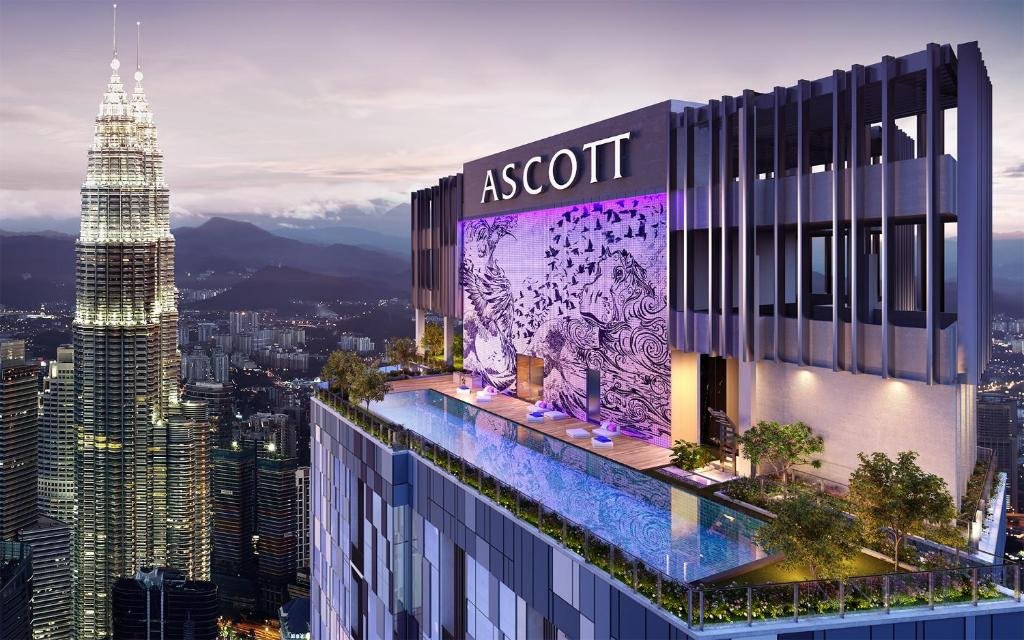
    People choose this accommodation primarily due to the permanent rise of flexible work, which means people stay longer in their destinations. Modern rentals, like Ascott Serviced Residences and Staycity Aparthotels, now routinely feature dedicated home offices, ergonomic setups, high-speed mesh Wi-Fi, fully equipped kitchens, laundry facilities, and separate living areas for relaxing after work hours

    3. Select-Service Extended Stay Suites

    Now, don’t confuse this extended stay suites with the bleisure apartments. While they may seem similar, their demographic focus are completely different. Extended stay suites focuses more on designing rooms to replace a house whereas bleisure apartments design their rooms mainly to replicate an office.

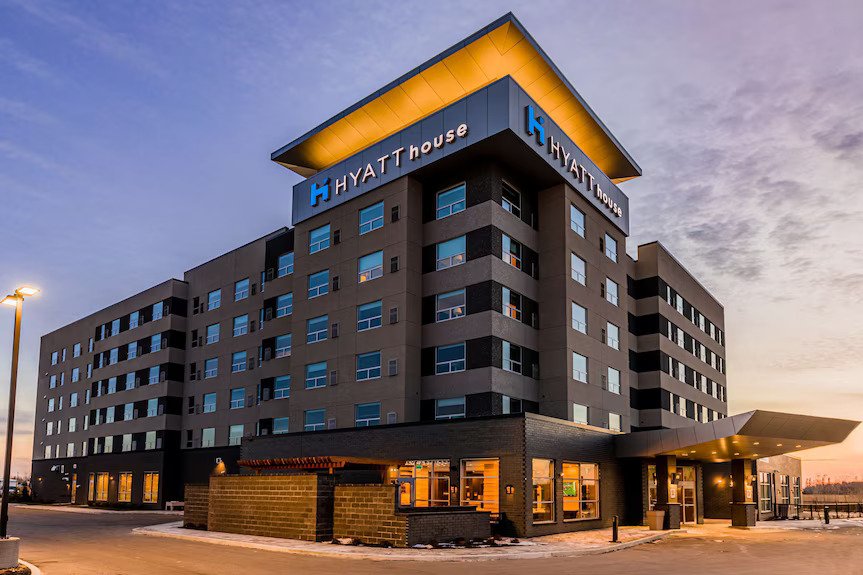
    Extended stay suites, like Element Hotels or Hyatt House focus heavily on utility and self-sufficiency for long stays ranging around multiple weeks to months. They also use minimalist service level where housekeeping is usually done weekly or upon request to lower costs.

    Although their guests are usually business travellers or long-term contractors, they became popular in 2026 because travellers are tired of the inconsistent quality of private short-term rental hosts. Extended stay suites offer the space, laundry, and kitchen facilities of an apartment alongside the seamless perks of a hotel.

    4. Wellness & Regenerative Eco-Resorts

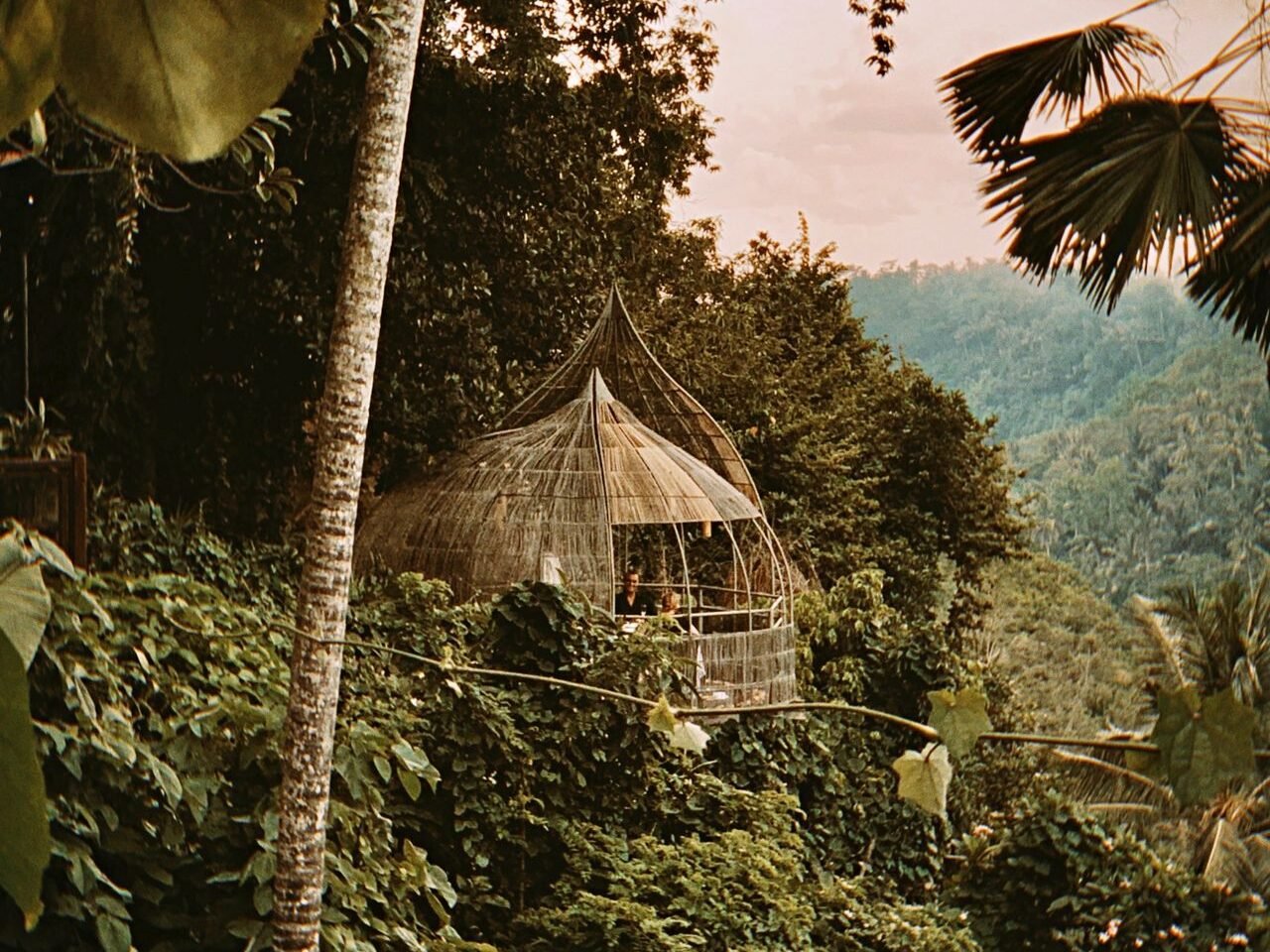
    To put it simply, these resorts are properties built explicitly around sustainability, carbon neutrality, and mental well-being—ranging from upscale glamping domes to deep-jungle wellness retreats.

    These type of resorts are famous in 2026 since conscious travel and mental health resets are at an all-time high. Travelers actively seek out accommodations that boast zero-plastic policies, renewable energy, and farm-to-table dining.

    5. Hybrid Hostels & Co-Living Spaces

    These are next-generation hostels, pioneered by brands like Selina or Generator Hostels, that blend shared social spaces, hot-desking co-working zones, and a mix of budget dorms and private luxury suites.

    They became popular in 2026 because they have completely redefined the old “backpacker hostel” stereotype. Today, solo travelers, remote workers, and budget-conscious creatives flock to these spaces because they solve the loneliness of solo travel with built-in networking events and workshops.

    Picking Your Choice

    Now that you know some of the most popular accommodations choices in 2026, the next question is;

    Why should you opt for ANY of them at all?

    Depending on who you’re travelling with or what kinds of aesthetic features you’re looking for during your stay, the three crucial aspects we’re focusing on are the budget for your stay, safety and security as well as the available amenities around it. Below we’ve simplified these factors in each type of accommodation types so that you can see which one fits your cup of tea.

    Branded Lifestyle & Boutique Hotels

    💸Budget: You get a premium, stylish feel without paying ultra-luxury prices.

    🛡 Safety: Top-tier safety. You benefit from 24/7 front desk staff, secure keycard-only elevators, and vetted employees.

    🏊🏻‍♀️ Amenities: Unbeatable convenience. These are intentionally built in the beating heart of trendy, walkable downtown areas, putting you steps away from local cafes and transit.


    Bleisure Apartment

    💸 Budget: Highly cost-effective for families, groups, or long-term stays where you can split the bill and cook your own meals.

    🛡 Safety: Variable. Security depends heavily on the individual host. You rely on smart locks or lockboxes, and you may be staying on a dark, quiet residential street without on-site security.

    🏊🏻‍♀️ Amenities: You get the authenticity of living like a local, though you may have to walk or take a taxi to reach major commercial hubs.


    Select-Service Extended Stay Suites

    💸 Budget: Excellent, predictable value. They often offer discounted weekly rates and include free daily hot breakfast.

    🛡 Safety: Excellent. Standard hotel-grade security with 24/7 staff, security cameras, and secure parking.

    🏊🏻‍♀️ Amenities: Usually located near major business parks, commercial districts, or transit lines. They also offer on-site gyms and grocery delivery services.


    Wellness & Regenerative Eco-Resorts

    💸 Budget: A premium splurge. These properties command high rates due to their low-impact operations and exclusive locations.

    🛡 Safety: Very good, usually functioning as secure, self-contained gated grounds or private island environments.

    🏊🏻‍♀️ Amenities: Isolated by design. If you stay here, you won’t be walking to a nearby convenience store. You are tied to the resort’s internal spa, dining, and integrated wellness itineraries (like sound baths and digital detox zones).


    Hybrid Hostels & Co-Living Spaces

    💸 Budget: The absolute champion for budget travelers. You can choose a cheap pod bed or an affordable private room.

    🛡 Safety: Good. Modern hybrid hostels feature keycard access, secure personal lockers with electronic locks, and lively, well-lit common areas.

    🏊🏻‍♀️ Amenities: Incredibly central. They are almost always located in artsy, highly walkable neighborhoods surrounded by nightlife, street food, and public transport.

    The Verdict: Which One Should You Pick?

    • Choose a Boutique Hotel if you want culture, safety, and a vibrant neighborhood for a weekend city break.

    • Choose a Bleisure Apartment if you are traveling with a group/family and want a private, home-like environment.

    • Choose an Extended Stay Suite if you are a remote worker looking for reliable Wi-Fi, extra space, and hotel perks without the luxury price tag.

    • Choose an Eco-Resort if your goal is to disconnect from the world and invest in a deep mental health reset.

    • Choose a Hybrid Hostel if you are traveling solo, keeping an eye on your wallet, and want to make friends instantly!

    Wrapping It Up: Your Next Move

    At the end of the day, there is no single “perfect” type of accommodation—only the perfect one for your specific trip.

    Before you open up your favorite booking app, take a quick inventory of what matters most for your upcoming adventure. Are you looking to stretch your budget over a month-long solo trek? Drop your bags at a hybrid hostel. Planning a high-stakes remote work week where bad Wi-Fi simply isn’t an option? Lock in an extended stay suite. Ready to completely unplug from corporate burnout? Invest in that eco-resort.

    Curious about how these accommodations actually look lately? Plenty of travelers share their recent stays on YouTube—like this review of the Ascott Star Hotel in Kuala Lumpur by @All Things Review below!


    By aligning your lodging choice with your budget, safety comfort level, and amenity needs, you turn a simple place to sleep into the absolute highlight of your travel experience.

    Now that we’ve broken down the biggest accommodation shifts of 2026, we want to hear from you!

    Are you a die-hard short-term rental fan who is ready to give extended stay suites a try? Or are you planning to save up for an ultimate eco-resort disconnect this year?


    If you found this guide helpful, don’t forget to share it with your favorite travel buddy and save it for your next trip planning session!