Stepping off the luxury liveaboard dive boats in Labuan Bajo typically routes travelers to pristine coral reefs or sun-drenched savannahs. Conversely, the true cultural heart of Flores lies hidden high within a misty volcanic valley. Perched at an altitude of 1,200 meters in the rugged Manggarai highlands, Wae Rebo Village is a jaw-dropping, UNESCO-awarded eco-sanctuary that stands as one of Indonesia’s most secluded traditional treasures.
Inhabited by the indigenous Manggarai tribe for over 18 generations, this remote village is famously dubbed the “Village Above the Clouds” due to the dramatic fog that pours over the surrounding mountain ridges each day. Because the village is completely inaccessible by conventional roads, visiting requires a multi-hour mountain trek through primary rainforest.
If you are ready to ditch your mobile signal, sleep inside a towering thatched roundhouse, and immerse yourself in pure ancestral living, here is why this magical sanctuary should be your next stop.
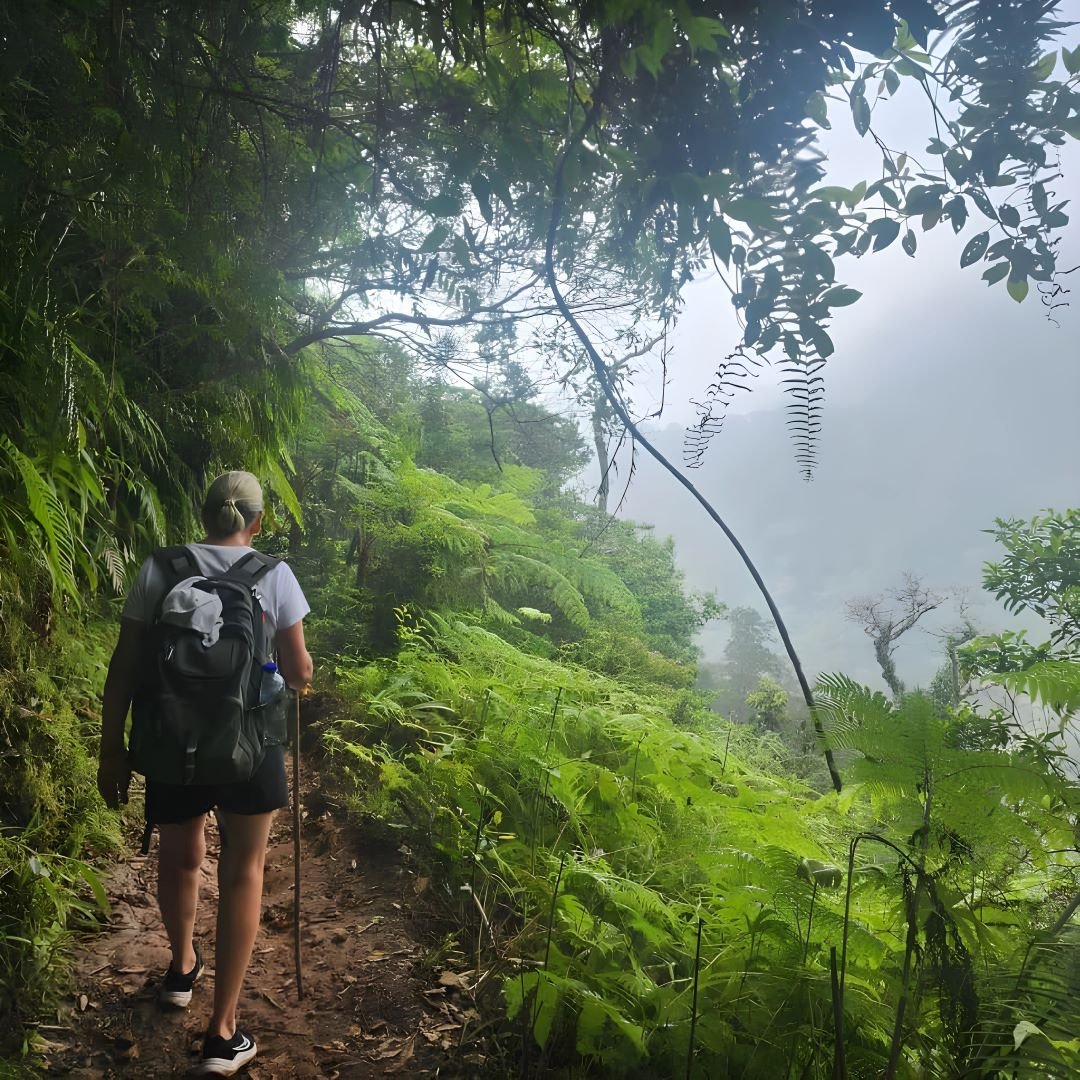
Wae Rebo is set inside a dramatic, bowl-shaped mountain valley surrounded by dense tropical forests and the steep slopes of the Pocoroko mountains. Because the community is fiercely dedicated to environmental conservation, the entire precinct functions as a completely unpolluted, self-sustaining ecosystem rich in unique vegetation, singing mountain birds, and wild mountain orchids.
The defining visual marvel of the village is its architecture. Wae Rebo features an unbroken circle of exactly seven conical, five-story houses known as Mbaru Niang. Hand-built entirely from local timber and thick bamboo without a single metal nail, these structures are wrapped in heavy layers of lontar palm thatch that stretch from the roof apex nearly all the way to the grassy floor. For a detailed breakdown of what each of the five levels represents—from the Lutur living quarters up to the sacred Hekang Kode peak—explore the Indonesia Travel Wae Rebo Architectural and Destination Guide. Additionally, the center of the village is anchored by a sacred stone altar (compang), which acts as the absolute spiritual core for the entire 1,200-person community.
Why It Is Popular
This hidden highland community stands as a global beacon for sustainable heritage preservation, drawing eco-travelers for several massive reasons:
• The UNESCO Top Honor:
Wae Rebo gained international fame after winning the prestigious Award of Excellence at the UNESCO Asia-Pacific Heritage Awards. This honor explicitly celebrated the community’s successful cooperation in rebuilding their ancient Mbaru Niang structures using entirely traditional methods.
• The Sacred Wael Lu’u Welcome:
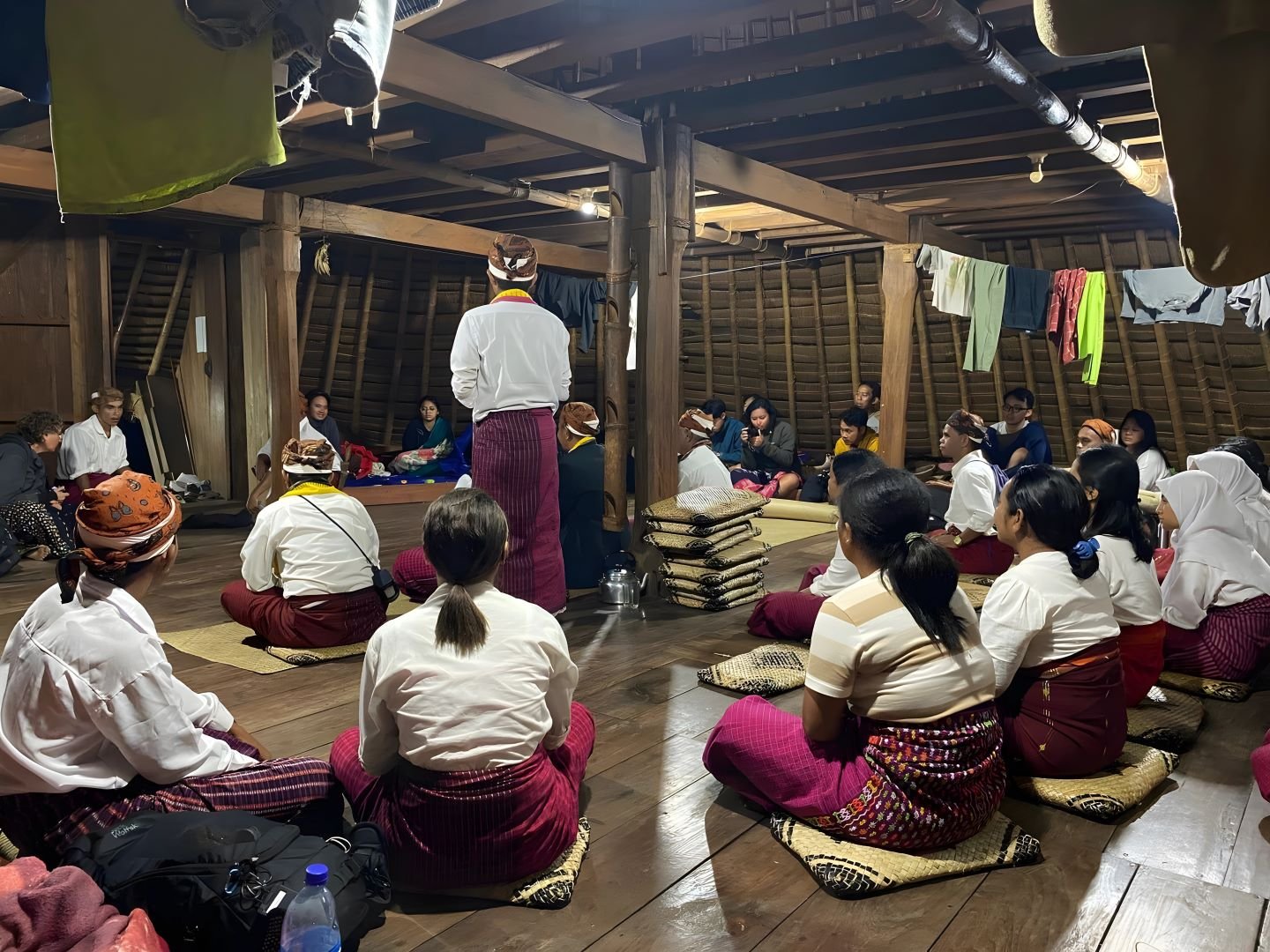
You cannot simply wander into the village to take photographs. Every visitor is formally guided to the main chief’s house to undergo a mandatory ancestral permission ceremony (Wael Lu’u) where the village spirits are asked to bless and protect you during your stay.
• World-Class Organic Arabica Coffee:
The village is globally famous among coffee connoisseurs. The primary economy of the mountain farmers relies on harvesting premium Arabica and Robusta beans shade-grown right in the surrounding forests, which are dried by hand on mats in the center plaza. For those interested, you can learn more about how ecotourism directly helps fund the village welfare and agricultural preservation, look through the Komodo Guide Wae Rebo Cultural Landscape Assessment.
💡 Read Next: Ready to trade the misty, cone-shaped thatch roofs of Flores’ isolated mountain village for the soaring domes and centuries of empire-shifting history? Head across the continents to Turkey to witness the breathtaking fusion of Christian mosaics and Islamic calligraphy in our ultimate guide to the Hagia Sophia Mosque in Istanbul!
Local Things to Experience Here
Committing to a two-day, one-night overland trip deep into the Manggarai district rewards you with an incredibly raw and authentic travel experience:
• Experience Overnight Mbaru Niang Living:
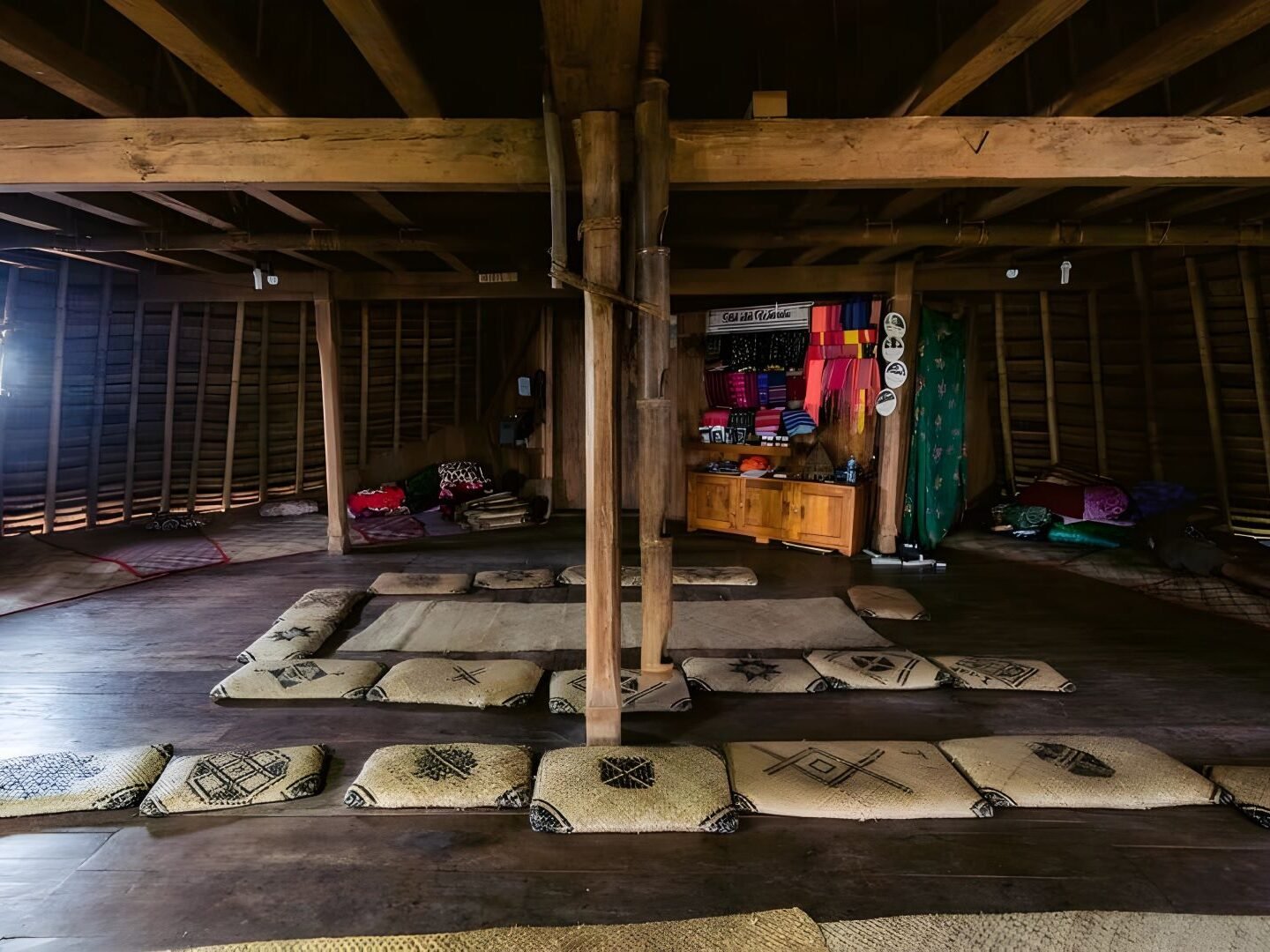
The village allocates two of its seven massive roundhouses exclusively to host international guests. You will sleep comfortably on traditional shared floor mattresses, feast on simple, freshly prepared local stews, and fall asleep under a completely unpolluted night sky thick with stars.
• Sample Fresh Highland Coffee:
Settle onto the wooden benches to enjoy a hot cup of authentic Wae Rebo coffee brewed straight from the morning’s roast, typically paired with sweet fried bananas prepared by the local families.
• Photograph the Morning Cloud Pour:
Rise at 5:30 AM to stand on the central lawns. Watch the sunlight break over the ridge lines, illuminating the smoke rising from the conical roofs as the dense morning fog slowly rolls across the shelf of grass.
Check out this fantastic guide by YouTube creator HanzEleven for a look at the actual trekking path leading to Wae Rebo Village and their experience staying there!
📌 Fast Facts for Your Itinerary
📍 Trailhead Location: Denge Village, Satar Mese Barat, Manggarai Regency, Flores, East Nusa Tenggara, Indonesia
⏰ No Signal Coverage: To preserve the isolation of the sanctuary, there is zero mobile phone or cellular signal in the valley. Central electricity via generators is strictly managed and only turned on from 6:00 PM to 10:00 PM daily, so ensure your power banks are fully topped up before hiking!
🎫 Entry & Overnight Fees: The total mandatory community tariff is structured as follows: IDR 200,000 (approx. RM55) for Day Visitors (includes the welcome ceremony and local coffee) and IDR 325,000 to IDR 500,000 (approx. RM90 to RM140) for the complete Overnight Package inclusive of communal lodging, bedding, dinner, and breakfast.
🥾 The Transit & Trek Breakdown: Getting here requires a 4-to-5 hour private car drive from Labuan Bajo to Denge Village. From Denge, you can pay a tiny fee for a quick 10-minute Ojek (motorcycle taxi) ride to bypass the initial steep concrete road, saving your legs for the main 5-kilometer uphill forest hike which takes roughly 1.5 to 3 hours depending on your fitness level. Sturdy hiking boots with deep traction are absolutely mandatory, as the rocky forest tracks get incredibly muddy and slick!






Leave a Reply