
What if a fortress could change the course of an empire? Standing along the Bosphorus in Istanbul, Rumeli Fortress was built with one powerful mission in mind: to help the Ottomans conquer Constantinople. Constructed in 1452 under the orders of Sultan Mehmed II, this imposing stronghold played a strategic role in controlling the waterway before the historic conquest of the city in 1453.
Today, its towering stone walls and imposing towers offer visitors a glimpse into a defining chapter of history, while the surrounding waterfront adds to its timeless appeal. Whether you are a history enthusiast, an architecture lover or a traveller searching for a destination that combines fascinating stories with beautiful scenery, Rumeli Fortress offers plenty of reasons to explore one of Istanbul’s most memorable landmarks.
Why Is This Fortress Famous?
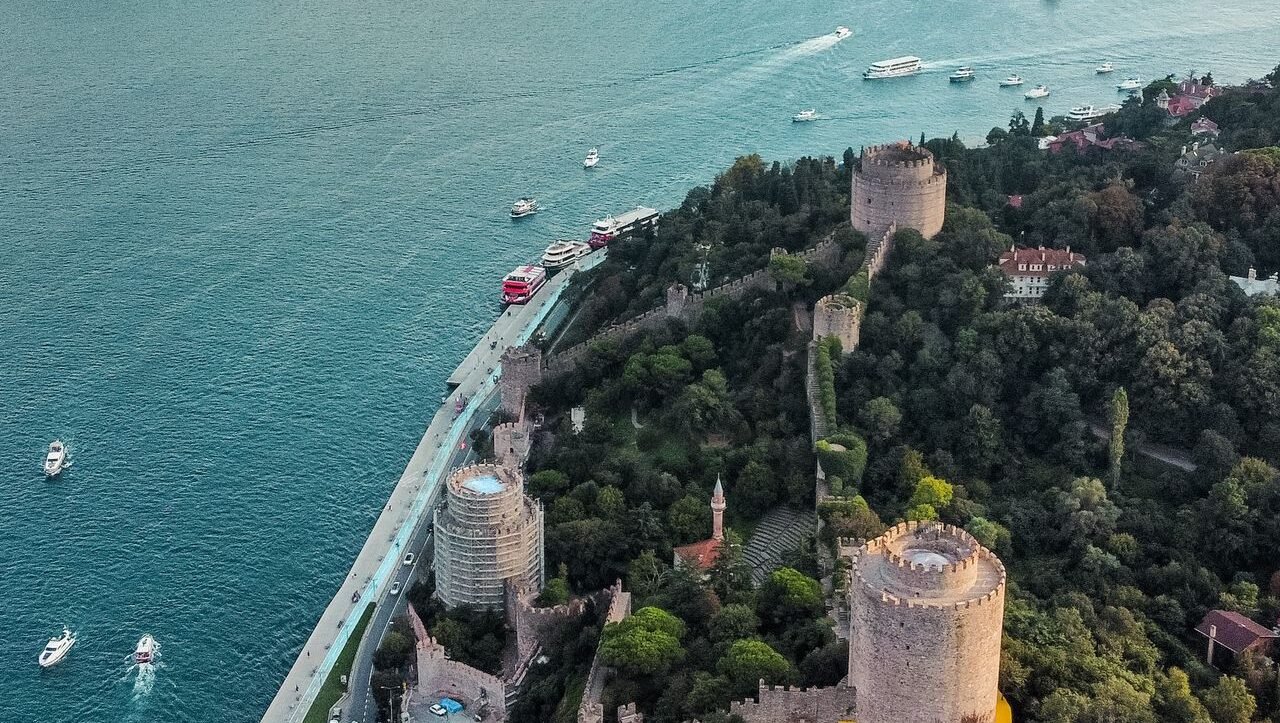
• A Monument Built Against the Clock:
One of the most impressive aspects of Rumeli Fortress is how quickly it was constructed. Despite its enormous scale, the fortress was completed in approximately four months in 1452. The speed and purpose behind its construction make Rumeli Fortress an excellent example of Ottoman military planning.
• Three Towers with Distinctive Designs:
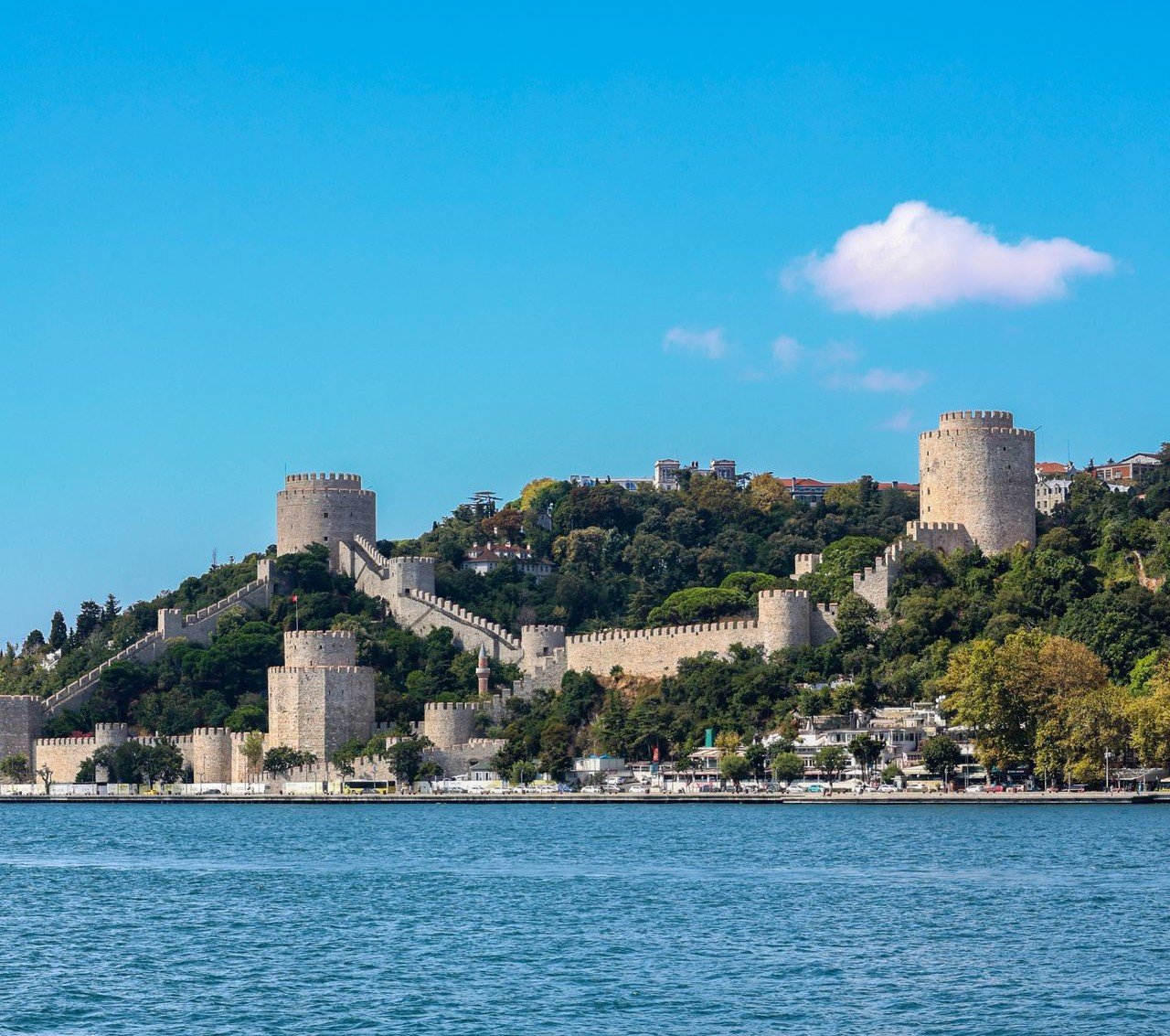
Rumeli Fortress is particularly recognisable for its three enormous main towers, named after the Ottoman officials associated with their construction: Saruca Pasha, Çandarlı Halil Pasha and Zağanos Pasha.Each tower forms part of the fortress’s defensive system, connected by thick stone walls and smaller defensive structures.
• Beautiful Views of the Bosphorus Strait:
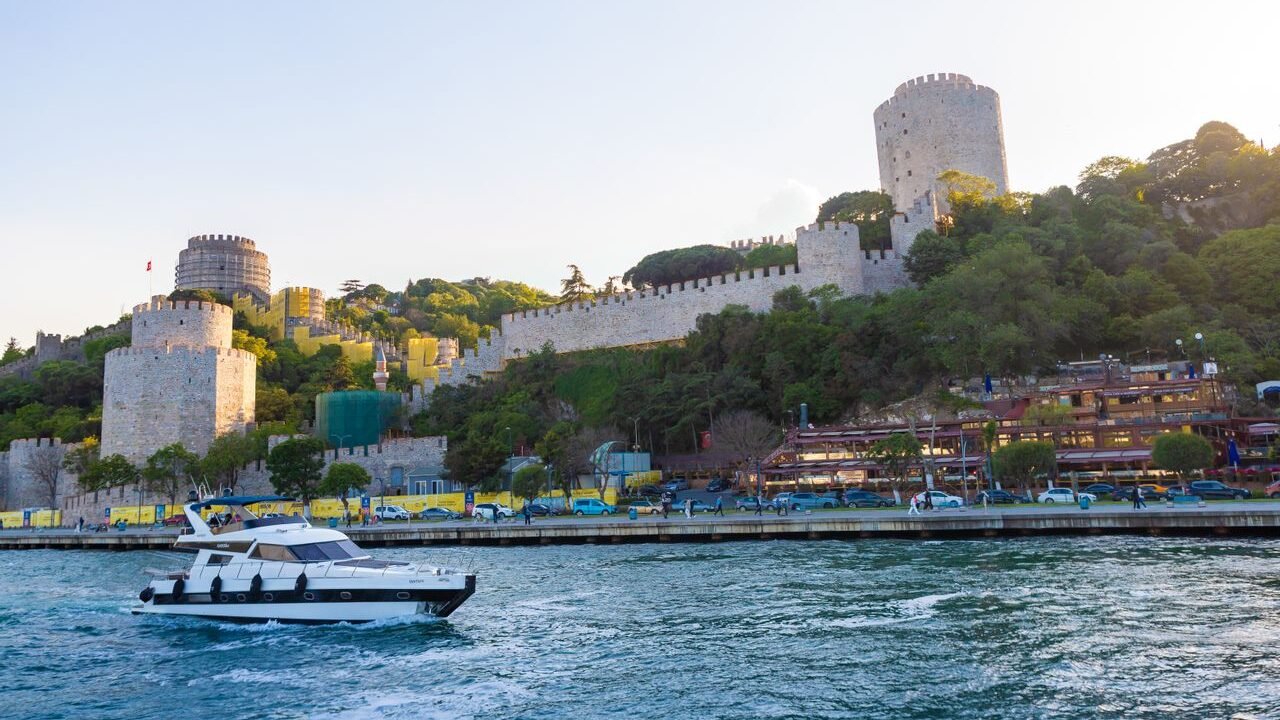
The Bosphorus stretches between Europe and Asia, with ferries, private boats and other vessels travelling through its waters. Viewing the fortress from a suitable waterfront location or a Bosphorus boat tour can provide a different perspective of its walls and towers.
What to Experience There?
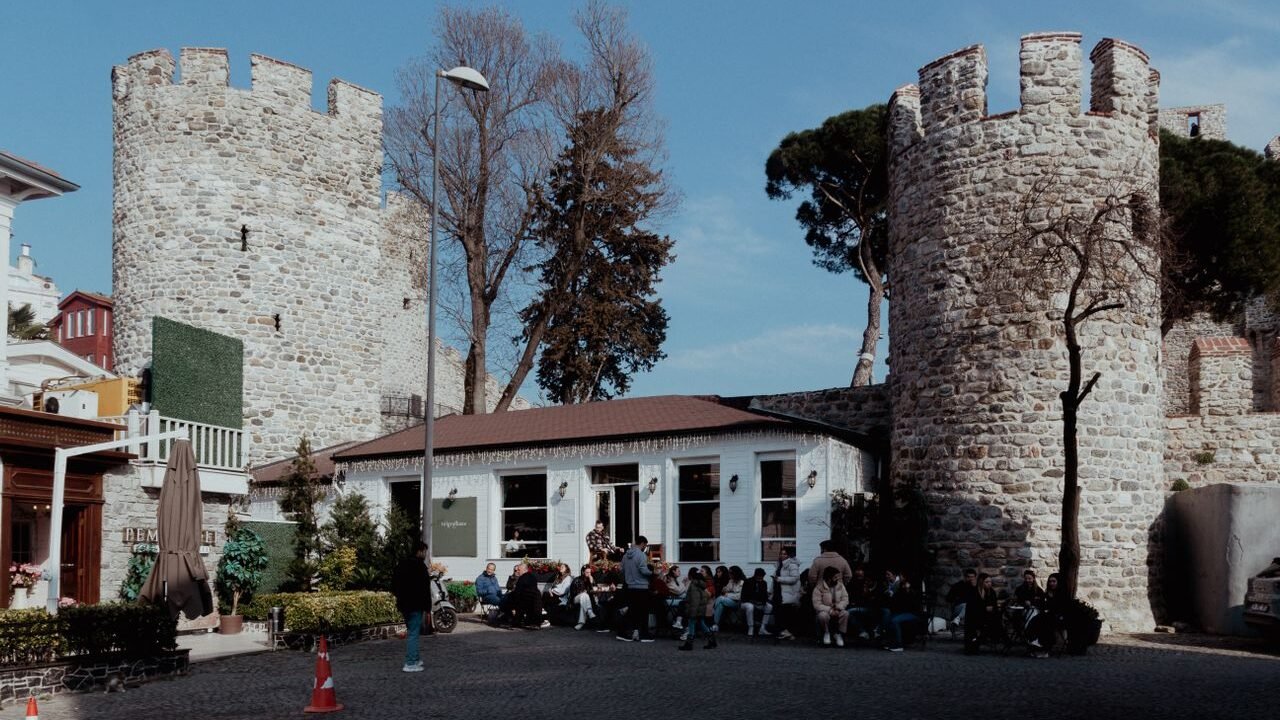
If the fortress is open for interior visits, there are several features worth looking out for;
• Admire the Fortress Walls and Towers:
Start by appreciating the fortress’s overall structure. Look closely at how the walls follow the contours of the hillside. Their arrangement was designed to create a strong defensive position overlooking the Bosphorus, rather than simply forming a decorative boundary.
• Explore the Historical Exhibits:
Rumeli Fortress has a collection associated with its military and historical past. Depending on current museum arrangements, exhibits may include Ottoman cannons, cannonballs, stone artefacts and a section of the historic chain traditionally associated with the defence of the Golden Horn.
• Learn About the Conquest of Constantinople:
A visit to Rumeli Fortress becomes more meaningful when you understand the events behind its construction. In 1453, Rumeli Fortress formed part of the strategic preparations for that campaign by helping the Ottomans control access through the Bosphorus.
Your Route to Rumeli Fortress
• By Taxi or Private Car:
A taxi or private car offers a more direct way to reach the area, especially if you are travelling with family or visiting several locations in one day. However, traffic along the Bosphorus can be heavy, particularly during busy periods so check the parking arrangements before setting off.
• By Bosphorus Boat Tour:
Another option is to explore the Bosphorus by boat. Depending on the route, you may be able to see Rumeli Fortress from the water and appreciate its position along the narrow strait. Before booking, check the cruise itinerary to confirm whether it passes the fortress and whether any stops are included.
📌 Fast Facts for Your Itinerary
📍 Address: Rumeli Hisarı, Yahya Kemal Cd. No: 42, 34470 Sarıyer/İstanbul, Türkiye
⏰ Best Time to Visit: April-May or September-October when the weather is mild, crowds are thinner, and the Bosphorus views are clearest.
💡 Note: Access to certain areas may be restricted for safety, conservation or restoration, so follow the instructions provided by the site.






Leave a Reply