Category: Turkey

  • A Breath of Fresh Air: Exploring Fenerbahçe Park

    A Breath of Fresh Air: Exploring Fenerbahçe Park

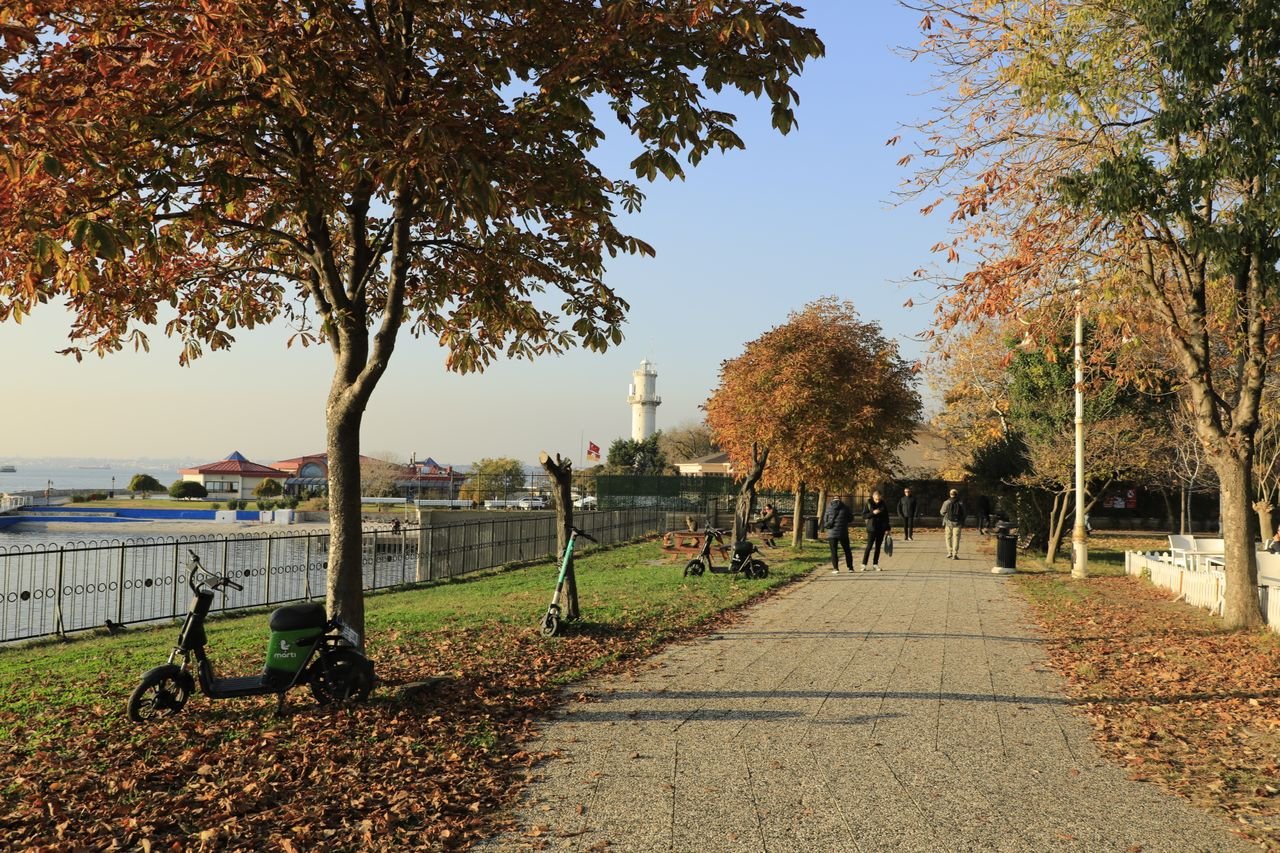
    If you’re Looking for a quieter side of Istanbul away from its busy streets and famous historical landmarks, Fenerbahçe Park might be a place worth considering. Located along the coast of Kadıköy on Istanbul’s Asian side, this green waterfront park allows visitors to enjoy the sea breeze and scenic sea views while walking along the shaded pathways.

    Whether you are travelling with friends, spending time with family or exploring Istanbul on your own, Fenerbahçe Park is a refreshing stop for your itinerary. A picnic beneath the trees or sitting at a nearby café while watching boats pass across the Marmara Sea is wonderful reminder that Istanbul is not only about grand mosques and historic buildings, but also about enjoying the simple pleasures of everyday life.

    The Appeals of Fenerbahçe Park
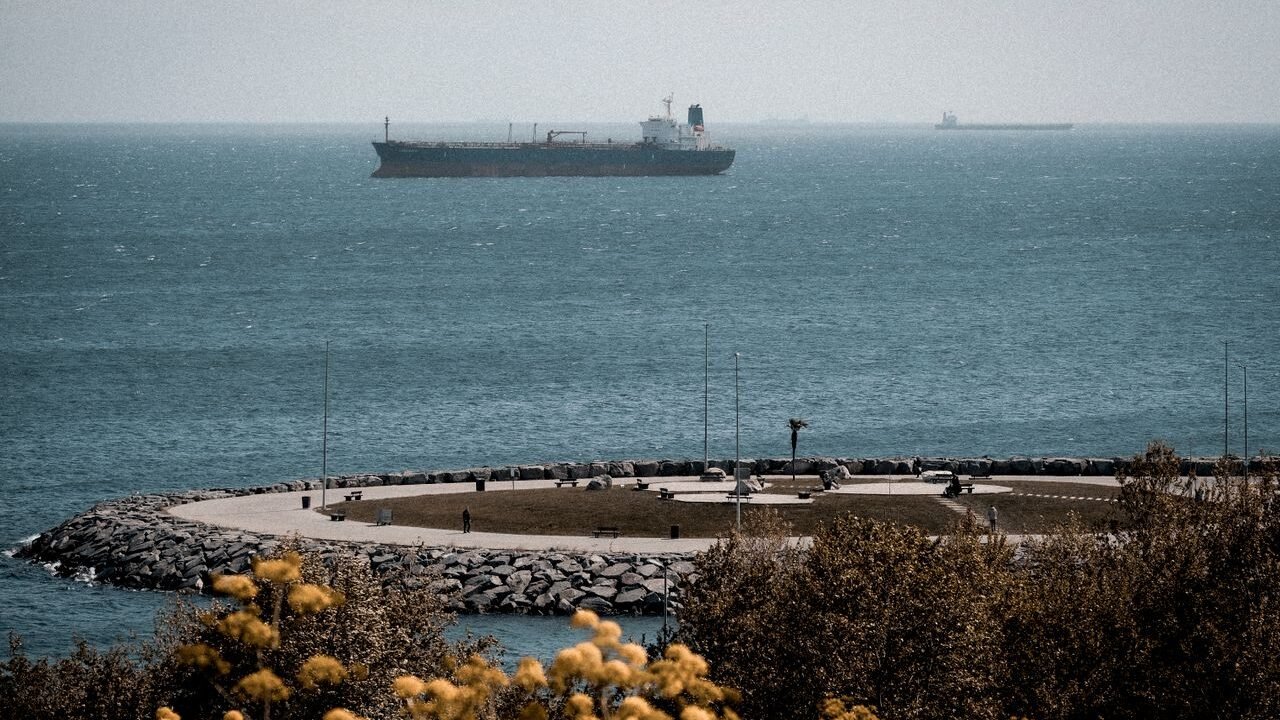
    • Scenic Views of the Marmara Sea:
    This park offers beautiful views across the Marmara Sea, with the Princes’ Islands visible from parts of the coastline on clear days. The changing light throughout the day also gives the waterfront a different atmosphere, making it a pleasant place for plenty of relaxed travel photographs.

    • A Green Space for Everyone:
    The open areas and walking routes make it suitable for different types of visitors. Couples can enjoy a quiet stroll, families can spend time outdoors, and solo travellers can take a break from sightseeing. Either read a book or simply sit to enjoy the surroundings, having time to relax is part of what makes a trip memorable.

    • A Touch of Feline Charms:
    Fenerbahçe Park is also known as a home to hundreds of friendly, sterilized cats. As you walk along the pathway, you may spot cats resting in flowerbeds, lounging on benches or approaching visitors for a little attention. For cat lovers, these furry residents add an extra charm to the park experience.

    Activities to Explore There
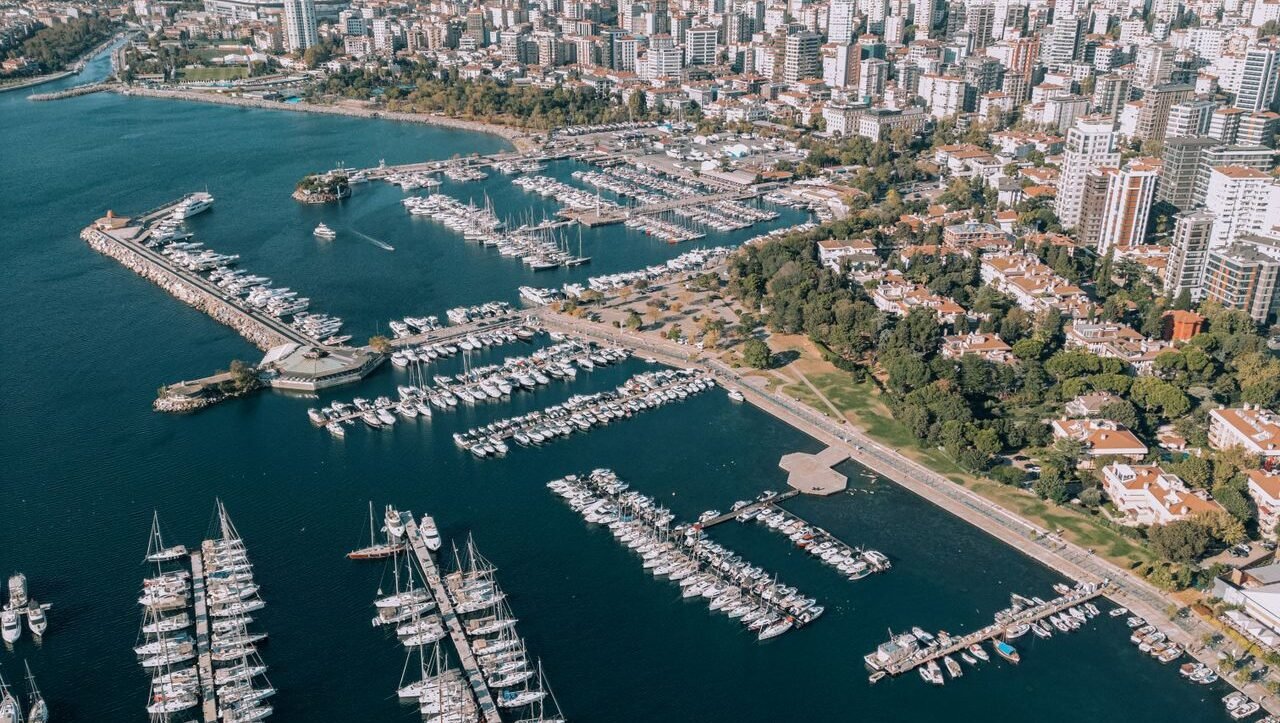
    • Enjoy a Picnic Beneath the Trees:
    The shaded spaces provide a comfortable setting for spending time outdoors, especially when the weather is warm. So if you’re looking forward to a relaxing afternoon, bring some light snacks and enjoy a picnic in a suitable designated area in this park while interacting with the feline community.

    • Explore the Kalamış Marina:
    One of the little pleasures of visiting Fenerbahçe Park is watching the sailboats around the nearby Kalamış Marina. You’ll find boats of different sizes resting at the marina, while others glide across the waters of the Marmara Sea, adding a lovely touch to the park’s already relaxing seaside atmosphere.

    • Check out nearby Cafés available:
    After walking around the park, take a break at one of the cafés or dining spots in the surrounding area. Enjoy a cup of Turkish tea or coffee while taking in the coastal atmosphere. You might even get a chance to enjoy the local cuisine like Turkish meze plates.

    Quick Visitor Guide

    📍 Location: Fenerbahçe neighbourhood, Kadıköy, Istanbul, Türkiye
    🎫 Entrance fee: Free for the general park area
    ⏰ Suggested visit duration: Around 1–3 hours, depending on your plans
    🌄 Best time to visit: Spring and autumn, or early morning and late afternoon
    🚵‍♂️ Recommended for: Nature lovers, couples, families, photographers and travellers seeking a quiet break
  • Köprülü Canyon; Antalya’s Rugged Landscapes

    Köprülü Canyon; Antalya’s Rugged Landscapes

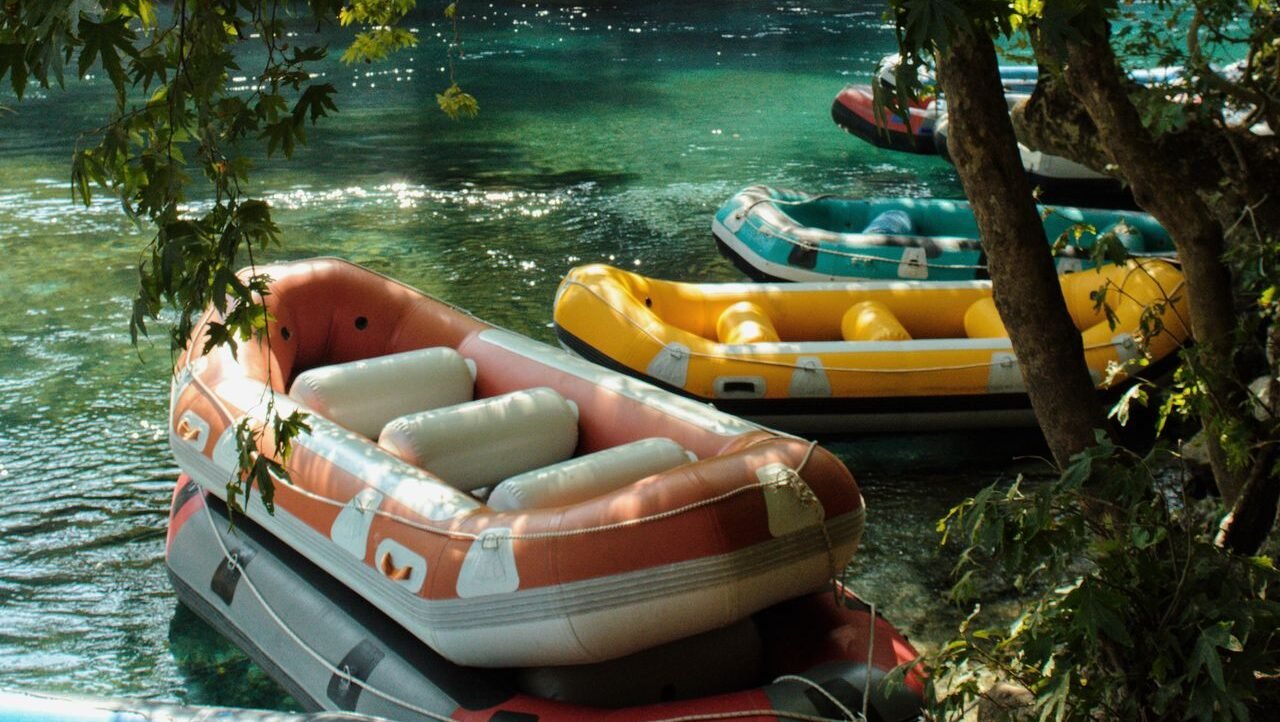
    Imagine floating down a turquoise river, surrounded by towering canyon walls and lush green forests, with the sounds of rushing water filling the air. This is the kind of experience waiting for you at Köprülü Canyon, one of Antalya’s most impressive natural destinations.

    Located in the Manavgat district of Antalya, Türkiye, Köprülü Canyon is a wonderful escape for travellers who want to experience more than the region’s famous beaches and seaside resorts. Whether you are hoping to try white-water rafting, explore ancient Roman bridges or simply admire the scenery, Köprülü Canyon offers plenty of reasons to venture beyond the city.

    Why Is It Popular?

    • Dramatic Landscape of Cliffs and Turquoise Water:
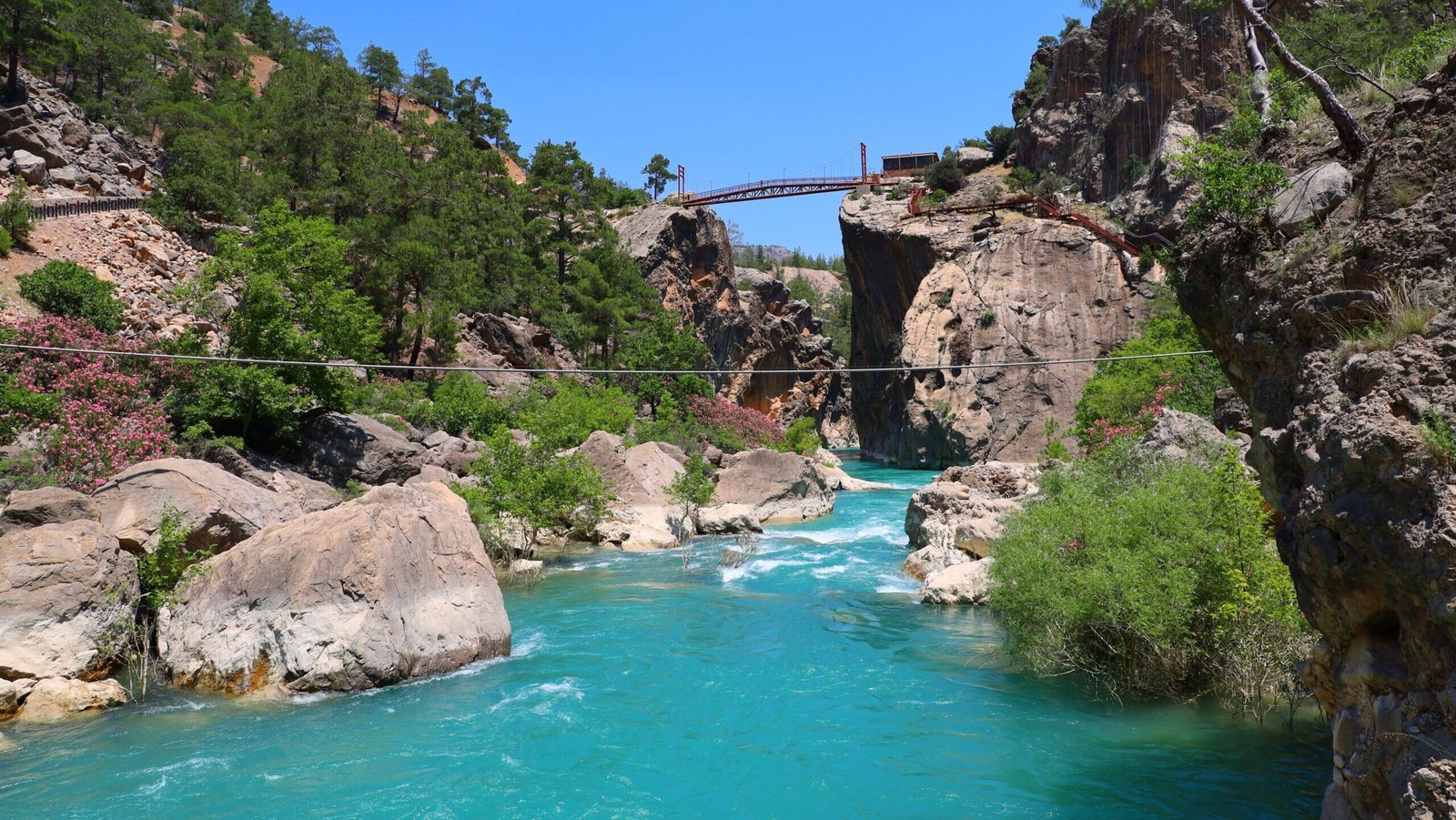
    Tall rocky cliffs rise above the river, creating a striking contrast against the surrounding forests and turquoise water. As you explore different parts of the canyon, you might find some areas feel rugged and dramatic, while others offer quieter riverbanks shaded by trees.

    • the Köprüçay River:
    The Köprüçay River is the heart of the national park and one of the main reasons visitors travel here. Flowing between rocky canyon walls, its cool waters provide a refreshing contrast to Antalya’s warm Mediterranean climate. You may see sections of calm water alongside faster-moving rapids, depending on the location.

    • Ancient Roman Bridges:
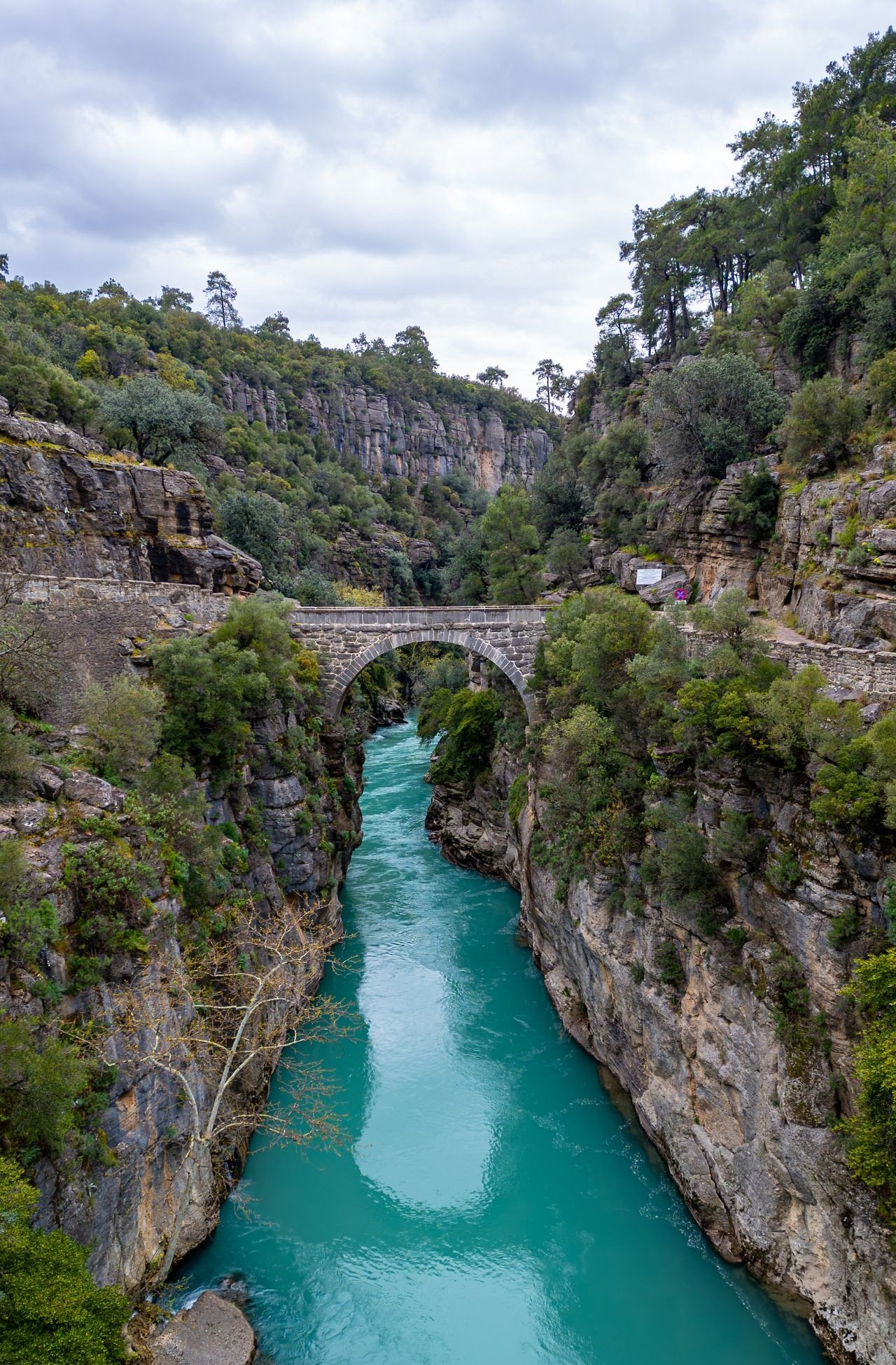
    One of its most recognisable structures is Oluk Bridge, a historic stone bridge dating back to the Roman period. With its stone arching and setting above the river, it forms the area’s ancient road network, which once connected the inland settlements with the coastal region of Pamphylia.

    What Can You Do at Köprülü Canyon?

    • White-Water Rafting on the Köprüçay River:
    Rafting is one of the most popular activities at Köprülü Canyon, and it is often the main reason travellers include the destination in their Antalya itinerary. You can join an organised rafting tour and navigate sections of the Köprüçay River while enjoying views of the surrounding cliffs, forests and mountains.

    • Explore the Ancient City of Selge:
    For history lovers, visiting the Selge Ancient City is a worthwhile addition to your itinerary. The settlement lies in the mountainous area near Köprülü Canyon and is known for its ancient theatre, remains of temples and other archaeological structures. Checking the road conditions before setting off is highly recommended.

    • Try Ziplining or Other Outdoor Adventures:
    Some activity operators in the Köprülü Canyon area offer additional experiences, such as ziplining and combined adventure packages. This can be a good option if you want to add something else to your rafting trip. Availability, prices and safety requirements vary between operators, so check the details before booking.

    Discover the Nearby Tazı Canyon and Adam Kayalar

    • Tazı Canyon:
    Tazı Canyon is known for its dramatic cliffs and panoramic viewpoints overlooking a deep, forested gorge. It offers a different perspective from the river-level scenery at Köprülü Canyon, with sweeping views across the surrounding mountains and valleys.

    • Adam Kayalar:
    Adam Kayalar, sometimes translated as the “Human Rocks,” refers to unusual rock formations in the wider region. Their distinctive shapes make them an interesting stop for visitors exploring the natural and geological features of the national park.

    📌 Fast Facts for Your Itinerary

    📍 Address: Beşkonak, Manavgat, Antalya Province, Türkiye

    ⏰ Best Time to Visit: May-October are best for general visits; April to June offers the highest river levels for whitewater rafting

    📝 Reminder: Follow the river safety instructions since river currents can be powerful even when the water looks calm. Do not enter the water in restricted or unsafe areas, and follow local advice.

  • Behind the Walls of Rumeli Fortress, Istanbul

    Behind the Walls of Rumeli Fortress, Istanbul

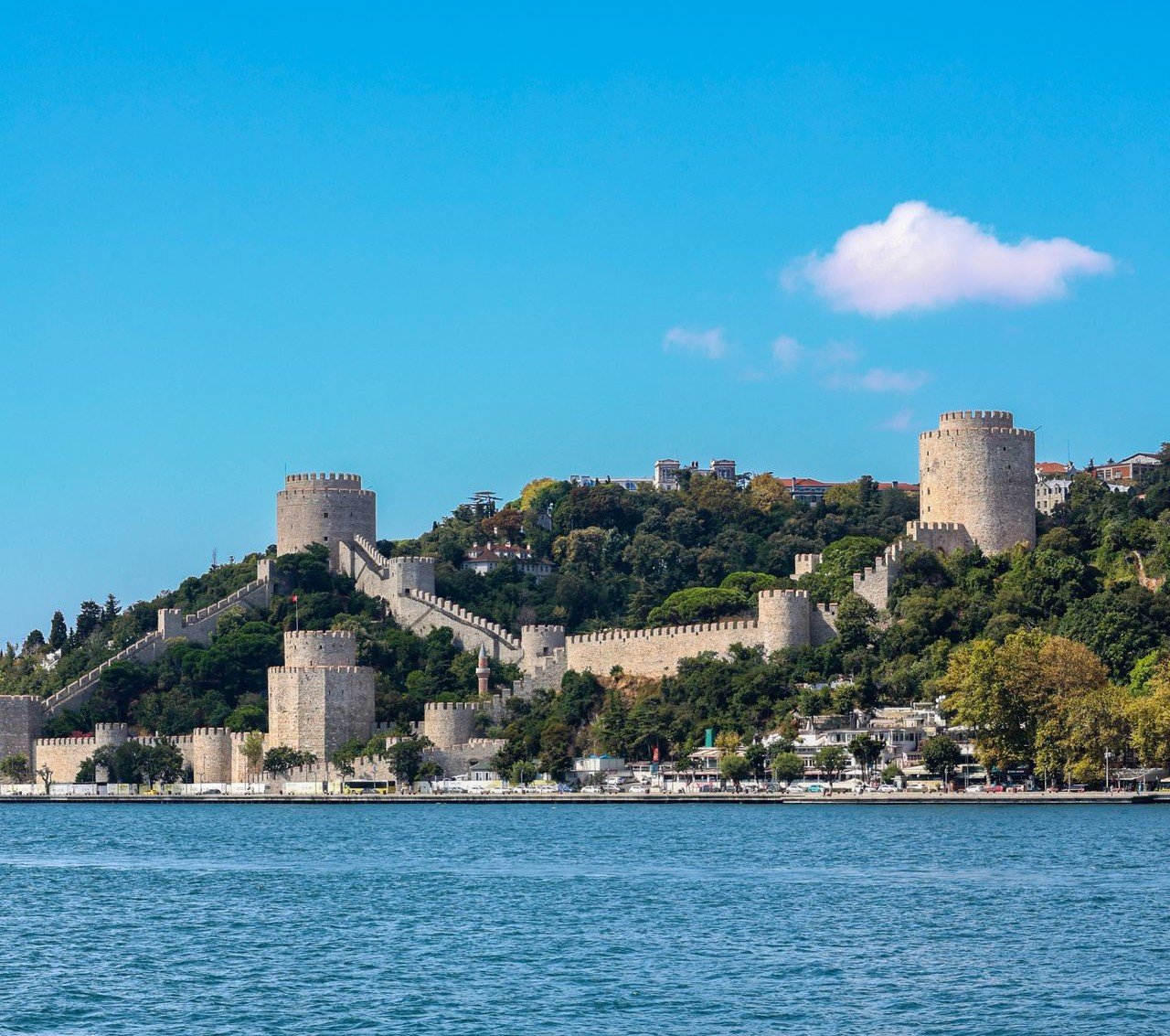
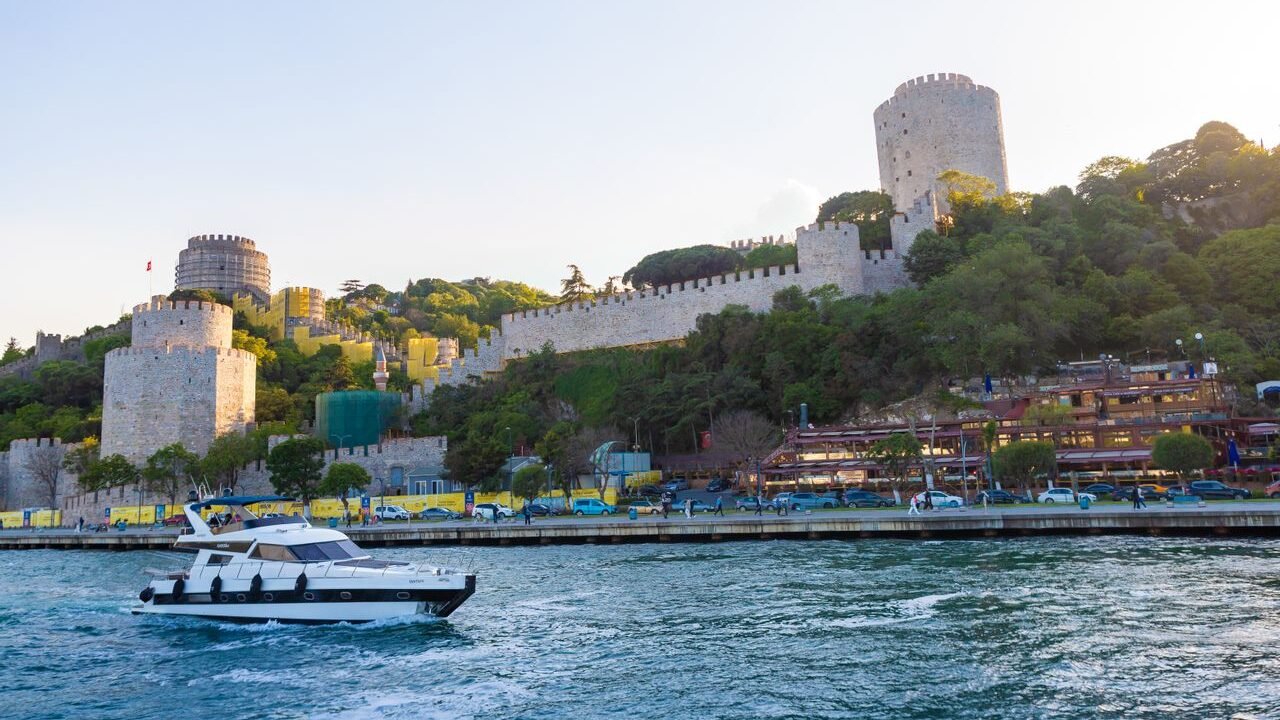
    What if a fortress could change the course of an empire? Standing along the Bosphorus in Istanbul, Rumeli Fortress was built with one powerful mission in mind: to help the Ottomans conquer Constantinople. Constructed in 1452 under the orders of Sultan Mehmed II, this imposing stronghold played a strategic role in controlling the waterway before the historic conquest of the city in 1453.

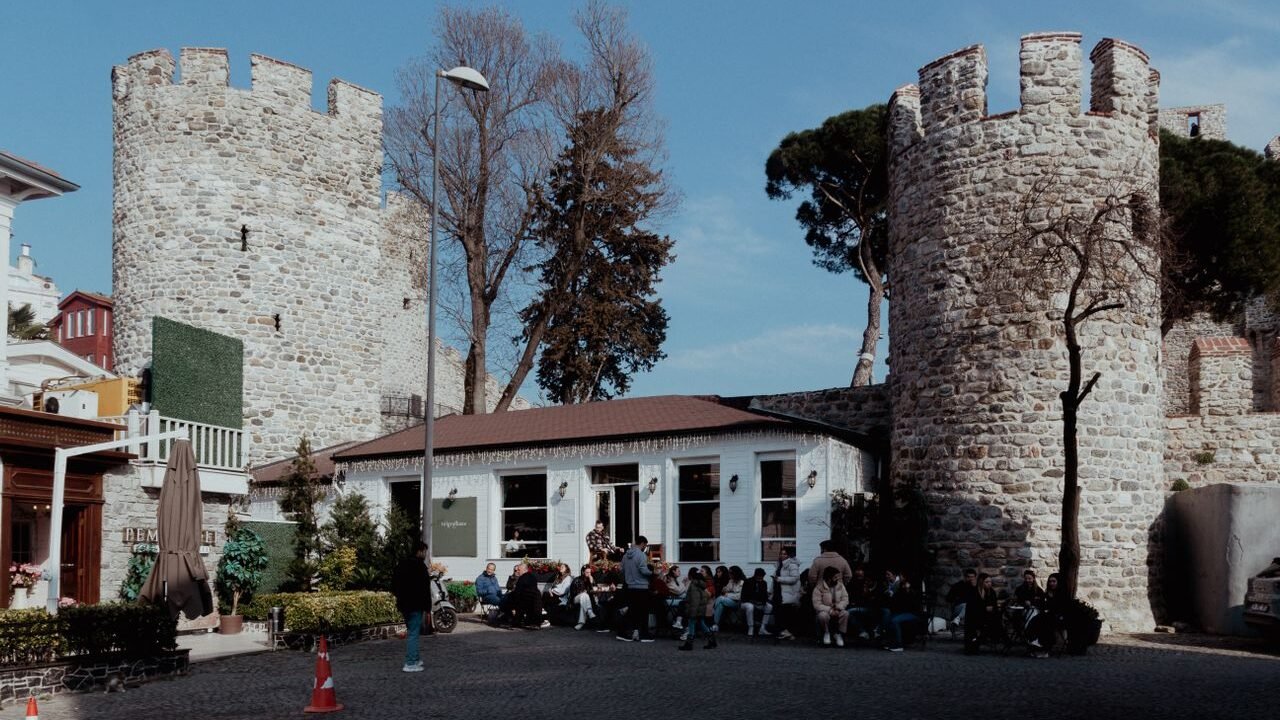
    Today, its towering stone walls and imposing towers offer visitors a glimpse into a defining chapter of history, while the surrounding waterfront adds to its timeless appeal. Whether you are a history enthusiast, an architecture lover or a traveller searching for a destination that combines fascinating stories with beautiful scenery, Rumeli Fortress offers plenty of reasons to explore one of Istanbul’s most memorable landmarks.

    Why Is This Fortress Famous?

    • A Monument Built Against the Clock:
    One of the most impressive aspects of Rumeli Fortress is how quickly it was constructed. Despite its enormous scale, the fortress was completed in approximately four months in 1452. The speed and purpose behind its construction make Rumeli Fortress an excellent example of Ottoman military planning.

    • Three Towers with Distinctive Designs:
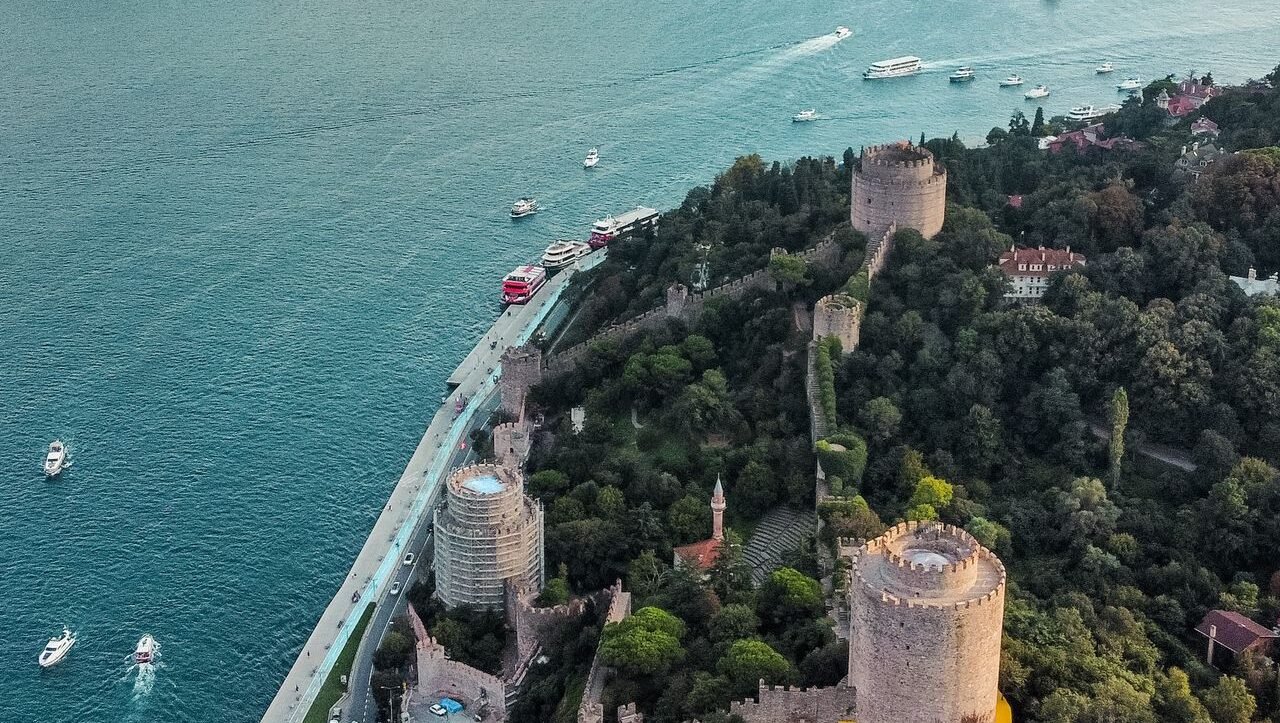
    Rumeli Fortress is particularly recognisable for its three enormous main towers, named after the Ottoman officials associated with their construction: Saruca Pasha, Çandarlı Halil Pasha and Zağanos Pasha.Each tower forms part of the fortress’s defensive system, connected by thick stone walls and smaller defensive structures.

    • Beautiful Views of the Bosphorus Strait:
    The Bosphorus stretches between Europe and Asia, with ferries, private boats and other vessels travelling through its waters. Viewing the fortress from a suitable waterfront location or a Bosphorus boat tour can provide a different perspective of its walls and towers.

    What to Experience There?

    If the fortress is open for interior visits, there are several features worth looking out for;

    • Admire the Fortress Walls and Towers:
    Start by appreciating the fortress’s overall structure. Look closely at how the walls follow the contours of the hillside. Their arrangement was designed to create a strong defensive position overlooking the Bosphorus, rather than simply forming a decorative boundary.

    • Explore the Historical Exhibits:
    Rumeli Fortress has a collection associated with its military and historical past. Depending on current museum arrangements, exhibits may include Ottoman cannons, cannonballs, stone artefacts and a section of the historic chain traditionally associated with the defence of the Golden Horn.

    • Learn About the Conquest of Constantinople:
    A visit to Rumeli Fortress becomes more meaningful when you understand the events behind its construction. In 1453, Rumeli Fortress formed part of the strategic preparations for that campaign by helping the Ottomans control access through the Bosphorus.

    Your Route to Rumeli Fortress

    • By Taxi or Private Car:
    A taxi or private car offers a more direct way to reach the area, especially if you are travelling with family or visiting several locations in one day. However, traffic along the Bosphorus can be heavy, particularly during busy periods so check the parking arrangements before setting off.

    • By Bosphorus Boat Tour:
    Another option is to explore the Bosphorus by boat. Depending on the route, you may be able to see Rumeli Fortress from the water and appreciate its position along the narrow strait. Before booking, check the cruise itinerary to confirm whether it passes the fortress and whether any stops are included.

    📌 Fast Facts for Your Itinerary

    📍 Address:  Rumeli Hisarı, Yahya Kemal Cd. No: 42, 34470 Sarıyer/İstanbul, Türkiye

    ⏰ Best Time to Visit: April-May or September-October when the weather is mild, crowds are thinner, and the Bosphorus views are clearest.

    💡 Note: Access to certain areas may be restricted for safety, conservation or restoration, so follow the instructions provided by the site.

  • Manavgat Waterfall: A Natural Gem Near Antalya

    Manavgat Waterfall: A Natural Gem Near Antalya

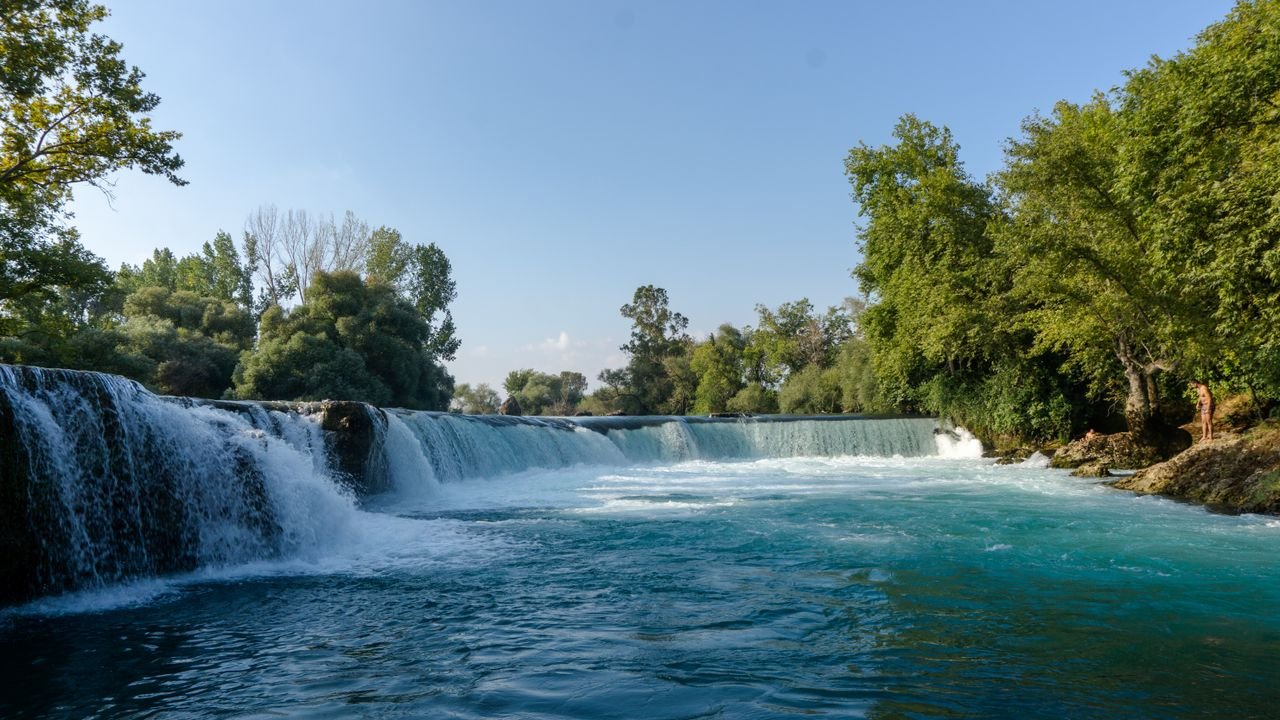
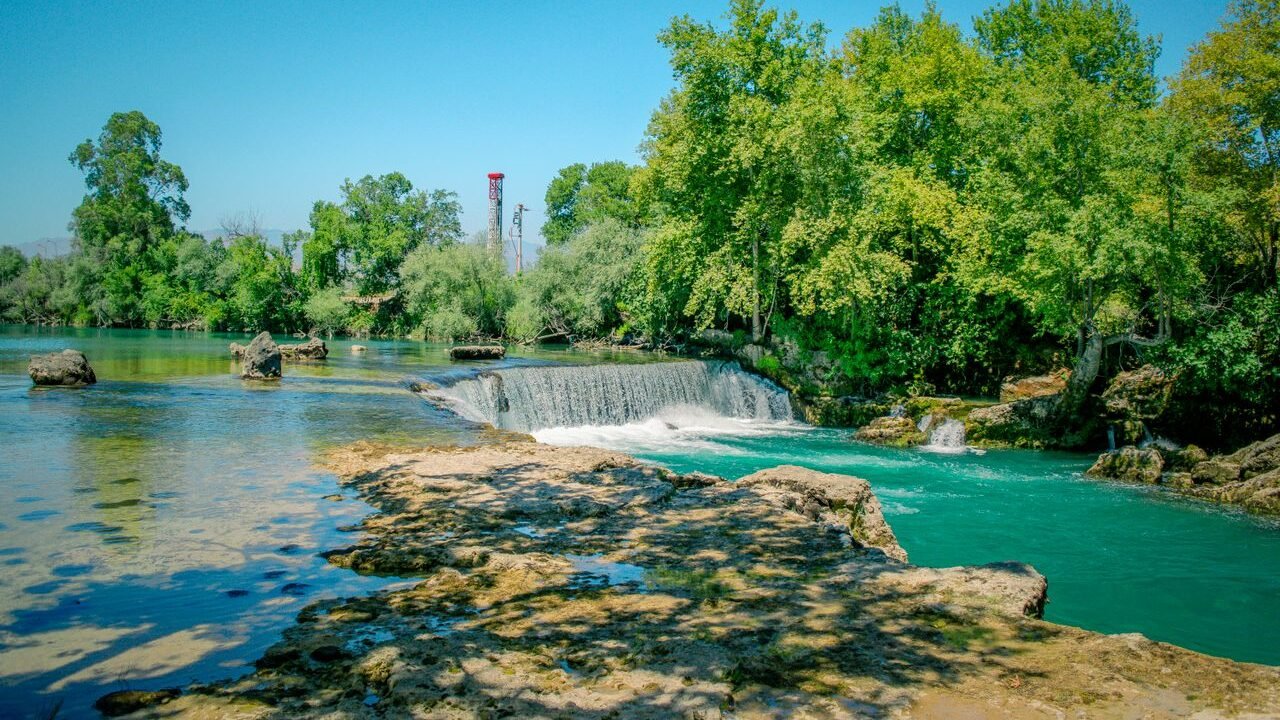
    Manavgat Waterfall is a lovely place to enjoy flowing river waters, lush greenery and a peaceful atmosphere away from the busy beaches and resort areas. Located near the town of Manavgat in southern Türkiye, this popular attraction offers a refreshing change of scenery for travellers exploring the Turkish Riviera.

    Unlike waterfalls known for their dramatic heights, Manavgat Waterfall stands out for its broad cascade, where the Manavgat River flows over a low rocky ledge in a beautiful stretch of rushing water. The surrounding recreation area features riverside viewing spots, shaded trees, cafés and places to sit back and enjoy the sound of the water.

    Why Is Manavgat Waterfall Appealing?

    • A Peaceful Riverside Setting:
    Beyond the waterfall itself, the surrounding area offers a relaxing place to spend time outdoors. Trees provide shade around parts of the recreation area, while the sound of the river creates a soothing background as you walk around.

    • Fed by Hidden Underground Springs:
    One of the lesser-known features of Manavgat Waterfall is the underground water system that helps feed the Manavgat River. Water travels through the limestone formations of the Taurus Mountains and emerges through natural springs, supplying and sustain the river’s impressive volume, even during the warmer months.

    • A Convenient Stop Near Side and Manavgat:
    Another advantage of Manavgat Waterfall is its location. It is only a short drive from Manavgat town and is easily reached from the nearby resort area of Side, making it convenient for travellers who want to add a nature attraction to their holiday without dedicating an entire day to travelling.

    What Can You Do at Manavgat Waterfall?

    • Admire the Waterfall from the Viewing Areas:
    Take your time exploring the different viewing areas, as each angle offers a slightly different perspective. You may also notice how the appearance of the water changes depending on the sunlight and river conditions. Do be careful around wet surfaces, as the areas close to the water can be slippery.

    • A Leisure Walk Around the Recreation Area:
    Once you’ve enjoyed the main waterfall viewpoint, explore the surrounding walking areas. The recreation grounds provide an opportunity to stretch your legs, enjoy the greenery and discover quieter corners away from the main viewing spots.

    • Enjoy Turkish Tea by the River:
    One of the nicest ways to experience Manavgat Waterfall is to take a break at a nearby café or tea garden. Find a seat overlooking the river, order a glass of traditional Turkish tea and enjoy the sound of the flowing water. It is a simple experience, but it allows you to appreciate the destination beyond its main attraction.
    📌 Fast Facts for Your Itinerary

    📍 Address: Sarılar, İstiklal Caddesi No: 35 (or No: 4), 07600 Manavgat/Antalya, Türkiye

    ⏰ Best Time to Visit: April-June are best for general visits; September-October offers a warm, pleasant weather and fewer crowds than peak summer
    🎫 Reminder: Manavgat Waterfall generally requires a paid entrance ticket, with prices potentially varying by visitor category and changing over time, so make sure to check the latest admission fees before your visit.

  • Hagia Sophia: Istanbul’s Spectacular Multi Era Sanctuary

    Hagia Sophia: Istanbul’s Spectacular Multi Era Sanctuary

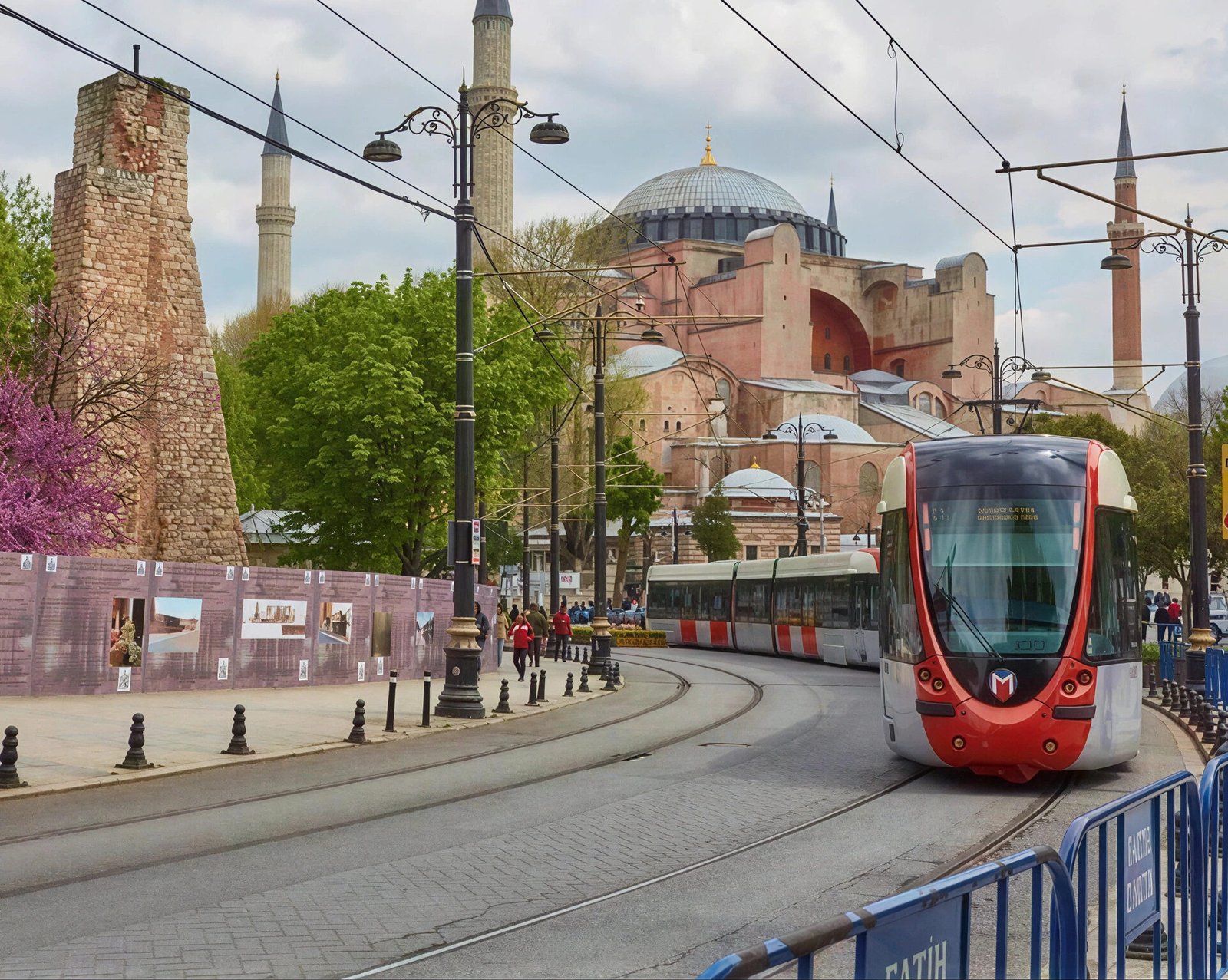
    Stepping off the sleek tourist trams at the bustling square of Sultanahmet, travelers are immediately swept into a whirlwind of historic spectacle, from the chaotic spice bazaars of Eminönü to the quiet and serene courtyards of the neighboring Blue Mosque. Just across the cobblestone area, an entirely unique and awe-inspiring architectural frontier stands ready to captivate anyone who approaches its ancient threshold.

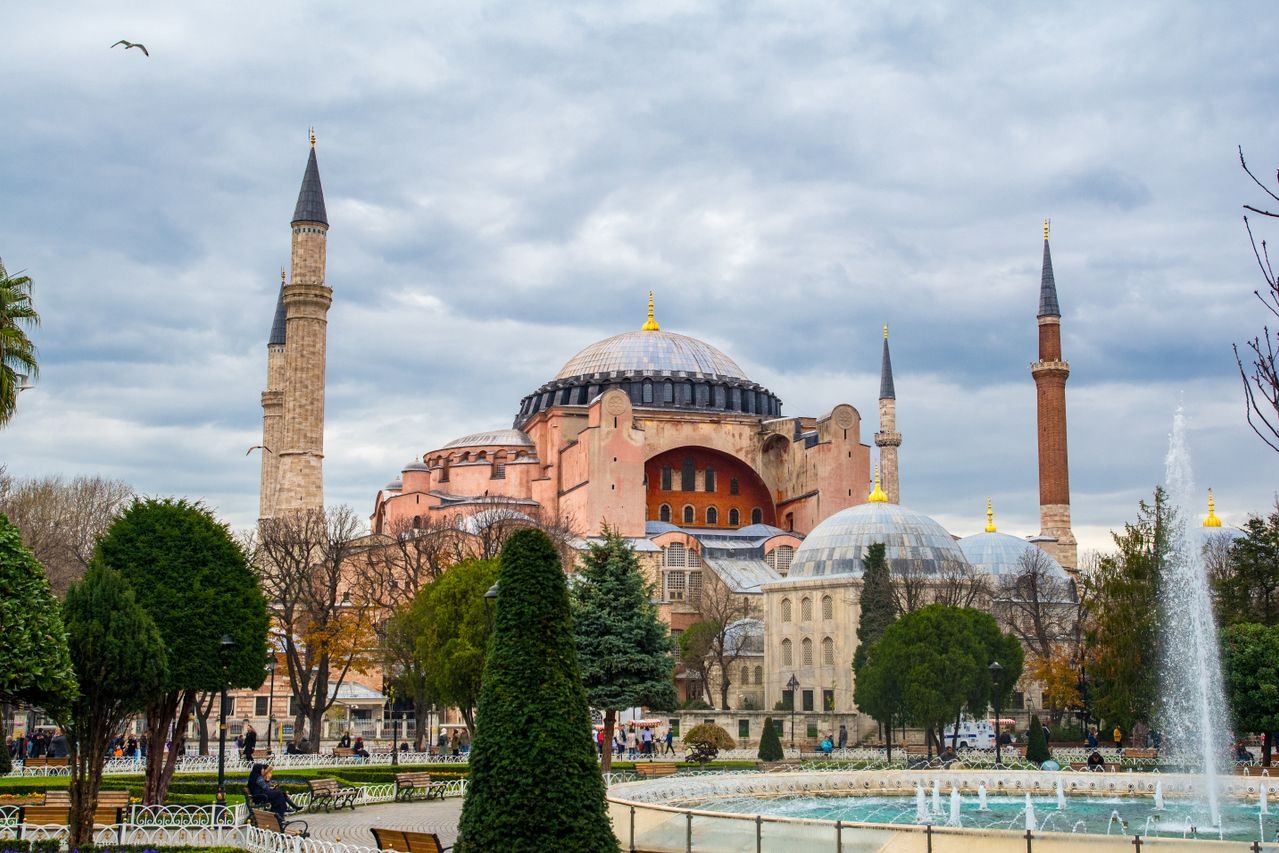
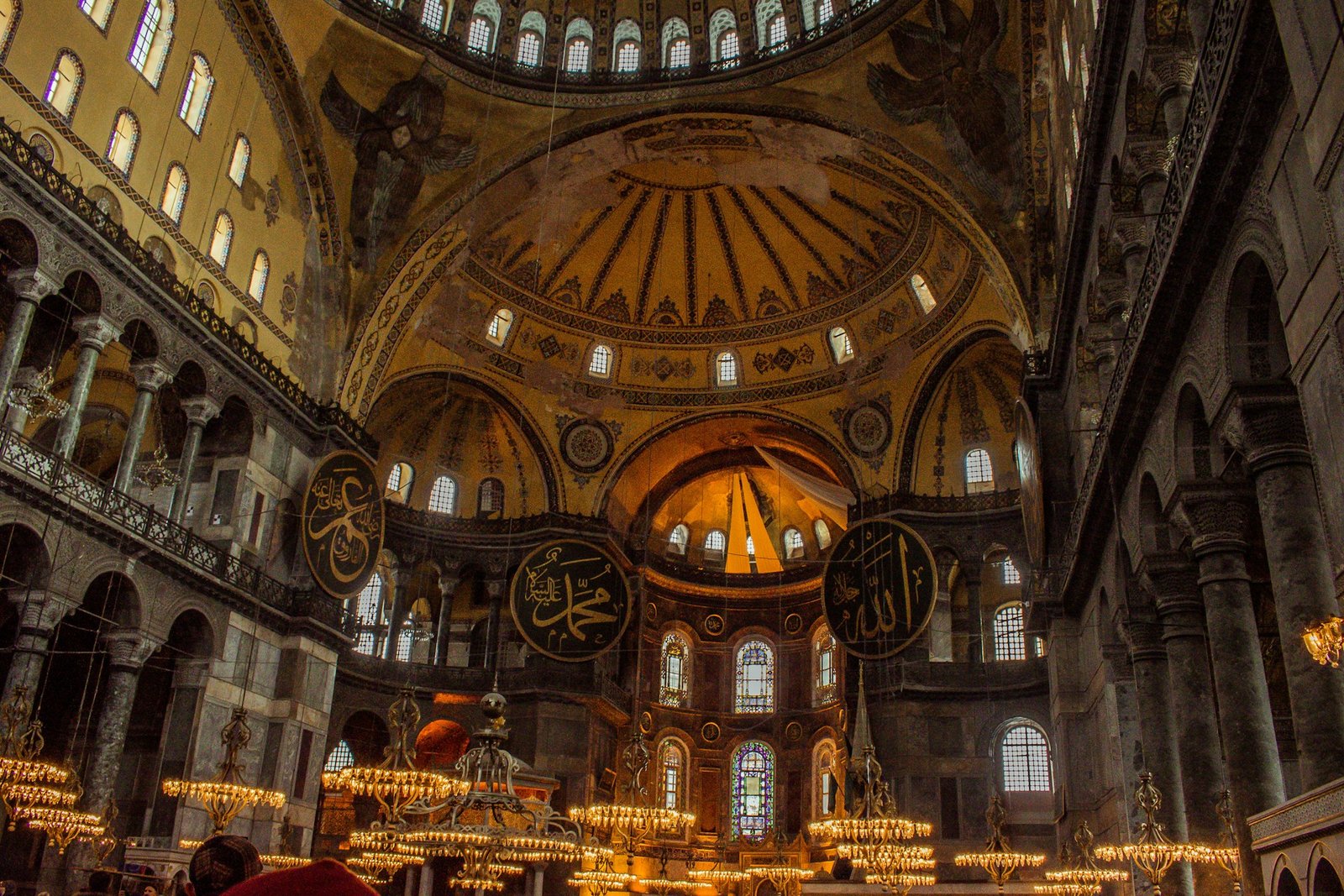
    Floating majestically as the crown jewel of Istanbul’s historic peninsula, Hagia Sophia Mosque reveals itself as an eye-catching limestone and marble sanctuary defined by towering vertical minarets, hidden golden mosaics, and a rugged, adventurous energy that proudly bridges two continents.

    Fiercely contrasted against modern secular monuments, this raw paradise has experienced an unprecedented regulatory boom under recent Turkish tourism frameworks. It has beautifully transformed its narrow, winding visitor paths into an exclusively managed upper-gallery loop while retaining its wild, epic faith-first spirit. To avoid surprises, tourists should review the latest rules detailed in the Alpaca Bag Hagia Sophia Istanbul Visit Guide, which highlights how the separate cultural route routes all international travelers away from the ground floor to protect the prayer space.

    If you are ready to conquer the world’s most famous imperial dome view, descend epic stone ramps carved straight out of solid Byzantine masonry, and gaze alongside centuries-old Christian seraphim, here is why this dramatic sanctuary belongs at the absolute top of your checklist.

    Hagia Sophia Mosque treats architecture like a high-drama masterclass in raw, structural power. Unlike the flat modern complexes of western Europe, the geography here is a spiritual and imperial battlefield of massive, towering brick abutments that drop vertically into the deep, churning currents of global history.

    Setting foot onto the marble trails puts you face-to-face with breathtaking structural topography. The interior is an undulating maze of dark, porphyry-lined corridors and deep gallery ravines, but the true magic unfolds along the edges. Squeeze your eyes on the sheer drops from the upper balustrades, and you will notice how the relentless centuries have punched massive light wells straight through coastal dome windows—creating natural halos, emerald reflecting carpets, and completely secluded crescents of golden tiles that feel completely untouched by modern civilization.

    The Reasons Behind Its Appeal

    This craggy-looking architectural titan continuously filled social media feeds and captures the fascination of international globetrotters for several key reasons:

    • The Imperial Dome Viewpoint:
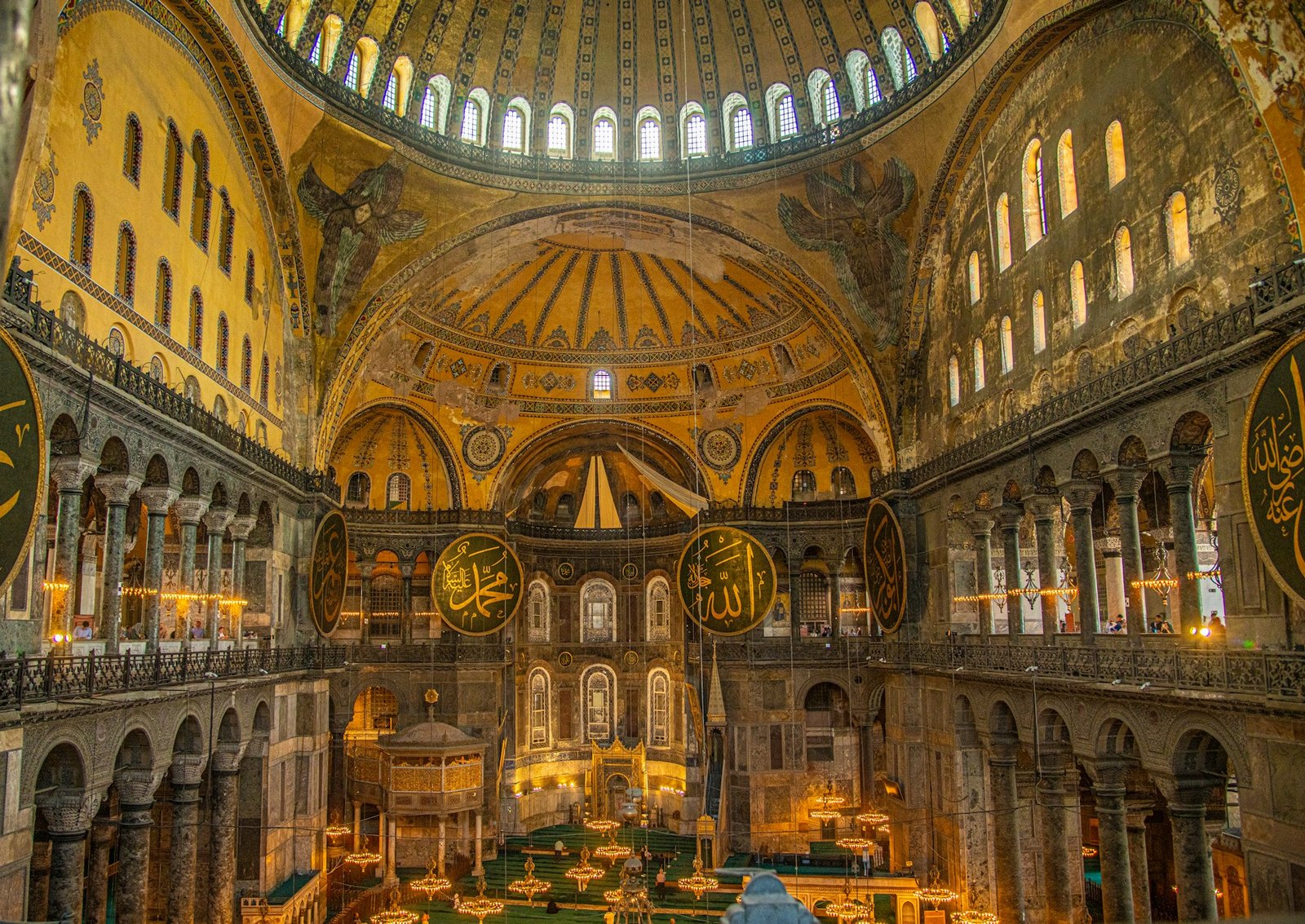
    The absolute hallmark of the sanctuary is the world-famous central nave view. The structural headland features a bizarre, breathtaking main dome suspended 55 meters in the air that looks exactly like it is hanging from a golden chain in heaven, serving as the ultimate bucket-list photo spot.

    • The Upper Gallery Staircase:
    Over on the northern side sits the historical access ramp, universally famous for its dramatic, jaw-dropping stone layout. The empire painstakingly carved a cobblestone winding passage directly into the sheer vertical walls, allowing travelers to safely walk up into a postcard-perfect gallery guarded by towering diamond-shaped marble columns. If you want to see interactive clips of other visitors walking up this historic ramp and setting up their shots, check out the crowdsourced Go Türkiye Hagia Sophia Community Showcase on Facebook.

    • The Mosaic Gallery Sanctuary:
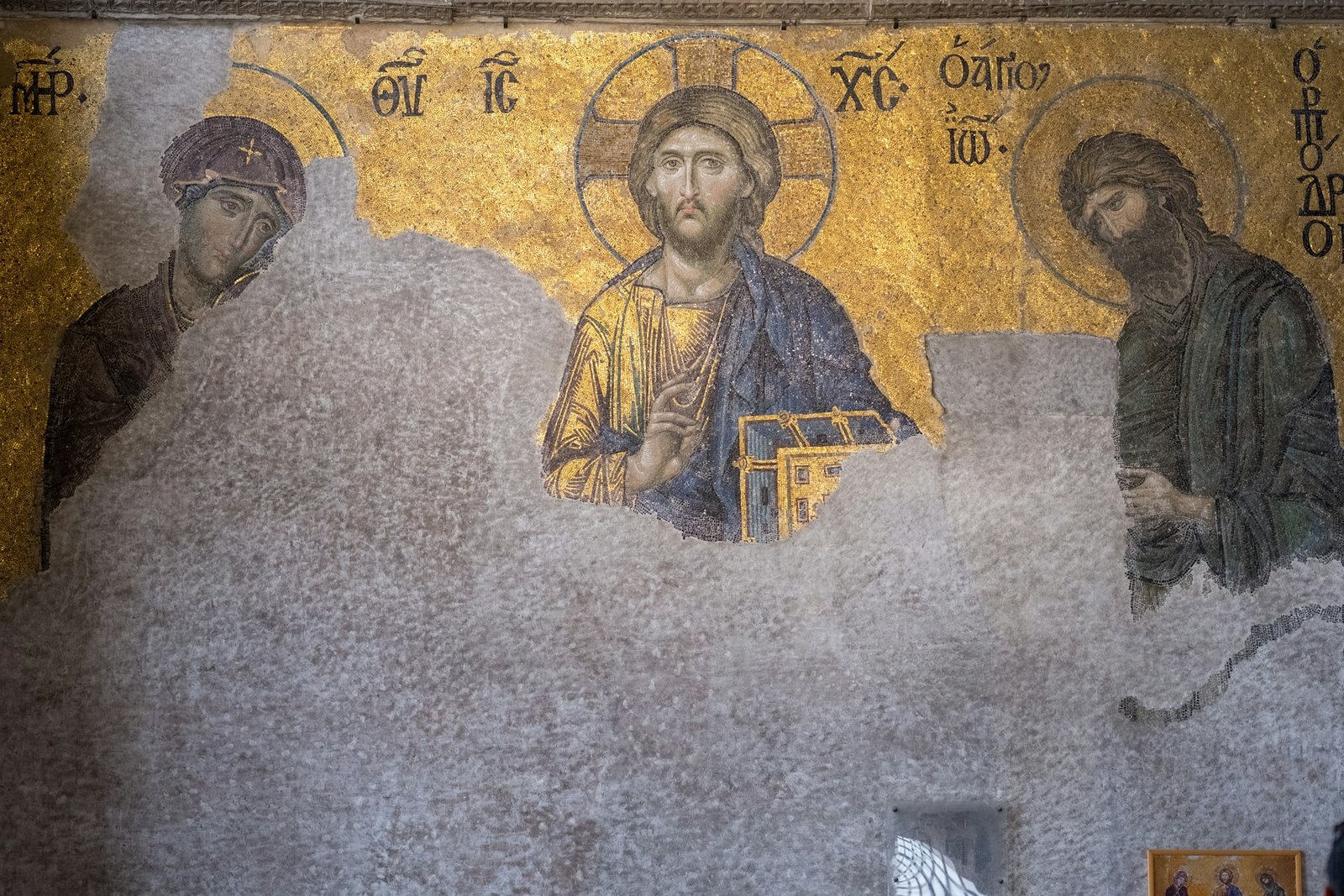
    The space surrounding the upper south gallery is a globally revered heritage protected zone. Rich, glittering gold icons rise right up along the walls, creating an elite ecosystem where travelers can reliably view and photograph year-round ancient Byzantine mosaics that span centuries in age.

    💡 Read Next: Ready to trade the historic whispers and massive stone walls of Istanbul’s greatest icon for a landscape that looks like a surreal frozen waterfall? Head south into the heart of Denizli to walk barefoot on blindingly white travertine terraces and swim in ancient thermal pools in our ultimate guide to Pamukkale, Turkey’s ‘Cotton Castle’!

    What You Can Experience Here

    Structuring your overland routes effectively splits the sanctuary into two distinct user loops—the cultural West Coast and the devotional East Coast:

    • Wander Into the Deësis Mosaic Zone:
    Head to the south gallery to discover this spectacular natural art infinity pool. The clear ambient light flows smoothly into a jagged limestone alcove, letting you look straight through to the colorful glass tesserae while the calligraphic roundels hang violently against the outer barrier wall.

    • Cross the Bridge at the Wishing Column:
    Walk just a few paces past the marble doors to marvel at this geological wonder. The site is a massive, bronze-clad square pillar that has caved in from centuries of human touch, creating a perfectly round enclosed cavity fed by ancient legends of healing powers.

    • Browse the Empress Loggia Viewpoint:
    Journey to the rugged central edge to scale the marble paths looking down at the ground floor prayer enclave. The view treats you to a staggering panoramic vista of naturally-jagged green discs rising out of the turquoise carpet sea, closely mimicking the scenery of a majestic celestial court.

    source: depositphotos.com

    📌 Fast Facts for Your Itinerary

    📍 Gateway Location: Hagia Sophia Official Visitor Entrance, Sultanahmet Square, Fatih, Istanbul, Turkey.

    ⏰ Optimal Time to Visit: The sanctuary is breathtaking year-round; however, planning your overland loop for the low season window between November and March guarantees smooth entry transits and dry, secure walking paths free from cruise ship crowds.

    🎫 Mandatory Fees: Stepping onto the cultural visitor route requires a strict regional tourism fee of €25 (approx. RM120) per adult collected at the arriving ticket booths. Children under 8 enter free with passport verification, but note that the standard Istanbul Museum Pass is explicitly invalid here. Because fraudulent ticketing portals frequently pop up online, ensure you rely only on verified advice from the Turkey Travel HQ Guide to Hagia Sophia Tickets to know exactly where to purchase authorized passes and skip the booth lines.

    👔 Dress codes for visitors: Even though tourists are restricted to the upper gallery, the building remains an active mosque, meaning standard Islamic dress codes are strictly enforced by security. Both men and women must ensure shoulders and knees are fully covered (no tank tops or short shorts). Women must fully cover their hair with a headscarf before entering. You can bring your own scarf or purchase a disposable head cover at the ticket office for a small fee.

  • Yerköprü Waterfall: Mersin’s Natural Water Sanctuary

    Yerköprü Waterfall: Mersin’s Natural Water Sanctuary

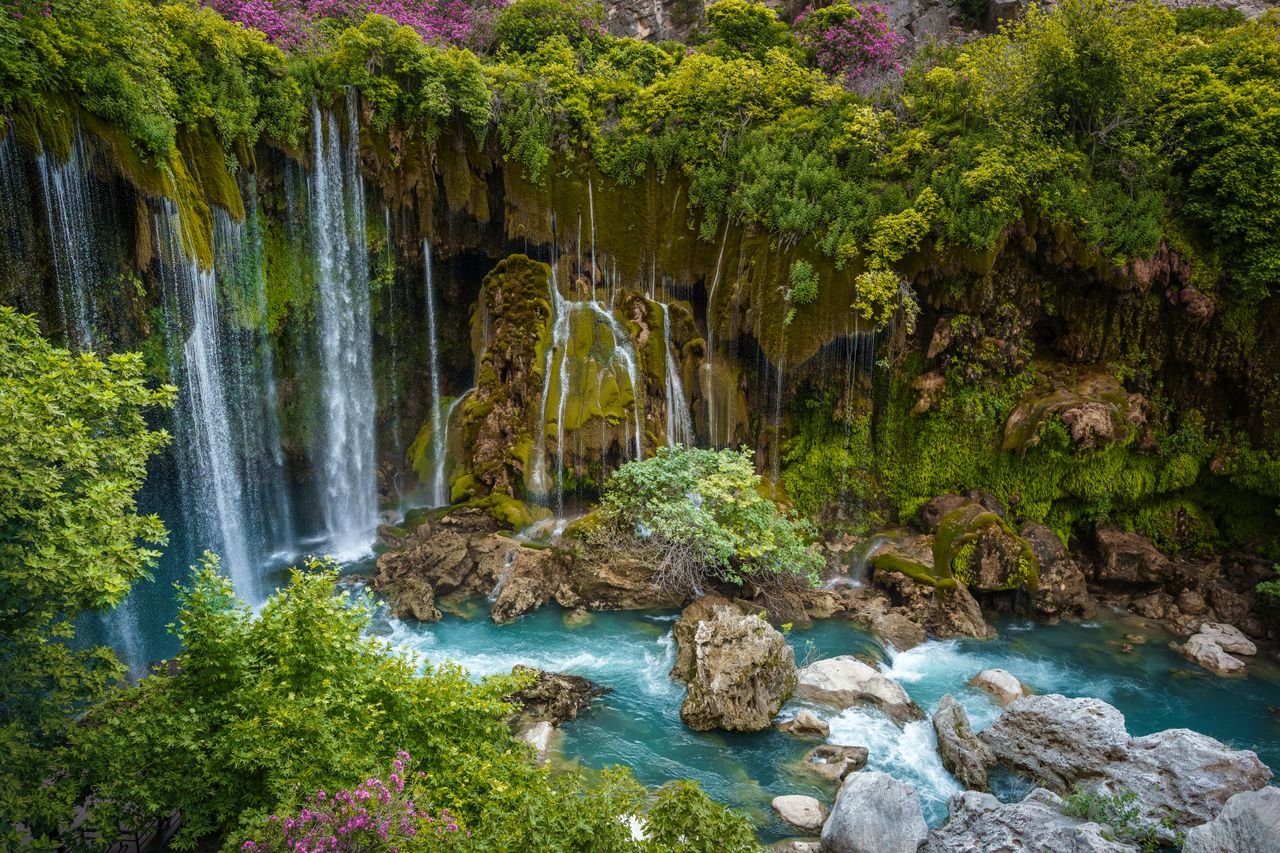
    Deep within the sun-scorched valleys of the Taurus Mountains, where the rugged Anatolian interior meets the Mediterranean basin, lies a hidden canyon that feels entirely disconnected from the modern world. Rather than following the predictable tourist highways, adventurers who venture into the Mut district of Mersin are rewarded with a breathtaking, verdant oasis bursting violently out of dry, limestone cliffs.

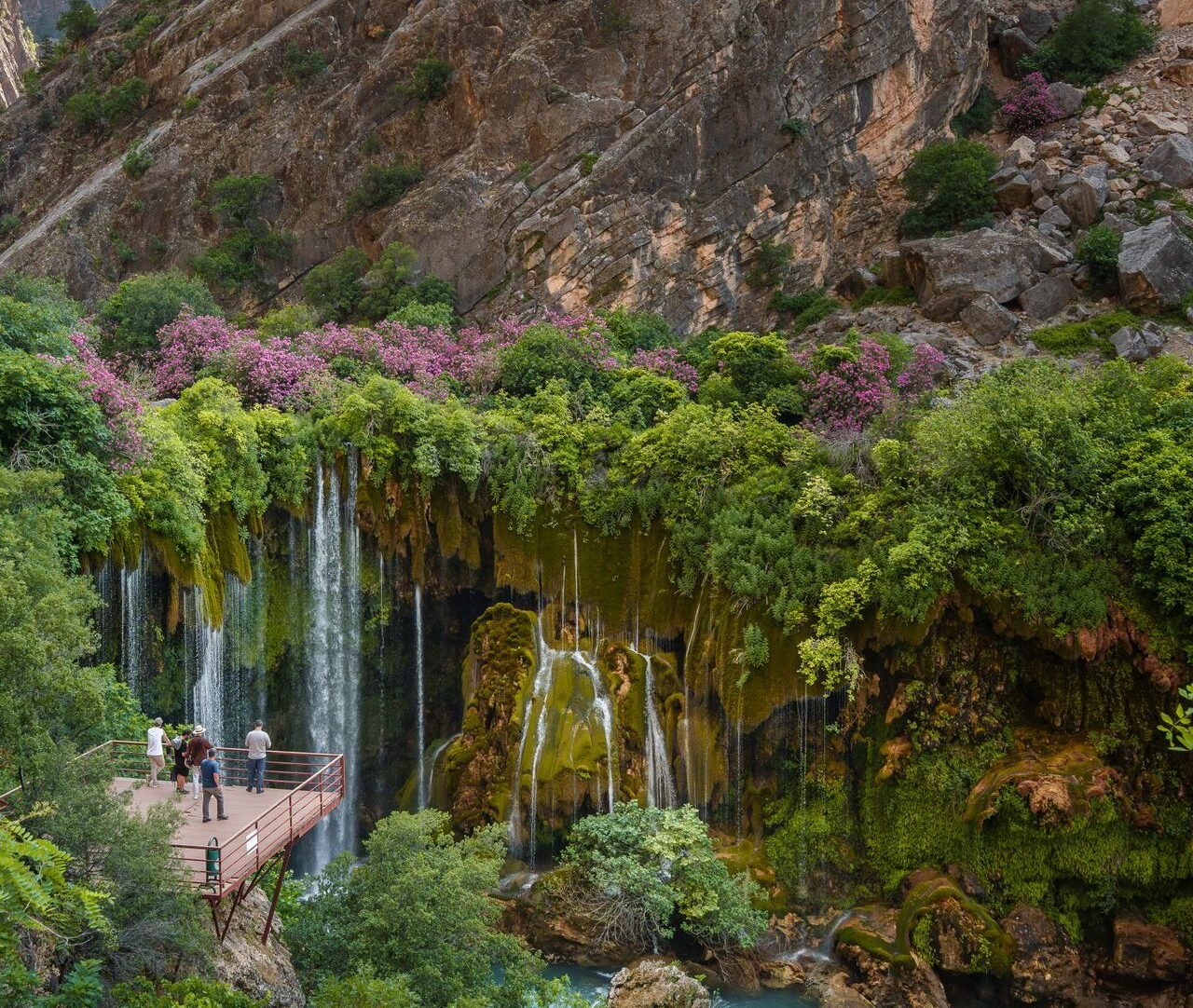
    Registered as a strictly protected natural monument, the magnificent Yerköprü Waterfall unfolds as a jaw-dropping turquoise sanctuary defined by towering vertical rock bridges, hidden stalactite caves, and a rugged, adventurous energy that celebrates the raw power of nature.

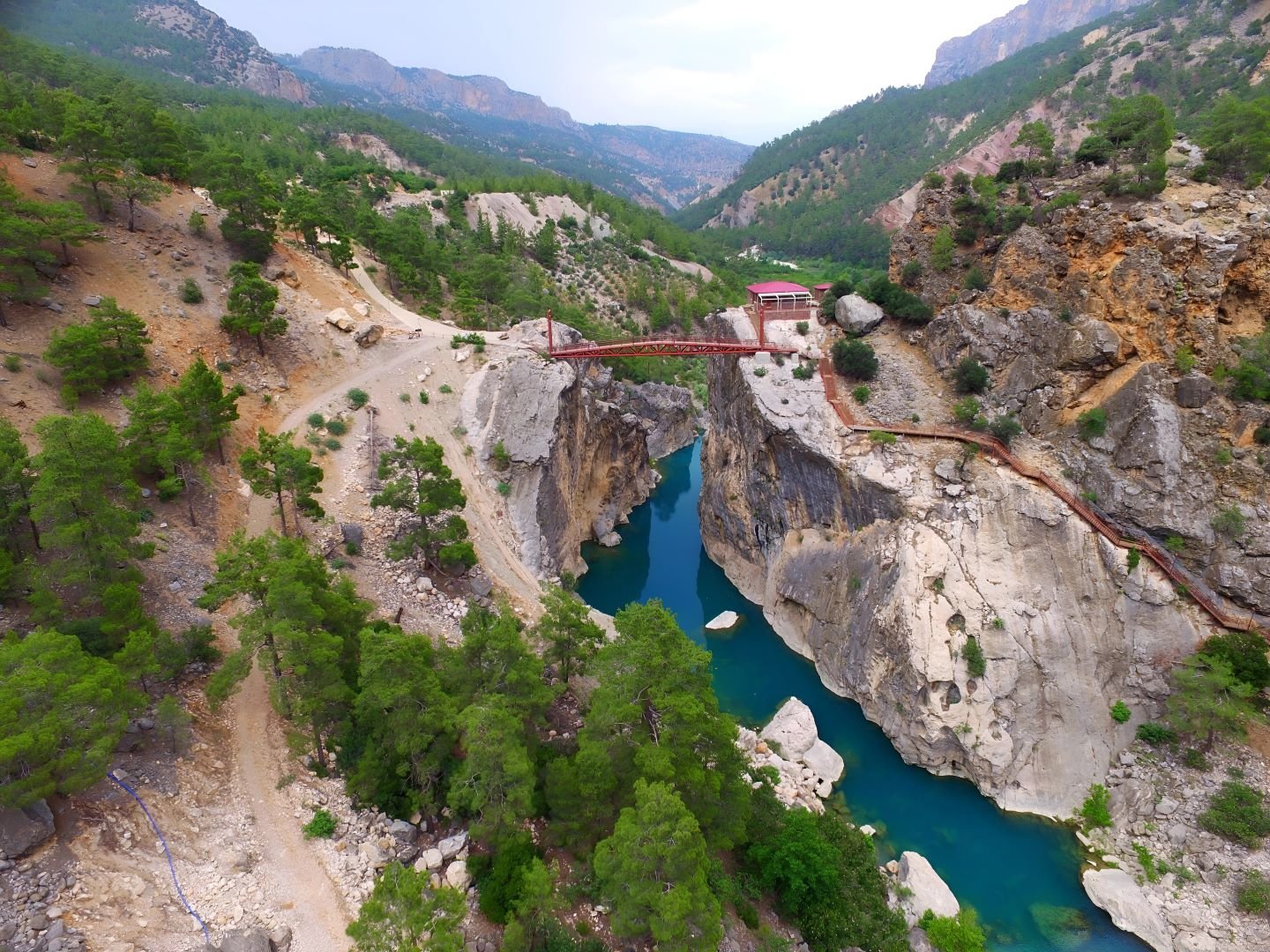
    Fiercely contrasted against the arid brown peaks of southern Turkey, this raw paradise has experienced an unprecedented infrastructure and preservation upgrade under recent 2026 environmental conservation frameworks. The local management has beautifully transformed the steep, challenging canyon trails into a network of highly secure wooden boardwalks and panoramic suspension bridges while fully retaining the wild, epic nature-first spirit of the valley.

    If you are ready to witness a river plunge directly out of an underground cave tunnel, navigate suspended canyon paths hung high above rushing rapids, and gaze into a neon-turquoise mineral pool, here is why this dramatic sanctuary belongs at the absolute top of your checklist.

    The geographic layout here operates like a masterclass in subterranean dynamics, showcasing how raw water can completely carve out a mountain from the inside out. Instead of flowing over predictable rock steps, the Göksu River basin acts as a fierce, high-pressure geological engine that has spent millennia punching massive pathways straight through the heart of the limestone plateau.

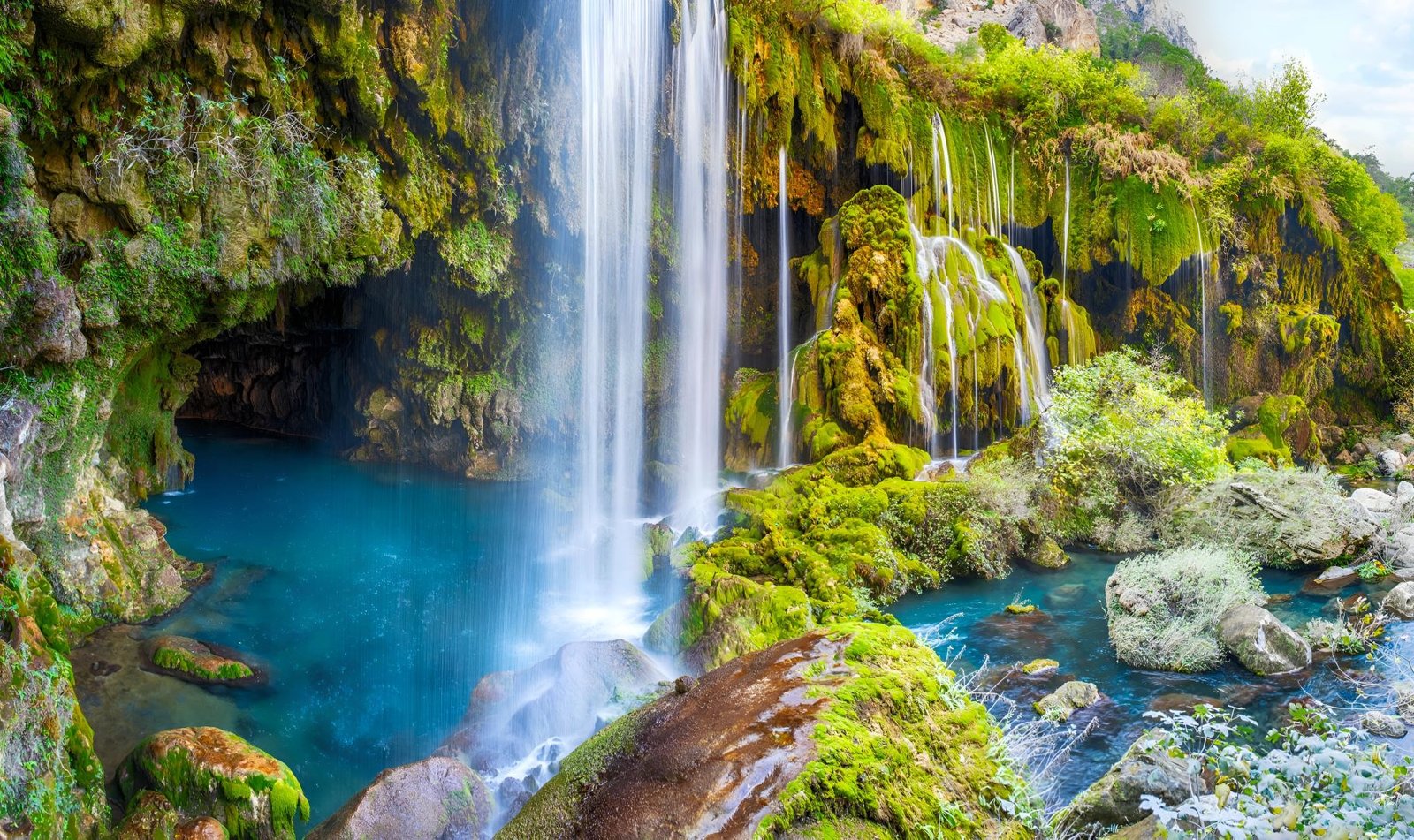
    Walking along the cliff-hugging boardwalk paths brings travelers eye-to-eye with an incredibly rich ecosystem. The canyon interior thrives as a microclimate packed with hanging ivy curtains, wild fig trees, and ancient moss formations, while the outer valley remains completely dry. Peer over the edge of the safety railings to spot the ultimate marvel: a massive, 30-meter-thick solid stone roof where the river vanishes entirely into darkness before erupting into the open air as a thundering, glacial-blue pool that feels completely untouched by modern civilization.

    What Makes It So Captivating

    This hidden wilderness playground continuously dominates social media feeds and captures the fascination of international tourists for several key reasons:

    • The Earth Bridge Viewpoint:
    The absolute hallmark of the park is the world-famous natural travertine bridge. The geological headland features a bizarre, breathtaking limestone rock formation where the river bursts out from an underground cavern before dropping 30 meters vertically into a crystalline pool, serving as the ultimate bucket-list photo spot.

    • The Cliffside Wooden Staircase:
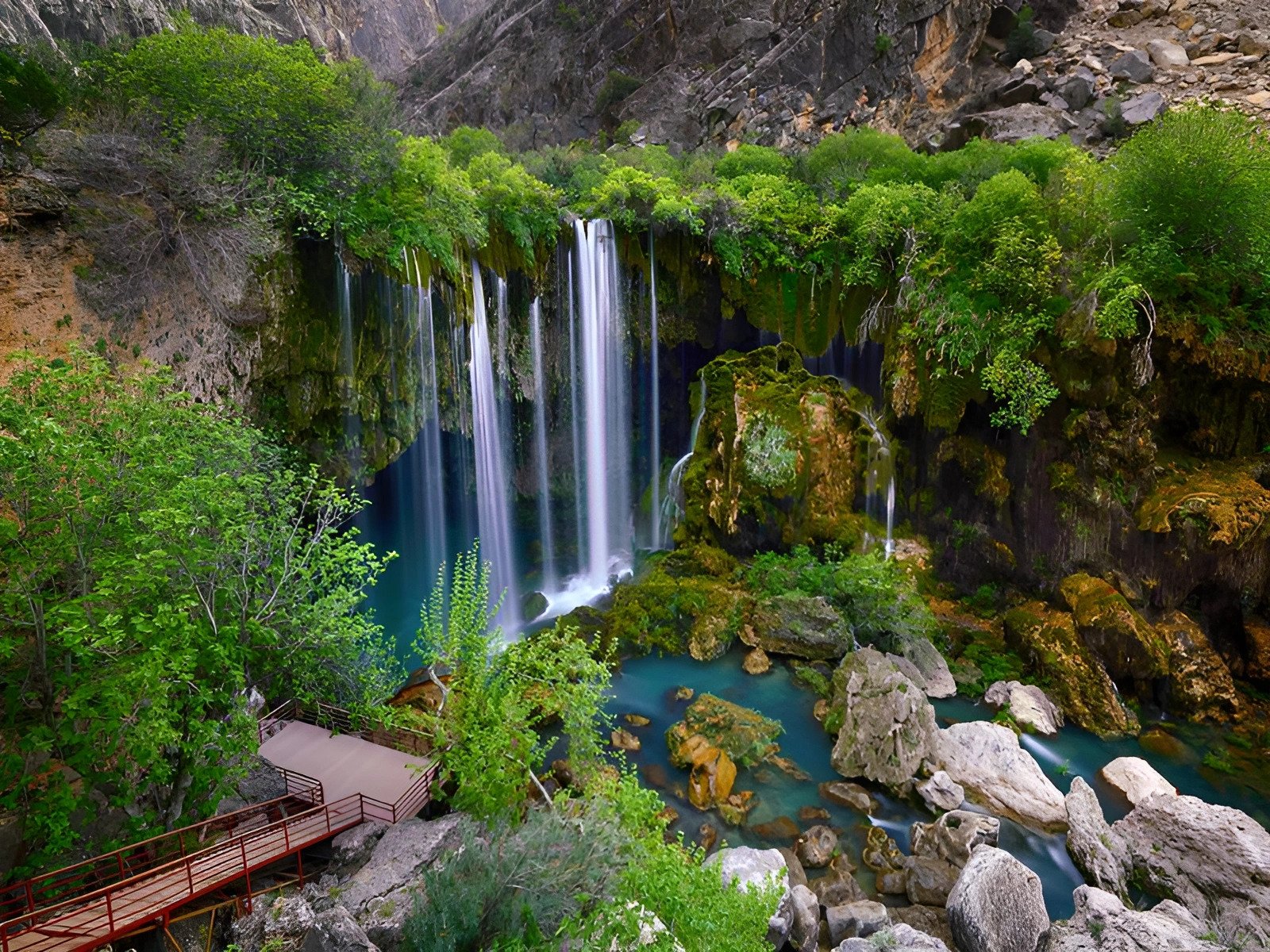
    Over on the steep valley slope sits the canyon access system, universally famous for its dramatic, jaw-dropping layout. The park painstakingly built a 500-meter winding wooden staircase and path network directly into the sheer vertical canyon walls, allowing travelers to safely walk down into a postcard-perfect viewing deck.

    • The Stalactite Cave Sanctuary:
    The hidden space directly behind and beneath the main waterfall curtain is a globally revered geological protected zone. Ancient, dripping rock formations rise right up along the cave walls, creating an elite ecosystem where travelers can reliably explore year-round alongside deep, 15-meter mineral lakes that span across hidden subterranean caverns.

    💡 Read Next: If you’re satisfied with the hidden, moss-draped canyon trails and rushing turquoise cascades of the Taurus Mountains, we highly recommend you to head north to Istanbul’s Asian side to wander seaside paths, meet friendly resident cats, and catch panoramic Bosphorus views in our ultimate guide to Fenerbahçe Park!

    Ways to Fill Your Itinerary

    In order to get the full experience at this place, your routes should effectively splits the sanctuary into two distinct day loops—the wild West Coast and the photogenic East Coast:

    • Wander Into the Panoramic Suspension Bridge:
    Head to the upper west trails to discover this spectacular natural engineering marvel. The clear mountain breeze flows smoothly across a jagged limestone gorge, letting you look straight down to the rushing turquoise river while the valley winds smash violently against the outer barrier wall.

    • Cross the Bridge at the Deep Blue Pool:
    Walk just a few paces past the cave mouth to marvel at this geological wonder. The site is a massive, circular mineral basin that has caved in over millennia, creating a perfectly round enclosed bay fed by a grand, arched natural stone vault spanning the open water entryway.

    • Browse the Twin Observation Terraces:
    Journey to the rugged eastern edge to scale the rocky paths looking down at the lower canyon enclave. The view treats you to a staggering panoramic vista of jagged emerald flora rising out of the turquoise water sea, closely mimicking the scenery of a prehistoric jungle paradise.

    📌 Fast Facts for Your Itinerary

    📍 Gateway Location: Yerköprü Şelalesi Tabiat Parkı Visitor Gate, Evren Village Road, Mut District, Mersin, Turkey. If you are driving yourself or looking for regional shuttle buses from the Mediterranean coast, you can consult the Mut Municipality Transit Hub and Regional Map to plan your exact driving route through the Taurus Mountains.


    ⏰ Optimal Visiting Strategy: The sanctuary is breathtaking year-round; however, planning your overland loop for the spring and early summer window between April and June guarantees roaring water volumes and lush, vibrant green foliage before the peak summer heat sets in.
    🎫 Mandatory Conservation Levies: The nature park in 2026 utilizes a modern vehicle-based entry and parking tariff system rather than individual tickets. The strict regional tourism fee is currently 105 ₺ (approx. RM14) per standard car, which seamlessly includes admission for all passengers inside the vehicle.

    🥾 Pro-Tip: While trying to hike down in casual sandals is popular for backpackers hitting coastal beaches, Yerköprü’s inner canyon stairs are notoriously steep, demanding, and slick with waterfall mist. We recommened you to wear rigid trekking shoes with excellent grip for maximum safety and provide knee relief, pack plenty of drinking water, and opt for the local shuttle vehicle service (available at the inner station) to skip the long mountain road walk back to the parking lot!

  • The Cotton Castle: Why Pamukkale Belongs on Your Turkey Itinerary

    The Cotton Castle: Why Pamukkale Belongs on Your Turkey Itinerary

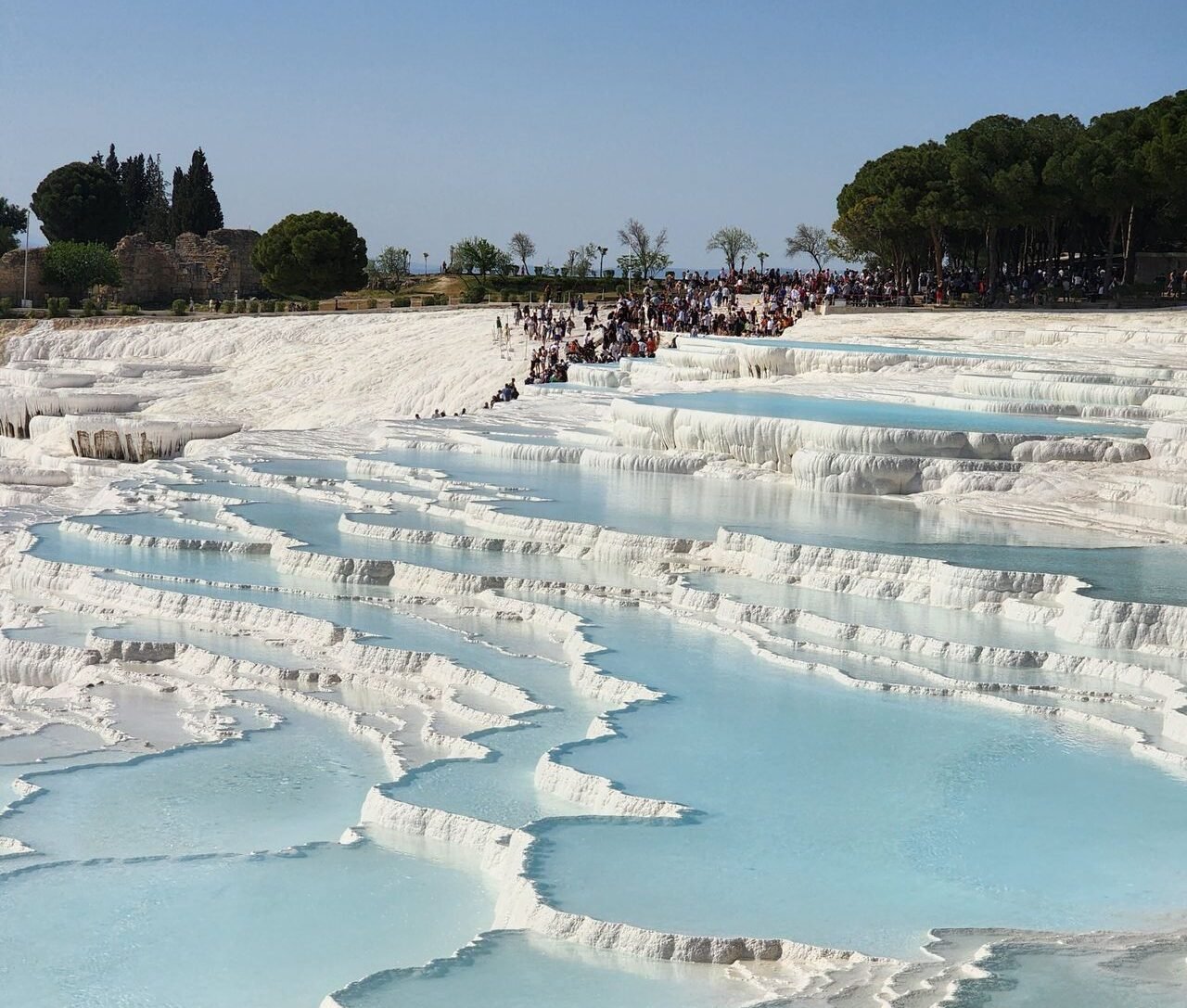
    Once you left the dusty Anatolian highways behind, you are then immediately greeted by the sun-drenched vineyards and rolling agricultural valleys of Denizli. Just past the standard tourist rest stops, a blindingly white geological miracle rises dramatically from the earth, looking less like a standard landscape and more like an glacial fortress dropped into the Turkish countryside.

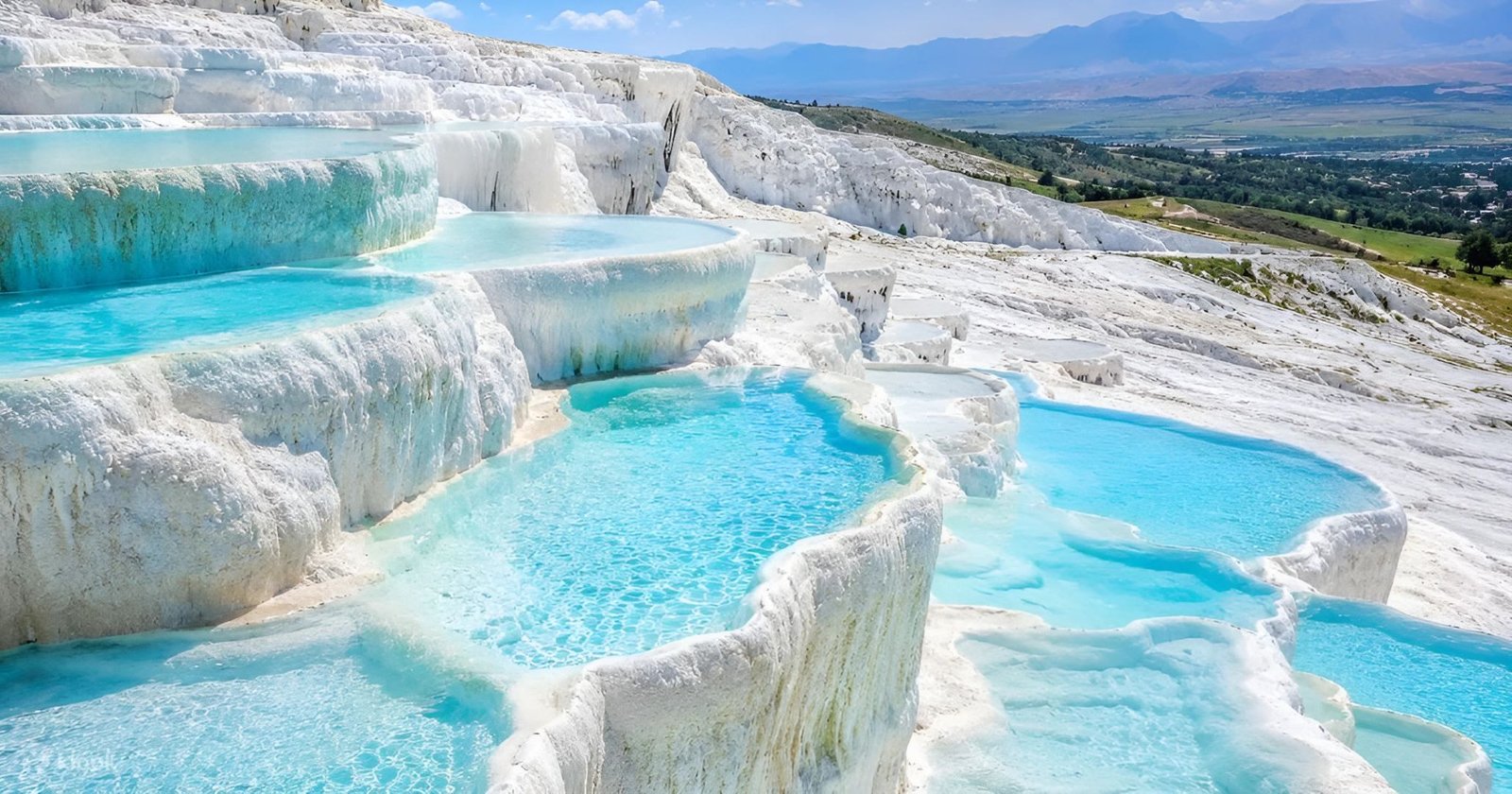
    Named as the crown jewel of Turkey’s inner Aegean region, the ‘Cotton Castle’ of Pamukkale unfolds as a jaw-dropping limestone and mineral sanctuary defined by towering vertical terraces, hidden turquoise pools, and a rugged, adventurous energy that proudly bridges nature and ancient history. To bypass long ticket lines at the gates, foreign visitors can purchase their combined admission vouchers in advance on the official Turkish Ministry of Culture and Tourism Muze Portal, ensuring seamless access to the entire landscape.

    Fiercely contrasted against the rocky brown peaks of the surrounding countryside, this raw paradise has experienced an unprecedented environmental conservation boom under recent Turkish tourism frameworks. It has beautifully transformed its narrow, winding visitor paths into carefully regulated barefoot walkways while retaining its wild, epic nature-first spirit.

    If you are ready to conquer the world’s most famous cascading cliff view, descend epic travertine terraces carved straight out of solid mineral crust, and swim alongside ancient Roman columns, here is why this dramatic sanctuary belongs at the absolute top of your checklist.

    Pamukkale treats landscapes like a high-drama masterclass in raw, geothermal power. Unlike the rugged stone formations of mainland Cappadocia, the geography here is a volcanic and mineral battlefield of massive, towering calcium carbonate sea cliffs that drop vertically into the deep, churning currents of the Menderes valley.

    As you set foot onto the thermal trails, you are welcomed face-to-face with breathtaking structural topography. The interior is an undulating maze of white, mineral-lined basins and deep water ravines, but the true magic unfolds along the edges. Squeeze your eyes on the sheer drops from the upper plateaus, and you will notice how the relentless springs have punched massive holes straight through coastal rock walls—creating natural bridges, emerald reflecting pools, and completely secluded crescents of powdery white crust that feel completely untouched by modern civilization.

    Why It Is Popular

    This craggy geological titan continuously dominates social media feeds and captures the fascination of international globetrotters for several key reasons:

    •The Legendary Cotton Castle Viewpoint:
    The absolute hallmark of the area is the world-famous white hillside. The coastal headland features a bizarre, breathtaking limestone rock formation that looks exactly like the gaping jaws and curved spine of a frozen waterfall, serving as the ultimate bucket-list photo spot.

    •The Cleopatra Antique Pool Staircase:
    Over on the upper plateau sits the ancient thermal bath, universally famous for its dramatic, jaw-dropping underwater layout. The community painstakingly preserved a pristine stone staircase directly into the sheer vertical pool wall, allowing travelers to safely walk down into a postcard-perfect cove guarded by towering diamond-shaped fallen Roman columns.

    •The Hierapolis Amphitheatre Sanctuary:
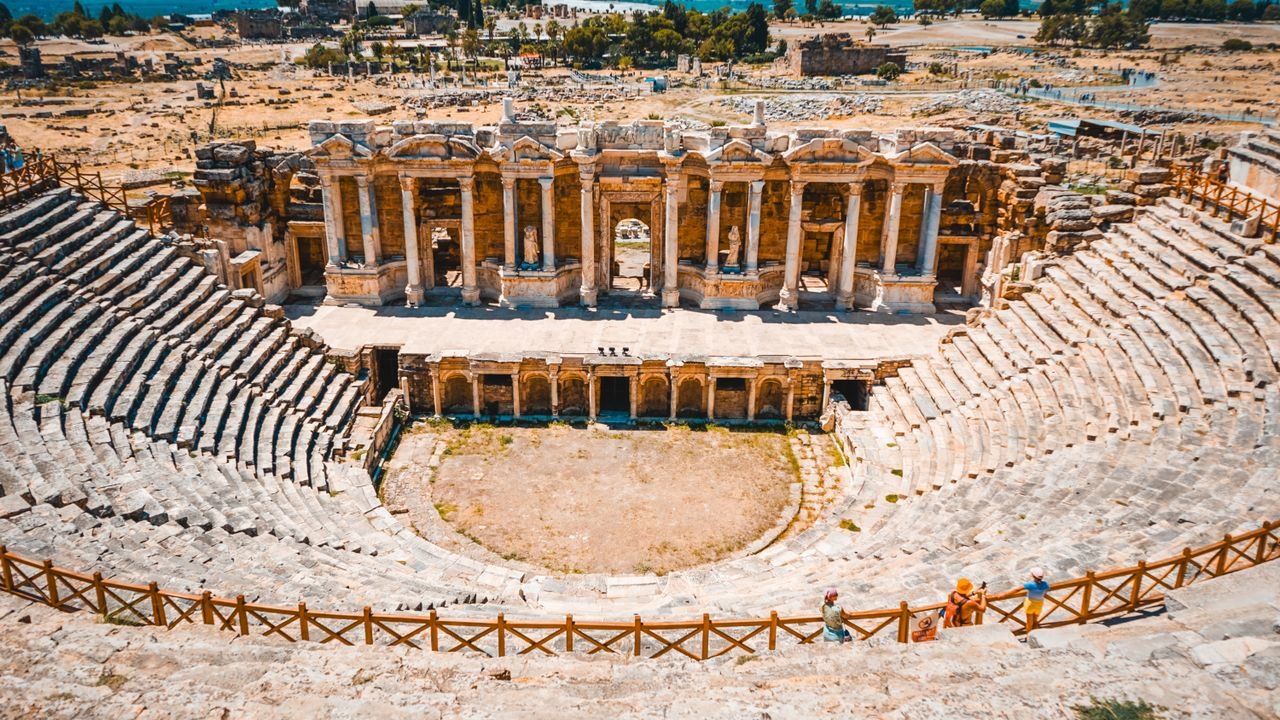
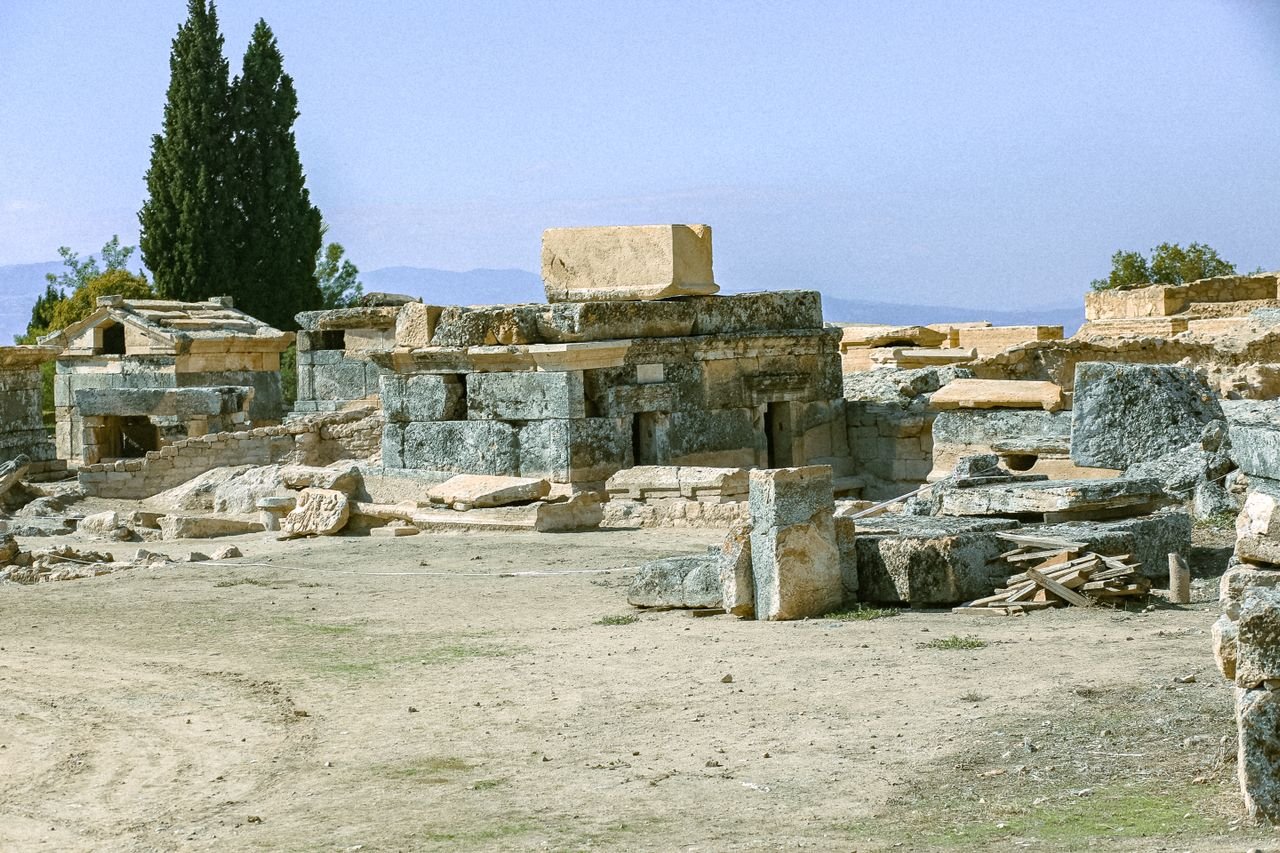
    The ridge surrounding the southern cliffs is a globally revered heritage protected zone. Nutritious, historic deep-stone architecture rises right up along the hills, creating an elite ecosystem where travelers can reliably explore year-round alongside giant Roman ruins that span up to hundreds of meters in width.

    💡 Read Next: Ready to trade the high-drama sea cliffs and turquoise ocean lagoons of Bali’s rugged sibling for a peaceful walk through a giant, futuristic floating glass mosque? Head west across the Java Sea to check out our ultimate architectural guide to Bandung’s stunning Masjid Raya Al-Jabbar!

    Attractions to Explore

    Structuring your overland routes effectively splits the sanctuary into two distinct day loops—the wild West Coast and the photogenic East Coast:

    •Wander Into the Northern Necropolis:
    Head to the west coast to discover this spectacular natural stone infinity pool. The clear spring waters flow smoothly into a jagged limestone lagoon, letting you look straight through to the colorful tomb floors while the valley winds smash violently against the outer barrier wall.

    •Cross the Bridge at the Martyrium:
    Walk just a few paces past the theater to marvel at this geological wonder. The site is a massive, octagonal volcanic crater that has caved in, creating a perfectly round enclosed bay fed by a grand, arched natural stone bridge spanning the open field entryway.

    •Browse the South Gate Viewpoint:
    Journey to the rugged eastern edge to scale the rocky paths looking down at the natural travertine enclave. The view treats you to a staggering panoramic vista of jagged emerald islets rising out of the turquoise pool sea, closely mimicking the scenery of Pamukkale’s lower lake park.


    To see the actual look of this famous spot, enjoy a detailed walking tour by Travel Walk Tours below.

    📌 Fast Facts for Your Itinerary

    📍 Location: Pamukkale Official South Gate Entrance, Pamukkale Open Air Museum, Denizli, Turkey.

    ⏰ Best Time to Visit: The sanctuary is breathtaking year-round; however, planning your overland loop for the shoulder season window between April and June guarantees smooth water transits and dry, secure walking paths free from the intense summer heat.

    🎫 Mandatory Fees: Stepping onto the thermal visitor route requires a strict regional tourism fee of €30 (approx. RM145) per adult collected at the arriving ticket booths. Individual parking and basic entry to the upper Cleopatra Antique Pool typically cost an additional admission token of around €10.

    🛵 Pro-Tip: While exploring in footwear is popular for backpackers on the main island, Pamukkale’s inner travertine paths are notoriously steep, narrow, blind, and winding. For maximum safety and skin protection on the mandatory barefoot zones, pack a dedicated shoe bag in your daypack and hire a professional private local driver for the steep hill transit—it is incredibly affordable, ensures you reach the upper ruins smoothly, and lets you rest between intense cliff climbs!

    To ensure your feet are prepared for the slippery calcium flats and to avoid surprise overcharges from predatory gate agents, read through the comprehensive Turkey Travel HQ Guide to Pamukkale Entrance Fees before you reach the entrance gates.

  • Olympos Beach: Where Ancient Ruins Meet the Sea

    Olympos Beach: Where Ancient Ruins Meet the Sea

    The high-rise luxury resorts of central Antalya are just the tip of the iceberg there, as once you decided to step away and leave them behind, tracking south opens the door to a secluded world of dense pine forests and dramatic mountain passes. Just past the rural highway turnoffs, the rugged cliffs of the Beydağları Coastal National Park drop sharply into the sea, hiding a historic shoreline that feels completely cut off from mass tourism. 

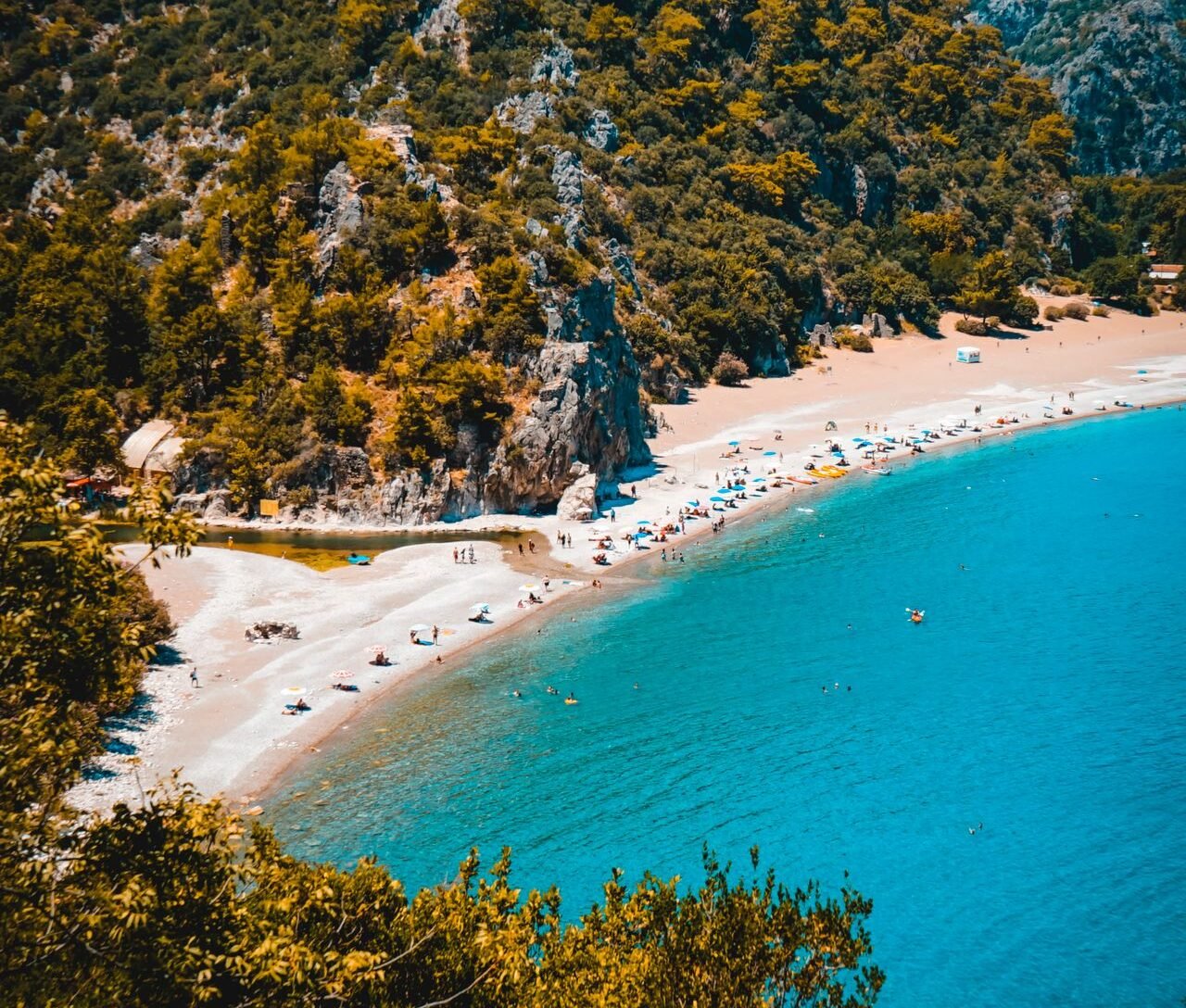
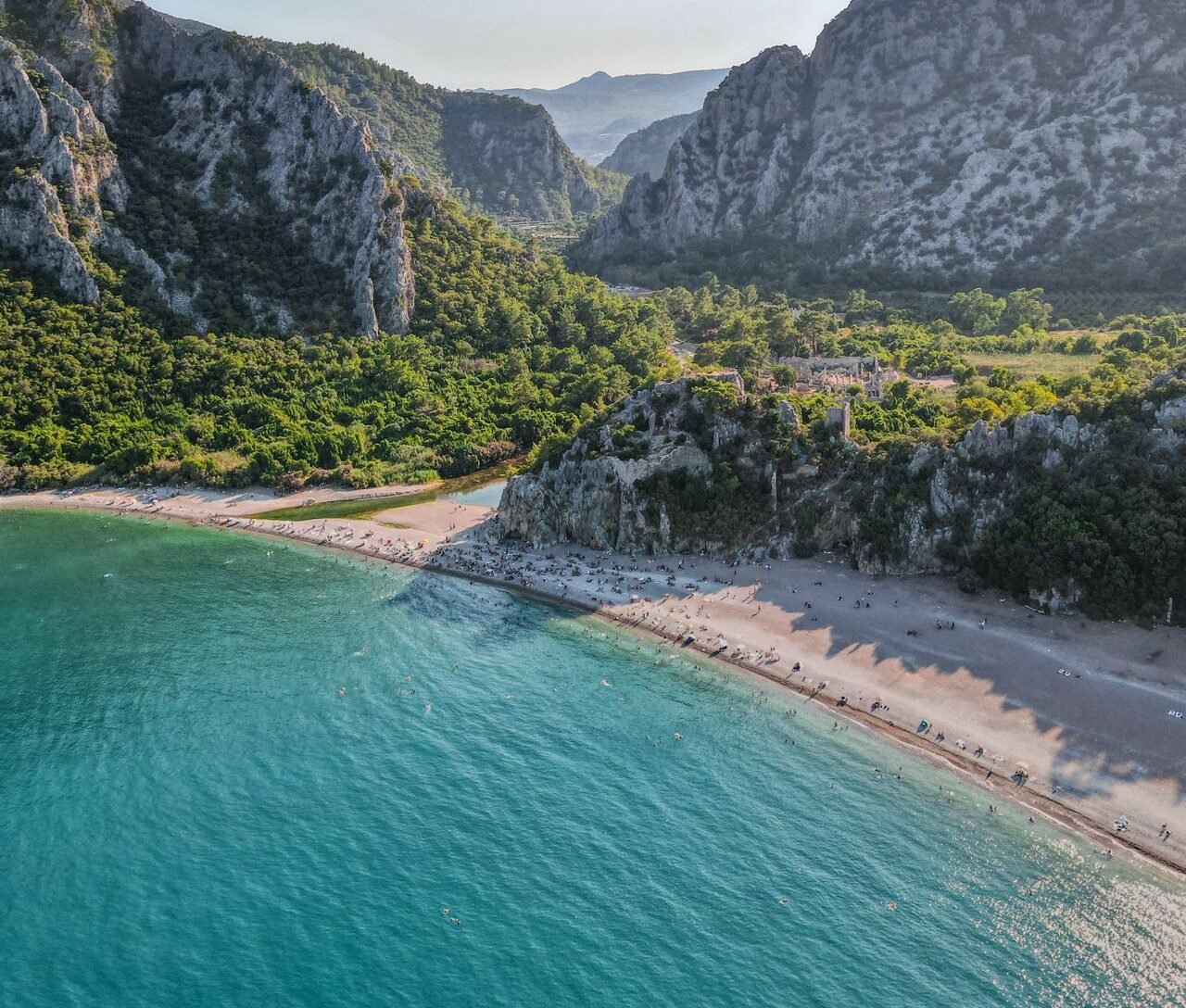
    Rising majestically where an ancient Lycian river valley meets the Mediterranean tide, Olympos Beach reveals itself as a jaw-dropping pebble and sand sanctuary defined by towering vertical sea cliffs, hidden overgrown ruins, and a wild, adventurous energy that perfectly balances untamed nature with classical history.

    Completely distinct from the manicured, umbrella-lined shores of neighboring beach towns, this protected wilderness area has maintained a strict ecological balance under recent 2026 conservation frameworks. Environmental teams have kept the beach entirely free of permanent concrete structures, protecting critical marine habitats while ensuring the access paths remain rugged and authentic. 

    If you are eager to swim in crystalline waters right beneath ancient castle ruins, wander through jungle trails littered with Roman sarcophagi, and watch sea turtles nest under a blanket of stars, this dramatic coastal haven demands a spot at the very top of your travel list.

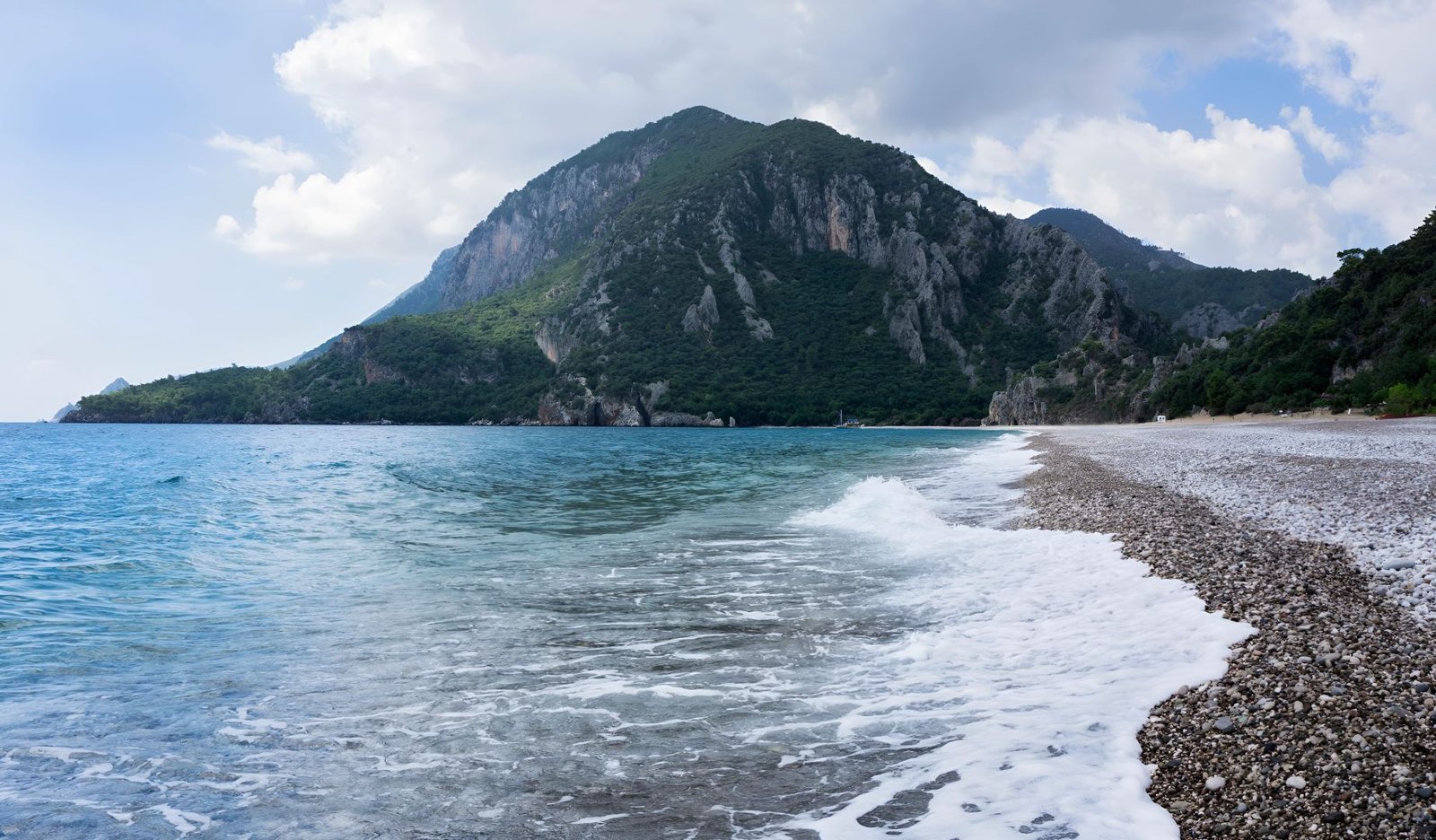
    The geographical layout here operates like a masterclass in coastal topography, showcasing a dramatic collision between mountain freshwater systems and deep maritime currents. Instead of a flat sandy expanse, the beach forms a sweeping crescent enclosed by massive, pine-clad limestone cliffs that plunge directly into the deep turquoise waters of the Mediterranean.

    Walking along the coastal margin exposes travelers to a uniquely diverse ecosystem. The landscape transitions seamlessly from a cool, reed-lined freshwater stream where wild ducks gather, into a wide, sun-drenched beach composition of fine sand and smooth river pebbles. Glancing upward toward the flanking rock faces reveals the ultimate marvel, which are the ancient stone fortifications and hidden tomb openings clinging precariously to the vertical crags, fashioning a primeval maritime playground that feels completely disconnected from modern commercial development.

    What Makes It So Popular

    This jagged, historical shoreline steadily captures the imagination of backpackers and outdoor enthusiasts for a few key reasons:

    • The Legendary Akçay Stream Mouth Viewpoint:
    The absolute focal point of the beach is the scenic freshwater outlet. This unique natural convergence features an icy mountain stream cutting through the pebbles to merge with the warm sea, providing an elite swimming spot where you can experience two water temperatures simultaneously.

    • The Cliff-Hanging Lycian Acropolis Gateway:
    Perched high on the south cliff face sit the crumbling remains of an ancient watchtower. The historic headland offers a rugged stone viewpoint overlooking the entire bay, rewarding ambitious scramblers with an unparalleled panoramic view of the coastline.

    • The Caretta Caretta Nesting Sanctuary:
    The wide sandy expanses bordering the neighboring Çıralı district function as a globally respected marine conservation zone. Rich, undisturbed shoreline habitats provide the perfect seasonal nesting environment for endangered loggerhead sea turtles, offering travelers a rare chance to witness absolute ecological purity in action. Because these nesting grounds are heavily protected by international law, tourists are strictly required to review the WWF Turkey Sea Turtle Conservation Protocols to understand mandatory beach rules, such as the total ban on artificial lights, vehicle traffic, and night-time beach camping during the critical hatching windows.

    💡 Read Next: Ready to trade the sun-drenched shores, ancient Lycian ruins, and rustic treehouses of Antalya’s Mediterranean coast for the ultimate architectural icon of the ancient world? Head back to the heart of Istanbul to step beneath a soaring dome that has witnessed the rise and fall of empires in our ultimate guide to the Hagia Sophia Mosque!

    Top Experiences to Unearth

    Structuring your overland navigation through the valley effectively splits your excursion into two contrasting exploration loops:

    • Investigate the Deep Forest Ruins Track:
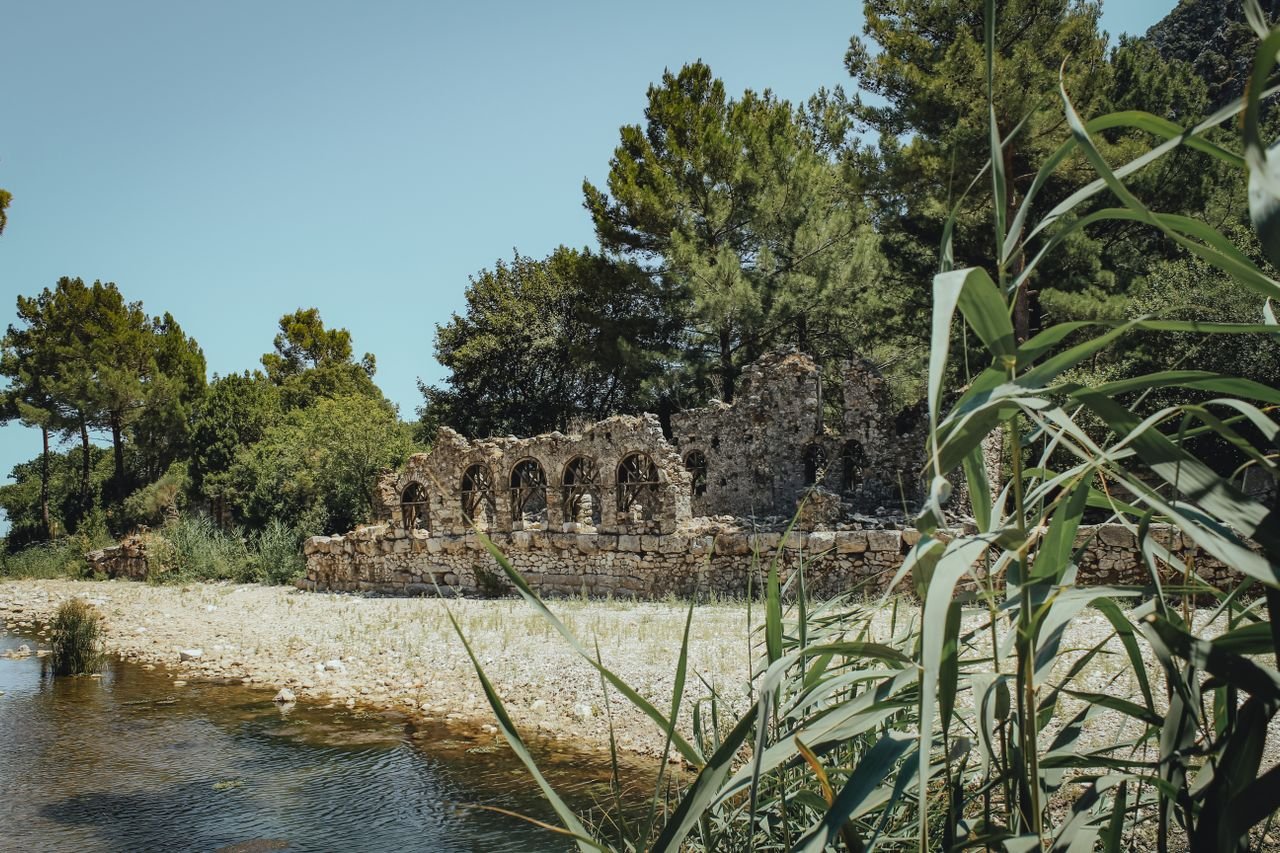
    Trek inland along the shaded riverbed paths to discover a spectacular archaeological wonderland. The jungle floor is thick with the remains of Roman bathhouses, grand colonnaded streets, and forgotten amphitheaters, all wrapped tightly in wild ivy and overgrown fig trees.

    • Navigate the Coastal Çıralı Boundary:
    Stroll northward along the uninterrupted pebble arc to encounter a completely different beach vibe. This wide, open stretch features low-key eco-tours and small garden pensions, allowing you to walk right up to the base of the flaming Chimaera gas vents hidden in the hills above.

    • Appraise the South Bay Snorkeling Grounds:
    Conclude your loop by wading into the deep waters directly beneath the ancient sea wall ruins. The marine environment treats you to a staggering visual field of submerged stone blocks and darting Mediterranean fish, closely mimicking an underwater exploration of a sunken classical city.

    📌 Fast Facts for Your Itinerary

    📍 Location: Olympos Beach Entrance, Olimpos Örenyeri, Yazır Village, Kumluca District, Antalya, Turkey. If you are navigating by local minibus (dolmuş) from the Antalya main terminal or driving a rental car down the steep hairpins, consult the Antalya Tourism National Parks Directory to view detailed terrain maps and transportation timetables for the Beydağları region.

    ⏰ Optimal Visiting Strategy: The bay offers an incredible escape throughout the summer season; however, planning your arrival for the golden hour between 04:30 PM and 07:00 PM ensures softer lighting for photography, cooler trekking temperatures through the ruins, and a dramatic drop in daytime crowds.

    🎫 Mandatory Conservation Levies: Because accessing the beach requires walking directly through the protected archaeological site, travelers must purchase an open-air museum ticket at the valley gate. Under the updated 2026 ministry guidelines, entry costs €10 (approx. RM47) per adult, though opting for a multi-pass card is highly economical if you intend to visit the shore multiple times during your stay.

    👟 Pro-Tip: Since the path to the water winds through a rough, unpaved ancient city bed full of loose stones and tree roots, reaching the beach in flimsy footwear can be notoriously difficult. For maximum safety and comfort, wear sturdy water shoes that can handle both the forest hike and the hot beach pebbles, pack a dedicated trash bag to help keep the national park pristine, and remember that there are no shops directly on the sand—grab your cold drinks from the bohemian treehouse cafes in the upper village before heading down the valley!


    Want a closer look at the beach conditions? Check out this excellent, walking tour video by HazelFrame over on YouTube.

  • The Grand Bazaar: World’s Oldest Shopping Mall

    The Grand Bazaar: World’s Oldest Shopping Mall

    Ditching the breezy waterfront piers of Eminönü, travelers are immediately thrust into a dizzying maze of historic alleys as they climb the hills of the historic peninsula. Behind the academic gates of Istanbul University, a massive, domed fortress of commerce rises abruptly from the urban landscape, operating less like a standard marketplace and more like an independent, roofed medieval city.

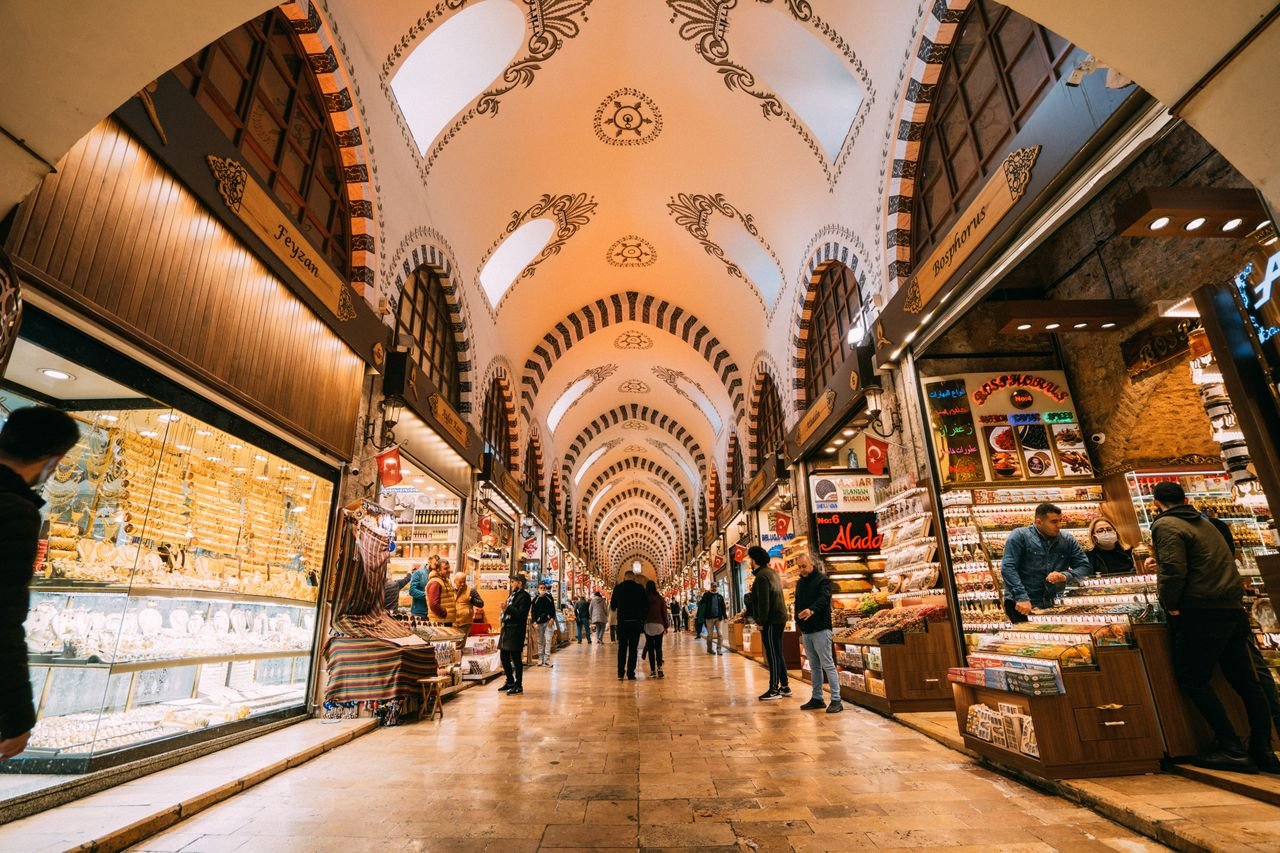
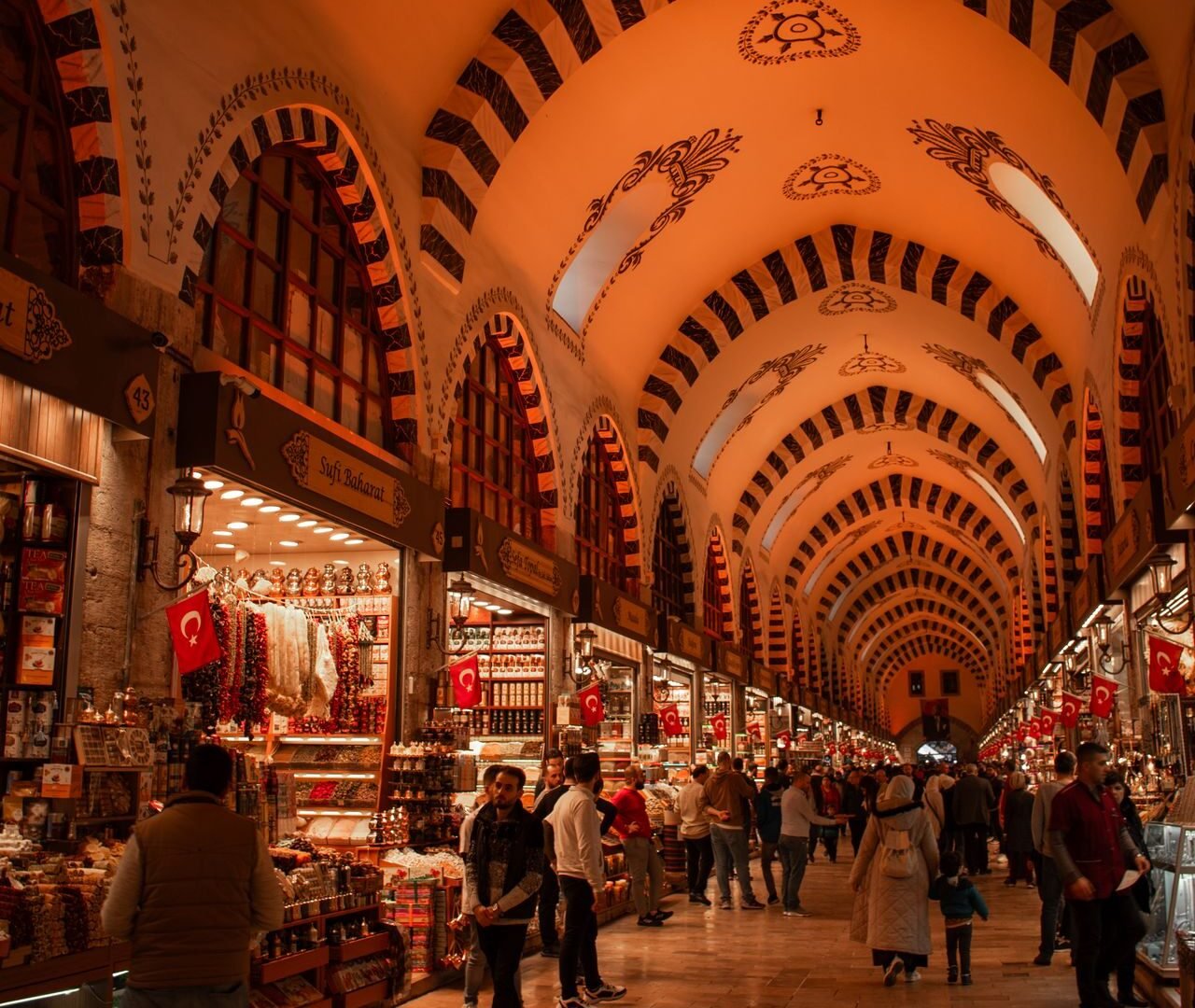
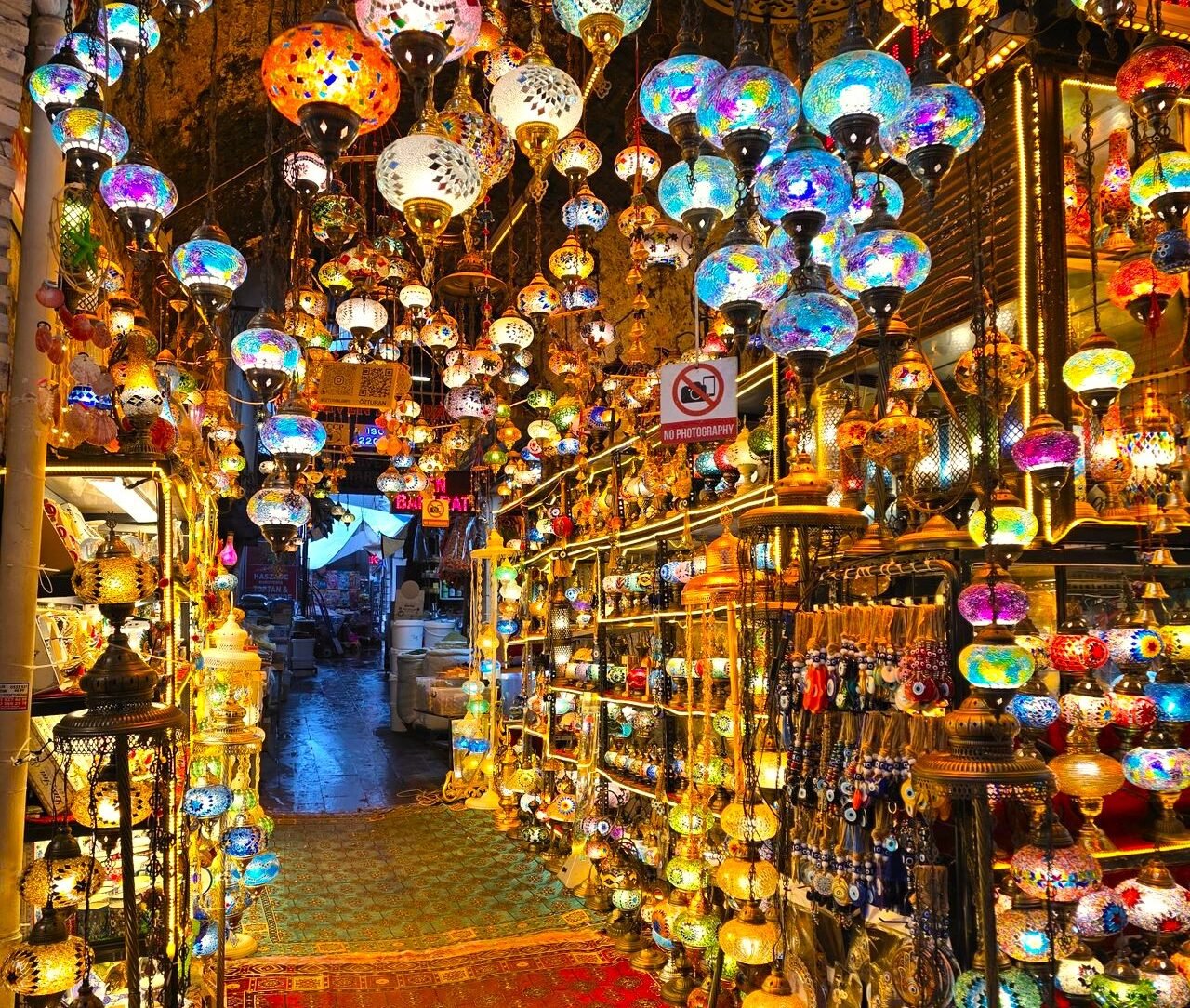
    Floating majestically as the ultimate beating heart of trading culture, the Grand Bazaar (Kapalıçarşı) reveals itself as a jaw-dropping limestone and brick sanctuary defined by towering vertical stone arches, hidden vaulted corridors, and a rugged, adventurous energy that has powered global trade networks for over five centuries.

    Fiercely contrasted against modern western shopping malls, this raw paradise has experienced a substantial structural and safety modernization under recent 2026 heritage conservation frameworks. The municipality has beautifully updated the historic flooring, integrated clearer directional signage, and reinforced the overhead masonry while fully retaining the wild, epic commerce-first spirit that has defined the corridors since the Ottoman golden age.

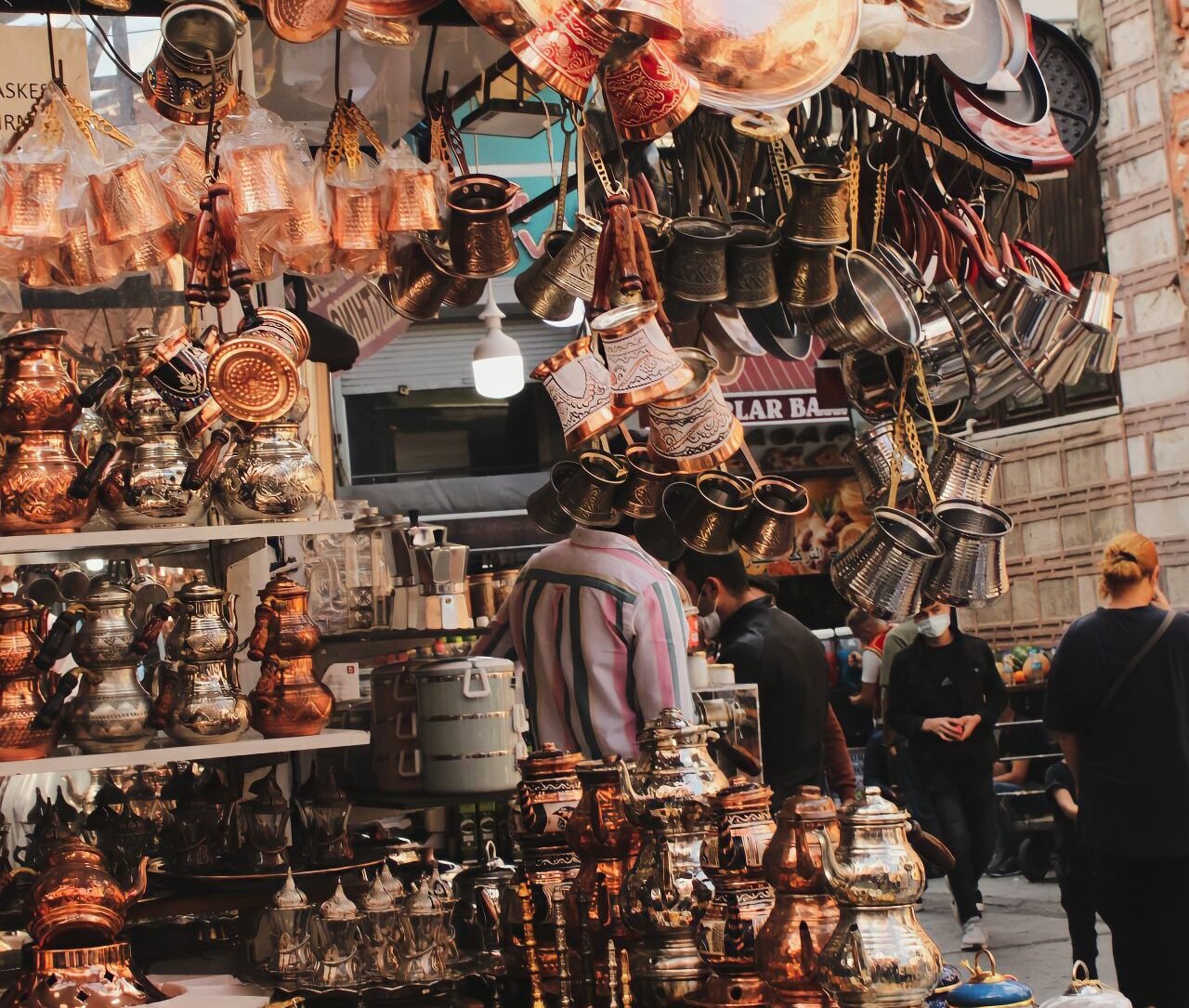
    If you are ready to conquer the world’s oldest covered trading floor, navigate immense stone chambers filled with millions of glittering trinkets, and exchange sharp barbs with generational master merchants over steaming glasses of apple tea, this legendary trade sanctuary deserves a premier spot on your itinerary.

    The Grand Bazaar, unlike the flat, linear layouts of modern department stores, the geography here is an organic and sprawling battlefield of overlapping vaulted roofs and massive stone retaining walls that anchor the market firmly into the sloping hills of Fatih.

    Weaving beneath the painted ceilings puts travelers face-to-face with a remarkably complex architectural layout. The interior functions as a giant stone hive composed of over 60 covered lanes and thousands of independent stalls, structured around two highly secure central trade cores known as bedestens.

    Look past the glowing display windows to observe the ultimate marvel: rows of sweeping Byzantine-style brick arches that support massive central domes, creating high-clearance light wells that channel shafts of morning sun onto the polished stone walkways below.

    What Makes It So Popular

    This hidden geographical wonder steadily captures the imagination of overland travelers and scuba enthusiasts for several standalone pillars:

    • The Legendary Kalpakçılar Spine Viewpoint:
    The absolute hallmark of the complex is the market’s widest avenue. This bustling main avenue features a jaw-dropping corridor lined wall-to-wall with brilliant gold shops and glowing jewelry displays, serving as the ultimate spine of the market from which all other alleys branch out.

    • The Historic Beyazıt Gate Gateway:
    Marked prominently by the intricate imperial sign of Sultan Abdülhamit II, this grand stone portal features an iconic stone inscription reassuring travelers that “God loves the merchants,” offering a picture-perfect entrance into the thundering maze.

    • Cevahir Bedesten Treasure Sanctuary:
    Tucked deep within the geometric center of the complex sits the oldest structural vault in the market. Rich, historical collections of antique weapons, Ottoman coins, and intricate silver jewelry rise right up along the heavy stone pillars, providing an elite environment where travelers can reliably browse generational heirlooms.

    💡 Read Next: Ready to trade the chaotic, labyrinthine alleyways and glittering gold shops of Istanbul’s historic indoor market for the absolute peace of a Mediterranean paradise? Head south to Antalya to sunbathe alongside ancient Lycian ruins, explore hidden sea caves, and watch the legendary flames of Chimaera flicker in the dark in our ultimate guide to Olympos Beach!

    Top Experiences to Unearth

    Planning your navigation route effectively splits the covered maze into distinct, specialized trade quadrants:

    • Explore the Vibrant Sandal Bedesten Hub:
    Wander toward the northern chambers to discover a spectacular textile engineering marvel. The grand vaulted roof spans over lanes packed tight with rich Turkish rugs, hand-woven silks, and heavy embroidered garments, while local trade talk bounces off the thick stone pillars

    • Venture past the Halıcılar Carpet Lanes:
    Trek down the steep, sloping passages to encounter an incredible concentration of artisanal floor art. This zone features stack upon stack of colorful, geometric kilims and masterfully knotted wool tapestries, creating a vibrant visual texture that coats the stone walls from floor to ceiling.

    • Scrutinize the Nuruosmaniye Exit Track:
    Complete your overland loop by navigating toward the monumental eastern gate complex. The view treats you to a pleasant panoramic vista of towering white stone archways framing the courtyard of the adjoining baroque mosque, cleanly transitioning you from the frantic energy of the stalls back out into the open city square.


    If you want to experience the chaotic energy and vibrant colors of the market before you go, watch this fantastic Grand Bazaar walking tour by MJ Walking Tours and MJ City Ambience on YouTube.

    📌 Fast Facts for Your Itinerary

    📍 Location: Grand Bazaar Main Entrance, Kalpakçılar Cd. No:22, Beyazıt Mah., 34126 Fatih/İstanbul, Türkiye. Access the Metro Istanbul Network Maps and Live Fares if you are commuting from other quarters via the city’s rail network

    ⏰ Optimal Visiting Strategy: The market pulses with energy six days a week; however, plotting your arrival for the early morning window between 09:00 AM and 10:30 AM on a weekday guarantees the quietest paths, allows you to observe the traditional morning opening rituals, and helps you secure the best initial deals before the afternoon crowds arrive.

    🎫 Required Sustainability Tariffs: Stepping inside any of the 22 monumental gates remains entirely free of charge under standard 2026 municipality operations. Budgetary expenses inside the bazaar are strictly down to personal shopping, and standard transactions seamlessly accept Turkish Lira, major foreign currencies, and international credit cards.

    📱 Pro-Tip: Because the historic market lanes feature an undulating, sloping floor layout that changes elevation constantly, navigating the bazaar can be notoriously exhausting and disorienting. For maximum safety and navigation confidence, remember that walking uphill will always guide you back toward the primary exits of Beyazıt and Nuruosmaniye, download a digital offline map ahead of time, and politely accept the hot tea offered by shopkeepers—it is a traditional gesture of hospitality, carries absolutely no obligation to buy, and lets you rest your legs between intense rounds of bargaining!

    Additionally, check out the specialized layout maps featured on the Turkey Travel HQ Guide to the Grand Bazaar for exact locations of the primary historical gates, the two central bedestens, and the most popular artisan quadrants.

  • Gökpınar Gölü: Anatolia’s Hidden Paradise

    Gökpınar Gölü: Anatolia’s Hidden Paradise

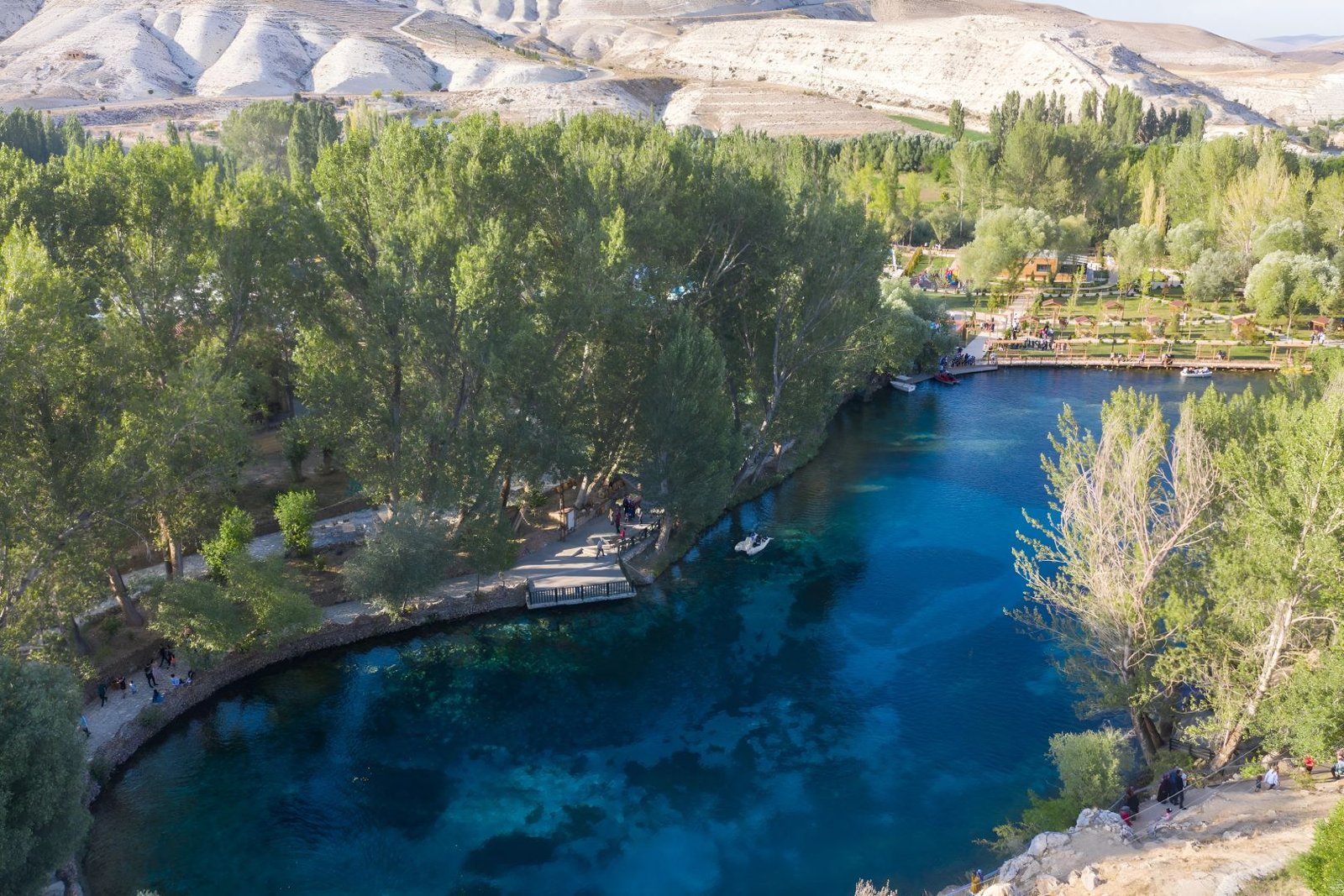
    Winding away from the sun-baked highways connecting Central Anatolia to the eastern provinces, a striking color transformation completely upends the dusty landscape of Gürün. Tucked into an isolated rocky valley where high limestone walls frame the horizon, a vivid sheet of water appears almost magically out of the dry terrain.

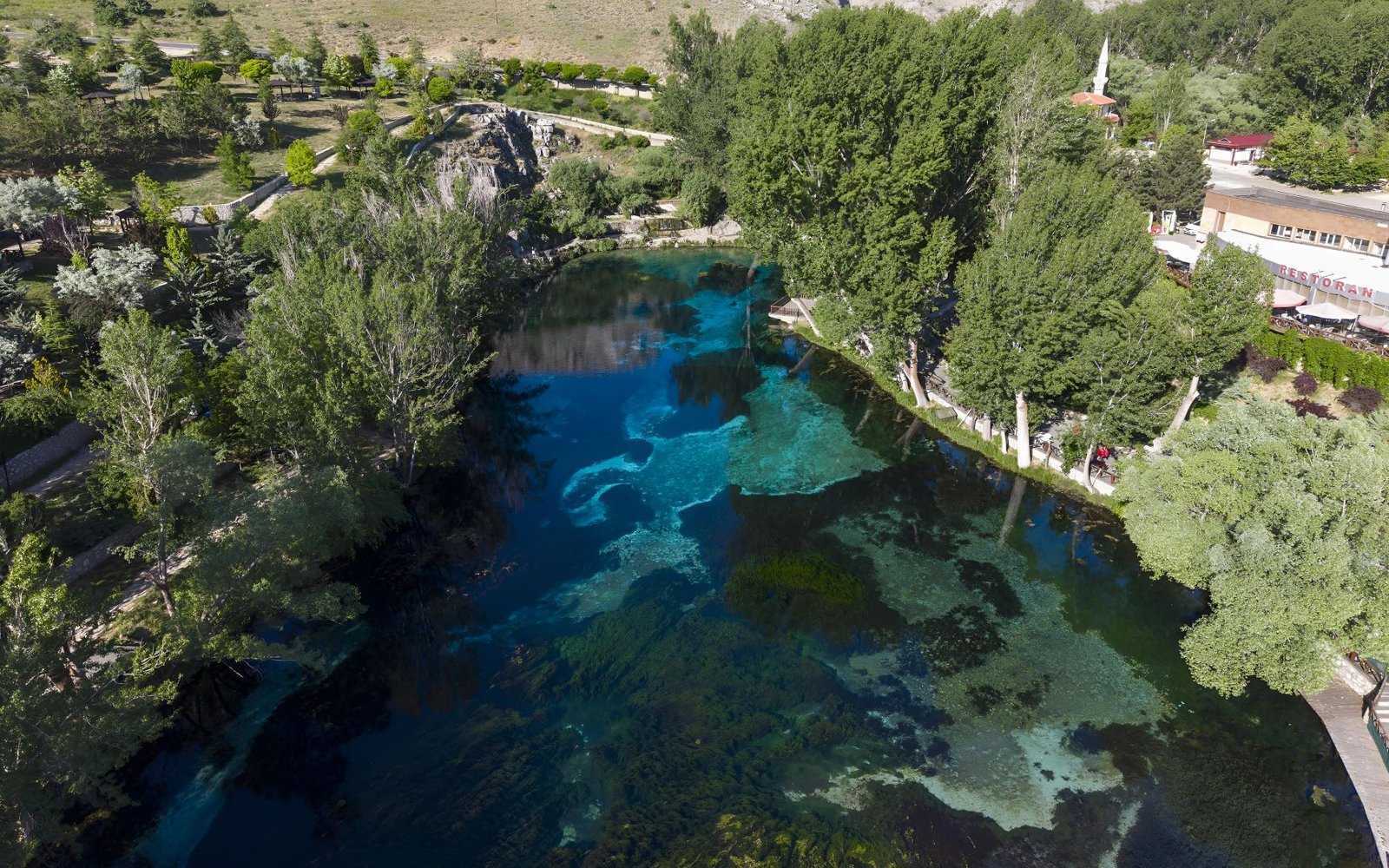
    Frequently described by geologists as the “evil eye amulet” of Turkey due to its impossible hues, Gökpınar Gölü (Sky Spring Lake) stands as a jaw-dropping crystal-clear sanctuary defined by deep subterranean springs, shifting turquoise horizons, and a serene, adventurous energy that invites deep exploration.

    Entirely distinct from the muddy alluvial rivers common to the province, this strictly monitored eco-preserve has entered a new era of highly calculated environmental protection under recent 2026 sustainable tourism frameworks. Administrative teams have carefully mapped out the perimeter trails, converting fragile banks into low-impact observation platforms while successfully maintaining the raw, pristine ecosystem beneath the surface.

    For travelers ready to peer down into a completely translucent liquid abyss, navigate high-altitude diving routes through sub-zero spring waters, and witness native trout darting past limestone crevices, this hidden gem represents the absolute pinnacle of Turkey’s natural landscape.

    Gökpınar Gölü presents itself flawlessly in raw, hydrogeological clarity. Far from operating as a stagnant catchment basin, the entire pool behaves like a living, breathing art installation fueled by massive underground aquifers pushing sweet, mineral-dense mountain water directly out of the valley floor.

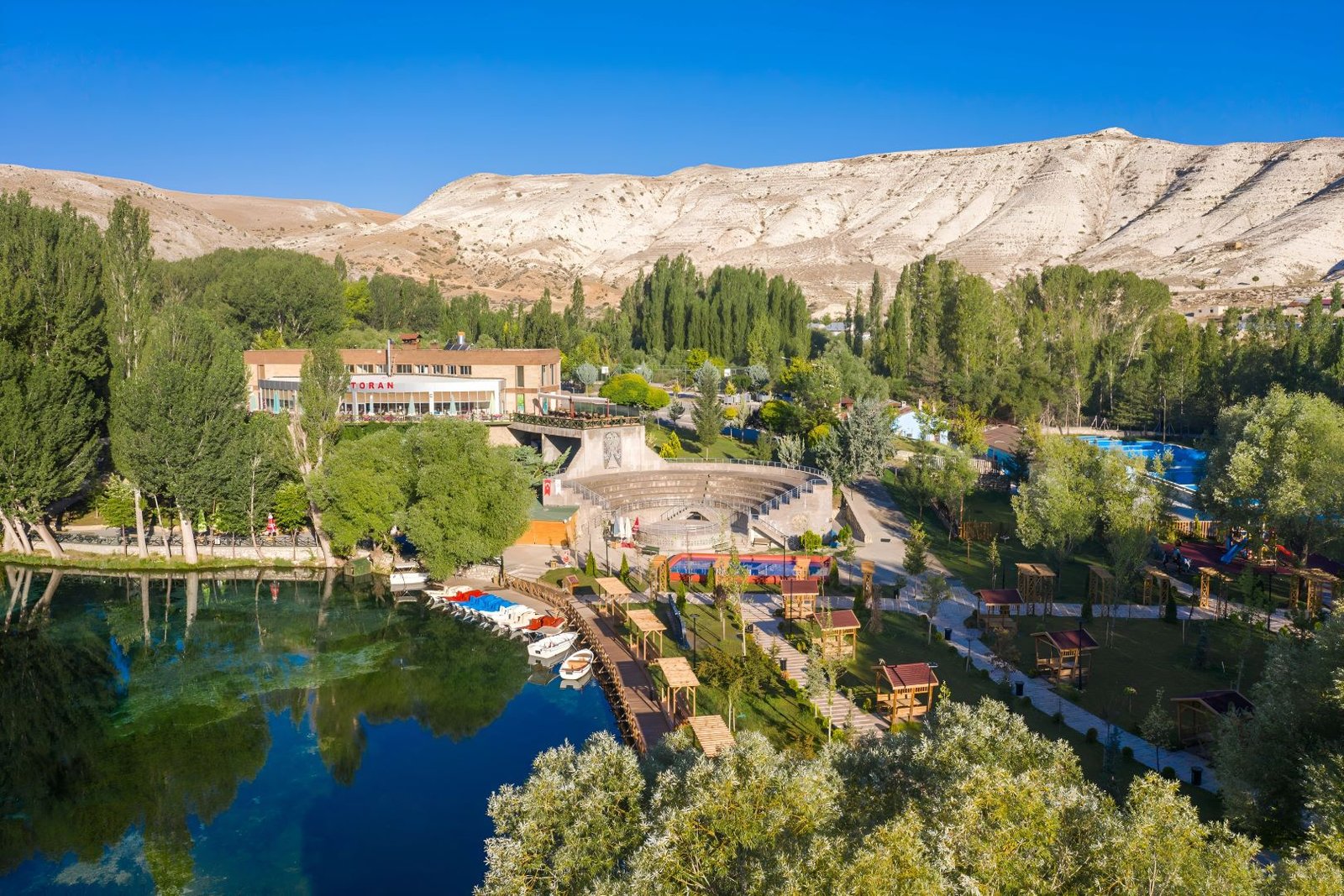
    Following the perimeter boardwalks exposes explorers to a hyper-clear visual field that challenges depth perception. The lake basin is divided into two distinct aquatic chambers—a smaller lagoon dedicated to delicate fish cultivation and a massive main pool that plunges over 15 meters deep while remaining perfectly transparent from surface to gravel bed.

    Look straight down through the glassy surface to notice how the intense, sun-lit mineral waters illuminate fields of waving green algae and deep, submerged rock chimneys, fashioning an underwater playground that looks totally decoupled from modern industrial life.

    What Makes It So Popular

    source: trthaber.com

    This hidden geographical wonder steadily captures the imagination of overland travelers and scuba enthusiasts for a few key reasons:

    •The Legendary Deep Abyss Viewpoint:
    The signature feature of the park is the thundering deep spring zone. The main pool features a unique, transparent limestone chasm where icy mountain water bubbles continuously from the earth, acting as an elite vantage point where visitors can see straight to the bottom without a single trace of distortion.

    •The Barefoot Wooden Boardwalk:
    Spanning the western rim of the preserve sits the low-profile pedestrian track, highly regarded for its intimate layout. Maintenance crews painstakingly constructed an eco-friendly walkway right against the limestone cliffs, letting travelers safely stroll along the water’s edge to watch local ducks glide across the thermal currents.

    •The Sub-Zero Scuba Sanctuary:
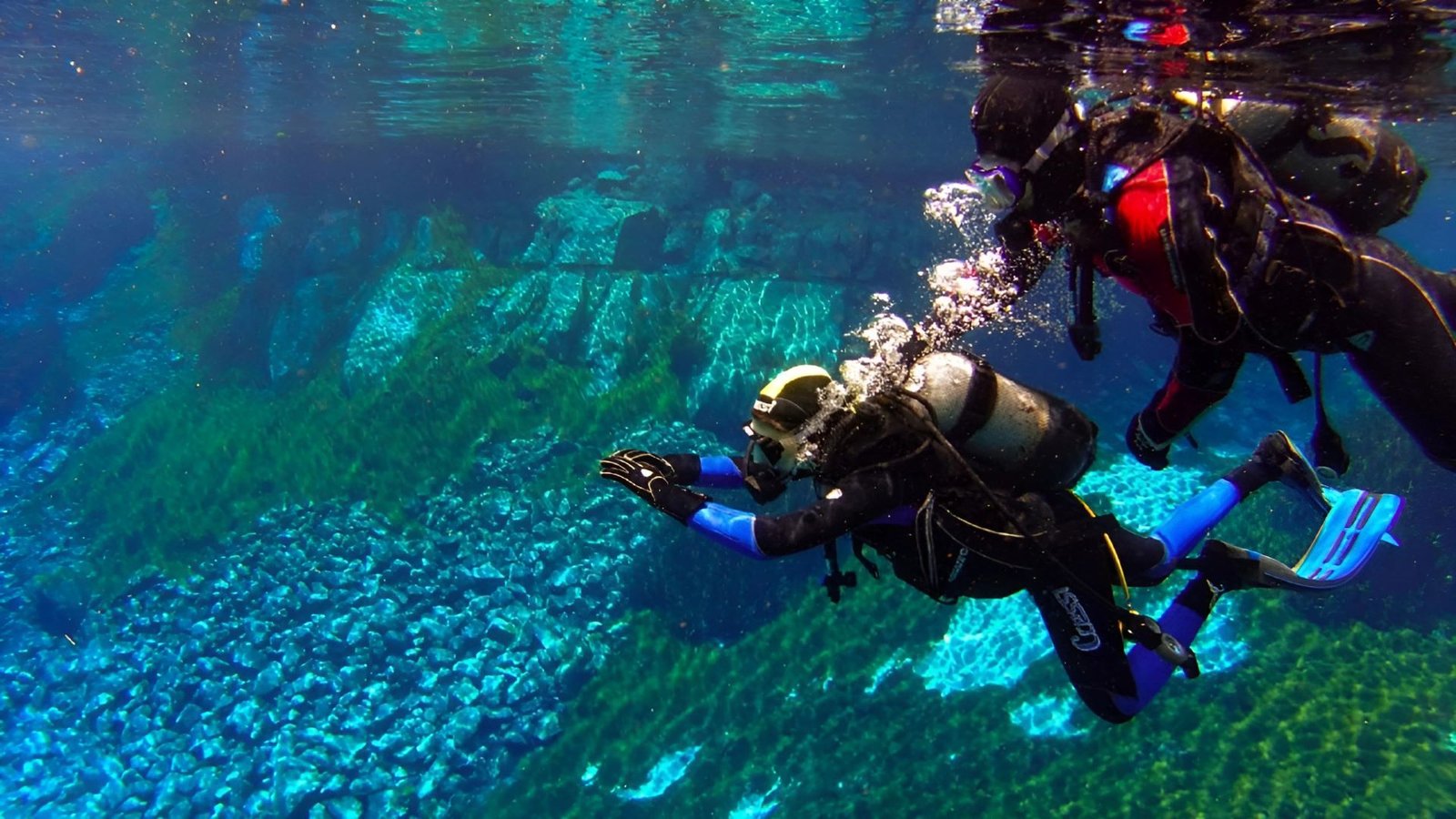
    The deep floor of the main pool is an internationally respected high-altitude diving zone. Freezing, mineral-rich currents rise year-round from the subterranean faults, creating a specialized ecosystem where certified divers can plung down into 11°C waters to experience world-class horizontal visibility that extends up to 40 meters. To review local registration protocols, and high-altitude safety guidelines, explore the official Go Türkiye Sivas Tourism Profile.

    💡 Read Next: Ready to trade the impossibly clear, vibrant turquoise waters of Sivas’ hidden natural mirror for a landscape that looks like a surreal frozen wonderland? Head southwest to Denizli to walk barefoot on blindingly white travertine terraces and soak in ancient thermal springs in our ultimate guide to Pamukkale, Turkey’s ‘Cotton Castle’!

    Top Experiences to Unearth

    Plotting your path through the protected park seamlessly divides your day into two distinct experiential tracks—the active water zone and the tranquil canyon wilderness:

    •Wander Into the Glass-Bottom Boat Docks:
    Head to the main launch to experience an unmatched floating perspective. The calm, turquoise water carries small wooden rowboats effortlessly over the deep spots, letting you peer down at the shifting colors while the mountain breeze sweeps across the outer valley walls.

    •Cross the Bridge at Şuğul Vadisi:
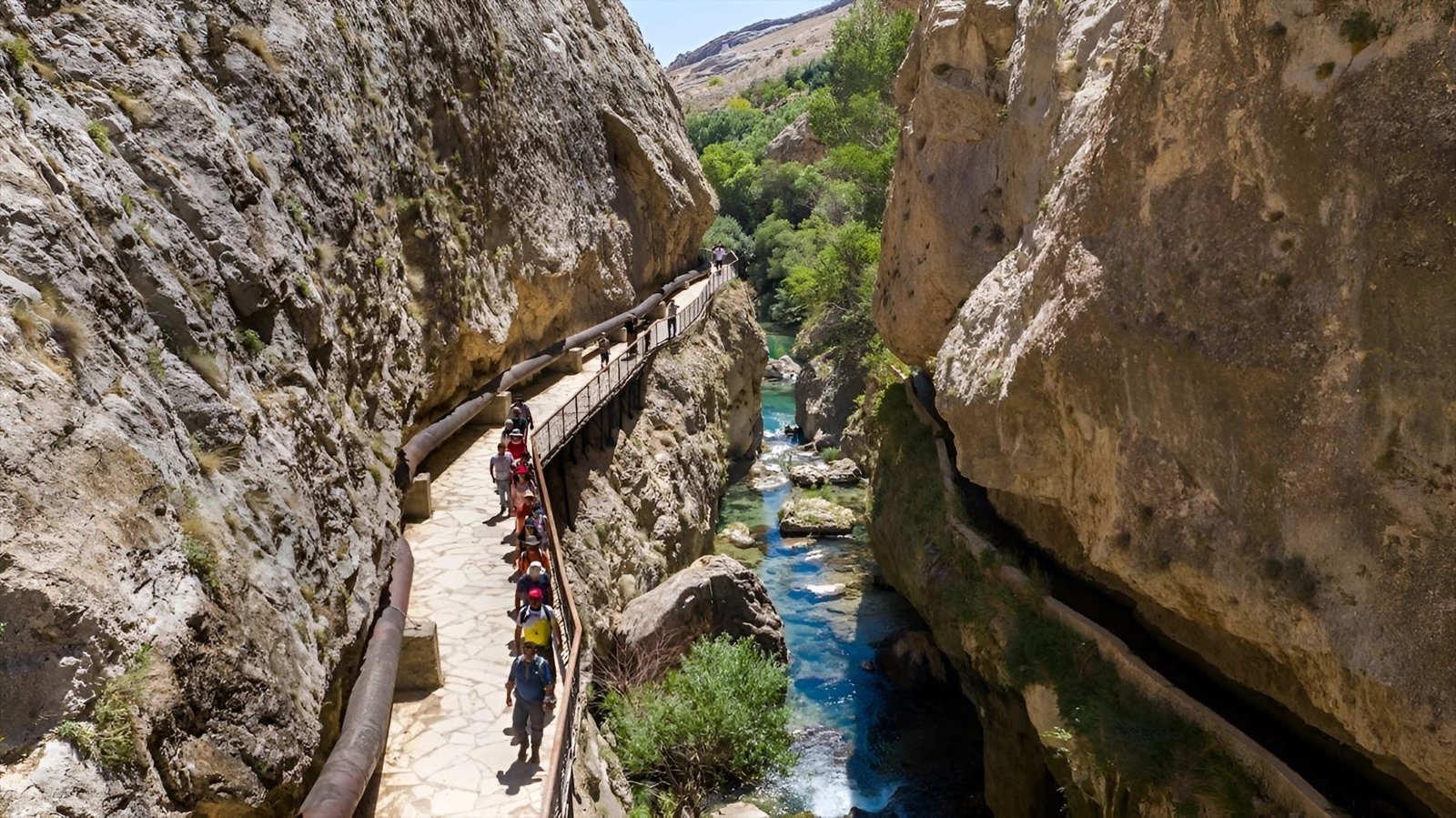
    Drive just a few kilometers down the road to discover an adjoining geological marvel. The site is a massive, sheer-sided limestone canyon that has been carved by an active river system, creating a narrow, enclosed gorge featuring a suspended walkway hung above rushing mountain streams.

    •The Lakeside Trout Enclaves:
    Cap off your journey along the park’s shaded green lawns by visiting the local dining pavilions. The view treats you to a pleasant panoramic vista of cold-water streams running past rustic picnic tables, serving up fresh, locally caught river trout cooked over open embers.

    source: trthaber.com

    📌 Fast Facts for Your Itinerary

    📍 Location: Gökpınar Gölü Tabiat Parkı Entrance, Yelken Village Road, Gürün District, Sivas, Turkey.

    ⏰ When You Should Visit: The spring colors are mesmerizing throughout the calendar; however, plotting your arrival for the early morning hours on a Tuesday or Wednesday during the summer window ensures completely still, mirror-like water reflections before weekend family picnics stir up the surface.

    🎫 Mandatory Conservation Levies: Accessing the general park facilities in 2026 operates on a standard environmental gate fee. Entry tickets cost 40 ₺ (approx. RM5) per adult traveler, while renting a private rowboat for a 30-minute excursion requires an additional hire token of roughly 150 ₺ collected directly at the pier.

    🛵 Pro-Tip: Because the lake water originates from deep underground mountain aquifers, the temperature remains a bone-chilling 11°C even during peak summer days. For maximum safety and enjoyment, skip any ideas of casual swimming without thermal gear, pack a windproof fleece jacket to handle the canyon drafts, and ensure your camera lenses are fitted with a circular polarizing filter to slice through surface glare and capture the glowing turquoise floor in all its glory!