Author: ss2_editorialteam

  • A Breath of Fresh Air: Exploring Fenerbahçe Park

    A Breath of Fresh Air: Exploring Fenerbahçe Park

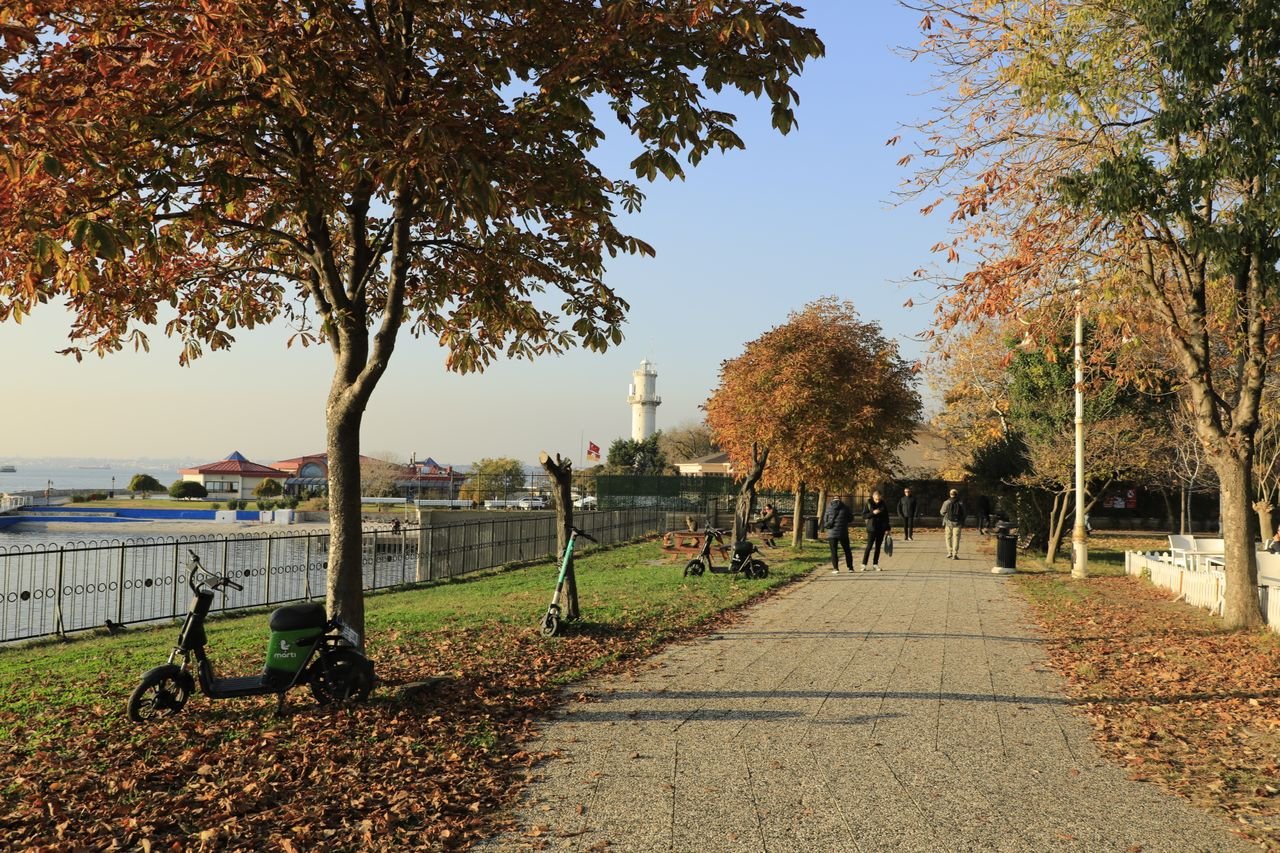
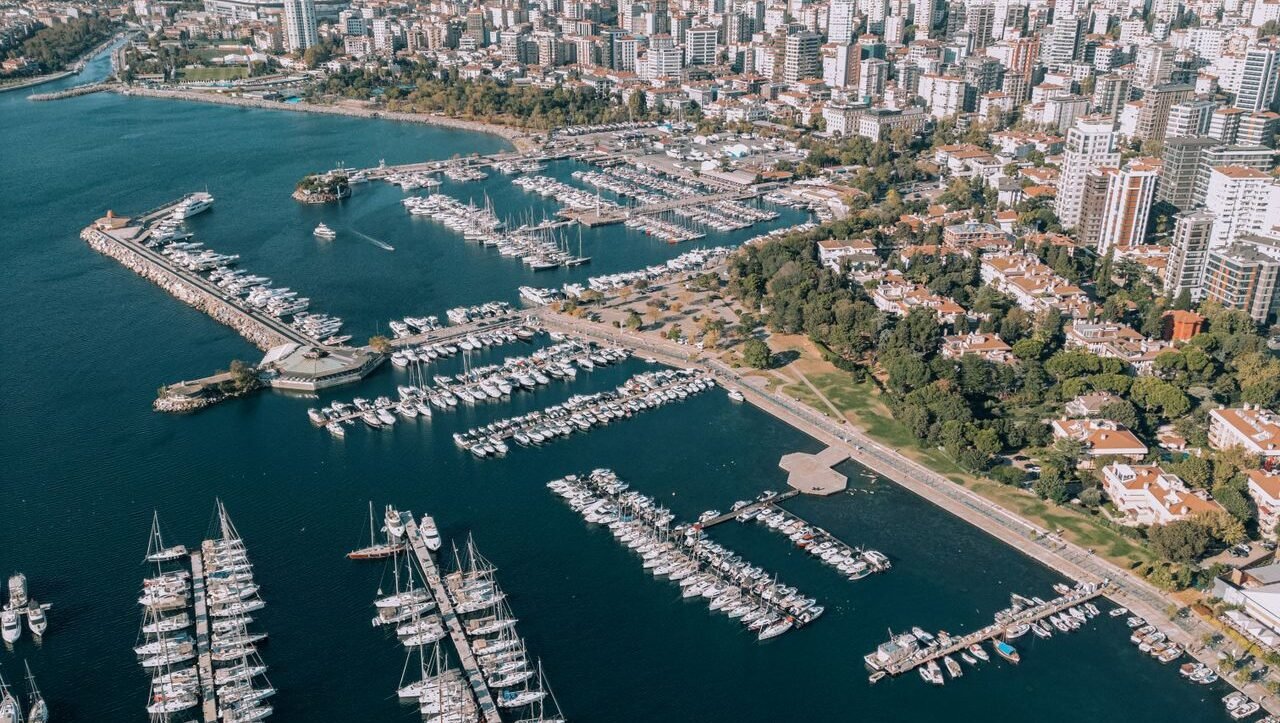
    If you’re Looking for a quieter side of Istanbul away from its busy streets and famous historical landmarks, Fenerbahçe Park might be a place worth considering. Located along the coast of Kadıköy on Istanbul’s Asian side, this green waterfront park allows visitors to enjoy the sea breeze and scenic sea views while walking along the shaded pathways.

    Whether you are travelling with friends, spending time with family or exploring Istanbul on your own, Fenerbahçe Park is a refreshing stop for your itinerary. A picnic beneath the trees or sitting at a nearby café while watching boats pass across the Marmara Sea is wonderful reminder that Istanbul is not only about grand mosques and historic buildings, but also about enjoying the simple pleasures of everyday life.

    The Appeals of Fenerbahçe Park
    • Scenic Views of the Marmara Sea:
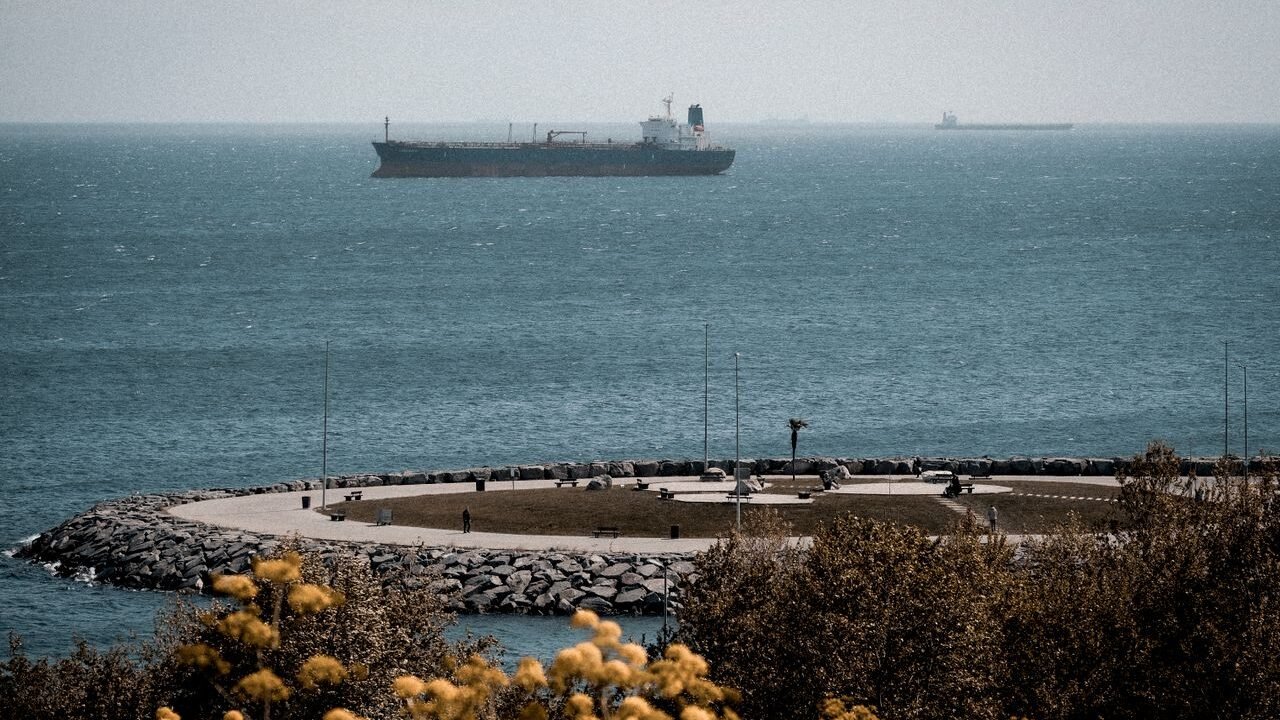
    This park offers beautiful views across the Marmara Sea, with the Princes’ Islands visible from parts of the coastline on clear days. The changing light throughout the day also gives the waterfront a different atmosphere, making it a pleasant place for plenty of relaxed travel photographs.

    • A Green Space for Everyone:
    The open areas and walking routes make it suitable for different types of visitors. Couples can enjoy a quiet stroll, families can spend time outdoors, and solo travellers can take a break from sightseeing. Either read a book or simply sit to enjoy the surroundings, having time to relax is part of what makes a trip memorable.

    • A Touch of Feline Charms:
    Fenerbahçe Park is also known as a home to hundreds of friendly, sterilized cats. As you walk along the pathway, you may spot cats resting in flowerbeds, lounging on benches or approaching visitors for a little attention. For cat lovers, these furry residents add an extra charm to the park experience.

    Activities to Explore There
    • Enjoy a Picnic Beneath the Trees:
    The shaded spaces provide a comfortable setting for spending time outdoors, especially when the weather is warm. So if you’re looking forward to a relaxing afternoon, bring some light snacks and enjoy a picnic in a suitable designated area in this park while interacting with the feline community.

    • Explore the Kalamış Marina:
    One of the little pleasures of visiting Fenerbahçe Park is watching the sailboats around the nearby Kalamış Marina. You’ll find boats of different sizes resting at the marina, while others glide across the waters of the Marmara Sea, adding a lovely touch to the park’s already relaxing seaside atmosphere.

    • Check out nearby Cafés available:
    After walking around the park, take a break at one of the cafés or dining spots in the surrounding area. Enjoy a cup of Turkish tea or coffee while taking in the coastal atmosphere. You might even get a chance to enjoy the local cuisine like Turkish meze plates.

    Quick Visitor Guide

    📍 Location: Fenerbahçe neighbourhood, Kadıköy, Istanbul, Türkiye
    🎫 Entrance fee: Free for the general park area
    ⏰ Suggested visit duration: Around 1–3 hours, depending on your plans
    🌄 Best time to visit: Spring and autumn, or early morning and late afternoon
    🚵‍♂️ Recommended for: Nature lovers, couples, families, photographers and travellers seeking a quiet break
  • Köprülü Canyon; Antalya’s Rugged Landscapes

    Köprülü Canyon; Antalya’s Rugged Landscapes

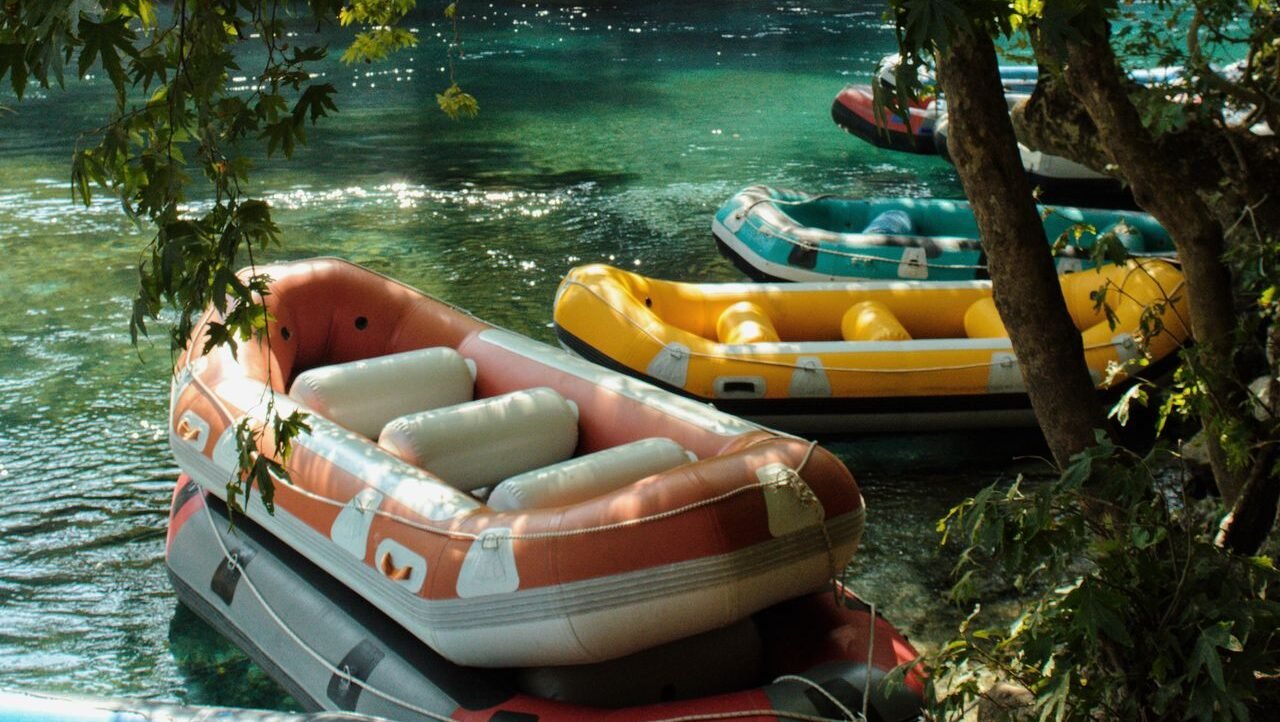
    Imagine floating down a turquoise river, surrounded by towering canyon walls and lush green forests, with the sounds of rushing water filling the air. This is the kind of experience waiting for you at Köprülü Canyon, one of Antalya’s most impressive natural destinations.

    Located in the Manavgat district of Antalya, Türkiye, Köprülü Canyon is a wonderful escape for travellers who want to experience more than the region’s famous beaches and seaside resorts. Whether you are hoping to try white-water rafting, explore ancient Roman bridges or simply admire the scenery, Köprülü Canyon offers plenty of reasons to venture beyond the city.

    Why Is It Popular?

    • Dramatic Landscape of Cliffs and Turquoise Water:
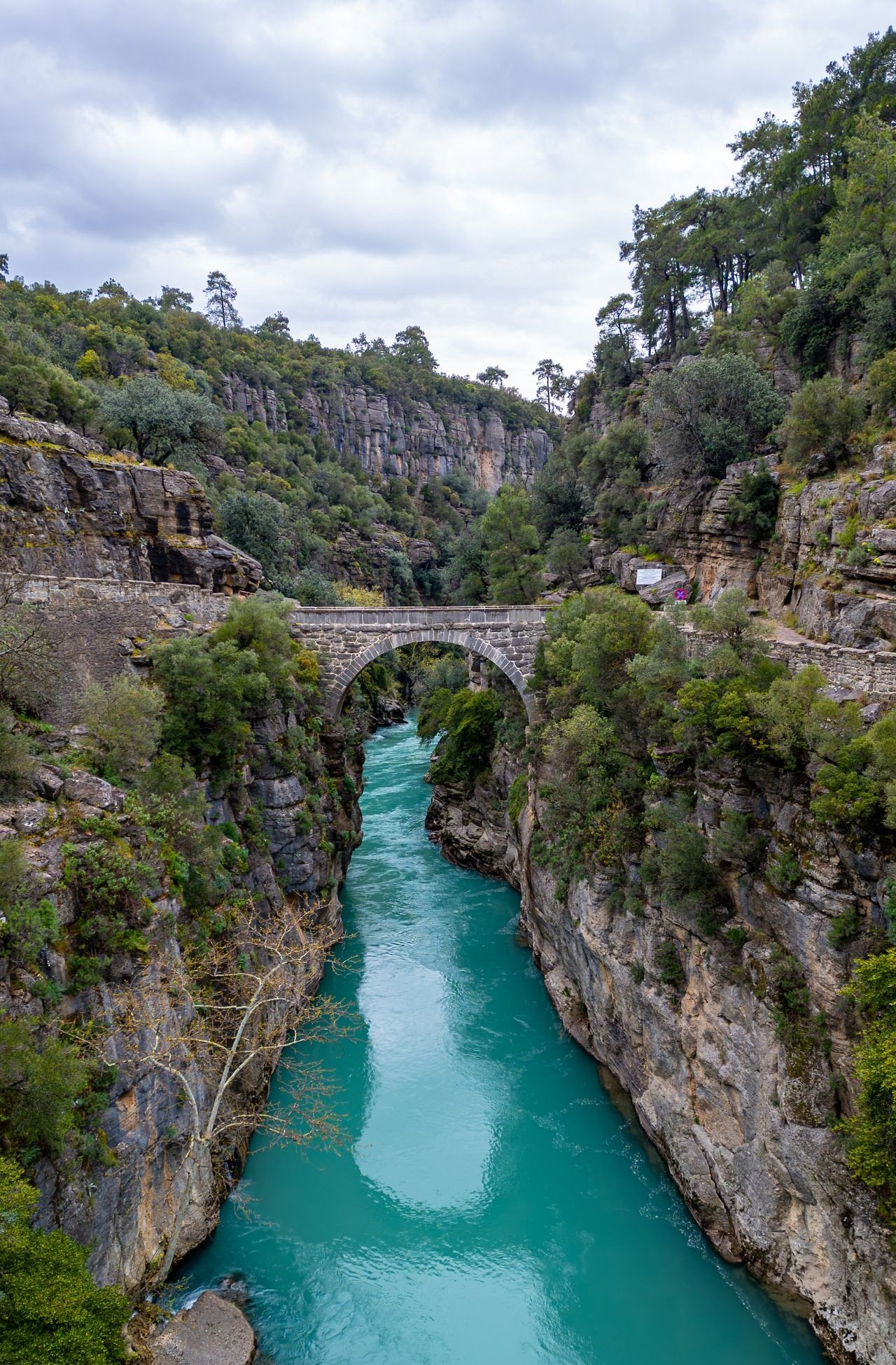
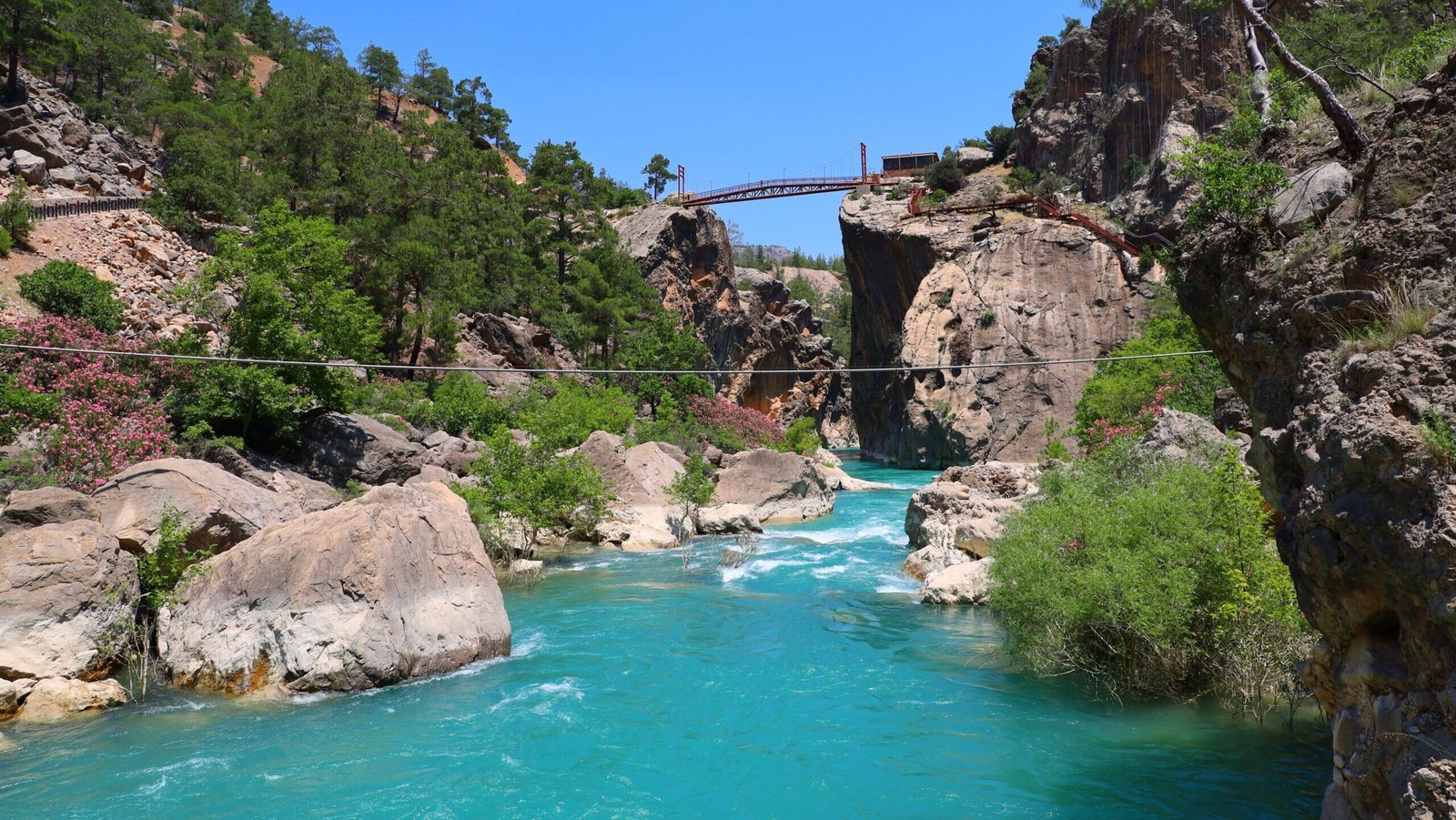
    Tall rocky cliffs rise above the river, creating a striking contrast against the surrounding forests and turquoise water. As you explore different parts of the canyon, you might find some areas feel rugged and dramatic, while others offer quieter riverbanks shaded by trees.

    • the Köprüçay River:
    The Köprüçay River is the heart of the national park and one of the main reasons visitors travel here. Flowing between rocky canyon walls, its cool waters provide a refreshing contrast to Antalya’s warm Mediterranean climate. You may see sections of calm water alongside faster-moving rapids, depending on the location.

    • Ancient Roman Bridges:
    One of its most recognisable structures is Oluk Bridge, a historic stone bridge dating back to the Roman period. With its stone arching and setting above the river, it forms the area’s ancient road network, which once connected the inland settlements with the coastal region of Pamphylia.

    What Can You Do at Köprülü Canyon?

    • White-Water Rafting on the Köprüçay River:
    Rafting is one of the most popular activities at Köprülü Canyon, and it is often the main reason travellers include the destination in their Antalya itinerary. You can join an organised rafting tour and navigate sections of the Köprüçay River while enjoying views of the surrounding cliffs, forests and mountains.

    • Explore the Ancient City of Selge:
    For history lovers, visiting the Selge Ancient City is a worthwhile addition to your itinerary. The settlement lies in the mountainous area near Köprülü Canyon and is known for its ancient theatre, remains of temples and other archaeological structures. Checking the road conditions before setting off is highly recommended.

    • Try Ziplining or Other Outdoor Adventures:
    Some activity operators in the Köprülü Canyon area offer additional experiences, such as ziplining and combined adventure packages. This can be a good option if you want to add something else to your rafting trip. Availability, prices and safety requirements vary between operators, so check the details before booking.

    Discover the Nearby Tazı Canyon and Adam Kayalar

    • Tazı Canyon:
    Tazı Canyon is known for its dramatic cliffs and panoramic viewpoints overlooking a deep, forested gorge. It offers a different perspective from the river-level scenery at Köprülü Canyon, with sweeping views across the surrounding mountains and valleys.

    • Adam Kayalar:
    Adam Kayalar, sometimes translated as the “Human Rocks,” refers to unusual rock formations in the wider region. Their distinctive shapes make them an interesting stop for visitors exploring the natural and geological features of the national park.

    📌 Fast Facts for Your Itinerary

    📍 Address: Beşkonak, Manavgat, Antalya Province, Türkiye

    ⏰ Best Time to Visit: May-October are best for general visits; April to June offers the highest river levels for whitewater rafting

    📝 Reminder: Follow the river safety instructions since river currents can be powerful even when the water looks calm. Do not enter the water in restricted or unsafe areas, and follow local advice.

  • Behind the Walls of Rumeli Fortress, Istanbul

    Behind the Walls of Rumeli Fortress, Istanbul

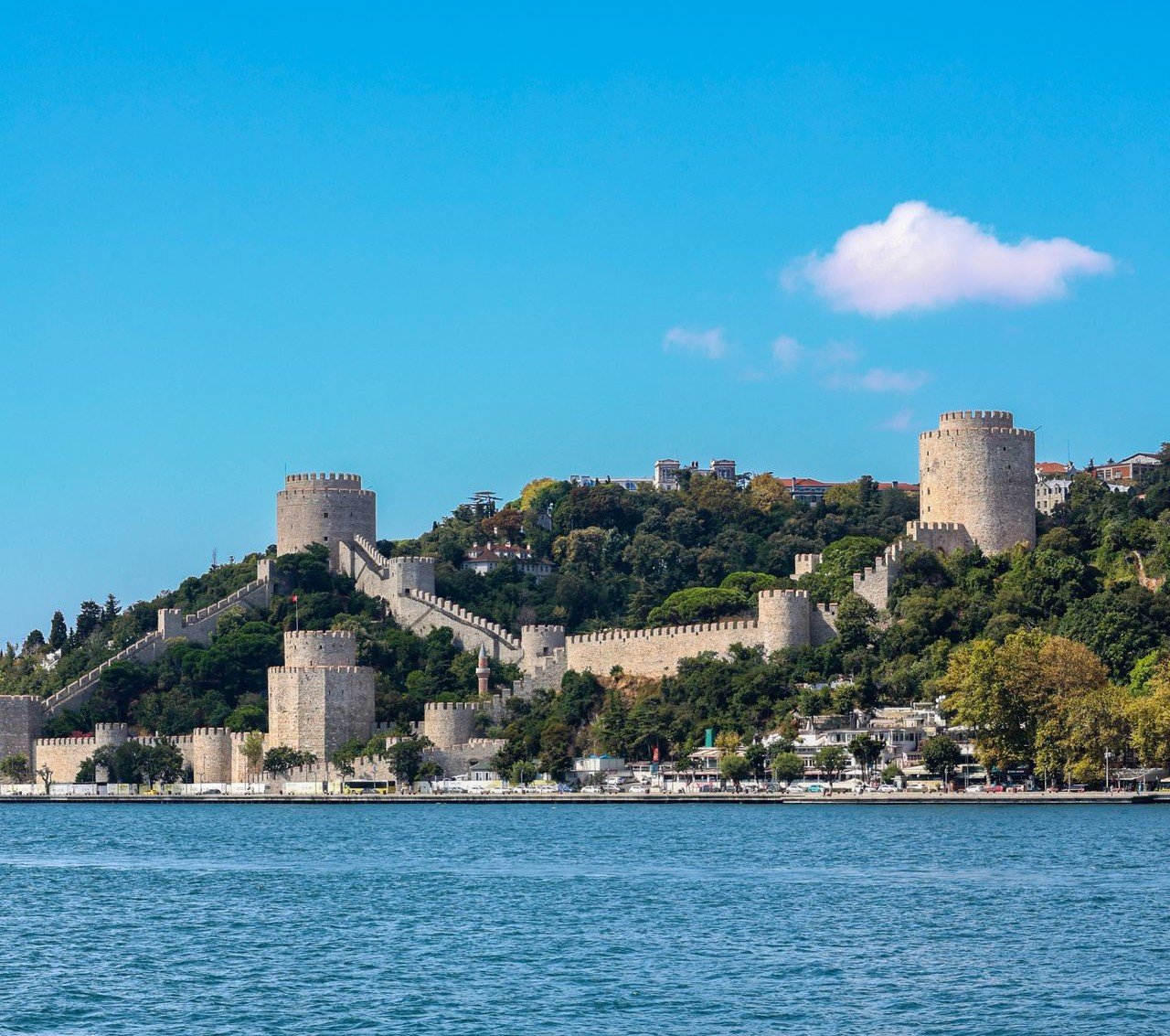
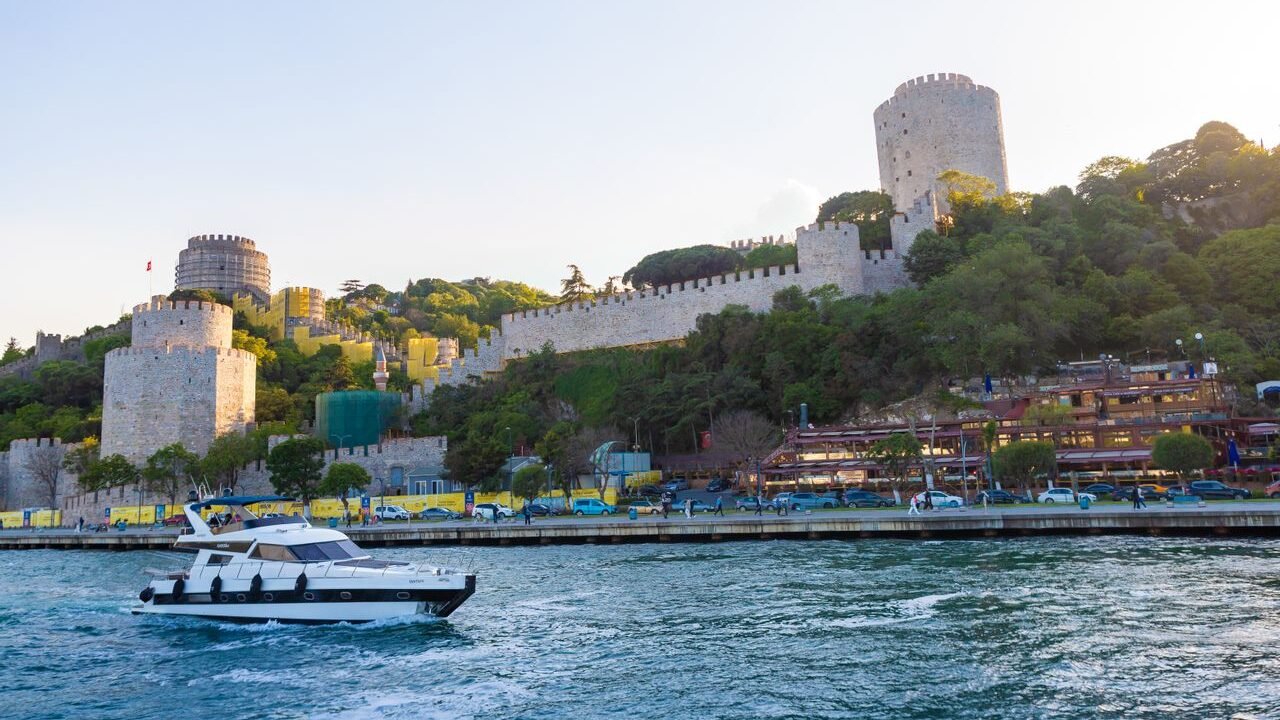
    What if a fortress could change the course of an empire? Standing along the Bosphorus in Istanbul, Rumeli Fortress was built with one powerful mission in mind: to help the Ottomans conquer Constantinople. Constructed in 1452 under the orders of Sultan Mehmed II, this imposing stronghold played a strategic role in controlling the waterway before the historic conquest of the city in 1453.

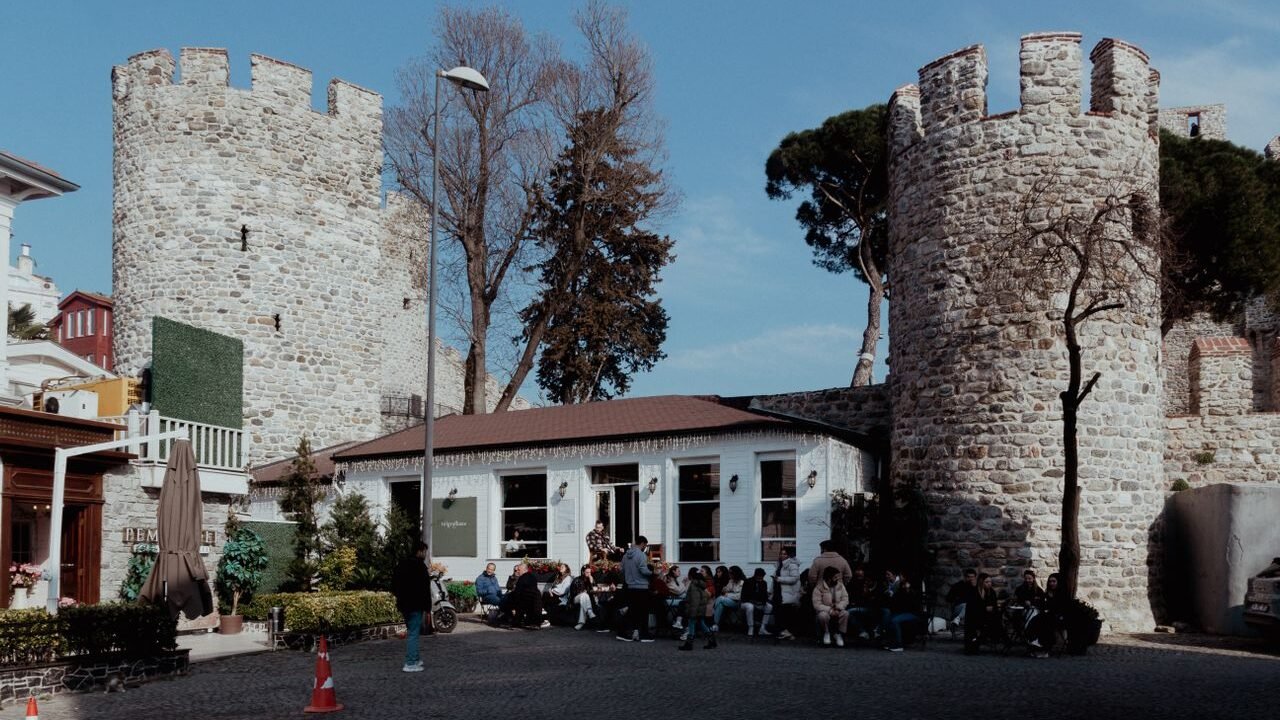
    Today, its towering stone walls and imposing towers offer visitors a glimpse into a defining chapter of history, while the surrounding waterfront adds to its timeless appeal. Whether you are a history enthusiast, an architecture lover or a traveller searching for a destination that combines fascinating stories with beautiful scenery, Rumeli Fortress offers plenty of reasons to explore one of Istanbul’s most memorable landmarks.

    Why Is This Fortress Famous?

    • A Monument Built Against the Clock:
    One of the most impressive aspects of Rumeli Fortress is how quickly it was constructed. Despite its enormous scale, the fortress was completed in approximately four months in 1452. The speed and purpose behind its construction make Rumeli Fortress an excellent example of Ottoman military planning.

    • Three Towers with Distinctive Designs:
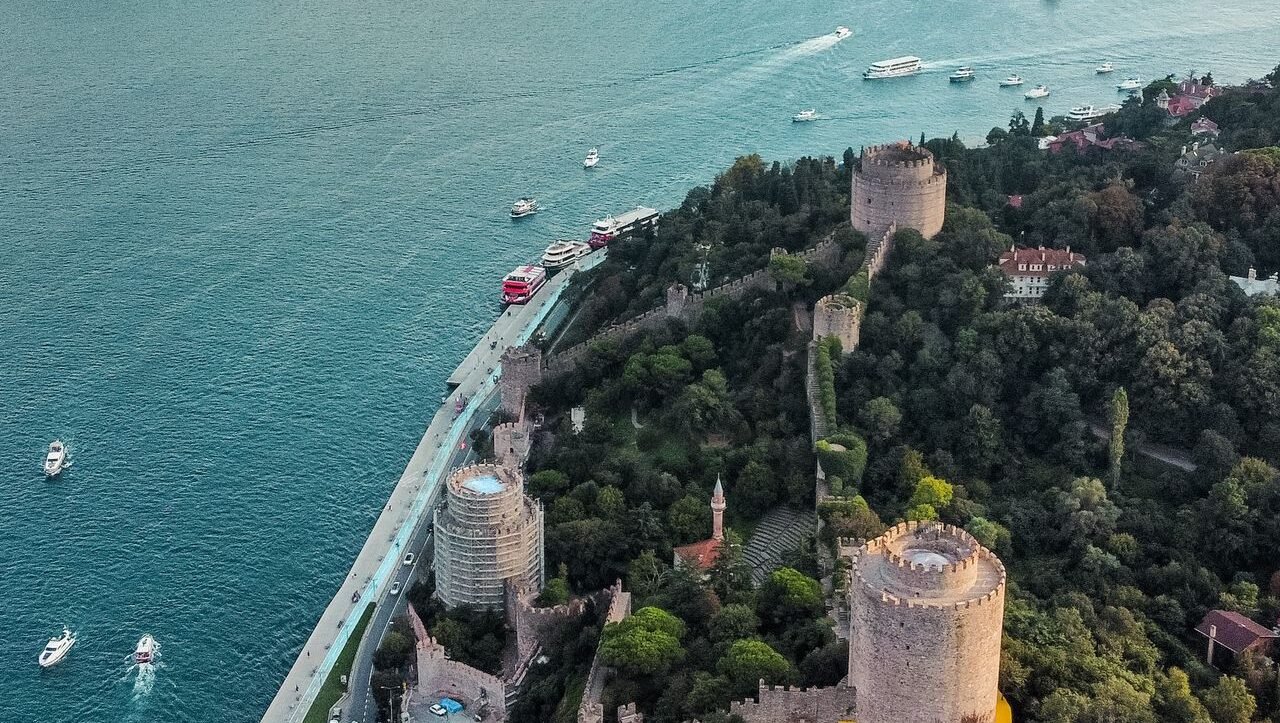
    Rumeli Fortress is particularly recognisable for its three enormous main towers, named after the Ottoman officials associated with their construction: Saruca Pasha, Çandarlı Halil Pasha and Zağanos Pasha.Each tower forms part of the fortress’s defensive system, connected by thick stone walls and smaller defensive structures.

    • Beautiful Views of the Bosphorus Strait:
    The Bosphorus stretches between Europe and Asia, with ferries, private boats and other vessels travelling through its waters. Viewing the fortress from a suitable waterfront location or a Bosphorus boat tour can provide a different perspective of its walls and towers.

    What to Experience There?

    If the fortress is open for interior visits, there are several features worth looking out for;

    • Admire the Fortress Walls and Towers:
    Start by appreciating the fortress’s overall structure. Look closely at how the walls follow the contours of the hillside. Their arrangement was designed to create a strong defensive position overlooking the Bosphorus, rather than simply forming a decorative boundary.

    • Explore the Historical Exhibits:
    Rumeli Fortress has a collection associated with its military and historical past. Depending on current museum arrangements, exhibits may include Ottoman cannons, cannonballs, stone artefacts and a section of the historic chain traditionally associated with the defence of the Golden Horn.

    • Learn About the Conquest of Constantinople:
    A visit to Rumeli Fortress becomes more meaningful when you understand the events behind its construction. In 1453, Rumeli Fortress formed part of the strategic preparations for that campaign by helping the Ottomans control access through the Bosphorus.

    Your Route to Rumeli Fortress

    • By Taxi or Private Car:
    A taxi or private car offers a more direct way to reach the area, especially if you are travelling with family or visiting several locations in one day. However, traffic along the Bosphorus can be heavy, particularly during busy periods so check the parking arrangements before setting off.

    • By Bosphorus Boat Tour:
    Another option is to explore the Bosphorus by boat. Depending on the route, you may be able to see Rumeli Fortress from the water and appreciate its position along the narrow strait. Before booking, check the cruise itinerary to confirm whether it passes the fortress and whether any stops are included.

    📌 Fast Facts for Your Itinerary

    📍 Address:  Rumeli Hisarı, Yahya Kemal Cd. No: 42, 34470 Sarıyer/İstanbul, Türkiye

    ⏰ Best Time to Visit: April-May or September-October when the weather is mild, crowds are thinner, and the Bosphorus views are clearest.

    💡 Note: Access to certain areas may be restricted for safety, conservation or restoration, so follow the instructions provided by the site.

  • Manavgat Waterfall: A Natural Gem Near Antalya

    Manavgat Waterfall: A Natural Gem Near Antalya

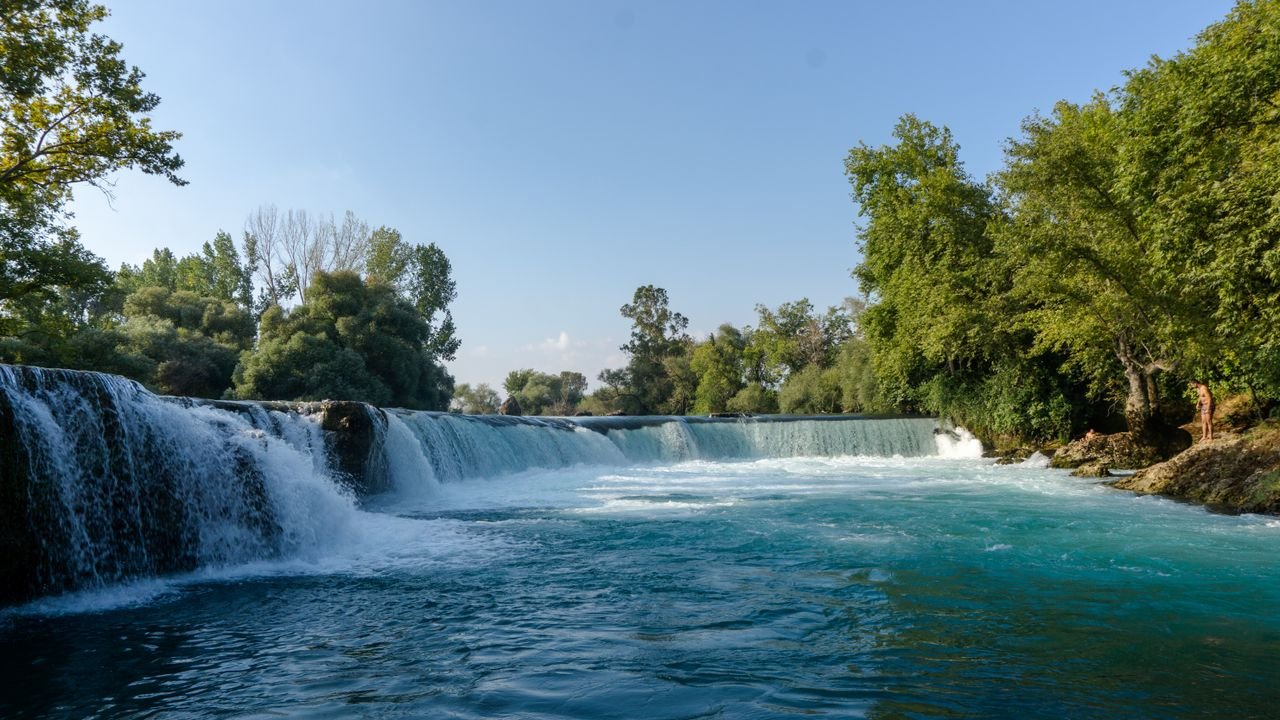
    Manavgat Waterfall is a lovely place to enjoy flowing river waters, lush greenery and a peaceful atmosphere away from the busy beaches and resort areas. Located near the town of Manavgat in southern Türkiye, this popular attraction offers a refreshing change of scenery for travellers exploring the Turkish Riviera.

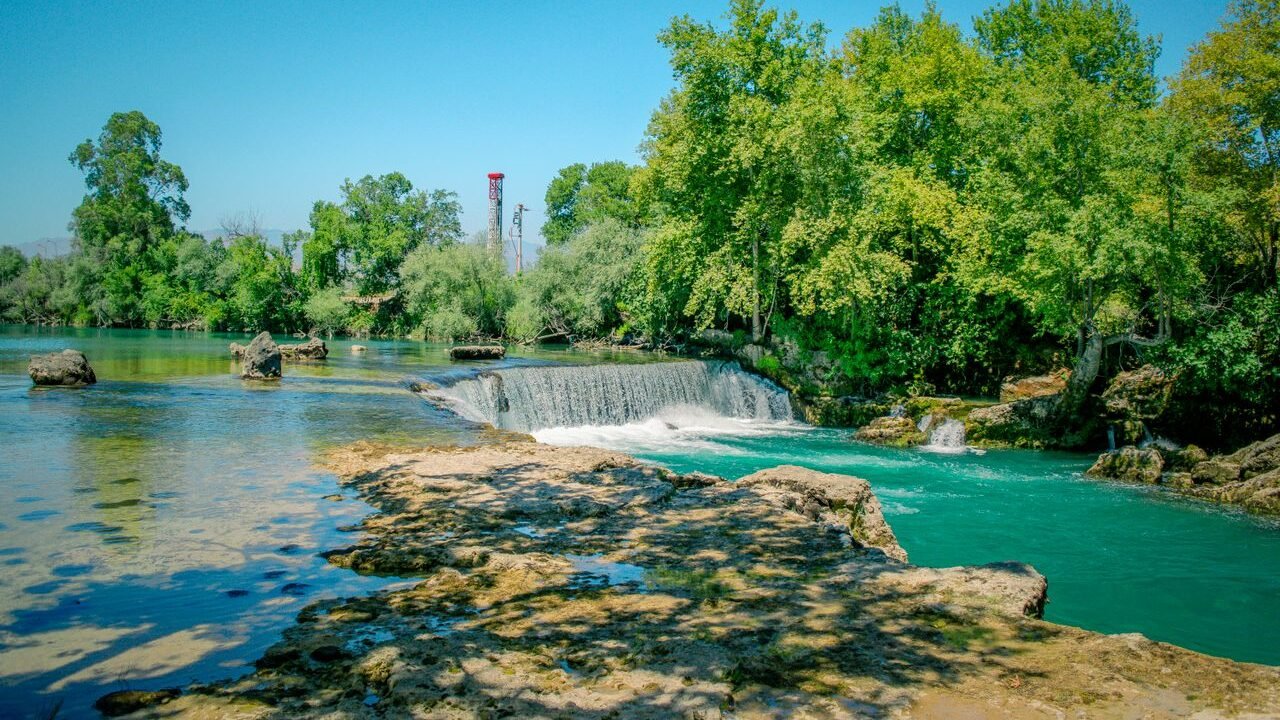
    Unlike waterfalls known for their dramatic heights, Manavgat Waterfall stands out for its broad cascade, where the Manavgat River flows over a low rocky ledge in a beautiful stretch of rushing water. The surrounding recreation area features riverside viewing spots, shaded trees, cafés and places to sit back and enjoy the sound of the water.

    Why Is Manavgat Waterfall Appealing?

    • A Peaceful Riverside Setting:
    Beyond the waterfall itself, the surrounding area offers a relaxing place to spend time outdoors. Trees provide shade around parts of the recreation area, while the sound of the river creates a soothing background as you walk around.

    • Fed by Hidden Underground Springs:
    One of the lesser-known features of Manavgat Waterfall is the underground water system that helps feed the Manavgat River. Water travels through the limestone formations of the Taurus Mountains and emerges through natural springs, supplying and sustain the river’s impressive volume, even during the warmer months.

    • A Convenient Stop Near Side and Manavgat:
    Another advantage of Manavgat Waterfall is its location. It is only a short drive from Manavgat town and is easily reached from the nearby resort area of Side, making it convenient for travellers who want to add a nature attraction to their holiday without dedicating an entire day to travelling.

    What Can You Do at Manavgat Waterfall?

    • Admire the Waterfall from the Viewing Areas:
    Take your time exploring the different viewing areas, as each angle offers a slightly different perspective. You may also notice how the appearance of the water changes depending on the sunlight and river conditions. Do be careful around wet surfaces, as the areas close to the water can be slippery.

    • A Leisure Walk Around the Recreation Area:
    Once you’ve enjoyed the main waterfall viewpoint, explore the surrounding walking areas. The recreation grounds provide an opportunity to stretch your legs, enjoy the greenery and discover quieter corners away from the main viewing spots.

    • Enjoy Turkish Tea by the River:
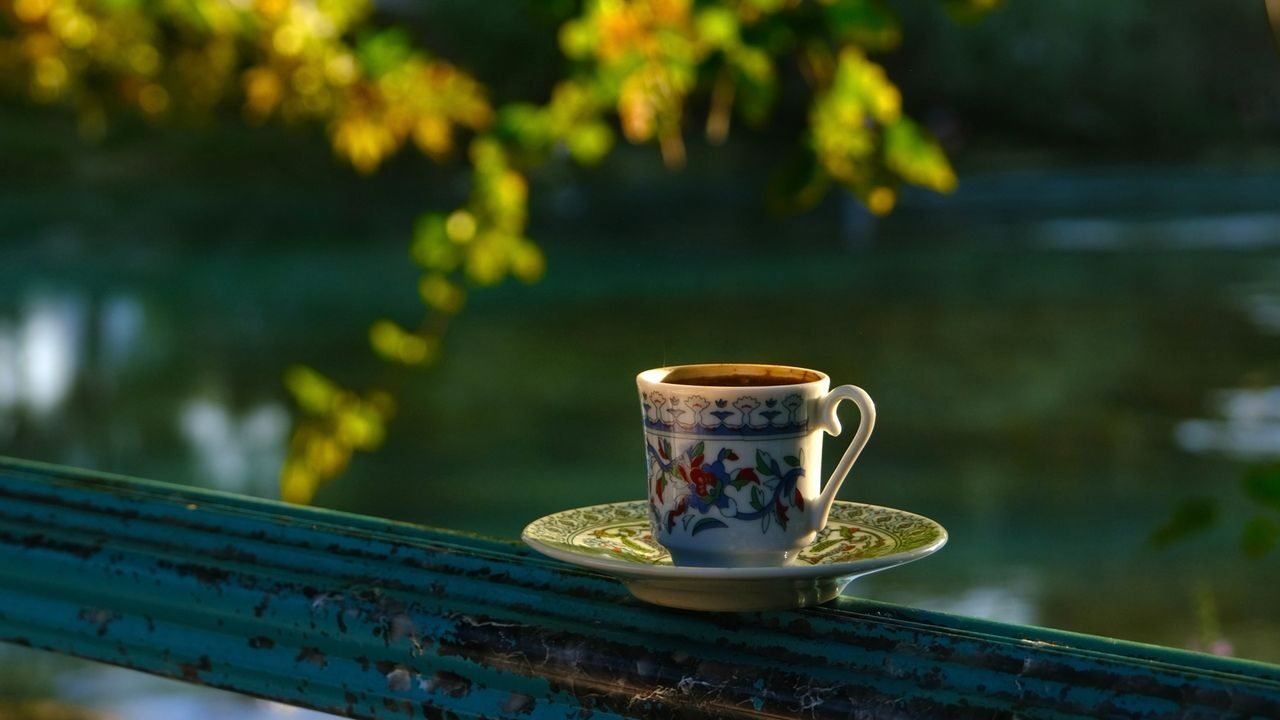
    One of the nicest ways to experience Manavgat Waterfall is to take a break at a nearby café or tea garden. Find a seat overlooking the river, order a glass of traditional Turkish tea and enjoy the sound of the flowing water. It is a simple experience, but it allows you to appreciate the destination beyond its main attraction.

    📌 Fast Facts for Your Itinerary

    📍 Address: Sarılar, İstiklal Caddesi No: 35 (or No: 4), 07600 Manavgat/Antalya, Türkiye

    ⏰ Best Time to Visit: April-June are best for general visits; September-October offers a warm, pleasant weather and fewer crowds than peak summer

    🎫 Reminder: Manavgat Waterfall generally requires a paid entrance ticket, with prices potentially varying by visitor category and changing over time, so make sure to check the latest admission fees before your visit.

  • Uncovering the Secrets of Yogyakarta’s Water Castle

    Uncovering the Secrets of Yogyakarta’s Water Castle

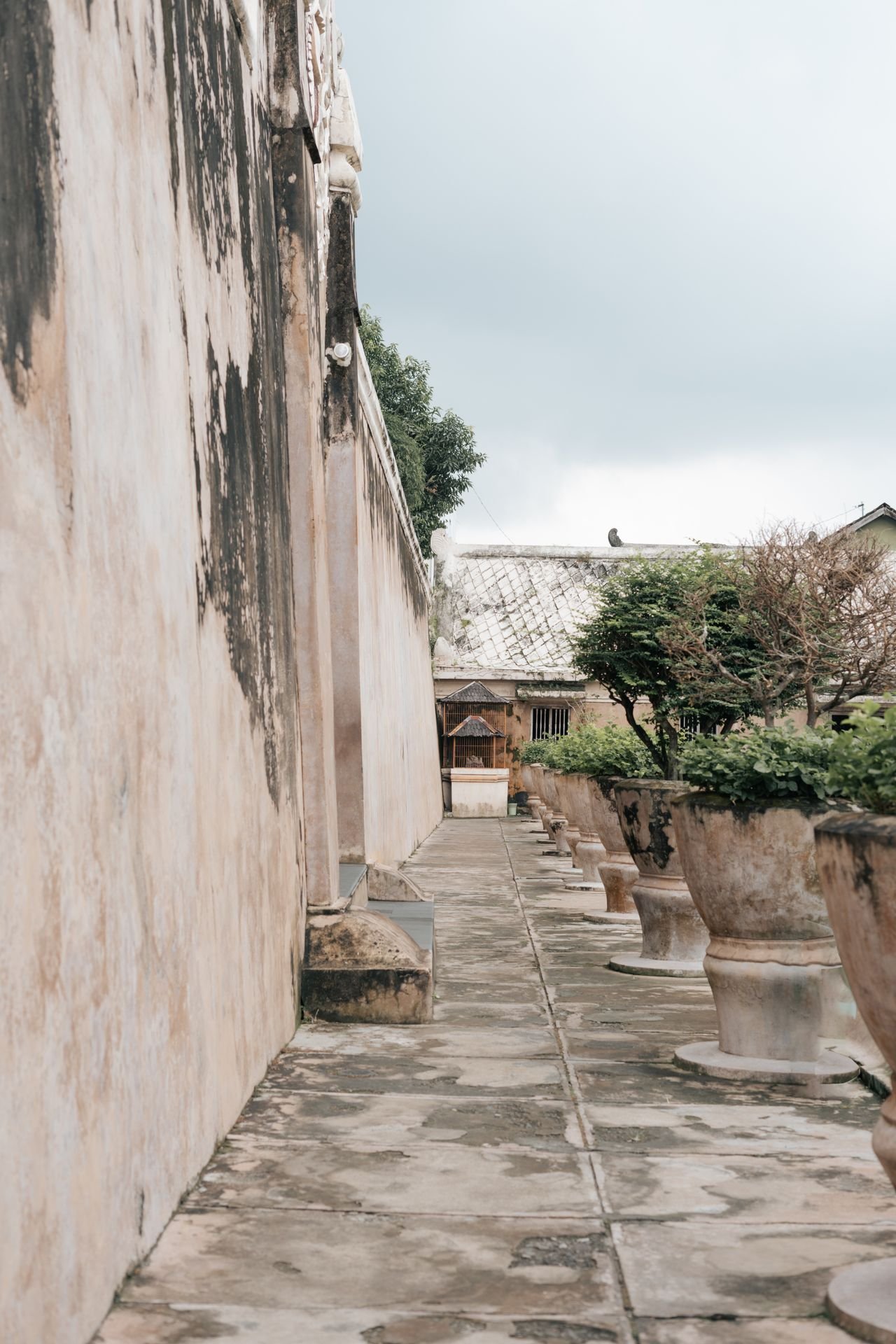
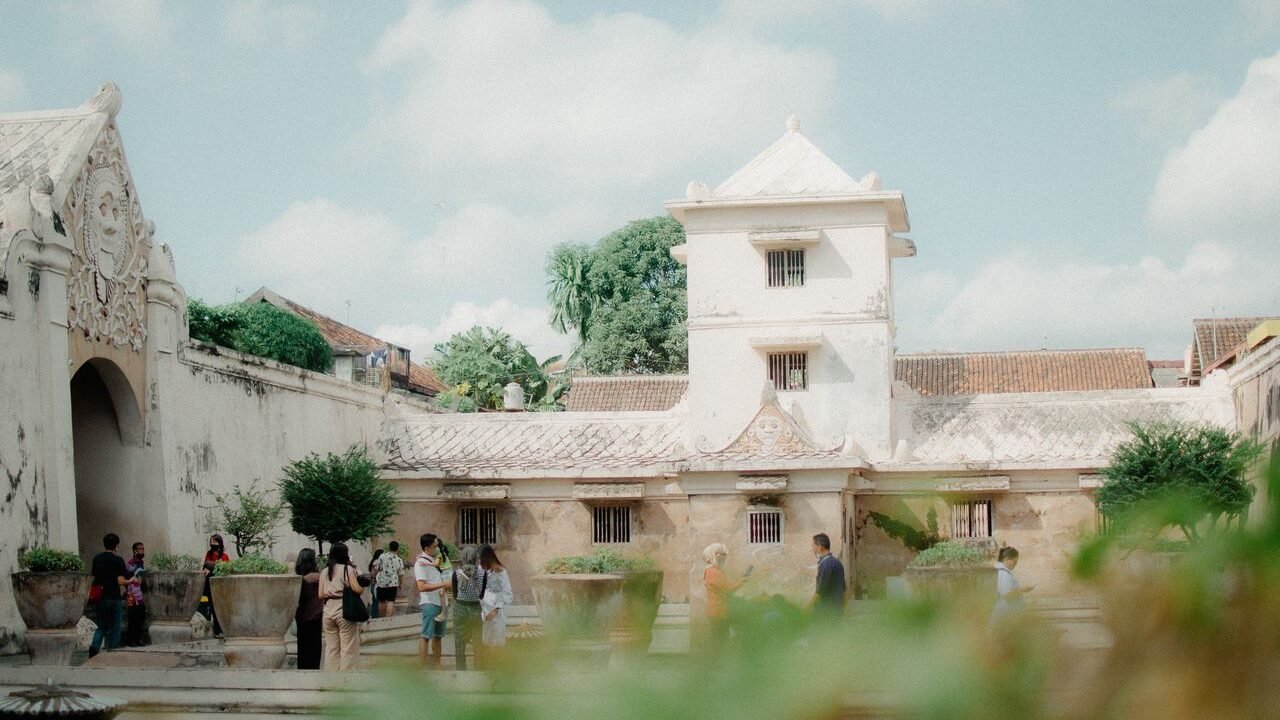
    Hidden among the narrow streets of Yogyakarta lies a historical attraction that once served as a private retreat for the royal family. Taman Sari Water Palace, a distinctive architecture the grandeur of the city’s royal past, known for its beautiful bathing pools and mysterious underground passages. Although much of the original complex no longer stands, its remaining structures continue to attract visitors interested in history, culture and photography.

    This ‘Water Palace’ offers a glimpse into the lifestyle of Yogyakarta’s sultans and their families centuries ago. From exploring the former royal bathing complex to discovering an unusual underground mosque, there is plenty to uncover as you wander through this historic site.

    The Story Behind This Royal Garden

    Taman Sari was built during the reign of Sultan Hamengku Buwono I, with construction beginning around 1758 and major parts completed by 1765. The complex originally covered a much larger area, containing artificial lakes, islands, canals, gardens and buildings designed for the royal family’s leisure, spiritual activities and defence.

    Over time, earthquakes and periods of conflict damaged much of the complex, leaving only parts of its original structures intact. Restoration efforts have helped preserve several important sections, allowing visitors to appreciate its historical and architectural significance. Today, Taman Sari remains an important heritage site connected to the history of Yogyakarta’s royal court.

    What Makes Taman Sari Special?

    • A Glimpse into the Royal Lifestyle:
    The complex was designed for more than leisure, with areas dedicated to bathing, resting, meditation and protection for the Sultan and the royal family. Walking through its remaining courtyards and buildings gives visitors an idea of how different spaces served different purposes within the royal grounds.

    • Underground Passages and Hidden Spaces:
    Taman Sari is also known for its underground passages and enclosed structures. These spaces formed part of the complex’s original design and are associated with its religious and defensive functions. However, not every original passage remains accessible, so check which areas are open when you arrive.

    • A Living Heritage Neighbourhood:
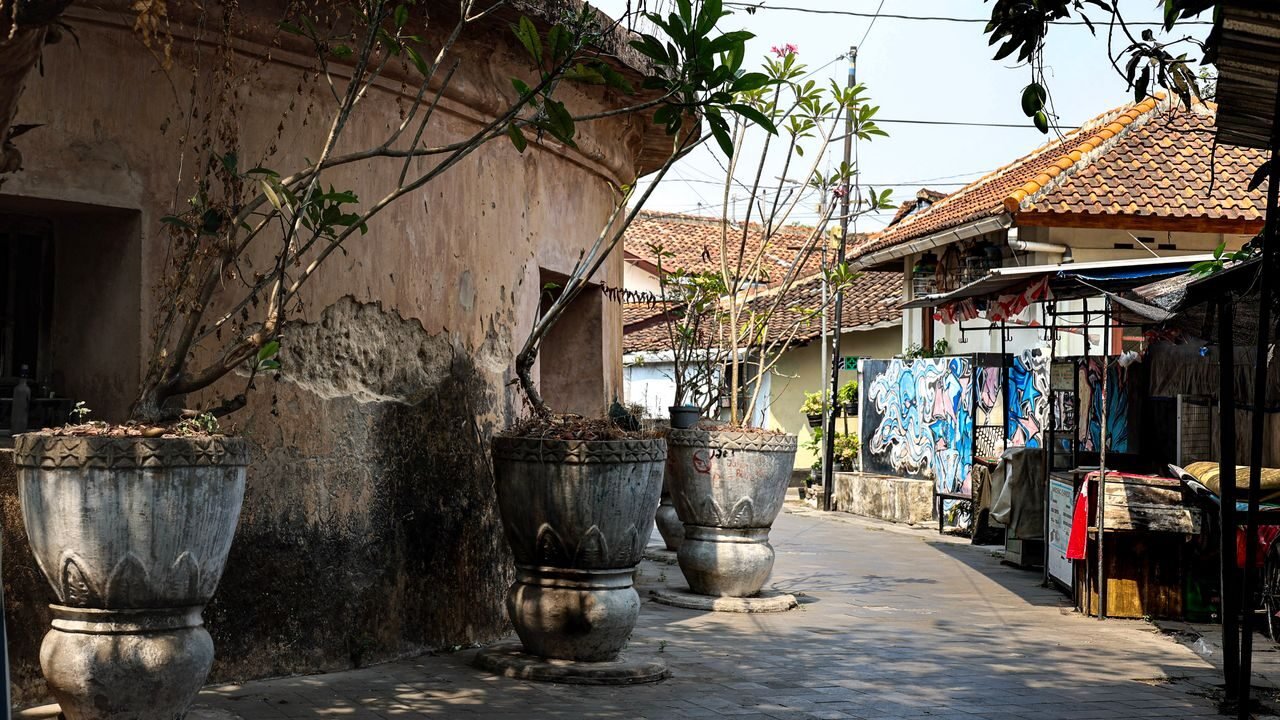
    Unlike historical attractions that stand apart from their surroundings, Taman Sari is closely connected to the local community. Residential lanes wind around and between sections of the former royal complex, creating a setting where heritage buildings exist alongside everyday neighbourhood life.

    Taman Sari’s Key Attractions

    • Umbul Binangun, The Royal Bathing Pools:
    This is one of Taman Sari’s most recognisable attractions that highlights several pools arranged within a walled courtyard, surrounded by decorative buildings, viewing platforms and distinctive water features. This helps visitors imagine how the bathing complex once functioned as part of the Sultan’s private retreat.

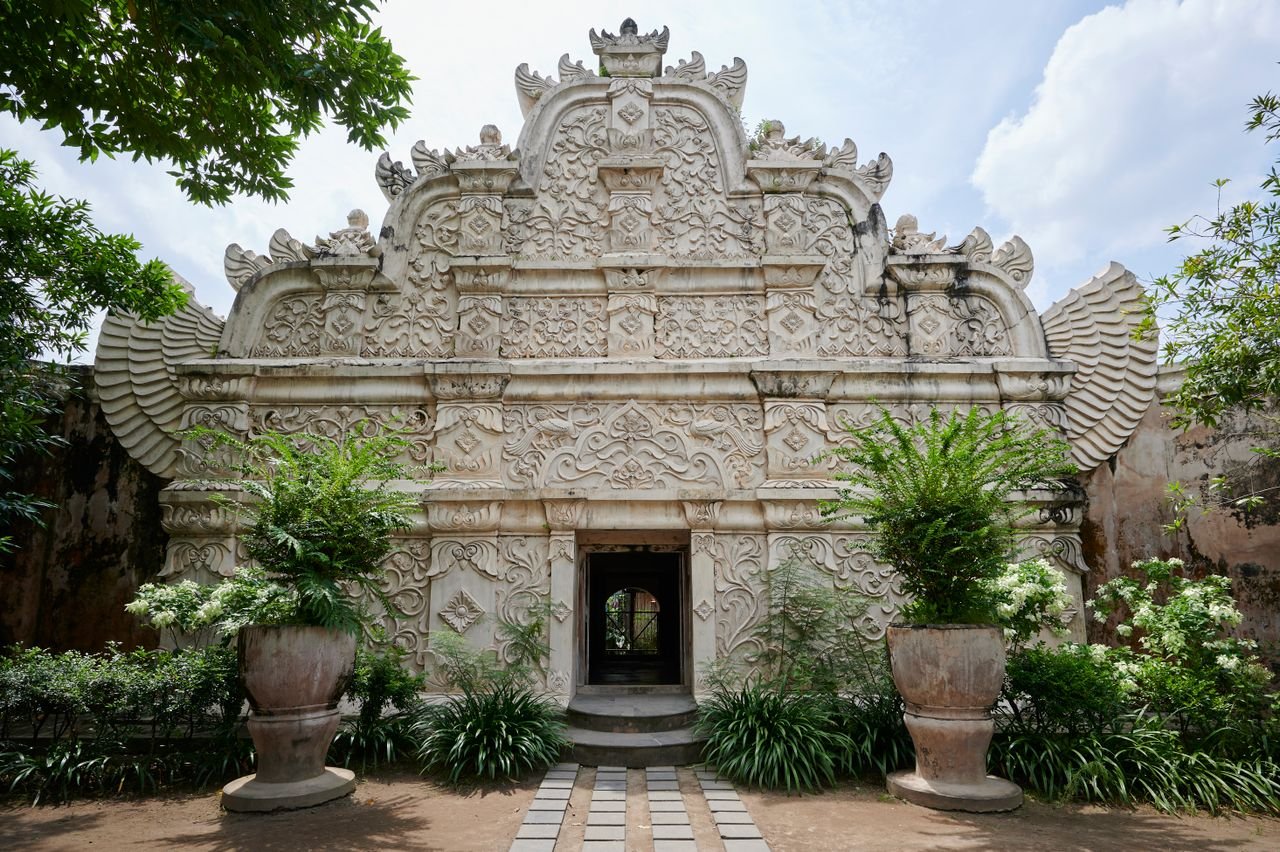
    • Gapura Panggung, The Historic Entrance Gate:
    Gapura Panggung is one of the notable gates within the Taman Sari complex. Its raised structure, decorative details and traditional design reflect the architectural character of the former royal garden.

    • Sumur Gumuling, The Underground Mosque:
    The enclosed design of this structure differs from the appearance of a typical mosque, making it one of the site’s most fascinating architectural features. Inside, a central open space is surrounded by curved walls and connected by stairways that meet at different levels.

    Your Route to Taman Sari

    Taman Sari is located in the Kraton area of Yogyakarta, southwest of the Sultan’s Palace. There are several ways on how you can get there;

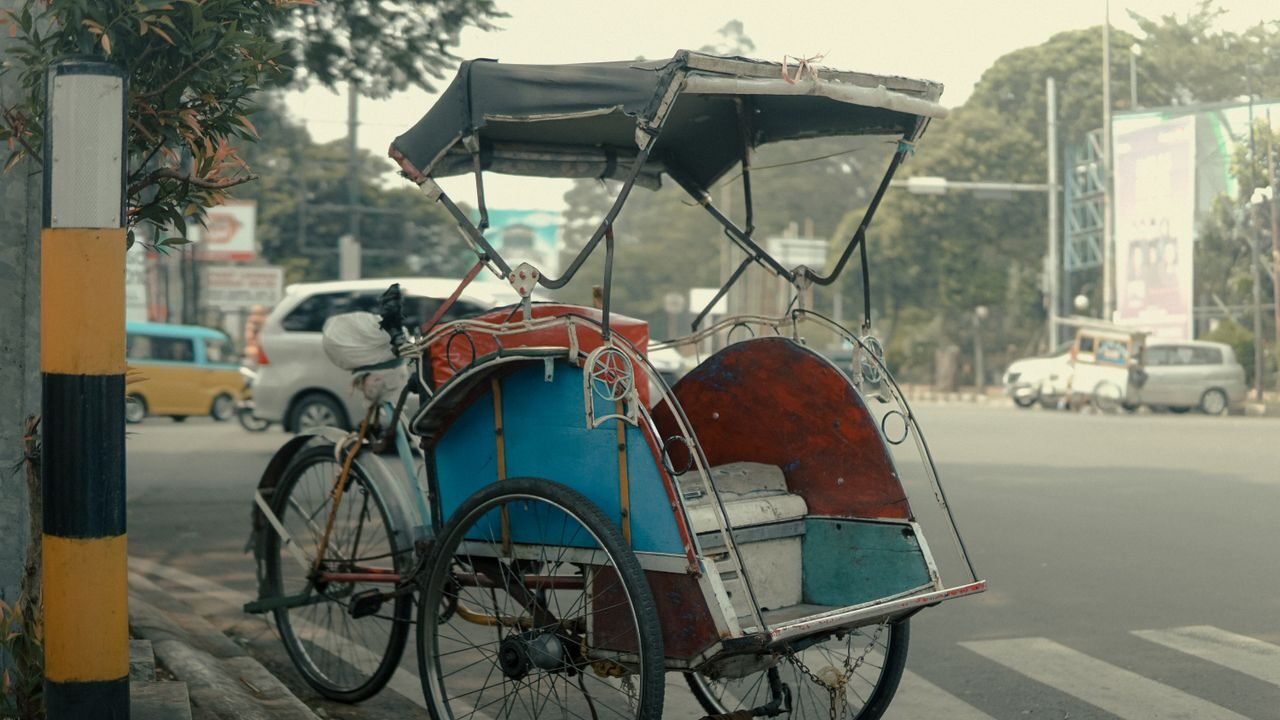
    • By becak: Traditional cycle rickshaws can be a pleasant way to travel through parts of central Yogyakarta. Agree on the fare before starting your journey.

    • By local transport: You can use local buses or other public transport serving the city centre, then continue by walking or local transport towards Taman Sari.

    • On foot from the Kraton: You can explore the surrounding historic district and continue towards Taman Sari on foot which may take about 10 to 15 minutes.

    📌 Fast Facts for Your Itinerary

    📍 Address: Patehan, Kraton, Yogyakarta City, Special Region of Yogyakarta 55133, Indonesia

    ⏰ Opening Hours and Entrance Fees: Open daily from around 9:00 AM to 3:00 PM. Admission prices can differ for Indonesian and international visitors, and certain services or guided tours may cost extra.

    📝 Reminder: Remember that local residents live around the historic complex so avoid blocking entrances or photographing people without permission.

  • Tawangmangu: The Beauty of Mount Lawu

    Tawangmangu: The Beauty of Mount Lawu

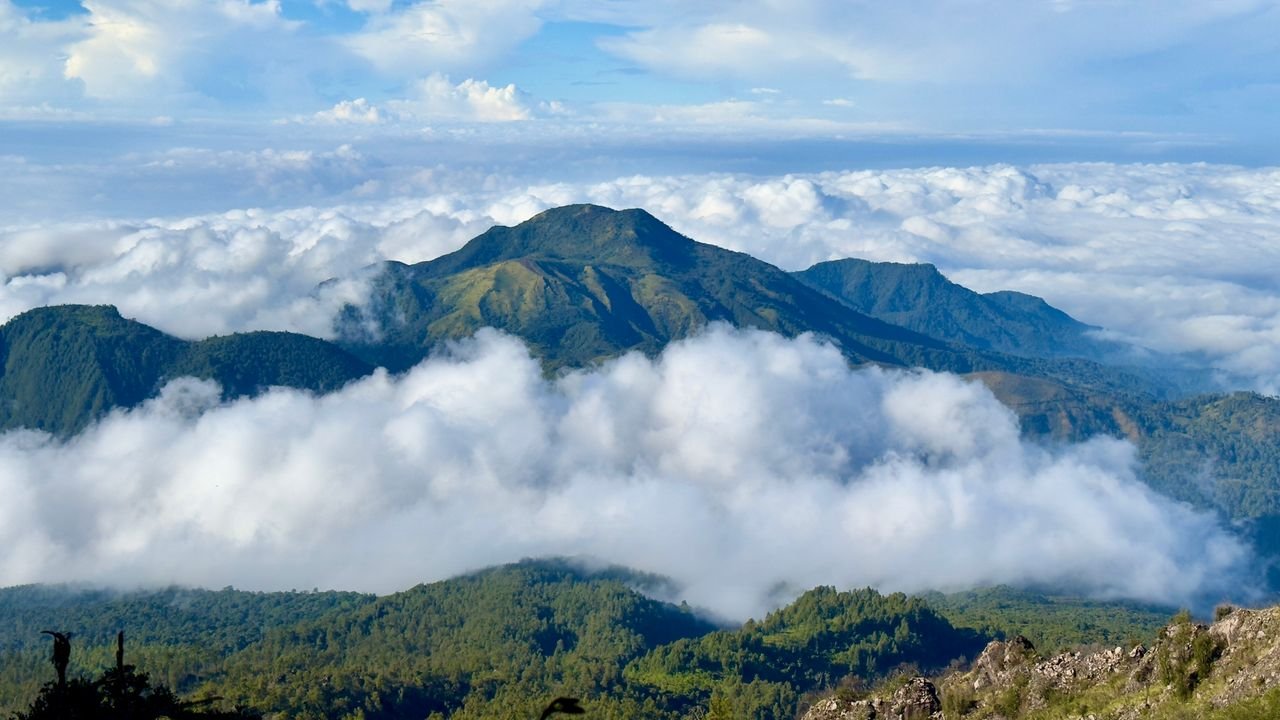
    Tucked away on the slopes of Mount Lawu in Karanganyar Regency, Central Java, Tawangmangu is known for its cool mountain air, lush greenery and beautiful natural surroundings. Its landscape combination of forested hills, flowing waterfalls, agricultural areas and scenic mountain roads offers visitors a refreshing change from the busy atmosphere of Indonesia’s larger cities.

    Despite the geology of the location, Tawangmangu is more than a place to enjoy the mountain scenery. The surrounding Karanganyar region is also home to several tea plantations and distinctive highland attractions. Whether you’re exploring natural landscapes, learning about Java’s cultural heritage or simply enjoying a cooler environment, Tawangmangu offers several experiences worth adding to your Central Java travel plans.

    What Makes Tawangmangu Worth Visiting?

    • A Refreshing Escape in the Mountains:
    One of Tawangmangu’s biggest appeals is its cooler highland environment. Its position on the slopes of Mount Lawu gives the area a different atmosphere from the warmer lowland cities of Java. Misty hills, forested surroundings and fresh mountain air contribute to its reputation as a popular weekend retreat for people seeking a break from everyday routines.

    • A Collection of Waterfalls:
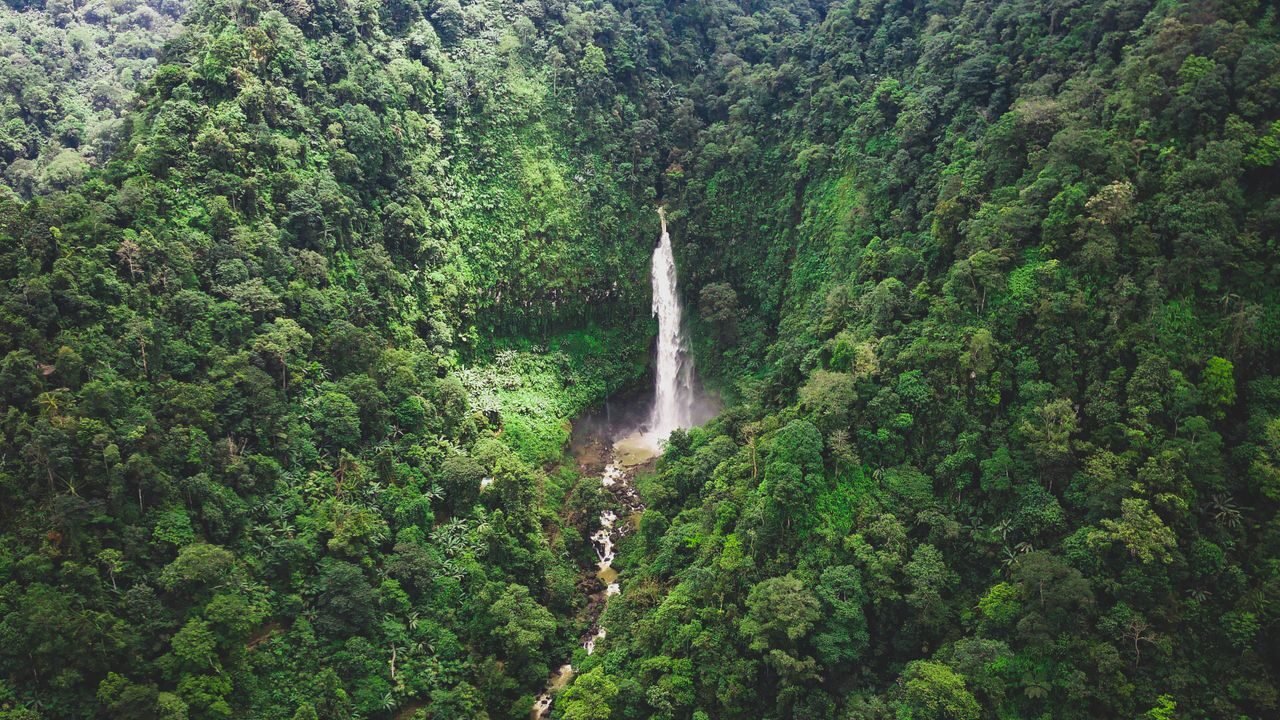
    The mountainous landscape around Tawangmangu supports around 6 to 10 distinct waterfalls, with Grojogan Sewu being the best-known. These waterfalls give Tawangmangu a distinctive highland character, where the sounds of rushing water and the cool forest atmosphere provide a refreshing contrast to the busier lowland areas of Central Java.

    • Scenic Tea Plantations and Highland Villages:
    The wider Karanganyar highlands feature green tea plantations, agricultural landscapes and villages that reflect the area’s connection with the land. Kemuning Tea Garden, located in the neighbouring Ngargoyoso area, is a popular addition to trips around Tawangmangu. Its rolling rows of tea bushes provide a different landscape from the forest trails and waterfalls closer to town.

    Places to Visit Here

    • Grojogan Sewu Waterfall:
    Standing at around 81 metres tall, Grojogan Sewu Waterfall plunges down a rocky cliff surrounded by thick tropical greenery, creating a striking scene against the forested slopes of Mount Lawu. Despite the name that means ‘a thousand waterfalls’, the waterfall is not made up of a thousand separate cascades. It is also related to a well-known myth, that unmarried couples who cross the bridge together may eventually break up before reaching marriage.

    • Kemuning Tea Garden:
    For a different side of the highlands, head towards Kemuning Tea Garden in the neighbouring Ngargoyoso area. The green rows spread across rolling slopes, creating a scenic landscape that contrasts with Tawangmangu’s forested waterfall areas. The surrounding area also has cafés offering visitors a place to pause for refreshments while enjoying the views.

    • Sakura Hills Tawangmangu:
    Sakura Hills is a themed tourist park that combines mountain scenery with Japanese-inspired decorations and photo spots. Located in the western slope of Mount Lawu, it offers a more designed visitor experience than the region’s natural waterfalls and historic temples. The park feature facilities such as themed photography areas, Japanese-style costumes and other recreational attractions.

    📌 Fast Facts for Your Itinerary

    📍 Trip from Solo (Surakarta): Takes about 1-2 hours by car or public bus across a distance of roughly 40 kilometers east up the slopes of Mount Lawu

    ⏰ Best Time to Visit: The dry season from April – October for the best visibility, and comfortable conditions for hiking Mount Lawu or visiting waterfalls like Grojogan Sewu Waterfall

    🎫 Pro-Tip: Make sure to check the opening hours and fees included. Entry prices and operating schedules may change, especially during holidays or local events.

  • A Journey Through Time at Indonesia’s National Museum

    A Journey Through Time at Indonesia’s National Museum

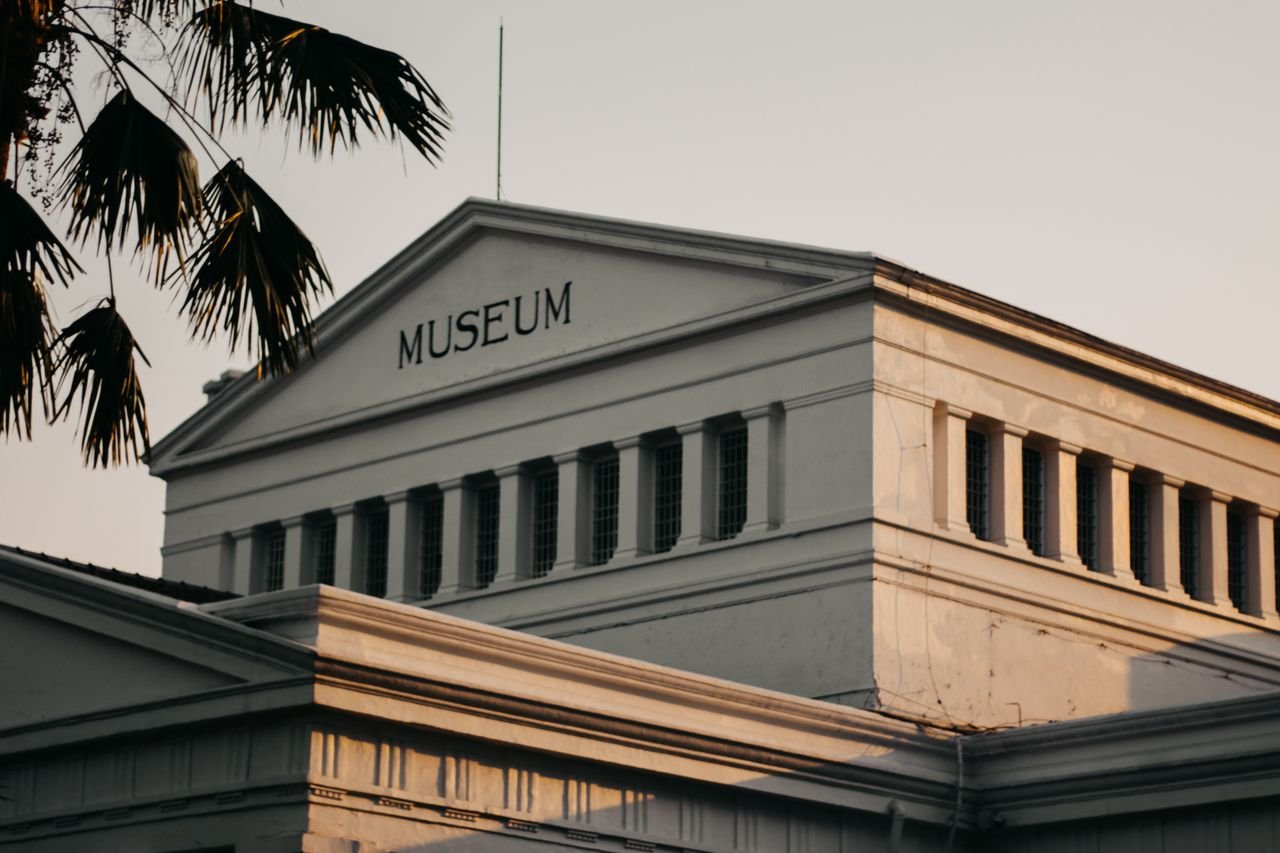
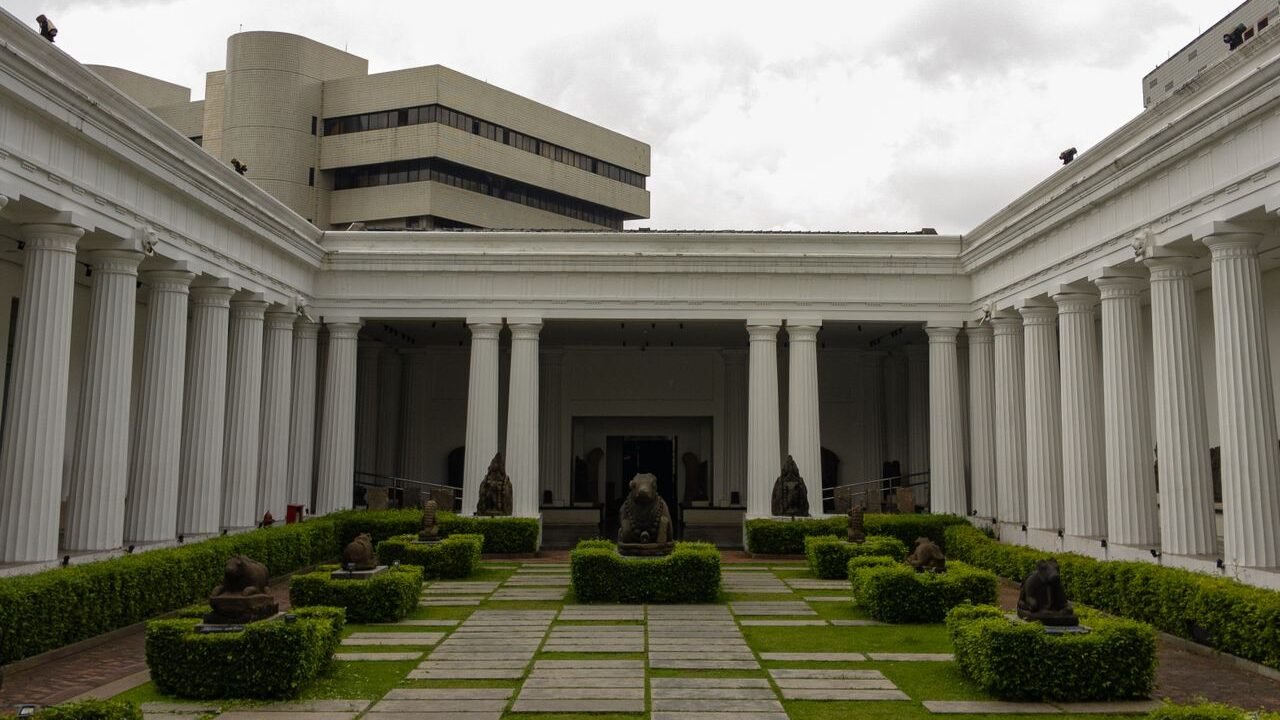
    Exploring Jakarta does not have to be all about shopping centres, modern landmarks and busy city streets. If you would like to experience a different side of the capital, consider visiting the National Museum of Indonesia. This cultural attraction introduces visitors to the country’s fascinating past through collections of historical artifacts, archaeological discoveries and traditional objects.

    The museum provides a closer look at the many cultures and civilisations that have influenced Indonesia throughout the centuries. You can learn about ancient kingdoms, admire traditional craftsmanship and discover how different communities developed their own customs and ways of life. It is a worthwhile addition to your itinerary if you want to balance city sightseeing with a little history and cultural exploration.

    The History Behind the National Museum of Indonesia

    The National Museum of Indonesia traces its origins to 24 April 1778, when a Dutch scholarly organisation was established in Batavia, now Jakarta, to study science, history and culture. As its collection grew, a dedicated museum building was constructed in 1862 and opened to the public in 1868.

    After Indonesia gained independence, the museum became an important institution for preserving the country’s heritage. Officially named the National Museum in 1979, it continues to showcase historical artefacts and archaeological discoveries that reflect Indonesia’s rich past and cultural diversity.

    What Makes This Museum Worth Visiting?

    en.wikimedia.org

    • Indonesia’s Diverse Cultural Heritage:
    Indonesia consists of thousands of islands, each with its own traditions, languages and cultural influences. The National Museum offers an opportunity to explore this diversity in one place through displays of traditional clothing, ceremonial objects, weapons, household items and other cultural artifacts.

    • Experience an Interactive Museum Visit:
    The National Museum has introduced updated exhibition spaces and interactive experiences to make history more accessible to modern visitors. One of its highlights is ImersifA, an immersive multimedia experience that uses visual and audio elements to present aspects of Indonesian history and culture in a more engaging format.

    • Stories Behind Historical Objects:
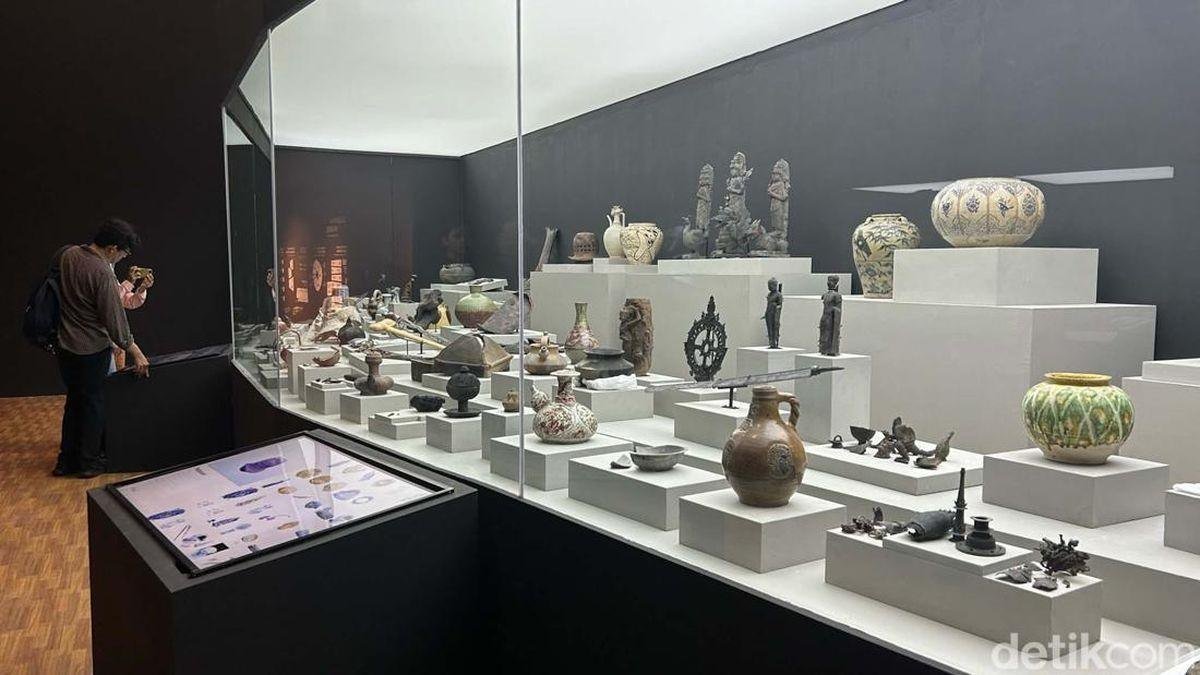
    Beyond grand statues and valuable artefacts, smaller objects can reveal fascinating details about everyday life in the past. The museum’s collections include ceramics, coins, jewellery, traditional tools and historical items that reflect trade, craftsmanship and changing social customs.

    Must-See Exhibits at the National Museum

    commons.wikimedia.org

    • The Bronze Elephant Statue:
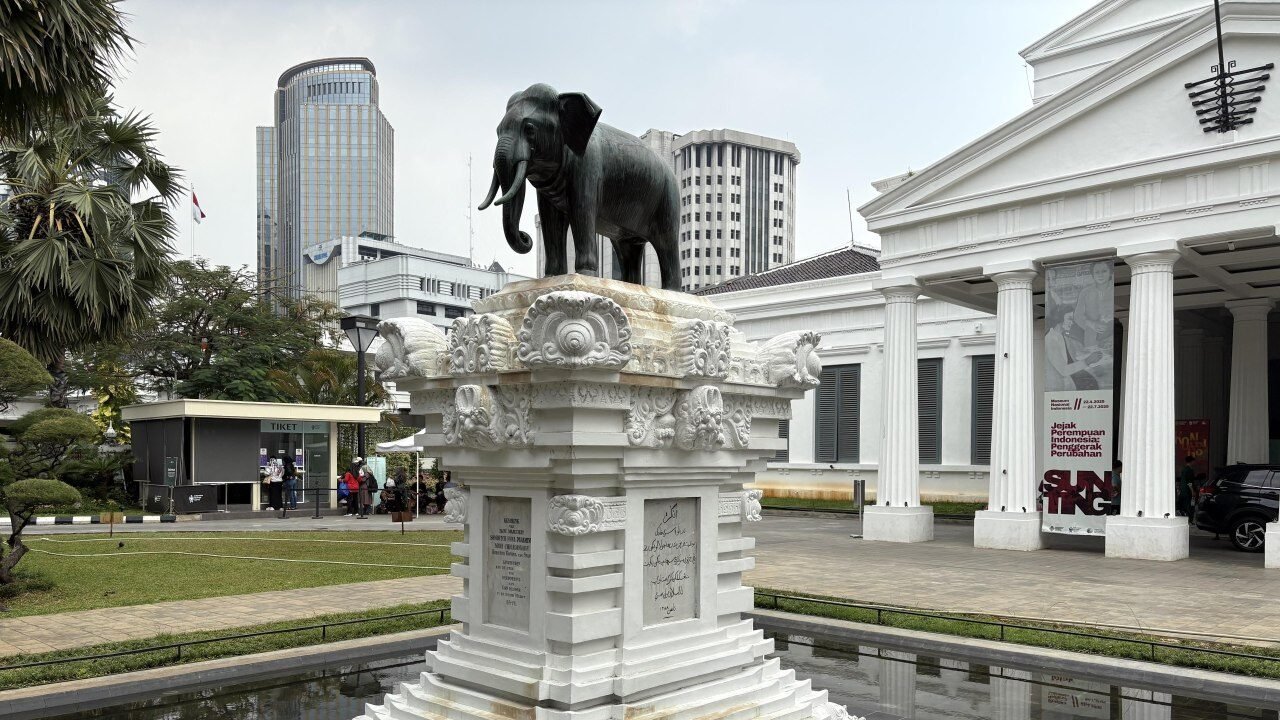
    Before entering the exhibition galleries, take a look at the bronze elephant statue in the museum courtyard. This well-known landmark is the reason many people call the building Museum Gajah. The statue is a reminder of the museum’s long history and its connections with the wider region.

    • Traditional Textiles and Cultural Objects:
    Indonesia is well known for its textile traditions, including batik and woven fabrics produced by communities across different islands. The museum’s cultural collections help visitors appreciate the variety of materials, patterns and techniques used in traditional clothing and decorative items.

    • ImersifA Immersive Gallery:
    ImersifA offers a more modern museum experience. Its multimedia presentation combines visual effects and sound to create an engaging way of learning about Indonesian history and culture. Consider checking the latest ticket conditions since the experience may require a separate ticket in addition to the regular museum admission.

    Check out this video by AA Notes on Youtube for a closer look at the experiences that await you.

  • The Gili Islands: Three Gems in the Indonesian Sea

    The Gili Islands: Three Gems in the Indonesian Sea

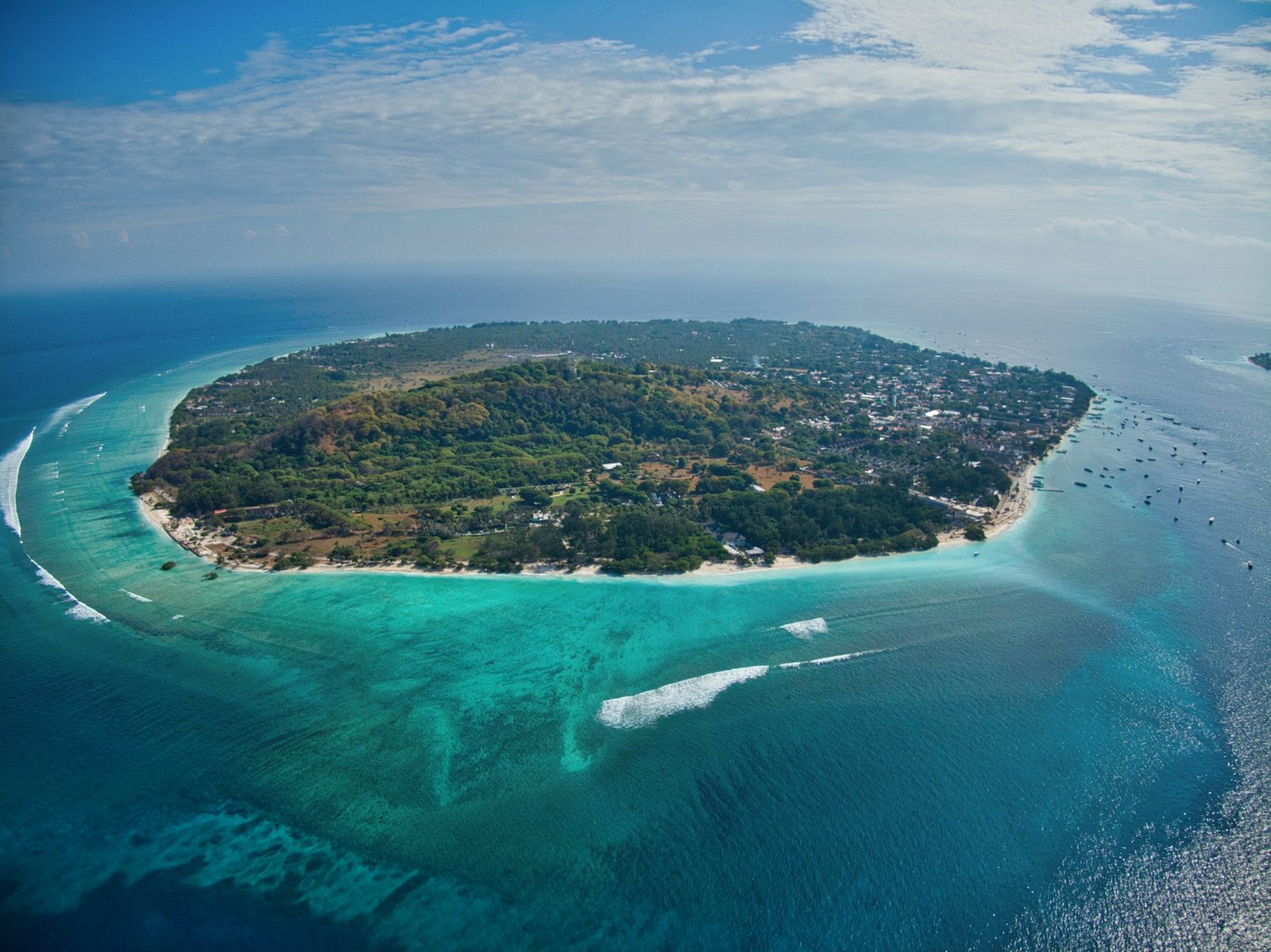
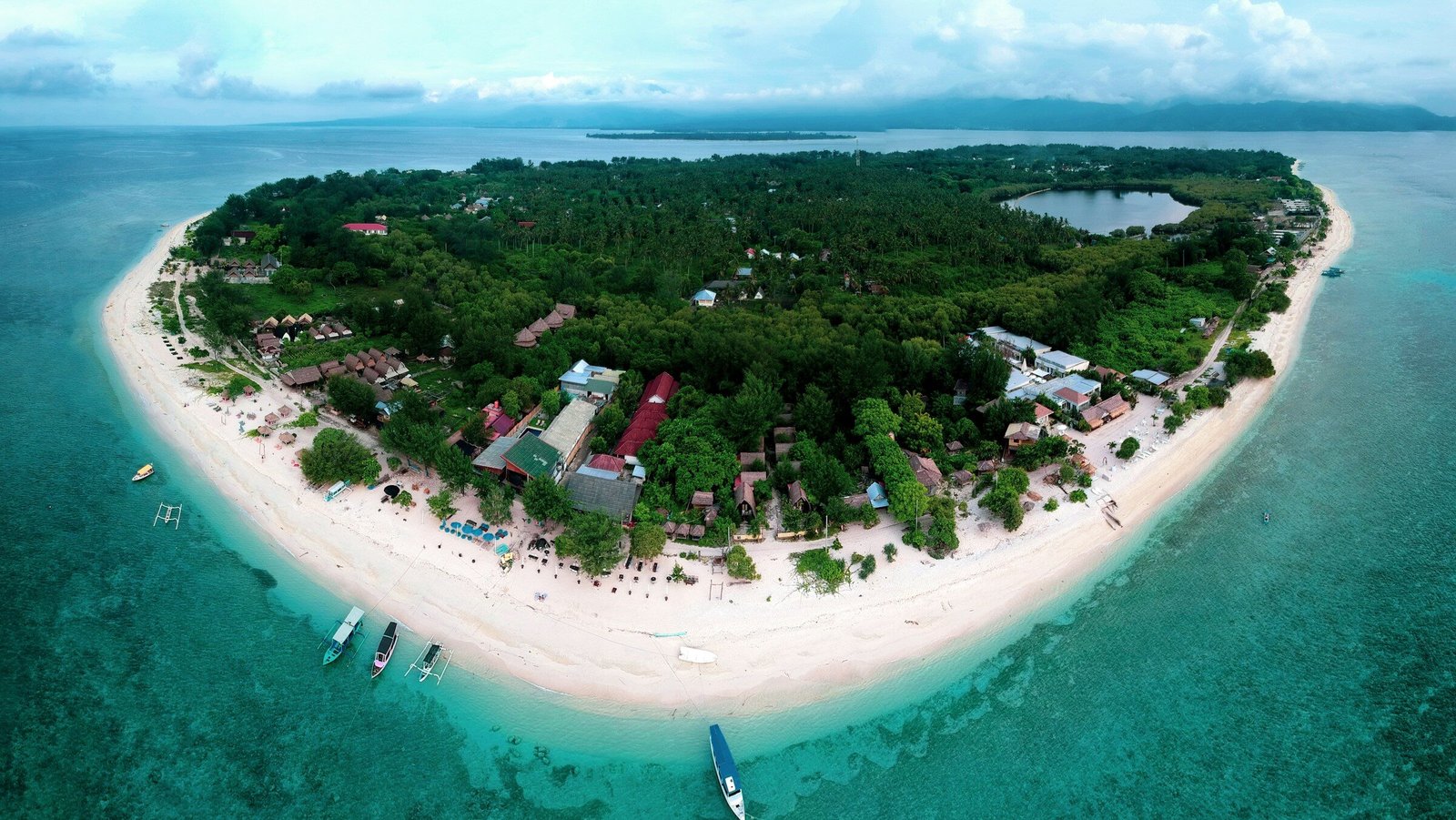
    The Gili Islands are a popular island destination off the northwest coast of Lombok, Indonesia. Known for their clear waters, sandy beaches and opportunities for snorkelling and diving, they are an appealing choice for travellers who want to enjoy a tropical holiday surrounded by nature.

    The destination is made up of three main islands: Gili Trawangan, Gili Meno and Gili Air. Although they are located close to one another, each offers a different atmosphere and range of experiences. Understanding their differences can help you decide which island best suits your travel plans.

    What Makes The Gili Islands Special?

    • Turtle Sanctuary:
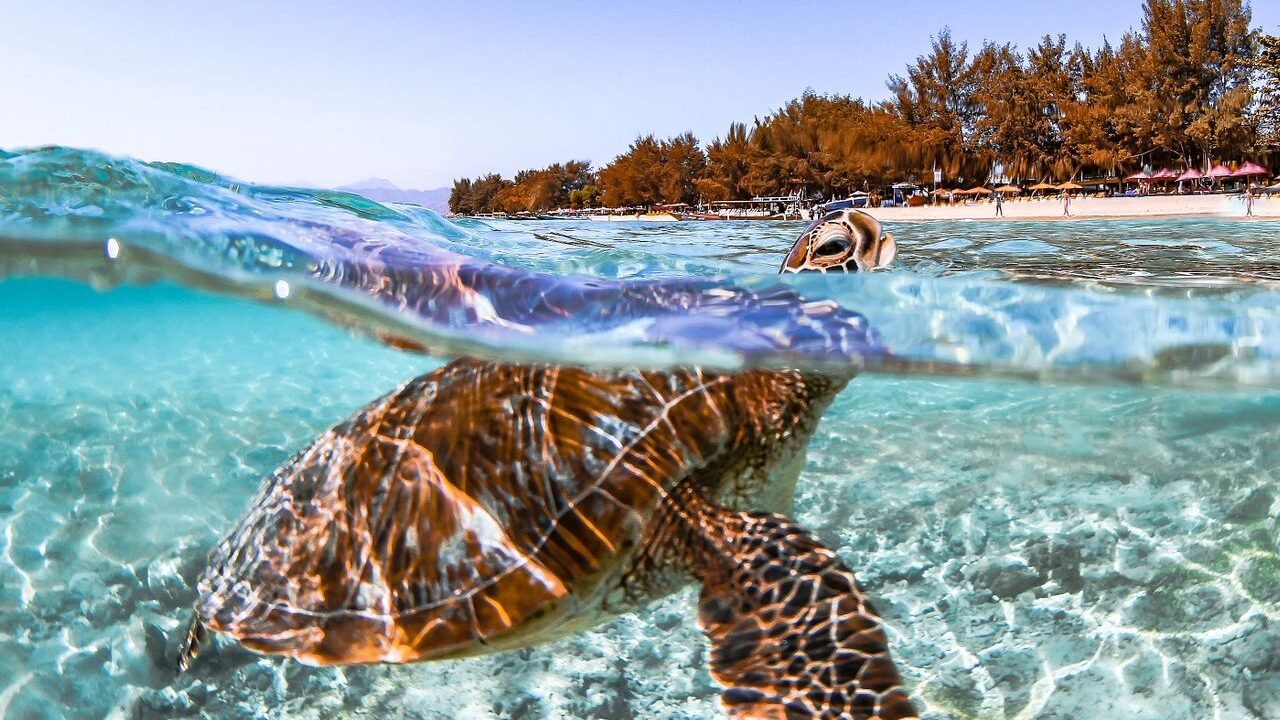
    The waters surrounding the Gili Islands are widely known as the “turtle capital of the world” due to their thriving populations of wild Green and Hawksbill sea turtles. The islands’ coral reefs and seagrass beds provide food and shelter for these marine animals, while the surrounding waters form part of a wider ecosystem shared by Bali and Lombok.

    • Underwater Sculpture Garden:
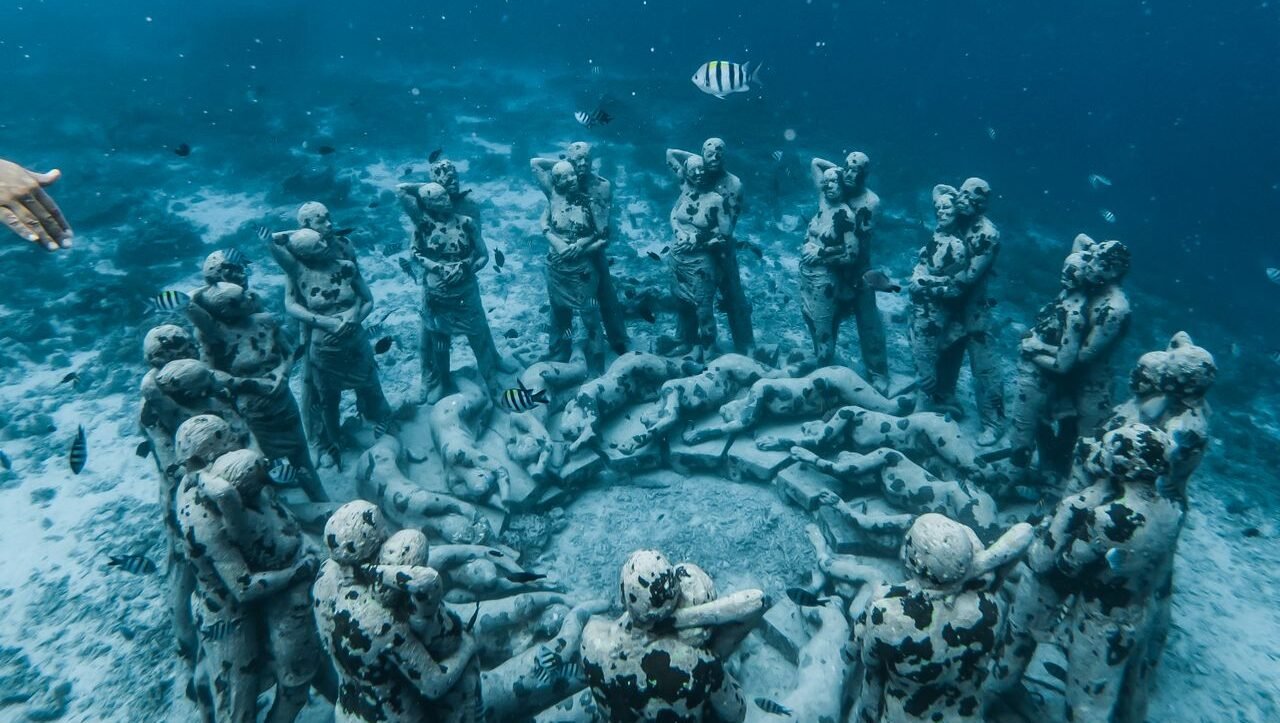
    ‘The Nest’ is one of the Gili Islands’ most distinctive landmarks. Located near Gili Meno, this underwater sculpture installation was created by a British artist, Jason deCaires Taylor in 2017. It features 48 life-sized human figures arranged in a circular formation on the seabed that symbolises the connection between humanity and nature.

    • Motorized Vehicle-free Environment:
    Unlike many popular island destinations, the Gili Islands have developed without conventional cars or motorbikes as part of everyday transport. Motorized vehicles such as cars, motorbikes and trucks are completely banned by local regulation across all three islands. To keep the islands quiet, safe, and free of pollution, the only way to get around is by walking, cycling or using a traditional horse-drawn cart (cidomo).

    Get to Know The Gili Islands

    Although the islands share similar tropical scenery, each has its own character. Choosing the right one can make a difference to the kind of holiday you enjoy.

    • Gili Trawangan:
    The largest and liveliest of the three islands, attracting travellers who enjoy a more social and active atmosphere, accompanied by a wider selection of accommodation, restaurants, beach bars and diving centres. The island is a good choice for groups of friends, solo travellers and anyone who wants plenty of activities alongside their beach holiday.

    • Gili Meno:
    This island is generally the quietest of the three islands. Its slower pace makes it appealing to couples and honeymooners who enjoys leisure beach walks, peaceful afternoons and snorkelling excursions. Visitors can also explore the underwater sculpture garden, ‘The Next‘.

    • Gili Air:
    Between the lively atmosphere of Gili Trawangan and the quieter setting of Gili Meno, this island offers a middle ground. It has beachside cafés, restaurants, accommodation and diving centres, while retaining a laid-back island feel. It is also the closest of the three islands to mainland Lombok.

    Things to Experience

    • Snorkel Around Coral Reefs and Sea Turtles:
    Join a guided boat trip to explore coral reefs and tropical fish or swim alongside wild green and hawksbill sea turtles feeding on seagrass. Some tours visit several spots around the three islands in a single trip, while others focus on particular areas.

    • Visit the Underwater Sculpture Garden:
    If you want an experience that feels different from a typical beach holiday, make time for The Nest near Gili Meno. The circle of human figures beneath the water creates an unusual sight, especially when viewed from above while snorkelling.

    • Try Island-Hopping:
    One of the best ways to appreciate the Gili Archipelago is to explore more than one island during your stay. Public boats and private transfers connect the islands, making it possible to visit all three in one trip. However, staying overnight allows you to explore at a more leisurely pace.

    (Reminder: Touching,chasing marine animals within the Gili Islands is

    📌 Fast Facts for Your Itinerary

    📍 Trip from Lombok: It takes just 5 to 15 minutes by speedboat from northern Lombok harbors, and about 45 minutes via the public slow ferry

    ⏰ Best Time to Visit: During the dry season from May to September that offers a balance of sunny weathers, calm sea and managable crowds.

    💡 Pro Tip: Always check your boat schedule since services can be affected by weather and sea conditions. Confirm your departure time and harbour in advance, and avoid booking a flight too soon after your return boat journey.

  • Fatahillah Museum: A Glimpse Into the History of Old Batavia

    Fatahillah Museum: A Glimpse Into the History of Old Batavia

    Want to explore a different side of Jakarta beyond its shopping malls and modern city skyline? Fatahillah Museum is a great place to start! Located in the historic Kota Tua district, this museum takes visitors back through the city’s past, from its early settlements and trading history to the colonial era and its development into Indonesia’s capital.

    Housed in a grand old building surrounded by historic streets and charming colonial architecture, the museum offers more than just a collection of old objects. It also provides a closer look at the events, cultures and influences that helped shape Jakarta into the bustling city it is today.

    The History Behind Fatahillah Museum

    Fatahillah Museum was built between 1707 and 1710 during Dutch colonial rule, when Jakarta was known as Batavia. The building originally served as the city’s town hall, handling administrative and judicial matters. Its grand design reflected Batavia’s importance as a major centre of Dutch colonial government.

    After serving various purposes over the years, the building was officially opened as the Jakarta History Museum on 30 March 1974. Today, it houses historical artefacts and archaeological collections that trace Jakarta’s development through different periods, allowing visitors to discover the stories behind the city and its colonial past.

    Highlights of Fatahillah Museum

    m.kumparan.com

    • Distinctive Dutch Colonial Architecture:
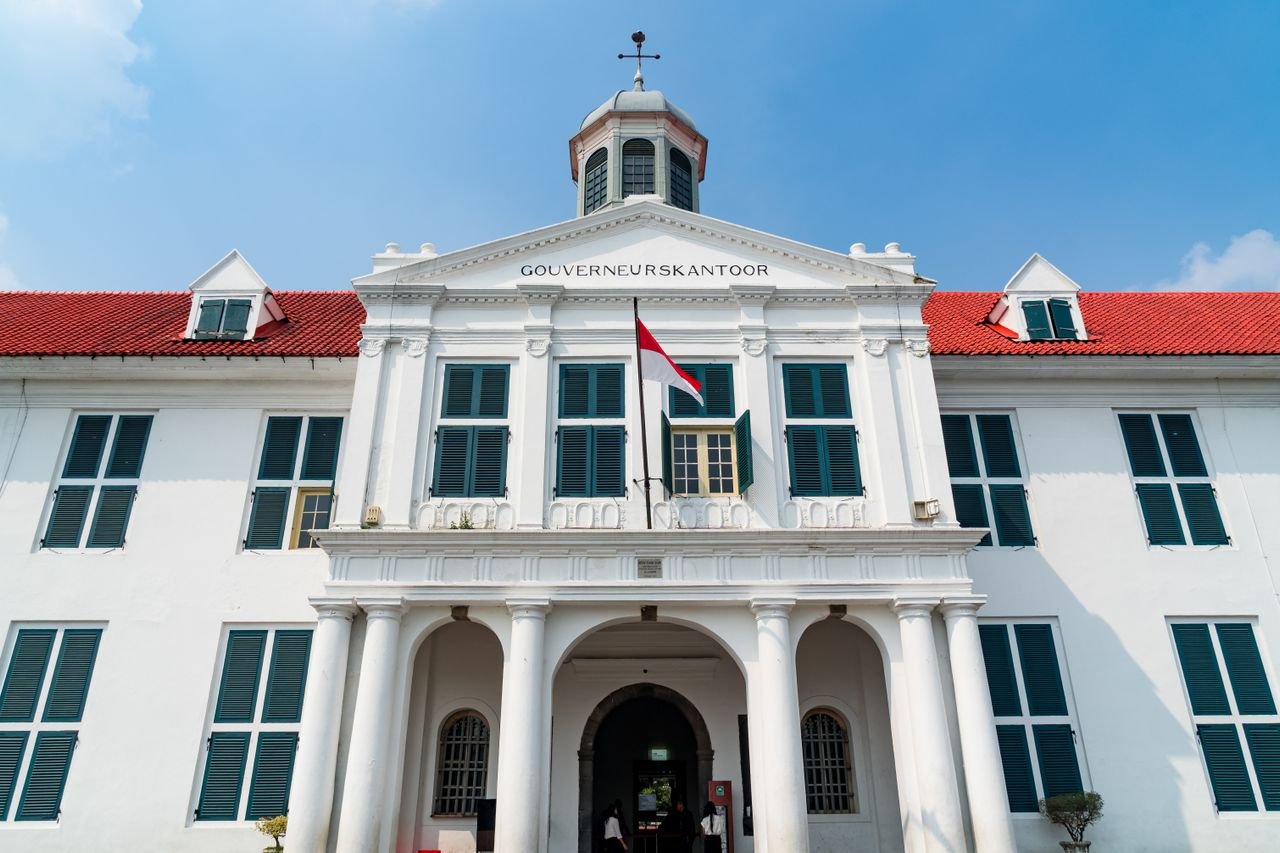
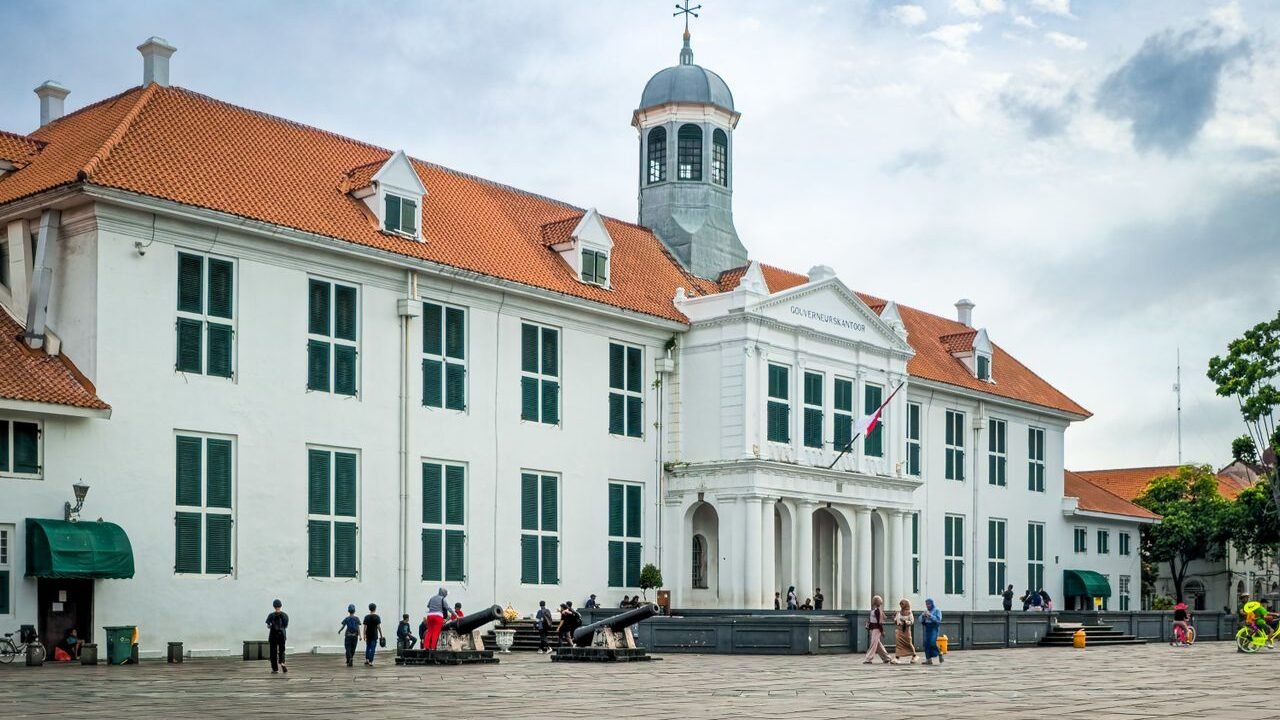
    The museum’s building is one of the most recognisable landmarks in Kota Tua. Its large façade, symmetrical layout, tall windows and central roof structure reflect the European architectural influences associated with colonial-era Batavia.

    • Antique Furniture and Historical Artifacts:
    Visitors can find a variety of objects that reflect the social and cultural life of earlier Jakarta, from antique furniture and ceramics to inscriptions and archaeological finds.

    • Underground Dungeons & Water Prisons:
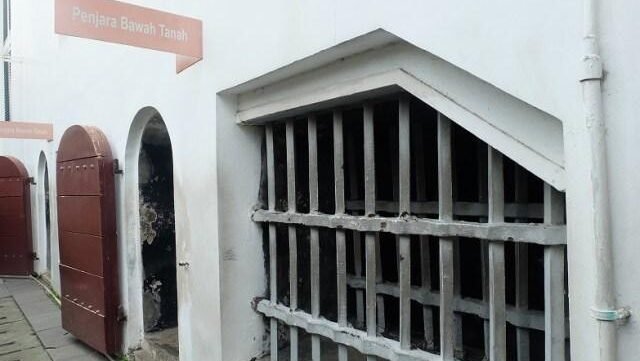
    This is one of the most memorable features of Fatahillah Museum that offers a glimpse into the harsher side of Batavia’s colonial history. Beneath the former town hall, visitors can witness the dark, cramped prison spaces where people were detained under Dutch rule.

    How to Get There

    wikipedia.com

    There are several ways to reach the museum:

    •By KRL commuter train: Travel to Jakarta Kota Station, then continue on foot towards the Kota Tua heritage district.
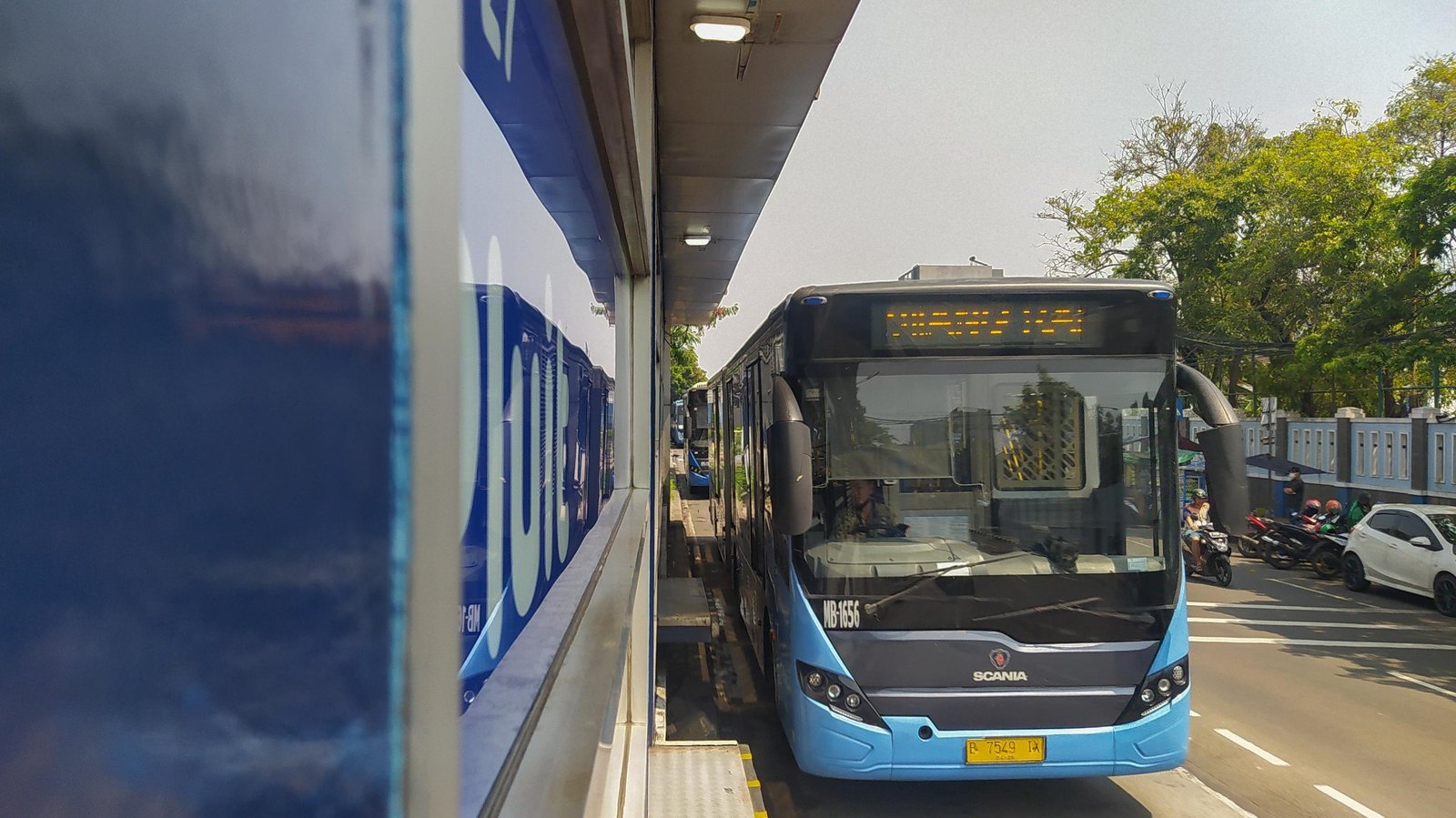
    •By TransJakarta bus: Use a route serving the Kota Tua area, such as Corridor 1, and follow local directions to the museum.
    •By taxi or ride-hailing service: Request drop-off near the museum or Taman Fatahillah. Traffic conditions can affect travel time.

    📌 Fast Facts for Your Itinerary

    📍 Location: Jalan Taman Fatahillah No. 1, Pinangsia, Taman Sari, West Jakarta, Indonesia.

    ⏰ Opening Hours: Tuesday to Sunday, 9:00 AM to 3:00 PM, and closed on Mondays. Checking the latest schedule before visiting is highly recommended since some listings may show different closing times on weekends

    📸 Pro-Tip: Confirm the museum’s photography rules with staff, especially if you plan to use professional equipment.

  • Bukit Jernih, Perlis: A Guide for Nature Lovers

    Bukit Jernih, Perlis: A Guide for Nature Lovers

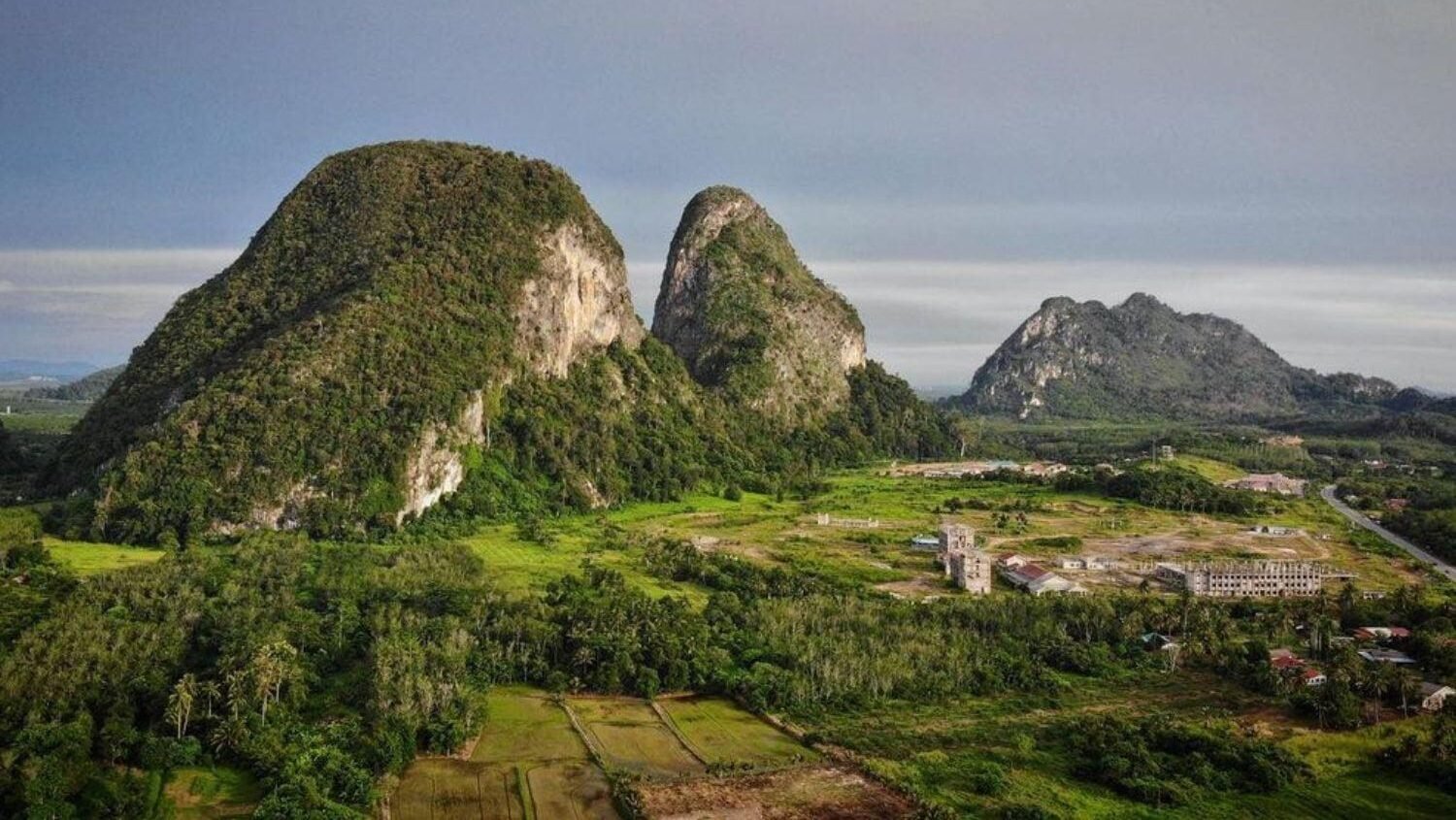
    Looking for a peaceful place to enjoy nature in Perlis? Bukit Jernih is a recreational destination worth adding to your travel list. Surrounded by greenery, limestone hills and the gentle flow of Sungai Jernih, this spot offers a refreshing break from busy city life. Whether you’re planning a family picnic or a relaxing outdoor outing, Bukit Jernih has something for you.

    Beyond its natural scenery, Bukit Jernih is also recognized for its geological features. Its limestone landscape, caves and rock formations make it an interesting destination for visitors who want to discover more about the natural history of Perlis.

    Why Is it Special?

    source: malaysia.travel

    • Recognized National Geoheritage:
    Bukit Jernih was identified as a potential geosite during geological heritage mapping in 2019 due to its distinctive limestone formations and geological features. Later, it became part of the Aspiring Perlis Geopark initiative, aimed to recognise and protect the state’s geological heritage.

    • Limestone Cave:
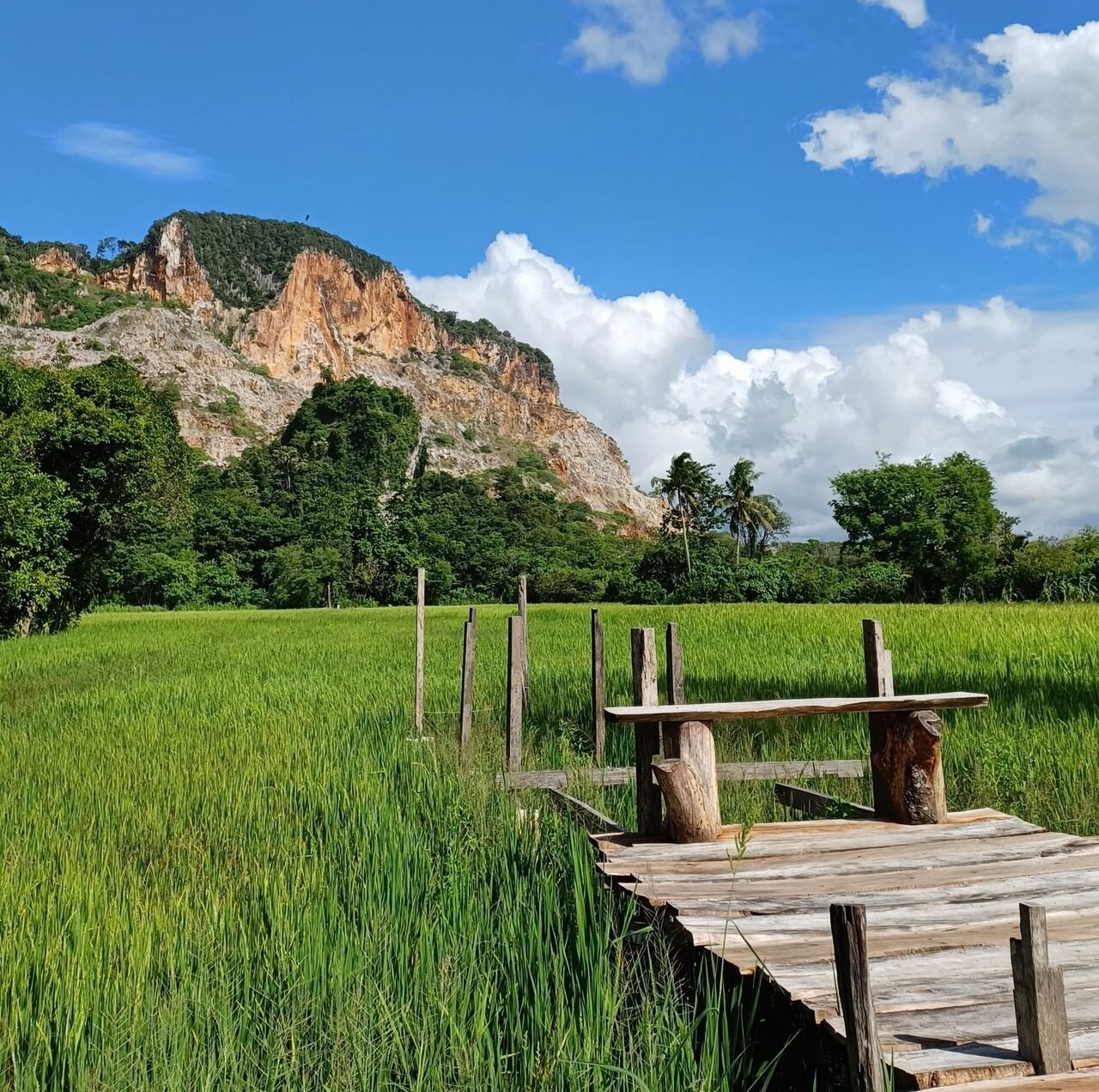
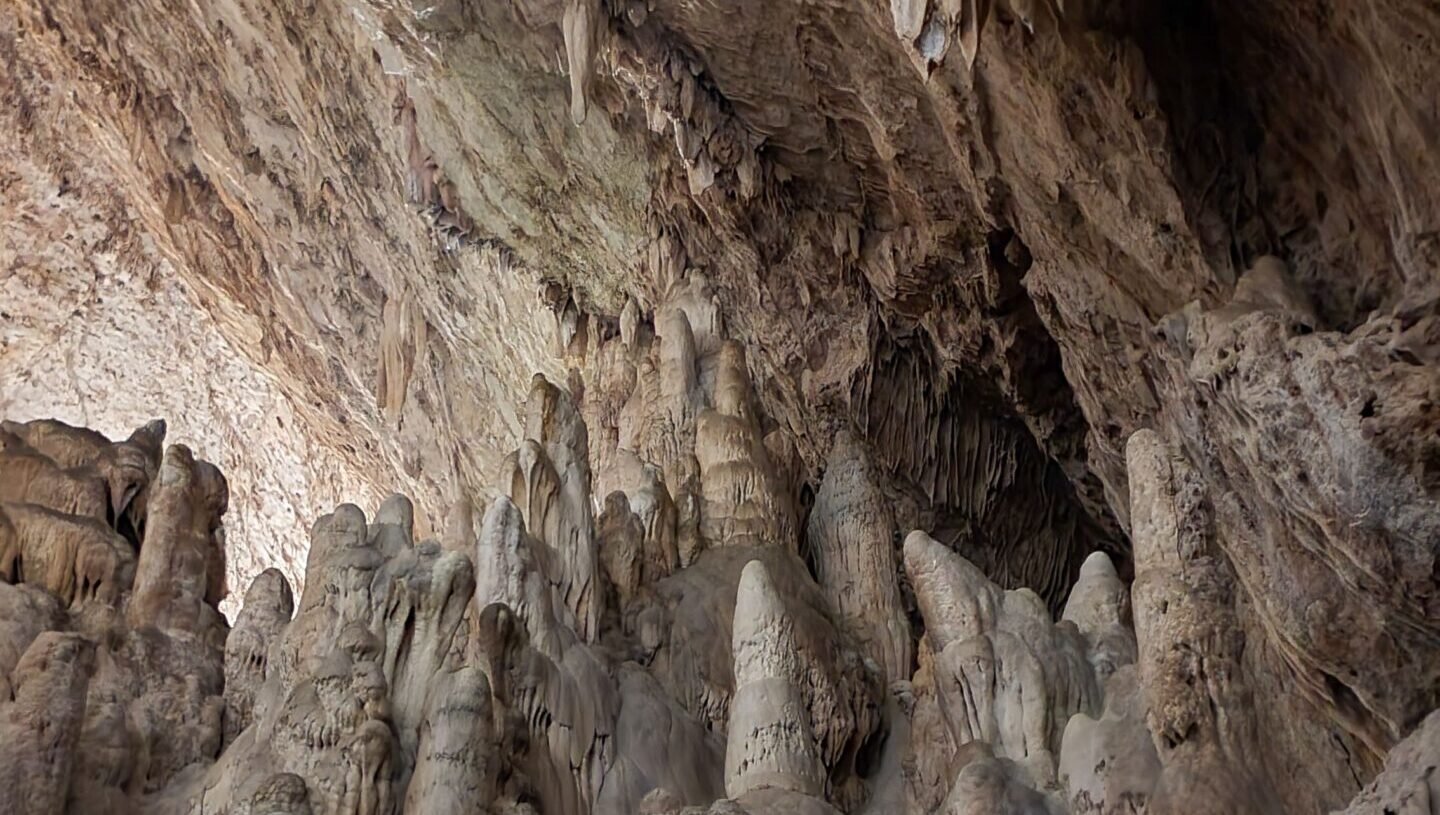
    The area features limestone caves and rocky formations shaped by natural processes over millions of years. These geological features reveal how water and weathering gradually transform limestone landscapes, giving Bukit Jernih its distinctive character.

    • Bukit Jernih Recreation Park:
    Bukit Jernih Recreation Park adds to the area’s appeal with its natural riverside setting. Surrounded by greenery and limestone scenery, the park provides a peaceful environment that reflects the close connection between the local landscape and the Jernih River.

    How to Enjoy Your Visit

    • Challenging Hiking Experience:
    Bukit Jernih offers opportunities for visitors who prefer a more active trip. Hiking trails and cave exploration allow you to discover the area from a different perspective, rewarding hikers with expansive panoramic views of Perlis’s signature green paddy fields and surrounding karst hills.

    • Limestone Cave Exploration:
    Another experience worth discovering at Bukit Jernih is the limestone cave exploration. The limestone landscape features cave passages that allow visitors to take a closer look at the geology of the rock formations.

    • Stroll Along Jernih River:
    For those who prefer something more laid-back, take your time walking along the Jernih River that flows through Bukit Jernih Recreation Park. You might even get the chance to witness the unique rock formation resembling the ‘Nenek Kebayan’ figure inside a small cave on the upper hill on your way there.

    How to Get There

    By Car

    Driving is a convenient option for reaching Bukit Jernih, particularly if you’re travelling with family. From Kangar town, follow your navigation app towards Taman Rekreasi Bukit Jernih.

    By Public Transport

    If you’re travelling by bus or train, plan your journey to Kangar or another nearby transport hub first. From there, arrange a taxi or e-hailing ride to Bukit Jernih, as public transport may not take you directly to the recreational area.

    📌 Fast Facts for Your Itinerary

    ⏰ Best Time to Visit: The dry season that runs from November to March for safer hiking and clear views, or early in the morning

    🎫 Caving Fee: Generally range from RM30 to RM60+ per person. Overall cost depends on whether you are looking for a basic permit/guide or a bundled activity package