
Watching traditional wooden sampans glide down narrow stone canals and listening to the soft, rhythmic strumming of Pingtan string music are classic eastern China travel experiences, but the ultimate window into the refined lifestyle of the Yangtze Delta sits just a short bullet-train ride away from Shanghai. Spreading across a historic network of ancient waterways, arched bridges, and whitewashed houses, the historic city of Suzhou is an extraordinary cultural masterpiece that has earned its global reputation as the “Venice of the East.”
Originally founded in 514 BC, this ancient water city grew into a sprawling commercial hub where wealthy scholars, silk merchants, and imperial officials built hundreds of hidden residential sanctuaries. If you are ready to slip behind the high white walls of classical UNESCO-listed gardens, drift beneath centuries-old stone bridges on a hand-paddled boat, and stroll down historic canal streets lit by red lanterns, here is why this breathtaking destination is an essential anchor for your Jiangsu itinerary.
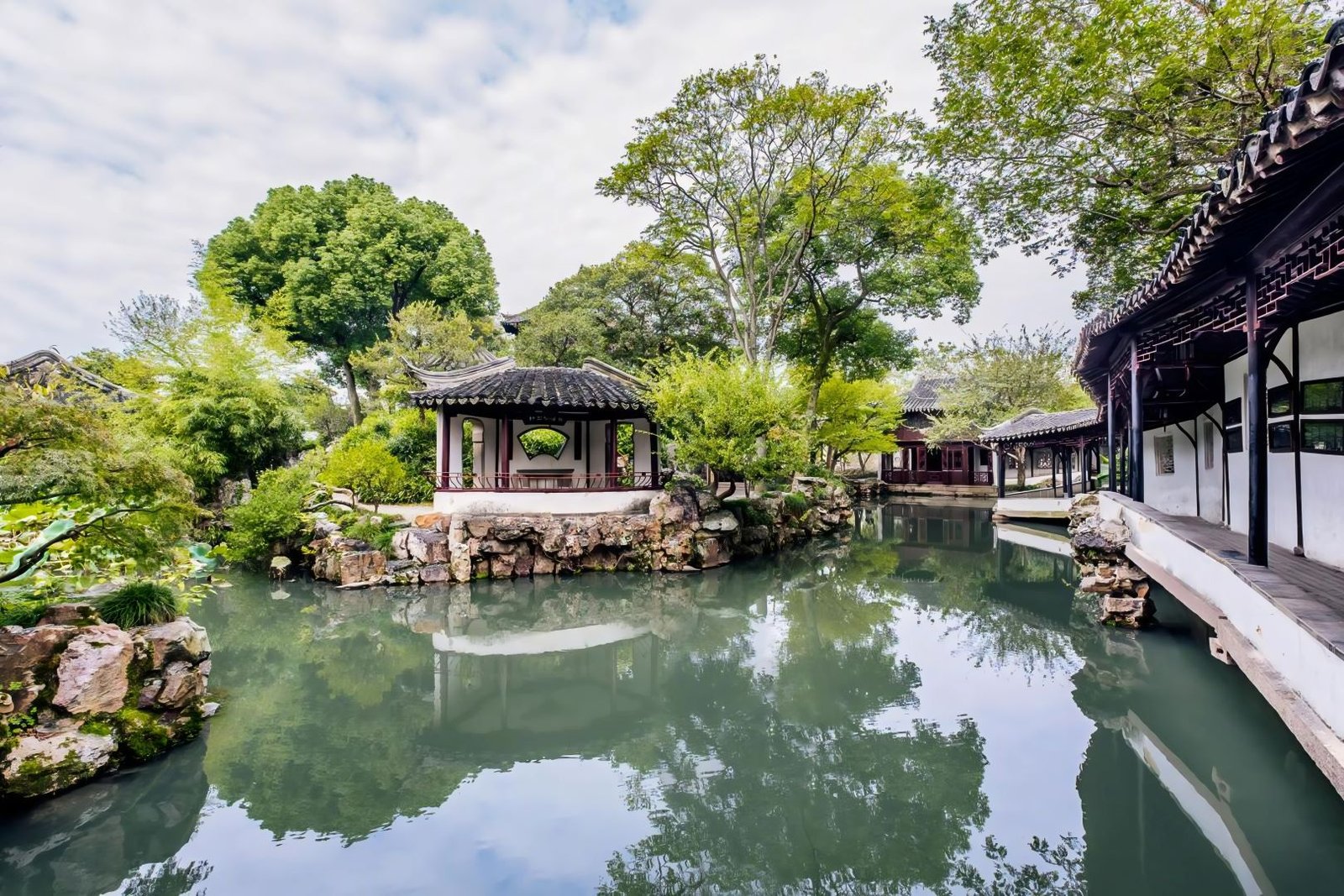
Suzhou is a brilliant urban design achievement that functions around a double-chessboard layout, where a network of roads runs completely parallel to a network of rivers. The entire old town layout is woven together by thousands of miles of narrow waterways that serve as the literal front yards for traditional homes, allowing residents to step straight out of their kitchens and onto the canal steps.
Stepping through the historic city gates reveals a space designed with absolute poetic harmony in mind. The city features winding flagstone lanes, meticulously arranged rockeries, clear reflecting ponds, and elegant viewing pavilions connected by covered zigzag walkways. To truly experience the dual nature of this ancient water hub, the city operates on a distinct day-to-night rhythm.
Visitors spend the quiet morning hours exploring the contemplative, static beauty of the classical scholar gardens, before taking to the bustling canal banks after dark to see the ancient water alleys burst into a lively scene of neon lights and glowing paper lanterns.
The Source of Its Allure
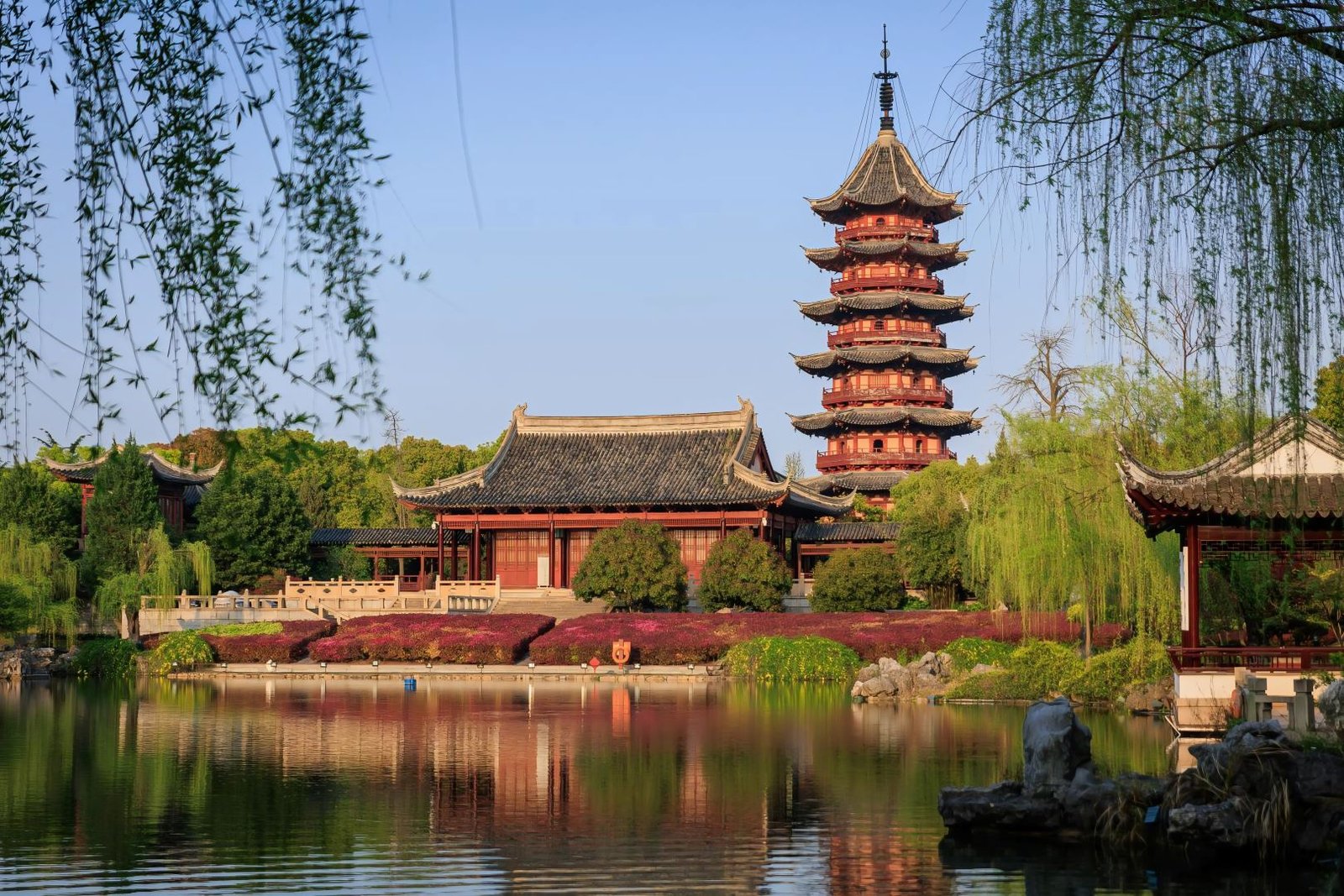
This legendary delta trading post captures the imagination of landscape architects, photographers, and slow-travel enthusiasts for several key reasons:
• The Classical Gardens Matrix:
Dominating the cultural landscape are the world-renowned scholar gardens, led by the massive Humble Administrator’s Garden (Zhuozhengyuan) and the intricate Lingering Garden (Liuyuan). These enclosed spaces use architectural tricks like “borrowed scenery” to make small courtyards feel like endless natural landscapes.
• The Ancient Panmen Water Gate:
Standing at the southwestern edge of the old city canal is the world’s only surviving land-and-water city gate. This massive 2,500-year-old fortress features dual passes that allow both infantry troops and military boats to be checked before entering the city.
• The Leaning Tiger Hill Pagoda:
Perched on a historic hillside north of the center is the Yunyan Pagoda, a stunning seven-story octagonal brick tower. Built during the Song Dynasty, the massive structure has tilted noticeably over the centuries due to shifting soil, earning it fame as China’s own Leaning Tower.
💡 Read Next: Ready to trade the peaceful, weeping-willow canal paths and traditional stone bridges of China’s ‘Venice of the East’ for the ultimate symbol of imperial power? Head north to Beijing to step inside the massive red walls, sprawling courtyards, and golden-roofed palaces of the legendary Forbidden City!
Activities You Can Experience
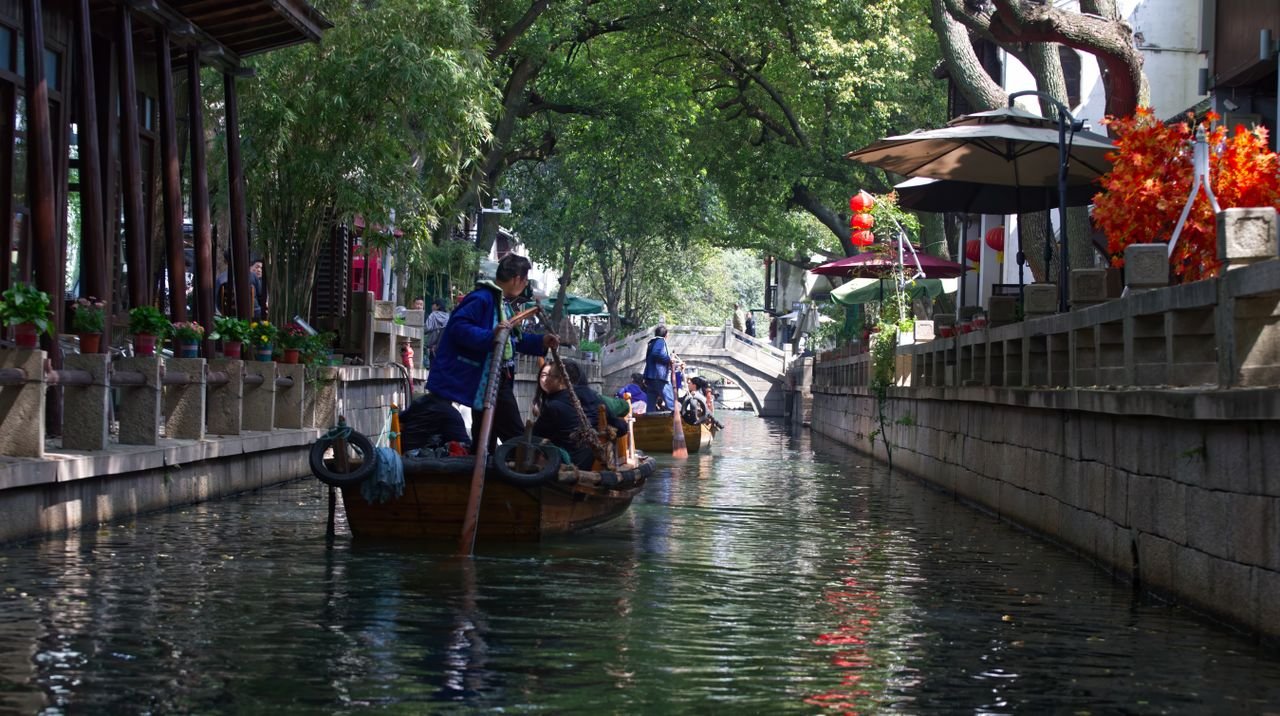
A standard journey through the historic water alleys takes a full day and allows you to seamlessly explore a sequence of dedicated zones:
• The Pingjiang Road Historic Block:
Spend your midday strolling along a beautifully preserved 800-year-old stone canal street lined with traditional tea houses, silk boutiques, and street food stalls selling sweet osmanthus cakes.
• The Shantang Street Canal Walk:
Head northwest to explore a vibrant, bustling riverside market area that looks exactly like a traditional Chinese ink painting, especially when the waterside lanterns turn on at dusk.
• The Master of the Nets Garden:
Visit this smaller, masterfully designed night garden to catch intimate, live performances of classical Kunqu opera staged inside the open-air pavilions under the moonlight.
To get a perfect layout of the city’s historic districts before you go, check out this Suzhou travel tour by Jemma’s Home over on YouTube.
📌 Fast Facts for Your Itinerary
📍 Address: Gusu District (Old Town Area), Suzhou, Jiangsu, China
⏰ Operating Hours: The historic streets and canals are open 24 hours daily. The major classical gardens and historic sites like Tiger Hill generally open from 7:30 AM – 5:30 PM
🎫 Admission Ticket Prices: Wandering the historic canal streets like Pingjiang Road is completely free. Individual garden tickets vary by season; entry to the Humble Administrator’s Garden ranges from RMB 70 to RMB 90 depending on peak months.
🔒 Real-Name Booking & Garden Regulations: To protect the fragile historic structures, all major classical gardens enforce strict daily visitor caps. International travelers must book their entry slots online in advance using their passport numbers, which are then scanned directly at the turnstiles for entry.
⚠️ How To Navigate Your Way: While Suzhou is highly modern, the old town canal districts are a strict pedestrian maze of stone bridges and narrow paths where cars cannot enter. Prepare for intensive walking over arched stone stairs, and ensure you download a digital navigation map that works offline, as it is incredibly easy to lose your bearings in the winding, identical water-alley loops.






Leave a Reply