
Trading the towering modern steel skyscrapers of central Jakarta for a walk down the narrow, spice-scented alleyways of the old city center unveils a completely different side of the Indonesian capital. Dating back to the Dutch colonial era of the 1740s, Glodok Chinatown is the oldest and largest Chinese enclave in Indonesia, serving as a high-energy maze of historic temples, hidden wet markets, and legendary culinary gems.
Anchored beautifully right on the edge of the old Batavia district, this lively neighborhood has completely revitalized its heritage infrastructure. Fusing deep Peranakan culture with vibrant modern street-style community squares, it is a bustling, aromatic playground where old-school medicine shops sit right beside trendy, youth-led coffee bars.
If you are ready to wander down secret food alleys, stand inside incense-filled shrines built centuries ago, and dive into Jakarta’s best street food, here is why Glodok deserves a premier spot on your itinerary.
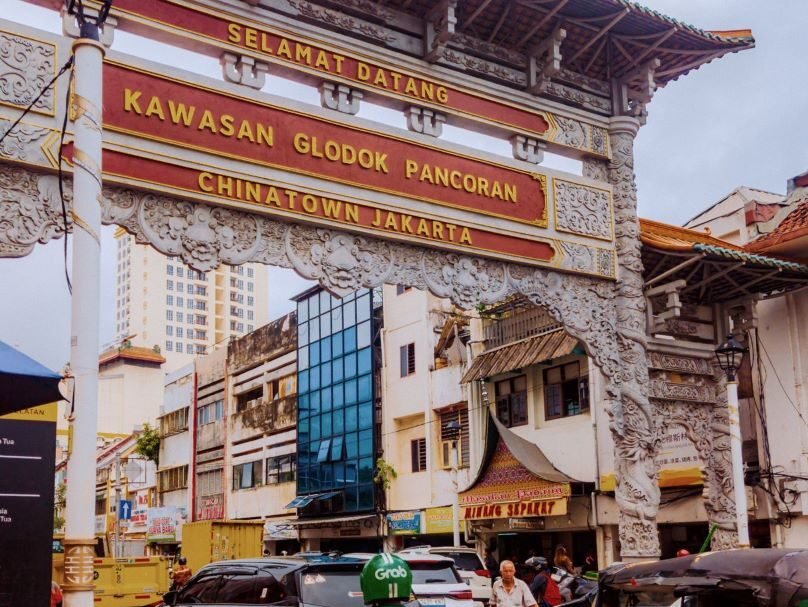
Glodok Chinatown is a thrilling, multi-sensory journey through time that stands out sharply against Jakarta’s glassy corporate blocks. The district was originally created by the Dutch East India Company following the historical unrest of 1740, confining the city’s Chinese population to this commercial pocket outside the old walled city.
Stepping into the neighborhood today rewards you with an incredibly fluid architectural and cultural tapestry. The main thoroughfare of Jalan Pancoran is a lively, open-air marketplace filled with red-tiled roofs and strings of lanterns. Ducking off the main road pushes you directly into tight, historic wet markets like Petak Sembilan, where vendors trade everything from fresh herbal teas and exotic produce to traditional calligraphy brushes, while the deep, comforting hum of chanting monks echoes from nearby Taoist and Buddhist sanctuaries.
The Reasons Behind Its Hype
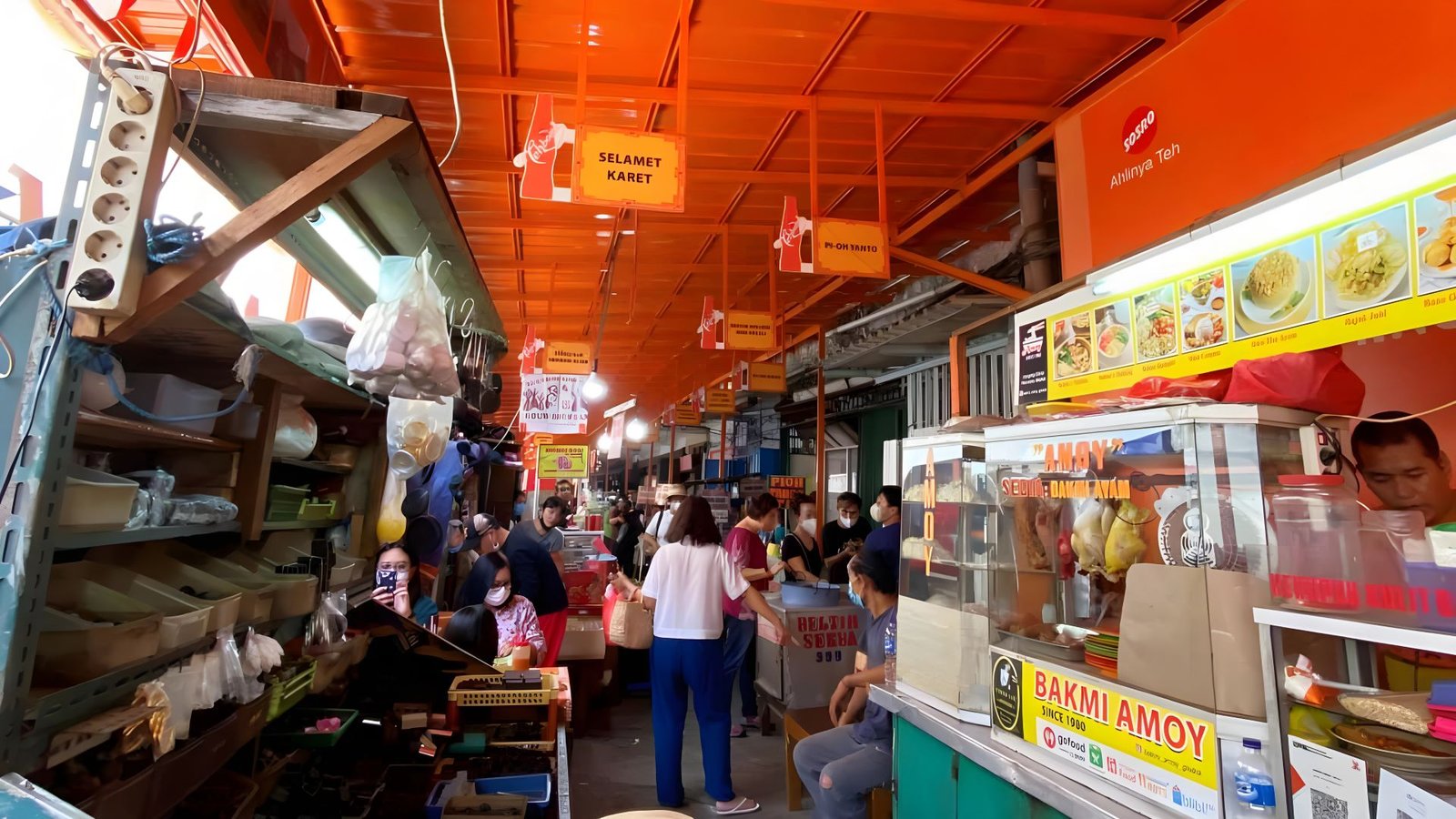
This historic cultural enclave continuously captures the imagination of foodies, photographers, and history buffs for several key reasons:
• The Ultimate Fusion Food Hub:
Glodok is universally legendary for its culinary diversity. It serves as a living archive of Chinese-Indonesian (Peranakan) cuisine, where centuries-old family recipes are prepared side-by-side with local Betawi street snacks.
• The Petak Enam Revival:
Keeping the neighborhood highly attractive for younger travelers, the community recently launched Petak Enam di Kalilio—a gorgeous, open-air heritage courtyard built inside an old building. It blends classic Chinese architecture with modern indie food stalls, live acoustic music, and highly photogenic design corners.
• The Upgraded Glodok MRT Station:
Navigating to this historic northern zone has become incredibly fast and smooth. With the continuous multi-phase expansion of the Jakarta MRT system, travelers can easily hop on a train from central areas like Bundaran HI and step off right into the heart of the Chinatown precinct, completely bypassing Jakarta’s notorious street traffic. Feel free to review the official MRT Jakarta portal to look up live fares, train frequencies, and network maps to plan your journey.
💡 Read Next: Ready to trade the sensory food alleys and vibrant red temples of Jakarta’s Chinatown for a majestic, translucent marvel floating on a massive lake? Head east across Java to explore our ultimate guide to Bandung’s futuristic Masjid Raya Al-Jabbar!
What You Can Experience Here
Structuring your morning or late afternoon walking tour across the district yields a stellar sequence of cultural and lifestyle stops:
• Pay Respects at Jin De Yuan (Vihara Dharma Bhakti):
Settle into the district’s oldest Taoist temple, built originally in 1650. It remains the spiritual heart of the community, featuring gorgeous sweeping roof ridges and elaborate wood carvings wrapped in columns of soothing incense.
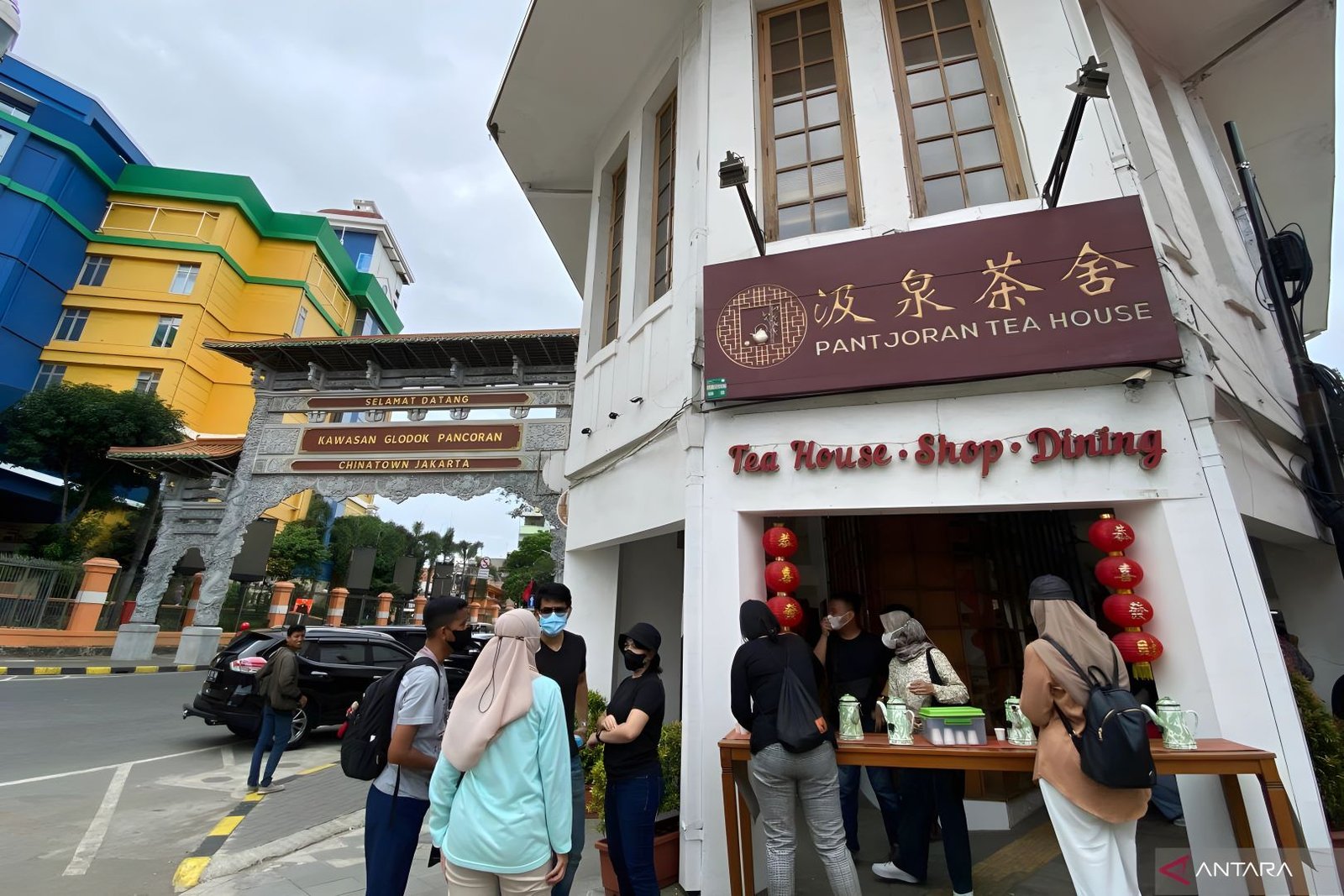
• Sip History at Pantjoran Tea House:
Stop right at the gateway corner to visit this beautifully restored historic building. True to a decades-old neighborhood tradition known as Patekoan, the tea house sets out free pots of hot herbal tea outside its doors daily for parched travelers and workers passing by. Click here to read the Glodok’s fascinating and deeply satisfying background story that will definitely enrich your visit.
• Explore the Gang Gloria Food Trail:
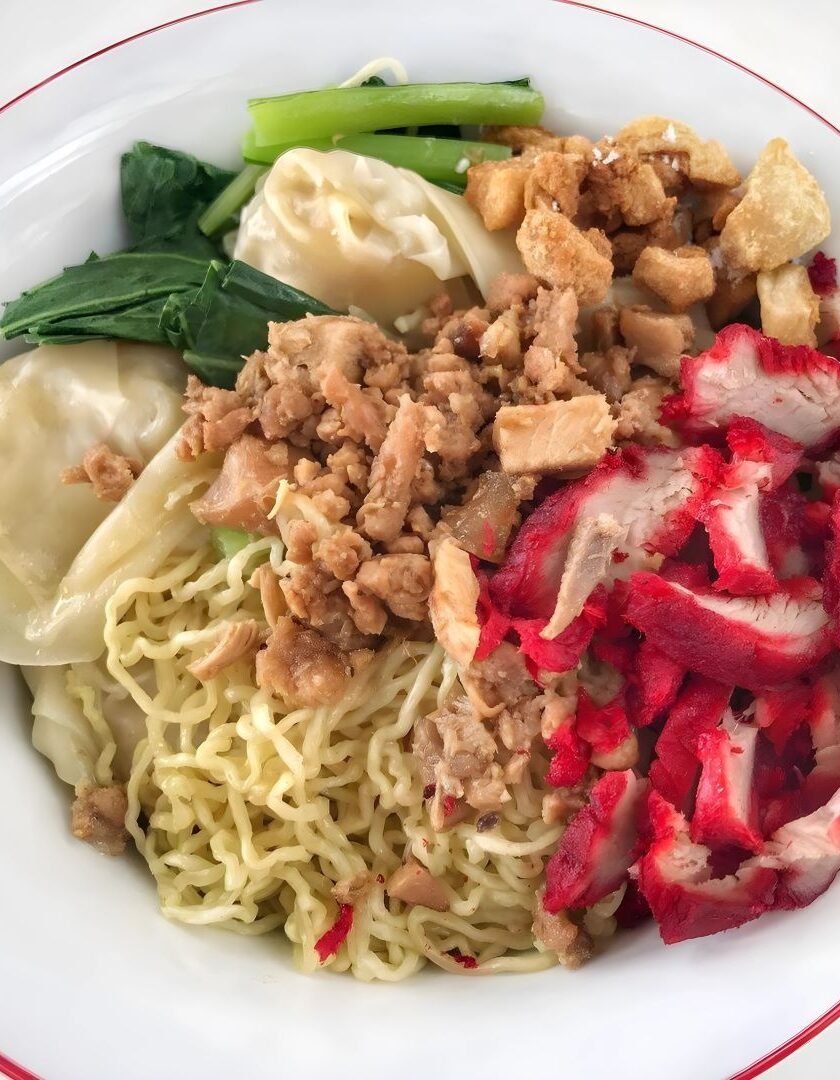
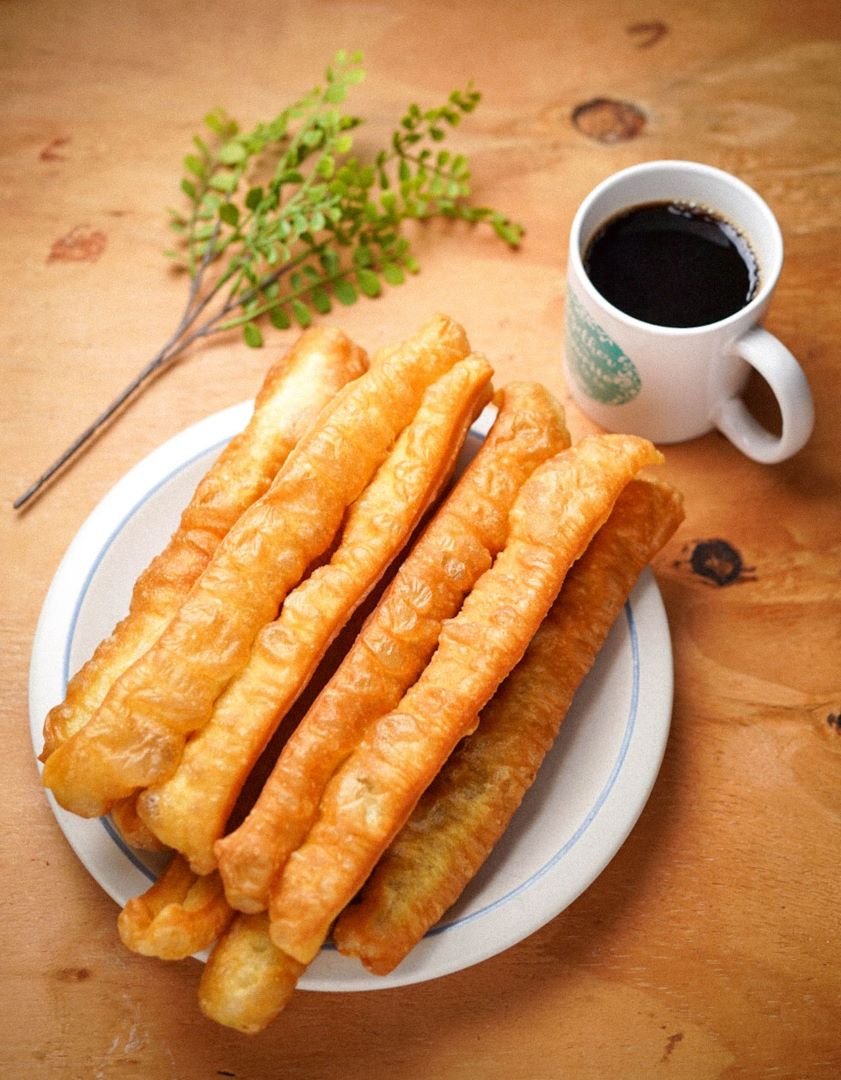
Squeeze into Gang Gloria, the absolute holy grail for Jakarta street food hunters. Here, you can sample legendary culinary items like Bakmie Amoy (savory tossed noodles), crisp Cakwe (fried dough twists), and the iconic, robust brew at Kopi Es Tak Kie—a legendary coffee shop serving locals since 1927.
📌 Fast Facts for Your Itinerary
📍 Address: Jl. Pancoran, Glodok, Taman Sari, Kota Jakarta Barat, DKI Jakarta 11120, Indonesia
⏰ Operating Schedule: While the historic temples generally welcome visitors from 6:00 AM to 4:00 PM, the street food stalls along Jalan Pancoran and the modern lifestyle hubs like Petak Enam stay vibrant and active from 8:00 AM until 9:00 PM daily.
🎫 Admission Fee: Walking through the Chinatown arches, exploring the markets, and entering the historic temple courtyards is 100% free for everyone.
🥾 Pro-Tip: Glodok is best explored completely on foot, and the alleys can get highly chaotic with scooters and market carts. Plan your visit for early morning to beat the midday tropical heat, wear comfortable walking shoes with good grip, and ensure you keep plenty of small Indonesian Rupiah (IDR) cash notes on hand, as many traditional food vendors in Gang Gloria prefer cash over digital cards!





Leave a Reply