
Feasting on ocean-fresh seafood along the Padang beach esplanade and watching the waves roll in from the Indian Ocean are incredible coastal experiences, but the true majestic soul of West Sumatra lies high up in the mountains. Anchored beautifully across the highland plains, the Minangkabau Heartland is a breathtaking region defined by soaring buffalo-horn architecture, legendary spicy culinary arts, and the world’s largest thriving matrilineal society.
Stretching from the bustling transit hub of Padang up into the historic mountain towns of Bukittinggi and Batusangkar, this cultural powerhouse has beautifully preserved its ancient customary laws (Adat). It is an incredibly rich, misty playground where grand timber palaces sit proudly against active volcanic peaks. You can check out the comprehensive region profiles on the Official Indonesia Tourism West Sumatra Guide.
If you are ready to stand inside a matriarchal longhouse, trace the origins of the world’s most famous beef rendang, and witness mind-bending martial arts, here is why this Sumatran sanctuary deserves a premier spot on your itinerary.
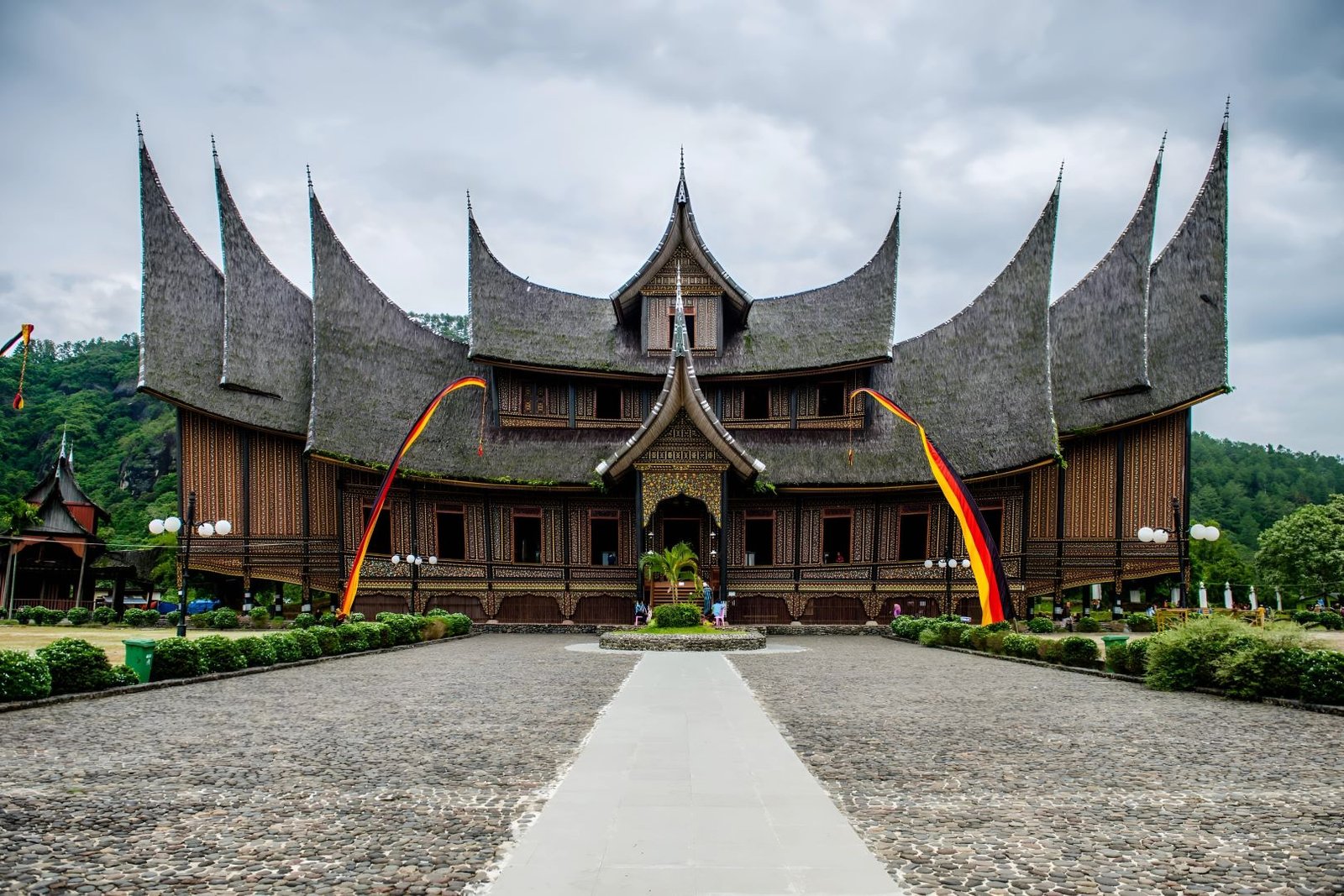
The Minangkabau culture treats architecture as a fluid canvas of tribal history and deep respect for nature. The defining visual marvel of the region is the Rumah Gadang (Big House), a traditional clan residence built completely out of weather-resistant hardwoods without using a single iron nail, designed to flex safely during earthquakes.
Stepping onto a palace compound allows you to appreciate its spectacular silhouette. The roofs sweep dramatically upward into sharp, curved peaks modeled directly after the horns of a water buffalo (gonjong), commemorating a legendary historical victory where a clever local buffalo outsmarted an invading kingdom’s giant beast.
The outer timber panels are covered in extensive geometric wood carvings painted in royal gold, crimson, and black, with each floral pattern symbolizing a specific moral lesson from the community’s ancestral laws.
The Secret Behind Its Appeal
This highland cultural pocket continuously captures the fascination of anthropologists, foodies, and eco-travelers for several massive reasons:
• The Matriarchal Kingdom:
The Minangkabau proudly stand as the largest matrilineal society on Earth. Property, family names, and ancestral land pass directly from mothers to daughters. You can read a thorough anthropological breakdown of this dynamic on the Britannica Minangkabau History and Matrilineal Culture Page. While men manage political and religious spheres, the women hold absolute veto power over tribal assets, ensuring an incredibly balanced, communal framework.
• The True Home of Rendang:
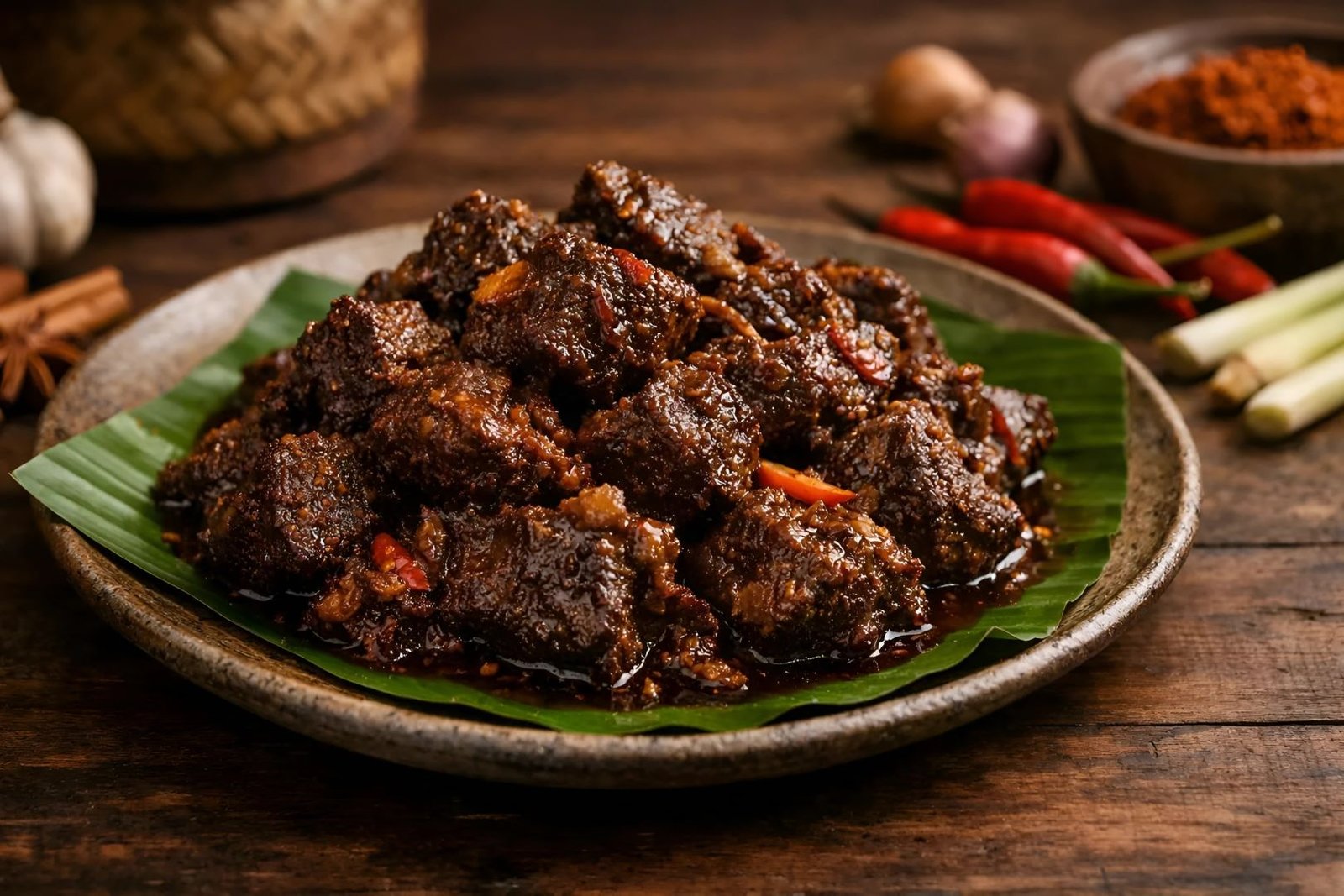
Padang is the undisputed culinary capital of Indonesia. It is the birthplace of Nasi Padang and Beef Rendang—slow-simmered for hours in rich coconut milk and local spices until it achieves a deep, dark caramel texture. The unique Hidang service style relies on waiters stack-serving dozens of dynamic plates right onto your table, charging you only for what you eat.
• The Sianok Geo-Park Extension:
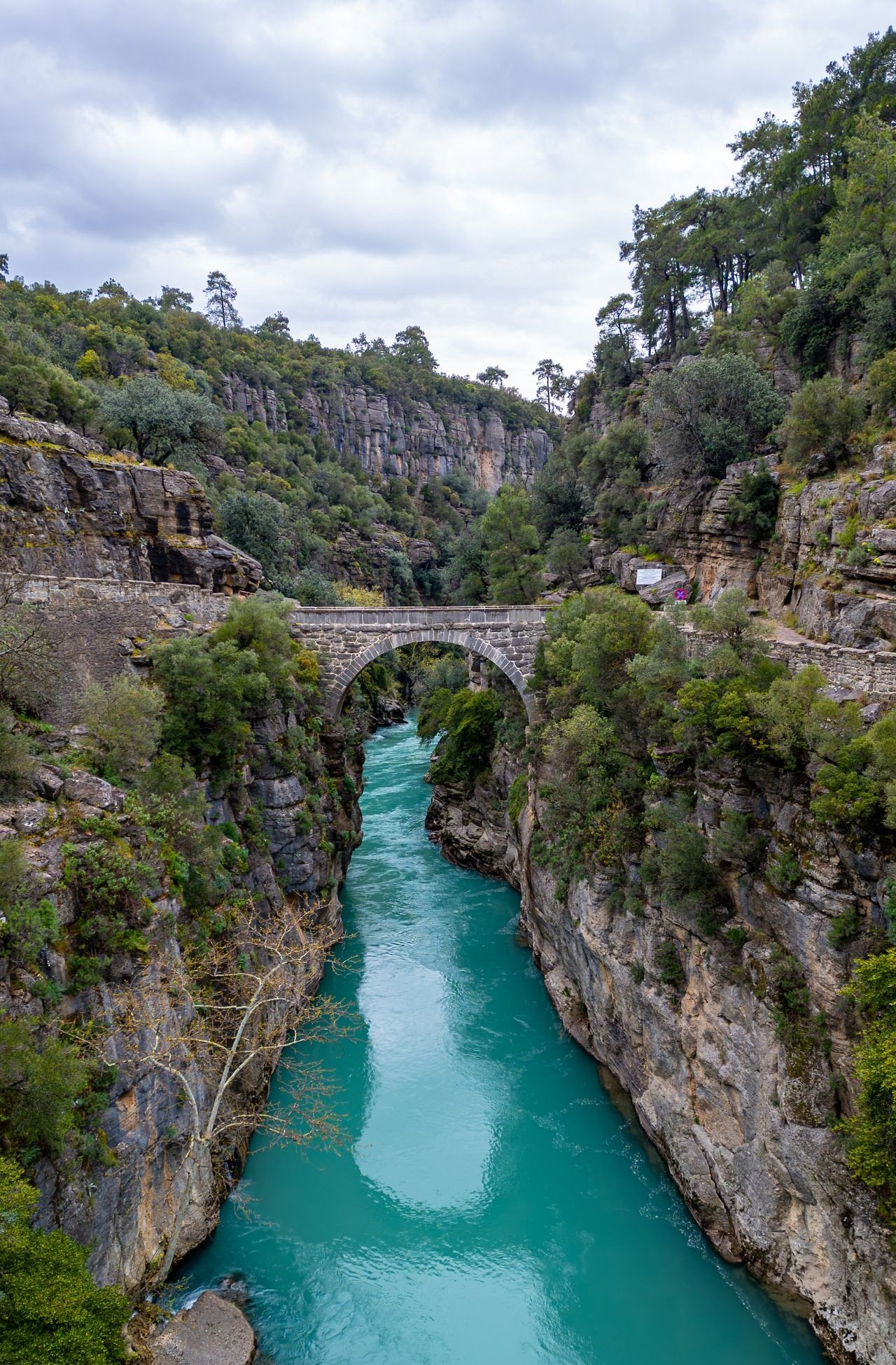
The region has seen a massive surge in modern eco-tourism. The dramatic canyon landscapes of Sianok Gorge have been thoroughly integrated into the West Sumatra Geo-Park trail framework, giving travelers premium access to world-class hiking, mountain biking, and volcanic sightseeing loops. Plan your hiking or volcanic sightseeing routes through the official Indonesia Travel West Sumatra Hub.
💡 Read Next: Ready to trade the high-altitude spired roofs and spicy rendang kitchens of West Sumatra for the aromatic lanes and red lanterns of Java’s oldest cultural enclave? Head south to explore our ultimate guide to Jakarta’s historic Glodok Chinatown!
Local Highlights and Attractions
Structuring your overland route from the coast into the mountains yields a spectacular sequence of cultural and natural stops:
• Marvel at Istano Basa Pagaruyung:
Head to Batusangkar to explore this colossal, three-story replica of the grand royal palace. Settle inside its grand galleries to admire royal thrones, hand-woven songket silk drapes, and an incredible collection of historic weapons.
• Explore Bukittinggi’s Clock Tower (Jam Gadang):
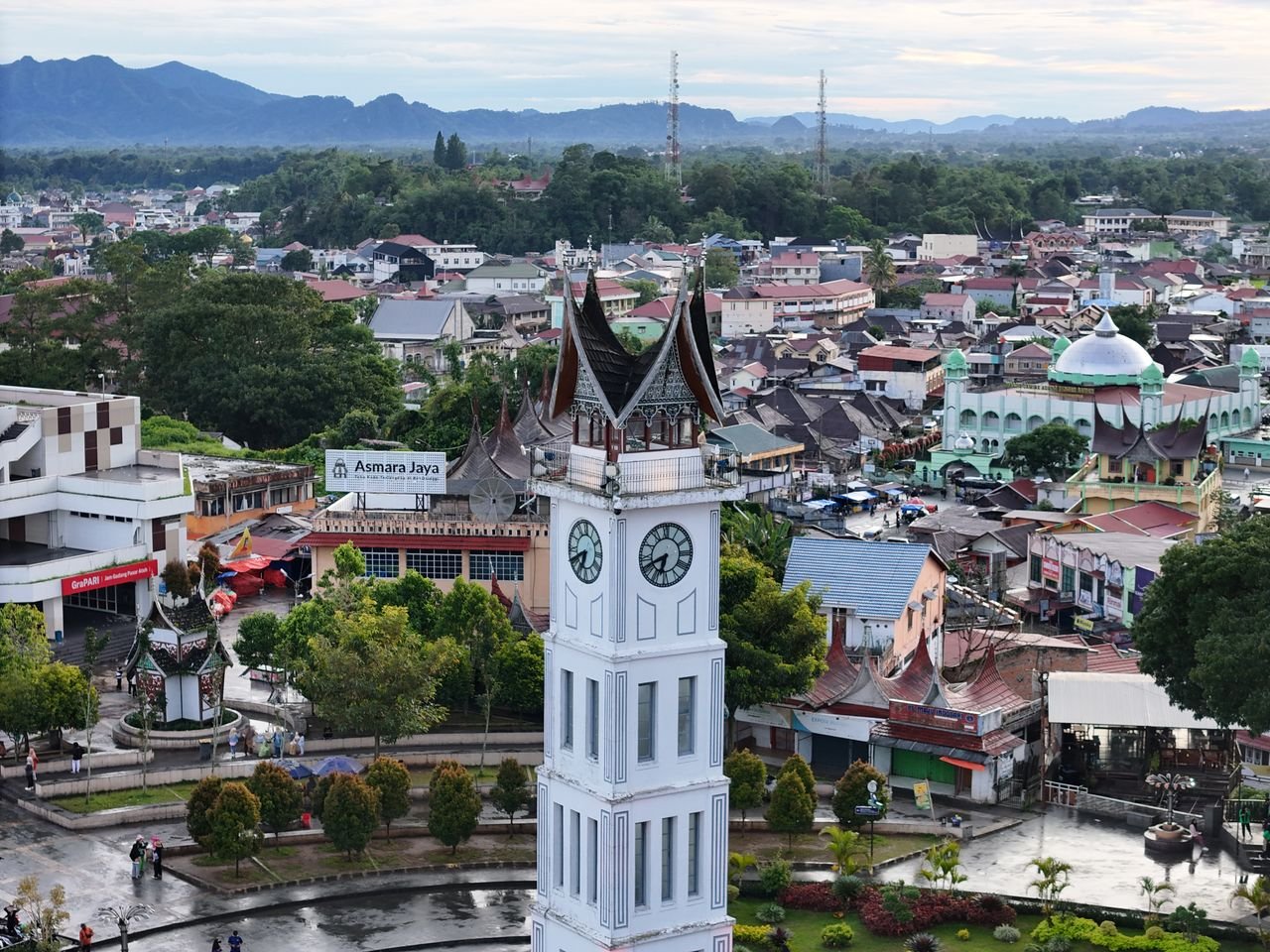
Stop right in the center of the mountain capital to view its iconic 1926 clock tower, topped with a gorgeous Minangkabau roof. The surrounding plaza is a lively community hub lined with local markets selling authentic embroidery.
• Catch the Thrilling Tari Piring:
Arrange a cultural evening showcase to witness the spectacular Plate Dance. Dancers move with dizzying speed while balancing ceramic plates on their open palms, culminating in a dramatic finale where they leap barefoot directly onto piles of jagged, broken glass shards without taking a single scratch!
📌 Fast Facts for Your Itinerary
📍 Gateway Location: Minangkabau International Airport (PDG), Ketaping, Padang Pariaman Regency, West Sumatra
⏰ Best Time to Visit: The highlands are incredibly lush all year round; however, aiming for the dry months between May and September ensures clear mountain roads and optimal visibility for trekking through the gorges.
🎫 Admission & Museum Tariffs: Exploring the towns and public plazas is completely free. Mandatory entry donations for major historical palaces like Pagaruyung are priced around IDR 15,000 to IDR 25,000 (approx. RM4 to RM7) for domestic visitors and international travelers alike.
🥾 Pro-Tip: The mountain roads winding from Padang up to Bukittinggi are notoriously steep, narrow, and prone to heavy tropical rain fog. Skip the stress of public buses and hire a private local driver for your overland loop—it is incredibly affordable, ensures maximum safety, and lets you pull over instantly whenever you spot a beautiful spired roof cutting through the morning mist!




Leave a Reply