
A dramatic ribbon of dark basalt palaces trimmed with gleaming white quartz cascades down the emerald slopes of the Sarawat Mountains, signaling your arrival at a breathtaking highland outpost. Tucked deeply away in the southwest of the kingdom, the Rijal Almaa Heritage Village stands as the ultimate crown jewel of Asiri culture, famous globally for its vertical stone architectures that resemble real-life gingerbread houses.
Dating back more than 900 years, this fortified highland settlement once served as a powerful economic crossroads along ancient regional trade routes connecting the Levant, Mecca, and Yemen. The village has earned premier international praise from UN Tourism and sits proudly on Saudi Arabia’s UNESCO tentative list due to its incredible survival and flawless preservation.
Climbing through narrow stone corridors, admiring the brilliant geometric interior murals hand-painted by local women, and breathing in the cool, moisture-rich mountain air make this spectacular mountain fortress an essential anchor for your southern Saudi itinerary.
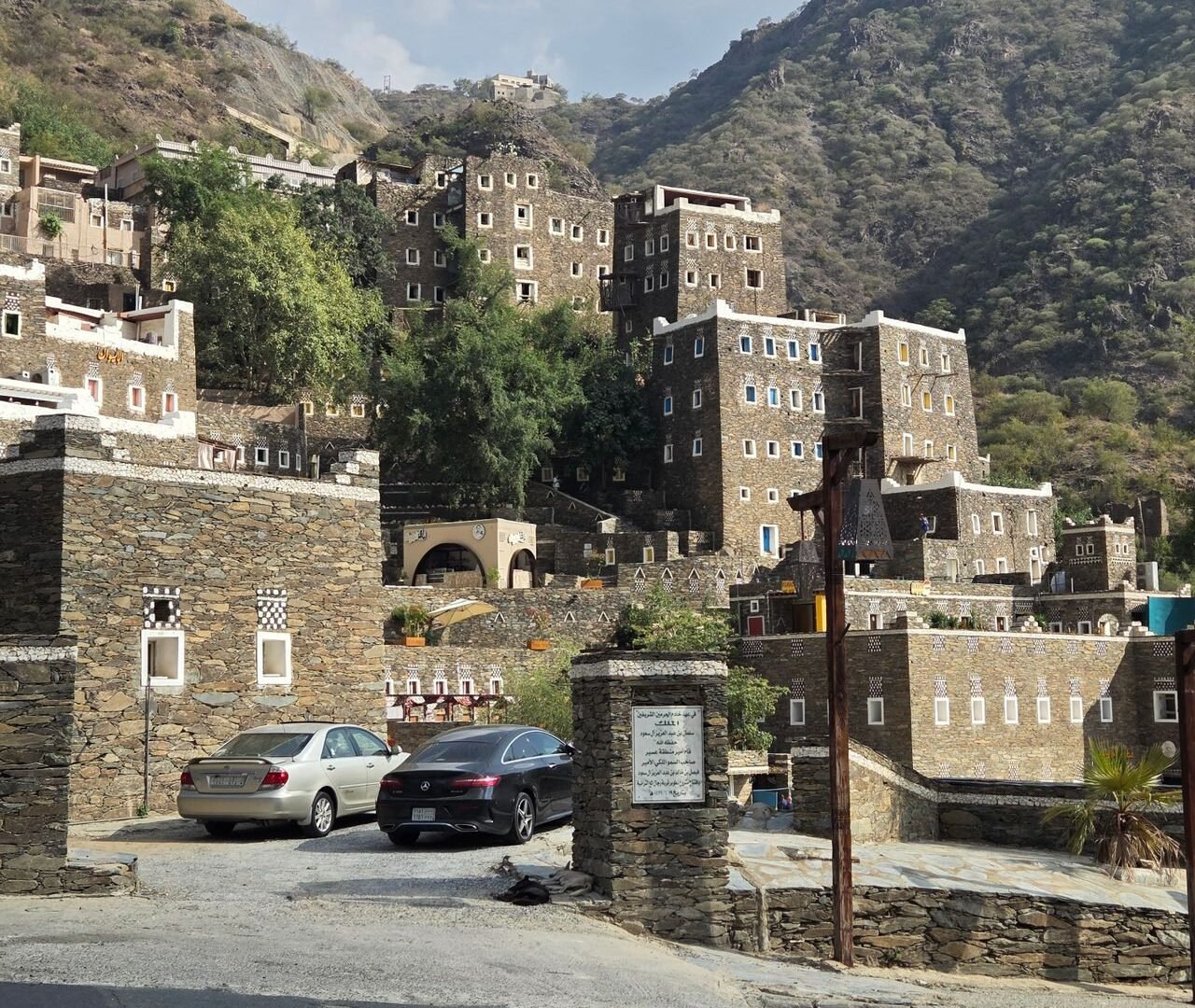
Mastery of local mountain topography is evident in the way these massive stone towers cling tightly to the steep rock faces. Local tribes laboriously built the collection of roughly 60 multi-story palaces using heavy regional basalt rocks, binding them with clay and framing the windows with aromatic juniper wood.
The most striking feature is the brilliant white quartz stone inlaid delicately around the windows and roof lines, creating a beautiful contrast against the dark mountain stone. Travelers schedule their arrival for the mid-afternoon hours, timing their exploration perfectly to capture the soft, shifting sunlight as it illuminates the geometric facades before the mountain fog rolls across the peaks at dusk.
Reasons Behind Its Appeal
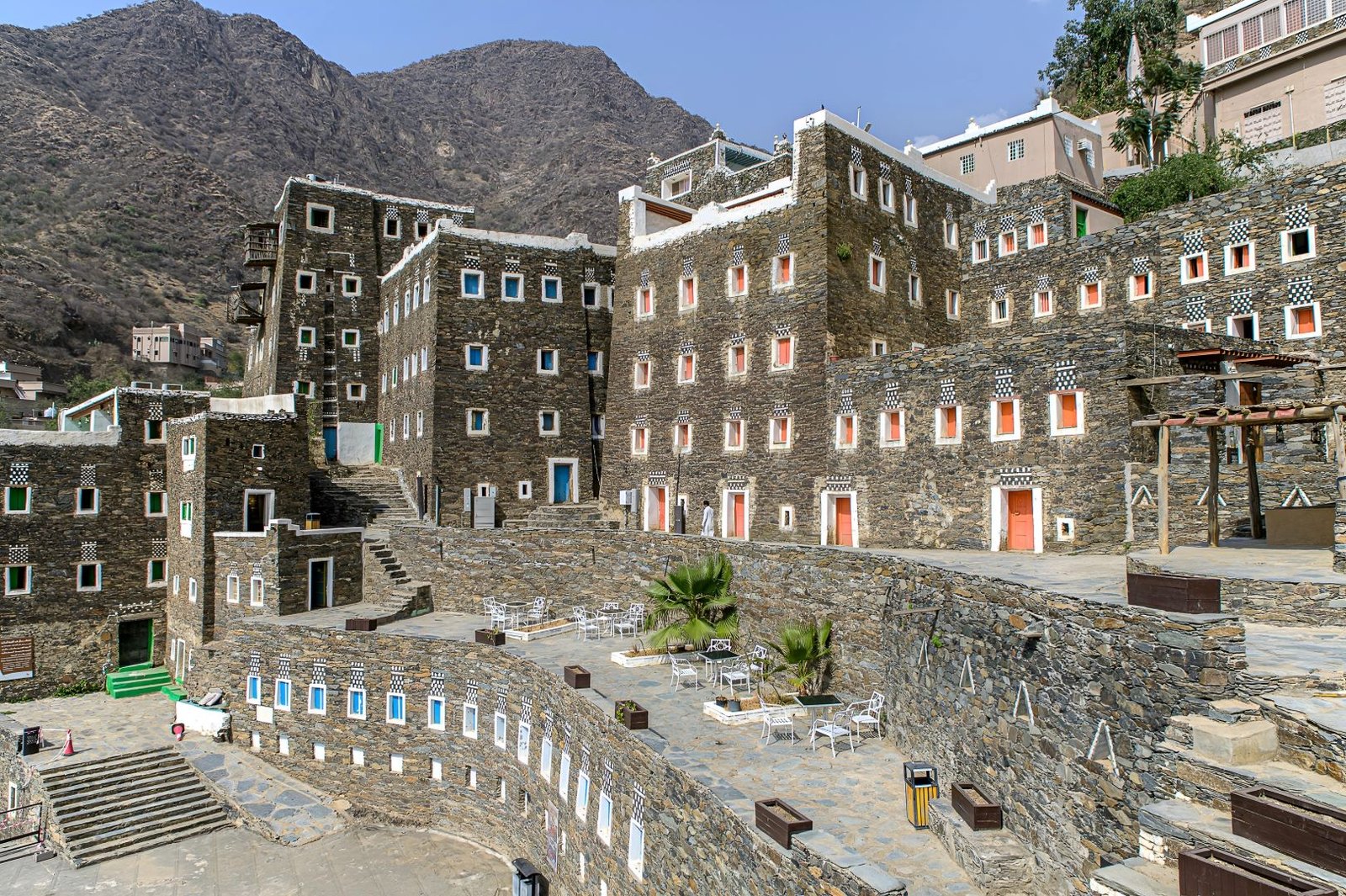
Photographers, history buffs, and eco-tourists find themselves completely captivated by this mountain fortress for a few standout reasons:
• The Iconic Al Elwan Palace Museum:
Housed inside the tallest and most historically significant fortress in the village is a brilliant 20-section museum repository. The interiors are decorated with vibrant, hand-painted geometric wall murals known as Al-Qatt Al-Asiri, showcasing a legendary traditional art form kept alive by generations of local women.
• The Agritourism Honey Cottage:
Tucked near the base of the terraced hillsides sits the famous Bees Tower Honey Refinery. The region’s rich botanical diversity produces ultra-premium mountain honey, allowing visitors to sample dozens of highly prized, sweet local varieties directly from the source.
• The Panoramic Qasabat Al-Owus Tower:
Perched high on the craggy ridgeline overlooking the valley is an ancient stone watchtower. Reaching the base of this defensive structure rewards you with an exceptional, unobstructed view over the concentric farming terraces and the deep mountain valleys below.
💡 Read Next: Ready to trade the towering slate-stone fortresses and cool, mist-shrouded mountain peaks of Asir province for a quirky journey through Jeddah’s coastal history? Head over to the Red Sea coast to explore the fascinating private collection, traditional mud architecture, and vintage artifacts of the unique Al-Amoudi Heritage Museum!
Things to Experience
A complete trek through the multi-tiered settlement takes roughly 2 to 3 hours, offering a seamless tour through different historical sections:
• The Main Village Plaza:
Spend your first hour strolling the open stone square, stopping by local terrace cafes to sip hot Arabic coffee and soak in the cinematic views of the cascading palaces.
• The Multi-Story Fort Interiors:
Venture inside the open residential forts to explore the ancient architectural layouts, tracking how families historically used lower floors for livestock and upper tiers for grain storage and living quarters.
• The Local Culinary Experience:
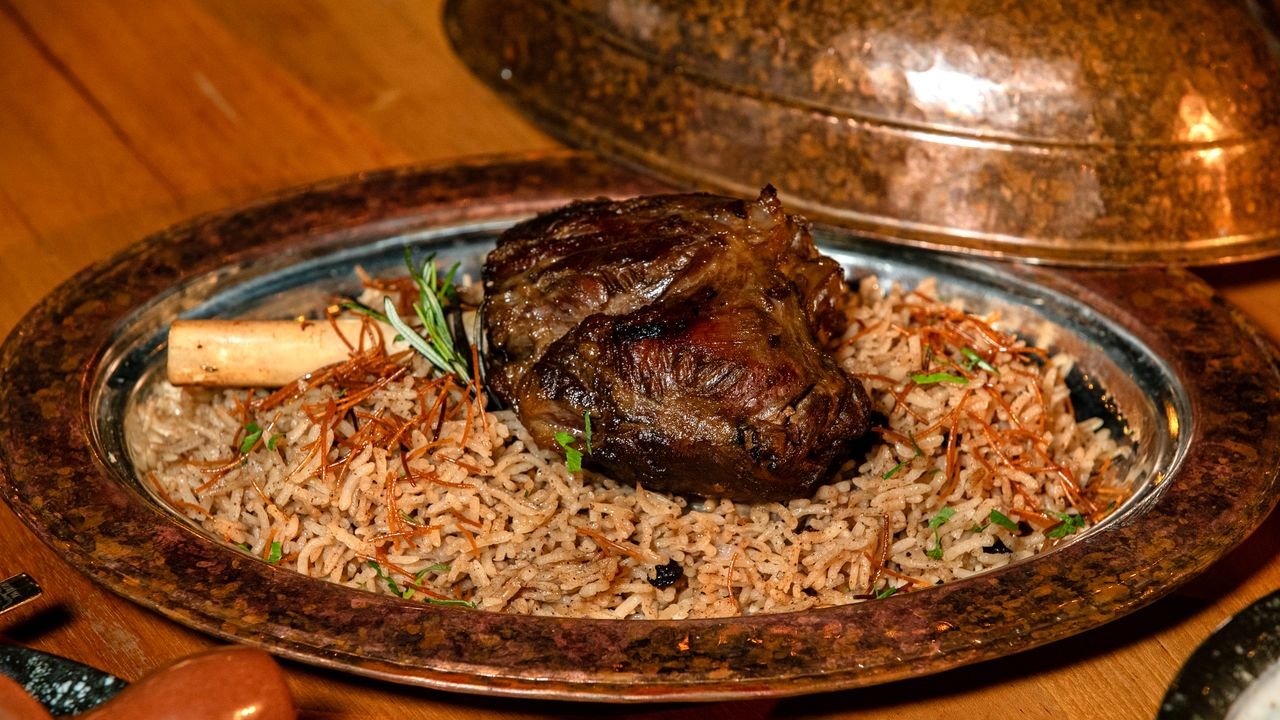
Conclude your mountain journey at a traditional eatery to share a hearty plate of Haneeth—slow-roasted, incredibly tender lamb cooked over hot stones—complemented by fresh local flatbread and mountain honey.
Check out this video for an actual look inside the village by RARE TV. This comprehensive 4K walkthrough perfectly captures the towering stone palaces, the vibrant Al-Qatt Al-Asiri wall art, and the dramatic mountain ridges of the Asir region.
📌 Fast Facts for Your Itinerary
📍 Address: Rijal Almaa Governorate, Asir Province, Saudi Arabia (Located roughly 45 kilometers west of Abha city).
⏰ Operating Hours: The village grounds are open year-round, 24/7. The Rijal Heritage Village Visitor Center and core museums open from 10:00 AM – 6:00 PM daily (Fridays 1:00 PM – 6:00 PM).
🎫 Admission Ticket Prices: Access to walk through the historic village streets is completely free, though a nominal ticket fee of around SAR 10 to SAR 20 applies to enter the main Al Elwan Palace Museum.
🚗 Getting There & Road Safety: Reaching the village requires navigating the spectacular but incredibly steep Aqabat Sama or Aqabat Dala roads descending from Abha. These mountain highways feature extreme drop-offs and sharp hairpin turns; ensure your rental vehicle’s brakes are perfectly checked and exercise caution as heavy seasonal rains and thick low-hanging clouds can reduce driving visibility instantly.
🐒 Wildlife Warning: The scenic mountain drives leading into the valley are populated by large troops of free-roaming wild baboons. Keep your vehicle windows fully rolled up when parked, do not leave food exposed, and strictly avoid attempting to pet or feed the monkeys, as they are aggressive scavengers and can bite or snatch personal items instantly. High-traction walking shoes are essential for the highly uneven stone stairs throughout the village.






Leave a Reply