
Gazing down at thousands of white-robed worshippers flowing counterclockwise in absolute harmony and drinking cold, refreshing Zamzam water from copper taps are deeply moving spiritual experiences, but the defining anchor of the global Islamic faith sits nested within a dramatic valley of the Hejaz mountains. Dominating the landscape of the city, the Masjid al-Haram (the Grand Mosque) is an extraordinary architectural sanctuary that surrounds the holy Kaaba, drawing millions of travelers from every corner of the planet every year.
For those interested in reviewing the deep structural timeline and historical preservation milestones of this sacred space, you can explore the comprehensive Visit Saudi Masjid al-Haram Guide, which breaks down the architectural layout of the complex.
Constructed originally around the cubical granite house of worship built by the Prophet Ibrahim, this sprawling sacred complex has undergone massive modern expansions to accommodate over two million worshippers at a single time. Standing beside towering white minarets that pierce the desert sky, watching the golden light hit the calligraphic verses of the Kaaba’s black cloth drape, and walking the historic corridors are unforgettable moments that make this city the spiritual heart of the Muslim world.
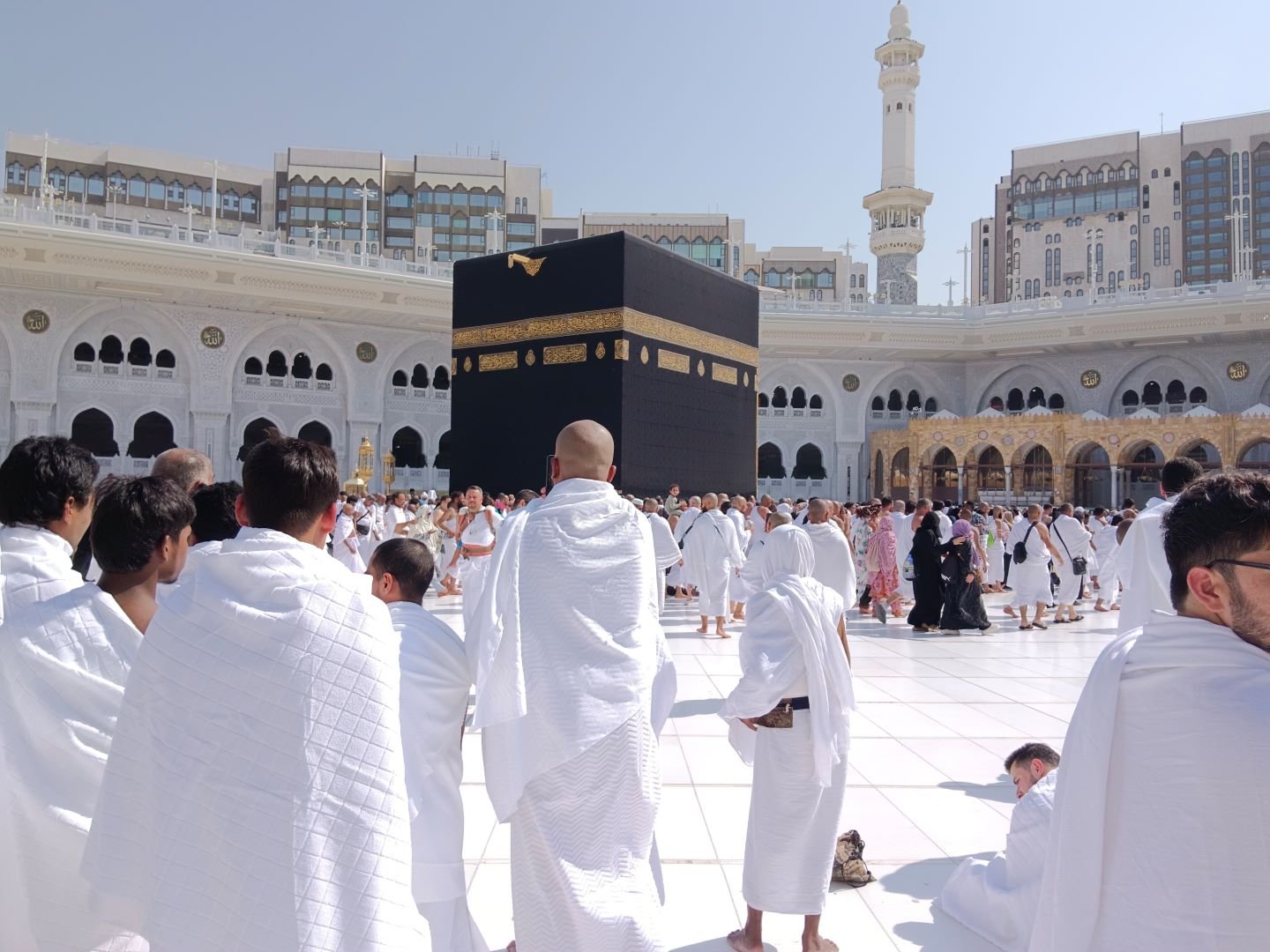
Architects have designed the modern layout of the Grand Mosque to masterfully handle the largest human gatherings on earth. The complex features vast, shimmering white marble floors that remain cool underfoot even in intense desert heat, soaring indoor arches lit by grand chandeliers, and multi-leveled circular balconies engineered to distribute the continuous movement of people safely around the central plaza.
Security teams monitor the main courtyard entrances using dynamic digital light indicators, displaying green signals when access areas are clear and shifting to bright red signs the exact moment a prayer sector hits maximum capacity.
Worshippers coordinate their visits around the daily prayer schedule, moving down to the open-air marble plaza in the early dawn hours to catch the cool morning breeze before the intense midday heat pushes everyone into the expansive, air-conditioned indoor prayer galleries.
The Secret to Its Charm
Global travelers, spiritual seekers, and history enthusiasts focus their journey on a few deeply significant landmarks within the sanctuary:
• The Holy Kaaba Structure:
Positioned at the literal center of the courtyard is the 13-meter-high granite cube covered in the silk Kiswah cloth, hand-embroidered with brilliant gold and silver Quranic script. Worshippers complete the Tawaf by circling this structure seven consecutive times, focusing their gaze on the historic Black Stone embedded in the eastern corner.
• The Safa and Marwa Gallery:
Running parallel to the main plaza is a long, enclosed air-conditioned indoor corridor where pilgrims perform the Sa’i ritual. Walking or jogging between the two rocky hillsides commemorates Hagar’s historic search for water in the desert sand.
• The Soaring Abraj Al-Bait Tower:
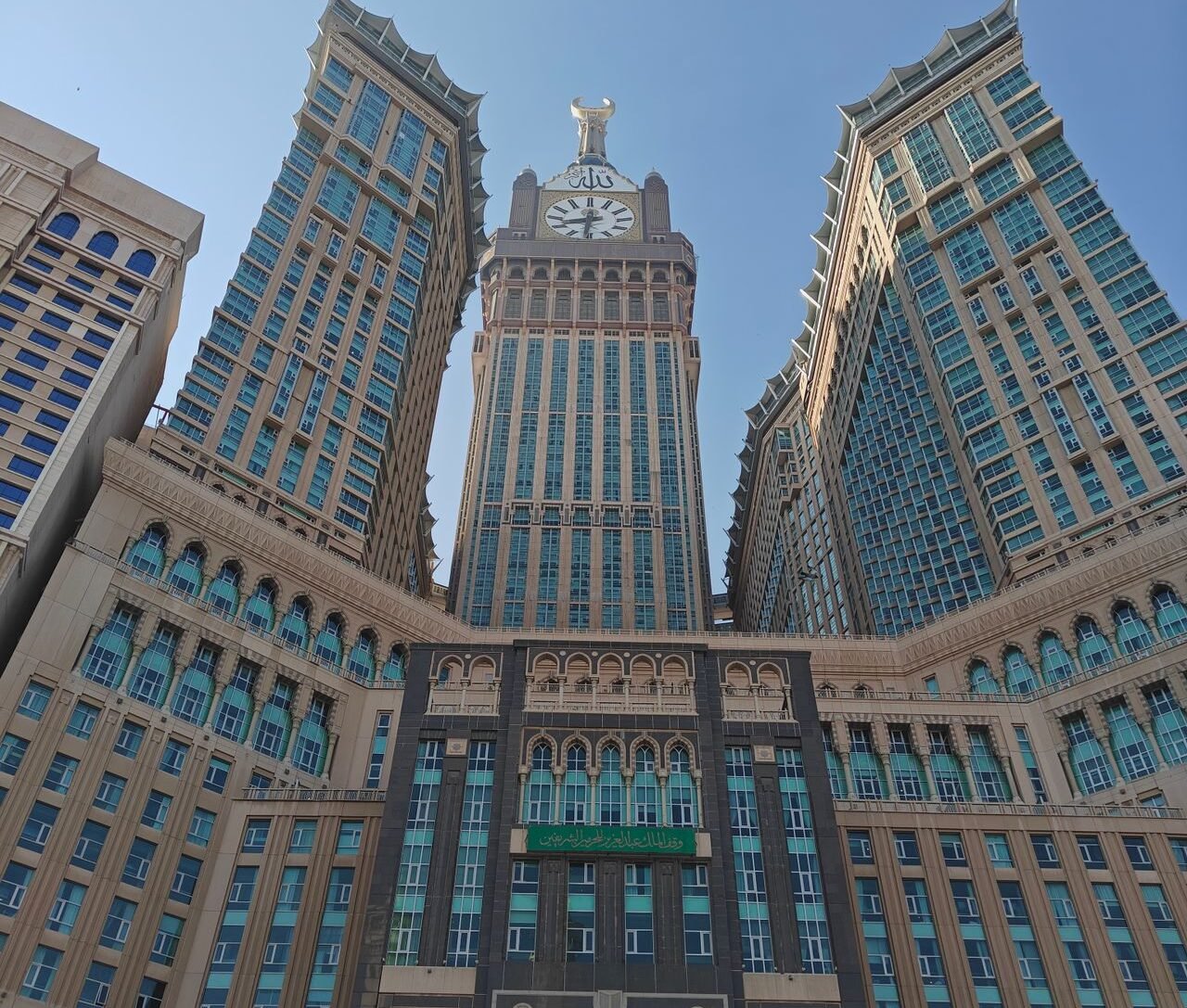
Looming directly over the southern gates of the mosque complex is the world’s tallest clock tower. The massive structure features a specialized astronomical observatory and museum at its peak, contrasting ancient spiritual architecture with ultra-modern design.
💡 Read Next: Ready to follow the historic trail from the towering skyscrapers and sacred, crowded courtyards of Islam’s holiest sanctuary to a sanctuary of absolute serenity? Head north into the desert to experience the tranquil atmosphere, iconic green dome, and stunning modern architecture in our ultimate guide to Medina!
Things to Do Once You Reach Here
Navigating the massive holy site smoothly takes roughly 2 to 3 hours for standard rituals, letting you easily experience a sequence of historic spaces:
• The Central Mataf Plaza:
Walk the open-air marble floor surrounding the Kaaba to witness the grand scale of the global pilgrimage up close, listening to the echoing calls to prayer.
• The King Abdullah Extension Wings:
Move through the newest northern sections of the mosque to see the pinnacle of modern Islamic architecture, featuring vast columned halls, giant sliding domes, and advanced crowd ventilation systems.
• The Historic Courtyard Gates:
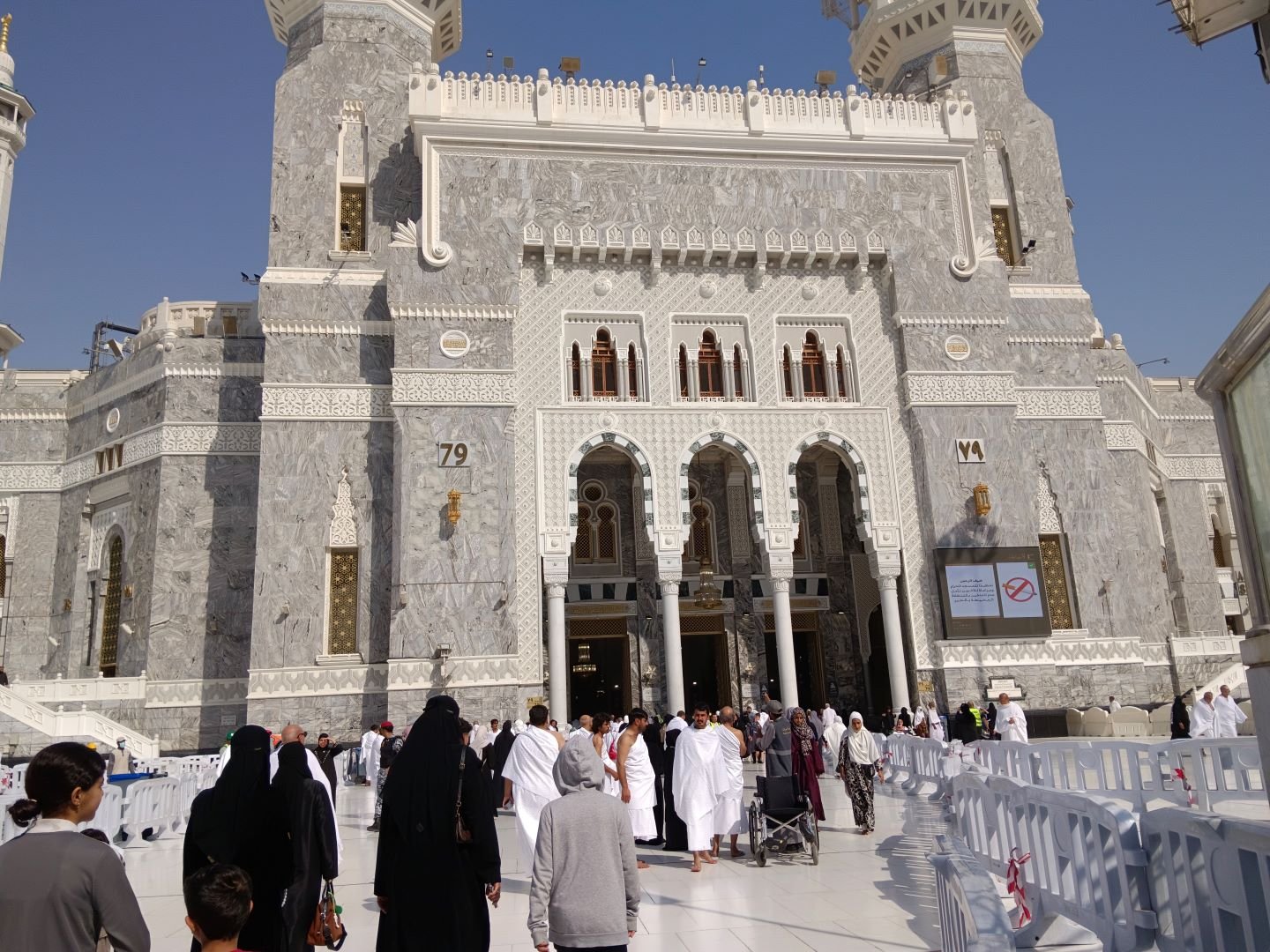
Spend time near the massive Bab Abdulaziz or Bab King Fahd structures, where the intricate geometric stone carvings and colossal arched entries provide incredible backdrops for architectural photography.
Experience a complete walking tour of Mecca, Saudi Arabia in this immersive 4K video by Walks Around City on Youtube below!
📌 Fast Facts for Your Itinerary
📍 Address: Al Haram, Mecca 24231, Saudi Arabia
⏰ Operating Hours: Open 24 hours daily, 7 days a week, throughout the entire year.
🎫 Admission Ticket Prices: Entering the Masjid al-Haram for general prayer is completely free, and authorities never charge an admission fee.
🔒 Strict Faith & Legal Access Border: Non-Muslim Restriction: Saudi law strictly restricts entry into the city borders of Mecca and the Grand Mosque complex to Muslims only. Dedicated highway checkpoints monitor all entry roads leading into the valley, and unauthorized entry carries severe legal penalties, heavy fines, and immediate deportation.
📱 Mandatory Nusuk Digital Permits: To perform the Umrah pilgrimage, international visitors must download the official Nusuk App to register their passport and visa details. Worshippers must book a specific date and time slot for their rituals, as security guards check the digital permit on your phone at courtyard checkpoints before allowing entry to the central plaza.
• ⚠️ Prohibited Items Guardrail: To maintain safety and smooth crowd flows, guards strictly ban large luggage bags, breakable glass bottles, sharp metal tools, political flags, commercial banners, and baby strollers from entering the mosque gates. Photography using professional video cameras or large tripods inside the main prayer halls is forbidden without a formal press permit. Wear highly cushioned footwear for the long walks outside the mosque, but prepare to carry a shoe bag as footwear must be removed before stepping onto the indoor prayer carpets.






Leave a Reply