
Exploring Jakarta does not have to be all about shopping centres, modern landmarks and busy city streets. If you would like to experience a different side of the capital, consider visiting the National Museum of Indonesia. This cultural attraction introduces visitors to the country’s fascinating past through collections of historical artifacts, archaeological discoveries and traditional objects.
The museum provides a closer look at the many cultures and civilisations that have influenced Indonesia throughout the centuries. You can learn about ancient kingdoms, admire traditional craftsmanship and discover how different communities developed their own customs and ways of life. It is a worthwhile addition to your itinerary if you want to balance city sightseeing with a little history and cultural exploration.
The History Behind the National Museum of Indonesia
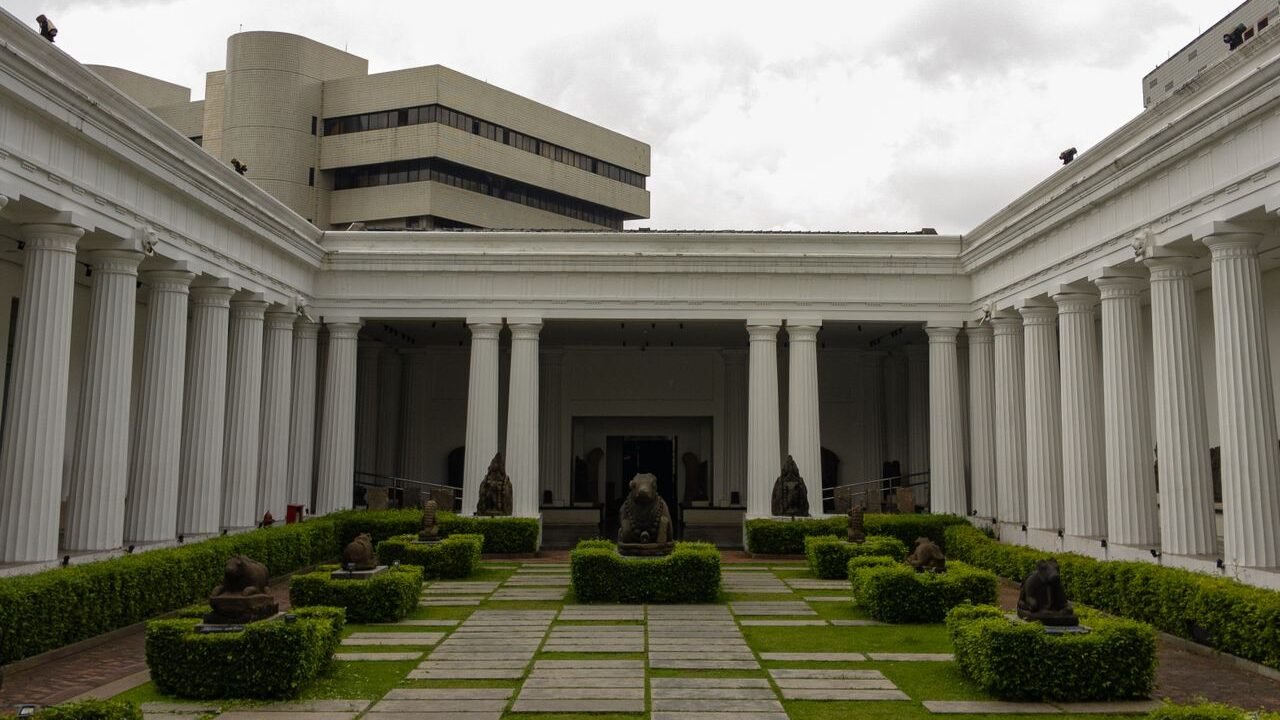
The National Museum of Indonesia traces its origins to 24 April 1778, when a Dutch scholarly organisation was established in Batavia, now Jakarta, to study science, history and culture. As its collection grew, a dedicated museum building was constructed in 1862 and opened to the public in 1868.
After Indonesia gained independence, the museum became an important institution for preserving the country’s heritage. Officially named the National Museum in 1979, it continues to showcase historical artefacts and archaeological discoveries that reflect Indonesia’s rich past and cultural diversity.
What Makes This Museum Worth Visiting?
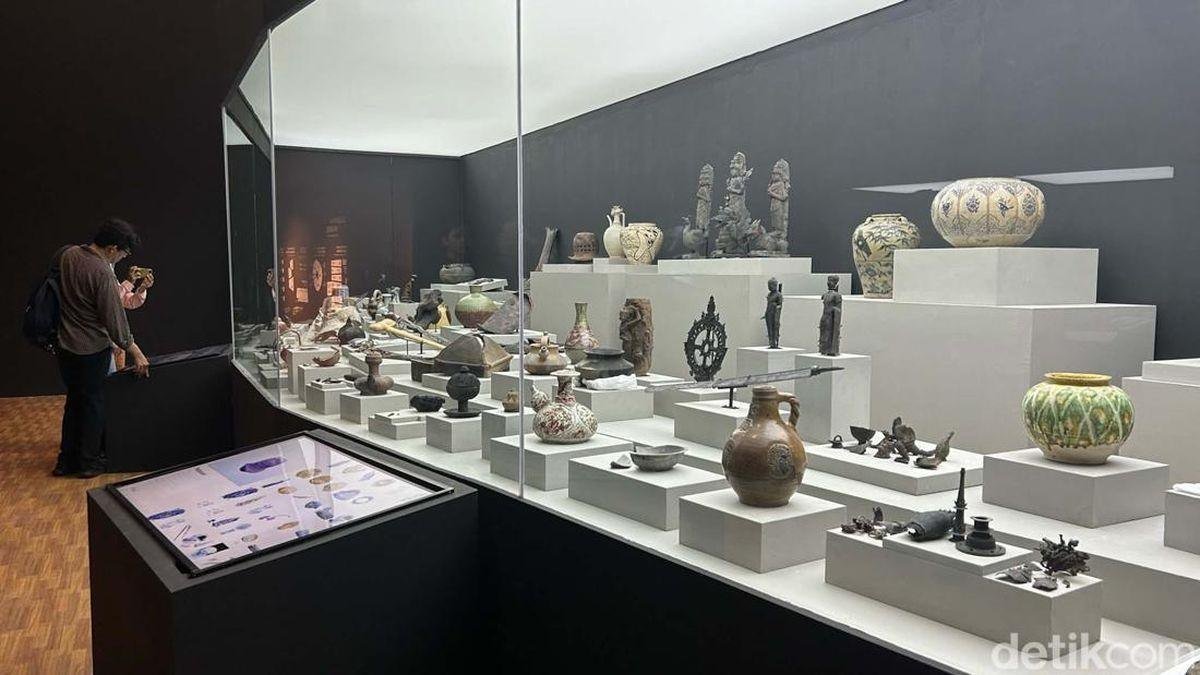
• Indonesia’s Diverse Cultural Heritage:
Indonesia consists of thousands of islands, each with its own traditions, languages and cultural influences. The National Museum offers an opportunity to explore this diversity in one place through displays of traditional clothing, ceremonial objects, weapons, household items and other cultural artifacts.
• Experience an Interactive Museum Visit:
The National Museum has introduced updated exhibition spaces and interactive experiences to make history more accessible to modern visitors. One of its highlights is ImersifA, an immersive multimedia experience that uses visual and audio elements to present aspects of Indonesian history and culture in a more engaging format.
• Stories Behind Historical Objects:
Beyond grand statues and valuable artefacts, smaller objects can reveal fascinating details about everyday life in the past. The museum’s collections include ceramics, coins, jewellery, traditional tools and historical items that reflect trade, craftsmanship and changing social customs.
Must-See Exhibits at the National Museum
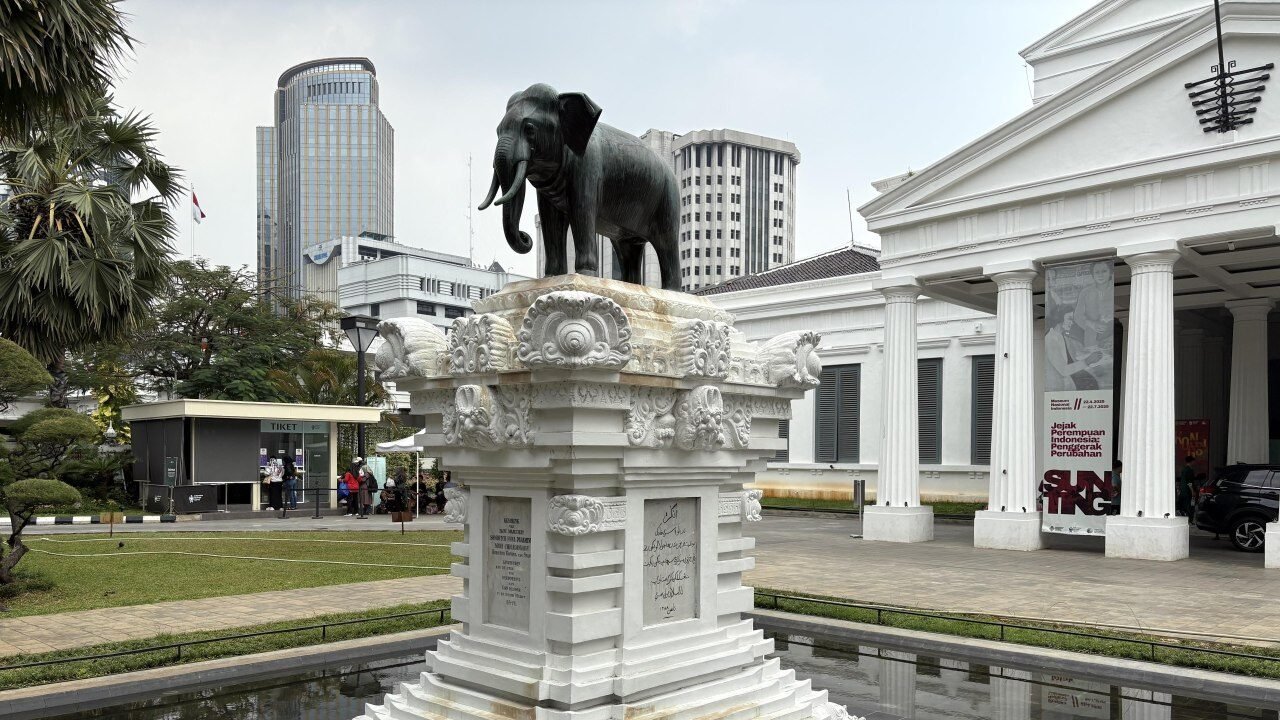
• The Bronze Elephant Statue:
Before entering the exhibition galleries, take a look at the bronze elephant statue in the museum courtyard. This well-known landmark is the reason many people call the building Museum Gajah. The statue is a reminder of the museum’s long history and its connections with the wider region.
• Traditional Textiles and Cultural Objects:
Indonesia is well known for its textile traditions, including batik and woven fabrics produced by communities across different islands. The museum’s cultural collections help visitors appreciate the variety of materials, patterns and techniques used in traditional clothing and decorative items.
• ImersifA Immersive Gallery:
ImersifA offers a more modern museum experience. Its multimedia presentation combines visual effects and sound to create an engaging way of learning about Indonesian history and culture. Consider checking the latest ticket conditions since the experience may require a separate ticket in addition to the regular museum admission.
Check out this video by AA Notes on Youtube for a closer look at the experiences that await you.








Leave a Reply