
Ditching the breezy waterfront piers of Eminönü, travelers are immediately thrust into a dizzying maze of historic alleys as they climb the hills of the historic peninsula. Behind the academic gates of Istanbul University, a massive, domed fortress of commerce rises abruptly from the urban landscape, operating less like a standard marketplace and more like an independent, roofed medieval city.
Floating majestically as the ultimate beating heart of trading culture, the Grand Bazaar (Kapalıçarşı) reveals itself as a jaw-dropping limestone and brick sanctuary defined by towering vertical stone arches, hidden vaulted corridors, and a rugged, adventurous energy that has powered global trade networks for over five centuries.
Fiercely contrasted against modern western shopping malls, this raw paradise has experienced a substantial structural and safety modernization under recent 2026 heritage conservation frameworks. The municipality has beautifully updated the historic flooring, integrated clearer directional signage, and reinforced the overhead masonry while fully retaining the wild, epic commerce-first spirit that has defined the corridors since the Ottoman golden age.
If you are ready to conquer the world’s oldest covered trading floor, navigate immense stone chambers filled with millions of glittering trinkets, and exchange sharp barbs with generational master merchants over steaming glasses of apple tea, this legendary trade sanctuary deserves a premier spot on your itinerary.
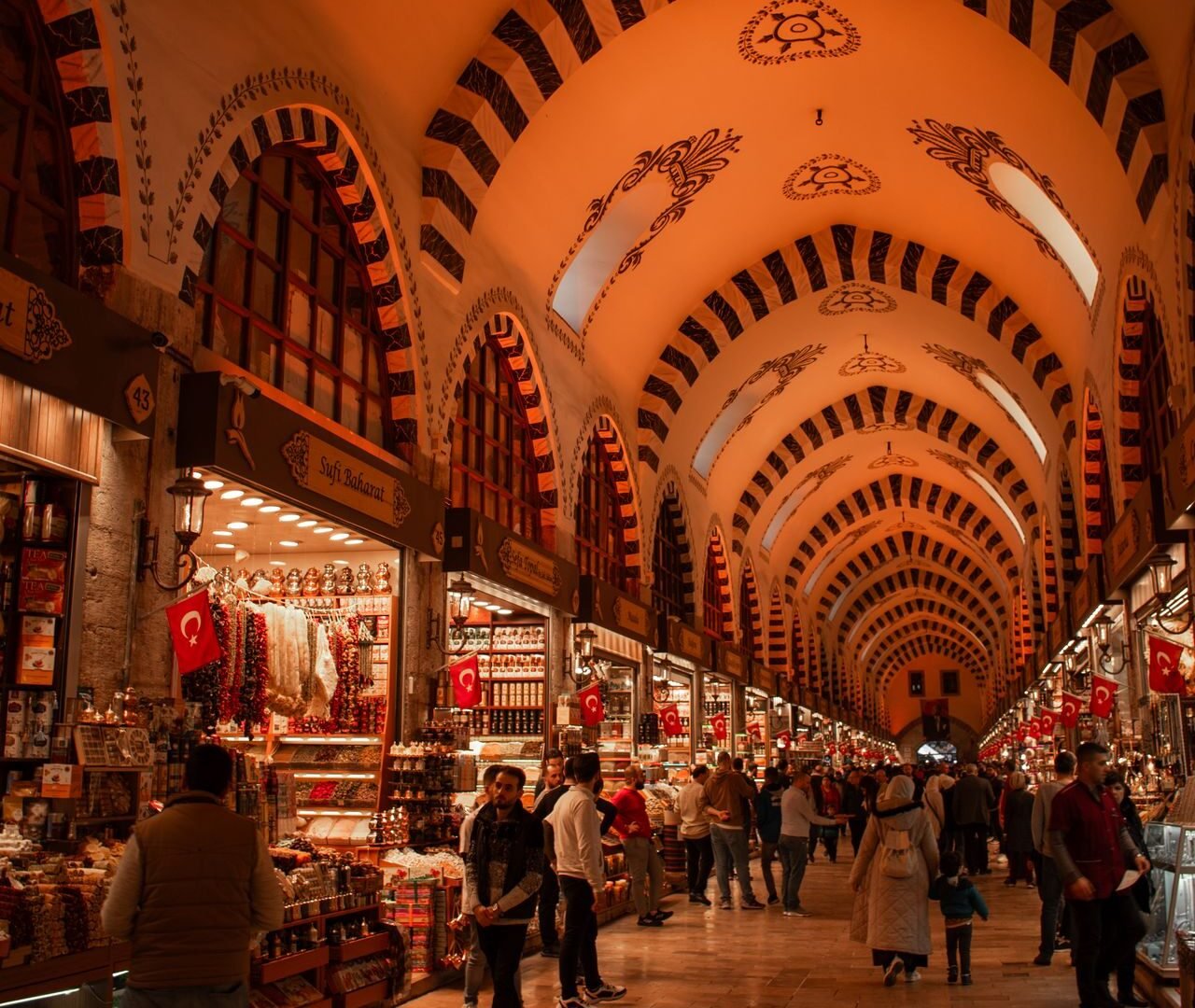
The Grand Bazaar, unlike the flat, linear layouts of modern department stores, the geography here is an organic and sprawling battlefield of overlapping vaulted roofs and massive stone retaining walls that anchor the market firmly into the sloping hills of Fatih.
Weaving beneath the painted ceilings puts travelers face-to-face with a remarkably complex architectural layout. The interior functions as a giant stone hive composed of over 60 covered lanes and thousands of independent stalls, structured around two highly secure central trade cores known as bedestens.
Look past the glowing display windows to observe the ultimate marvel: rows of sweeping Byzantine-style brick arches that support massive central domes, creating high-clearance light wells that channel shafts of morning sun onto the polished stone walkways below.
What Makes It So Popular
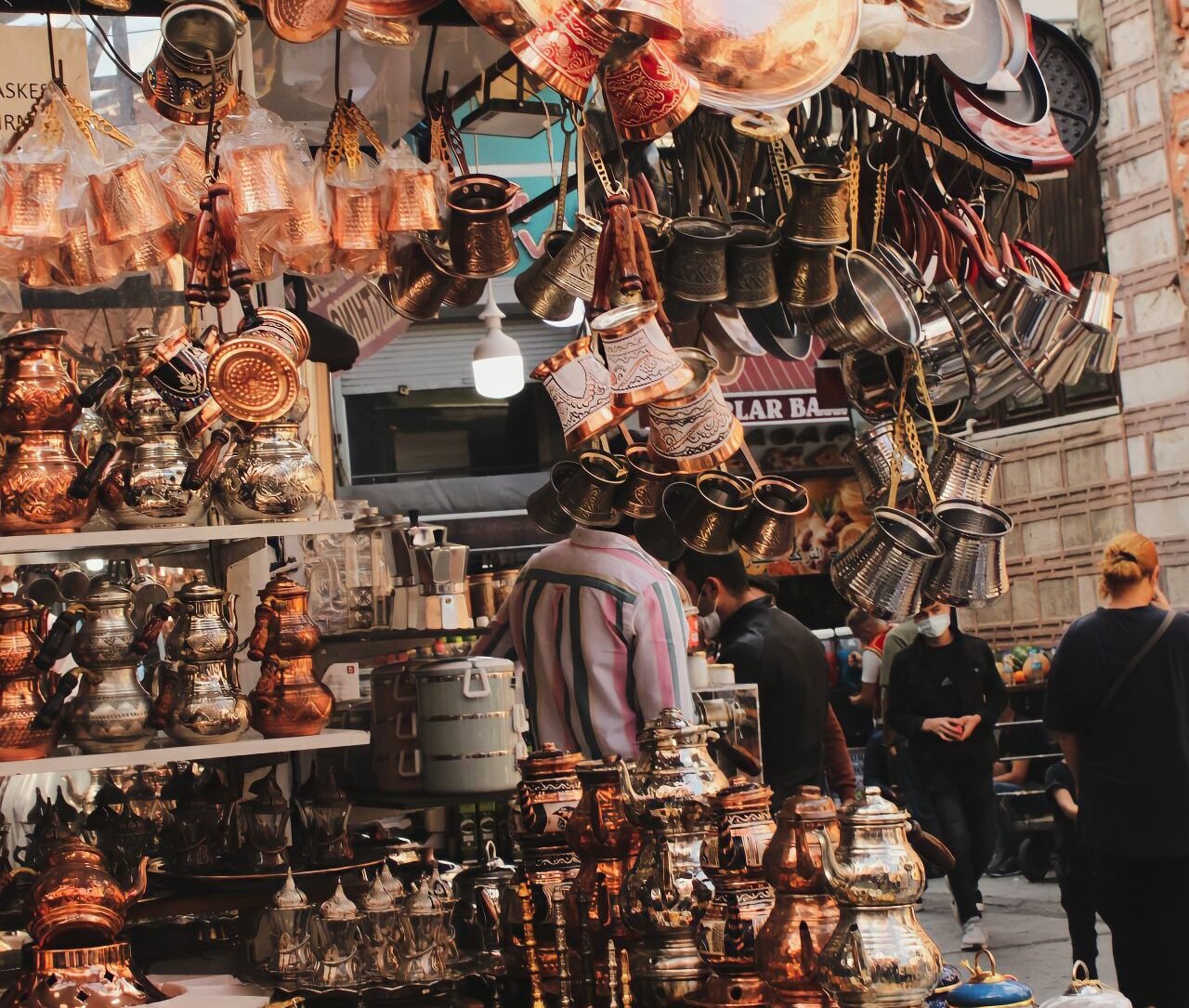
This hidden geographical wonder steadily captures the imagination of overland travelers and scuba enthusiasts for several standalone pillars:
• The Legendary Kalpakçılar Spine Viewpoint:
The absolute hallmark of the complex is the market’s widest avenue. This bustling main avenue features a jaw-dropping corridor lined wall-to-wall with brilliant gold shops and glowing jewelry displays, serving as the ultimate spine of the market from which all other alleys branch out.
• The Historic Beyazıt Gate Gateway:
Marked prominently by the intricate imperial sign of Sultan Abdülhamit II, this grand stone portal features an iconic stone inscription reassuring travelers that “God loves the merchants,” offering a picture-perfect entrance into the thundering maze.
• Cevahir Bedesten Treasure Sanctuary:
Tucked deep within the geometric center of the complex sits the oldest structural vault in the market. Rich, historical collections of antique weapons, Ottoman coins, and intricate silver jewelry rise right up along the heavy stone pillars, providing an elite environment where travelers can reliably browse generational heirlooms.
💡 Read Next: Ready to trade the chaotic, labyrinthine alleyways and glittering gold shops of Istanbul’s historic indoor market for the absolute peace of a Mediterranean paradise? Head south to Antalya to sunbathe alongside ancient Lycian ruins, explore hidden sea caves, and watch the legendary flames of Chimaera flicker in the dark in our ultimate guide to Olympos Beach!
Top Experiences to Unearth
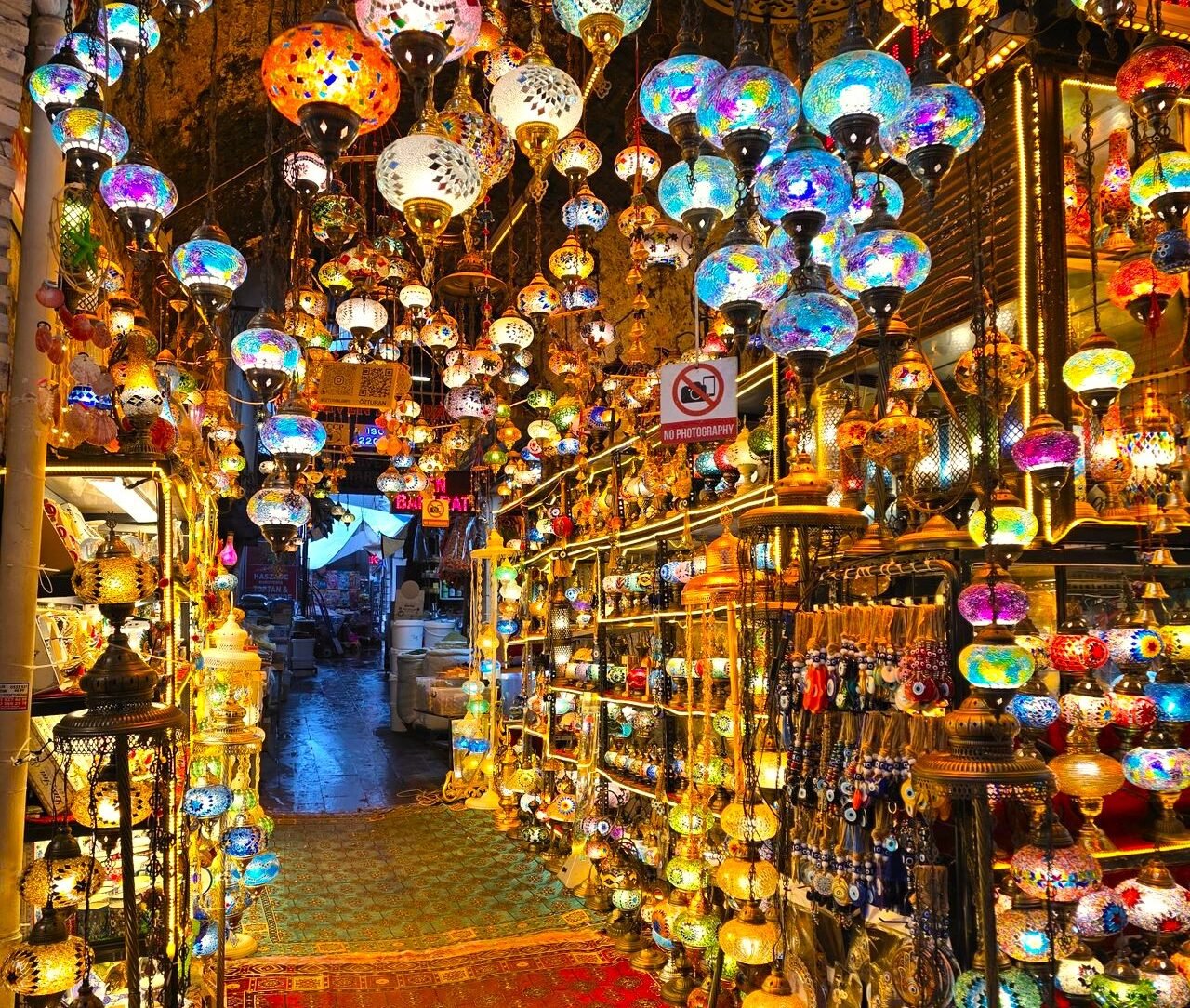
Planning your navigation route effectively splits the covered maze into distinct, specialized trade quadrants:
• Explore the Vibrant Sandal Bedesten Hub:
Wander toward the northern chambers to discover a spectacular textile engineering marvel. The grand vaulted roof spans over lanes packed tight with rich Turkish rugs, hand-woven silks, and heavy embroidered garments, while local trade talk bounces off the thick stone pillars
• Venture past the Halıcılar Carpet Lanes:
Trek down the steep, sloping passages to encounter an incredible concentration of artisanal floor art. This zone features stack upon stack of colorful, geometric kilims and masterfully knotted wool tapestries, creating a vibrant visual texture that coats the stone walls from floor to ceiling.
• Scrutinize the Nuruosmaniye Exit Track:
Complete your overland loop by navigating toward the monumental eastern gate complex. The view treats you to a pleasant panoramic vista of towering white stone archways framing the courtyard of the adjoining baroque mosque, cleanly transitioning you from the frantic energy of the stalls back out into the open city square.
If you want to experience the chaotic energy and vibrant colors of the market before you go, watch this fantastic Grand Bazaar walking tour by MJ Walking Tours and MJ City Ambience on YouTube.
📌 Fast Facts for Your Itinerary
📍 Location: Grand Bazaar Main Entrance, Kalpakçılar Cd. No:22, Beyazıt Mah., 34126 Fatih/İstanbul, Türkiye. Access the Metro Istanbul Network Maps and Live Fares if you are commuting from other quarters via the city’s rail network
⏰ Optimal Visiting Strategy: The market pulses with energy six days a week; however, plotting your arrival for the early morning window between 09:00 AM and 10:30 AM on a weekday guarantees the quietest paths, allows you to observe the traditional morning opening rituals, and helps you secure the best initial deals before the afternoon crowds arrive.
🎫 Required Sustainability Tariffs: Stepping inside any of the 22 monumental gates remains entirely free of charge under standard 2026 municipality operations. Budgetary expenses inside the bazaar are strictly down to personal shopping, and standard transactions seamlessly accept Turkish Lira, major foreign currencies, and international credit cards.
📱 Pro-Tip: Because the historic market lanes feature an undulating, sloping floor layout that changes elevation constantly, navigating the bazaar can be notoriously exhausting and disorienting. For maximum safety and navigation confidence, remember that walking uphill will always guide you back toward the primary exits of Beyazıt and Nuruosmaniye, download a digital offline map ahead of time, and politely accept the hot tea offered by shopkeepers—it is a traditional gesture of hospitality, carries absolutely no obligation to buy, and lets you rest your legs between intense rounds of bargaining!
Additionally, check out the specialized layout maps featured on the Turkey Travel HQ Guide to the Grand Bazaar for exact locations of the primary historical gates, the two central bedestens, and the most popular artisan quadrants.






Leave a Reply