Category: Malaysia

  • Bukit Jernih, Perlis: A Guide for Nature Lovers

    Bukit Jernih, Perlis: A Guide for Nature Lovers

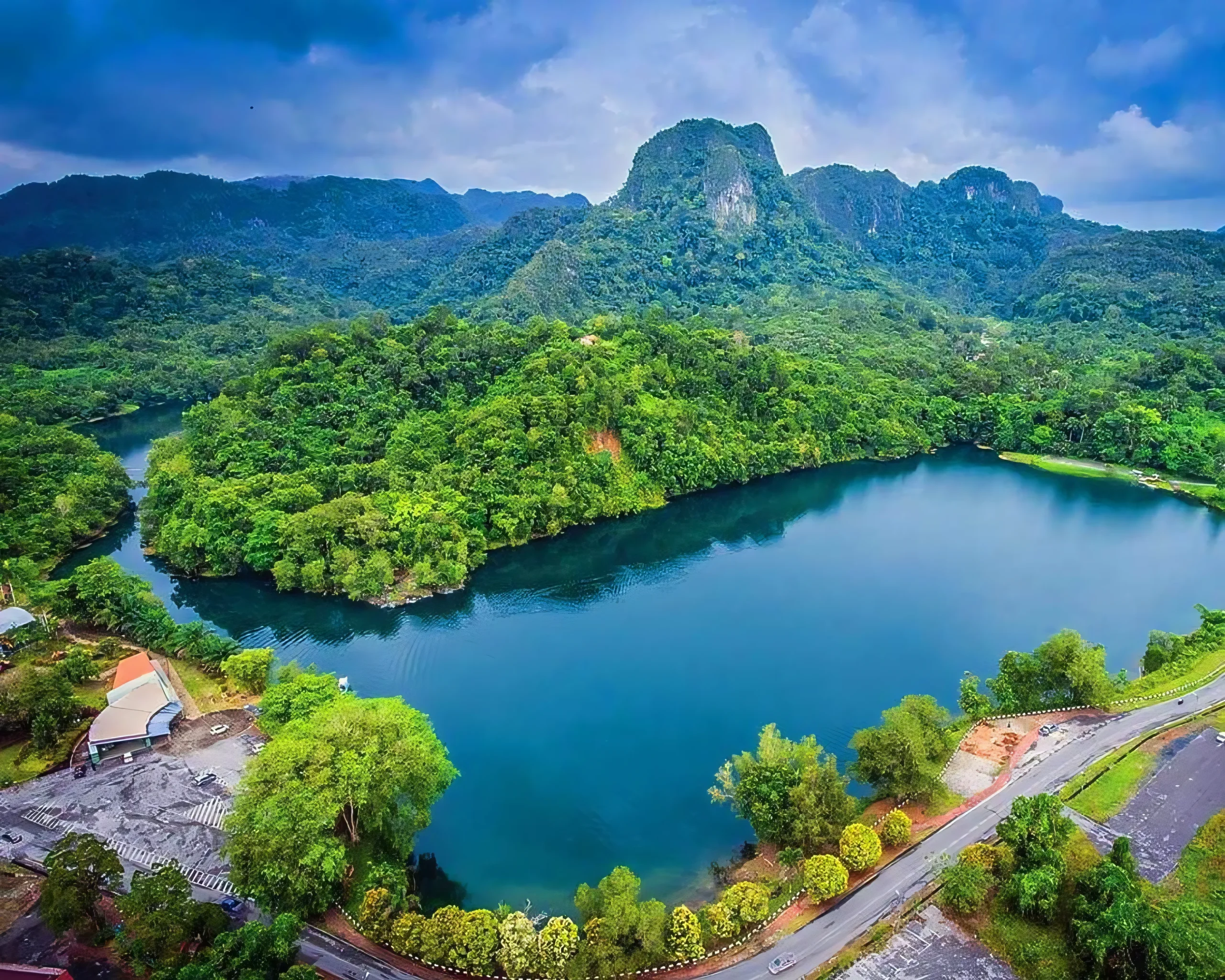
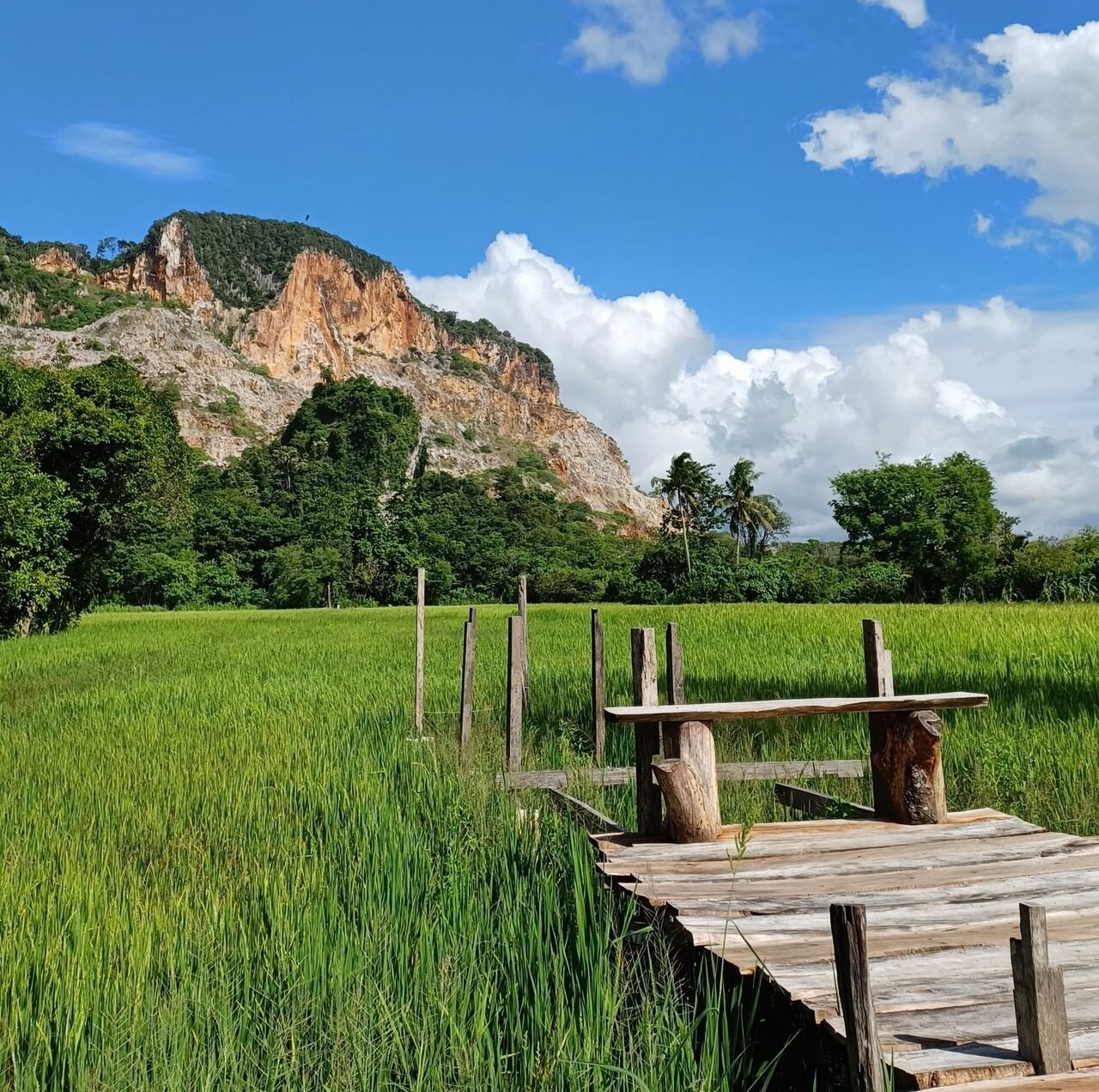
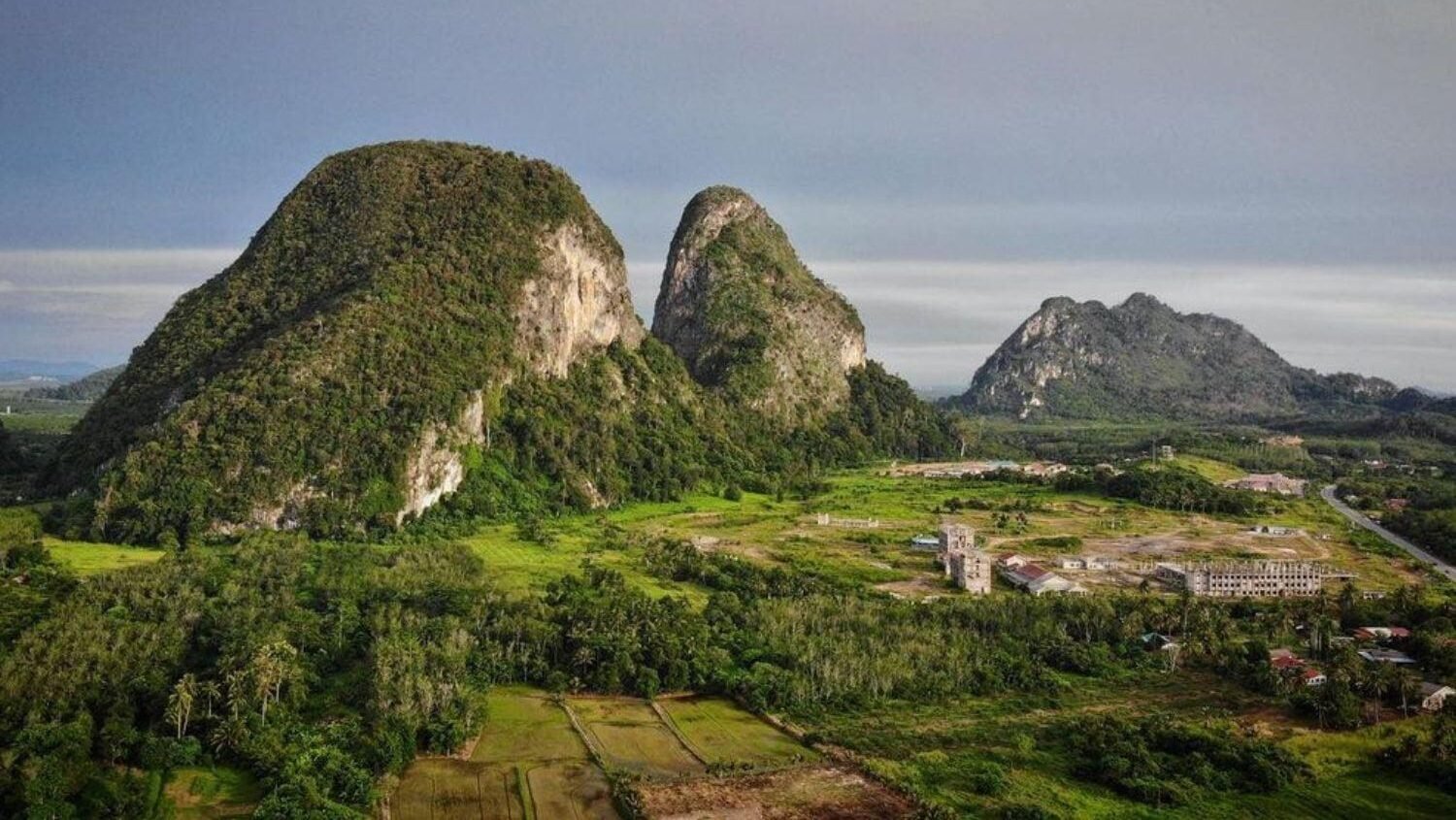
    Looking for a peaceful place to enjoy nature in Perlis? Bukit Jernih is a recreational destination worth adding to your travel list. Surrounded by greenery, limestone hills and the gentle flow of Sungai Jernih, this spot offers a refreshing break from busy city life. Whether you’re planning a family picnic or a relaxing outdoor outing, Bukit Jernih has something for you.

    Beyond its natural scenery, Bukit Jernih is also recognized for its geological features. Its limestone landscape, caves and rock formations make it an interesting destination for visitors who want to discover more about the natural history of Perlis.

    Why Is it Special?
    source: malaysia.travel

    • Recognized National Geoheritage:
    Bukit Jernih was identified as a potential geosite during geological heritage mapping in 2019 due to its distinctive limestone formations and geological features. Later, it became part of the Aspiring Perlis Geopark initiative, aimed to recognise and protect the state’s geological heritage.

    • Limestone Cave:
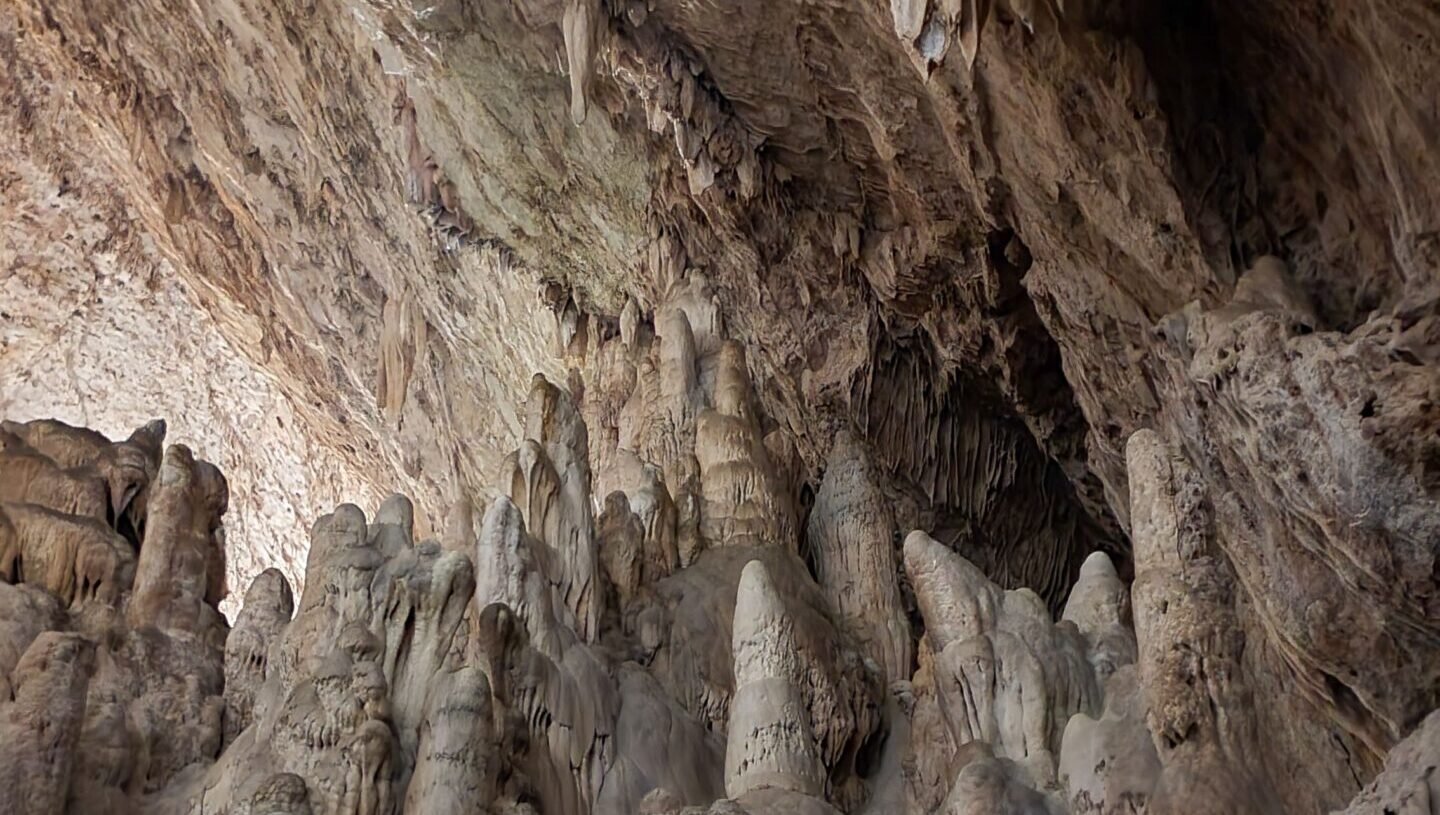
    The area features limestone caves and rocky formations shaped by natural processes over millions of years. These geological features reveal how water and weathering gradually transform limestone landscapes, giving Bukit Jernih its distinctive character.

    • Bukit Jernih Recreation Park:
    Bukit Jernih Recreation Park adds to the area’s appeal with its natural riverside setting. Surrounded by greenery and limestone scenery, the park provides a peaceful environment that reflects the close connection between the local landscape and the Jernih River.

    How to Enjoy Your Visit
    • Challenging Hiking Experience:
    Bukit Jernih offers opportunities for visitors who prefer a more active trip. Hiking trails and cave exploration allow you to discover the area from a different perspective, rewarding hikers with expansive panoramic views of Perlis’s signature green paddy fields and surrounding karst hills.

    • Limestone Cave Exploration:
    Another experience worth discovering at Bukit Jernih is the limestone cave exploration. The limestone landscape features cave passages that allow visitors to take a closer look at the geology of the rock formations.

    • Stroll Along Jernih River:
    For those who prefer something more laid-back, take your time walking along the Jernih River that flows through Bukit Jernih Recreation Park. You might even get the chance to witness the unique rock formation resembling the ‘Nenek Kebayan’ figure inside a small cave on the upper hill on your way there.

    How to Get There

    By Car

    Driving is a convenient option for reaching Bukit Jernih, particularly if you’re travelling with family. From Kangar town, follow your navigation app towards Taman Rekreasi Bukit Jernih.

    By Public Transport

    If you’re travelling by bus or train, plan your journey to Kangar or another nearby transport hub first. From there, arrange a taxi or e-hailing ride to Bukit Jernih, as public transport may not take you directly to the recreational area.

    📌 Fast Facts for Your Itinerary

    ⏰ Best Time to Visit: The dry season that runs from November to March for safer hiking and clear views, or early in the morning

    🎫 Caving Fee: Generally range from RM30 to RM60+ per person. Overall cost depends on whether you are looking for a basic permit/guide or a bundled activity package
  • Pulau Perhentian: Two Islands, One Paradise

    Pulau Perhentian: Two Islands, One Paradise

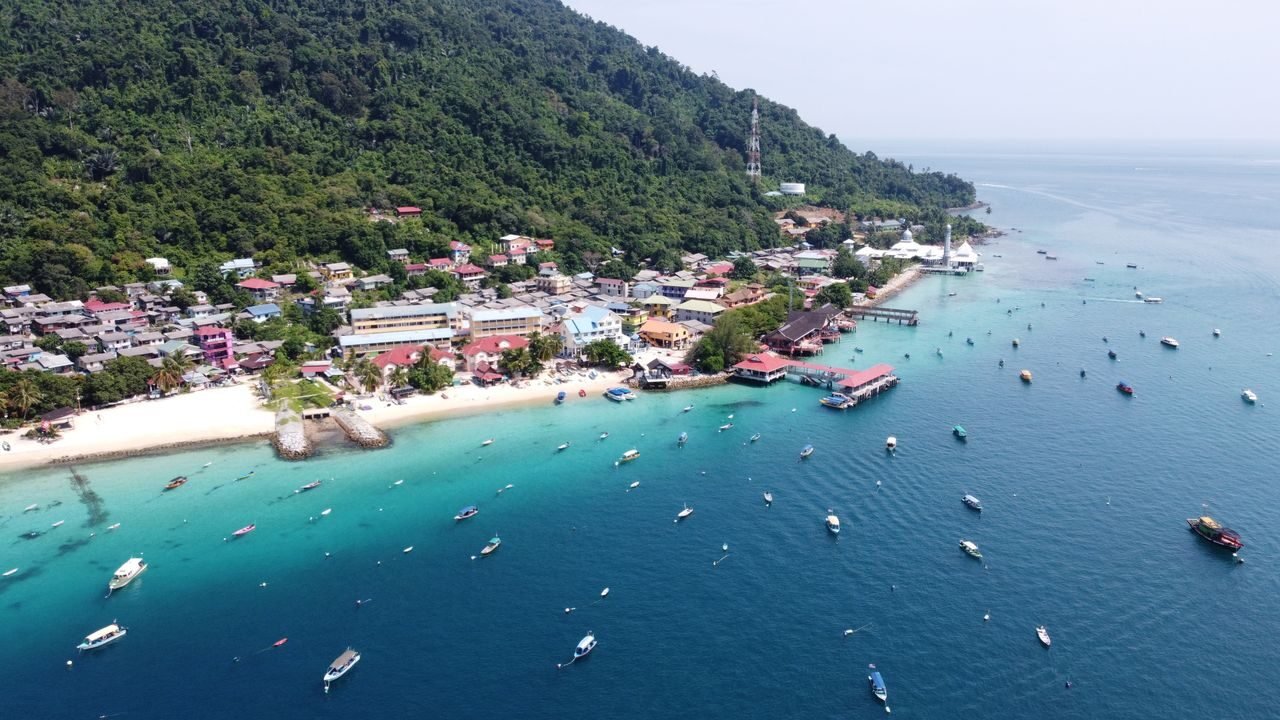
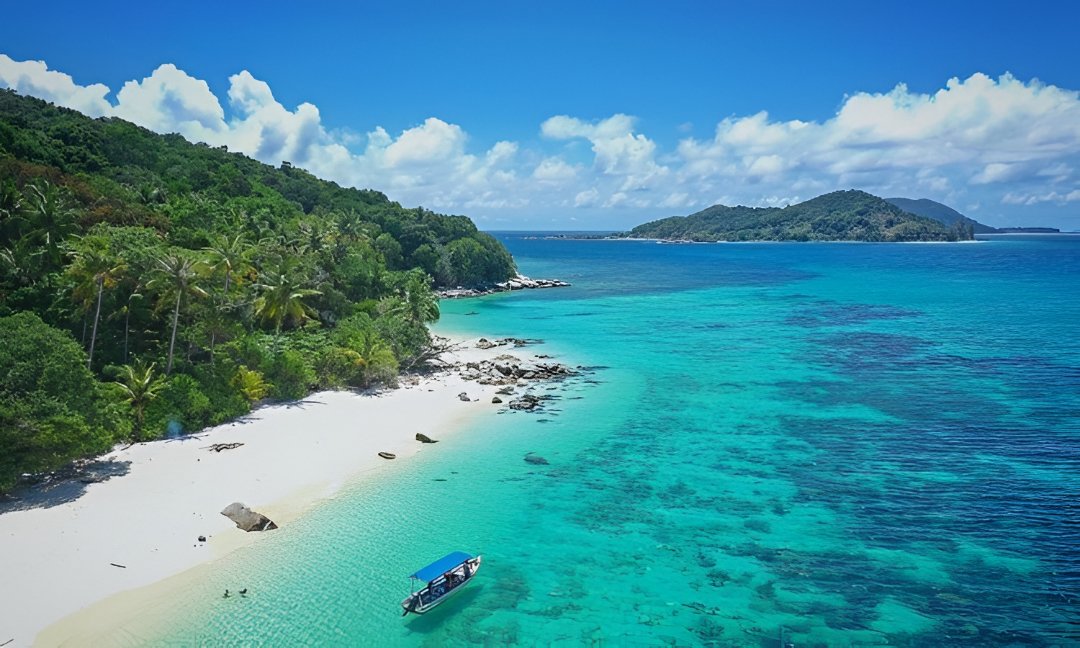
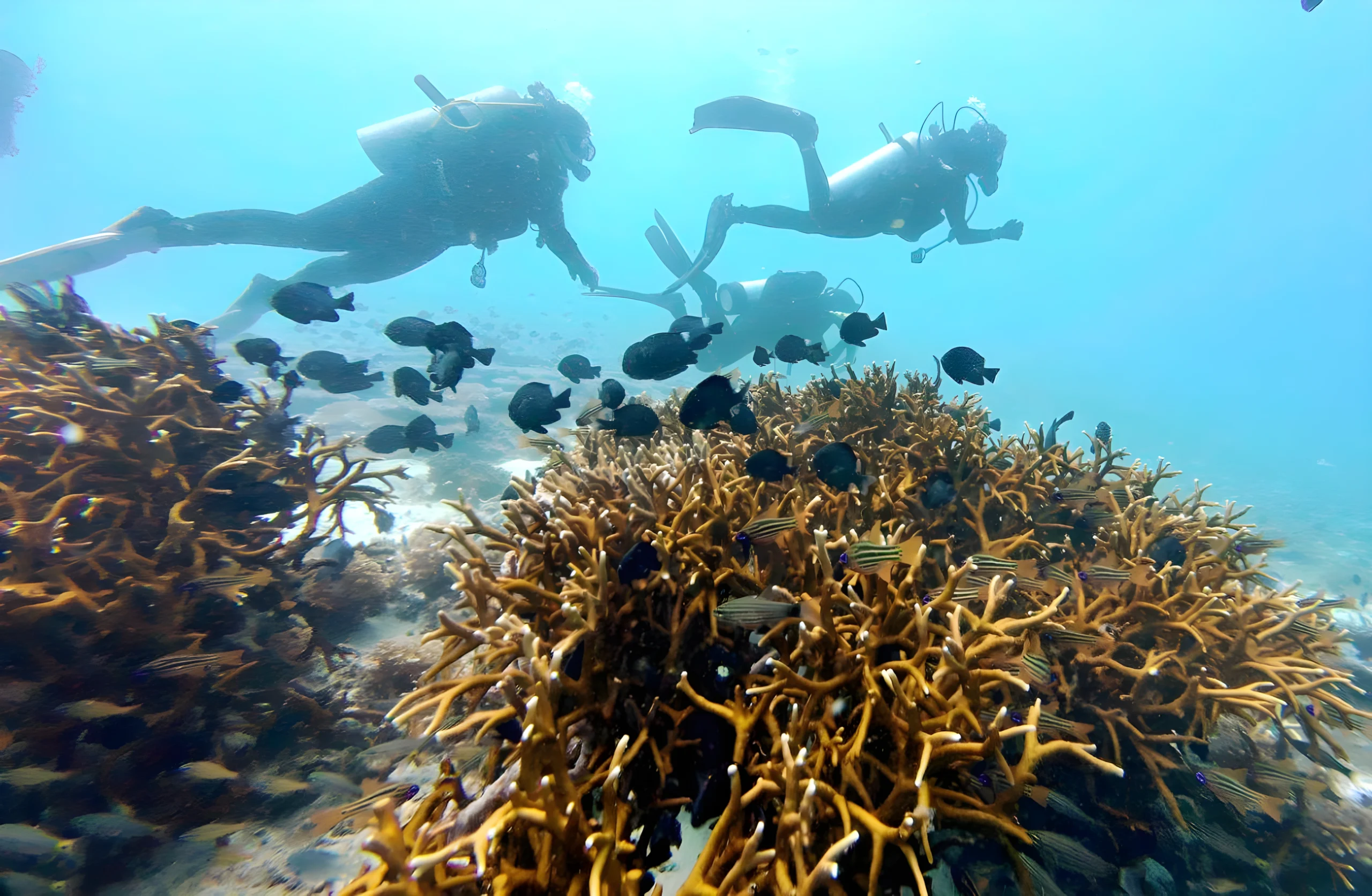
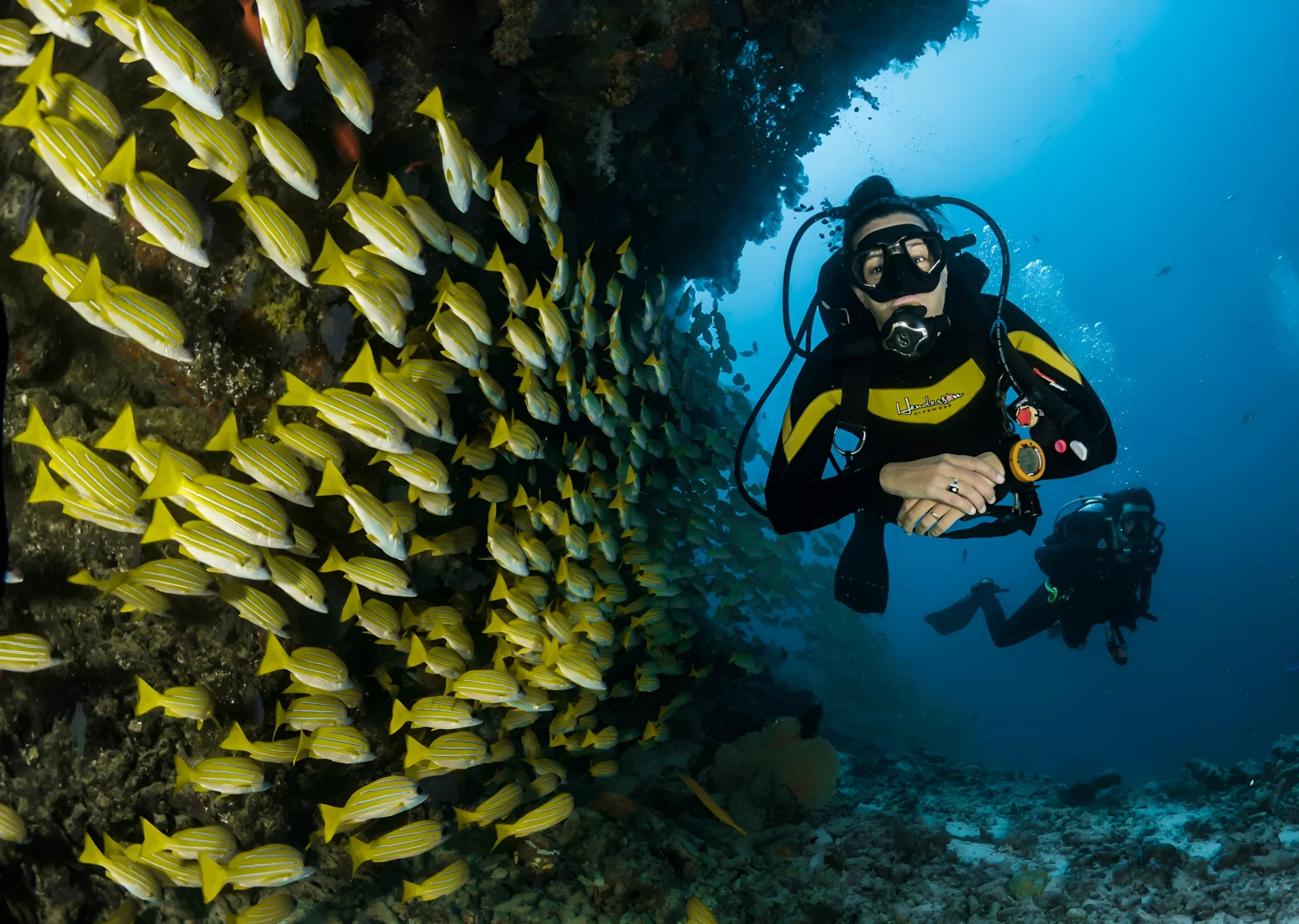
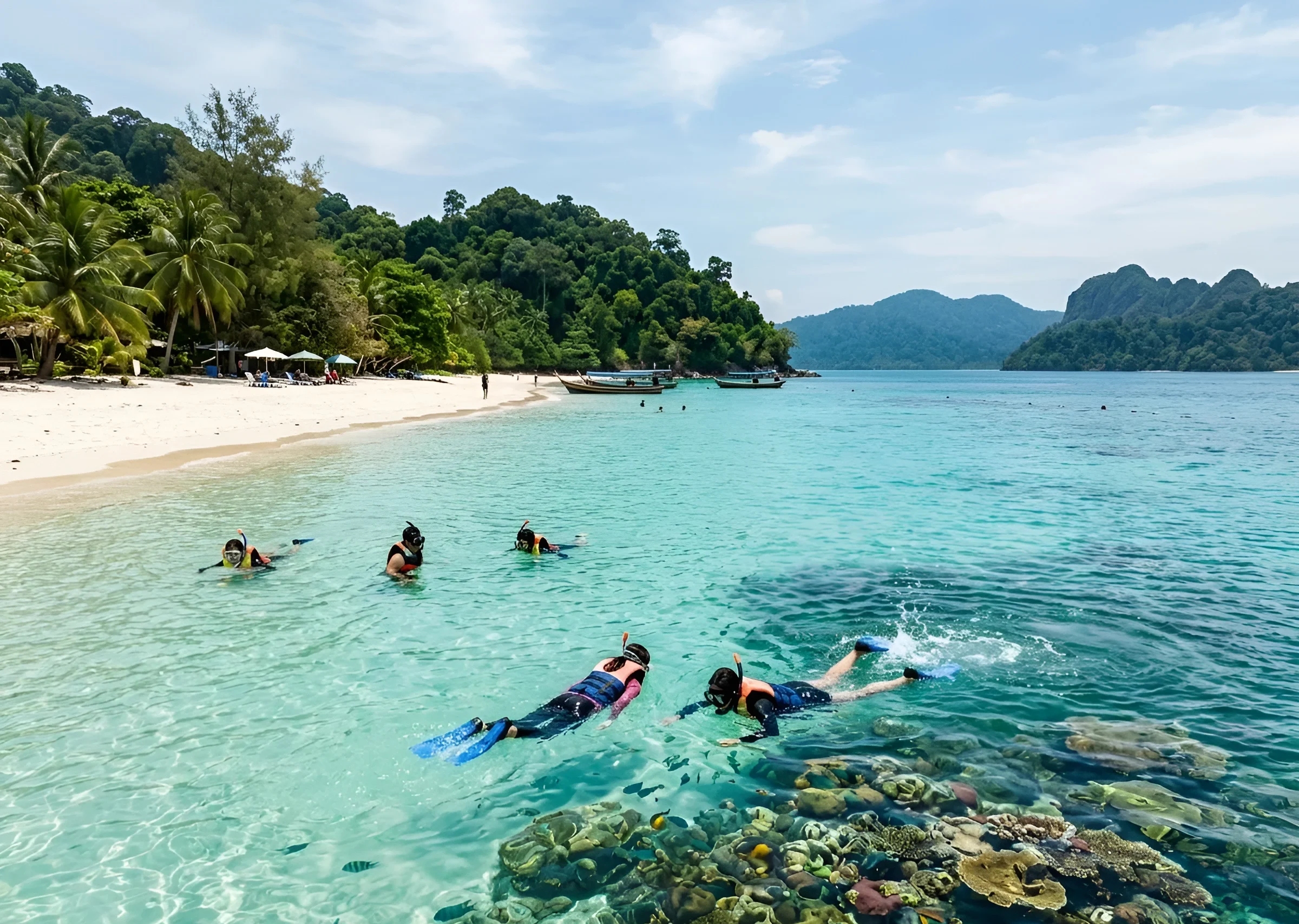
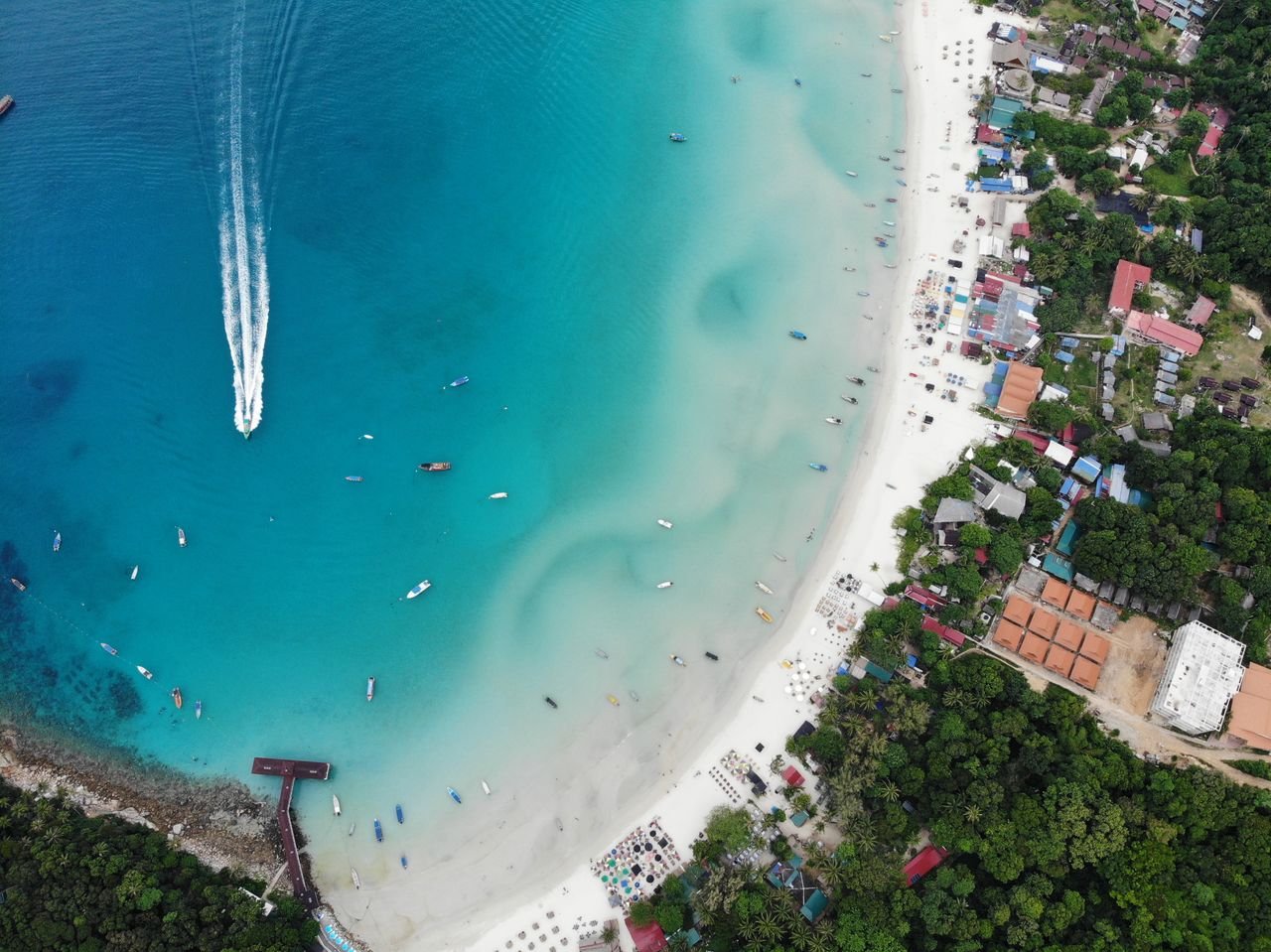
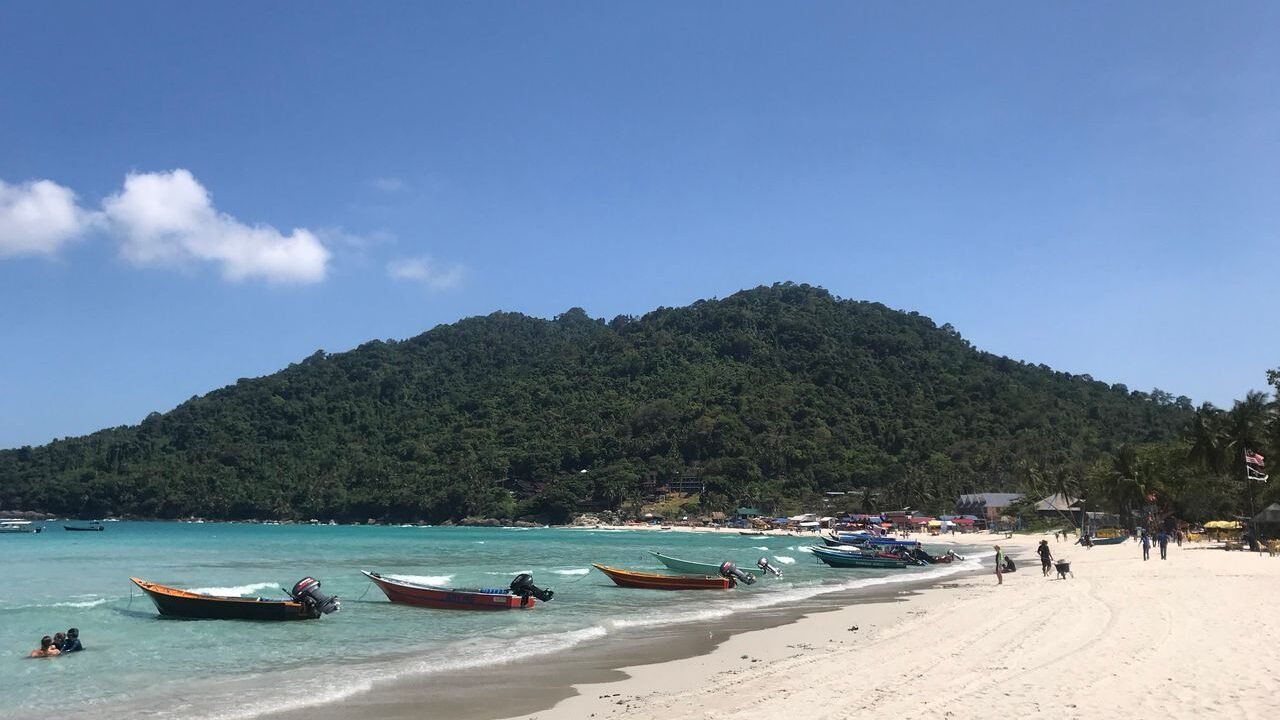
    Pulau Perhentian, one of Malaysia’s beloved island getaways, where you can enjoy everything from snorkelling among colourful marine life to enjoying quiet moments on the beach. However, do you know this island is made up of two islands? One is Pulau Perhentian Besar (Big Island) and the other is named Pulau Perhentian Kecil (Small Island).

    Whether it’s a relaxing family trip, a romantic escape, or simply an adventure with your friends, which of these two will fit your travelling plans better? This quick guide will help you compare both islands, plan your journey and prepare for a smoother trip.

    Pulau Perhentian Kecil vs Pulau Perhentian Besar: Which Should You Choose?

    Pulau Perhentian Besar

    To put it simply, this island is associated with a quieter, more resort-oriented atmosphere, making it popular with couples/honeymooners, families and travellers who want to spend more time relaxing by the sea within secluded beaches.

    Plus, many accommodation options are located along the coastline, allowing visitors to enjoy beach views and arrange snorkelling trips through their resort or a local operator.

    This island is a better option for travellers who prefer a more slow-paced holidays. Do keep in mind that the atmosphere varies especially during school holidays and peak travel periods.

    Pulau Perhentian Kecil

    If you enjoy a more social atmosphere, casual beachside dining and plenty of opportunities to meet other travellers, Pulau Perhentian Kecil may be the right choice for you. This part of island is known for a livelier evening atmosphere, particularly during the main travel season with its beach parties and fire shows.

    While Pulau Perhentian Besar resorts have their own direct beach access and private jetties, Pulau Perhentian Kecil features steeper jungle hills that often require climbing stairs to reach some accommodations.

    This island is better suited for backpackers, solo travellers or groups of friends who are looking for a place that has a more uplifting vibe. Prices may vary depending on the season and property, so it is still worth comparing your options before booking.

    Ways to Get to Pulau Perhentian

    Getting to Pulau Perhentian involves travelling to Kuala Besut Jetty, Terengganu, before taking a boat to the islands.

    • By Flight: Fly to Kota Bharu Airport or Kuala Terengganu Airport, then take a taxi or transfer to Kuala Besut Jetty.

    • By Bus: Take a long-distance bus from from Terminal Bersepadu Selatan (TBS) to Kuala Besut or a nearby terminal, then continue to the jetty if needed.

    • By Car Drive from Kuala Lumpur (KL) to Kuala Besut and park near the jetty before boarding your boat.

    What to Know Before Going There

    A little preparation can make a big difference, especially if this is your first time visiting this island. There are several things to keep in mind;

    •There are no ATMs on Pulau Perhentian: It is advisable to withdraw cash before arriving on the island whether at Kuala Besut Jetty which has multiple ATMs (BSN and Petron stations) or at the airport before your transfer.

    • Wifi & SIM card coverage: Buying a local prepaid SIM card (CelcomDigi or Maxis) is highly recommended. This can be done at the airport or at Kuala Besut Jetty before boarding the speedboat to the island. The signal strength coverage may vary at different locations.
    • Your Budget Planning: Set aside money for accommodation, meals, boat transfers and activities such as snorkelling or diving. Make sure to check current prices and any additional fees before your trip.

    🏝️ Looking for more island vibes like this? Check out our Pulau Besar, Johor: Malaysia’s Unspoiled Island Gem travel post where we uncover the island’s hidden beauty.

  • Discovering Marudi: Sarawak’s Gateway to River Heritage and Tribal Peace
    Discovering Marudi: Sarawak’s Gateway to River Heritage and Tribal Peace

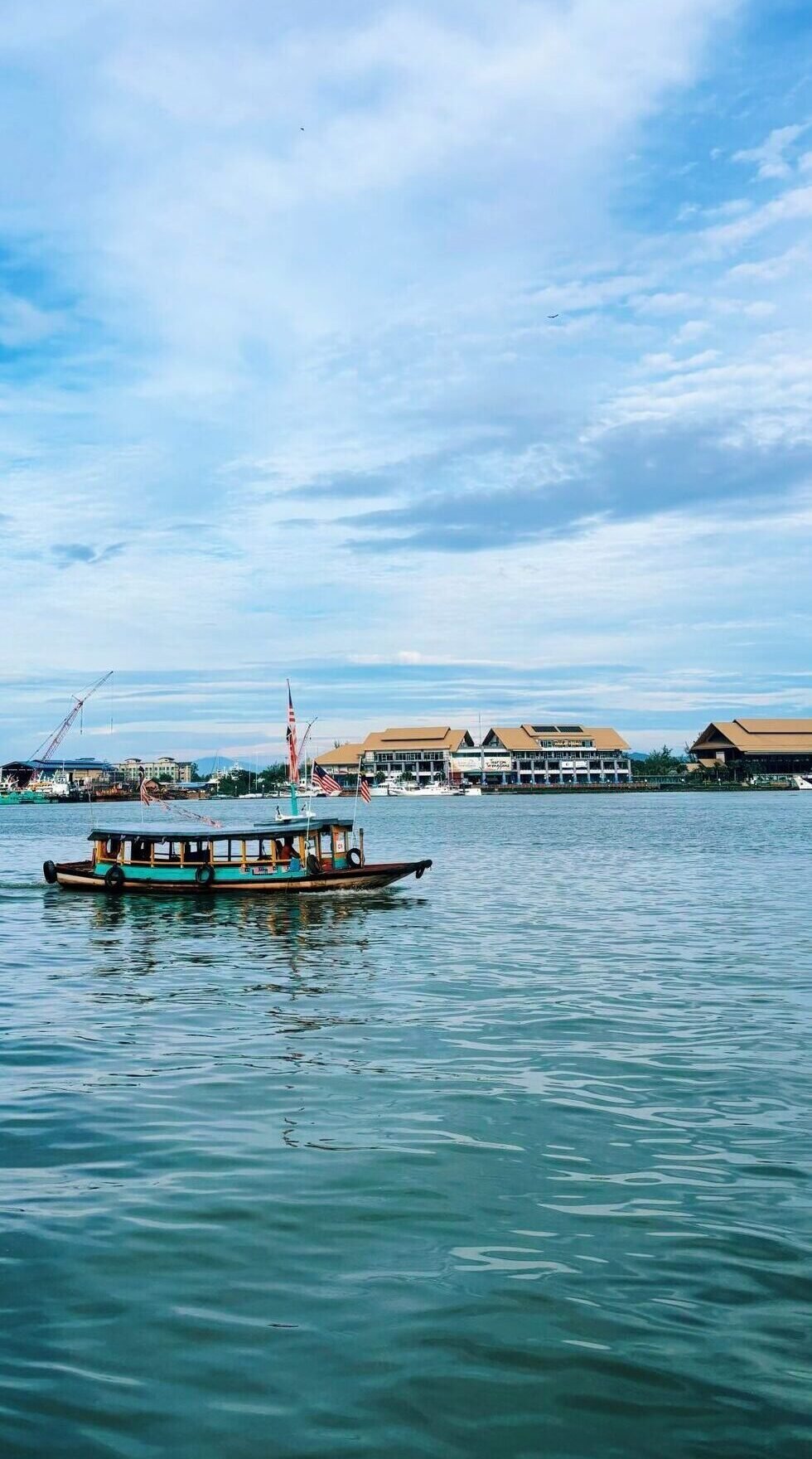
    Trading the commercial urban grid of Miri for an overland journey into northern Sarawak’s interior opens up a beautiful, slower-paced world where life revolves strictly around the mighty currents of the Baram River. Proudly serving as the historical administrative capital of the Baram district, the town of Marudi is a charming riverside sanctuary packed with 19th-century colonial fortresses, rich Orang Ulu cultures, and legendary water sports.

    If you are looking to walk the wooden galleries of a White Rajah outpost, feast on fresh river prawns, and discover the origins of Sarawak’s most legendary river festival, here is why this authentic interior enclave belongs on your bucket list.

    Timeless Attractions Beyond the Riverbanks

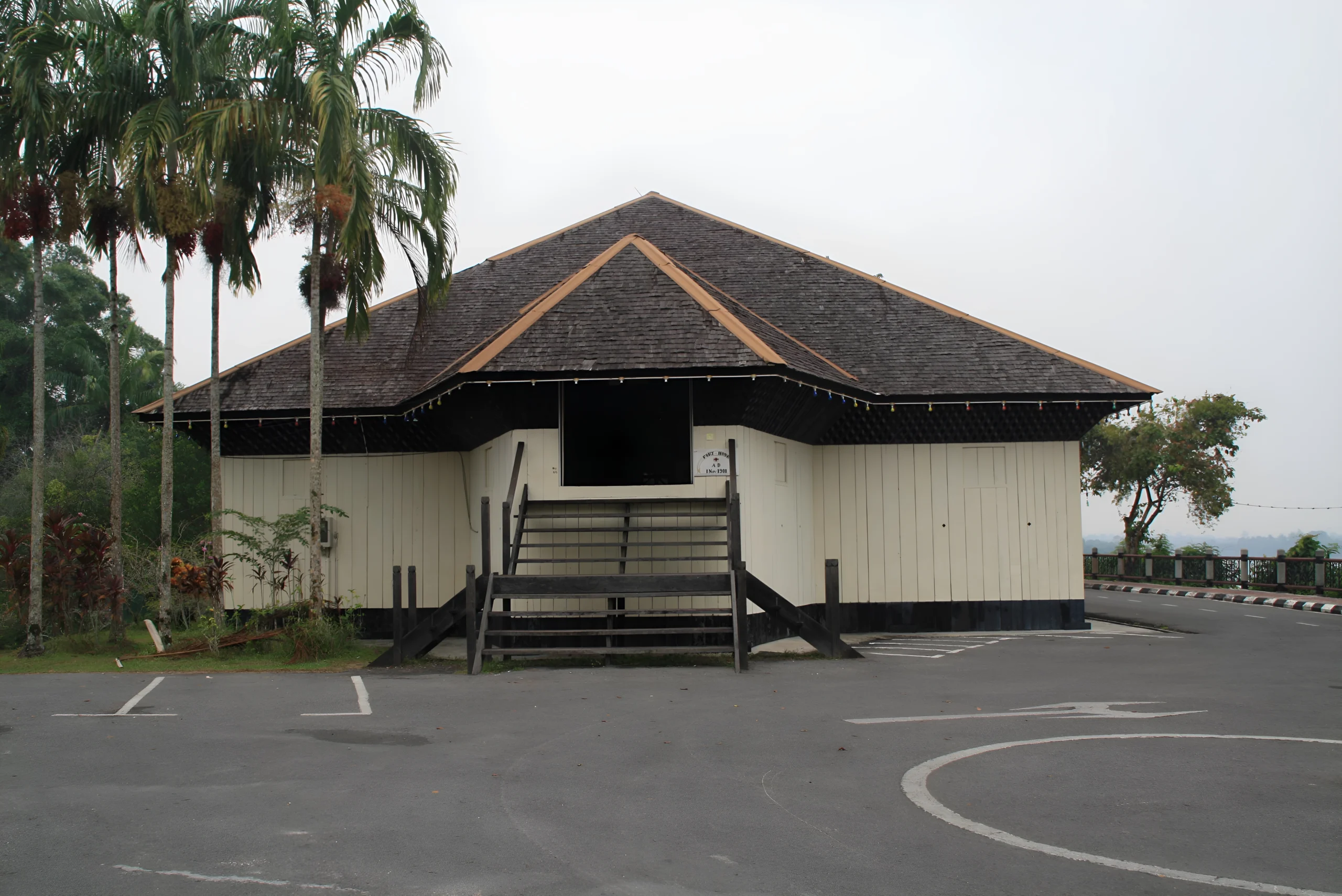
    The Fort Hose (source: museum.sarawak.gov.my)

    Marudi functions more like a peaceful cultural time capsule instead of a tourist trap. Back in the late 1800s, it served as the strategic foothold for Charles Brooke’s government before the administrative center was shifted closer to the coast.

    If you’re wondering how to spend your time here, this guide highlights the absolute best experiences.

    • Explore Fort Hose (The Baram Regional Museum):
    Perched majestically on a hill overlooking the water is this grand wooden fortress built in 1901. Meticulously restored after a devastating fire, the fort now houses an incredible museum tracing the history of the Brooke Dynasty, featuring rare tribal photos, intricately carved Orang Ulu shields, and ancient ritual masks.

    • Stroll the Marudi Waterfront & Old Town:
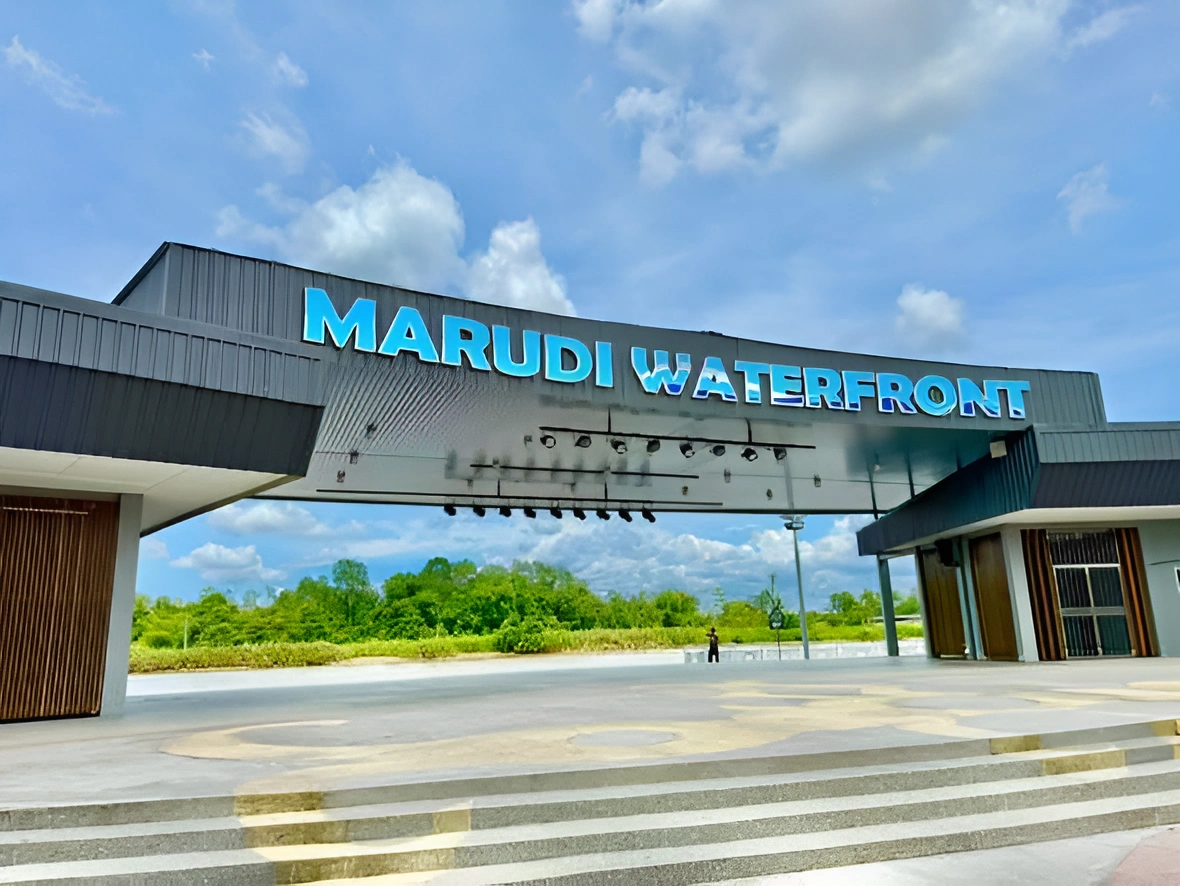
    Take a leisurely walking tour along the newly upgraded Marudi Waterfront esplanade. The parallel streets are lined with traditional, old-school wooden shoplots where local Chinese and indigenous traders sell hand-woven rattan mats, native beadwork, and local jungle produce.

    • Feast on Marudi’s Giant River Prawns:
    Foodies flock here for one major reason: Udang Galah (Giant Freshwater Prawns). Sourced fresh daily from the Baram riverbeds, local coffee shops and seafood diners steam or stir-fry these massive, sweet prawns to perfection, serving them up at incredibly competitive prices.

    The Magnificent Baram Regatta 2026 Showcase

    source: Regatta Sarawak Bumi Kenyalang on Facebook

    While the town is normally quiet, the river basin exploded into a high-energy arena this year as the legendary Baram Regatta 2026 officially took over the Marudi Waterfront from 23 to 26 July 2026.

    Here is a closer look at the festival’s unique timeline and why it holds such a sacred place in Sarawakian culture:

    📜 A 126-Year-Old Legacy of Peace

    This massive four-day festival isn’t just a basic boat racing competition or merely an exhilarating weekend of watersports; it is a cornerstone of Bornean history and arguably one of the most culturally significant festivals in the state, affectionately crowned the “Mother of All Regattas” in Sarawak. First organized in 1899 by Resident Charles Hose, the regatta was born as a historic peace agreement to end inter-tribal warfare and headhunting among the diverse communities of the Baram basin—including the Kayan, Kenyah, Iban, Kelabit, and Chinese.

    Fusing history with modern energy, this year’s theme was explicitly updated to “Peace, Unity, and Progress”, acting as a living manifestation of racial harmony where cultural differences are celebrated.

    ⚡ Roaring Engines and Synchronized Paddles

    Returning with unprecedented scale after a tough postponement last year due to heavy regional flooding, the Baram Regatta 2026 recorded its largest participation in history.

    • The Powerboat Battles:
    The first two days saw the river come alive with roaring engines as a record-breaking 162 teams from all over Sarawak and Brunei Darussalam competed in high-octane speed boat races, including a wildly popular new 50-horsepower category.

    • The Traditional Paddling Races:
    Over the weekend, the mechanical noise swapped for intense, rhythmic chanting as 11 traditional boat paddling categories fired up. Thousands of spectators lined the riverbanks to watch everything from the Open 10-paddler women’s category to the ultimate Premier Cup Sarawak, which saw elite teams like Benerang 4 from Mulu dominate the grueling Open 30-paddler men’s races. Feel free to review the full race breakdowns and championship standings via the Borneo Post Baram Regatta Coverage.

    Check out this fantastic video by YouTube creator McM Wajah Borneo for a look at the actual traditional paddling race held on the third day of Baram Regatta 2026!

    • The Carnival Vibe:
    Off the water, the closed-off streets hosted the Ratu Baram Regatta 2026 beauty pageant, late-night Unity Concerts, decorated float parades, and endless rows of native food and handicraft stalls. To browse community photos, fan videos, and future race announcements from local enthusiasts, check out the public Regatta Sarawak Bumi Kenyalang Facebook Community.

    The top three winners of the Ratu Baram Regatta 2026 (source: theborneopost.com)

    📌 Fast Facts for Your Itinerary

    📍 Location: Marudi District, Miri Division, Sarawak, East Malaysia

    🚗 Getting There via the New Infrastructure: Reaching this interior town has become vastly smoother. While travelers previously relied on slow, expensive car-ferry transits across the river, your 2026 overland journey is seamless thanks to the fully operational, modern Marudi Bridge, connecting the main road network straight into town. It is a straightforward 1.5-hour drive or e-hailing ride from Miri city center. For official municipal notices and regional updates, you can refer directly to the Pejabat Pentadbiran Bahagian Miri Portal.

    📅 Best Time to Visit: Marudi is great all year round for a quiet weekend escape; however, aligning your holiday with the mid-year festival dates ensures you catch the town at its absolute liveliest. Always double-check weather advisories, as the low-lying Baram basin can experience seasonal monsoon rain overflows late in the year.


    🗺️ Prefer an Arranged Day Trip? If you don’t want to navigate the overland drive from Miri independently, you can opt for an all-inclusive itinerary that handles the logistics for you. Explore structured day packages out to the town’s historic temples and local longhouses via the Borneo Travel Network Tour Directory.

    💡 Read Next: Ready to trade the roaring powerboats and historic riverfronts of northern Sarawak for an enchanting journey deep inside moss-covered limestone caves? Head down south across the state to explore Bau’s magical subterranean kingdom in our ultimate guide to Fairy Cave!

  • Solo in Pantai Cenang: What To Expect

    Solo in Pantai Cenang: What To Expect

    When you travel solo, picking the right base camp can make or break your trip. You want somewhere lively enough that you won’t feel lonely, but chill enough that you don’t feel overwhelmed.


    That’s where Pantai Cenang makes its entrance.

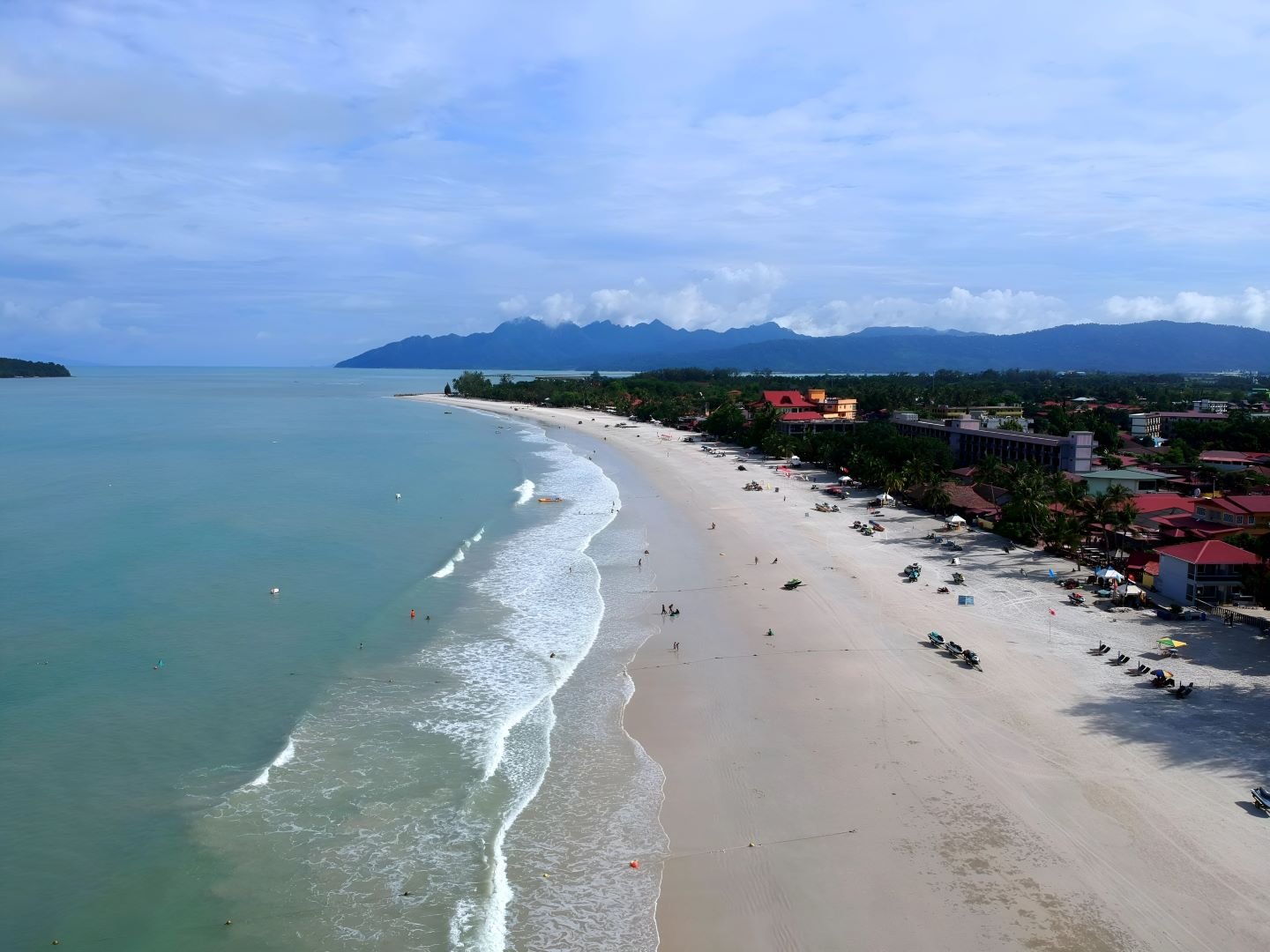
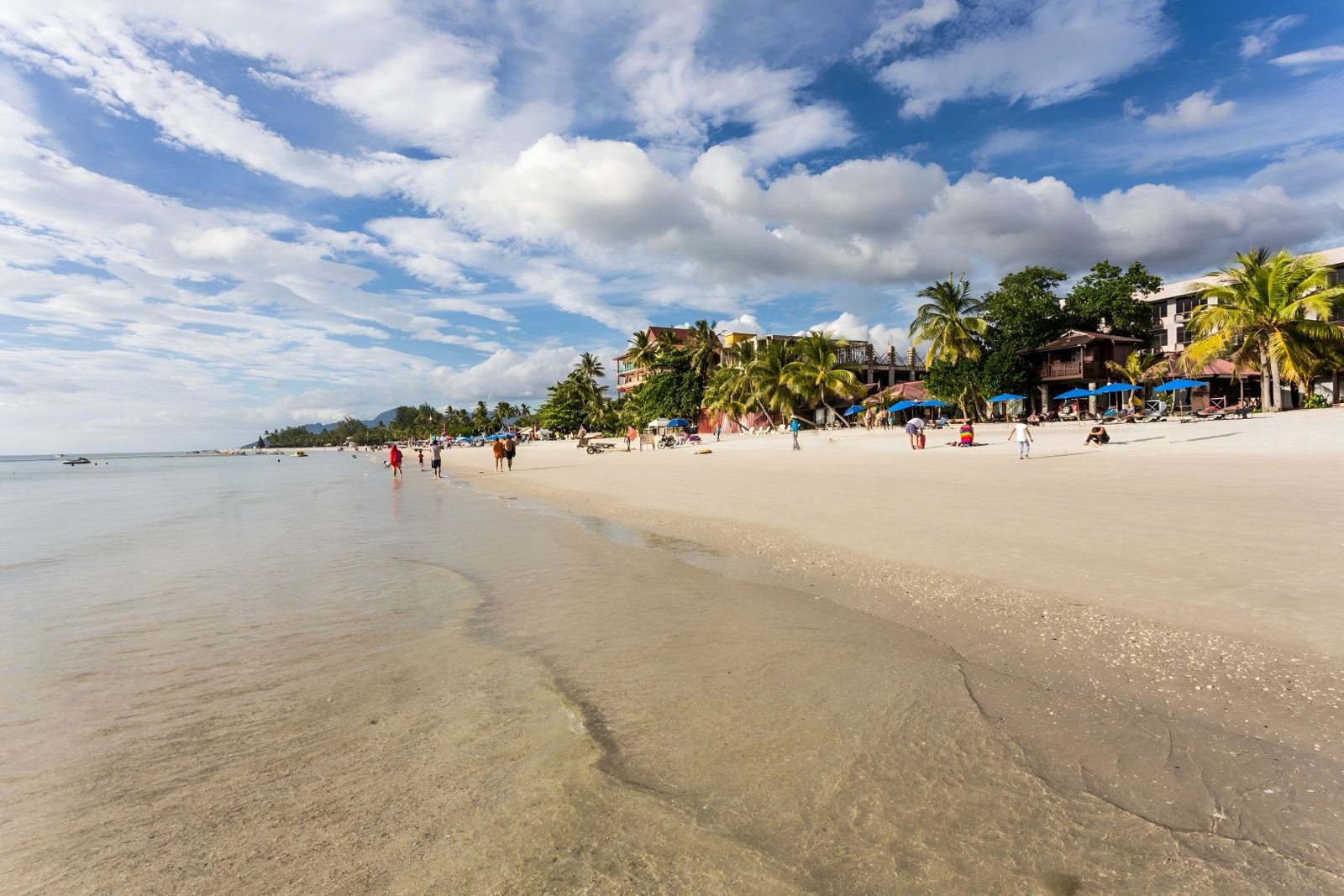
    Pantai Cenang is one of Langkawi’s most developed and popular beach areas that presents a broad coastal landscape along Langkawi’s western shoreline. This approximately 2 kilometres of pale sandy beach that faces the Andaman Sea, is framed by clear tropical waters and an open horizon, creating expansive views across the coast.

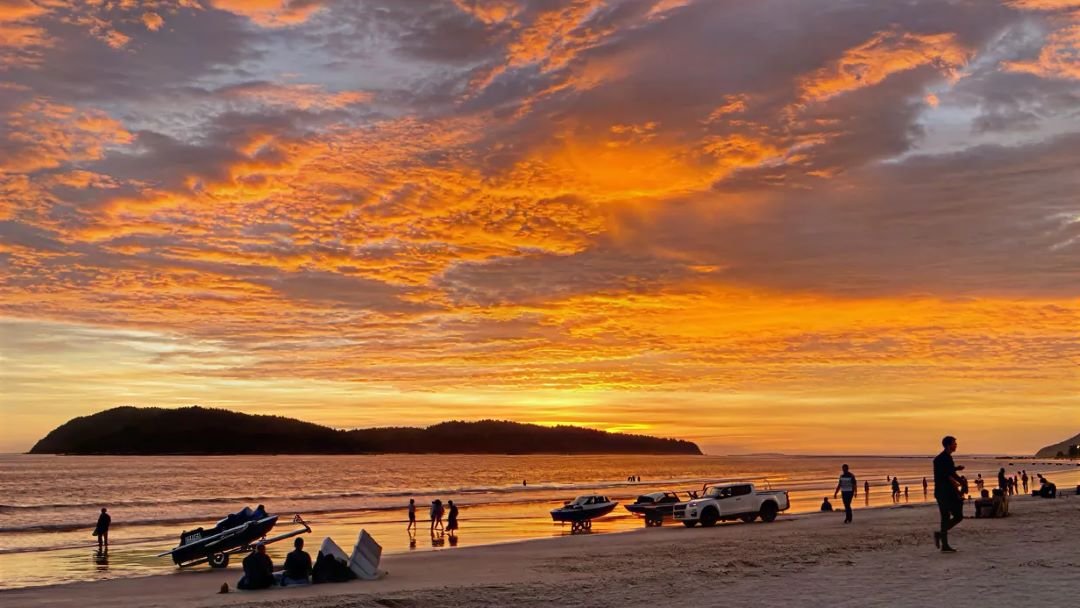
    The combination of blue waters, bright skies and sandy shoreline creates a naturally vibrant overview during clear weather. Meanwhile towards evening, the open western coastline provides views of the sunset over the Andaman Sea, shifting from a yellow hue to deep orange and pastel purple.

    Since Pantai Cenang features a very wide, flat intertidal zone, once the tide goes out during sunset, a thin sheet of water blankets the wet, white sand, creating a giant natural mirror that reflects the sky perfectly on the ground; The sole reason why the sunset at the beach is called “The Golden Mirror”.

    Activities To Do When You’re There

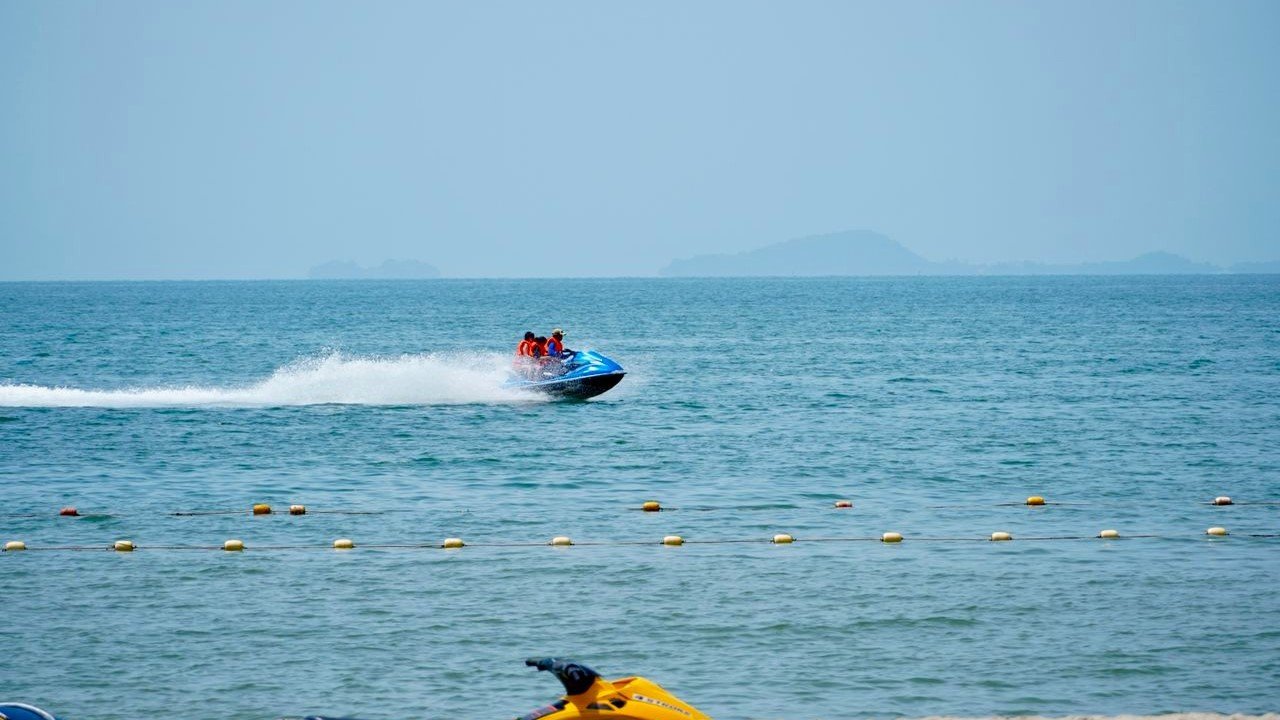
    There is nothing quite like the rush of hitting 55 km/h across the open ocean, the salty sea spray hitting your face as you cut through turquoise waves.

    If you are visiting Langkawi, renting a jet ski is the fastest way to turn a relaxing beach day into an absolute adrenaline rush. Whether you’re there for a solo adventurous trip or you’re with a small circle of friends looking forward to a fun memorable experience, there are several operators— three most highly recommended to be specific, like Red Ray Watersports, Mega Water Sports Sdn Bhd and Alyna Watersports Jetski Tours— that provide live services and active water sports operations right off the main shoreline of Cenang. The standard rates and pricing range between RM80 to RM170 as of recently.

    We, however, do recommend you to book your session beforehand as it often guarantees you the base line rate compared to if you walk up to beachfront booths on Pantai Cenang without a booking as operators sometimes quote inflated prices.

    Another thing to keep in mind, mentioned by a visitor, is to be aware of ‘Damage Scams’ where a few unverified beach operators have been known to call out “scratches” after a ride thus asking you for compensation.
    Just to be safe, always snap a quick 360-degree video of your jet ski on the sand before pushing out into the water.

    For the solivagants who seek a relaxing alone time, other activities you can try out includes a visit to the Kalut and Cafe Bar, where you can reach for a beanbag on the beach, sink your toes into the sand, enjoy a sunset drink, and watch the free, high-energy beach fire shows done by local fire artists groups like in the video shared by J&M | Travel • Outdoor on Youtube below!

    Or head over to the Temonyong Night Market where you can stroll over 50 local stalls selling charcoal-grilled seafood, satay, laksa Kedah, local fruits, and affordable clothes or accessories.

    Just a fair warning: we make no promises about you leaving empty-handed as it can be incredibly hard to resist spending a few ringgit once you smell the fresh seafood nearby ><

    Keropok Lekor
    Grilled Seafood
    Satay

    💡 Read Next: Leave the lively beach bars, local food stalls, and golden sands of Kelantan’s coastline behind for an absolute tropical island paradise. Head across the water to Terengganu to swim alongside sea turtles, snorkel through coral gardens, and lounge on blindingly white beaches in our ultimate guide to Pulau Perhentian!

    What You Should Expect There

    Structuring a morning or late afternoon stroll around the gateway grounds rewards you with an excellent historical itinerary:

    • Noisy during peak hours:
    Pantai Cenang is not a quiet, secluded beach destination. It is a popular tourist area, so expect a relatively lively atmosphere, especially during peak periods.

    • Water Sports Traffic:
    Related to the water sports, the beach is heavily populated with jet skis, boats, and parasailers. If you’re swimming— alone or not, always make sure to swim far away from jet-ski lanes to avoid accidents

    • Be Mindful of Jellyfish:
    While the water is generally inviting, occasional seasonal jellyfish—including box jellyfish—have been present. Avoid swimming at dawn or dusk when they are most active. If you choose to swim, stay within designated areas monitored by the Civil Defence Force beach patrols

    •Traffic Jams:
    The main strip (Jalan Pantai Cenang) can get incredibly congested in the evenings. We recommend you to walk or using a scooter, which are often faster than driving a rental car.


    Check out the Langkawi vlog by Create with Somya on Youtube to see a glimpse at what Pantai Cenang has to offer in actuality. Watch the video below!

    So, Is Pantai Cenang Worth Visiting Solo?

    Overall, Pantai Cenang offers a combination of scenic tropical beach landscape, activities, food and convenient tourist facilities, making it an interesting stop for those exploring Langkawi alone.

    You can keep your day completely relaxed, fill it with activities or simply wander around and see where the day takes you. And perhaps that’s one of the best parts of travelling solo — you get to experience the destination at your own pace.

    So pack your essentials, take a walk along the beach and see what Pantai Cenang has waiting for you!

  • Fairy Cave: Bau’s Mystical, Moss-Covered Underground Kingdom

    Fairy Cave: Bau’s Mystical, Moss-Covered Underground Kingdom

    Swapping the urban energy of Kuching for an unforgettable day trip typically leads travelers to historic riverfronts or wildlife sanctuaries, but a truly spectacular, prehistoric world lies hidden just under an hour away. Lodged away near the historic gold-mining town of Bau, the Fairy Cave (Gua Pari-Pari) is a jaw-dropping, 170-million-year-old Jurassic limestone wonder that serves as one of Sarawak’s most mystical natural adventures.

    Part epic show cave, part sacred regional shrine, this subterranean paradise makes you feel like you’ve stepped directly onto a cinematic fantasy set. If you are ready to test your stamina, wander into pitch-black caverns, and witness ancient rock sculptures carved entirely by water, here is why this massive cave system is an absolute must-visit.

    source: kumparan.com

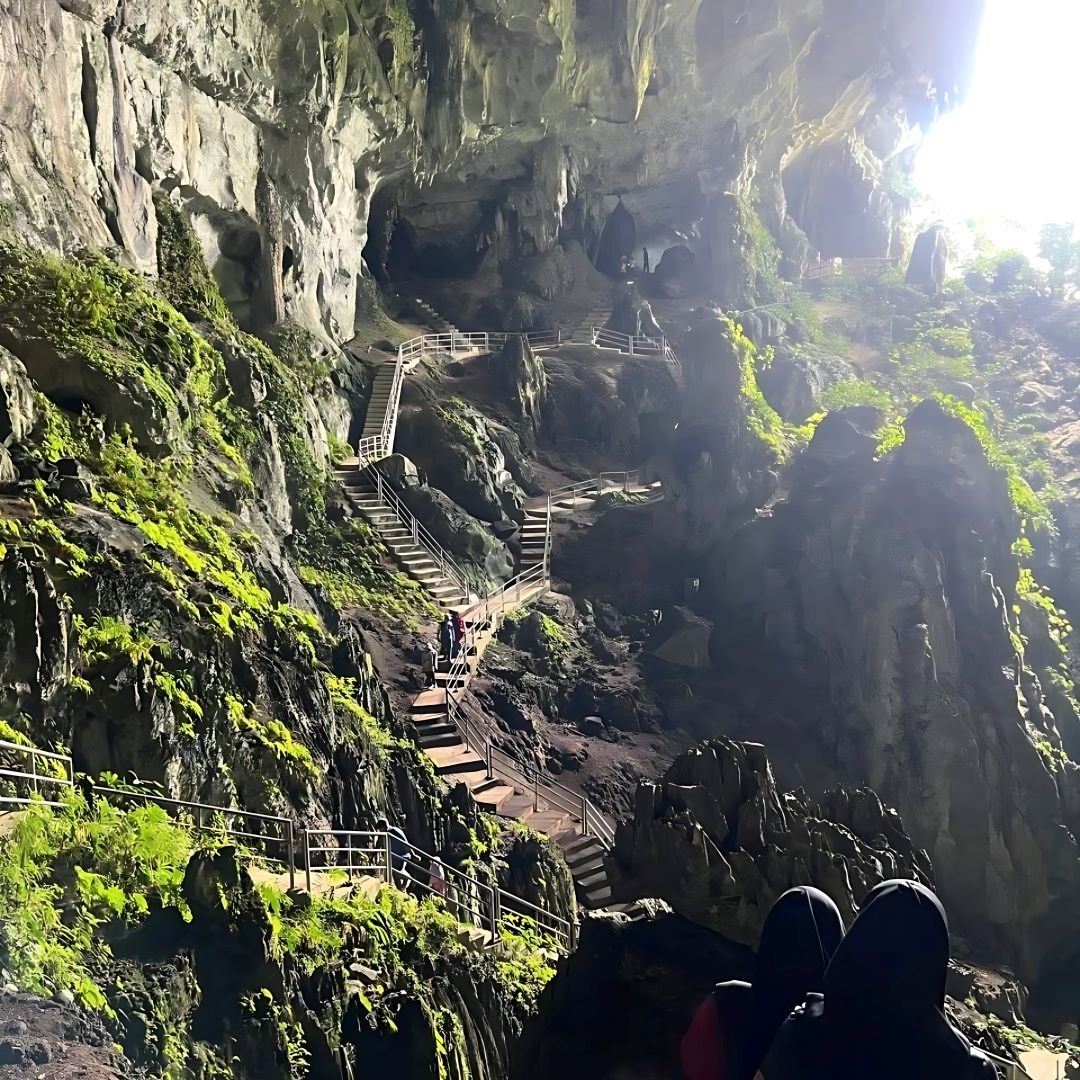
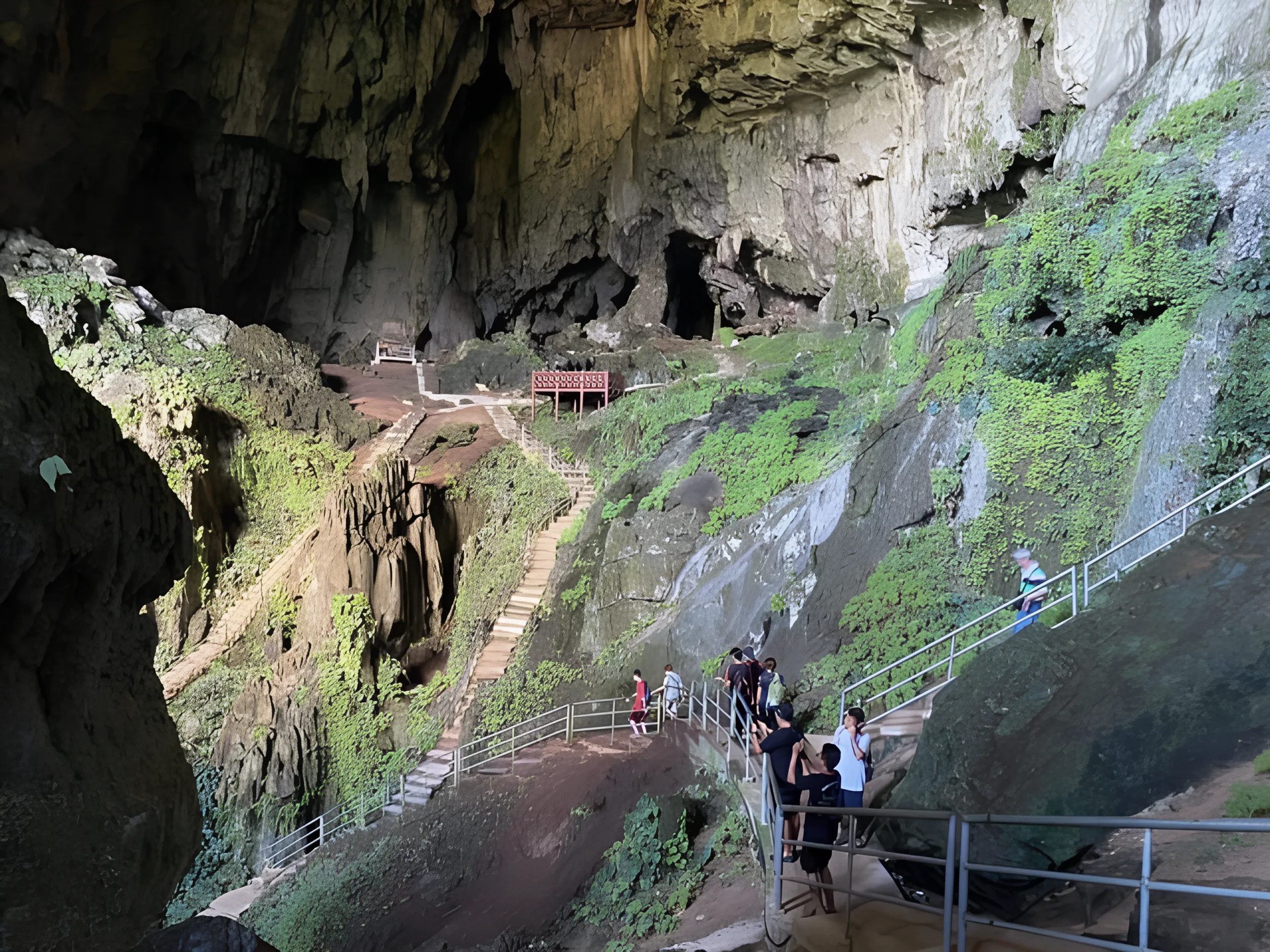
    Fairy Cave is an architectural and geological breath of fresh air that stands in stark contrast to manicured city attractions. To even enter the main cavern, you have to conquer a towering, four-story concrete staircase bolted right against the vertical, outdoor cliff face. Once you squeeze through the narrow, rocky entrance tunnel, the space instantly explodes into a massive, multi-tiered chamber that is large enough to fit an entire cathedral.

    Because the roof of the main cave has a massive, natural skylight opening, the interior is flooded with a brilliant mix of shifting daylight and dense shadows. This unique climate allows rich carpets of vibrant green moss, ferns, and tropical flora to grow right over the raw rock walls, creating a stunning, fairytale-like underworld.

    What Is Drawing People To It

    source: sarawaktourism.com

    Fairy Cave has captured the attention of world travelers, cave enthusiasts, and cultural historians for three distinct reasons:

    • The Goddess Stalagmite: The cave derives its English and Malay name from an incredible, naturally formed stalagmite near the main opening. Local Chinese communities note that its unique silhouette bears a striking resemblance to Guan Yin, the Chinese Goddess of Mercy, making it a highly revered sacred prayer site lined with small shrines and incense.

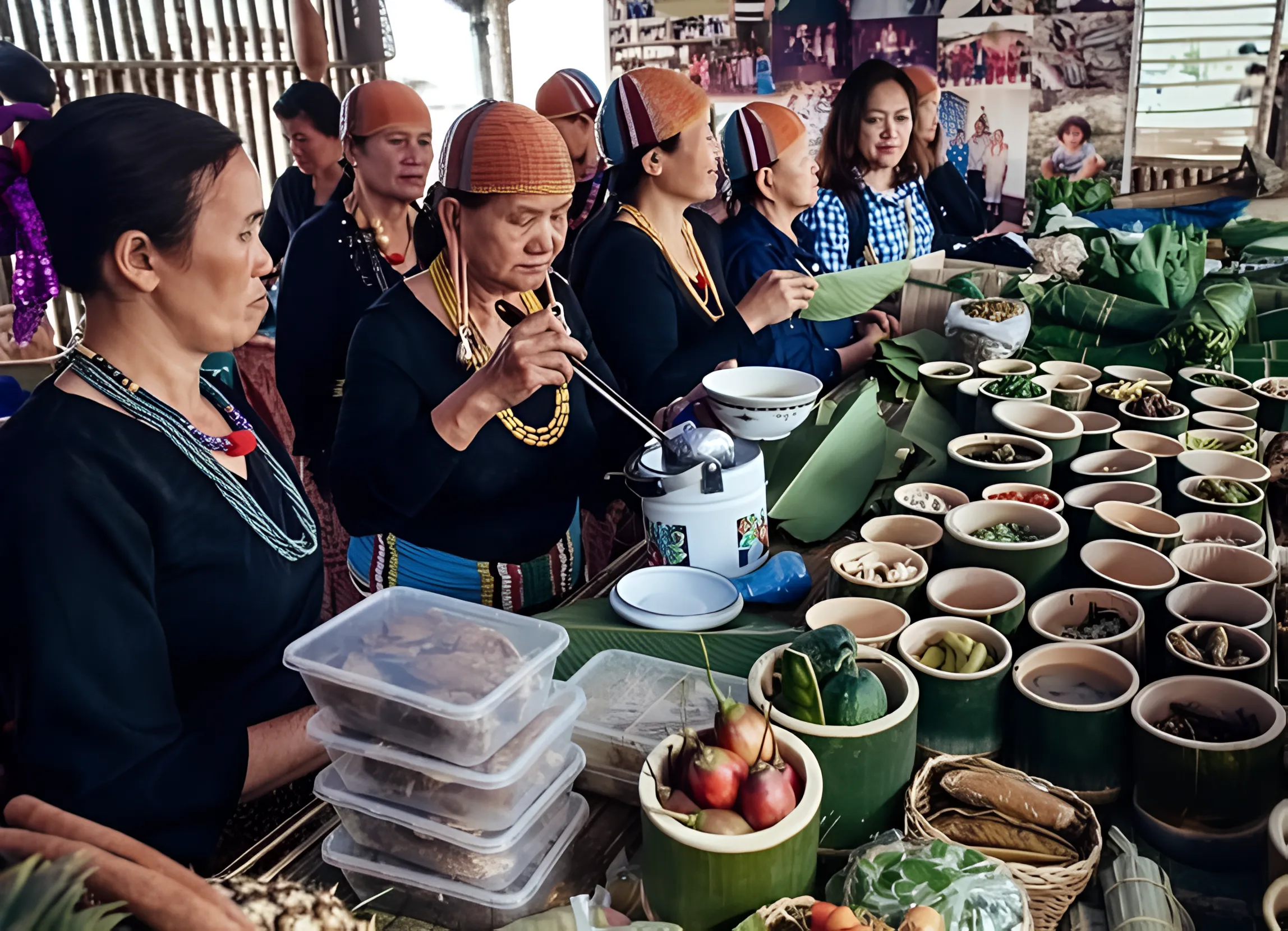
    • The Community-Led Hype: The surrounding area has experienced a major boost in energy thanks to the vibrant annual Pesta Fairy Cave (Fairy Cave Festival). Organized right at the base of the mountain, it features lively local Bidayuh cultural showcases, artisan craft markets, and festive local food stalls.

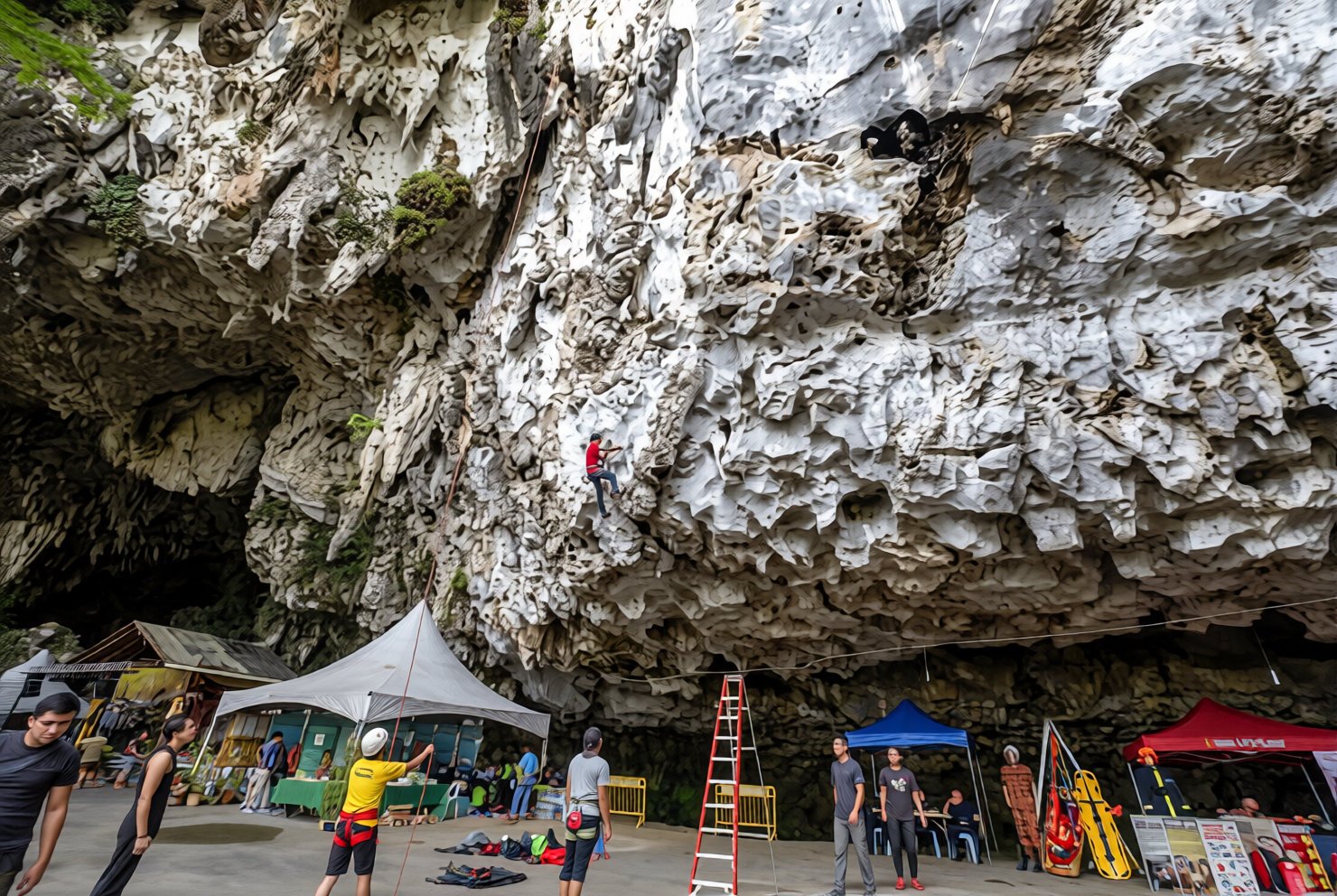
    • An Adrenaline Hub: Beyond the walking trails, the sheer vertical limestone walls on the exterior of the mountain (specifically the Batman Wall) are world-famous among professional rock climbers who travel to Sarawak to map out extreme, high-difficulty outdoor routes. Check out active safety protocols and route variations via the official Sarawak Tourism Climbing Guide.

    💡 Read Next: Looking to trade the dark, mysterious depths of Sarawak’s caverns for a bright, sun-drenched beach escape? Head across the water to the peninsula and discover Johor’s untouched marine paradise in our guide to Pulau Besar!

    Discover Your Next Move

    source: utusanborneo.com.my

    A standard journey through the cave takes roughly 1.5 to 2 hours and allows you to seamlessly explore two entirely distinct trail systems:

    • The Twilight Trail: This stunning, elevated wooden boardwalk route winds directly through the sunlit main cavern. It is highly photogenic, letting you safely marvel at massive, hanging stalactites, ancient rock sculptures, and a giant natural rock depression known to locals as the “Hero’s Footprint”.

    • The Dark Trail: If you crave true exploration, this unlit loop cuts deep into the back of the mountain. There are zero man-made lights here; you will walk past hanging families of bats and nesting swiftlets using only your flashlight while navigating tight, muddy passages and steep wooden ladders.

    • The Paku Rock Maze & Blue Lake: Because the cave takes half a day to explore, most travelers combine it with a stop at Tasik Biru (Blue Lake) right in Bau town to enjoy a steaming bowl of authentic Sarawak Laksa at the floating food courts.

    source: borneotalk.com

    📌 Fast Facts for Your Itinerary

    📍 Address: Jalan Fairy Cave, 94000 Bau, Sarawak, Malaysia

    ⏰ Operating Hours: 9:00 AM – 3:00 PM (Tuesdays to Sundays). Strictly closed on Mondays.

    🎫 Admission Fee: Incredibly budget-friendly! Tickets cost just RM1 for Malaysian adults and RM5 for international visitors. Children under 6 enter completely free.

    💡 Pro-Tip: The handrails inside the entry stairs can get heavily covered in wet mud and bat droppings. Pack a pair of cheap disposable gloves for a cleaner grip, wear sturdy shoes with strong traction, and make sure your phone is fully charged to use as a backup light source!

  • Kuching Waterfront: The Vibrant Riverside Heart of Borneo

    Kuching Waterfront: The Vibrant Riverside Heart of Borneo

    Stretching beautifully for roughly 1.5 kilometers along the southern bank of the Sarawak River, the Kuching Waterfront is a scenic, vibrant promenade that perfectly blends deep colonial heritage with modern city life.

    Part historic trading hub, part buzzing evening hotspot, this beautifully landscaped esplanade completely comes alive the second the sun dips below the horizon. If you are looking to enjoy a world-class sunset, sample legendary Bornean street food, and walk across the sky, here is why the waterfront is the ultimate starting point for your Sarawak journey.

    The Kuching Waterfront is an open-air cultural tapestry that links the city’s ancient roots directly to its futuristic skyline. Back in the 19th century, this exact river bank served as a bustling international trading port under the Brooke era.

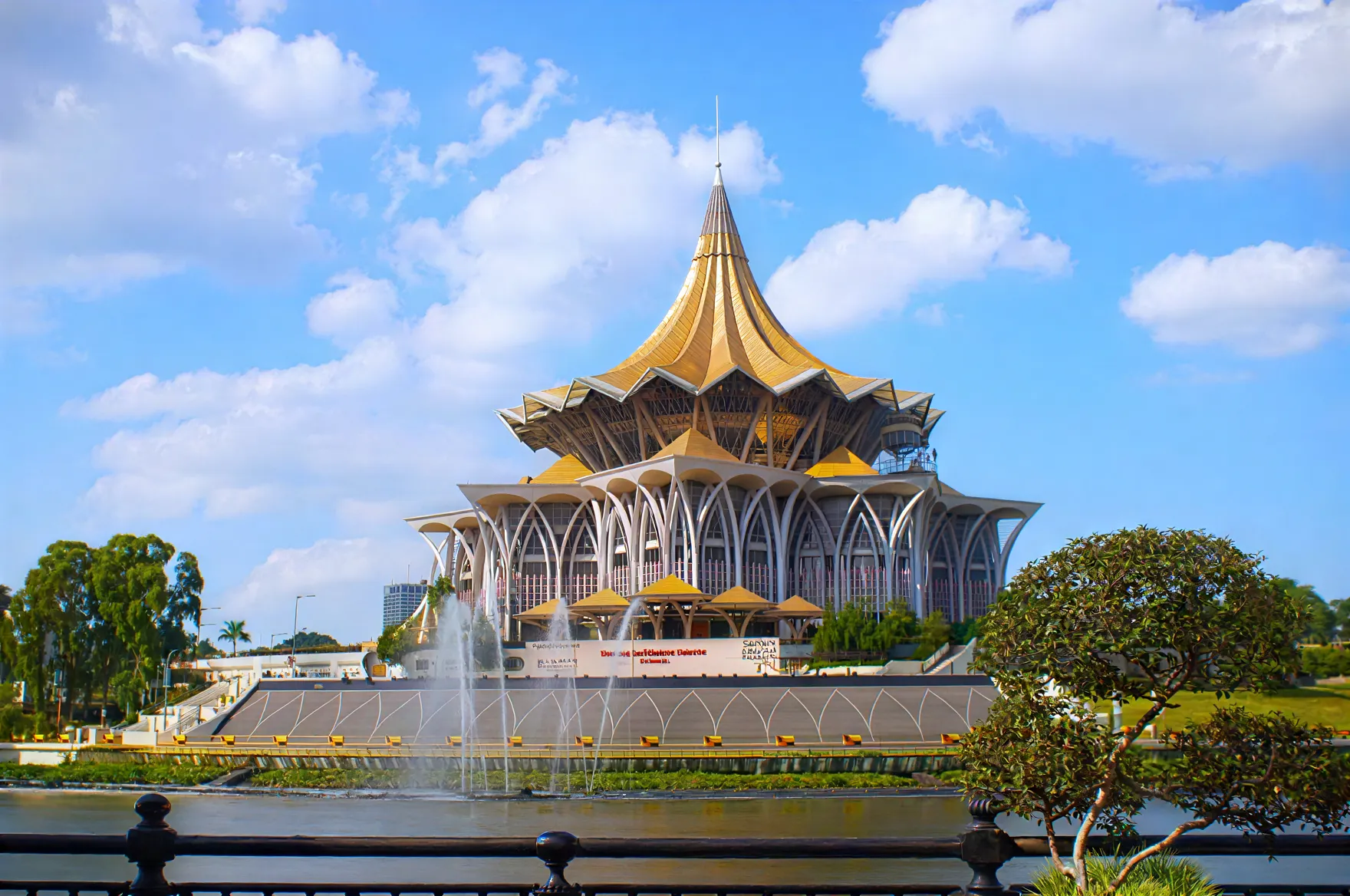
    Today, the meticulously revitalized esplanade treats pedestrians to a gorgeous, tree-lined walking path dotted with historical treasures. As you wander along the paved paths, you will pass everything from the Square Tower (a 19th-century colonial fortress) to the Chinese History Museum, all sitting directly across the water from the ultra-modern, golden-roofed Sarawak State Legislative Assembly building. The entire stretch feels wonderfully laid-back, offering a gentle river breeze that makes it a preferred local sanctuary to escape the tropical heat.

    source: merdekapalace.com

    The waterfront serves as the absolute epicenter of social life in the city for three major reasons:

    • The Iconic “Golden Bridge”:
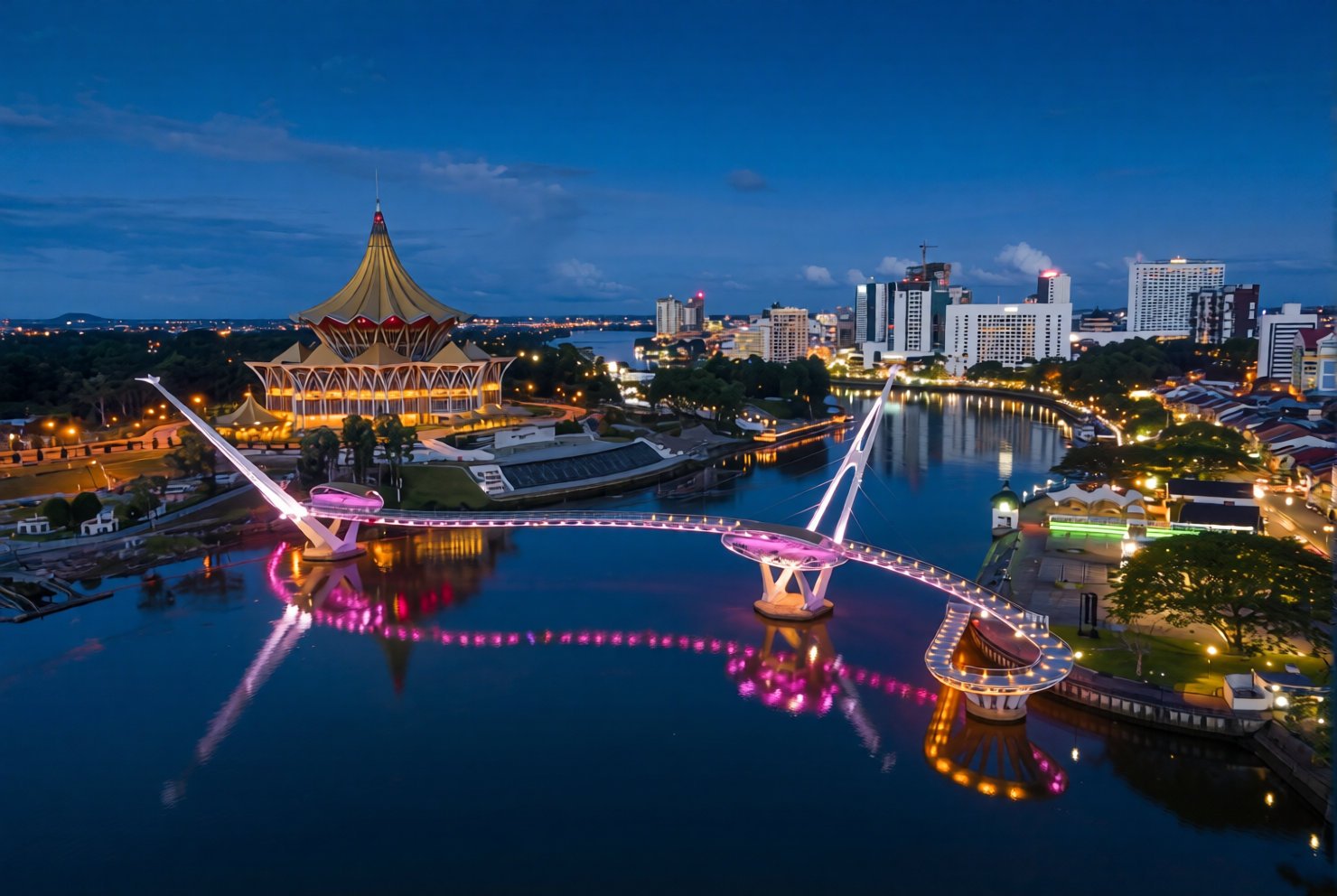
    Arching gracefully over the river is the spectacular Darul Hana Bridge. This striking, cable-stayed pedestrian footbridge features an asymmetric, S-shaped design that offers breathtaking 360-degree views of the old town and the northern banks.

    • The Mega Nighttime Hub:
    The area has seen a massive surge in energy with the implementation of the Kuching Heritage Waterfront project, turning the river corridor into a bustling nighttime tourist destination packed with live music, street buskers, and bright artisan markets.

    • The Home of Massive Festivals:
    It serves as the official stage for the state’s biggest celebrations. From the colorful Gawai Niti Daun Parade in June to massive, star-studded New Year countdowns featuring iconic drone relay displays, the waterfront is where the community gathers to celebrate.

    💡 Read Next: Ready to trade the breezy, open-air riverfronts of Kuching for a thrilling journey deep into ancient stone caverns? Head under an hour inland to explore Bau’s magical underground world in our ultimate guide to the Fairy Cave!

    Local Attractions To Experience

    source: bagasi.my

    Spending an afternoon and evening along the riverbanks yields an array of immersive local experiences:

    • Ride a Traditional Tambang:
    Ditch the modern taxis and pay local boatmen a tiny fee to ferry you across the river in a traditional wooden tambang boat. It is a classic Kuching rite of passage that gives you a front-row seat to the setting sun.

    • The Musical Fountain Spectacle:
    Every single evening, the riverbanks light up for the dramatic Darul Hana Musical Fountain show. Watch as synchronized water jets, vibrant colored lights, and traditional music put on a high-tech show right in front of the illuminated parliament complex.

    source: furbago.com
    source: borneotalk.com

    • A True Bornean Feast:
    The esplanade is lined with open-air food stalls serving up local culinary legends. Snag a table right by the water to feast on authentic, smoky Sarawak Laksa, savory Kolo Mee, and sweet Gula Apong ice cream while watching the boats cruise by.

    • Explore across to Fort Margherita:
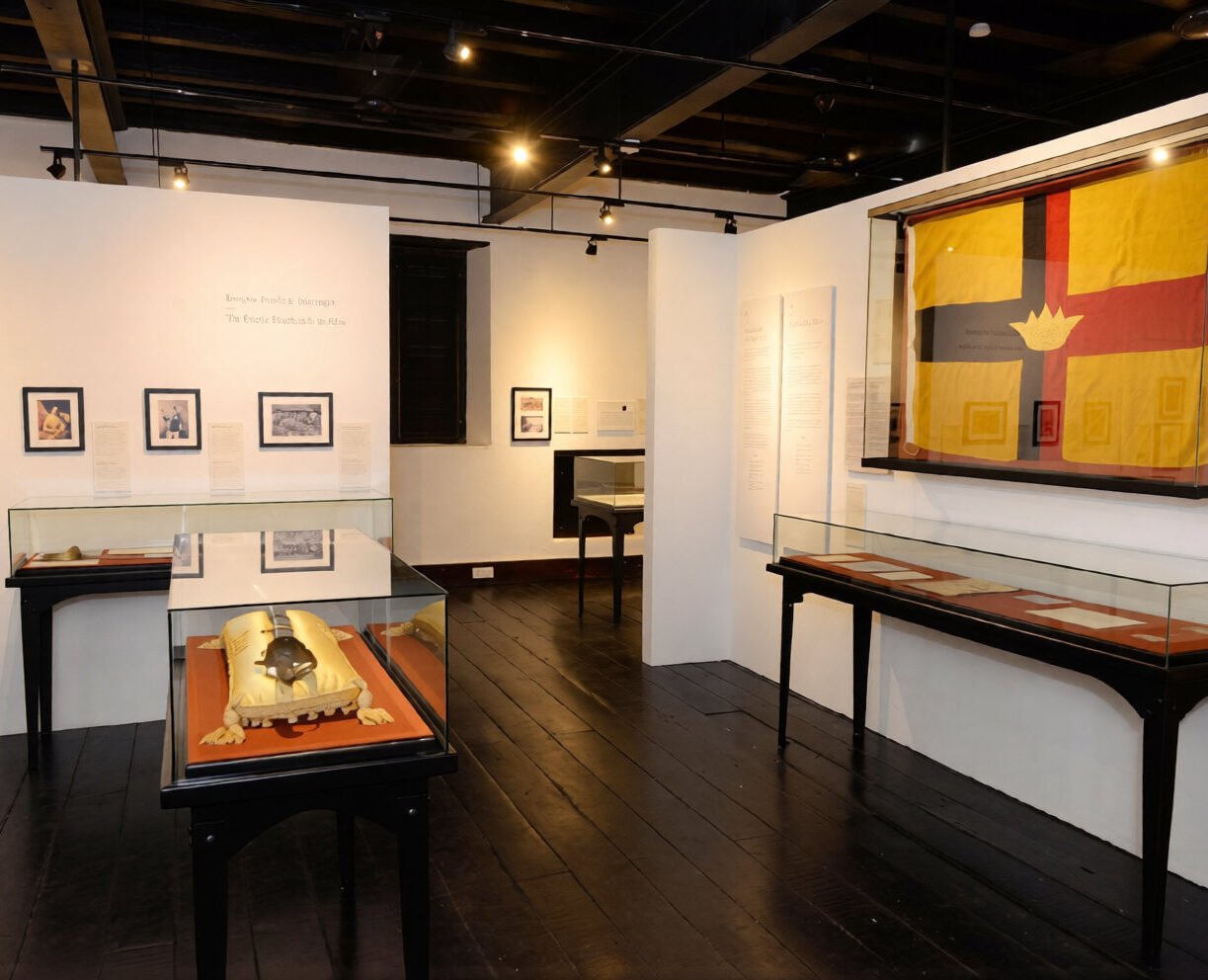
    Walk across the Darul Hana Bridge to visit the historic Fort Margherita on the north bank, where you can browse the official Brooke Gallery Exhibition to dive deep into the fascinating era of the White Rajahs.

    source: brookegallery.org

    📌 Fast Facts for Your Itinerary

    📍 Address: Jalan Main Bazaar, 93000 Kuching, Sarawak, Malaysia

    ⏰ Best Time to Visit: While the path is open 24/7, the ideal window is 5:30 PM to 8:30 PM to catch the sunset, the opening of the evening markets, and the fountain light shows. Note that the Darul Hana Bridge officially closes its gates at midnight daily.

    🎫 Admission Fee: Walking along the promenade and crossing the Darul Hana Bridge is 100% free for everyone.

    💡 Pro-Tip: Major urban upgrades are underway, including a RM1.5 million Festival Square at Lebuh Java and a multi-phase 4.8km waterfront extension stretching all the way to Satok Bridge. Keep a lookout for temporary signposts as these exciting spaces continue rolling out!

  • Pulau Besar, Johor: Malaysia’s Unspoiled Island Gem

    Pulau Besar, Johor: Malaysia’s Unspoiled Island Gem

    Booking an expensive flight overseas to find powdery sand and pristine turquoise water is a popular vacation dream, but a spectacular, untouched paradise lies waiting just off the coast of Mersing. Located within the protected Sultan Iskandar Marine Park, Pulau Besar (historically known as Pulau Babi Besar) is a breathtaking tropical hideaway that has quietly become a favorite local secret for travelers craving a slow-paced escape.

    Want to see what island life here actually looks like? Check out this video review by Sivan John on Youtube for a quick look at the location, resort setups, and hidden spots you might not want to miss.

    Part pristine marine reserve, part laid-back eco-retreat, this island completely strips away city stresses. If you are ready to ditch packed sightseeing schedules, breathe in fresh sea breezes, and sink your toes into truly virgin sands, here is why this hidden paradise deserves a spot on your travel list

    Pulau Besar is a spectacular, low-key paradise that values nature conservation over noisy commercial development. Located roughly 15 kilometers off the east coast of Johor, the entire area is an officially gazetted Marine Park, meaning its vibrant surrounding reefs and delicate coastal ecosystems are heavily protected from large-scale exploitation.

    Instead of towering high-rise hotels or buzzing nightlife strips, the island’s shoreline is dotted with rustic, low-key boutique resorts like Bayu Lestari Island Resort and Aseania Beach Resort. The interior of the island is a wild, untouched frontier of dense tropical rainforest and towering vertical rocky cliffs. Because the island restricts heavy motor vehicle traffic, the entire atmosphere remains wonderfully quiet, airy, and entirely unpolluted.

    The Factors Driving Its Popularity

    Pulau Besar has captured a loyal following among couples, honeymooners, and digital detox seekers for three major reasons:

    • The 30-Minute Transit Rule:
    Unlike remote islands that require grueling half-day journeys, Pulau Besar is accessible via a quick, breezy 30-minute speedboat ride from the Mersing Jetty. It gives you maximum beach time with minimal travel exhaustion.

    • A Crowd-Free Haven:
    Because the island deliberately limits the number of open resorts, the beaches never feel packed or commercialized. It feels entirely private, making it the perfect destination for “healing” or reading a book on a quiet balcony.

    • Thriving Near-Shore Marine Life:
    Because it is a marine sanctuary, you don’t need to take deep-sea boat tours to see wildlife. Intricate coral gardens and diverse underwater species thrive right off the shore break.

    💡 Read Next: Looking to trade the relaxing island breeze for a serene indoor plant sanctuary back on the mainland? Head over to Johor Bahru and check out our ultimate guide to the gorgeous, soil-free greenhouse cafe: Naug Cafe Just Plants!

    Local Experiences

    Wandering out from your beachfront villa reveals a brilliant mix of water sports and land-based exploration:

    • World-Class Island Hopping:
    You can easily charter local boats for an unforgettable day trip. Popular classic routes take you to neighboring Pulau Tengah to walk along immaculate sandbanks, Pulau Hujung for secluded swimming holes, and Pulau Rawa for premium reef sightseeing.

    • Effortless Snorkeling & Kayaking:
    Grab a rental mask and life jacket to explore the Besar Field coral reefs or the Baby Shark Spot right off the main resort beaches. Alternatively, rent a kayak to paddle your way around hidden, private coves.

    • Scenic Jungle Trekking:
    Lace up your sneakers and head inland for light hill walks through the tropical forest to catch spectacular panoramic views of the South China Sea from elevated viewpoints.

    • Cycling the Coastline:
    Rent a bicycle from your resort to cruise down the peaceful paths connecting the fishing villages. Just remember to apply insect repellent to guard against sandflies toward the island’s raw edges!

    📌 Fast Facts for Your Itinerary

    📍 Gateway Location: Mersing Jetty, Mersing, Johor, Malaysia

    ⏰ Best Time to Visit: The ideal dry season runs from March to October. Resorts temporarily close down during the peak northeast monsoon season (November to February) due to rough seas.

    🎫 Marine Park Fees: Entry onto the protected island requires a mandatory Marine Park wristband conservation fee, priced at RM10 for Malaysians and RM40 for international visitors.

    🚤 Getting There: Secure a car or bus ride to Mersing. Most resorts offer direct full-board packages that automatically include your scheduled round-trip speedboat transfers (typically running around RM100 return).

  • Exploring the Vibrant, Rejuvenated River District of Melaka

    Exploring the Vibrant, Rejuvenated River District of Melaka

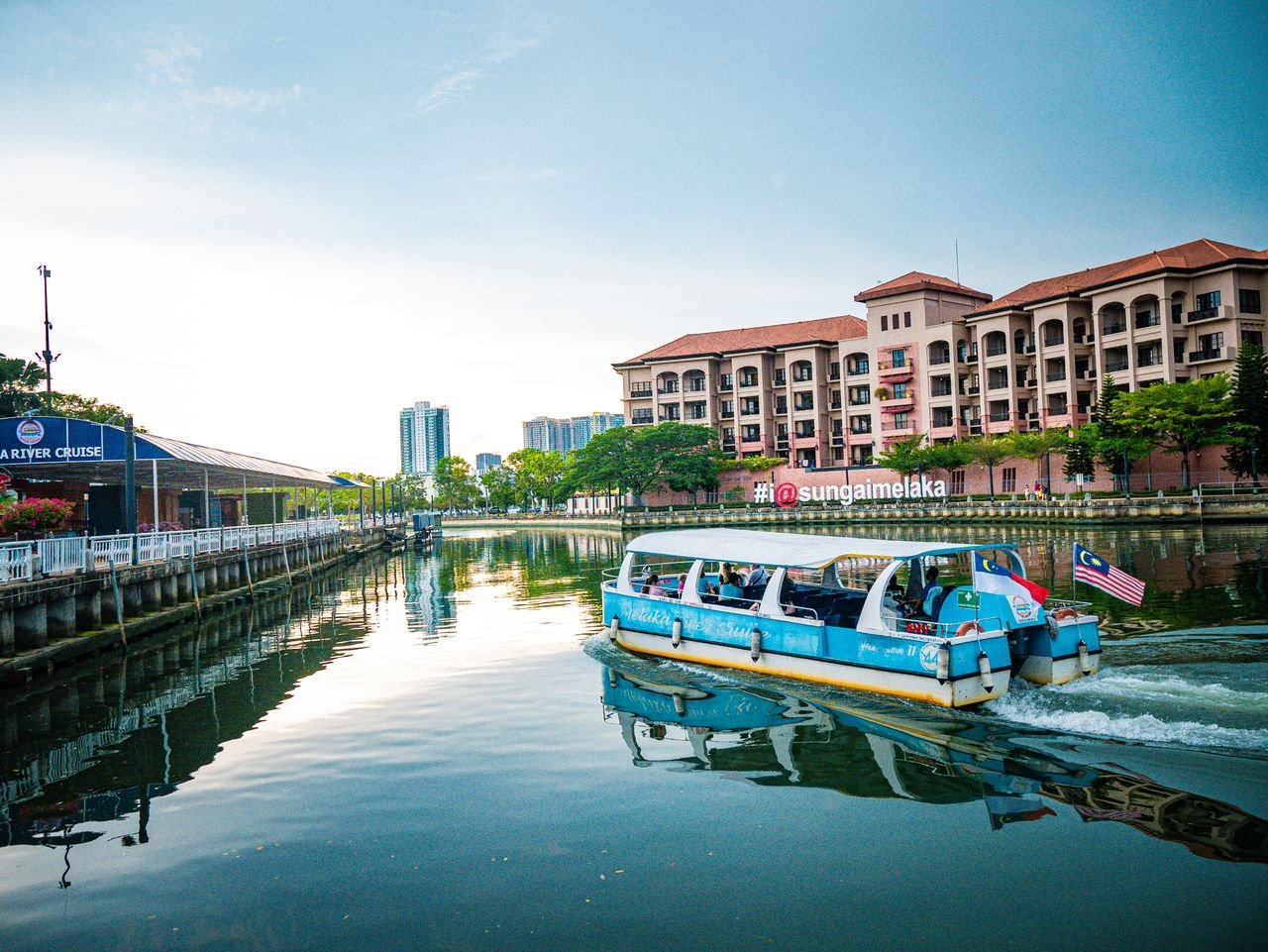
    Hunting down ancient Portuguese fortresses and snapping photos of the brick-red Stadthuys square are staple activities for any history buff, but the true lifeline of this UNESCO World Heritage city flows directly through its center. Winding beautifully past centuries-old trade houses and neon-lit modern walkways, Sungai Melaka is a stunningly restored waterway that serves as the visual and cultural heart of Malacca City.

    Famously dubbed the “Venice of the East” by early European spice merchants, this historic river has transformed from a vital 15th-century maritime trading rail into a highly vibrant, beautifully clean urban sanctuary. If you are ready to catch a breezy sunset boat ride, explore miles of spectacular street art, and dive into Malaysia’s living history, here is exactly why this iconic river district belongs on your travel bucket list.

    Sungai Melaka isn’t just a basic urban canal; it is a flowing historical museum that stretches roughly 9 kilometers through the absolute center of the city’s UNESCO zone. Thanks to extensive structural rejuvenating programs, the once-polluted river now boasts beautifully paved concrete embankments, pedestrian footpaths, and lush landscaping.

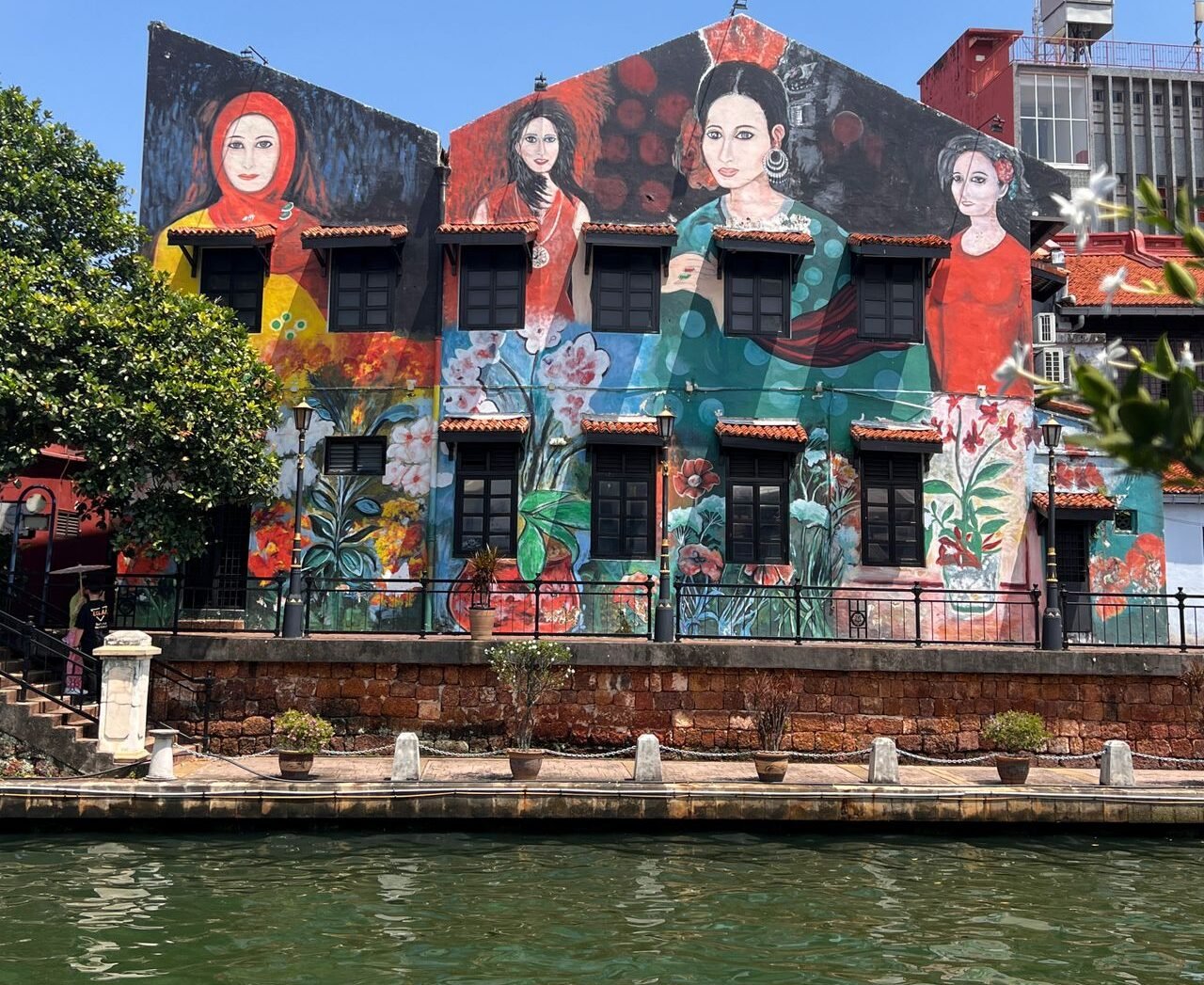
    Strolling down the modern riverbanks treats your eyes to a gorgeous, fluid architectural clash. On one side of the river, you will see weathered colonial trading warehouses, traditional Malay stilt homes, and historic arched bridges; on the other, the walls are treated as a sprawling, open-air art gallery covered in massive, bright murals depicting local folklore and Peranakan culture. The entire setting feels deeply authentic yet impressively modern, serving as a peaceful refuge from the crowded markets nearby.

    What Makes It So Appealing To The Public

    The river corridor remains the absolute focal point for travelers arriving in Melaka for these factors:

    • The Brand-New Ferris Wheel Melaka:
    Keeping the river district incredibly lively, the state recently opened a massive Ferris Wheel right along the cruise loop, providing riders with an elite, bird’s-eye view of the historic city lights bouncing off the water.

    • The “Pay Less, See More” Integration:
    The state government’s major tourism initiative packages the popular river boat rides alongside other elite heritage stops—like the Flor de la Mar Maritime Museum—into a single, highly affordable integrated smart pass announced via the Melaka State Government Portal.

    • The Nighttime Transformation:
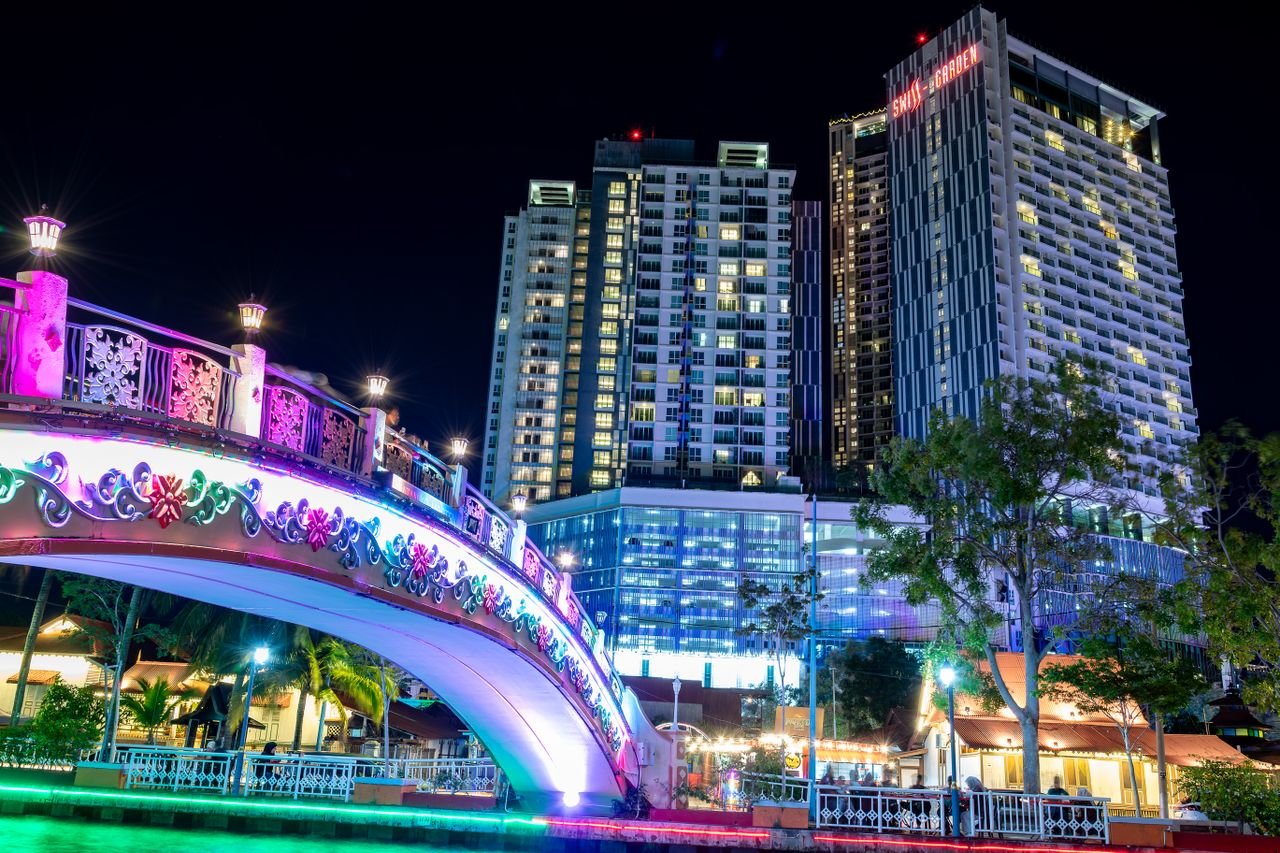
    While daytime walks are peaceful, the river entirely transforms after dusk. The water is illuminated by a massive array of multi-colored LED installations under the bridges, making the nighttime cruises feel like an enchanting, floating neon wonderland.

    💡 Read Next: Ready to swap the tranquil, historic riverboat lanes of Malacca for a thrilling high-altitude view over the capital city skyline? Head north to check out our ultimate guide to the iconic KL Tower!

    Things to Do

    Taking a trip down the river corridor offers an abundance of incredibly scenic and immersive activities:

    • Hop on the Melaka River Cruise:
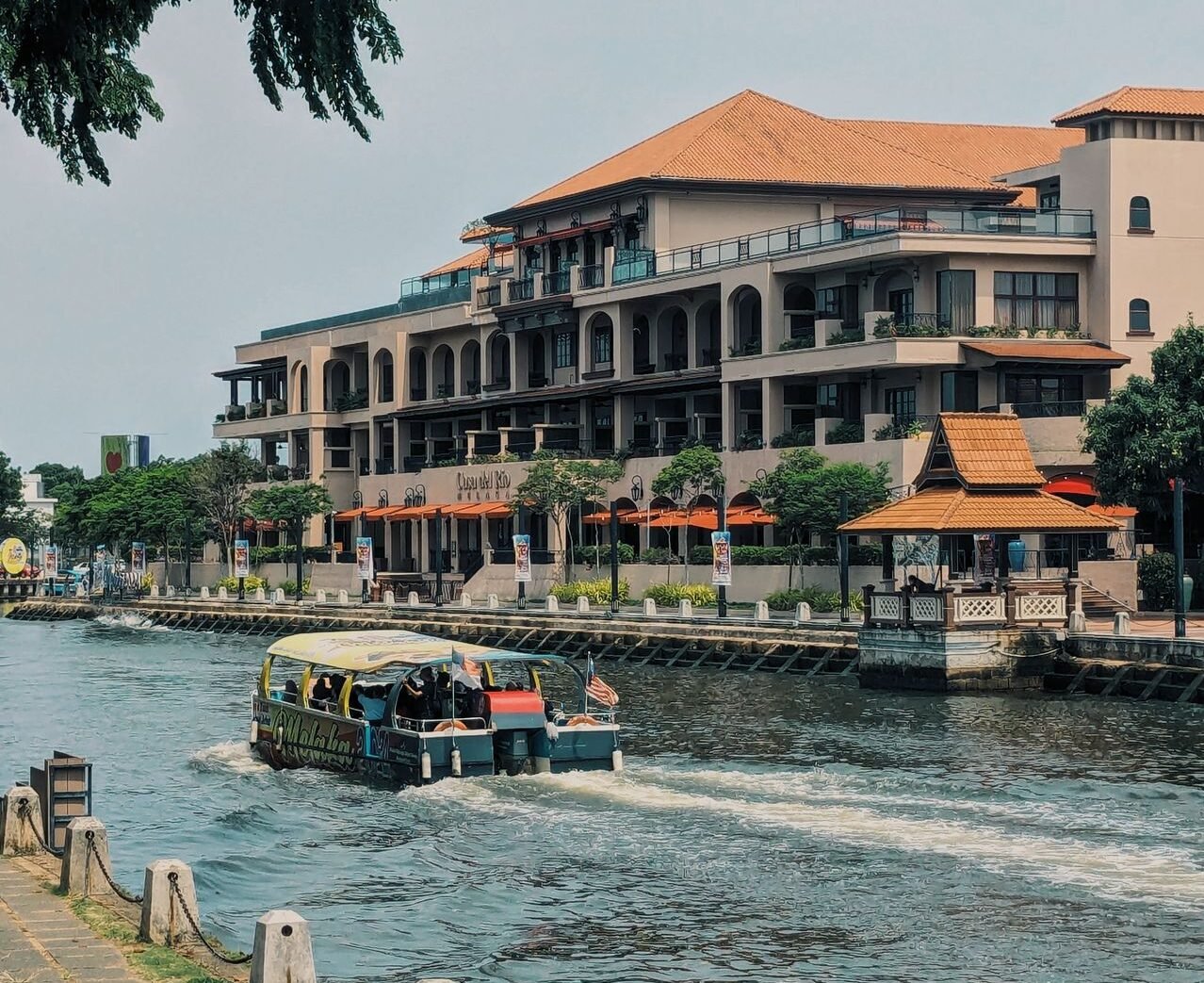
    The absolute signature experience is a 45-minute round-trip boat cruise. Sweeping you from the ocean mouth deep into the city, you will glide gracefully under historic crossings like the Tan Kim Seng Bridge and watch the city pass by from the comfort of the water.

    • Explore Kampung Morten:
    Step off the river walkways directly into Kampung Morten, a living heritage village right in the middle of the city. You can wander past beautifully preserved, traditional wooden Malay houses featuring colorful tiled steps and ornate roofs.

    • Dine at the Floating Cafes:
    The river banks are lined with excellent dining nooks, including the unique Mendam Berahi Floating Café, allowing you to enjoy a steaming bowl of local Asam Pedas or cold desserts while floating right on the moving water.

    • Stroll the Boardwalks at Night:
    Take a leisurely evening walk down the paths to explore local artisan pop-ups, listen to acoustic street buskers, or stop to photograph the brightly painted murals glowing under the spotlight.

    📌 Fast Facts for Your Itinerary

    📍 Boarding Locations: You can jump on the cruise at two distinct locations: Muara Jetty (right next to the Maritime Museum) or Taman Rempah Jetty (equipped with ample parking space).

    ⏰ Operating Hours: 9:00 AM – 11:00 PM Daily.

    🎫 Ticket Pricing: Official ticketing rates are structured as follows: RM35 for Malaysian Adults (MyKad) and RM25 for Malaysian Children. For international travelers, entry is priced at RM50 for Adults and RM45 for Children.

    💡 Pro-Tip: While a daytime cruise is excellent for seeing the details of the historic murals, the night cruise is universally considered the premium experience. Aim to line up around 7:45 PM so you can watch the neon lights flash to life right as your boat sets off!

  • Inside the Life-Sized Flor de la Mar Replica of Malacca

    Inside the Life-Sized Flor de la Mar Replica of Malacca

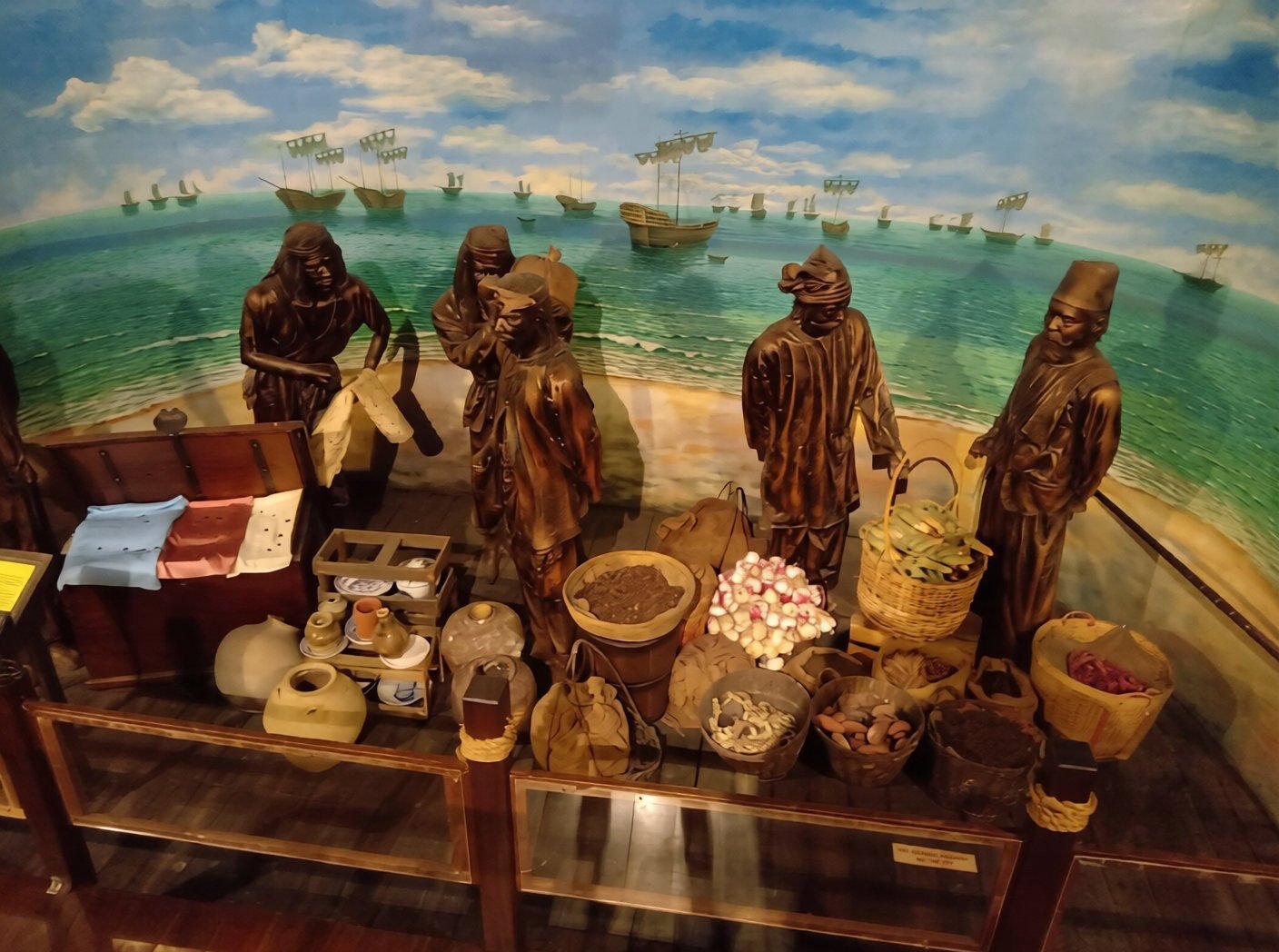
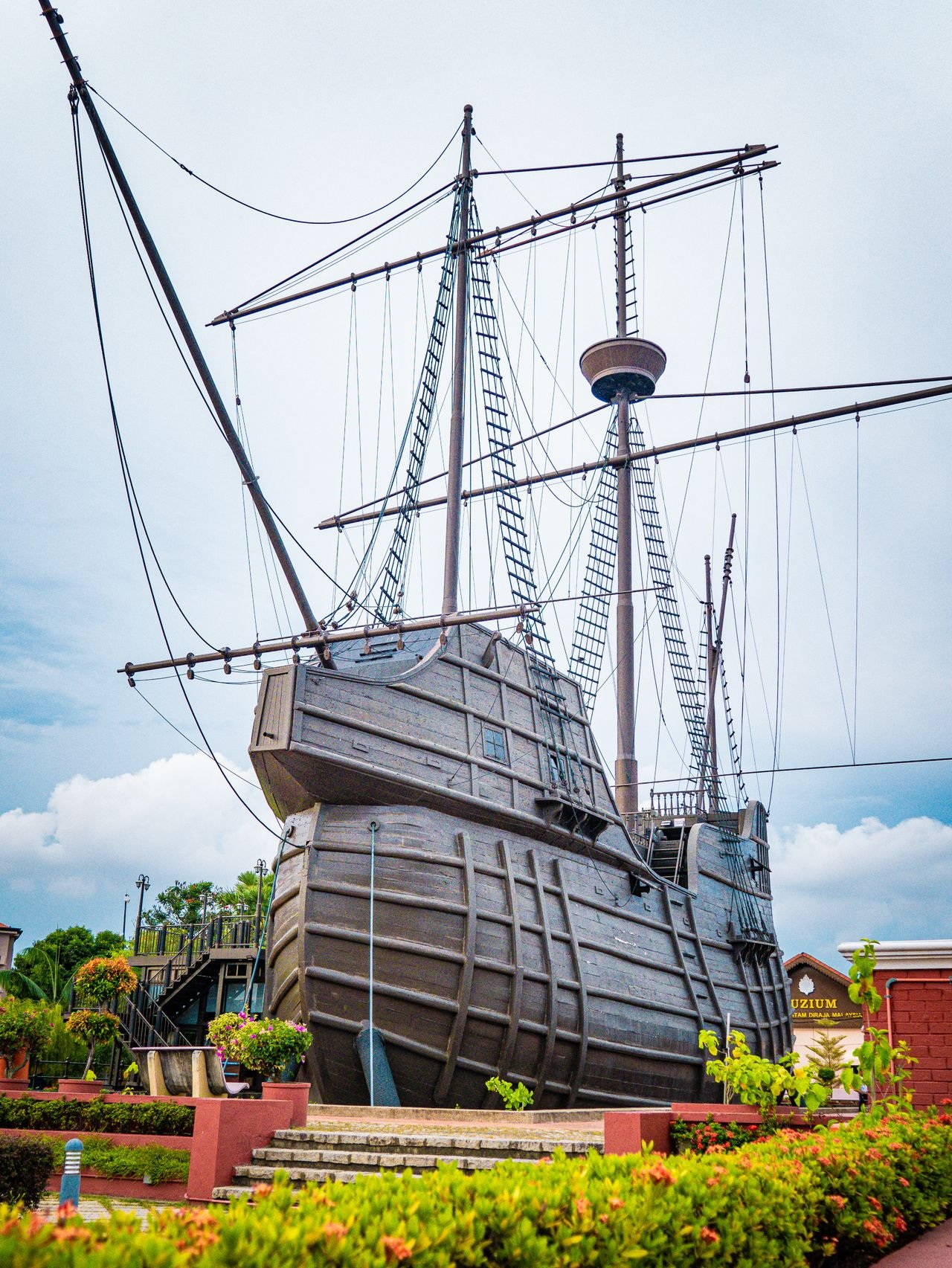
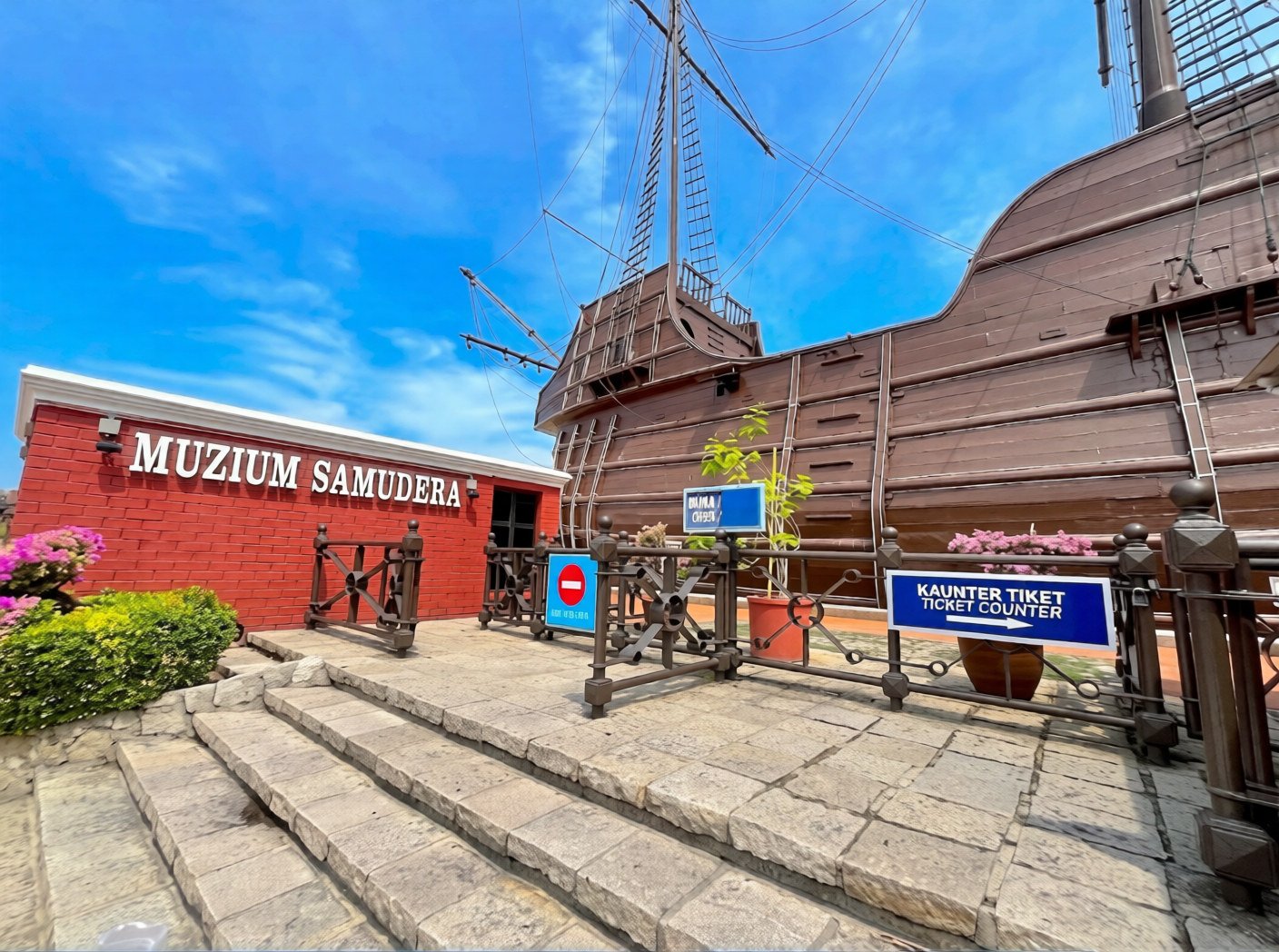
    Housed inside a magnificent, life-sized replica of an ancient Portuguese galleon, Muzium Samudra (the Malacca Maritime Museum) is a captivating exhibition that anchors the historic quayside area of Malacca City.

    As the only museum in the region entirely built within a massive, 34-meter-high replica of a 16th-century ship, it stands as a visual crown jewel along the river corridor.

    If you are ready to climb the wooden planks, explore the hidden cabins of legendary captains, and discover the secrets of an $80 billion lost treasure shipwreck, here is why this floating time capsule deserves a spot on your trip.

    Muzium Samudra is a stunning, structural masterpiece managed by the Melaka Museum Corporation (PERZIM) that breathes life into the golden era of the Malacca Sultanate. The eye-catching structure is a full-scale reconstruction of the Flor de la Mar (Flower of the Sea), a legendary Portuguese carrack that famously sank off the Malacca coast in November 1511 while attempting to carry plundered sultanate treasures back to Europe.

    Stepping onto the grounds reveals a multi-tiered history world. The main ship features two levels of indoor, air-conditioned cabins connected by rustic wooden ladders. Because the museum is deeply committed to preserving authentic heritage textures, visitors must remove their shoes at the door, stepping barefoot or in socks onto the smooth, polished timber decks just like sailors did centuries ago.

    What Makes It Worth The Trip

    The maritime museum remains one of the highest-rated and most photographed historical stops in Banda Hilir for three distinct reasons:

    • The Three-in-One Ticket Value:
    Your single admission pass doesn’t just grant entry to the giant ship; it automatically unlocks access to three separate museum zones—including Phase 1 (the main ship), Phase 2 (marine flora/fauna in the adjacent warehouse), and the Royal Malaysian Navy Museum.

    • The “Bila Larut Malam” Moonlight Series:
    Keeping the historic zone vibrant, the museum participates in the state’s popular monthly midnight opening events. On the first Saturday night of each month, visitors can explore five local museums for a flat promotional fee of just RM10 from 11:00 PM to 2:00 AM.

    • The Digital ‘Go-Cashless’ Era:
    Ticketing queues move incredibly fast thanks to the comprehensive integration of digital payment frameworks, making it effortless to tap your credit card or scan a mobile wallet at the entry terminals.

    What To See And Do

    A full exploration across the three museum sites takes about 1.5 to 2 hours and treats you to a diverse layout of exhibits:

    • The Captain’s Cabin and Dioramas:
    Scale the ladders to the upper deck of the ship to peer inside a beautifully staged diorama of the captain’s personal living quarters, complete with navigation instruments, old sea chests, and antique sextants.

    • The Treasure Trade Rooms:
    Wander through the lower hulls to marvel at specialized collections of antique coins, ancient navigation maps, and heavy iron cannons tracking Malacca’s history through the Portuguese, Dutch, and British colonial rules.

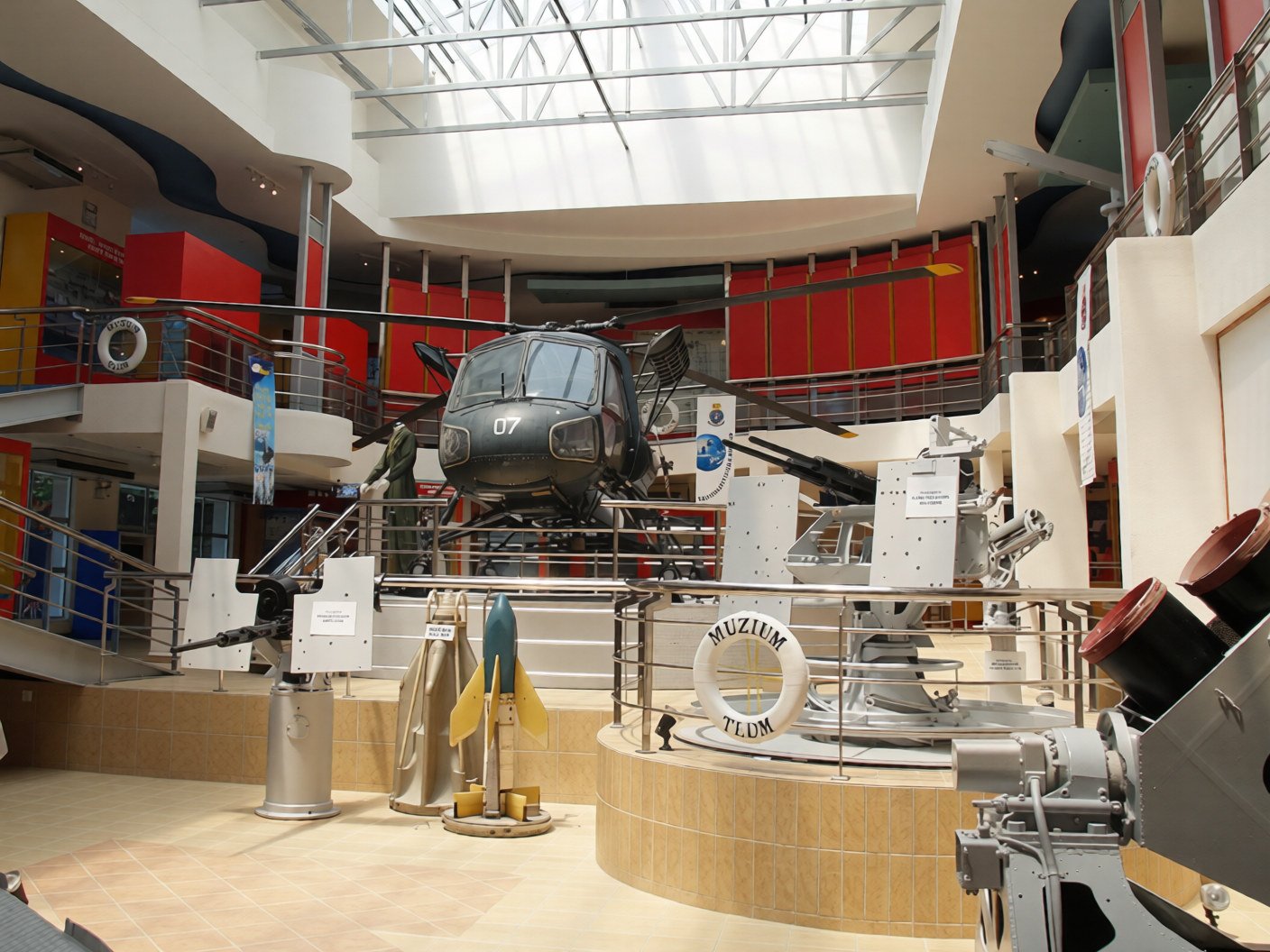
    • The Naval Subsystem (Muzium TLDM):
    Settle across the street into the modern naval wing to see tactical military uniforms, historical weaponry, and a genuine decommissioned patrol helicopter resting right in the center courtyard.

    📌 Fast Facts for Your Itinerary

    📍 Address: Jln Merdeka, Banda Hilir, 75000 Melaka, Malaysia

    ⏰ Operating Hours: Tuesday to Sunday, 9:00 AM – 5:30 PM (Ticketing counter closes firmly at 4:30 PM). Strictly closed to the public every Monday.

    🎫 Standard Ticket Prices: Entry is incredibly budget-friendly. Tickets are priced at RM10 for Malaysian Adults (MyKad) and RM5 for Malaysian Children. For international tourists, entry is RM20 for Adults and RM10 for Children.

    💡 Pro-Tip: Because the entire structure is built out of dark timber wood, the upper open decks can get quite warm during peak midday sun. Aim to coordinate your visit for early morning or late afternoon, and remember to pack a small tote bag if you prefer to carry your shoes along with you rather than leaving them on the public entry racks!

    🏖️ Ready to trade your sea-captain boots for powdery sand and turquoise waves? Now that you’ve discovered the legendary maritime secrets of Muzium Samudra, explore our ultimate guide to conquering Johor’s crowd-free island paradise: Pulau Besar!

  • Penang Botanical Gardens: George Town’s Hidden Oasis

    Penang Botanical Gardens: George Town’s Hidden Oasis

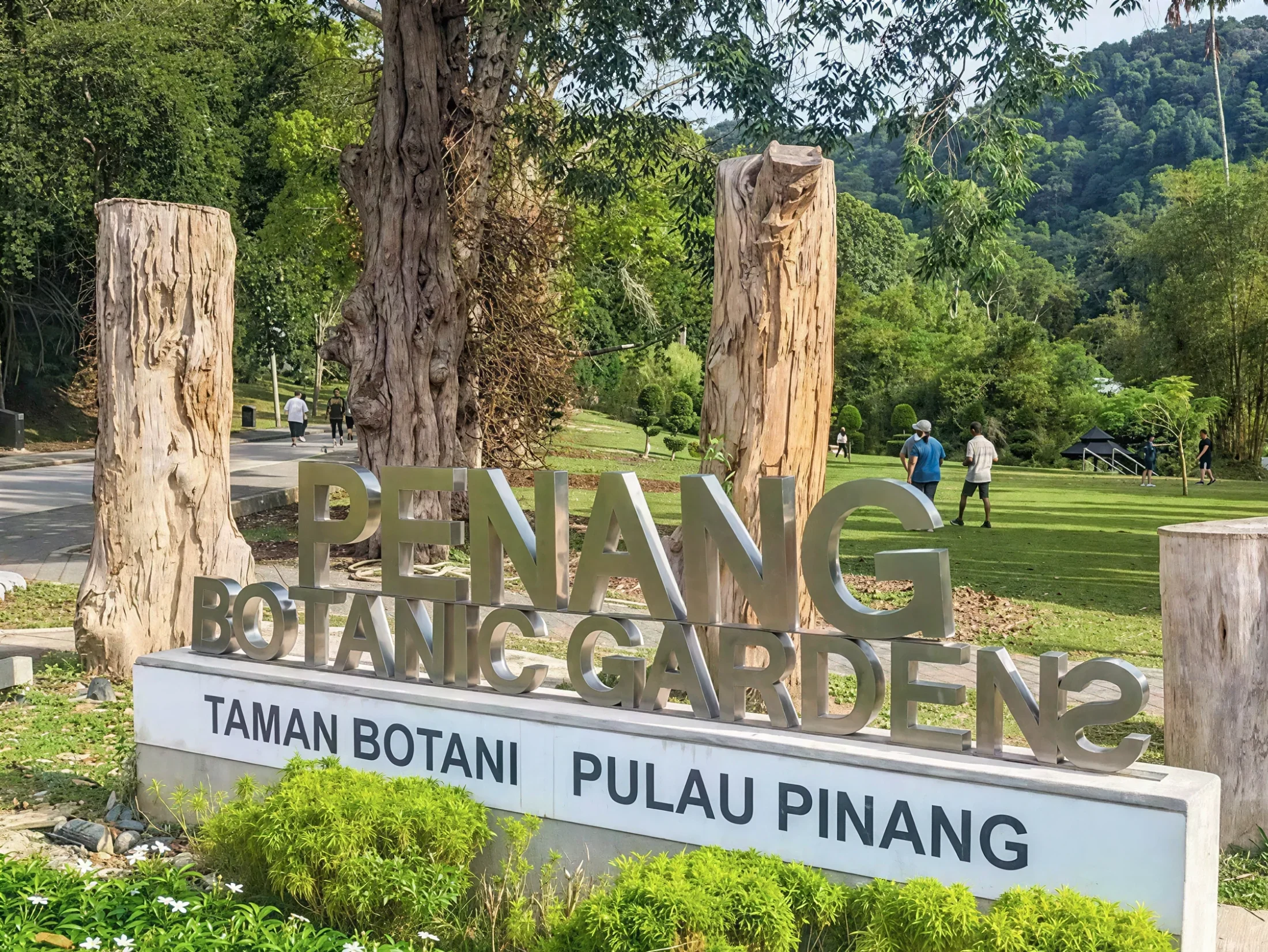
    Exploring the historical charm of George Town and feasting on world-famous street food along Gurney Drive are essential island experiences, but the true natural soul of Penang lies hidden inside a deep, emerald valley. Tucked away at the edge of a deep valley at the foot of Penang Hill lies the Penang Botanical Gardens—a massive, 74-hectare green paradise that has served as the island’s premier natural sanctuary for nearly 150 years.

    Part historic research reserve, part tropical paradise, this sprawling oasis is famously known to locals as the “Waterfall Gardens” due to a cascading river that surges right through its heart. If you are looking to escape the tropical heat, walk under giant pre-war tree canopies, and get up close with local wildlife, here is exactly why this lush haven belongs on your ultimate Penang itinerary.

    source: onpenang.com

    The Penang Botanical Gardens is a spectacular, living showcase of global and native flora, established by the British back in 1884 under the vision of master horticulturist Charles Curtis. You can find more trip planning tips on the official Tourism Malaysia Botanical Gardens Guide. Unlike manicured municipal parks, this historic site is carved directly out of a deep remnant of natural tropical rainforest, creating an incredible valley basin surrounded by jungle-clad hills

    As you stroll along the paved pathways, you are walking amidst a living museum. The grounds feature a spectacular mix of sprawling lawns, delicate plant conservatories, and ancient, towering trees—including the legendary Pinang Palms that gave the island its name and massive Cannonball Trees with bizarre, woody fruit hanging directly from their trunks. The entire valley feels wonderfully secluded and grand, acting as a massive green lung for the bustling island.

    The Reasons For Its Popularity

    The gardens have captured a special place in the hearts of global eco-travelers and local fitness enthusiasts for three major reasons:

    • The Famous Long-Tailed Macaques:
    The park is universally famous for its lively, resident primate populations. You will spot families of inquisitive Long-Tailed Macaques and beautiful, white-ringed Dusky Leaf Monkeys swinging effortlessly through the treetops.

    • The Historic Waterfall Access:
    While the actual reservoir waterfall is closed off for safety inside the water treatment zone, the park sits at the base of the canyon, meaning crystal-clear forest streams rush directly alongside the walking paths, offering a beautifully peaceful soundtrack.

    • The Gateway to Penang Hill:
    For active travelers, the gardens serve as the ultimate hiking base camp. The main entrance sits right at the starting trail for the infamous Jeep Track to Penang Hill summit, as well as the challenging Lily Pond hiking routes.

    💡 Read Next: Want to swap the dense jungle canopies for a cozy indoor plant sanctuary? Head down south and check out our ultimate guide to Johor Bahru’s stunning, soil-free greenhouse cafe: Naug Cafe Just Plants!

    Activities & Sights

    source: Ganesh Kolandaveloo (PenangToday Community) on Facebook

    Wandering deeper into the valley reveals an array of beautifully curated sub-gardens, greenhouse complexes, and scenic trails:

    • The Exotic Orchidarium:
    Step inside the specialized glasshouses to marvel at a stunning collection of delicate, vibrant tropical orchids and rare wild bromeliads thriving in the high humidity.

    • The Sunken Garden & Lily Pond:
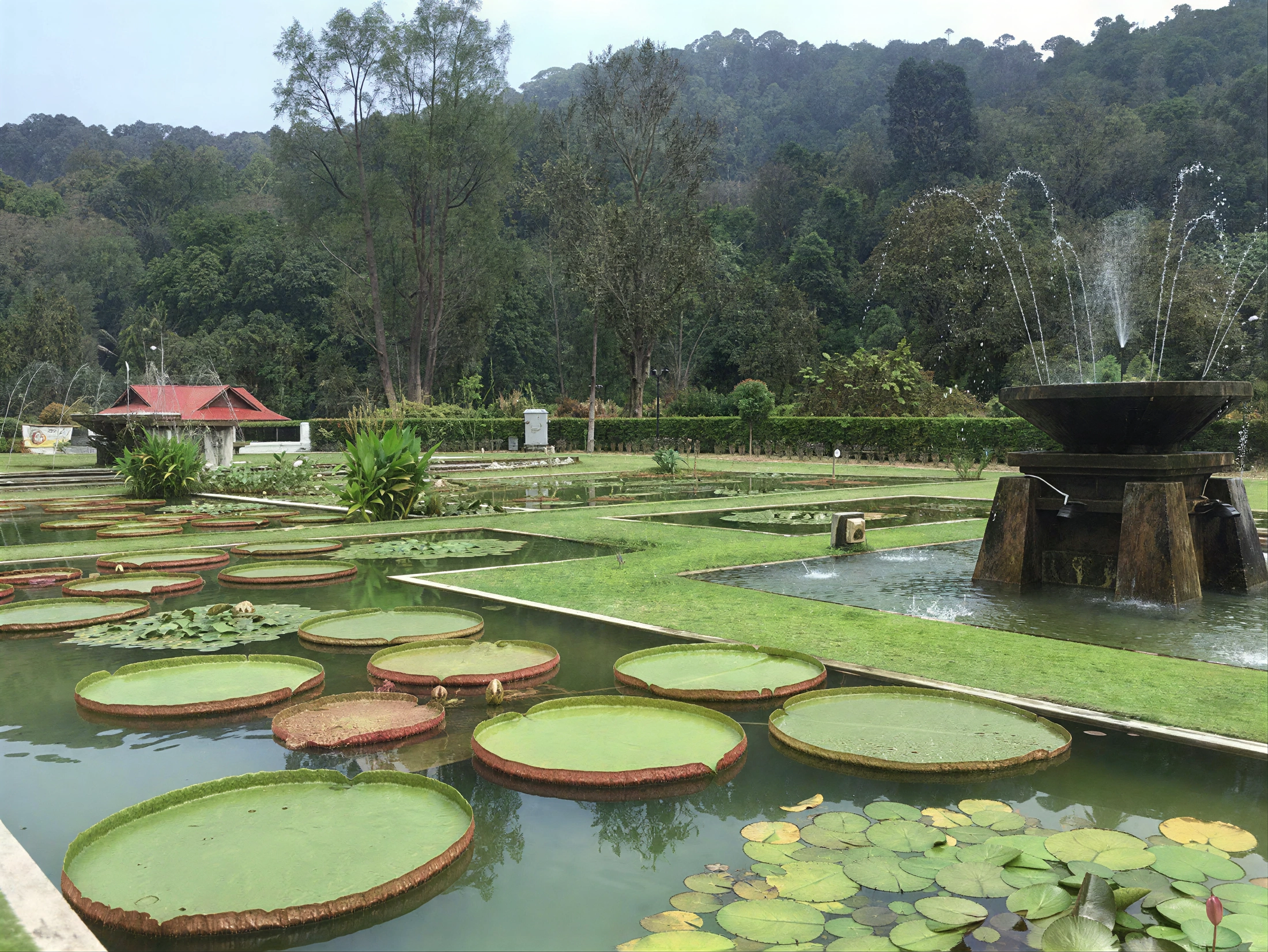
    Relax by the perfectly geometric, English-style sunken flowerbeds, or head over to the peaceful Lily Pond to see giant, floating Amazonian water lilies and calm water features.

    • The Fern House and Cactus House:
    Explore dedicated, climate-managed conservatories that house everything from massive, ancient prehistoric tree ferns to bizarre, spike-covered desert succulents.

    source: Susan Tan (PenangToday Community) on Facebook

    • A Stroll on the Canopy Walk:
    Wander onto the raised wooden boardwalks that elevate you into the forest mid-tier, giving you a safe, bird’s-eye view of the wildlife, butterflies, and rich birdlife hiding in the trees.

    📌 Fast Facts for Your Itinerary

    📍 Address: Jalan Kebun Bunga, 10350 George Town, Pulau Pinang

    ⏰ Operating Hours: 5:00 AM – 8:00 PM Daily (The specialized glasshouses and plant houses generally open from 9:00 AM – 5:00 PM)

    🎫 Admission Fee: Entry to the main public gardens, trails, and all conservatory houses is 100% free for both locals and international tourists.

    💡 Pro-Tip: The local monkeys are incredibly smart and highly opportunistic! To ensure a safe and peaceful stroll, strictly avoid carrying plastic bags, open water bottles, or food in your hands, as the macaques will confidently swoop in to swipe them from you.